
156 Results for "

p53 expression

" in MedChemExpress (MCE) Product Catalog:
Products (156)

156 Results for "p53 expression" in MCE Product Catalog:

52
52 Publications Verification
Art. -Nr.: HY-15676
CAS. Nr.: 1229705-06-9
Reinheit:  99.93%
Synonyms: RG7388
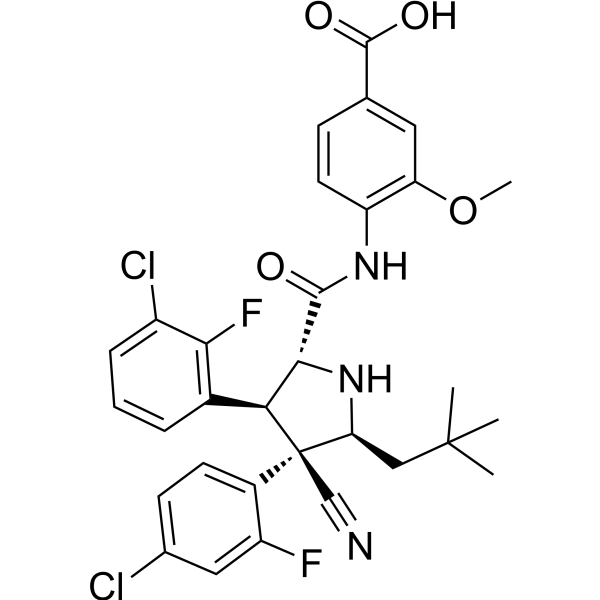
Idasanutlin (RG7388) is an orally bioavailable MDM2 inhibitor with an IC50 of 6 nM. Idasanutlin disrupts MDM2-p53 binding, stabilizes and activates p53, triggering cell cycle arrest, apoptosis, and reduced cancer cell viability. Idasanutlin reduces EGFR protein expression and phosphorylation, suppresses downstream SHP2, MEK1/2, ERK1/2, AKT, mTOR, p70(S6K1), and S6 signaling. Idasanutlin induces mitochondrial ROS production, drives p38 MAPK phosphorylation, upregulates NOXA, and mediates caspase-3-dependent apoptosis and gasdermin E-mediated pyroptosis. Idasanutlin can be used for the research of TP53-mutant non-small cell lung cancer, T-cell acute lymphoblastic leukemia, colorectal carcinoma, melanoma, diffuse large B-cell lymphoma, mantle cell lymphoma, non-Hodgkin lymphoma, severe fever with thrombocytopenia syndrome, neuroblastoma, acute lymphoblastic leukemia, relapsed or refractory acute myeloid leukemia, osteosarcoma, solid tumors, and hematological tumors .
loading...
    loading...
7
7 Cited Publications
Art. -Nr.: HY-B0294
CAS. Nr.: 31430-15-6
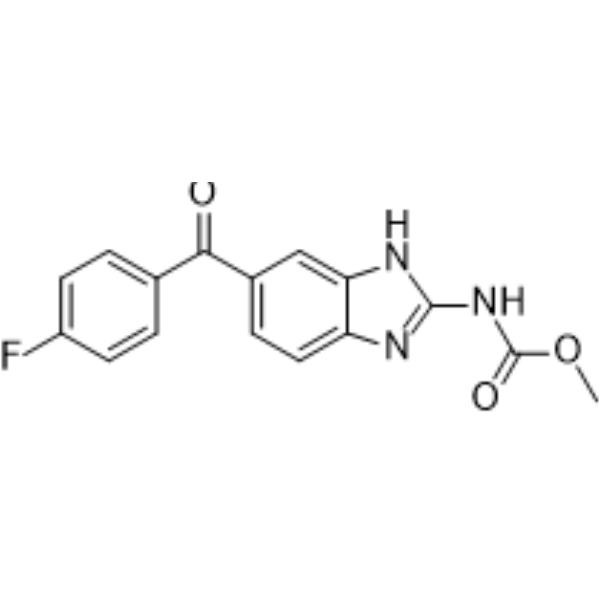
Flubendazole is an anthelmintic drug based on altering microtubule structure, inhibition of tubulin polymerization and disruption of microtubule function. Flubendazole induces apoptosis in human colorectal cancer (CRC) by blocking the STAT3 signaling axis and activation of autophagy. Flubendazole induces P53 expression and reduced Cyclin B1 and p-cdc2 expression. Flubendazole is an antitumor agent. Flubendazole can be used for worm and intestinal parasites .
loading...
    loading...
4
4 Cited Publications
Art. -Nr.: HY-B0774
CAS. Nr.: 112665-43-7
Synonyms: AA 2414
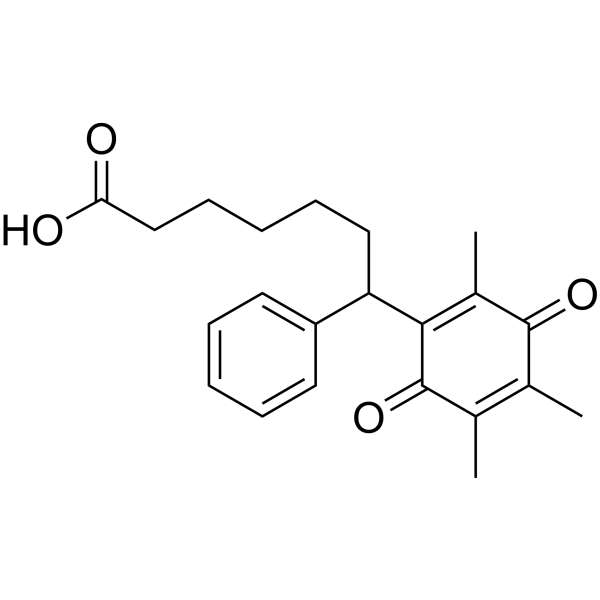
Seratrodast (AA 2414), an orally active antiasthmatic agent, is a thromboxane A2 receptor (TP) antagonist and ferroptosis inhibitor. Seratrodast reduces lipid ROS production, modulates the systemic xc-/GSH/GPX4 axis, and inhibits JNK phosphorylation and p53 expression. Seratrodast exhibits anti-asthmatic and anti-epileptic activity .
loading...
    loading...
4
4 Cited Publications
Art. -Nr.: HY-N2445
CAS. Nr.: 37308-75-1
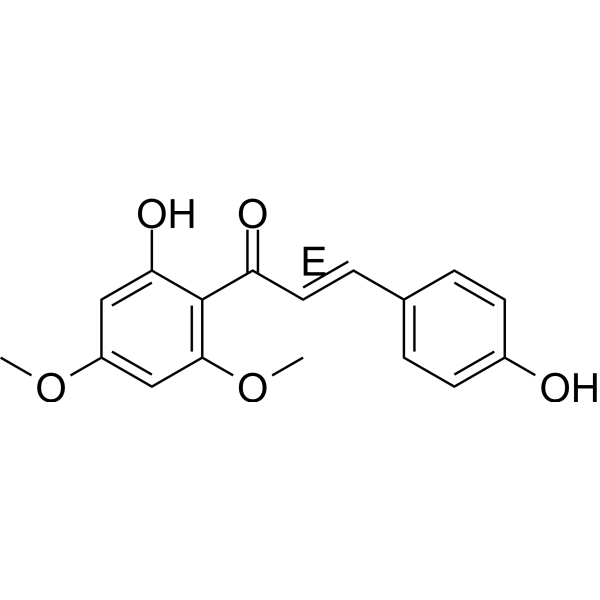
Flavokawain C is an orally active natural chalcone. Flavokawain C inhibits the proliferation of various cancer cells. Flavokawain C upregulates GADD153 in cancer cells, inhibits the phosphorylation of Akt and JNK, suppresses early ERK phosphorylation, activates late ERK phosphorylation, activates caspase related subtypes, induces PARP-1 cleavage, causes upregulation of p21 and p27, downregulation of mutant p53 and anti-apoptotic IAP proteins, elevates intracellular ROS levels, reduces SOD activity, and induces apoptosis. Flavokawain C downregulates FABP4, induces autophagy in cancer cells, and activates the AMPK/mTOR pathway . Flavokawain C decreases the expression of glycolysis-related proteins GLUT1 and HK2, and inhibits glycolysis in nasopharyngeal carcinoma cells. Flavokawain C inhibits the activation of the EGFR/PI3K/Akt/mTOR signaling pathway and reduces the expression of HSP90B1. Flavokawain C inhibits angiogenesis by decreasing the expression of angiogenic proteins Ang-1 and VEGF in human umbilical vein endothelial cells. Flavokawain C increases γ-H2AX levels in cells, inhibits the phosphorylation of FAK, PI3K and AKT in cells, and induces DNA damage in cells. Flavokawain C exerts anti-tumor activity in multiple tumor xenograft mouse models. Flavokawain C is applicable to research related to colorectal cancer, colon adenocarcinoma, nephroblastoma, nasopharyngeal carcinoma and liver cancer .
loading...
    loading...
3
3 Cited Publications
Art. -Nr.: HY-B0860
CAS. Nr.: 330-54-1
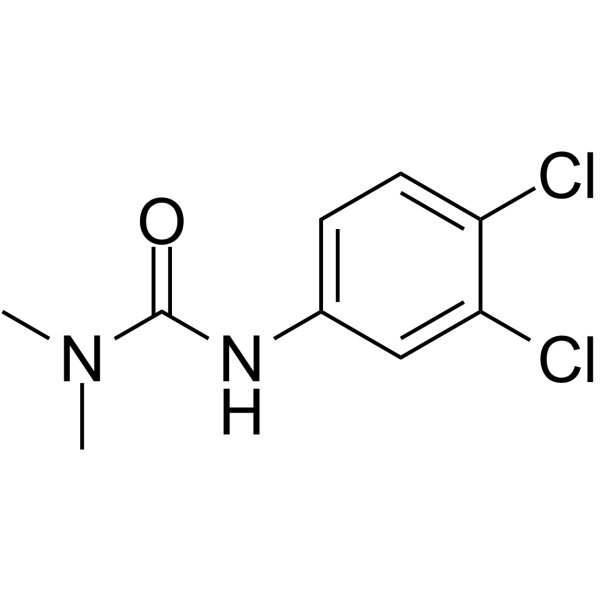
Diuron is an orally active phenylurea herbicide. Diuron inhibits photosynthesis in plants by blocking the formation of ATP and NADH. Diuron increases the production of ROS. Diuron increases expression of p53 in certain cell lines. Diuron has herbicidal activity against annual and perennial broadleaf weeds and grass weeds. Diuron promotes DMBA/BBN-induced bladder cancer. Diuron can be used in breast cancer research .
loading...
    loading...
3
3 Cited Publications
Art. -Nr.: HY-15221
CAS. Nr.: 1310877-95-2
Reinheit:  98.34%
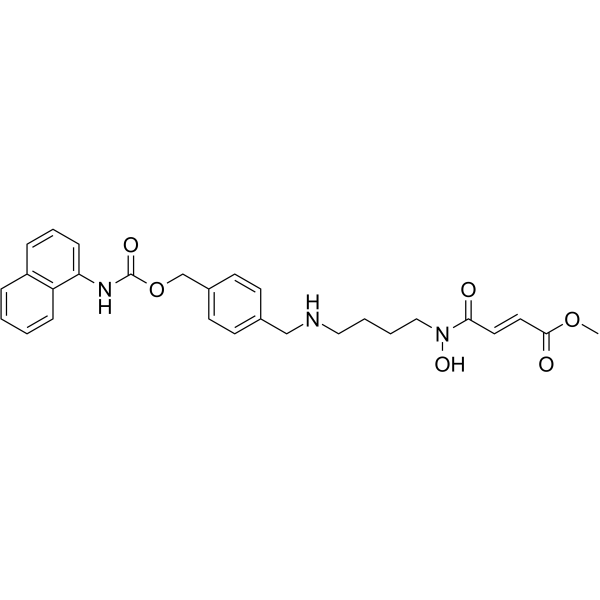
Methylstat is a potent histone demethylases inhibitor. Methylstat shows anti-proliferative activity with low cytotoxicity. Methylstat induces apoptosis and cell cycle arrest at G0/G1 phase. Methylstat increases the expression of p53 and p21 protein levels. Methylstat inhibits angiogenesis induced by various cytokines. Methylstat can be used as a chemical probe for addressing its role in angiogenesis .
loading...
    loading...
3
3 Cited Publications
Art. -Nr.: HY-P99444
CAS. Nr.: 2173054-79-8
Synonyms: MSTT 1041A; RG 6149
Astegolimab (MSTT 1041A; RG 6149) is a human IgG2 monoclonal antibody. Astegolimab blocks IL-33 signaling by targeting the IL-33 receptor ST2. Astegolimab reduces p53 expression, mitigates IL33-upregulated SASP factors such as IL1α, IL6 and MCP1. Astegolimab mitigates IL33-increased p-p65/p65 ratio. Astegolimab blocks CM-induced neutrophil extracellular trap (NET) formation. Astegolimab is used in chronic obstructive pulmonary disease (COPD) and myocardial research .
loading...
    loading...
2
2 Cited Publications
Art. -Nr.: HY-N4118
CAS. Nr.: 483-17-0
Synonyms: (-)-Cephaeline; NSC 32944 free base
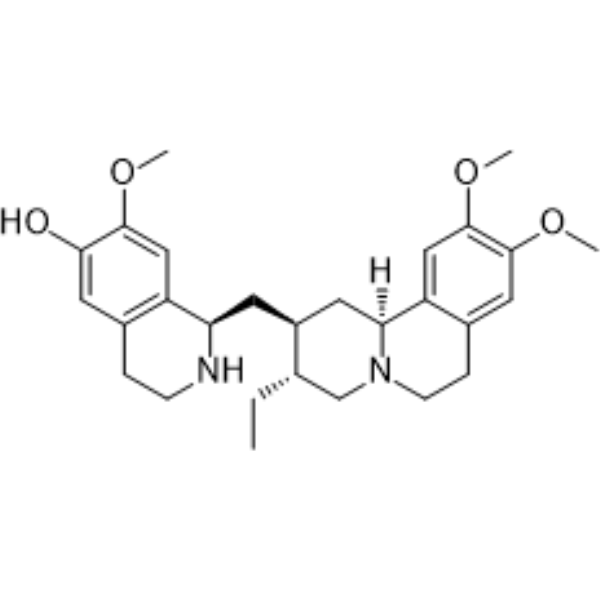
Cephaeline ((-)-Cephaeline; NSC 32944) is a ferroptosis inducer, with broad-spectrum anticancer and antiviral activities. Cephaeline induces ferroptosis (Ferroptosis) by upregulating p53, inhibiting NRF2, activating ULK3, downregulating the expressions of SLC7A11 and GPX4 in a p53-dependent manner, reducing GSH and mitochondrial membrane potential, and increasing lipid peroxidation and iron accumulation. Cephaeline inhibits cancer cell proliferation, migration and tumor growth. Cephaeline inhibits Ebola virus (EBOV) VLP entry and infection, with IC50 values of 3.27 μM and 22.18 μM respectively; it also inhibits Zika virus (ZIKV) NS5 RdRp activity (IC50 = 976 nM), and binds to severe acute respiratory syndrome coronavirus 2 (SARS-CoV-2) RdRp and N protein, with Kd values of 8.9 μM and 53.8 μM respectively. Cephaeline can be used in studies related to breast cancer, lung cancer, COVID-19, EBOV and ZIKV infections .
loading...
    loading...
2
2 Cited Publications
Art. -Nr.: HY-N0912
CAS. Nr.: 81720-08-3
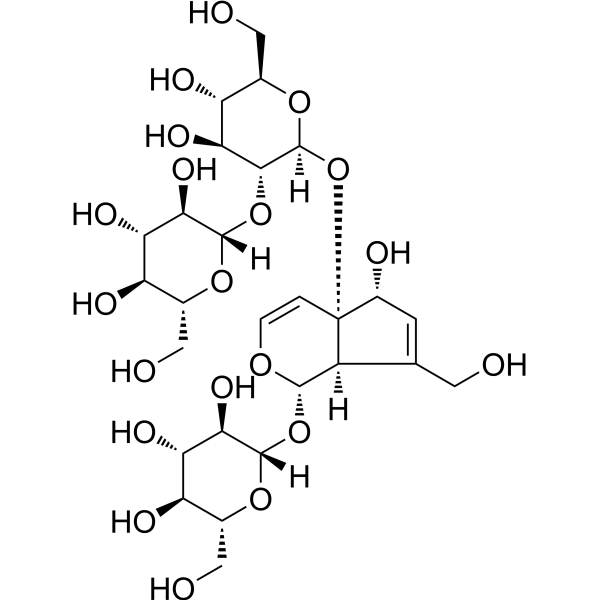
Rehmannioside D is an orally active Sirt7 modulator. Rehmannioside D upregulates Sirt7 expression, inhibits the level of acetylated p53, and blocks the activation of the p53 signaling pathway. Rehmannioside D alleviates liver injury, inflammatory response, collagen deposition and hepatocyte apoptosis. Rehmannioside D is applicable to research related to liver fibrosis .
loading...
    loading...
2
2 Cited Publications
Art. -Nr.: HY-N4225
CAS. Nr.: 85547-22-4
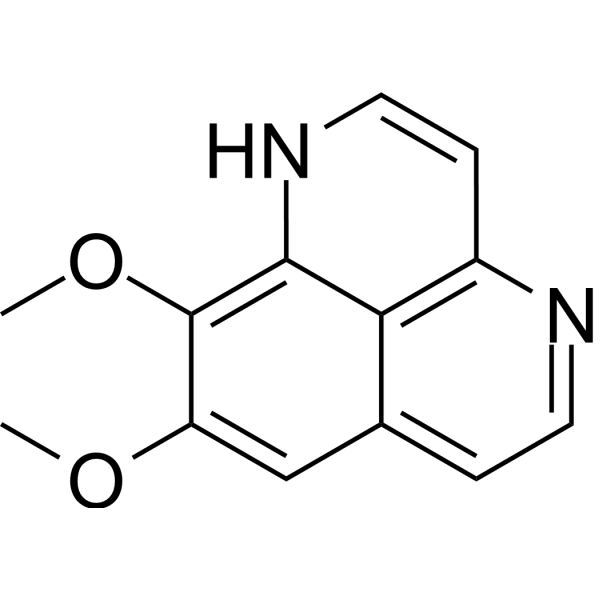
Aaptamine is an alkaloid that can be isolated from the sponge Aaptos suberitoides. Aaptamine is a competitive antagonist of the α-adrenergic receptor, as well as an inhibitor of the proteasome and cholinesterase. Aaptamine is cytotoxic to tumor cells and can induce apoptosis, cell cycle arrest of tumor cells, and the expression of p21 through a p53-independent pathway. Aaptamine has multiple activities such as anti-tumor, antioxidant, antibacterial, and analgesic effects .
loading...
    loading...
2
2 Cited Publications
Art. -Nr.: HY-N0541
CAS. Nr.: 69884-00-0
Synonyms: Ginsenoside A1
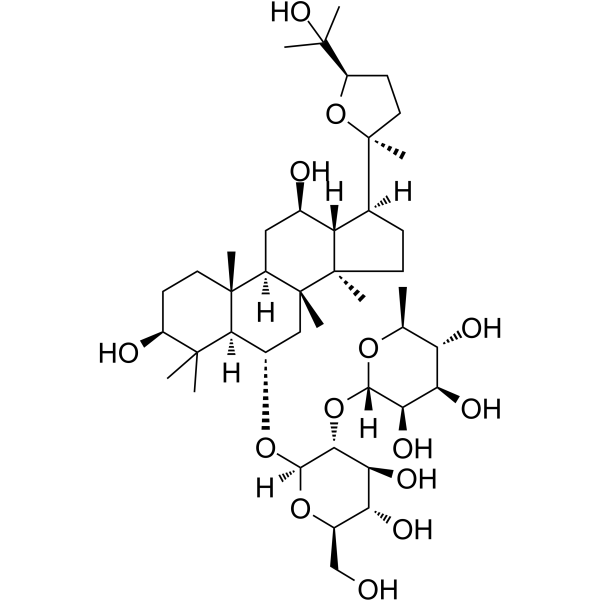
Pseudoginsenoside F11 is an orally active neuroprotective agent. Pseudoginsenoside F11 reduces the expression of β-amyloid precursor protein, inhibits the production of 1-40, downregulates the expression of JNK2, p53 and activated Caspase 3, and restores the activities of SOD and Glutathione peroxidase. Pseudoginsenoside F11 inhibits the excessive activation of μ-Calpain and restores the level of neuronal Nitric oxide synthase. Pseudoginsenoside F11 reduces infarct volume, alleviates cerebral edema, decreases neuronal loss, improves neurological deficits and enhances long-term functional outcomes in transient cerebral ischemia models. Pseudoginsenoside F11 antagonizes Methamphetamine-induced behavioral deficits, dopamine level reduction and neurotoxicity without altering the baseline behaviors of normal mice. Pseudoginsenoside F11 can be used in studies related to Alzheimer's disease, transient cerebral ischemic injury and Methamphetamine-induced neurotoxicity .
loading...
    loading...
1
1 Cited Publications
Art. -Nr.: HY-170451
CAS. Nr.: 2713618-08-5
Synonyms: KT-253
Forschungsgebiete:  

Cancer

Seldegamadlin (KT-253) is a cereblon-recruiting PROTAC degrader of MDM2, with a DC50 of 0.4 nM. Seldegamadlin catalyzes the ubiquitination and proteasomal degradation of MDM2, disrupts the MDM2/p53 autoregulatory feedback loop, induces apoptosis, caspase activation and p53 target gene expression, and inhibits the growth of wild-type p53 hematologic tumor cells and solid tumor cells. Seldegamadlin is applicable for the research of acute myeloid leukemia, acute lymphoblastic leukemia, diffuse large B-cell lymphoma and wild-type p53 solid tumors .
loading...
    loading...
1
1 Cited Publications
Art. -Nr.: HY-126437
CAS. Nr.: 25988-63-0
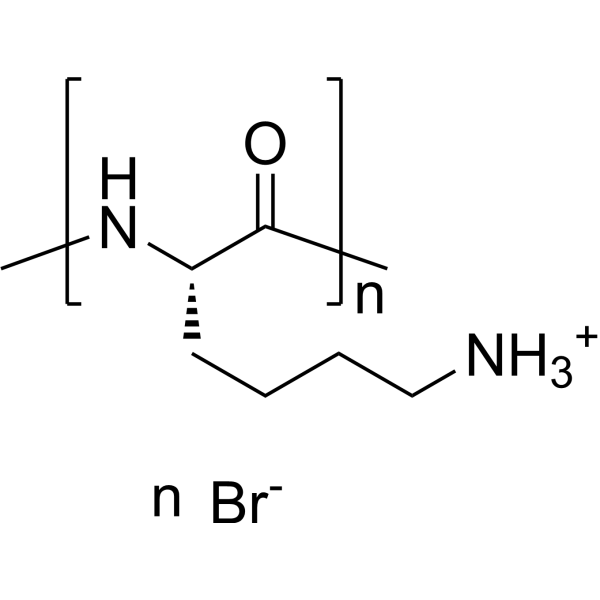
Poly-L-lysine hydrobromide (MW 30000-70000) is a water-soluble synthetic polypeptide. Poly-L-lysine hydrobromide (MW 30000-70000) downregulates Bcl-2 and upregulates Bax and p53 proteins. Poly-L-lysine hydrobromide (MW 30000-70000) promotes Apoptosis and reduces VEGF expression. Poly-L-lysine hydrobromide (MW 30000-70000) shows anticancer activity against a variety of tumors. Poly-L-lysine hydrobromide (MW 30000-70000) can also be used as a coating material .
loading...
    loading...
1
1 Cited Publications
Art. -Nr.: HY-N0331
CAS. Nr.: 35286-58-9
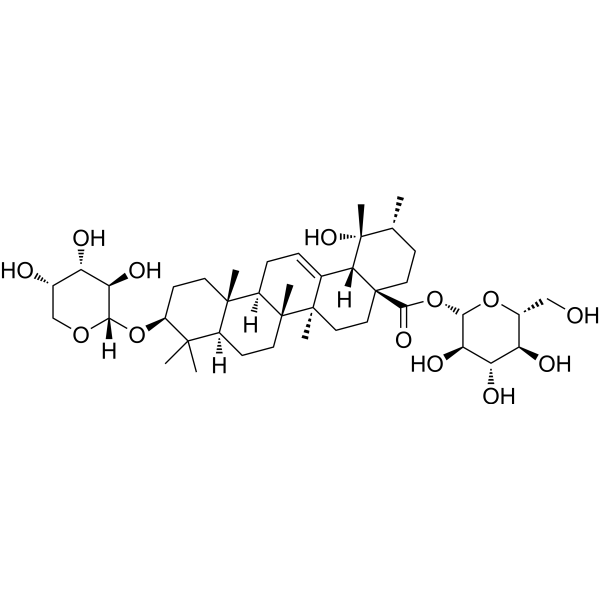
Ziyuglycoside I isolated from S. officinalis root, has anti-wrinkle activity, and increases the expression of type I collagen. Ziyuglycoside I could be used as an active ingredient for cosmetics . Ziyuglycoside I triggers cell cycle arrest and apoptosis mediated by p53, it can be a potential agent candidate for treating triple-negative breast cancer (TNBC) .
loading...
    loading...
1
1 Cited Publications
Art. -Nr.: HY-16182
CAS. Nr.: 92761-26-7
Forschungsgebiete:  

Others

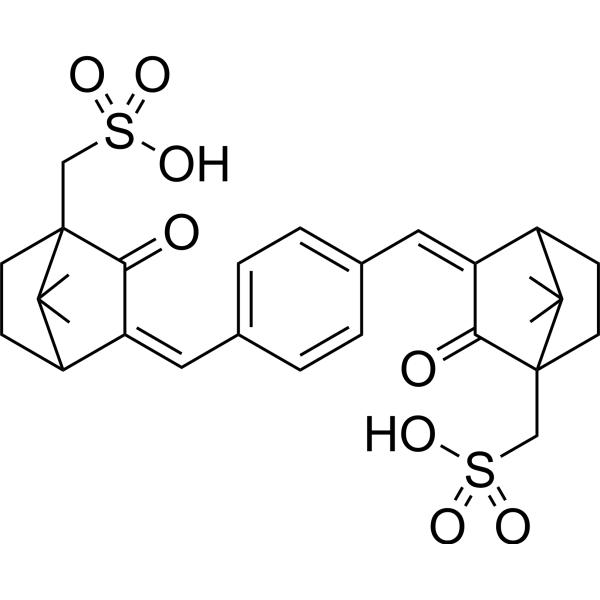
Ecamsule is a broad-spectrum UVA filter that can be used in sunscreen product. Ecamsule reduces biological damage caused by solar radiation such as pyrimidine dimer formation, p53 protein accumula-tion, or collagenase 2 expression. Ecamsule has the potential for the research of polymorphous light eruption (PMLE) .
loading...
    loading...
1
1 Cited Publications
Art. -Nr.: HY-16182A
CAS. Nr.: 90458-75-6
Forschungsgebiete:  

Others

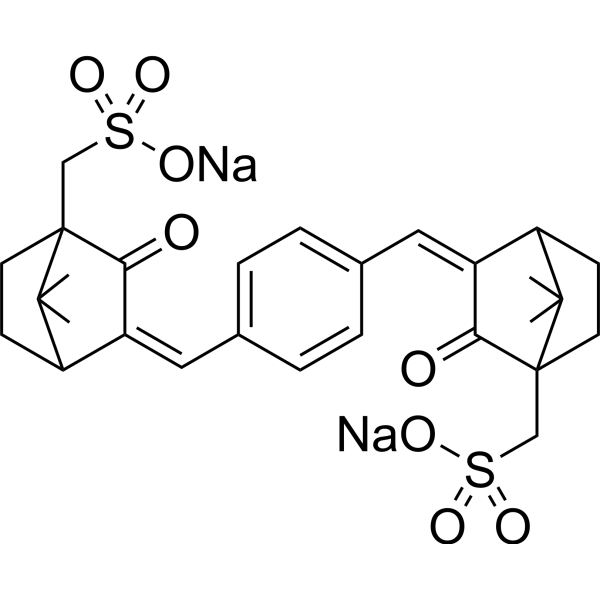
Ecamsule disodium is a broad-spectrum UVA filter that can be used in sunscreen product. Ecamsule reduces biological damage caused by solar radiation such as pyrimidine dimer formation, p53 protein accumula-tion, or collagenase 2 expression .
loading...
    loading...
1
1 Cited Publications
Art. -Nr.: HY-121149
CAS. Nr.: 82413-20-5
Reinheit:  99.89%
Synonyms: 3-Hydroxytamoxifen
Forschungsgebiete:  

Cancer

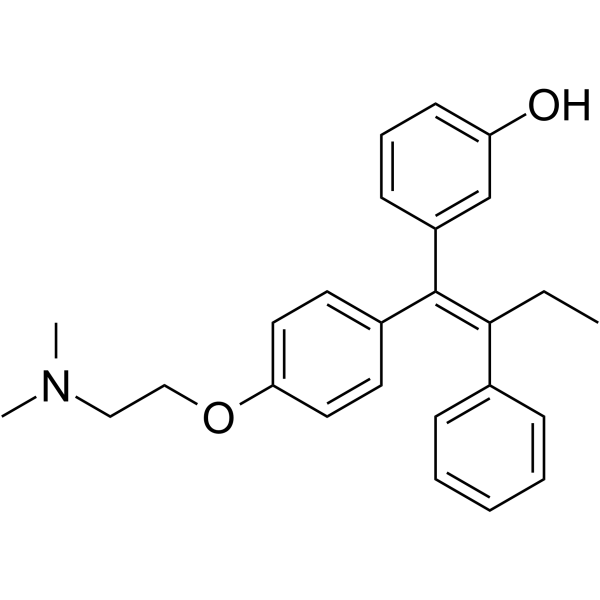
Droloxifene, a Tamoxifen derivative, is an orally active and selective estrogen receptor modulator. Droloxifene shows antiestrogenic and anti-implantation effects. Droloxifene induces p53 expression and apoptosis in MCF-7 cells. Droloxifene prevents bone loss in ovariectomized rats .
loading...
    loading...
1
1 Cited Publications
Art. -Nr.: HY-U00441
CAS. Nr.: 7029-89-2
Target:  

MDM-2/p53 Apoptosis

Forschungsgebiete:  

Cancer

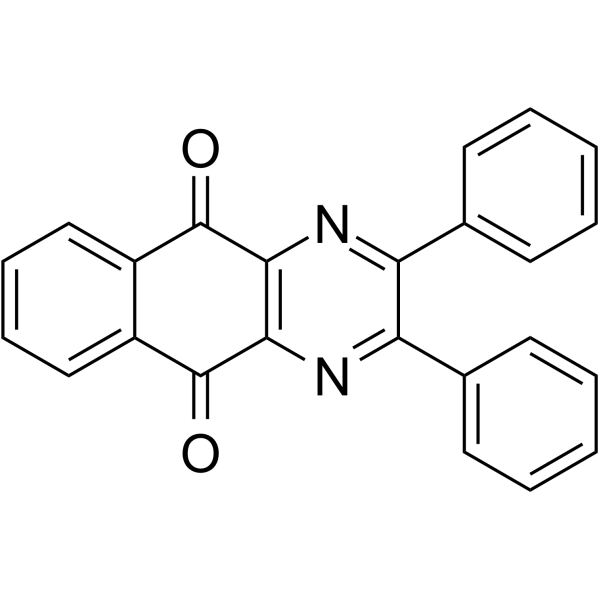
DPBQ activates p53 and triggers apoptosis in a polyploid-specific manner, but does not inhibit topoisomerase or bind DNA. DPBQ elicits expression and phosphorylation of p53 and this effect is specific to tetraploid cells .
loading...
    loading...
1
1 Cited Publications
Art. -Nr.: HY-N0726
CAS. Nr.: 125536-25-6
Synonyms: Dracohodin perochlorate
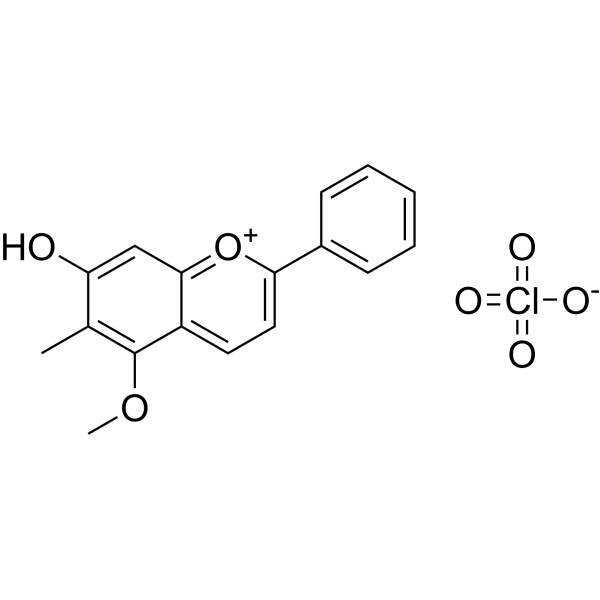
Dracorhodin perchlorate (Dracohodin perochlorate) is a natural product that can be obtained from the natural active molecule Dragon's blood. Dracorhodin perchlorate inhibits PI3K/Akt and NF-κB activation, upregulates p53 expression, activates caspase, produces ROS, and promotes Apoptosis. Dracorhodin perchlorate regulates the TLR4. Dracorhodin perchlorate promotes wound healing, improves diabetes. Dracorhodin perchlorate has anti-tumor activity against prostate cancer, breast cancer, cervical cancer and other cancers .
loading...
    loading...
1
1 Cited Publications
Art. -Nr.: HY-N0857
CAS. Nr.: 79233-15-1
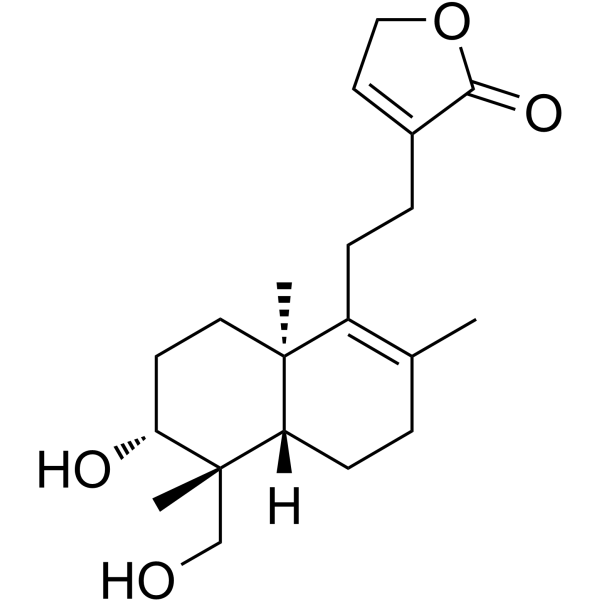
Deoxyandrographolide is an orally active lactone found in the Andrographis paniculata Nees. Deoxyandrographolide shows a KD of 38.4 μM of HDAC1. Deoxyandrographolide enhances GLUT4 plasma membrane translocation, activates PI3K and AMPK-dependent signaling pathways, suppresses fasting blood glucose, serum insulin, triglycerides, and LDL-cholesterol levels. Deoxyandrographolide enhances HDAC1 expression via inhibited ubiquitination degradation, represses H3K4me3, improves chromosome stability, and restrains aging biomarkers p16, p21, γH2A.X, p53 and ROS production. Deoxyandrographolide interacts with Foot-and-Mouth Disease Virus 3Cpro active site, inhibits protease and IFN-antagonist activity, derepresses ISG expression, and inhibits viral replication. Deoxyandrographolide can be used for the researches of type 2 diabetes mellitus, vascular senescence and virus infection .
loading...
    loading...

