1. Search Result
Search Result
Results for "

phytotoxic

" in MedChemExpress (MCE) Product Catalog:

70

Inhibitors & Agonists

43

Natural
Products

Cat. No. Product Name Target Research Areas Chemical Structure
  • HY-B1876

    Environmental Pollutants Acetolactate Synthase (ALS) Others
    Nicosulfuron is efficient, harmless, antifungal and selective herbicide belonging to the sulfonylurea family. Nicosulfuron is also a photosynthetic system inhibitor and inhibits acetolactate synthase (ALS) enzyme activity. Nicosulfuron degradation by Plectosphaerella cucumerina AR1 is glucose concentration dependent in planktonic lifestyle. Nicosulfuron enhances the glycolysis pathway and tricarboxylic acid cycle to improve the adaptability of sweet maize. Nicosulfuron reduces the synthesis of branched-chain amino acids (BCAAs), which is proming for maize cultivation .
    Nicosulfuron
  • HY-B2046

    Environmental Pollutants Apoptosis Herbicide Bcl-2 Family Caspase Reactive Oxygen Species (ROS) Inflammation/Immunology
    Simazine is a triazine herbicide. Simazine is widely used in agriculture, potted plant and tree production. In addition, Simazine can induce the apoptosis of immune cells in the spleen of mice and inhibit the proliferation of B cells and T cells in mice .
    Simazine
  • HY-19828

    GEX1A

    DNA/RNA Synthesis Cancer
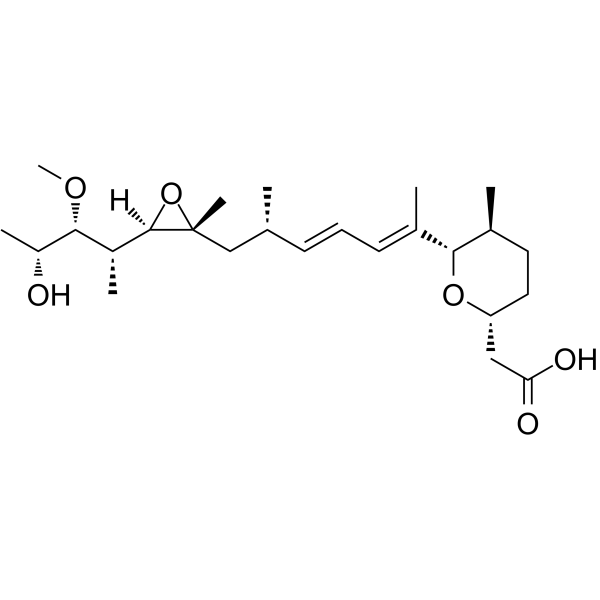
    Herboxidiene (GEX1A) is a potent phytotoxic polyketide from Streptomyces sp. A7847 with a diverse range of activities, including herbicidal, anti-cholesterol, anti-tumor effects. Herboxidiene inhibits the pre-mRNA splicing process by binding to spliceosome-associated protein (SAP) 155, a subunit of SF3b, in the splicesome .
    Herboxidiene
  • HY-137910

    Environmental Pollutants HPPD Herbicide Infection
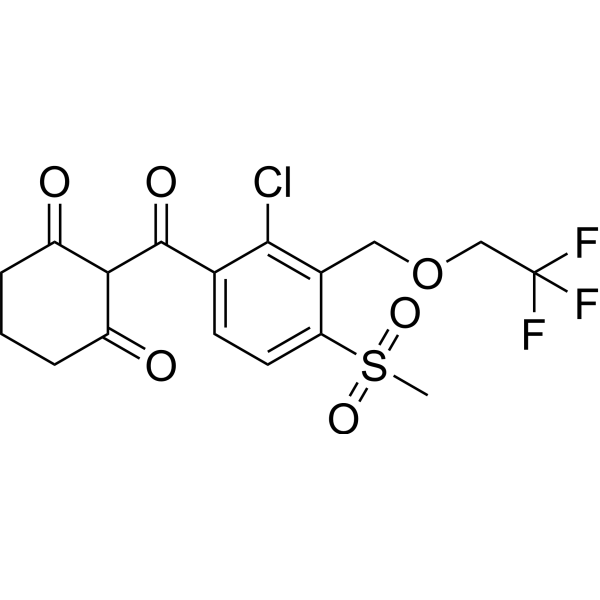
    Tembotrione is a herbicide belonging to the HPPD (dioxygenase) inhibitor class with crop selectivity. Tembotrione effectively controls a variety of weeds including broadleaf and gramineous species by disrupting carotenoid synthesis, which leads to chlorophyll degradation and leaf whitening. Mixing Tembotrione with isoxaflutole or adding surfactants optimizes its efficacy and reduces phytotoxicity, with no residual impact on subsequent cruciferous crops, thus helping to increase maize grain yield. The activity of Tembotrione decreases under drought conditions, and under specific conditions (such as double-dose treatment), it may cause reversible yellowing and even yield reduction in crops such as poppy .
    Tembotrione
  • HY-N3270

    Fungal Lipoxygenase Infection
    Methyl orsellinate is a phytotoxic compound with antifungal activities. Methyl orsellinate is a 5-lipoxygenase inhibitor with an IC50 value of 59.6 μM. Methyl orsellinate can be used for fungal infection research .
    Methyl orsellinate
  • HY-128467

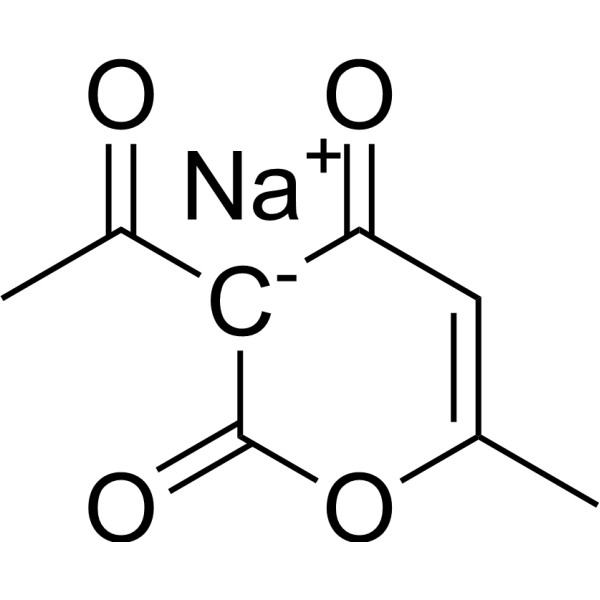
    Sodium dehydroacetate

    Environmental Pollutants Fungal Bacterial Infection
    Dehydroacetic acid sodium, a pyrone derivative acts as an antibacterial and antifungal agent. Dehydroacetic acid possess phytotoxic activity .
    Dehydroacetic acid sodium
  • HY-B1211

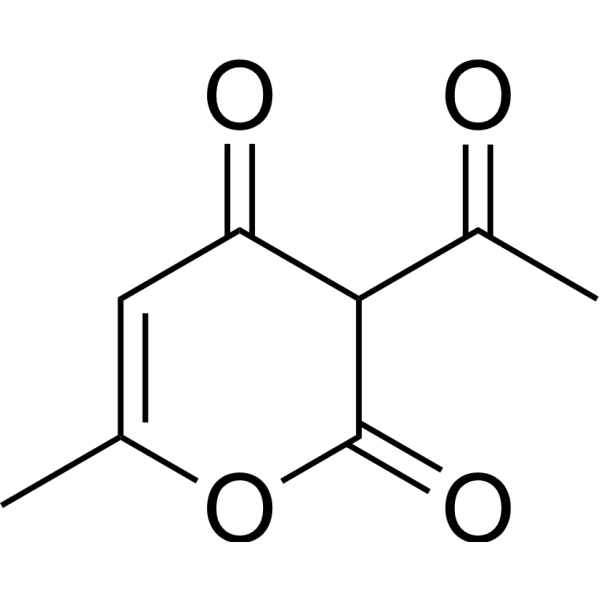
    Biocide 470F

    Environmental Pollutants Bacterial Fungal Infection
    Dehydroacetic acid (Biocide 470F) is a pyrone derivative. Dehydroacetic acid has antibacterial, antifungal and phytotoxic activities. Dehydroacetic acid can be added to cosmetics, food and beverages for preservation and other purposes. Dehydroacetic acid can also be used to synthesize various heterocycles and cycloaddition products .
    Dehydroacetic acid
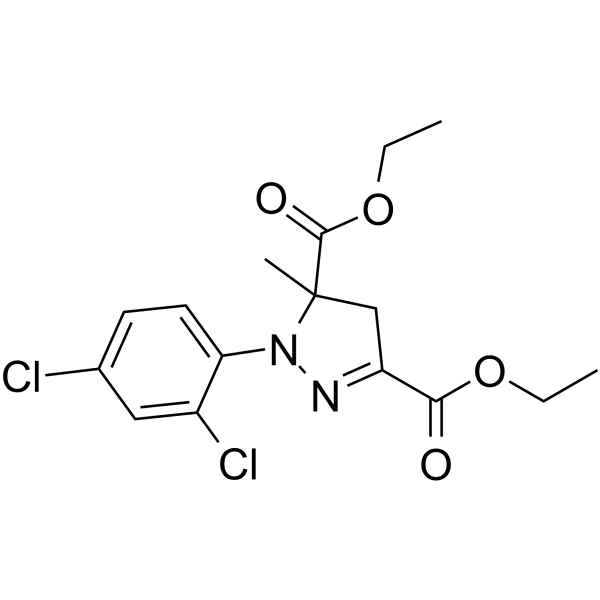
  • HY-136376

    Environmental Pollutants Herbicide Others
    Mefenpyr-diethyl is a pyrazoline-type herbicide safener that functions to enhance lipid biosynthesis. Mefenpyr-diethyl effectively prevents herbicide-induced phytotoxic damage caused by herbicides such as fenoxaprop-p-ethyl (HY-B2013) and mesosulfuron-methyl (HY-126987) by protecting cereal crops including wheat. Mefenpyr-diethyl significantly increases lipid content in wheat either when applied alone or in combination with the herbicide fenoxaprop-p-ethyl. The mechanism of action of Mefenpyr-diethyl does not involve the induction of glutathione S-transferase (GST) activity in wheat .
    Mefenpyr-diethyl
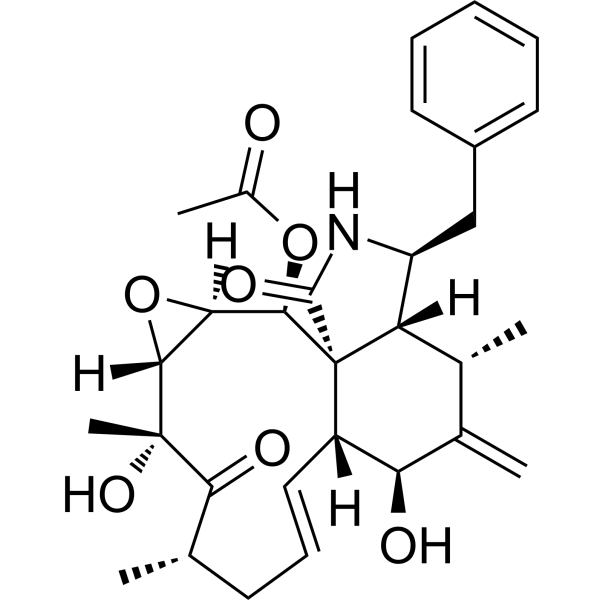
  • HY-N8349

    Parasite Endogenous Metabolite Infection Cancer
    19,20-Epoxycytochalasin D, a cytochalasin, is a fungal metabolite from Nemania sp. 19,20-Epoxycytochalasin D shows potent in vitro antiplasmodial activity and phytotoxicity .
    19,20-Epoxycytochalasin D
  • HY-N15497

    Reactive Oxygen Species (ROS) HIF/HIF Prolyl-Hydroxylase Cancer
    Terpestacin is found in Phoma exigua var. heteromorpha. Terpestacin binds to UQCRB to inhibit the production of mitochondrial ROS and HIF-1α. Terpestacin inhibits tumor angiogenesis in the FM3A breast cancer cell xenograft mouse model. Terpestacin has antitumor activity and phytotoxicity .
    Terpestacin
  • HY-113604

    TGF-β Receptor Cancer
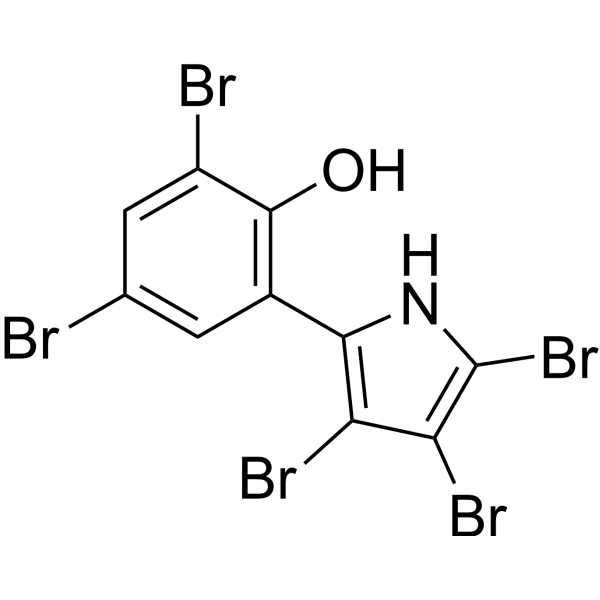
    Pentabromopseudilin (PBrP) is a marine antibiotic isolated from the marine bacteria Pseudomonas bromoutilis and Alteromonas luteoviolaceus. PBrP exhibits antimicrobial, anti-tumour and phytotoxic activities. PBrP is a reversible and allosteric inhibitor of myosin Va (MyoVa). PBrP also is a potent inhibitor of transforming growth factor-β (TGF-β) activity. PBrP can be used for the research of fibrotic diseases and cancer .
    Pentabromopseudilin
  • HY-N5082

    Others Others
    Homodihydrocapsaicin I is a kind of capsaicinoid from the fruits of Capsicum annuum .
    Homodihydrocapsaicin I
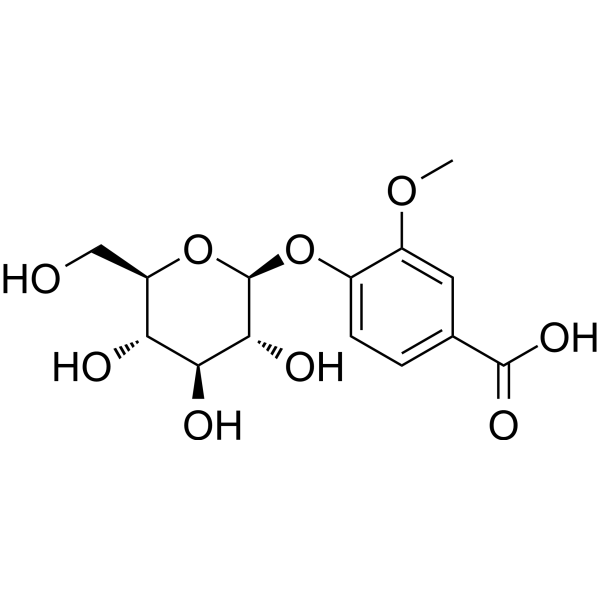
  • HY-114760

    Vanillic acid 4-β-D-glucoside

    Others Others
    Vanillic acid glucoside (Vanillic acid 4-β-D-glucoside), a hydrolyzable tannin, is isolated from the fruits of C. annuum as well as the leaves of various additional plants. Vanillic acid glucoside can be phytotoxic against different species.
    Vanillic acid glucoside
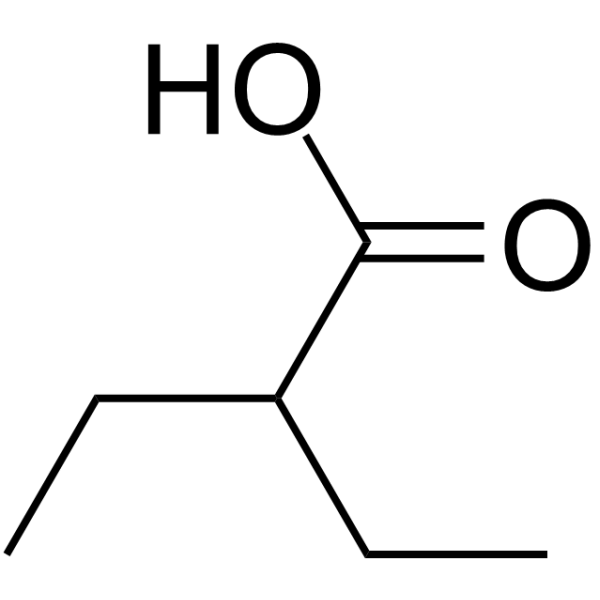
  • HY-W004154

    Environmental Pollutants Biochemical Assay Reagents Others
    2-Ethylbutyric acid is a volatile fatty acid. 2-Ethylbutyric acid exhibits phytotoxicity. 2-Ethylbutyric acid is used as an internal standard in milk and dairy products and as an internal standard (IS) in the calibration of fecal VFA standards. 2-Ethylbutyric acid can be used in the research of embryonic development .
    2-Ethylbutyric acid
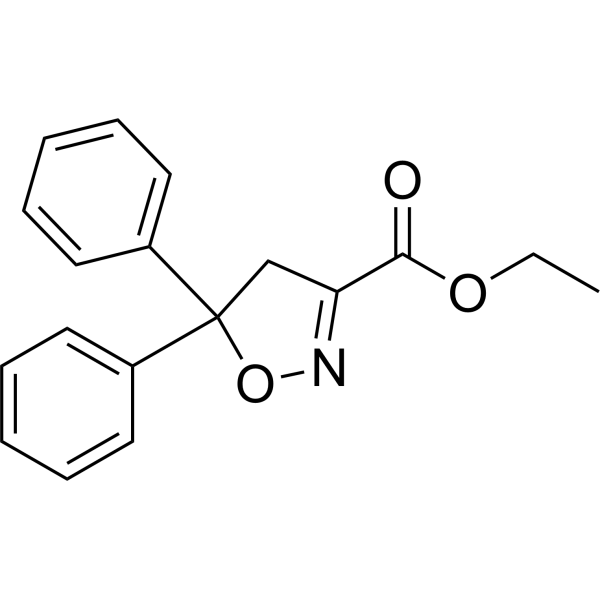
  • HY-130361

    Environmental Pollutants Herbicide Others
    Isoxadifen-ethyl is a widely used herbicide safener in rice which can decrease the phytotoxicity caused by fenoxaprop-P-ethyl .
    Isoxadifen-ethyl
  • HY-17528

    Cyhalofop acid

    Drug Metabolite Others
    Cyhalofop (Cyhalofop acid), the primary metabolite of Cyhalofop-butyl (HY-B0861) in susceptible grasses, is the herbicidally active metabolite. Cyhalofop-butyl is an aryloxyphenoxypropionate post-emergence herbicide widely used around the world in agriculture .
    Cyhalofop
  • HY-163311

    Transketolase Herbicide Others
    Transketolase-IN-6 is a potent transketolase inhibitor and a herbicide. Transketolase-IN-6 inhibits root growth of Digitaria sanguinalis, Amaranthus retroflexus, and Setaria viridis. Transketolase-IN-6 shows low phytotoxicity to wheat, maize, soybean, and cotton. Transketolase-IN-6 can be used for the research of herbicidal agent development .
    Transketolase-IN-6
  • HY-B2007

    Environmental Pollutants Acetyl-CoA Carboxylase Herbicide Metabolic Disease Inflammation/Immunology
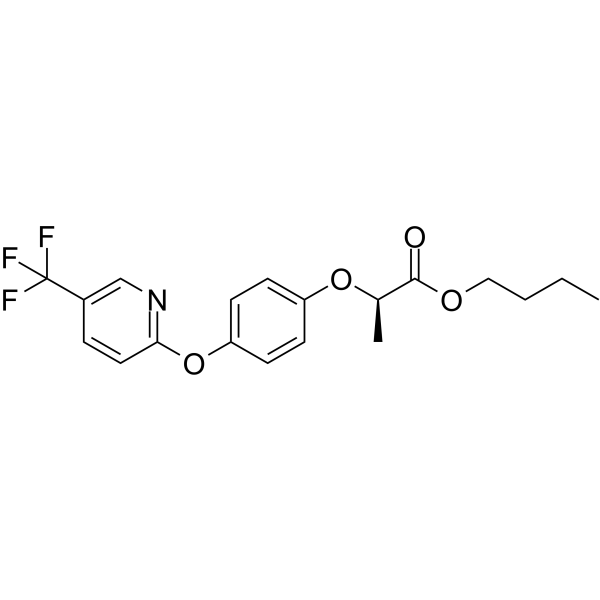
    Fluazifop-P-butyl is an orally active herbicide and ACCase inhibitor. Fluazifop-P-butyl blocks the formation of malonyl-CoA, disrupts lipid synthesis in sensitive plants, and exhibits concentration-dependent phytotoxicity to non-target maize seedlings. Fluazifop-P-butyl induces oxidative stress in male Wistar rats, impairs their liver and kidney functions, and disrupts testicular function .
    Fluazifop-P-butyl
  • HY-N7719R

    Endogenous Metabolite Reference Standards Bacterial Fungal Parasite Apoptosis Reactive Oxygen Species (ROS) Caspase HSV Infection Inflammation/Immunology Cancer
    Oosporein (Standard) is the analytical standard of Oosporein (HY-N7719). This product is intended for research and analytical applications. Oosporein is a microbial metabolite and a red crystalline toxin produced by various fungi. Oosporein can promote the reproduction of fungi in host bodies by inhibiting insect immunity, and possesses multiple activities such as antibacterial, antiviral (HSV), and insecticidal effects. Oosporein can inhibit plant growth. In addition, Oosporein can also induce apoptosis, cell membrane damage, oxidative stress, and mitochondrial damage. Oosporein has certain antitumor activity .
    Oosporein (Standard)
  • HY-108988

    Antibiotic Bacterial Topoisomerase DNA/RNA Synthesis Infection
    Albicidin is a peptide antibiotic with phytotoxic activity. Albicidin potently inhibits bacterial and plant DNA gyrase at nanomolar concentrations, blocks DNA replication, and exhibits excellent antibacterial efficacy against multidrug-resistant bacteria. Albicidin possesses bactericidal activity against Gram-positive and Gram-negative microorganisms, and acts as a virulence factor for the systemic plant infection by Xanthomonas albilineans. Albicidin can be used in studies related to bacterial infections and sugarcane leaf blight .
    Albicidin
  • HY-W440039
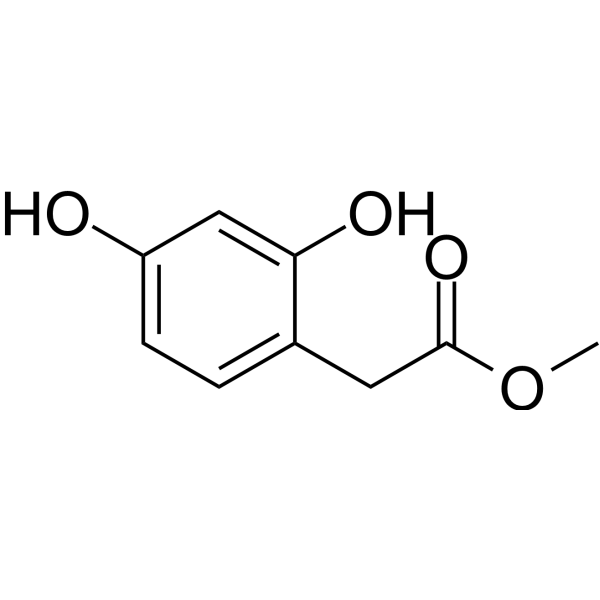
    Methyl 2-(2,4-dihydroxyphenyl)acetate
    2 Publications Verification

    Herbicide Inflammation/Immunology
    Methyl 2-(2,4-dihydroxyphenyl)acetate, a phenolic ester, is isolated from Nigella damascena seeds with selective phytotoxic effects .
    Methyl 2-(2,4-dihydroxyphenyl)acetate
  • HY-W751002

    (+)-Orthosporin

    Endogenous Metabolite Bacterial HIV Reverse Transcriptase Infection
    Orthosporin ((+)-Orthosporin), a phytotoxic isocoumarin compound, is a microbial secondary metabolite. Orthosporin can be isolated from the endophytic fungus Lasiodiplodia tbeobromae. Orthosporin has potent antibacterial activity against B. subtilis, E. coli and P. aeruginosa. Orthosporin also has antioxidant activity against DPPH radical and antiviral activities with inhibition of HIV-1 reverse transcriptase activity .
    Orthosporin
  • HY-114319

    Others Cancer
    β-Cembrenediol is a potent and orally active anticancer agent. β-Cembrenediol shows phytotoxic activities. β-Cembrenediol reduces the migration and colony formation. β-Cembrenediol decreases the protein expression of TDO2, IDO1. β-Cembrenediol has the potential for the research of prostate cancer .
    β-Cembrenediol
  • HY-N12524

    Bacterial Infection Cancer
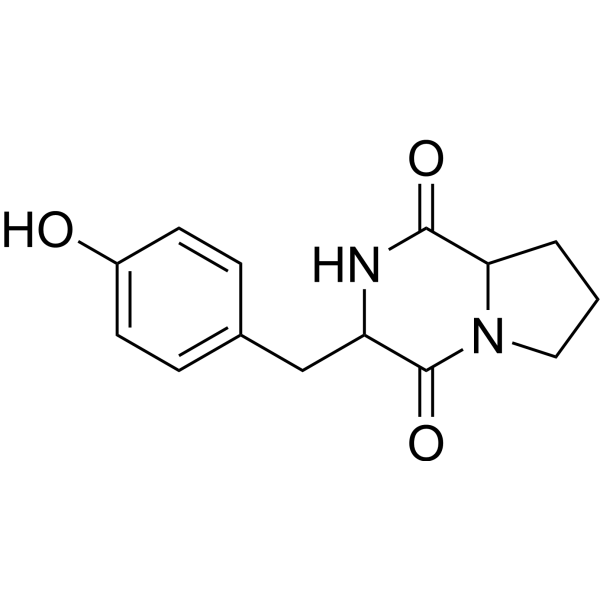
    Cyclo(prolyltyrosyl) is a natural compound that can be found in various microorganisms and marine sponges. Cyclo(prolyltyrosyl) has antibacterial, phytotoxic and cytotoxic properties .
    Cyclo(prolyltyrosyl)
  • HY-W008680

    Herbicide Others
    4,4'-Bis(4-aminophenoxy)biphenyl (Compound 4b) is a phytotoxic biphenyl analogue and inhibits the proliferation of Lemna fronds .
    4,4'-Bis(4-aminophenoxy)biphenyl
  • HY-N16517

    Drug Derivative Others
    (2E)-Decenoylpiperidide (Compound 12) is a Sarmentine (HY-W099725) analogue. (2E)-Decenoylpiperidide shows phytotoxicity on barnyard grass .
    (2E)-Decenoylpiperidide
  • HY-B2046R

    Herbicide Reference Standards Apoptosis Reactive Oxygen Species (ROS) Bcl-2 Family Caspase Inflammation/Immunology
    Simazine (Standard) is the analytical standard of Simazine (HY-B2046). This product is intended for research and analytical applications. Simazine is a triazine herbicide. Simazine is widely used in agriculture, potted plant and tree production. In addition, Simazine can induce the apoptosis of immune cells in the spleen of mice and inhibit the proliferation of B cells and T cells in mice .
    Simazine (Standard)
  • HY-138100

    (+)-Hyalodendrin

    Fungal Infection
    Hyalodendrin ((+)-Hyalodendrin) is a fungal growth inhibitor with inhibitory activity against wood decay fungi. Hyalodendrin has low phytotoxicity, with an acute toxicity (LD50) of 75 mg/kg in mice .
    Hyalodendrin
  • HY-B0868

    Herbicide Others
    2,4-D isooctyl ester, a synthetic auxin herbicide, is a TIR1 protein transport inhibitor. 2,4-D isooctyl ester interacts with TIR1 to facilitate auxin signal transduction, activating auxin-mediated growth responses. 2,4-D isooctyl ester functions as a pro-herbicide bio-transformed into phytotoxic 2,4-D post-plant absorption, disrupting normal plant growth. 2,4-D isooctyl ester can be used to control broadleaf weeds .
    2,4-D isooctyl ester
  • HY-N10260

    Others Others
    Curvulinic acid is a phytotoxic compound, has herbicidal activity .
    Curvulinic acid
  • HY-N9207

    Others Others
    Germanicol acetate can be extracted from Euphorbia heterophylla L. and has phytotoxic activity .
    Germanicol acetate
  • HY-N8416

    (-)-Regiolone

    Others Others
    (-)-Isosclerone is a phytotoxic phenol. (-)-Isosclerone can be isolated from culture filtrate of Discula sp., the fungus responsible for dogwood anthracnose .
    (-)-Isosclerone
  • HY-N8385

    Parasite Endogenous Metabolite Infection Cancer
    19,20-Epoxycytochalasin C, a cytochalasin, is a fungal metabolite from Nemania sp. 19,20-Epoxycytochalasin C shows potent in vitro antiplasmodial activity and phytotoxicity .
    19,20-Epoxycytochalasin C
  • HY-122191

    Others Infection
    AK-Toxin II is a phytotoxic metabolite that can be isolated from culture broth of alternaria alternata Japanese pear pathotype. AK-Toxin II induces characteristic veinal necrosis and rapid K + loss on susceptible pear leaves .
    AK-Toxin II
  • HY-125698

    Parasite Infection
    3-Deoxyaphidicolin exhibits phytotoxic efficacy, that inhibits root growth of lettuce seedlings. 3-Deoxyaphidicolin also exhibits leishmanicidal activity against Leishmania major and Leishmania braziliensis .
    3-Deoxyaphidicolin
  • HY-N10269

    Fungal Endogenous Metabolite Infection
    Phomalactone, produced by the fungus Nigrospora sphaerica, specifically inhibits the mycelial growth of Phytophthora infestans, with an MIC value of 2.5 mg/L . Phomalactone is phytotoxic to Z. elegans and other plant species by inhibition of seedling growth and by causing electrolyte leakage from photosynthetic tissues of both Z. elegans leaves and cucumber cotyledons .
    Phomalactone
  • HY-N13889

    Fungal Infection
    Altiloxin A, a fungal metabolite, is a drimane-type sesquiterpenoid. Altiloxin A shows phytotoxic activity on the lettuce seedlings .
    Altiloxin A
  • HY-165128

    Fungal Others
    Alternapyrone is an α-pyrone compound found in fungi, some of which are phytotoxic to wheat seed germination, and its biosynthesis requires only three enzymes.
    Alternapyrone
  • HY-128467R

    Sodium dehydroacetate (Standard)

    Reference Standards Bacterial Fungal Infection
    Dehydroacetic acid (sodium) (Standard) is the analytical standard of Dehydroacetic acid (sodium). This product is intended for research and analytical applications. Dehydroacetic acid sodium, a pyrone derivative acts as an antibacterial and antifungal agent. Dehydroacetic acid possess phytotoxic activity .
    Dehydroacetic acid sodium (Standard)
  • HY-N6731

    Others Infection
    Hydrolyzed Fumonisin B2 (HFB2) is a hydrolysis product of fumonisins (HF), which retains biological activity. Hydrolyzed Fumonisin B2 (HFB2) exhibits phytotoxicity .
    Hydrolyzed Fumonisin B2
  • HY-120253R

    BY-108330 (Standard)

    Insecticide Reference Standards Others
    Spirotetramat (Standard) is the analytical standard of Spirotetramat. This product is intended for research and analytical applications. Spirotetramat (BY-108330) is a pesticide, that can be used to control aphids on crops, without significant phytotoxicity .
    Spirotetramat (Standard)
  • HY-17528R

    Cyhalofop acid (Standard)

    Drug Metabolite Reference Standards Others
    Cyhalofop (Standard) is the analytical standard of Cyhalofop. This product is intended for research and analytical applications. Cyhalofop (Cyhalofop acid), the primary metabolite of Cyhalofop-butyl (HY-B0861) in susceptible grasses, is the herbicidally active metabolite. Cyhalofop-butyl is an aryloxyphenoxypropionate post-emergence herbicide widely used around the world in agriculture .
    Cyhalofop (Standard)
  • HY-125461

    Stemphylin; NSC 173943

    Bacterial Infection
    Altersolanol A (Stemphylin; NSC 173943) exhibits antimicrobial activities against Bacillus subtilis and Pseudomonas aeruginosa, with MIC of 25-100 μg/mL. Altersolanol A exhibits no phytotoxicity to Taxus (at dose of 4 μg/μL) .
    Altersolanol A
  • HY-W775061

    Biochemical Assay Reagents Others
    Dichlormate is an inhibitor of normal carotenogenesis in etiolated wheat. Dichlormate can lead to accumulation of carotenoid precursors in plants. Dichlormate exhibits phytotoxicity via inhibiting the synthesis of carotenoids and to the consequent photodestruction of cholorophyll and chloroplast disruption .
    Dichlormate
  • HY-N14807

    Fungal Infection
    Neobulgarone A is an anthraquinone derivative of Neobulgaria pura HA A07-97, a fungus of the ascomycetes class. Neobulgarone A can inhibit the formation of Appressorium in Magnaporthe grisea and has weak cytotoxicity without antifungal, antibacterial or phytotoxicity .
    Neobulgarone A
  • HY-N10267

    Fungal Infection
    Carviolin is a compound isolated from the mycelia of the ascomycete Neobulgaria pura. Carviolin inhibits the formation of appressoria in germinating conidia of Magnaporthe grisea on inductive (hydrophobic) surface. Carviolin exhibits moderate cytotoxic, but no antifungal, antibacterial, or phytotoxic activities .
    Carviolin
  • HY-N14808

    Fungal Infection
    Neobulgarone B is an anthraquinone derivative of Neobulgaria pura HA A07-97, a fungus of the ascomycetes class. Neobulgarone B can inhibit the formation of Appressorium in Magnaporthe grisea and has weak cytotoxicity without antifungal, antibacterial or phytotoxicity .
    Neobulgarone B
  • HY-N14812

    Fungal Infection
    Neobulgarone E is an anthraquinone derivative of Neobulgaria pura HA A07-97, a fungus of the ascomycetes class. Neobulgarone E can inhibit the formation of Appressorium in Magnaporthe grisea and has weak cytotoxicity without antifungal, antibacterial or phytotoxicity .
    Neobulgarone E
  • HY-N14810

    Fungal Infection
    Neobulgarone D is an anthraquinone derivative of Neobulgaria pura HA A07-97, a fungus of the ascomycetes class. Neobulgarone D can inhibit the formation of Appressorium in Magnaporthe grisea and has weak cytotoxicity without antifungal, antibacterial or phytotoxicity .
    Neobulgarone D
  • HY-N14809

    Fungal Infection
    Neobulgarone C is an anthraquinone derivative of Neobulgaria pura HA A07-97, a fungus of the ascomycetes class. Neobulgarone C can inhibit the formation of Appressorium in Magnaporthe grisea and has weak cytotoxicity without antifungal, antibacterial or phytotoxicity .
    Neobulgarone C

Inquiry Online

Your information is safe with us. * Required Fields.

Salutation


Country or Region *

Applicant Name *


Organization Name *

Department *


Email Address *


Product Name *

Cat. No.


Requested quantity *

Phone Number *


Remarks

Inquiry Online

Inquiry Information

Product Name:
Cat. No.:
Quantity:
MCE Japan Authorized Agent:

