1. Search Result
Search Result
Pathways Recommended: Stem Cell/Wnt Cell Cycle/DNA Damage
Results for "

plant cell growth

" in MedChemExpress (MCE) Product Catalog:

113

Inhibitors & Agonists

1

Screening Libraries

20

Biochemical Assay Reagents

2

Peptides

45

Natural
Products

10

Isotope-Labeled Compounds

Cat. No. Product Name Target Research Areas Chemical Structure
  • HY-18569
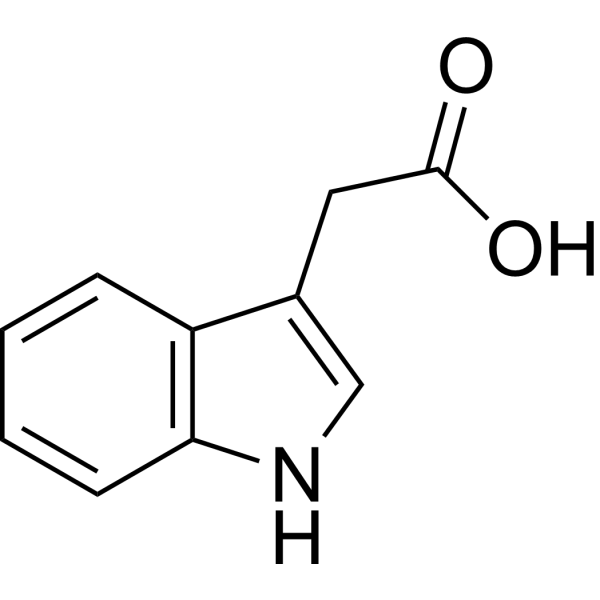
    3-Indoleacetic acid
    Maximum Cited Publications
    21 Publications Verification

    Indole-3-acetic acid; 3-IAA

    Environmental Pollutants Endogenous Metabolite Metabolic Disease
    3-Indoleacetic acid is is an IAA hormone and growth regulator that can promote plant nutritional growth through processes such as cell expansion, differentiation, morphogenesis, and organogenesis .
    3-Indoleacetic acid
  • HY-129065
    Nourseothricin sulfate
    2 Publications Verification

    Streptothricin sulfate

    Fungal Bacterial Antibiotic Infection
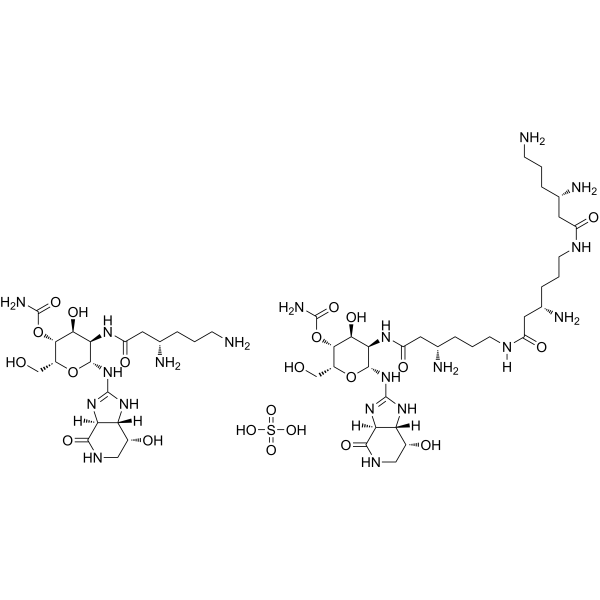
    Nourseothricin sulfate (Streptothricin sulfate) is a broad-spectrum antibiotic that destroys the outer membrane of Gram-negative bacteria and is a dominant selective marker for Fonsecaea pedrosoi . Nourseothricin sulfate inhibits protein biosynthesis in prokaryotic cells and strongly inhibits the growth of eukaryotes like fungi and can also be used as a elective marker for a wide range of organisms including bacteria, yeast, filamentous fungi, and plant cells .
    Nourseothricin sulfate
  • HY-18569A
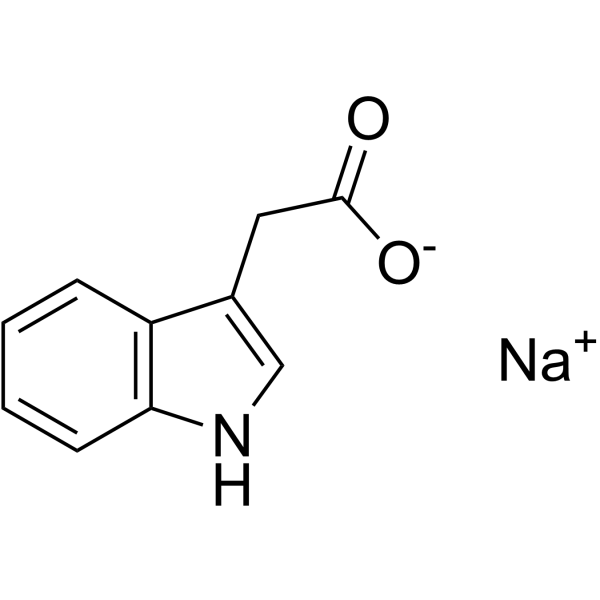
    3-Indoleacetic acid sodium
    Maximum Cited Publications
    21 Publications Verification

    Indole-3-acetic acid sodium; 3-IAA sodium

    Endogenous Metabolite Metabolic Disease
    3-Indoleacetic acid (Indole-3-acetic acid) sodium is an IAA hormone and growth regulator that can promote plant nutritional growth through processes such as cell expansion, differentiation, morphogenesis, and organogenesis .
    3-Indoleacetic acid sodium
  • HY-N1964
    Gibberellic acid
    1 Publications Verification

    Gibberellin A3

    Environmental Pollutants Drug Derivative Metabolic Disease
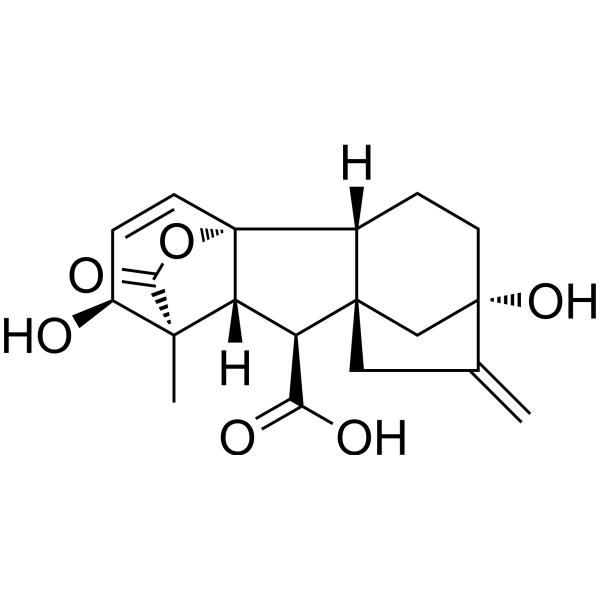
    Gibberellic acid (GA3) is a natural plant growth regulator with oral bioactivity. Gibberellic acid governs multiple plant developmental events, including seed germination, cell elongation, floral organ formation, and rice spikelet fertility. Gibberellic acid optimizes root morphology and secondary metabolite production in Echinacea purpurea hairy roots, and serves as a bioactive seed priming agent to improve chilling stress tolerance in chickpea. Gibberellic acid mediates modulation of enzyme activity and secondary metabolism in plants and exerts tissue-specific regulatory effects on antioxidant systems and lipid peroxidation in rats. Gibberellic acid can be used in studies of plant growth, metabolism, and abiotic stress responses .
    Gibberellic acid
  • HY-110066
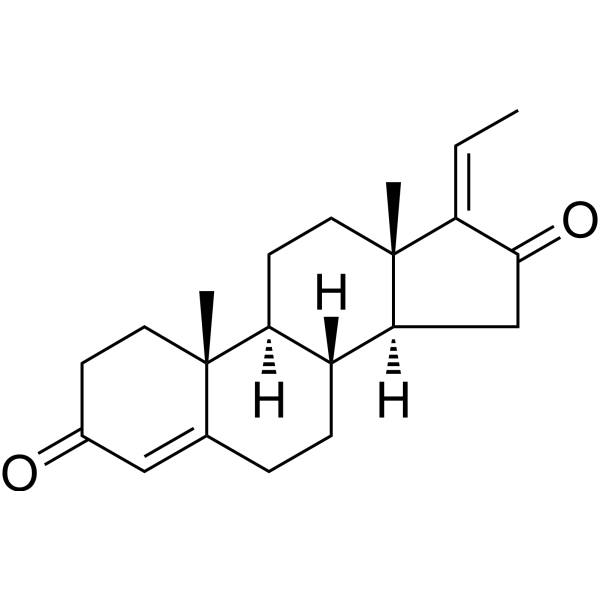
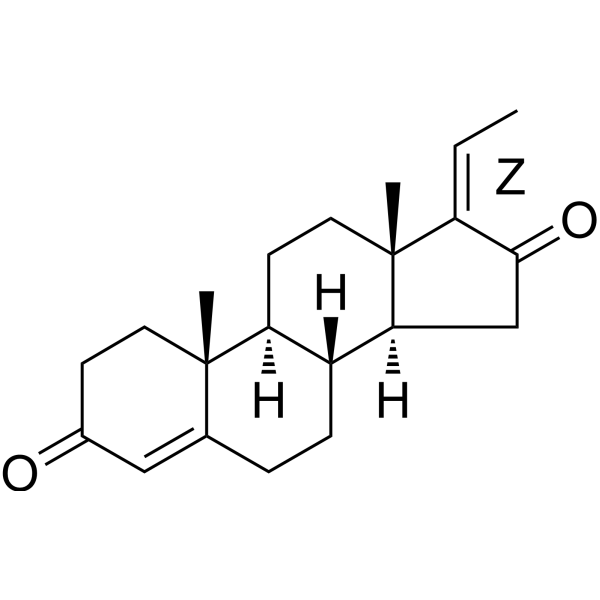
    (Z)-Guggulsterone
    5+ Cited Publications

    Apoptosis VEGFR Akt Angiotensin-converting Enzyme (ACE) SARS-CoV FXR Cardiovascular Disease Cancer
    (Z)-Guggulsterone, a constituent of Indian Ayurvedic medicinal plant Commiphora mukul, inhibits the growth of human prostate cancer cells by causing apoptosis. (Z)-Guggulsterone inhibits angiogenesis by suppressing the VEGF–VEGF-R2–Akt signaling axis . (Z)-Guggulsterone is also a potent FXR antagonist. (Z)-Guggulsterone reduces ACE2 expression and SARS-CoV-2 infection .
    (Z)-Guggulsterone
  • HY-N0273
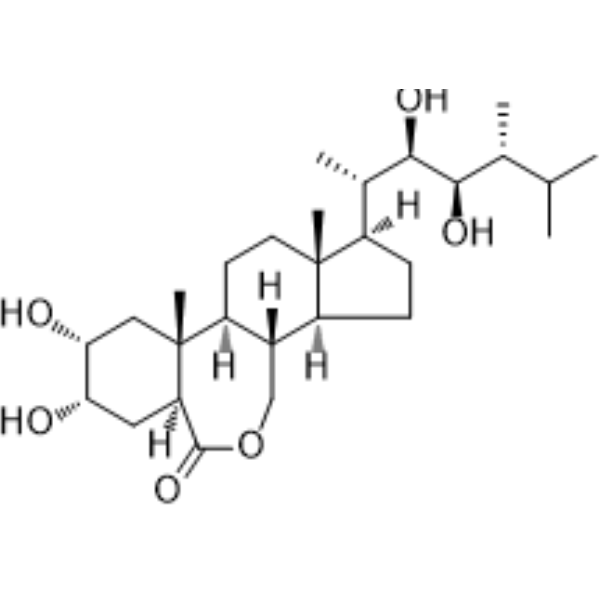
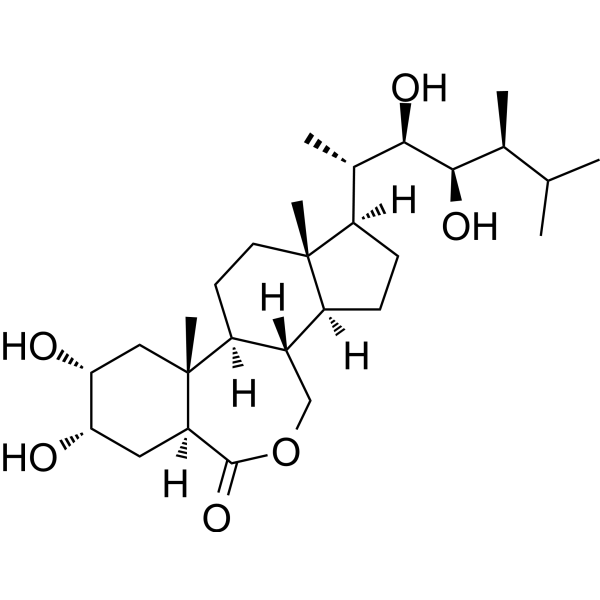
    Brassinolide
    4 Publications Verification

    Brassin lactone

    Apoptosis Cancer
    Brassinolide is a predominant plant growth modulator that regulate plant cell elongation.
    Brassinolide
  • HY-N0848
    Epibrassinolide
    15+ Cited Publications

    24-Epibrassinolide; B1105; BP55

    Environmental Pollutants Apoptosis Cancer
    Epibrassinolide (24-Epibrassinolide) is a ubiquitously occurring plant growth hormone which shows great potential to alleviate heavy metals and pesticide stress in plants . Epibrassinolide is a potential apoptotic inducer in various cancer cells without affecting the non-tumor cell growth .
    Epibrassinolide
  • HY-19700
    trans-Zeatin
    3 Publications Verification

    Environmental Pollutants Endogenous Metabolite MEK ERK Others
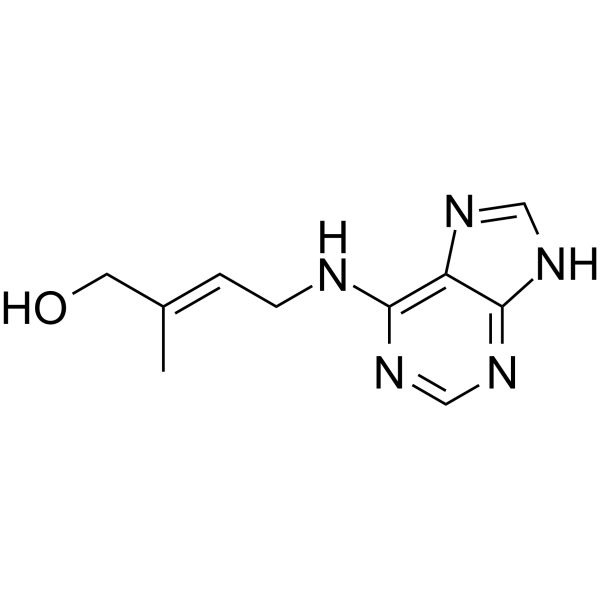
    trans-Zeatin is a plant cytokinin, which plays an important role in cell growth, differentiation, and division; trans-Zeatin also inhibits UV-induced MEK/ERK activation.
    trans-Zeatin
  • HY-N11420

    Bacterial Phytohormone Others
    Coronatine is a plant growth regulator that mimicks the jasmonic acid-isoleucine conjugate (JA-Ile), targets the jasmonic acid receptor COI1, activates the jasmonic acid signaling pathway, thereby inhibiting salicylic acid (SA)-dependent defense responses. Coronatine antagonizes the stomatal closure, induces plant cell necrosis and chlorosis, interfers with plant hormone balance, thereby promoting pathogen infection .
    Coronatine
  • HY-126386

    EC 3.2.1.15

    Biochemical Assay Reagents Others
    Pectinase (EC 3.2.1.15) is a mixed enzymes that hydrolyze pectic substances, it mostly presents in microorganisms and higher plants. Pectinase is involved in the metabolism of the cell wall as well as in the growth of the cell, senescence, ripening of fruits, pathogenesis and abscission process .
    Pectinase, aspergillus niger
  • HY-120821
    Endosidin-2
    2 Publications Verification

    ES2

    Exosomes Others
    Endosidin-2 (ES2) is a selective inhibitor targeting the conserved exosome subunit EXO70. Endosidin-2 binds to the C-terminal domain of EXO70, inhibiting exocytosis and endosomal recycling, while promoting vacuolar trafficking in plant cells. Endosidin-2 interferes with the EXO70-mediated vesicle-to-plasma membrane anchoring process, leading to abnormal aggregation of auxin transporters (such as PIN2) in the cytoplasm and redirected to vacuolar degradation, while causing abnormal Golgi structure (such as cup-shaped or ring-shaped vesicles cisternae formation). Endosidin-2 can inhibit exocytosis in plant and mammalian cells and is mainly used to study the dynamic regulation of membrane trafficking (such as polar growth, vesicle sorting) .
    Endosidin-2
  • HY-B0941
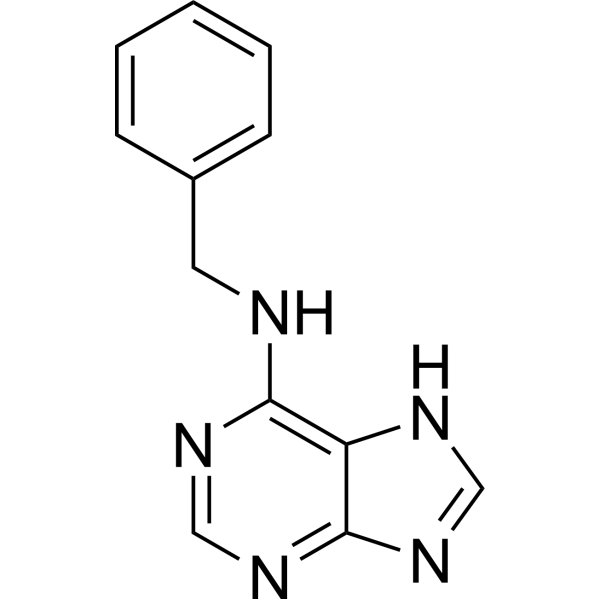
    6-Benzylaminopurine
    4 Publications Verification

    Benzyladenine; 6-BAP; N6-Benzyladenine

    Environmental Pollutants Endogenous Metabolite Others
    6-Benzylaminopurine (Benzyladenine) is a cytokinin that causes plant growth and development by stimulating cell division and inhibiting respiratory kinases, thereby prolonging the preservation of green vegetables .
    6-Benzylaminopurine
  • HY-18569B

    IAA

    Endogenous Metabolite Infection
    3-Indoleacetic acid, suitable for plant cell culture (IAA), is a naturally occurring plant growth hormone that is widely present in plants, bacteria, and fungi. 3-Indoleacetic acid, suitable for plant cell culture, is a plant growth-promoting hormone that not only promotes plant growth but also protects bacteria from the toxic damage to cell membrane potential caused by other indole intermediate products (such as I3P) produced during their own metabolic processes. 3-Indoleacetic acid, suitable for plant cell culture, can be used in plant cell culture .
    3-Indoleacetic acid,suitable for plant cell culture
  • HY-N7255
    Cycloartenol
    2 Publications Verification

    p38 MAPK Apoptosis Cancer
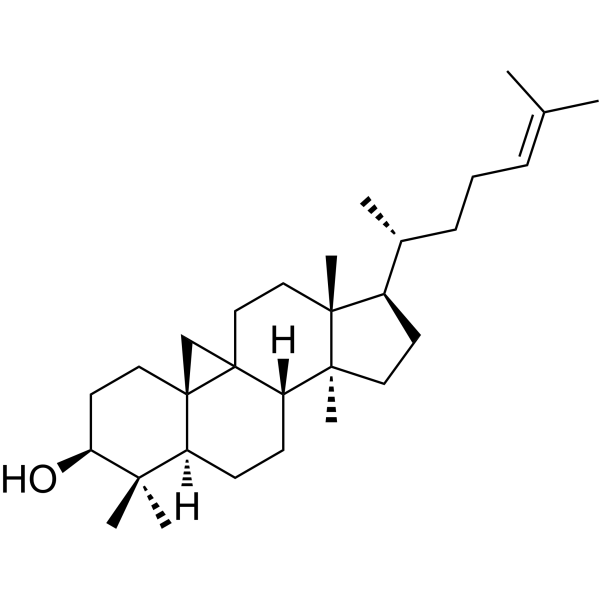
    Cycloartenol, a phytosterol compound, is one of the key precusor substances for biosynthesis of numerous sterol compounds. Cycloartenol inhibits the migration of glioma cells and suppresses the phosphorylation of the p38 MAP kinase. Cycloartenol has a variety of pharmacological activities such as anti-inflammatory, anti-tumor, antioxidant, antibiosis and anti-alzheimer's disease. Cycloartenol also plays an important role in the process of plant growth and development .
    Cycloartenol
  • HY-18570B

    NAA

    Biochemical Assay Reagents Others
    1-Naphthaleneacetic acid,suitable for plant cell culture (NAA) is a plant growth hormone. 1-Naphthaleneacetic acid,suitable for plant cell culture promotes plant growth and induces root cluster formation. Naphthaleneacetic acid,suitable for plant cell culture is applicable for plant cell culture .
    1-Naphthaleneacetic acid,suitable for plant cell culture
  • HY-B1886

    Phytohormone Others
    Chlorocholine chloride is an effective plant growth regulator. Chlorocholine chloride can inhibit gibberellin (GA) biosynthesis. Chlorocholine chloride can be used for the research of the mechanisms and effects of GA on plant cell growth and differentiation .
    Chlorocholine chloride
  • HY-N10335
    Harringtonolide
    2 Publications Verification

    FAK Inflammation/Immunology Cancer
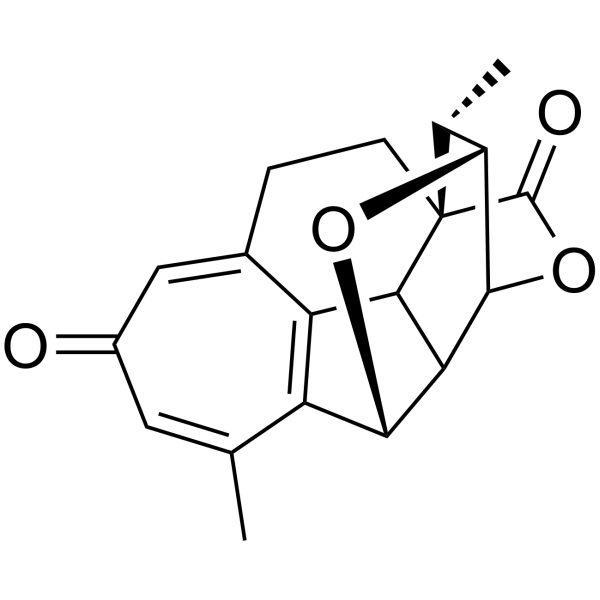
    Harringtonolide is a potent RACK1 inhibitor (IC50=39.66 μM in A375 cells). Harringtonolide inhibits the epithelial-mesenchymal transition (EMT) process and cell proliferation by affecting the interaction between FAK and RACK1. Harringtonolide has plant growth inhibitory, antiviral, anti-inflammatory, and antiproliferation activities .
    Harringtonolide
  • HY-122485

    Bacterial Infection
    α-Copaene is a potent attractant for male Mediterranean fruit flies Ceratitis capitata.α-Copaene can be found as a minor component in the essential oils of various plant species. α-Copaene can inhibit bacterial growth with a minimum inhibitory concentration of 0.5-1 μL/mL. α-Copaene suppresses biofilm formation by decreasing the hydrophobicity of the cell surface. α-Copaene can be used as an oviposition promoter of Bactrocera oleae .
    α-Copaene
  • HY-N10568

    Phytohormone Others
    Gibberellin A9 is a plant hormone that targets gibberellin receptor GID1. Gibberellin A9 binds to GID1 to form a GA-GID1-DELLA protein complex, which promotes the degradation of DELLA proteins. This relieves the inhibitory effect of DELLA proteins on plant growth, thereby promoting plant cell elongation and division, and increasing seed germination rate. Gibberellin A9 is promising for use in studies on plant growth and development, such as stem elongation and flowering induction .
    Gibberellin A9
  • HY-121497
    3-Methoxybenzamide
    1 Publications Verification

    3-MBA

    PARP Bacterial Cancer
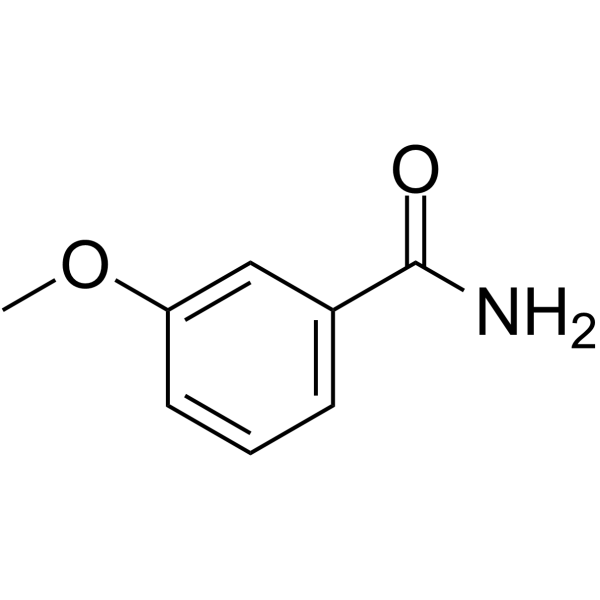
    3-Methoxybenzamide (3-MBA), an inhibitor of ADP-ribosyltransferase (ADPRTs) and PARP, inhibits cell division in Bacillus subtilis, leading to filamentation and eventually lysis of cells . 3-Methoxybenzamide (3-MBA) enhances in vitro plant growth, microtuberization, and transformation efficiency of blue potato (Solanum tuberosum L. subsp. andigenum) .
    3-Methoxybenzamide
  • HY-N0299
    Stachyose hydrate
    1 Publications Verification

    Endogenous Metabolite Apoptosis Metabolic Disease Inflammation/Immunology
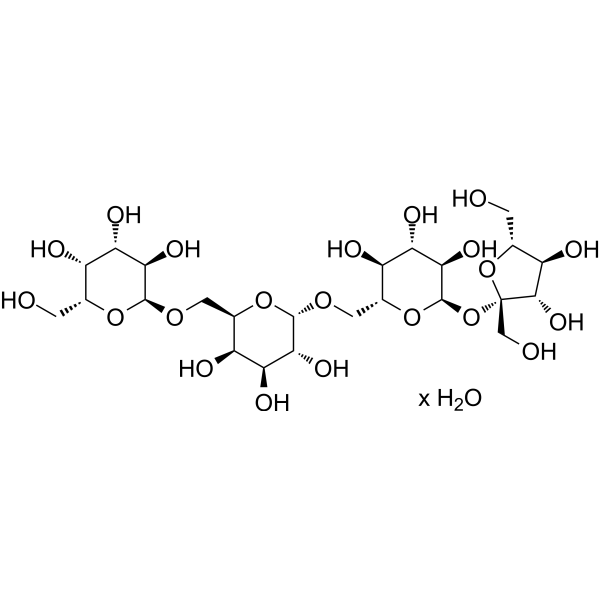
    Stachyose hydrate is an orally active prebiotic that enhances the growth and activity of beneficial bacteria. Stachyose hydrate has hypoglycemic effects and can improve inflammation by regulating gut microbiota. In addition, Stachyose hydrate can induce plant cell apoptosis (Apoptosis). Stachyose hydrate can be used in research on inflammation, gastrointestinal diseases, and agriculture .
    Stachyose hydrate
  • HY-122308

    NF-κB Apoptosis Interleukin Related COX Reactive Oxygen Species (ROS) Inflammation/Immunology
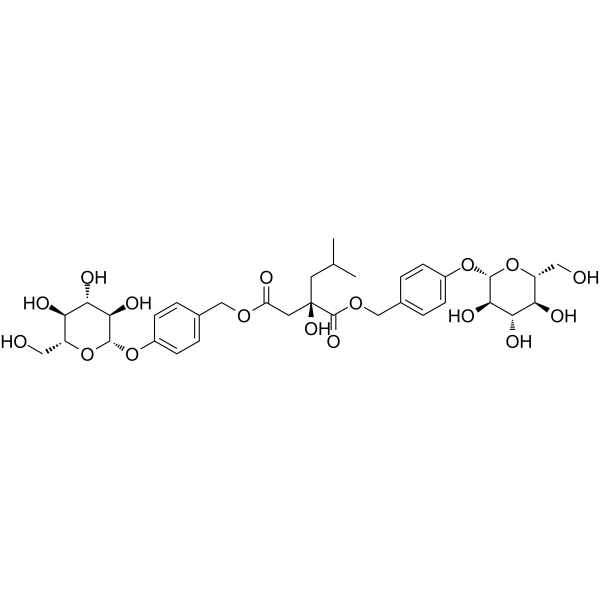
    Militarine is a plant growth inhibitor and anti-inflammatory agent. Militarine inhibits the elongation of radicles and hypocotyls in seedlings of lettuce, Italian ryegrass and timothy grass. Militarine alleviates PM2.5-induced inflammatory injury and inhibits cell migration in human alveolar epithelial A549 cells by inhibiting the NF-κB signaling pathway, reducing oxidative stress and the release of inflammatory factors. Militarine can be used in studies related to PM2.5-induced pulmonary diseases .
    Militarine
  • HY-N7719

    Endogenous Metabolite Bacterial Fungal Parasite Apoptosis Reactive Oxygen Species (ROS) Caspase HSV Infection Inflammation/Immunology Cancer
    Oosporein is a microbial metabolite and a red crystalline toxin produced by various fungi. Oosporein can promote the reproduction of fungi in host bodies by inhibiting insect immunity, and possesses multiple activities such as antibacterial, antiviral (HSV), and insecticidal effects. Oosporein can inhibit plant growth. In addition, Oosporein can also induce apoptosis, cell membrane damage, oxidative stress, and mitochondrial damage. Oosporein has certain antitumor activity .
    Oosporein
  • HY-W016477

    Bacterial Infection
    Phenazine is an electron shuttles, which modulates the redox state of cells and the downstream gene expression related to biofilm formation and bacterial survival. Phenazines is a biocontrol agents, which affects the growth of plants and induces the systemic resistance in plants. Phenazine maintains NAD+/NADH balance .
    Phenazine
  • HY-126386B

    Macerozyme R-10

    Biochemical Assay Reagents Others
    Pectinase, rhizobia is a mixed enzymes that hydrolyze pectic substances, it mostly presents in microorganisms and higher plants. Pectinase is involved in the metabolism of the cell wall as well as in the growth of the cell, senescence, ripening of fruits, pathogenesis and abscission process .
    Pectinase, rhizobia
  • HY-18569S4

    Indole-3-acetic acid-13C6; 3-IAA-13C6

    Isotope-Labeled Compounds Endogenous Metabolite Metabolic Disease
    3-Indoleacetic acid- 13C6 is the 13C labeled 3-Indoleacetic acid (HY-18569). 3-Indoleacetic acid (Indole-3-acetic acid) is the most common natural plant growth hormone of the auxin class. It can be added to cell culture medium to induce plant cell elongation and division .
    3-Indoleacetic acid-13C6
  • HY-18569S3

    Indole-3-acetic acid-d7; 3-IAA-d7

    Isotope-Labeled Compounds Endogenous Metabolite Metabolic Disease
    3-Indoleacetic acid-d7 is the deuterium labeled 3-Indoleacetic acid (HY-18569). 3-Indoleacetic acid (Indole-3-acetic acid) is the most common natural plant growth hormone of the auxin class. It can be added to cell culture medium to induce plant cell elongation and division .
    3-Indoleacetic acid-d7
  • HY-19700S

    MEK ERK Endogenous Metabolite Others
    trans-Zeatin-d5 is deuterium labeled trans-Zeatin. trans-Zeatin is a plant cytokinin, which plays an important role in cell growth, differentiation, and division; trans-Zeatin also inhibits UV-induced MEK/ERK activation.
    trans-Zeatin-d5
  • HY-W016393

    Endogenous Metabolite Others
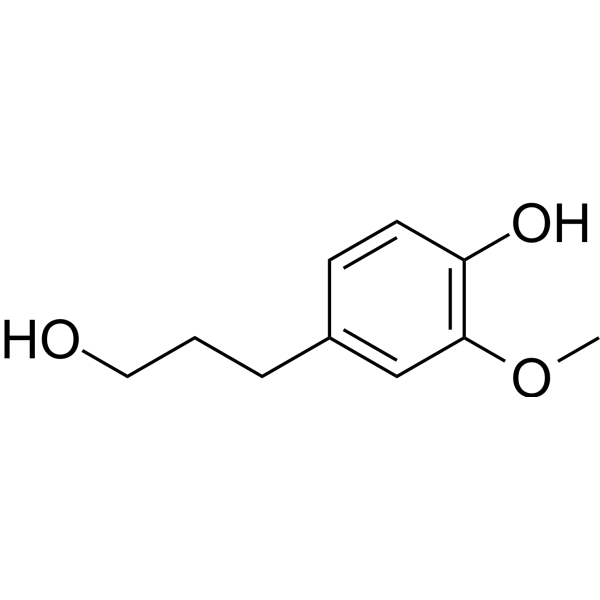
    Dihydroconiferyl alcohol is a cell division factor. Dihydroconiferyl alcohol can be isolated from the American sycamore (Acer pseudoplatanus L.). Dihydroconiferyl alcohol inhibits the degradation of Indole-3-acetic acid (HY-18569). Dihydroconiferyl alcohol can stimulate the growth of soybean and tobacco callus tissue and synergistically enhance Indole-3-acetic acid-induced hypocotyl elongation in cucumber. Dihydroconiferyl alcohol can be used in the research of plant growth regulation .
    Dihydroconiferyl alcohol
  • HY-B0941A

    Benzyladenine, suitable for plant cell culture; 6-BAP, suitable for plant cell culture; N6-Benzyladenine, suitable for plant cell culture

    Biochemical Assay Reagents Others
    6-Benzylaminopurine,suitable for plant cell culture is a cytokinin that induces plant growth and development by stimulating cell division, and prolongs the freshness of green vegetables through inhibiting respiratory kinases .
    6-Benzylaminopurine, suitable for plant cell culture
  • HY-18569R
    3-Indoleacetic acid (standard)
    Maximum Cited Publications
    21 Publications Verification

    Indole-3-acetic acid (standard); 3-IAA (standard)

    Molecular Glues Reference Standards Endogenous Metabolite Others
    3-Indoleacetic acid (Standard) is the analytical standard of 3-Indoleacetic acid. This product is intended for research and analytical applications. 3-Indoleacetic acid is is an IAA hormone and growth regulator that can promote plant nutritional growth through processes such as cell expansion, differentiation, morphogenesis, and organogenesis .
    3-Indoleacetic acid (standard)
  • HY-18569S2

    Indole-3-acetic acid-2,2-d2; 3-IAA-2,2-d2

    Isotope-Labeled Compounds Endogenous Metabolite Metabolic Disease
    3-Indoleacetic acid-2,2-d2 is the deuterium labeled 3-Indoleacetic acid (HY-18569). 3-Indoleacetic acid (Indole-3-acetic acid) is the most common natural plant growth hormone of the auxin class. It can be added to cell culture medium to induce plant cell elongation and division .
    3-Indoleacetic acid-2,2-d2
  • HY-117089

    Environmental Pollutants Fungal Infection
    Tetraconazole is a selective irreversible inhibitor of 14-α-sterol demethylase (CYP51) with antifungal activity. Tetraconazole competitively binds to the enzyme to block fungal ergosterol synthesis, resulting in cell membrane damage. The EC50 of tetraconazole against wheat pathogens is 0.382-0.802 mg/L, and the EC50 against onion root tip meristem cell growth is 6.7 mg/L, and (R)-(+)-Tetraconazole is 1.49-1.98 times more active than (S)-(-)-Tetraconazole. Tetraconazole can also induce oxidative stress and chromosomal aberrations in plant cells .
    Tetraconazole
  • HY-N7659A

    Phytohormone Microtubule/Tubulin Apoptosis Others
    Glucobrassicin potassium is an indole-based anticancer agent and plant growth-regulating hormone. Glucobrassicin potassium exerts its biological activity by disrupting the integrity of microtubule networks in both plant and mammalian cells. At high concentrations, Glucobrassicin potassium inhibits seed germination and root growth; it can also specifically induce apoptosis in mammalian cancer cells and interfere with the intercellular transmission of viruses that rely on microtubules. In plants, Glucobrassicin potassium can be catalyzed by myrosinase to release growth-regulating substances, exhibiting a concentration-dependent growth-regulating effect .
    Glucobrassicin potassium
  • HY-N7659

    Phytohormone Apoptosis Microtubule/Tubulin Cancer
    Glucobrassicin is an indole-based anticancer agent and plant growth-regulating hormone. Glucobrassicin exerts its biological activity by disrupting the integrity of microtubule networks in both plant and mammalian cells. At high concentrations, Glucobrassicin inhibits seed germination and root growth; it can also specifically induce apoptosis in mammalian cancer cells and interfere with the intercellular transmission of viruses that rely on microtubules. In plants, Glucobrassicin can be catalyzed by myrosinase to release growth-regulating substances, exhibiting a concentration-dependent growth-regulating effect .
    Glucobrassicin
  • HY-N0273R

    Brassin lactone (Standard)

    Apoptosis Reference Standards Cancer
    Brassinolide (Standard) is the analytical standard of Brassinolide. This product is intended for research and analytical applications. Brassinolide is a predominant plant growth modulator that regulate plant cell elongation.
    Brassinolide (Standard)
  • HY-W014240
    Chlorpropham
    1 Publications Verification

    Environmental Pollutants Herbicide Others
    Chlorpropham is a carbamate herbicide and plant growth regulator. Chlorpropham inhibits mitosis and cell division by interfering with the organisation of the spindle microtubules .
    Chlorpropham
  • HY-19698

    4-CPA; p-Chlorophenoxyacetic acid

    Environmental Pollutants Biochemical Assay Reagents Herbicide Others
    4-Chlorophenoxyacetic acid (4-CPA) is a widely used herbicide and plant growth regulator. 4-Chlorophenoxyacetic acid (4-CPA) mimics endogenous auxin and regulates plant cell division, differentiation and gene expression. 4-Chlorophenoxyacetic acid (4-CPA) is used to control weeds and promote fruit growth .
    4-Chlorophenoxyacetic acid (4-CPA)
  • HY-P3182

    Endogenous Metabolite Cancer
    NADH oxidase is a cyanide-resistant oxidase located on the plasma membrane of animals and plants, which is regulated by growth factors and hormones. NADH oxidase catalyzes the electron transfer from NADH to oxygen, and its activity is closely related to cell growth. The hormone response of NADH oxidase is attenuated in tumor-transformed cells, and it can serve as an anti-tumor target .
    NADH oxidase
  • HY-18569S1

    Indole-3-acetic acid-d4; 3-IAA-d4

    Isotope-Labeled Compounds Molecular Glues Endogenous Metabolite Metabolic Disease
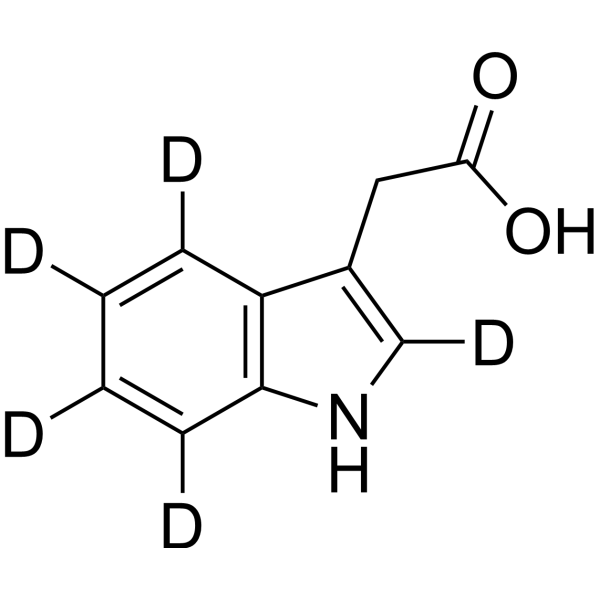
    3-Indoleacetic acid-d4 (Indole-3-acetic acid-d4; 3-IAA-d4) is the deuterium labeled 3-Indoleacetic acid (HY-18569) . 3-Indoleacetic acid (Indole-3-acetic acid) is the most common natural plant growth hormone of the auxin class. It can be added to cell culture medium to induce plant cell elongation and division .
    3-Indoleacetic acid-d4
  • HY-B2062
    Chlorthal-dimethyl
    1 Publications Verification

    Dimethyl tetrachloroterephthalate

    Environmental Pollutants Biochemical Assay Reagents Others
    Chlorthal-dimethyl (Dimethyl tetrachloroterephthalate) is a plant growth regulator. Chlorthal-dimethyl affects cell division and differentiation, interfering with the normal development of vascular tissue. Chlorthal-dimethyl causes localized swelling of tomato hypocotyls and disrupts normal mitosis in germinating millet seedlings .
    Chlorthal-dimethyl
  • HY-17563R

    Deoxyguanosine (Standard); Guanine deoxyriboside (Standard)

    Reference Standards Endogenous Metabolite Cancer
    2'-Deoxyguanosine (Standard) is the analytical standard of 2'-Deoxyguanosine. This product is intended for research and analytical applications. 2’-Deoxyguanosine (Deoxyguanosine) is a purine nucleoside with a variety of biological activities. 2’-Deoxyguanosine can induce DNA division in mouse thymus cells. 2’-Deoxyguanosine is a potent cell division inhibitor in plant cells . In Vitro: 2'-Deoxyguanosine inhibits the clonal growth of HL-60 and K562 leukemia cells with IC50 values of 50 and 80 μM, respectively .
    2'-Deoxyguanosine (Standard)
  • HY-N0848R

    24-Epibrassinolide (Standard); B1105 (Standard); BP55 (Standard)

    Reference Standards Apoptosis Cancer
    Epibrassinolide (Standard) is the analytical standard of Epibrassinolide. This product is intended for research and analytical applications. Epibrassinolide (24-Epibrassinolide) is a ubiquitously occurring plant growth hormone which shows great potential to alleviate heavy metals and pesticide stress in plants[1]. Epibrassinolide is a potential apoptotic inducer in various cancer cells without affecting the non-tumor cell growth[2].
    Epibrassinolide (Standard)
  • HY-N1964A

    Drug Derivative Metabolic Disease
    Gibberellic acid, suitable for plant cell culture (GA3, suitable for plant cell culture) is a natural plant growth regulator with oral bioactivity. Gibberellic acid, suitable for plant cell culture governs multiple plant developmental events, including seed germination, cell elongation, floral organ formation, and rice spikelet fertility. Gibberellic acid, suitable for plant cell culture optimizes root morphology and secondary metabolite production in Echinacea purpurea hairy roots, and serves as a bioactive seed priming agent to improve chilling stress tolerance in chickpea. Gibberellic acid, suitable for plant cell culture mediates modulation of enzyme activity and secondary metabolism in plants and exerts tissue-specific regulatory effects on antioxidant systems and lipid peroxidation in rats. Gibberellic acid, suitable for plant cell culture can be used in studies of plant growth, metabolism, and abiotic stress responses .
    Gibberellic acid, suitable for plant cell culture
  • HY-125715

    Endogenous Metabolite
    Trigalacturonic acid is an important plant polysaccharide that has the activity of promoting plant cell growth and enhancing cell wall stability. Trigalacturonic acid can improve the ability of plants to adapt to adversity and is widely used as a nutrient in cell culture. Trigalacturonic acid is also used as a food additive with thickening and gelling functions, playing an important role in the food industry.
    Trigalacturonic acid
  • HY-19698A

    4-CPA sodium; p-Chlorophenoxyacetic acid sodium

    Biochemical Assay Reagents Herbicide Others
    4-Chlorophenoxyacetic acid sodium is a widely used herbicide and plant growth regulator. 4-Chlorophenoxyacetic acid sodium mimics endogenous auxin and regulates plant cell division, differentiation and gene expression. 4-Chlorophenoxyacetic acid sodium is used to control weeds and promote fruit growth .
    4-Chlorophenoxyacetic acid sodium
  • HY-N9693

    Drug Derivative Metabolic Disease
    Gibberellin A8 is a derivative of Gibberellic acid (HY-N1964), a hormone that is found in plants which promotes the growth and elongation of cells. Gibberellin A8 shows a weak growth-promoting activity on rice seedlings and oat mesocot .
    Gibberellin A8
  • HY-126386A

    Biochemical Assay Reagents Others
    Pectinase, aspergillus acne is a mixed enzymes that hydrolyze pectic substances, it mostly presents in microorganisms and higher plants. Pectinase is involved in the metabolism of the cell wall as well as in the growth of the cell, senescence, ripening of fruits, pathogenesis and abscission process .
    Pectinase, aspergillus acne
  • HY-E70425

    Glycosyltransferase Metabolic Disease
    Sucrose synthase belongs to glycosyltransferases and is a reversible catalyst present in plants, which catalyzes the conversion of sucrose into fructose and UDP-G or ADP-G. Sucrose synthase localizes to the cytoplasm, plasma membrane, cell wall, vacuole and mitochondria of plants. Sucrose synthase regulates sugar metabolism, supports the development of taproots, fruits, seeds and vascular tissues, drives the synthesis of starch, cellulose and callose, and enhances nitrogen fixation capacity. Sucrose synthase mediates signal transduction in plant meristems. Sucrose synthase is associated with plant growth, anaerobic stress tolerance, as well as shoot apical meristem and leaf morphology; overexpression of this enzyme promotes plant growth, increases xylem size, and elevates cellulose and starch contents .
    Sucrose synthase
  • HY-B0941R

    Benzyladenine (Standard); 6-BAP (Standard); N6-Benzyladenine (Standard)

    Reference Standards Endogenous Metabolite Others
    6-Benzylaminopurine (Standard) is the analytical standard of 6-Benzylaminopurine. This product is intended for research and analytical applications. 6-Benzylaminopurine (Benzyladenine) is a cytokinin that causes plant growth and development by stimulating cell division and inhibiting respiratory kinases, thereby prolonging the preservation of green vegetables .
    6-Benzylaminopurine (Standard)

Inquiry Online

Your information is safe with us. * Required Fields.

Salutation


Country or Region *

Applicant Name *


Organization Name *

Department *


Email Address *


Product Name *

Cat. No.


Requested quantity *

Phone Number *


Remarks

Inquiry Online

Inquiry Information

Product Name:
Cat. No.:
Quantity:
MCE Japan Authorized Agent:

