






1. Search Result
Search Result
Results for "

proteolytic

" in MedChemExpress (MCE) Product Catalog:

130

Inhibitors & Agonists

2

Screening Libraries

2

Fluorescent Dye

9

Biochemical Assay Reagents

35

Peptides

3

Inhibitory Antibodies

16

Natural
Products

3

Isotope-Labeled Compounds

6

Oligonucleotides

1

GMP Molecules

Targets Recommended:
Cat. No. Product Name Target Research Areas Chemical Structure
  • HY-13259
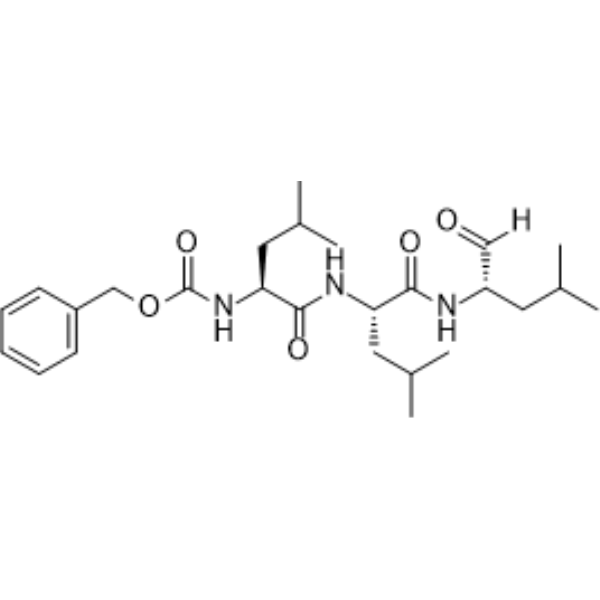
    MG-132
    Maximum Cited Publications
    1998 Publications Verification

    Z-Leu-Leu-Leu-al; MG132

    Proteasome Autophagy Apoptosis Cancer
    MG-132 (Z-Leu-Leu-Leu-al) is a potent proteasome and calpain inhibitor with IC50s of 100 nM and 1.2 μM, respectively. MG-132 effectively blocks the proteolytic activity of the 26S proteasome complex. MG-132, a peptide aldehyde, also is an autophagy activator. MG-132 also induces apoptosis .
    MG-132
  • HY-114158
    Pronase E (Activity ≥ 7000 U/g)
    Maximum Cited Publications
    61 Publications Verification

    Pronase (Activity ≥ 7000 U/g)

    Others Others
    Pronase E (Activity ≥ 7000 U/g) is a mixture of proteolytic enzymes that is obtained from Streptomyces griseus and could digest protein into individual amino acids .
    Pronase E (Activity ≥ 7000 U/g)
  • HY-114158A

    Pronase (Activity ≥ 4000 U/mg)

    Others Others
    Pronase E (Activity ≥ 4000 U/mg) is a mixture of proteolytic enzymes that is obtained from Streptomyces griseus and could digest protein into individual amino acids .
    Pronase E (Activity ≥ 4000 U/mg)
  • HY-10453
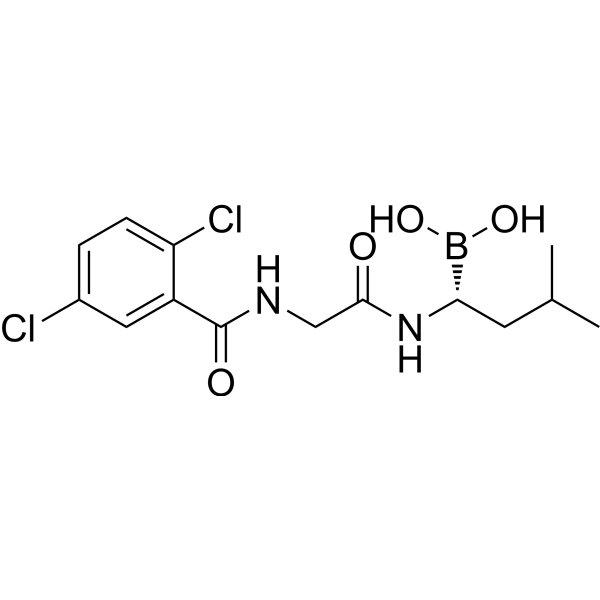
    Ixazomib
    20+ Cited Publications

    MLN2238

    Proteasome Autophagy Cancer
    Ixazomib (MLN2238) is a selective, potent, and reversible proteasome inhibitor, which inhibits the chymotrypsin-like proteolytic (β5) site of the 20S proteasome with an IC50 of 3.4 nM (Ki of 0.93 nM).
    Ixazomib
  • HY-125864
    Fibrinogen (Bovine)
    2 Publications Verification

    Interleukin Related NF-κB Inflammation/Immunology
    Fibrinogen (Bovine) is a selective proteolytic molecule that can be activated by thrombin to assemble fibrin clots. Fibrinogen can regulate the activation of NF-KB in endothelial cells and upregulate the expression of inflammatory chemokines MCP-1 and MCP-1. Fibrinogen plays a key role in blood clotting, thrombosis, atherosclerosis and the pathological development of venous grafts, and can be used in the study of blood clotting and vascular diseases .
    Fibrinogen (Bovine)
  • HY-P1635
    Pepsin
    3 Publications Verification

    EC 3.4.23.1

    Endogenous Metabolite Endocrinology
    Pepsin is the major pig and human gastric proteases, it is a pepsin-like minor gastric proteolytic enzymes. Pepsin contributes to proteolysis of food proteins in the vertebrate stomach .
    Pepsin
  • HY-O0004

    MMP Metabolic Disease
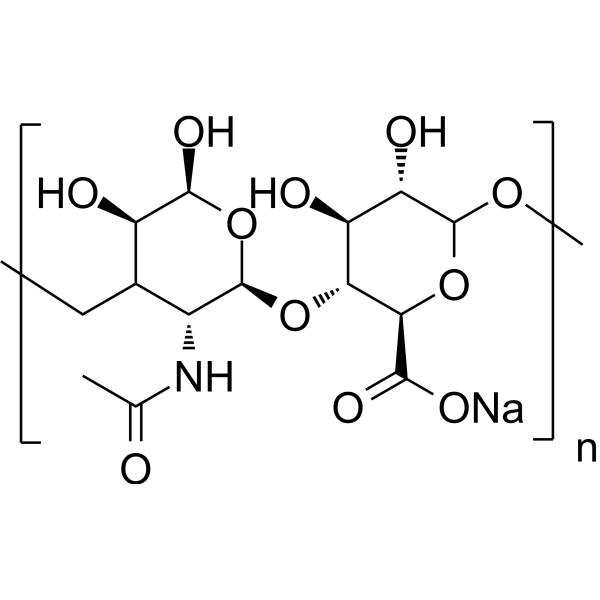
    Collagenases are enzymes that break the peptide bonds in collagen. Collagenases are derived from the Clostridium histolyticum. Collagenases (Type I) are proteolytic enzymes that break peptide bonds in collagen and can be used for tissue digestion and dissociation.
    Collagenase I, from Clostridium histolyticum
  • HY-P0122
    iRGD peptide
    Maximum Cited Publications
    6 Publications Verification

    c(CRGDKGPDC)

    Integrin Cancer
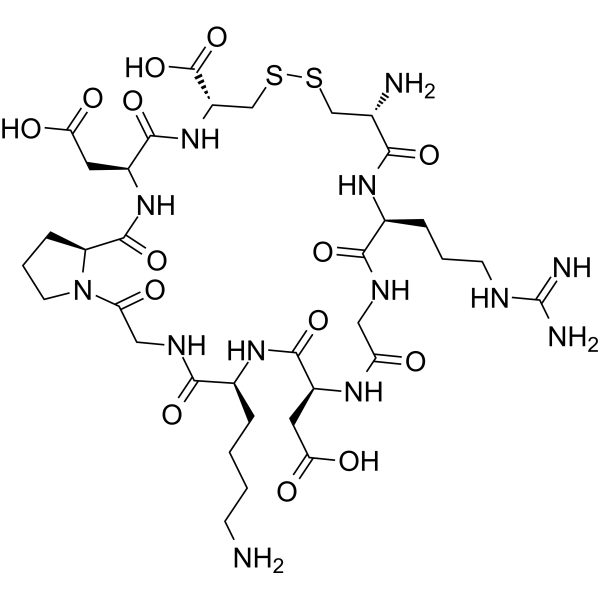
    iRGD peptide is a 9-amino acid cyclic peptide, triggers tissue penetration of agents by first binding to αv-integrins, then proteolytically cleaved in the tumor to produce CRGDK/R to interact with neuropilin-1, and has tumor-targeting and tumor-penetrating properties.
    iRGD peptide
  • HY-106783
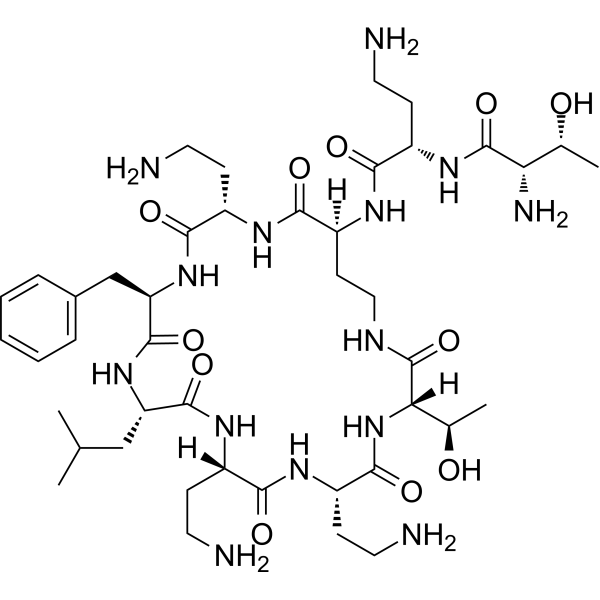
    Polymyxin B nonapeptide
    2 Publications Verification

    Bacterial Antibiotic Infection
    Polymyxin B nonapeptide is a cyclic peptide obtained from Polymyxin B by proteolytic removal of its terminal amino acyl residue. Polymyxin B nonapeptide is less toxic, lacks bactericidal activity, and retains its ability to render gram-negative bacteria susceptible to several antibiotics by permeabilizing their outer membranes .
    Polymyxin B nonapeptide
  • HY-137677B

    Guanosine 5'-[γ-thio]triphosphate tetralithium

    GLUT Metabolic Disease
    GTPγS (Guanosine 5'-[γ-thio]triphosphate) tetralithium is a G-protein activator that protects proteins from proteolytic degradation, stimulates GLUT4 translocation in a tyrosine kinase-dependent manner, stimulate phospholipases and induce actin polymerization. GTPγS tetralithium to couple with G- protein α, to study its effect on kinase activity. GTPγS tetralithium acts as a component of lysis buffer .
    GTPγS tetralithium
  • HY-N1372A
    Fangchinoline
    5+ Cited Publications

    HIV FAK Apoptosis Autophagy Infection Cancer
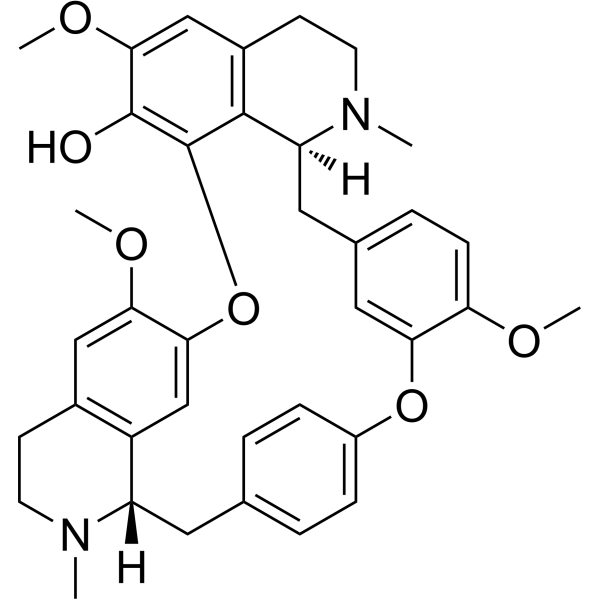
    Fangchinoline is isolated from Stephania tetrandra with extensive biological activities, such as enhancing immunity, anti-inflammatory sterilization and anti-atherosclerosis. Fangchinoline, a novel HIV-1 inhibitor, inhibits HIV-1 replication by impairing gp160 proteolytic processing . Fangchinoline targets Focal adhesion kinase (FAK) and suppresses FAK-mediated signaling pathway in tumor cells which highly expressed FAK . Fangchinoline induces apoptosis and adaptive autophagy in bladder cancer .
    Fangchinoline
  • HY-E70076

    Bacillopeptidaseb

    Biochemical Assay Reagents Others
    Subtilisin (Compound proteinase) (EC 3.4.21.62) is a proteolytic enzyme, isolated from Bacillus licheniformis. Subtilisin (Compound proteinase) has catalytic activity in anhydrous dimethyl formamide. Subtilisin (Compound proteinase) can be used as a catalyst for easy coupling between sugars and amino acids .
    Subtilisin, bacillus licheniformis
  • HY-112171
    γ-L-Glutamyl-L-alanine
    1 Publications Verification

    γ-Glu-Ala

    Endogenous Metabolite CaSR Others
    γ-L-Glutamyl-L-alanine (γ-Glu-Ala), composed of gamma-glutamate and alanine, is a proteolytic breakdown product of larger proteins. γ-L-Glutamyl-L-alanine is a natural substrate of the γ-Glutamylcyclotransferase. γ-L-Glutamyl-L-alanine is a positive modulator of calcium-sensing receptor (CaR) function .
    γ-L-Glutamyl-L-alanine
  • HY-E70198
    Pepsin (MS Grade)
    3 Publications Verification

    EC 3.4.23.1 (MS Grade)

    Endogenous Metabolite Others
    Pepsin (MS Grade) is the major pig and human gastric proteases, it is a pepsin-like minor gastric proteolytic enzymes. Pepsin (MS Grade) contributes to proteolysis of food proteins in the vertebrate stomach .
    Pepsin (MS Grade)
  • HY-P2810

    EC 3.4.23.4

    Endogenous Metabolite Ser/Thr Protease Metabolic Disease
    Rennin, also known as Chymosin, is a pepsin-related proteolytic enzyme synthesized by cells in the stomach of certain animals that efficiently converts liquid milk into a semi-solid, allowing it to remain in the stomach for longer. The natural substrate of Rennin is K-casein, which is specifically cleaved at the peptide bond between amino acid residues 105 and 106, phenylalanine and methionine, and is widely used in cheese production .
    Rennin
  • HY-P1036
    Compstatin
    3 Publications Verification

    Complement System Others
    Compstatin, a 13-residue cyclic peptide, is a potent inhibitor of the complement system C3 with species specificity. Compstatin binds to baboon C3 and is resistant to proteolytic cleavage in baboon blood (similar to humans). Compstatin inhibits only the activation of primates’ complement system. Compstatin exhibits IC50 values of 63 μM and 12 μM for classical and alterative complement pathway, respectively .
    Compstatin
  • HY-E70203

    Ser/Thr Protease Cardiovascular Disease Inflammation/Immunology
    Recombinant aprotinin is a serine protease inhibitor. Recombinant aprotinin can inhibit trypsin and related proteolytic enzymes .
    Recombinant aprotinin
  • HY-172494

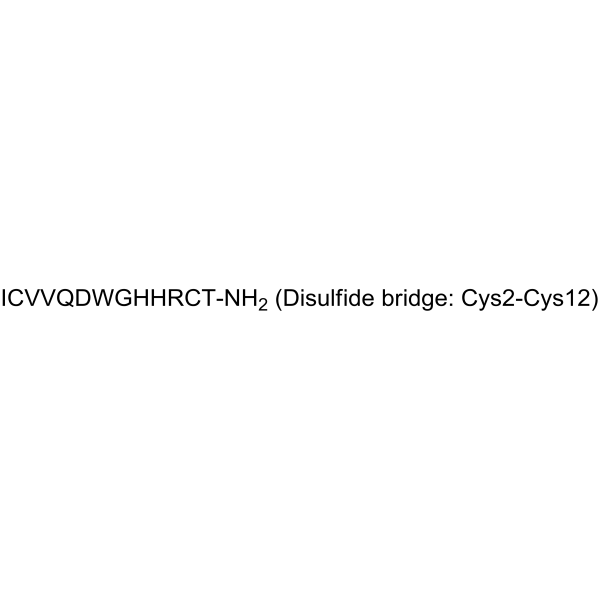
    Liposome Integrin Drug Intermediate Complement System Cancer
    DSPE-PEG2000-iRGD is a PEG compound which composed of DSPE and an αv-integrins targeting peptide (iRGD). iRGD peptide binds to αv-integrins, and then proteolytically cleaved in the tumor to produce CRGDK/R to interact with neuropilin-1, and has tumor-targeting and tumor-penetrating properties. DSPE-PEG2000-iRGD can be used for agent delivery .
    DSPE-PEG2000-iRGD
  • HY-P1241
    BAM(8-22)
    1 Publications Verification

    Mas-related G-protein-coupled Receptor (MRGPR) Neurological Disease Inflammation/Immunology
    BAM(8-22), a proteolytically cleaved product of proenkephalin A and sensory neuron-specific receptor (SNSR) agonist, is a potent activator of Mas-related G-protein-coupled receptors (Mrgprs), MrgprC11 and hMrgprX1. BAM(8-22) induces scratching in mice in an Mrgpr-dependent manner. In addition, BAM(8-22) has an analgesic effect and can also inhibit the activation of microglia .
    BAM(8-22)
  • HY-E70005K

    Proteasome Others
    Collagenase (Type A, animal free) is a proteolytic enzyme targeting collagen, capable of releasing corneal endothelial cells (CECs) without damaging cell junctions .
    Collagenase (Type A, animal free)
  • HY-P10004
    Z-Ala-Ala-Asp-CMK
    2 Publications Verification

    Z-AAD-CMK

    Caspase Apoptosis Reactive Oxygen Species (ROS) Interleukin Related Inflammation/Immunology Cancer
    Z-Ala-Ala-Asp-CMK (Z-AAD-CMK) is a selective granzyme B inhibitor. By binding to the active site of granzyme B, Z-Ala-Ala-Asp-CMK blocks its proteolytic function. Z-Ala-Ala-Asp-CMK has anti-inflammatory activity and can be used in the research of inflammatory diseases and cancer .
    Z-Ala-Ala-Asp-CMK
  • HY-N6818
    5,​7,​4'-​Trimethoxyflavone
    2 Publications Verification

    TMF

    Apoptosis Caspase PARP Endogenous Metabolite CFTR Cancer
    5,7,4’-Trimethoxyflavone can be isolated from the medicinal plant Kaempferia parviflora (KP). 5,7,4’-Trimethoxyflavone is a CFTR activator and EC50 is 64 μM. 5,7,4’-Trimethoxyflavone induces apoptosis, increases proteolytic activation of caspase-3, and degradation of ADP-ribose polymerase (PARP) protein. 5,7,4’-Trimethoxyflavone has antitumor activity. 5,7,4’-Trimethoxyflavone can be used to prevent skin aging and oxidative stress .
    5,​7,​4'-​Trimethoxyflavone
  • HY-19727A
    FOY 251
    2 Publications Verification

    Ser/Thr Protease SARS-CoV Metabolic Disease
    FOY 251, an anti-proteolytic active metabolite Camostate (HY-13512), acts as a proteinase inhibitor . FOY 251 inhibits SARS-CoV-2 infection in cells assay .
    FOY 251
  • HY-E70005M

    Proteasome Others
    Collagenase (Type C, animal free) is a proteolytic enzyme targeting collagen, capable of releasing corneal endothelial cells (CECs) without damaging cell junctions .
    Collagenase (Type C, animal free)
  • HY-P2895

    Clostridiopeptidase B

    Endogenous Metabolite Others
    Clostripain (Clostridiopeptidase B) is a thiol protease isolated from Clostridium histolyticum. Clostripain exhibits proteolytic activity as well as amidase-esterase activity. The specificity of Clostripain is primarily restricted to arginine residues, but it also shows minor hydrolytic activity toward most lysine-containing substrates. Clostripain catalyzes the ammonolysis of Carbobenzoxyarginyl methyl ester to generate various dipeptides .
    Clostripain
  • HY-P990060

    Mim8

    Factor Xa Cardiovascular Disease
    Denecimig (Mim8) is a factor VIII-mimetic bispecific antibody with micromolar human binding affinity for Factor X and Factor IXa. Denecimig binds Factor X and Factor IXa, localizes both to the phospholipid surface, enhances the Factor IXa-mediated activation of Factor X to Factor Xa, and stimulates the proteolytic activity of Factor IXa via its monovalent anti-Factor IXa arm. Denecimig is applicable to research related to hemophilia A .
    Denecimig
  • HY-115733
    Cathepsin L-IN-2
    1 Publications Verification

    (Rac)-Z-Phe-Phe-FMK

    Cathepsin Cancer
    Cathepsin L-IN-2 ((Rac)-Z-Phe-Phe-FMK) is an isomer of the Cathepsin L inhibitor Z-Phe-Phe-FMK (HY-141867), with an IC50 of 15 μM for cathepsin L. Z-Phe-Phe-FMK irreversibly blocks the proteolytic function of cathepsins by covalently binding to the cysteine residues in the active center of the enzyme. Cathepsin L-IN-2 and Z-Phe-Phe-FMK can be used to study neurodegenerative diseases (such as GRN-related frontotemporal dementia) and cancer invasion and metastasis.
    Cathepsin L-IN-2
  • HY-136528

    Deubiquitinase Apoptosis Cancer
    RA-9 is a potent and selective proteasome-associated deubiquitinating enzymes (DUBs) inhibitor with favorable toxicity profile and anticancer activity. RA-9 blocks ubiquitin-dependent protein degradation without impacting 20S proteasome proteolytic activity. RA-9 selectively induces onset of apoptosis in ovarian cancer cell lines and primary cultures derived from donors. RA-9 induces endoplasmic reticulum (ER)-stress responses in ovarian cancer cells .
    RA-9
  • HY-114174
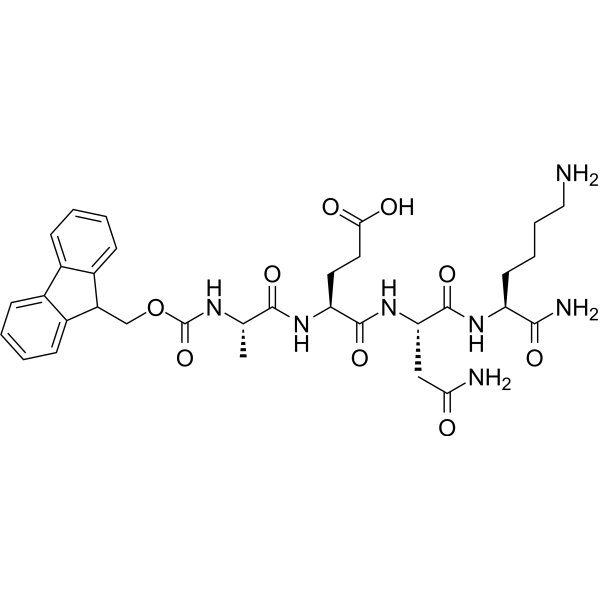
    Fmoc-Ala-Glu-Asn-Lys-NH2
    3 Publications Verification

    Amyloid-β Neurological Disease
    Fmoc-Ala-Glu-Asn-Lys-NH2 is a selective asparagine endopeptidase (AEP) inhibitor peptide and suppresses amyloid precursor protein (APP) cleavage. AEP, a pH-controlled cysteine proteinase, is activated during ageing and mediates APP proteolytic processing .
    Fmoc-Ala-Glu-Asn-Lys-NH2
  • HY-E70005L

    Proteasome Others
    Collagenase (Type B, animal free) is a proteolytic enzyme targeting collagen, capable of releasing corneal endothelial cells (CECs) without damaging cell junctions .
    Collagenase (Type B, animal free)
  • HY-134432B
    Boc-Gln-Ala-Arg-AMC acetate
    1 Publications Verification

    Ser/Thr Protease Others
    Boc-Gln-Ala-Arg-AMC acetate is a fluorogenic substrate for trypsin. Boc-Gln-Ala-Arg-AMC acetate can also be used for measuring the proteolytic activity of TMPRSS2 .
    Boc-Gln-Ala-Arg-AMC acetate
  • HY-P1488

    Drug Metabolite Cardiovascular Disease
    Bradykinin (1-5) is a major stable metabolite of Bradykinin (HY-P0206), formed by the proteolytic action of angiotensin-converting enzyme (ACE) . Bradykinin (1-5) inhibits α- and γ-thrombin-induced platelet aggregation .
    Bradykinin (1-5)
  • HY-P0308

    Drug Intermediate Cardiovascular Disease
    [Glu1]-Fibrinopeptide B is derived from fibrinopeptide B amino acid residues 1-14. Human fibrinopeptide B (hFpB), a thrombin-derived proteolytic cleavage product of the fibrinogen B beta-chain, to stimulate neutrophils (PMN), monocytes, and fibroblasts.
    [Glu1]-Fibrinopeptide B
  • HY-125366

    FAP Metabolic Disease
    ARI-3099 is an oral fibroblast activation protein (FAP) inhibitor. ARI-3099 specifically inhibits the proteolytic activity of FAP and blocks the cleavage of human FGF-21 between residues P171 and S172. ARI-3099 extends the half-life of circulating human FGF-21 in mice. ARI-3099 can be used in the research of type 2 diabetes and metabolic disorders .
    ARI-3099
  • HY-P10943

    Fluorescent Dye Inflammation/Immunology Cancer
    APO-15 is a phosphatidylserine-binding fluorescent probe and apoptosis imaging reagent. APO-15 exhibits high chemical stability under proteolytic and oxidative conditions, enables quantification and imaging of drug-induced apoptosis in preclinical mouse models, and is applicable to fixed tissue samples and multiple in vivo administration routes (Ex = 488 nm; Em = 525 nm). APO-15 can be used in studies related to acute lung injury and breast cancer .
    APO-15
  • HY-P3414A
    Proteasome-activating peptide 1 TFA
    3 Publications Verification

    Proteasome Neurological Disease
    Proteasome-activating peptide 1 TFA is a peptide and a potent proteasome activator. Proteasome-activating peptide 1 TFA increases the chymotrypsin-like proteasomal catalytic activity and, consequently, proteolytic rates both in vitro and in culture. Proteasome-activating peptide 1 TFA prevents protein aggregation in a cellular model of amyotrophic lateral sclerosis .
    Proteasome-activating peptide 1 TFA
  • HY-W006886

    Amino Acid Derivatives Others
    Fmoc-(R)-2-(7-octenyl) Ala-OH is an unnatural Fmoc-protected amino acid and modification module. Fmoc-(R)-2-(7-octenyl) Ala-OH serves as a key building block for all-hydrocarbon cross-linking modification of antimicrobial peptides, and facilitates the generation of stapled peptide derivatives. When introduced into specific sites of the parent peptide, Fmoc-(R)-2-(7-octenyl) Ala-OH effectively increases the α-helix content of the peptide chain, thereby significantly enhancing its antimicrobial activity and proteolytic stability. Fmoc-(R)-2-(7-octenyl) Ala-OH is widely used in research on bacterial infections and the development of related antimicrobial agents . Stapled peptide is a specially chemically modified polypeptide. It locks the peptide chain into a stable α-helical structure by introducing a "staple"-like chemical bridge (usually an all-carbon backbone) at specific positions of the peptide chain.
    Fmoc-(R)-2-(7-octenyl)Ala-OH
  • HY-P1764

    Dopamine Receptor Neurological Disease
    Secretoneurin, rat, a 33-amino acid polypeptide, is generated by proteolytic processing of secretogranin II (SgII). Secretoneurin, rat induces dopamine release in the rat striatum in vivo and in vitro, and it exerts a very strong chemotactic effect on monocytes and eosinophils but not on granulocytes .
    Secretoneurin, rat
  • HY-150737

    SARS-CoV Infection
    MI-1851 is a potent furin inhibitor. MI-1851 prevents the proteolytic processing of the S protein of SARS-CoV-2 by endogenous flavoprotease in HEK293 cells. MI-185 has antiviral activity .
    MI-1851
  • HY-106783A
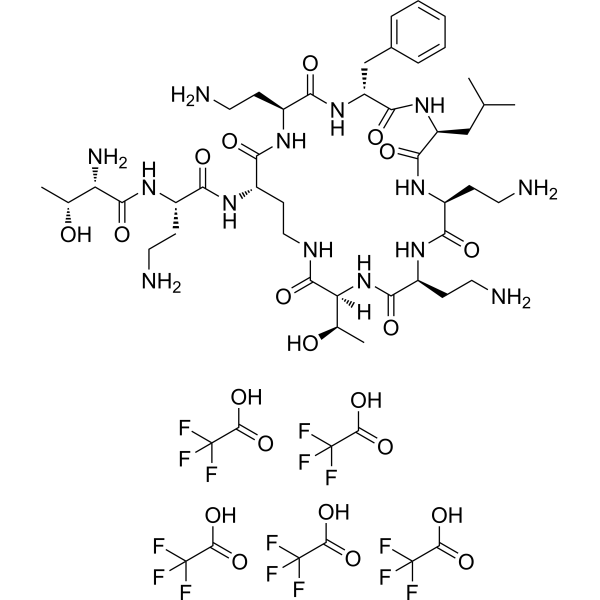
    Polymyxin B nonapeptide TFA
    2 Publications Verification

    Bacterial Antibiotic Infection
    Polymyxin B nonapeptide TFA is a cyclic peptide obtained from Polymyxin B by proteolytic removal of its terminal amino acyl residue. Polymyxin B nonapeptide TFA is less toxic, lacks bactericidal activity, and retains its ability to render gram-negative bacteria susceptible to several antibiotics by permeabilizing their outer membranes .
    Polymyxin B nonapeptide TFA
  • HY-149428
    AD4
    1 Publications Verification

    PROTACs Cancer
    AD4 is an artemisinin derivative that is a proteolytic targeting chimera (PROTAC) targeting PCLAF. AD4 can effectively degrade PCLAF in RS4;11 cells (IC50: 0.6 nM), thereby activating the p21/Rb axis and exerting anti-tumor activity. AD4 also prolonged survival of RS4;11-transplanted NOD/SCID mice, with in vivo efficacy .
    AD4
  • HY-P2935

    Endogenous Metabolite Others
    Glutamic acid protease is a type of proteolytic enzyme containing glutamic acid residues, which mainly exists in fungi. Glutamic acid protease exerts its catalytic function through a glutamate-glutamine dyad .
    Glutamic acid protease
  • HY-N9366
    Tumulosic acid
    1 Publications Verification

    Others Inflammation/Immunology
    Tumulosic acid, a triterpenoid, inhibits KLK5 protease activity (IC50= 14.84 μM). Tumulosic acid suppresses the proteolytic processing of LL-37 in keratinocytes at ≤10 μM .
    Tumulosic acid
  • HY-175358

    PROTACs Deubiquitinase Cancer
    PROTAC USP7 Degrader-1 is a VHL-recruiting PROTAC and USP7 degrader with binding activity to both USP7 and the VHL E3 ubiquitin ligase. PROTAC USP7 Degrader-1 recruits the VHL E3 ligase to mediate the ubiquitination and subsequent proteolytic degradation of USP7 .
    PROTAC USP7 Degrader-1
  • HY-76701

    Drug Derivative Cancer
    4-Nitrothalidomide is a nitrosylated Thalidomide analogue. Thalidomide is a ligand for E3 ligase, which ubiquitinylates proteins, thus committing their fate to proteolytic destruction.
    4-Nitrothalidomide
  • HY-P99626

    LY 3015014

    PCSK9 Metabolic Disease
    Frovocimab (LY 3015014) is a humanized IgG4 monoclonal antibody (mAb) that neutralizes PCSK9. Frovocimab inhibits PCSK9 binding to LDL receptor (LDLR) while permitting the normal proteolytic cleavage of the bound intact PCSK9 .
    Frovocimab
  • HY-E70231

    Others Cardiovascular Disease
    Thrombin-like enzyme is a proteolytic enzyme extraction of Agkistrodon halys venom. Thrombin-like enzyme can be used for degradation of fibrinogen. Thrombin-like enzyme can exacerbate myosin-induced EAM (experimental autoimmune myositis). Thrombin-like enzyme can be used for degradation of fibrinogen. Thrombin-like enzyme is commonly used for research of acute ischemic cerebrovascular disease, thromboangiitis obliterans, deep phlebitis and sudden deafness .
    Thrombin-like enzyme
  • HY-P1036A
    Compstatin TFA
    3 Publications Verification

    Complement System Others
    Compstatin TFA, a 13-residue cyclic peptide, is a potent inhibitor of the complement system C3 with species specificity. Compstatin TFA binds to baboon C3 and is resistant to proteolytic cleavage in baboon blood (similar to humans). Compstatin TFA inhibits only the activation of primates’ complement system. Compstatin TFA exhibits IC50 values of 63 μM and 12 μM for classical and alterative complement pathway, respectively .
    Compstatin TFA
  • HY-E70005O

    Proteasome Others
    Collagenase (Type A, filtered, animal free) is a proteolytic enzyme targeting collagen, capable of releasing corneal endothelial cells (CECs) without damaging cell junctions .
    Collagenase (Type A, filtered, animal free)
  • HY-163445

    NAMPT Cancer
    NAMPT activator-6 is a NAMPT activator, a regulatory molecule for the optical control system of NAMPT and NAD+. NAMPT activator-6 can be used to design efficient photoswitchable proteolysis-targeting chimeras (PS-PROTACs) to achieve up-down reversible regulation of NAMPT and NAD+ in a light-dependent manner and reduce the toxicity associated with inhibitor-based PS-PROTACs. PS-PROTAC can be used to achieve antitumor activity, NAMPT, and NAD+ modulation in vivo via optical manipulation .
    NAMPT activator-6

Inquiry Online

Your information is safe with us. * Required Fields.

Salutation


Country or Region *

Applicant Name *


Organization Name *

Department *


Email Address *


Product Name *

Cat. No.


Requested quantity *

Phone Number *


Remarks

Inquiry Online

Inquiry Information

Product Name:
Cat. No.:
Quantity:
MCE Japan Authorized Agent:

