106 Results for "

root barks

" in MedChemExpress (MCE) Product Catalog:
Products (106)

106 Results for "root barks" in MCE Product Catalog:

6
6 Publications Verification
Cat. No.: HY-N1381
CAS No.: 13137-64-9
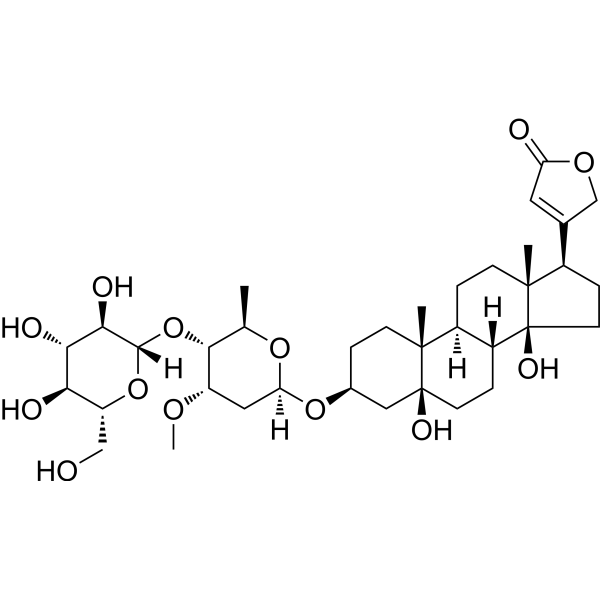
Periplocin is a cardiotonic steroid isolated from root-bark Periploca sepium Bunge. Periplocin promotes tumor cell apoptosis and inhibits tumor growth. Periplocin has the potential to facilitate wound healing through the activation of Src/ERK and PI3K/Akt pathways mediated by Na/K-ATPase .
loading...
    loading...
4
4 Cited Publications
Cat. No.: HY-N0242
CAS No.: 28808-62-0
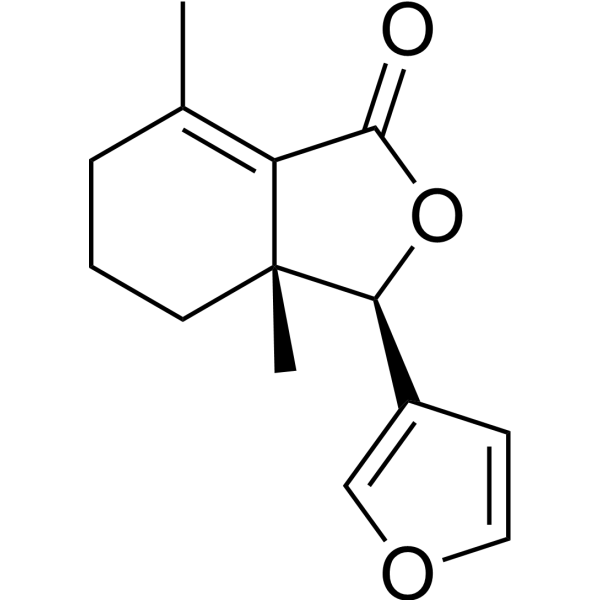
Fraxinellone is isolated from the root bark of the Rutaceae plant, Dictamnus dasycarpus. Fraxinellone is a PD-L1 inhibitor and inhibits HIF-1α protein synthesis without affecting HIF-1α protein degradation. Fraxinellone has the potential to be a valuable candidate for cancer treatment by targeting PD-L1 .
loading...
    loading...
1
1 Cited Publications
Cat. No.: HY-N2300
CAS No.: 62949-77-3
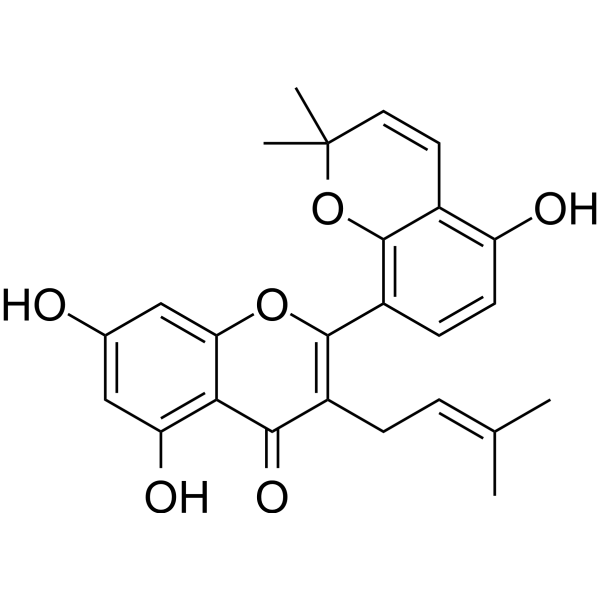
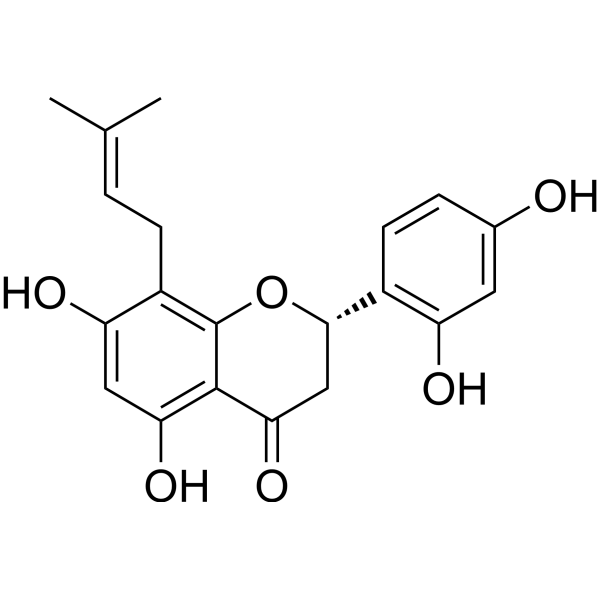
Kuwanon A is a flavone derivative isolated from the root barks of the mulberry tree (Morus alba L.); inhibits nitric oxide production with an IC50 of 10.5 μM.
loading...
    loading...
1
1 Cited Publications
Cat. No.: HY-N2159
CAS No.: 81991-99-3
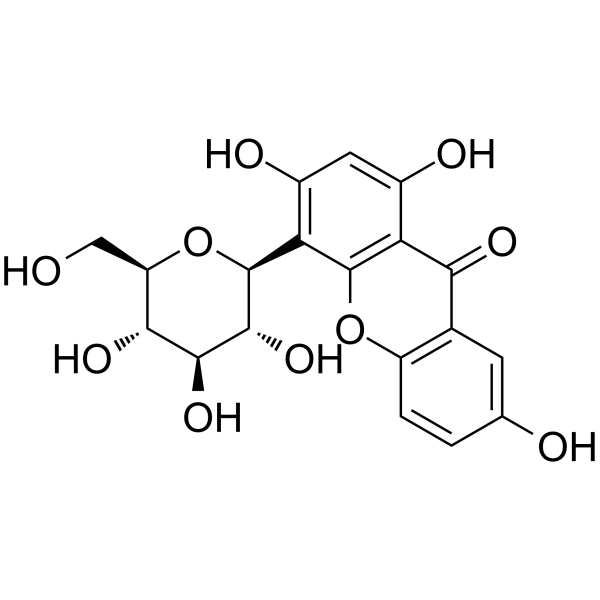
Lancerin, isolated from the root bark of Cudraniu cochinchinensis, possesses anti-lipid peroxidation .
loading...
    loading...
1
1 Cited Publications
Cat. No.: HY-N2392
CAS No.: 75288-96-9
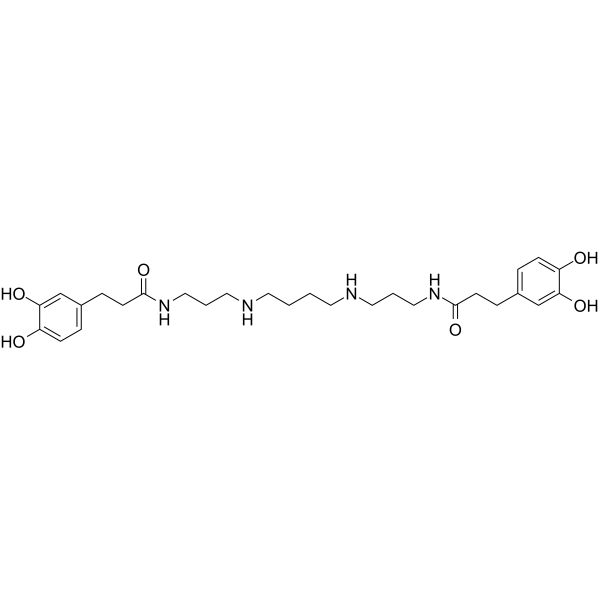
Kukoamine A, a spermine alkaloid, is an orally active and brain-penetrant component found in the root barks of Lycium chinense (L. chinense) Miller. Kukoamine A inhibits purified Crithidia fasciculata trypanothione reductase and soybean lipoxygenase, activates μ-opioid receptor. Kukoamine A can inhibt cancer cell proliferation, migration and invasion, cause G0/G1 phase cell cycle arrest and induce apoptosis. Kukoamine A exerts neuroprotective effect and can induce autophagy . Kukoamine A inhibits LPS (HY-D1056)-induced NO, ROS, PGE2, TNF-α, IL-1β, IL-6 production and COX-2 activity. Kukoamine A reverses palmitic acid-induced insulin resistance, lipid accumulation, and oxidative stress via downregulation of Srebp-1c. Kukoamine A can be used for the research of cancer, infection, inflammation, metabolic and neurological disease, such as glioblastoma and Parkinson's disease .
loading...
    loading...
Cat. No.: HY-N1931
CAS No.: 16844-71-6
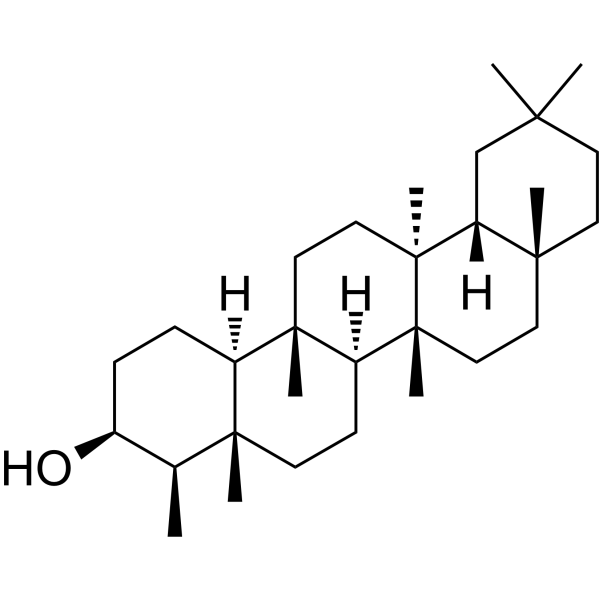
Epifriedelanol is a triterpenoid found in the root bark of Ulmus davidiana. Epifriedelanol induces apoptosis in DU145 cells. Epifriedelanol has antitumor and anti-inflammatory activities. Epifriedelanol inhibits cellular senescence in human primary cells .
loading...
    loading...
Cat. No.: HY-N3395
CAS No.: 152464-78-3
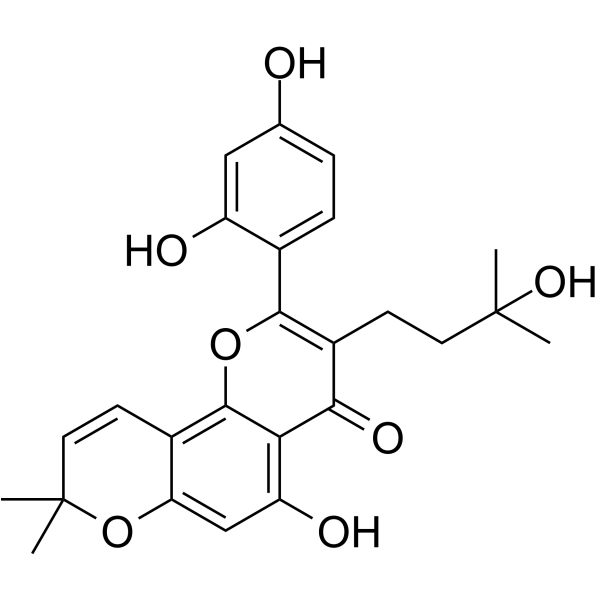
Leachianone G is an antiviral flavonoid from the root bark of Morus alba L. Leachianone G shows potent antiviral activity against herpes simplex type 1 virus (HSV-1) with an IC50 value of 1.6 μg/mL .
loading...
    loading...
Cat. No.: HY-N0672
CAS No.: 82601-41-0
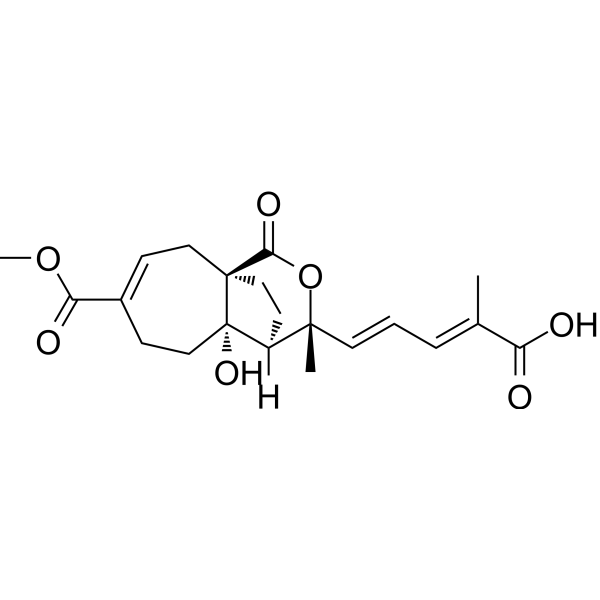
Pseudolaric C is a diterpenoid isolated from the root bark of Pseudolarix amabilis, has antifungal activity .
loading...
    loading...
Cat. No.: HY-N8761
CAS No.: 125276-62-2
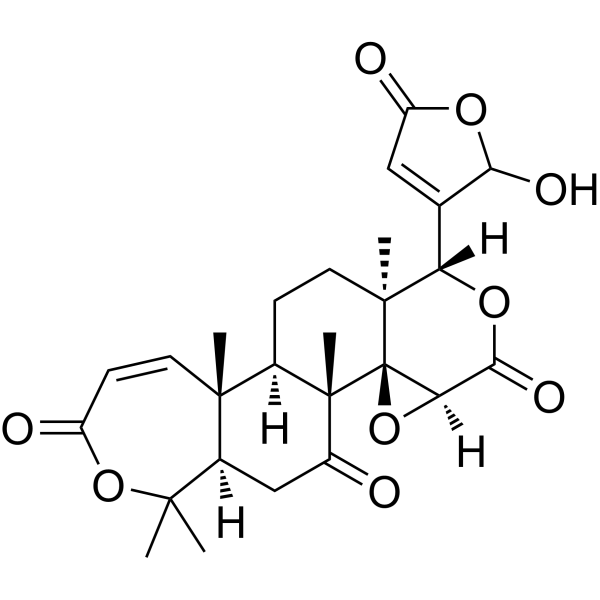
Kihadanin A (compound 3) is a limonoid NOS3 inhibitor that can be isolated from the methanol extract of Dictamnus dasycarpus root bark. Kihadanin A is useful in the study of hyperuricemia (HUA) [3].
loading...
    loading...
Cat. No.: HY-N10803
CAS No.: 15575-50-5
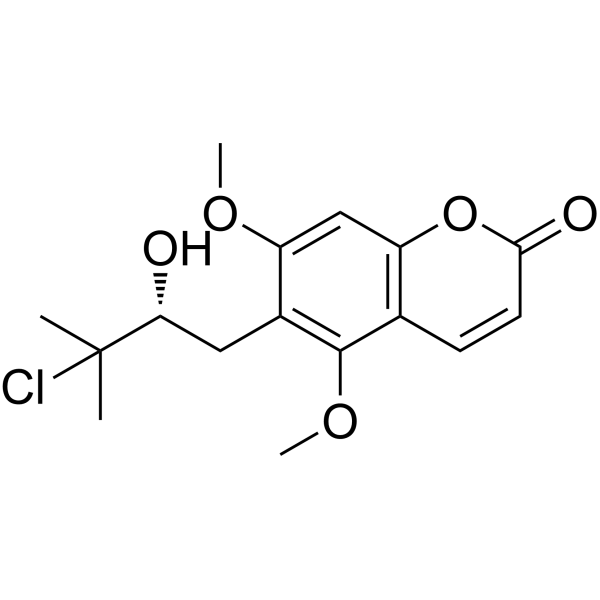
(+)-6-(3-Chloro-2-hydroxy-3-methylbutyl)-5,7-dimethoxycoumarin is a nature product that could be isolated form the root bark of Toddalia asiatica (L.) LAM .
loading...
    loading...
Cat. No.: HY-N3944
CAS No.: 115458-73-6
Synonyms: 6β-Acetoxy-5-epilimonin
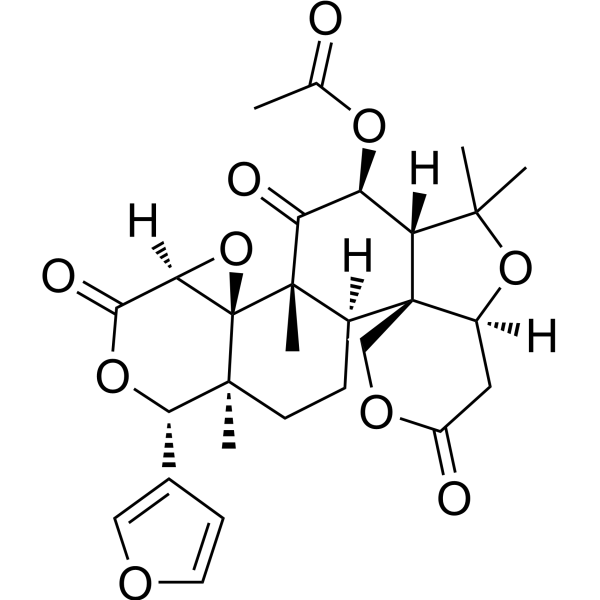
Glaucin B is a bitter limonoid isolated from the root bark of Evodia glauca .
loading...
    loading...
Cat. No.: HY-N10842
CAS No.: 88140-31-2
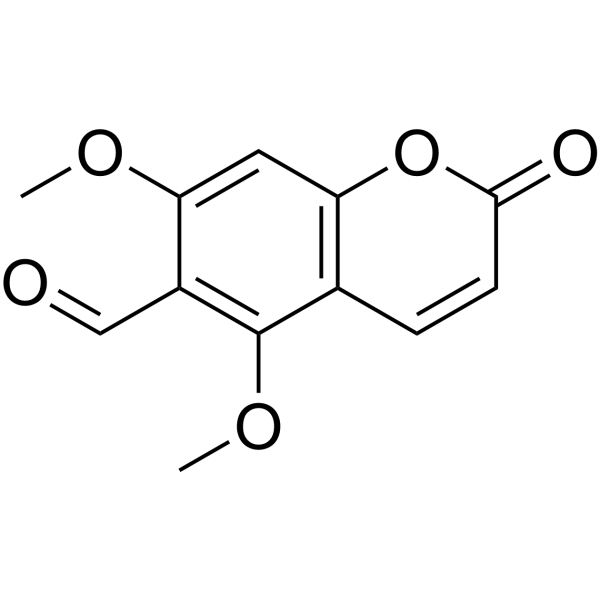
6-Formyllimetin is a natural product isolated from the root bark of T. asiatica LAM .
loading...
    loading...
Cat. No.: HY-N2299
CAS No.: 62949-93-3
Morusinol is a flavonoid isolated from Morus alba root bark. Morusinol has an antiplatelet activity and  significantly inhibits arterial thrombosis in vivo .
loading...
    loading...
Cat. No.: HY-N10695
CAS No.: 1000784-44-0
Celangulatin C is an insecticidal sesquiterpene polyol ester, that can be isolated from the root bark of Pseudolarix kaempferi. Celangulatin C shows LD50 against Mythimna separata of 280.4 μg/mL .
loading...
    loading...
Cat. No.: HY-N11531
CAS No.: 95518-95-9
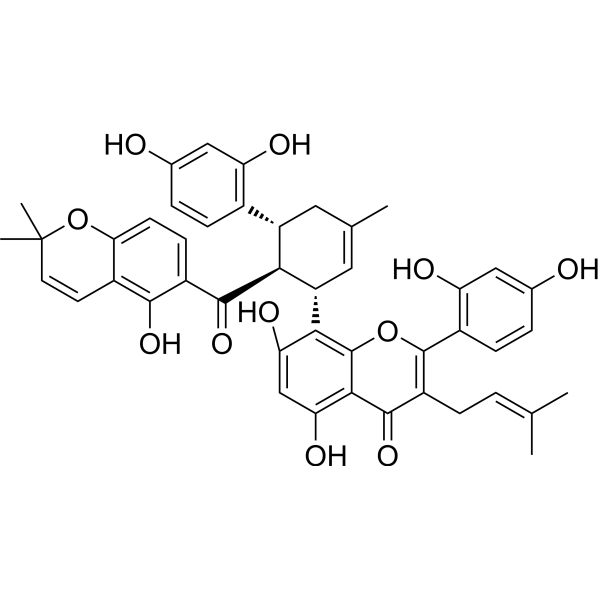
Kuwanon W is a natural product that can be isolated from the root bark of Morus lhou .
loading...
    loading...
Cat. No.: HY-N16130
CAS No.: 100187-67-5
Kuwanon S is a flavonoid compound that can be isolated from the root bark of Morus alba L. Kuwanon S is commonly used in organic synthesis and biochemistry experiments .
loading...
    loading...
Cat. No.: HY-125123
CAS No.: 80510-05-0
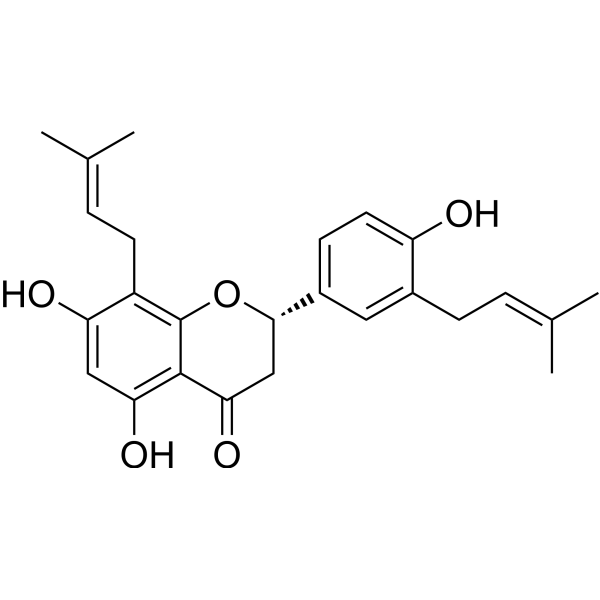
Euchrestaflavanone A is a flavonoid found in the root bark of Cudrania tricuspidate. Euchrestaflavanone A inhibits platelet aggregation and has some antiplatelet and antithrombotic properties, making it a potential compound for thromboprophylaxis .
loading...
    loading...
Cat. No.: HY-N2906
CAS No.: 119309-02-3
Synonyms: Atalantoflavone
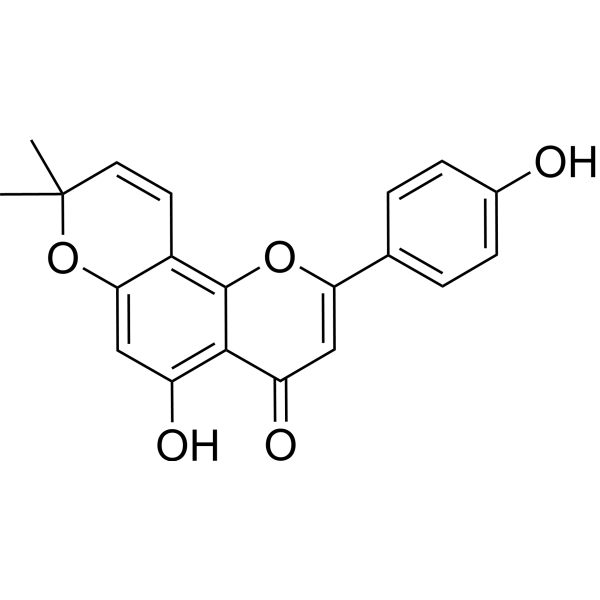
Limonianin (Atalantoflavone) is a flavone, that can be isolated from Erythrina sigmoidea and the root bark of Citrus limonia. Limonianin presents inhibitory effect against P. gingivalis. Limonianin shows cytotoxic activity against multidrug-resistant (MDR) cancer cell lines .
loading...
    loading...
Cat. No.: HY-N10697
CAS No.: 1000784-46-2
Synonyms: Celangulatin E
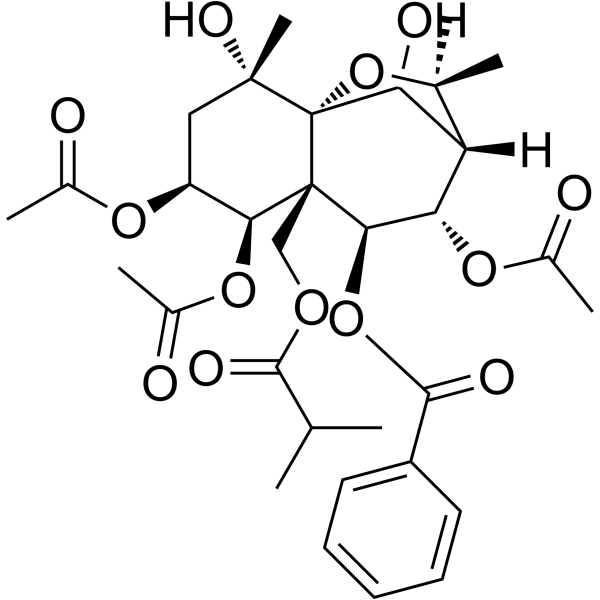
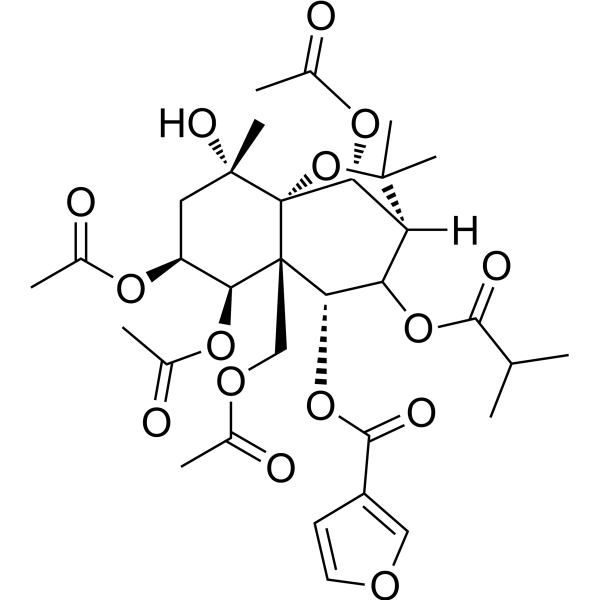
Angulatin G (Celangulatin E) is an insecticidal sesquiterpene polyol ester with a β-dihydroagarofuran sesquiterpene skeleton, which can be isolated from the root bark of Celastrus angulatus. Angulatin G shows LD50 against Mythimna separata of 1656.4 μg/mL .
loading...
    loading...
Cat. No.: HY-N3448
CAS No.: 68436-47-5
Isowigtheone is a cytotoxic isoflavone compound isolated from the root barks of Brosimum utile. Isowigtheone has the potential for the research of cancer diseases .
loading...
    loading...

