42 Results for "

sub-G1

" in MedChemExpress (MCE) Product Catalog:
Products (42)

42 Results for "sub-G1" in MCE Product Catalog:

25
25 Publications Verification
Cat. No.: HY-B1302
CAS No.: 6151-40-2
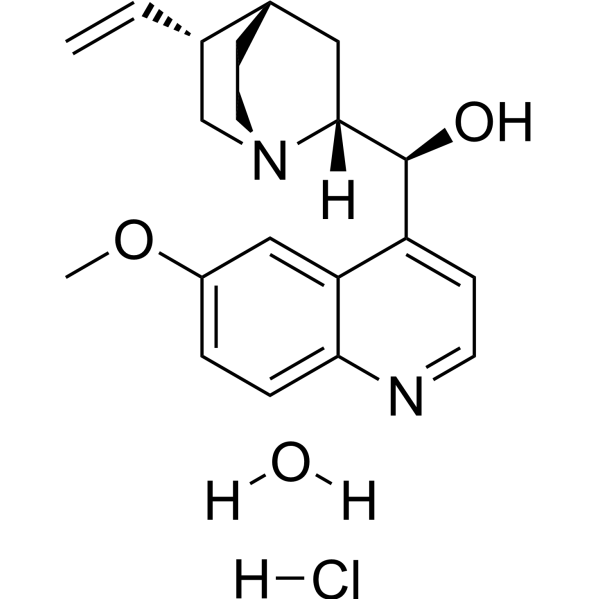
Quinidine hydrochloride monohydrate is an orally active antiarrhythmic agent. Quinidine hydrochloride monohydrate reduces the expression level of P-gp, inhibits P-gp-mediated efflux, increases the intracellular accumulation of P-gp substrates, induces PARP cleavage and Caspase-3 activation, and elevates the proportion of Apoptotic cells at the sub-G1 phase. Quinidine hydrochloride monohydrate exerts sustained block and open-channel block effects on IK(f). Quinidine hydrochloride monohydrate alters the urinary metabolic ratio of Amphetamine, modulates the Pentylenetetrazol-induced seizure threshold, and regulates the anticonvulsant effect of Dextromethorphan. Quinidine hydrochloride monohydrate can be used in studies related to uterine sarcoma and seizures [1] .
loading...
    loading...
24
24 Cited Publications
Cat. No.: HY-B1751
CAS No.: 56-54-2
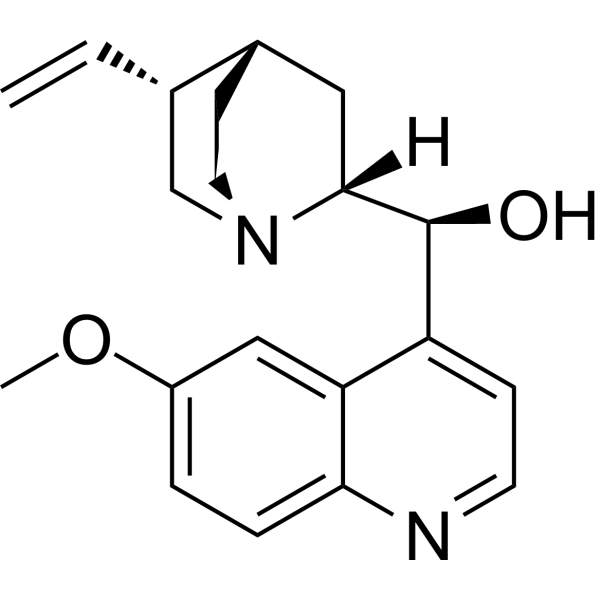
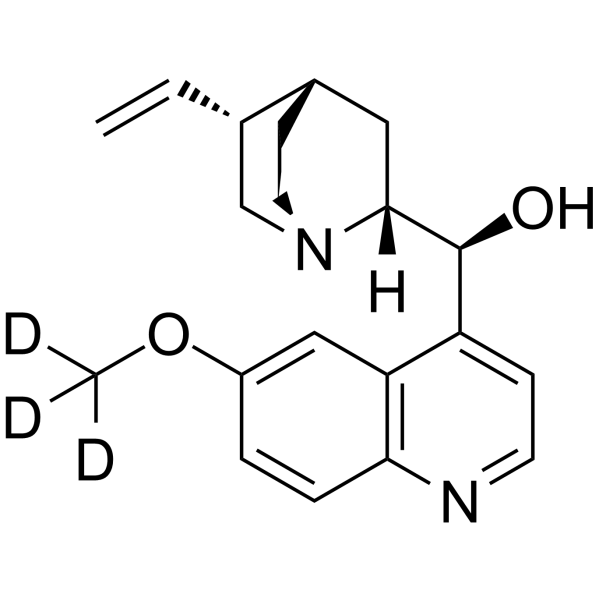
Quinidine (15% dihydroquinidine) is an orally active antiarrhythmic agent. Quinidine (15% dihydroquinidine) reduces the expression level of P-gp, inhibits P-gp-mediated efflux, increases the intracellular accumulation of P-gp substrates, induces PARP cleavage and Caspase-3 activation, and elevates the proportion of Apoptotic cells at the sub-G1 phase. Quinidine (15% dihydroquinidine) exerts sustained block and open-channel block effects on IK(f). Quinidine (15% dihydroquinidine) alters the urinary metabolic ratio of Amphetamine, modulates the Pentylenetetrazol-induced seizure threshold, and regulates the anticonvulsant effect of Dextromethorphan. Quinidine (15% dihydroquinidine) can be used in studies related to uterine sarcoma and seizures [1] .
loading...
    loading...
19
19 Cited Publications
Cat. No.: HY-N0662
CAS No.: 1617-53-4
Synonyms: Didemethyl-ginkgetin
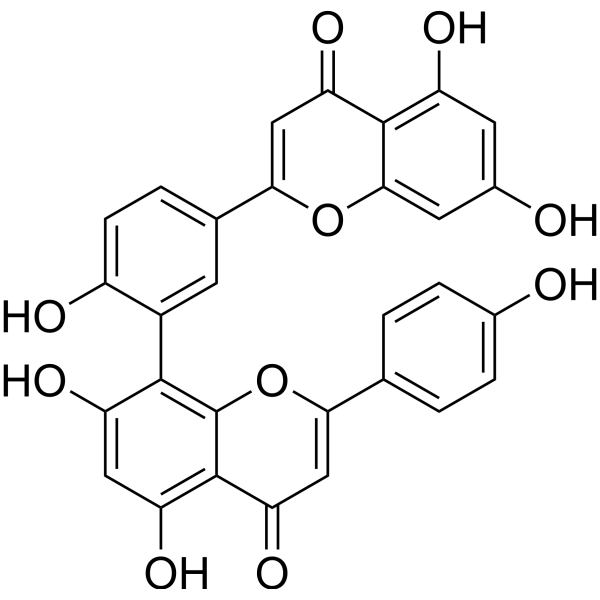
Amentoflavone (Didemethyl-ginkgetin) is a potent and orally active GABA(A) negative modulator. Amentoflavone also shows anti-inflammatory, antioxidative, anti-viral, anti-tumor, anti-radiation, anti-fungal, antibacterial activity. Amentoflavone induces apoptosis and cell cycle arrest at sub-G1 phase [1] .
loading...
    loading...
12
12 Cited Publications
Cat. No.: HY-101291
CAS No.: 1323403-33-3
Purity:  99.54%
Synonyms: CC-220
Iberdomide (CC-220) is an orally active and potent cereblon (CRBN) E3 ligase modulator (CELMoD) with an IC50 of ~150 nM for cereblon-binding affinity. Iberdomide, a derivative of Thalidomide (HY-14658), has antitumor and immunostimulatory activities [1] .
loading...
    loading...
2
2 Cited Publications
Cat. No.: HY-N0363
CAS No.: 3804-70-4
Synonyms: (S)-Columbianetin
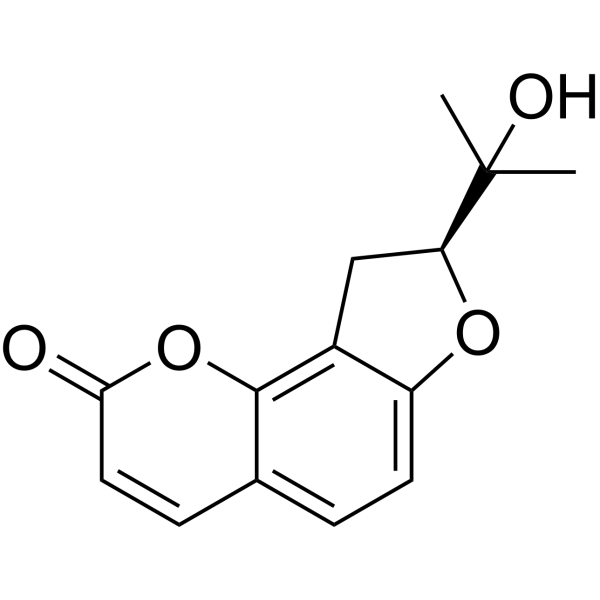
(+)-Columbianetin ((S)-Columbianetin) acts as an inhibitor of JNK/ERK. (+)-Columbianetin inhibits UVA-induced phosphorylation of JNK and ERK, reduces the production of MMP-1, reverses UVA-induced Collagen (HY-NP003) degradation, and alleviates UVA-mediated inhibition of Smad2/3 phosphorylation and translocation. (+)-Columbianetin regulates the AP-1 and ASK1-MAPK signaling pathways, inhibits the production of ROS and blocks sub-G1 cell cycle arrest. (+)-Columbianetin is applicable to research related to skin aging [1] .
loading...
    loading...
2
2 Cited Publications
Cat. No.: HY-N0363A
CAS No.: 23180-65-6
Synonyms: (S)-Columbianetin acetate
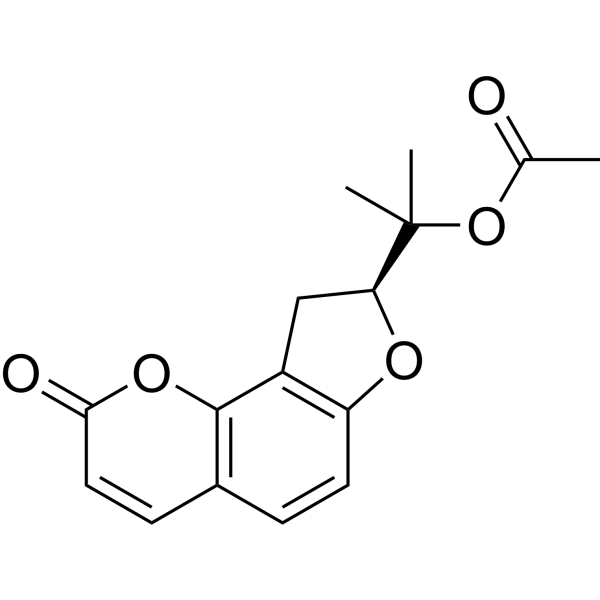
(+)-Columbianetin ((S)-Columbianetin) acetate acts as an inhibitor of JNK/ERK. (+)-Columbianetin acetate inhibits UVA-induced phosphorylation of JNK and ERK, reduces the production of MMP-1, reverses UVA-induced Collagen (HY-NP003) degradation, and alleviates UVA-mediated inhibition of Smad2/3 phosphorylation and translocation. (+)-Columbianetin acetate regulates the AP-1 and ASK1-MAPK signaling pathways, inhibits the production of ROS and blocks sub-G1 cell cycle arrest. (+)-Columbianetin acetate is applicable to research related to skin aging [1] .
loading...
    loading...
1
1 Cited Publications
Cat. No.: HY-W011370
CAS No.: 134-04-3
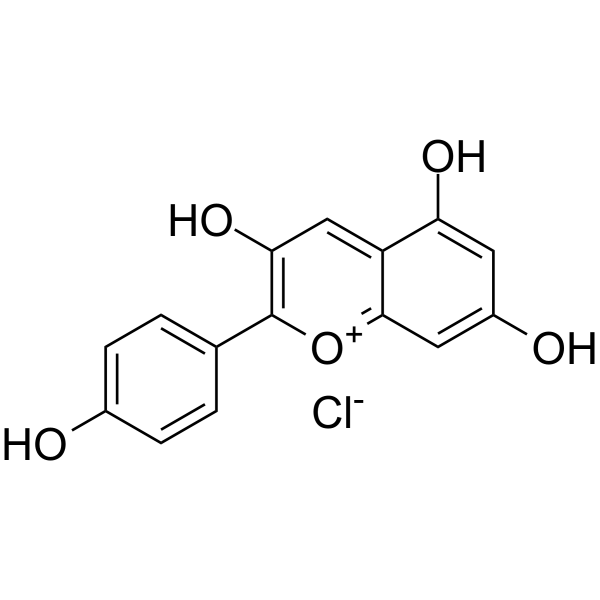
Pelargonidin chloride is an anthocyanidin and also is a scavenger of nitric oxide radical and has antioxidant activities. Pelargonidin inhibits cell viability and induces cell cycle arrest at sub-G1 phase. Pelargonidin chloride increases the mRNA and protein expression of HO-1, NQO1, Nrf2. Pelargonidin chloride improves Aβ-induced memory and learning impairment [1] .
loading...
    loading...
Cat. No.: HY-N4084
CAS No.: 271579-11-4
Thonningianin A, an ellagitannin, is isolated from the methanolic extract of the African medicinal herb, Thonningia sanguinea. The antioxidant properties of Th A involve radical scavenging, anti-superoxide formation and metal chelation. Anti-cancer activities [1] .
loading...
    loading...
Cat. No.: HY-116447
CAS No.: 1611446-66-2
Purity:  ≥99.0%
Research Areas:  

Cancer

Antitumor agent-159 (Compound 13b) targets the mitochondria and downregulates cardiolipin levels. Antitumor agent-159 inhibits the proliferation of cancer cell MDA-MB-231, arrests the cell cycle at sub-G1 phase, and induces apoptosis in MDA-MB-231. Antitumor agent-159 exhibits antitumor efficacy in MDA-MB-231 xenograft mouse models [1].
loading...
    loading...
Cat. No.: HY-12455
CAS No.: 118292-34-5
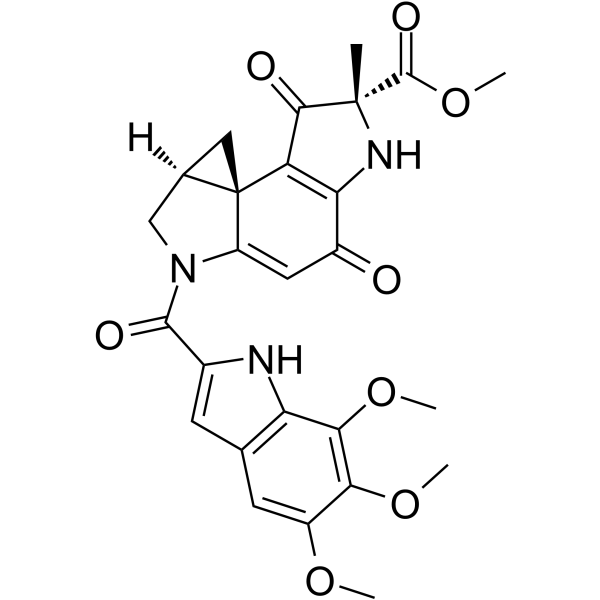
Duocarmycin A is an antitumor antibiotic and DNA alkylating agent with broad-spectrum antibacterial activity, which can serve as a payload for synthesizing antibody-drug conjugates (ADCs). Duocarmycin A selectively binds to the AT-rich minor groove of DNA, forms covalent adducts by alkylating the adenine N3 residue, thereby disrupting DNA structure and inhibiting its replication and transcription. Duocarmycin A induces apoptosis, sub-G1 phase accumulation and chromatin condensation, reduces the levels of pro-caspase-3/9, and induces p53-independent p21 expression. Duocarmycin A is widely used in the research of various malignancies, including leukemia, sarcoma, glioblastoma, as well as multiple solid tumor models such as lung cancer, breast cancer, and colorectal cancer [1] .
loading...
    loading...
Cat. No.: HY-B1751D
CAS No.: 6591-63-5
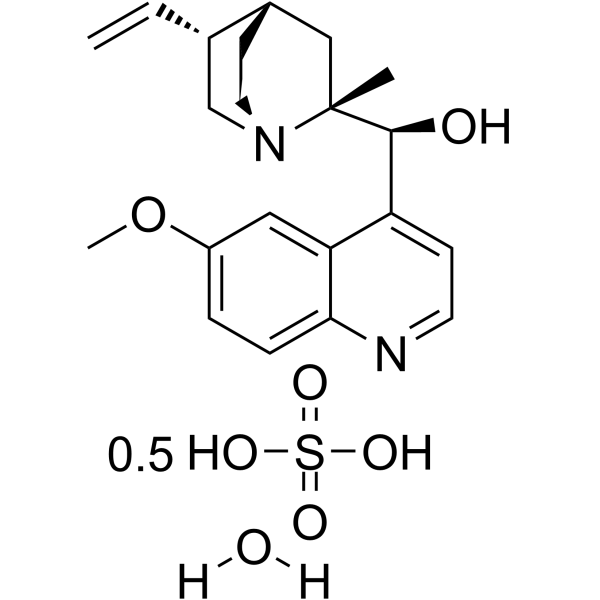
Quinidine sulfate dihydrate is an orally active antiarrhythmic agent. Quinidine sulfate dihydrate reduces the expression level of P-gp, inhibits P-gp-mediated efflux, increases the intracellular accumulation of P-gp substrates, induces PARP cleavage and Caspase-3 activation, and elevates the proportion of Apoptotic cells at the sub-G1 phase. Quinidine sulfate dihydrate exerts sustained block and open-channel block effects on IK(f). Quinidine sulfate dihydrate alters the urinary metabolic ratio of Amphetamine, modulates the Pentylenetetrazol-induced seizure threshold, and regulates the anticonvulsant effect of Dextromethorphan. Quinidine sulfate dihydrate can be used in studies related to uterine sarcoma and seizures [1] .
loading...
    loading...
Cat. No.: HY-101291R
CAS No.: 1323403-33-3
Synonyms: CC-220 (Standard)
Iberdomide (Standard) is the analytical standard of Iberdomide. This product is intended for research and analytical applications. Iberdomide (CC-220) is an orally active and potent cereblon (CRBN) E3 ligase modulator (CELMoD) with an IC50 of ~150 nM for cereblon-binding affinity. Iberdomide, a derivative of Thalidomide (HY-14658), has antitumor and immunostimulatory activities [1] .
loading...
    loading...
Cat. No.: HY-150048
CAS No.: 2204291-78-9
Target:  

CD73 Apoptosis

Research Areas:  

Cancer

BK50164 is a potent CD73 inhibitor with an IC50 value of 13.089 μM. BK50164 binds to CD99 with a KD value of 1.5 μM. BK50164 shows antiproliferative activity. BK50164 induced Apoptosis and cell cycle arrest at Sub-G1 phase [1].
loading...
    loading...
Cat. No.: HY-N0662R
CAS No.: 1617-53-4
Synonyms: Didemethyl-ginkgetin (Standard)
Amentoflavone (Standard) is the analytical standard of Amentoflavone. This product is intended for research and analytical applications. Amentoflavone (Didemethyl-ginkgetin) is a potent and orally active GABA(A) negative modulator. Amentoflavone also shows anti-inflammatory, antioxidative, anti-viral, anti-tumor, anti-radiation, anti-fungal, antibacterial activity. Amentoflavone induces apoptosis and cell cycle arrest at sub-G1 phase [1] .
loading...
    loading...
Cat. No.: HY-168443
Target:  

5-HT Receptor Apoptosis

Research Areas:  

Cancer

HTR2A antagonist 1 (Compound 15f) is a HTR2A antagonist, with an IC50 of 42.79 nM. HTR2A antagonist 1 induces sub-G1 cell cycle arrest and apoptosis in colorectal cancer cells via the activation of p53/p21/caspase 3 signaling. HTR2A antagonist 1 has good liver microsomal stability. HTR2A antagonist 1 can be used for the research of colorectal cancer [1].
loading...
    loading...
Cat. No.: HY-B1751A
CAS No.: 50-54-4
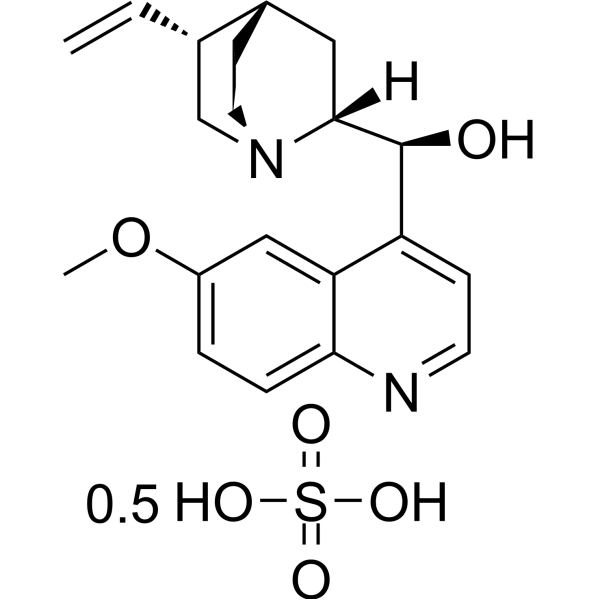
Quinidine sulfate is an orally active antiarrhythmic agent. Quinidine sulfate reduces the expression level of P-gp, inhibits P-gp-mediated efflux, increases the intracellular accumulation of P-gp substrates, induces PARP cleavage and Caspase-3 activation, and elevates the proportion of Apoptotic cells at the sub-G1 phase. Quinidine sulfate exerts sustained block and open-channel block effects on IK(f). Quinidine sulfate alters the urinary metabolic ratio of Amphetamine, modulates the Pentylenetetrazol-induced seizure threshold, and regulates the anticonvulsant effect of Dextromethorphan. Quinidine sulfate can be used in studies related to uterine sarcoma and seizures [1] .
loading...
    loading...
Cat. No.: HY-B1751E
CAS No.: 27555-34-6
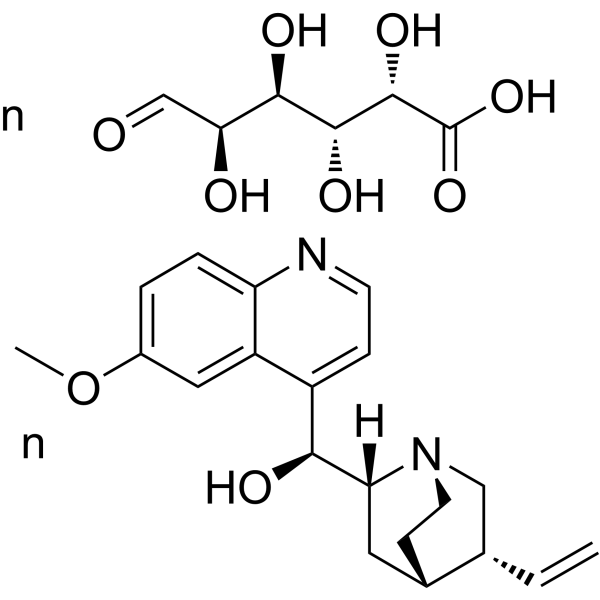
Quinidine polygalacturonate is an orally active antiarrhythmic agent. Quinidine polygalacturonate reduces the expression level of P-gp, inhibits P-gp-mediated efflux, increases the intracellular accumulation of P-gp substrates, induces PARP cleavage and Caspase-3 activation, and elevates the proportion of Apoptotic cells at the sub-G1 phase. Quinidine polygalacturonate exerts sustained block and open-channel block effects on IK(f). Quinidine polygalacturonate alters the urinary metabolic ratio of Amphetamine, modulates the Pentylenetetrazol-induced seizure threshold, and regulates the anticonvulsant effect of Dextromethorphan. Quinidine polygalacturonate can be used in studies related to uterine sarcoma and seizures [1] .
loading...
    loading...
Cat. No.: HY-B1751F
CAS No.: 7054-25-3
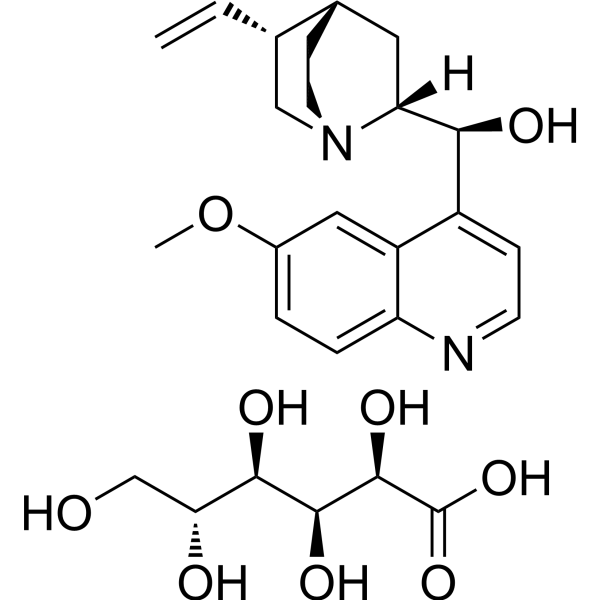
Quinidine gluconic acid is an orally active antiarrhythmic agent. Quinidine gluconic acid reduces the expression level of P-gp, inhibits P-gp-mediated efflux, increases the intracellular accumulation of P-gp substrates, induces PARP cleavage and Caspase-3 activation, and elevates the proportion of Apoptotic cells at the sub-G1 phase. Quinidine gluconic acid exerts sustained block and open-channel block effects on IK(f). Quinidine gluconic acid alters the urinary metabolic ratio of Amphetamine, modulates the Pentylenetetrazol-induced seizure threshold, and regulates the anticonvulsant effect of Dextromethorphan. Quinidine gluconic acid can be used in studies related to uterine sarcoma and seizures [1] .
loading...
    loading...
Cat. No.: HY-B1302R
CAS No.: 6151-40-2
Quinidine hydrochloride monohydrate (Standard) is the analytical standard of Quinidine hydrochloride monohydrate (HY-B1302). This product is intended for research and analytical applications. Quinidine hydrochloride monohydrate is an orally active antiarrhythmic agent. Quinidine hydrochloride monohydrate reduces the expression level of P-gp, inhibits P-gp-mediated efflux, increases the intracellular accumulation of P-gp substrates, induces PARP cleavage and Caspase-3 activation, and elevates the proportion of Apoptotic cells at the sub-G1 phase. Quinidine hydrochloride monohydrate exerts sustained block and open-channel block effects on IK(f). Quinidine hydrochloride monohydrate alters the urinary metabolic ratio of Amphetamine, modulates the Pentylenetetrazol-induced seizure threshold, and regulates the anticonvulsant effect of Dextromethorphan. Quinidine hydrochloride monohydrate can be used in studies related to uterine sarcoma and seizures [1] .
loading...
    loading...
Cat. No.: HY-147781
CAS No.: 2691895-64-2
Target:  

Apoptosis

Research Areas:  

Cancer

Anticancer agent 66 (Compound 13e) is an anti-cancer agent. Anticancer agent 66 induces apoptosis and increases sub-G1 cell population in MCF-7 cells. Anticancer agent 66 is a ciprofloxacin analog [1].
loading...
    loading...

