1. Search Result
Search Result
Results for "

taste

" in MedChemExpress (MCE) Product Catalog:

100

Inhibitors & Agonists

3

Screening Libraries

11

Biochemical Assay Reagents

6

Peptides

41

Natural
Products

15

Isotope-Labeled Compounds

3

Oligonucleotides

Targets Recommended:
Cat. No. Product Name Target Research Areas Chemical Structure
  • HY-41417
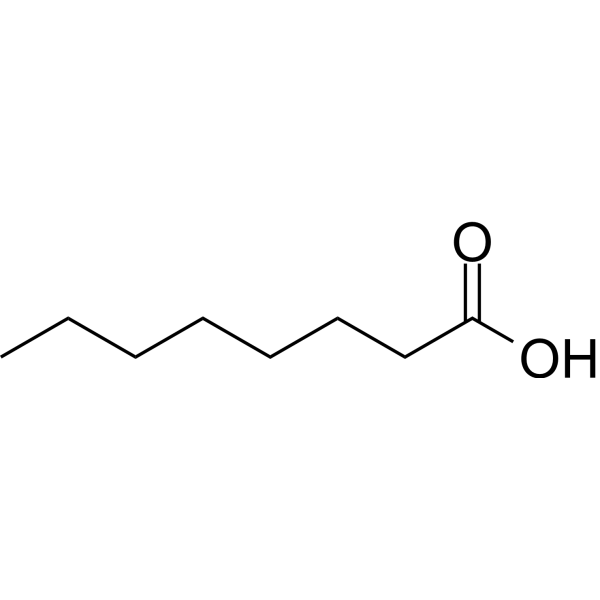
    Octanoic acid
    3 Publications Verification

    Caprylic acid

    Environmental Pollutants Endogenous Metabolite Metabolic Disease
    Octanoic acid (Caprylic acid) is an oily liquid with a slightly unpleasant rancid taste and used commercially in the production of esters used in perfumery and also in the manufacture of dyes. Octanoic acid is also a tremor-suppressing agent .
    Octanoic acid
  • HY-Y1069
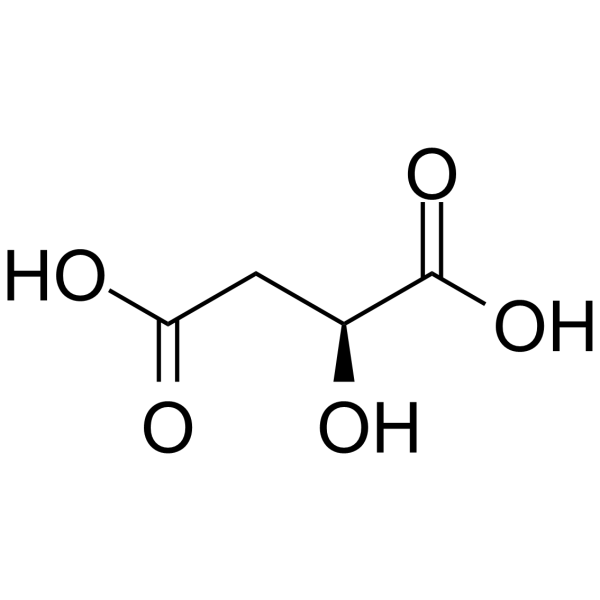
    (S)-Malic acid
    2 Publications Verification

    (S)-Hydroxybutanedioic acid; (S)-E 296; L-Malic acid

    Endogenous Metabolite Metabolic Disease
    (S)-Malic acid ((S)-2-Hydroxysuccinic acid) is a dicarboxylic acid in naturally occurring form, contributes to the pleasantly sour taste of fruits and is used as a food additive.
    (S)-Malic acid
  • HY-W030796A
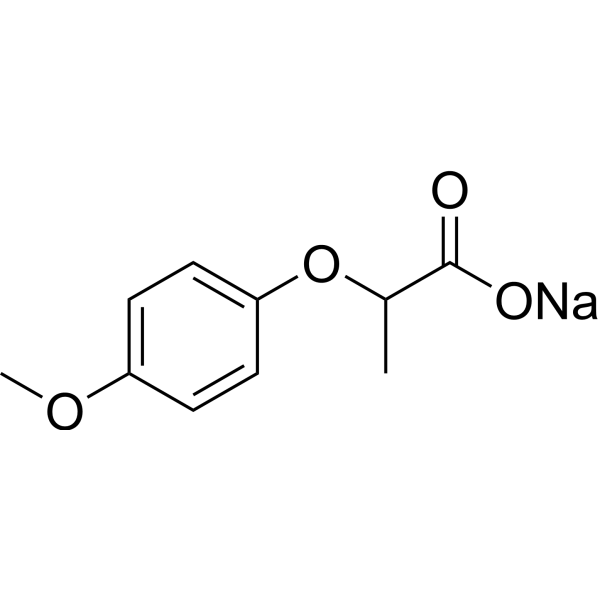
    Lactisole
    3 Publications Verification

    Taste Receptor Metabolic Disease
    Lactisole is a canonical antagonist of sweet taste receptor, selectively targeting to T1R3 subunit, a glucose-sensing receptor. Lactisole inhibits insulin secretion induced by glucose in mouse islets .
    Lactisole
  • HY-N0466

    Glycosidase HMG-CoA Reductase (HMGCR) Fatty Acid Synthase (FASN) LDLR Others
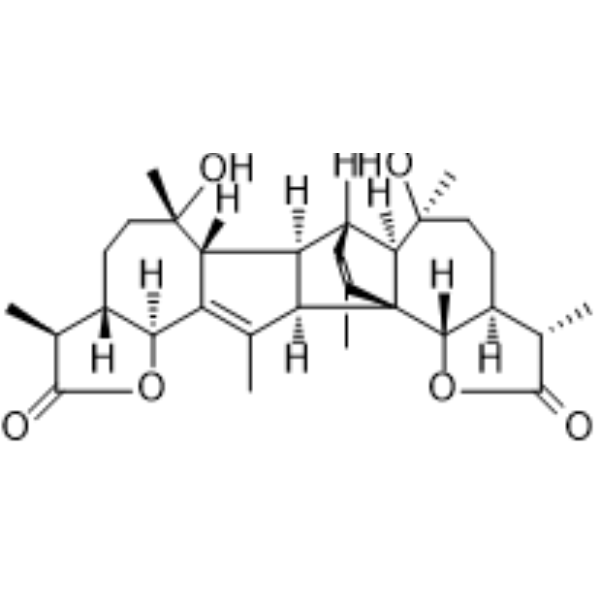
    Rebaudioside A is an orally effective steviol glycoside with high sweetness. Rebaudioside A acts as an inhibitor of α-glucosidase with an IC50 value of 35.01 μg/mL. Rebaudioside A increases the ATP/ADP ratio in β cells in a glucose-dependent manner, thereby inhibiting KATP channels, leading to membrane depolarization, calcium influx, and ultimately stimulating insulin secretion. Rebaudioside A activates the SREBP signaling pathway by inhibiting HMGCR, the rate-limiting enzyme in cholesterol synthesis, resulting in increased expression of LDLR on the cell surface, thus promoting the uptake of LDL-C in the blood. Rebaudioside A can be used for studies on blood glucose and lipid regulation as well as anti-obesity .
    Rebaudioside A
  • HY-100047

    Taste Receptor Others
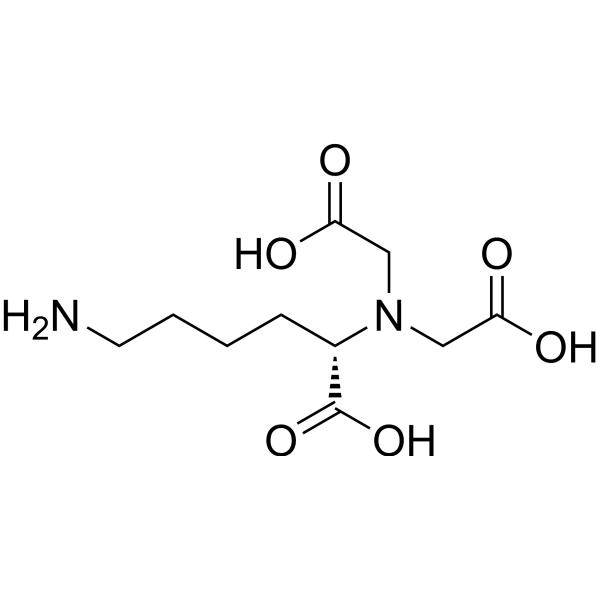
    Nα,Nα-Bis(carboxymethyl)-L-lysine is a competitive inhibitor of bitter taste receptor 4, with an IC50 of 59 nM. Nα,Nα-Bis(carboxymethyl)-L-lysine can be used in bitter receptors related study .
    Nα,Nα-Bis(carboxymethyl)-L-lysine
  • HY-W007035
    H-Val-Ala-OH
    1 Publications Verification

    Valyl-alanine

    Endogenous Metabolite Amino Acid Derivatives Metabolic Disease
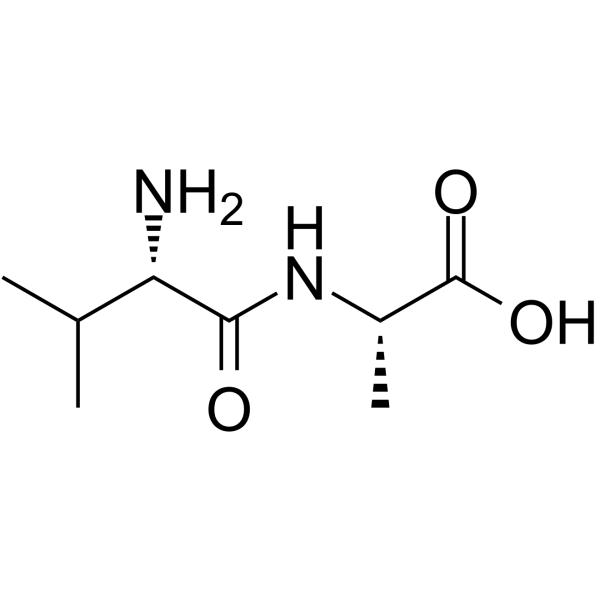
    H-Val-Ala-OH (Valyl-alanine) is a dipeptide formed from L-Valine and L-Alanine residues. H-Val-Ala-OH has a role as a metabolite and also has a bitter taste .
    H-Val-Ala-OH
  • HY-W012995

    Biochemical Assay Reagents Others
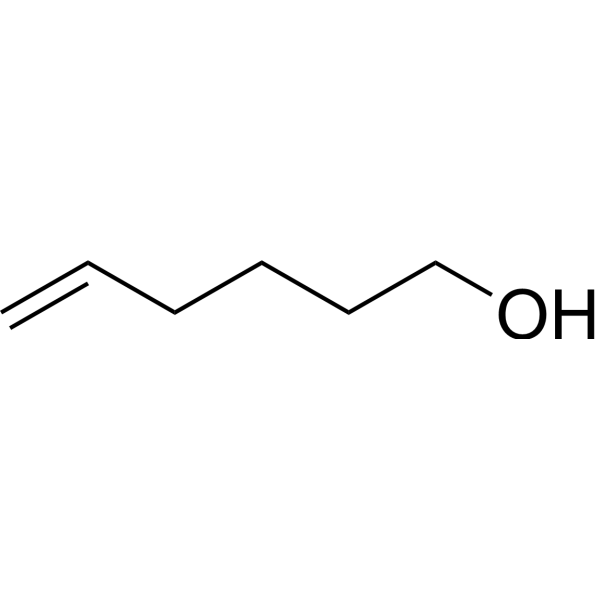
    5-Hexen-1-ol, is an aromatic substance with aromas similar to substances such as herbs, tea and citrus. Therefore, it is usually used in the food, fragrance and perfume industries, and is widely used in the preparation of various food flavors, fragrances, taste flavoring agents, essential oils and cosmetics and other products.
    5-Hexen-1-ol
  • HY-136026

    BLU-5937

    P2X Receptor Inflammation/Immunology
    Camlipixant (BLU-5937) a potent, selective, non-competitive and orally active P2X3 homotrimeric receptor antagonist with an IC50 of 25 nM against hP2X3 homotrimeric. Camlipixant shows potent anti-tussive effect and no taste alteration. Camlipixant can be used for the research of unexplained, refractory chronic cough .
    Camlipixant
  • HY-139338
    Erlose
    1 Publications Verification

    Glycosidase Others
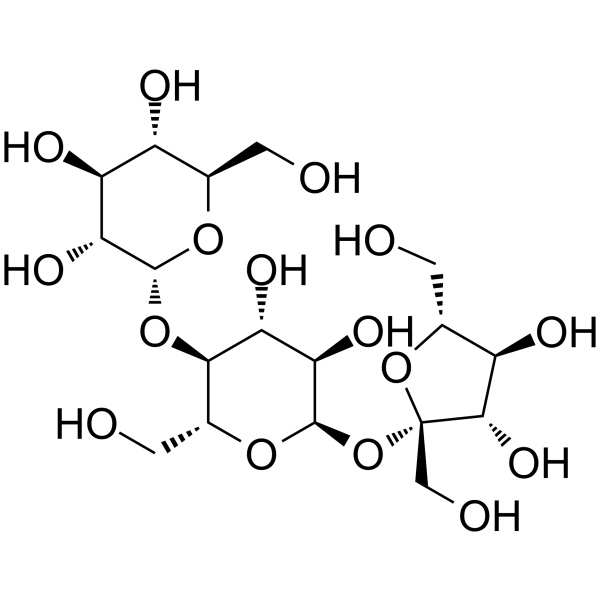
    Erlose is a trisaccharide sucrose derivative and low-calorie sweetener synthesized from glucose and sucrose via an α-glucosidase-mediated transglycosylation reaction. Erlose is often used as a marker to identify whether honey is adulterated with artificial sucrose. Erlose has approximately half the sweetness of sucrose but a similar taste, and it effectively inhibits crystal formation and browning reactions during food heat treatment .
    Erlose
  • HY-W010607

    (Z)-3-Hexen-1-ol

    Environmental Pollutants Neurological Disease
    cis-3-Hexen-1-ol ((Z)-3-Hexen-1-ol) is a green grassy smelling compound found in many fresh fruits and vegetables with bitter taste enhancement. cis-3-Hexen-1-ol is widely used as an added flavor in processed food to provide a fresh green quality. cis-3-Hexen-1-ol is an attractant to various insects .
    cis-3-Hexen-1-ol
  • HY-N0467

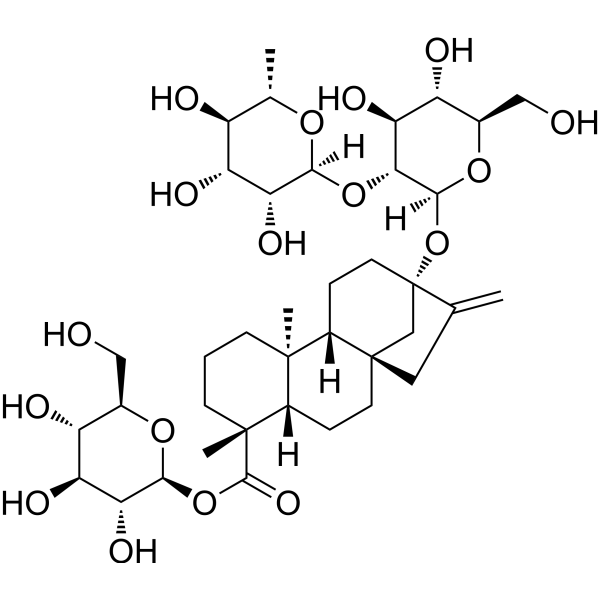
    Dulcoside B

    Endogenous Metabolite Neurological Disease
    Rebaudioside C (Dulcoside B) is an orally effective natural sweetener that cannot pass the blood-brain barrier and selectively binds to human sweet taste receptors (TAS1R2/TAS1R3). The sweetness of Rebaudioside C is about 20-30 times that of sucrose, and its sweetness activity depends on the C-16/C-17 double bond structure and specific aglycones. The glycoside structure in the Rebaudioside C molecule can bind to the sweet taste receptor, activate the taste signal transduction pathway, and produce sweetness perception .
    Rebaudioside C
  • HY-W015339
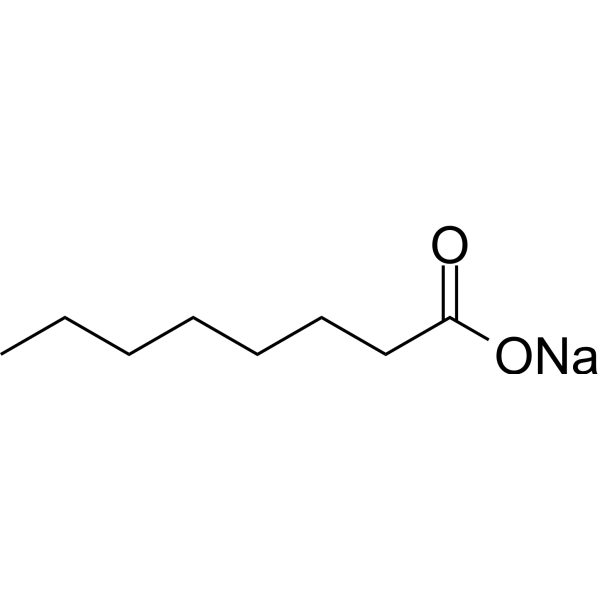
    Octanoate, 99% sodium
    3 Publications Verification

    Environmental Pollutants Biochemical Assay Reagents Neurological Disease Metabolic Disease
    Octanoate, 99% sodium is an oily liquid with a slightly unpleasant rancid taste and used commercially in the production of esters used in perfumery and also in the manufacture of dyes. Octanoate, 99% sodium is also an orally active tremor-suppressing agent .
    Octanoate, 99% sodium
  • HY-D0887
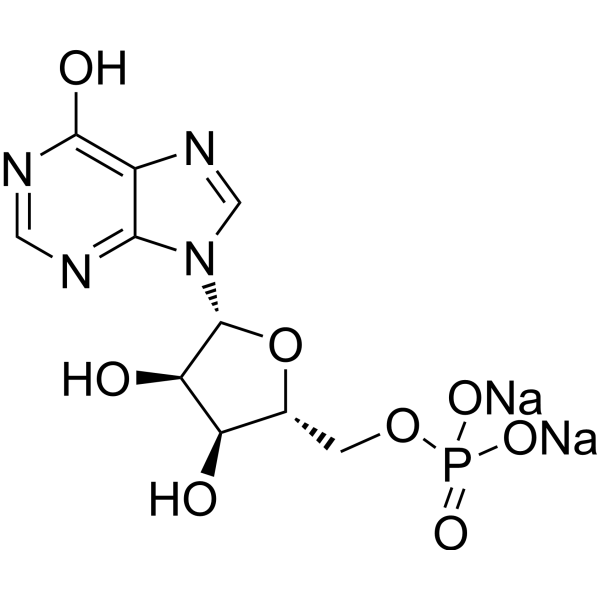
    Disodium 5'-inosinate
    1 Publications Verification

    IMP disodium salt; Disodium inosinate

    Others Metabolic Disease
    Disodium 5'-inosinate (IMP disodium salt) is a nucleotide-based umami agent. Disodium 5'-inosinate can bind to umami receptors and stimulate taste nerves, allowing the brain to perceive umami. In addition, Disodium 5'-inosinate produces a transient behavioral excitement in mice .
    Disodium 5'-inosinate
  • HY-B1146
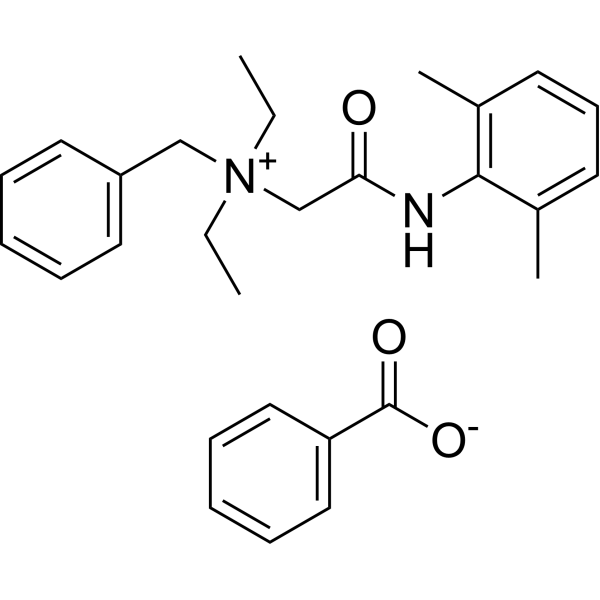
    Denatonium benzoate
    1 Publications Verification

    THS-839

    Environmental Pollutants Insecticide Inflammation/Immunology Endocrinology
    Denatonium benzoate (THS-839) is known as the most bitter compound and is commonly used as a deterrent (bittering agent) to activate different types of bitter taste receptors (TAS2Rs) with oral activity. Denatonium benzoate can enhance insulin secretion, has anti-inflammatory effects, and promotes allergy susceptibility .
    Denatonium benzoate
  • HY-111664

    (+)-Citronellal

    Bacterial Fungal Insecticide Taste Receptor Opioid Receptor Infection Neurological Disease Inflammation/Immunology
    (R)-(+)-Citronellal ((+)-Citronellal) is a monoterpenoid compound and is one of the main components of essential oils from plants such as lemon grass. (R)-(+)-Citronellal has antibacterial, antifungal, and insecticidal activities. (R)-(+)-Citronellal alleviates the bitterness of caffeine by antagonizing the bitter taste receptors Tas2r43 (IC50 = 84 μM) and Tas2R46. (R)-(+)-Citronellal generates analgesic activity by activating the opioid receptor (broad-spectrum opioid receptor) pathway, and its effect is particularly significant for inflammatory pain .
    (R)-(+)-Citronellal
  • HY-117215

    Environmental Pollutants Biochemical Assay Reagents Others
    Beta-Ocimene is a naturally occurring organic compound that belongs to the terpene family. It exists as a mixture of three isomers: cis β-Ocimene, trans β-Ocimene and myrcene-like β-Ocimene. It has a pleasant, sweet herbaceous scent and is found in many plants, including mint, basil, parsley, and kumquat. β-Ocimene is widely used in the flavor and fragrance industry due to its characteristic aroma and taste. It also has potential applications in agriculture as natural insect repellants and pheromones that attract beneficial insects. β-Ocimene has potential anti-inflammatory and anticancer activities.
    β-Ocimene
  • HY-N10319

    Epigenetic Reader Domain Necroptosis TRP Channel Metabolic Disease Inflammation/Immunology Cancer
    Artepillin C is an orally active CREB/CRTC2 inhibitor and TRPA1 covalent agonist (EC50=1.8 μM). Artepillin C inhibits CREB/CRTC2-mediated gene transcription and downregulates BMAL1 expression to regulate glucose and lipid metabolism. Artepillin C can also activate TRPA1 channels to induce spicy taste signals. Artepillin C can inhibit tumor cell proliferation, induce necroptosis, improve insulin resistance and inhibit liver lipid synthesis. Artepillin C can be used in the study of metabolic syndrome, tumor prevention and treatment, and inflammation .
    Artepillin C
  • HY-N2084
    Perillartine
    2 Publications Verification

    DL-Perillartine

    Endogenous Metabolite Others
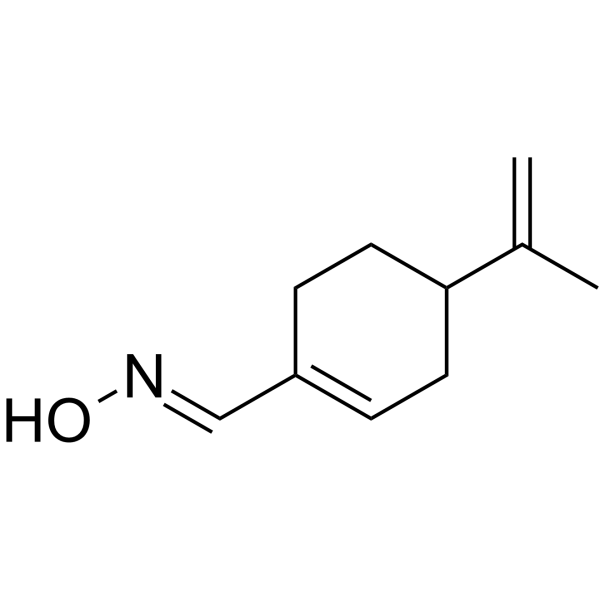
    Perillartine is a sweetener, which activates the taste receptor type 1 member 2 (Tas1r2) subunit in a species-dependent manner.
    Perillartine
  • HY-N6808

    Others Others
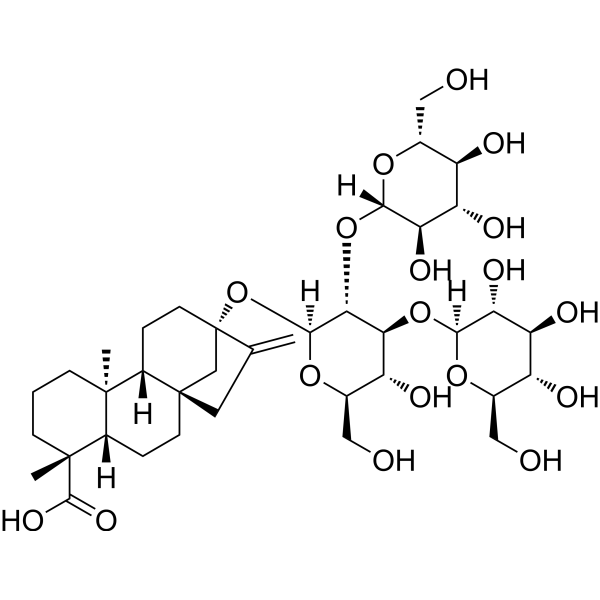
    Rebaudioside B is the minor constituent isolated from the leaves of Stevia rebaudiana Bertoni. Rebaudioside B tastes about 150 times sweeter than sucrose. Rebaudioside B can hydrolysis to steviol .
    Rebaudioside B
  • HY-N0917
    6''-O-Malonylgenistin
    1 Publications Verification

    Malonylgenistin; Genistin malonate

    Drug Metabolite Taste Receptor Others
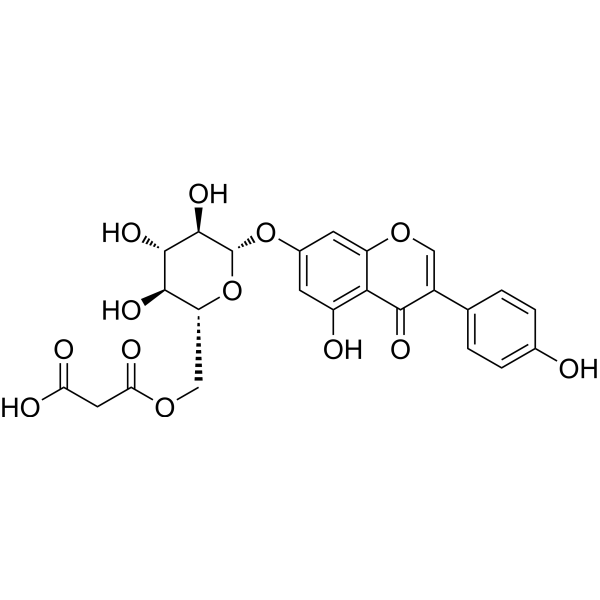
    6''-O-Malonylgenistin (Malonylgenistin) is a glycosylated isoflavone and metabolite of Genistin (HY-N0595). 6''-O-Malonylgenistin activates hTAS2R39. 6''-O-Malonylgenistin can be used in the research of bitter taste .
    6''-O-Malonylgenistin
  • HY-P4648

    Trp-Trp-Trp

    Bacterial Infection
    H-Trp-Trp-Trp-OH (Trp-Trp-Trp) is a tripeptide consisting of tryptophan. H-Trp-Trp-Trp-OH has antibacterial activity. H-Trp-Trp-Trp-OH is a human bitter taste receptor hTAS2R14 agonist .
    H-Trp-Trp-Trp-OH
  • HY-136429A

    Optochin hydrochloride

    Bacterial Parasite Infection
    Ethylhydrocupreine hydrochloride (Optochin hydrochloride) is a quinine derivate with antimicrobial activity against S. pneumoniae. Ethylhydrocupreine hydrochloride also possesses antimalarial activity against Plasmodium falciparum, with an IC50 of 25.75 nM. Ethylhydrocupreine hydrochloride is a Gallus gallus taste 2 receptors (ggTas2r1, ggTas2r2 and ggTas2r7) agonist .
    Ethylhydrocupreine hydrochloride
  • HY-153265

    Taste Receptor Inflammation/Immunology
    TAS2R14 agonist-2 (compound 28.1) is a potent and selective TAS2R14 agonist with an EC50 value of 72 nM. TAS2R14 agonist-2 reveals marked selectivity over a panel of 24 non-bitter taste human G protein-coupled receptors. TAS2R14 agonist-2 can be used for the studies of asthma or chronic obstructive pulmonary disease .
    TAS2R14 agonist-2
  • HY-122351A

    Taste Receptor Others
    Advantame is an N-substituted derivative of aspartame. Advantame is a high-intensity, low calorie sweetener. Advantame can interact with plasma protein. Advantame has the potential to produce hypotension and inhibit hERG K + channel to produce carditoxicity. Advantame binds to T1R2/T1R3 taste GPCR to form an oligomeric functional selectivity of biased heteromers with NMBR to induce a significant sialidase activity in vitro. Advantame has maternal toxicity (gastrointestinal disturbances) in the prenatal developmental toxicity study in rabbits .
    Advantame
  • HY-139091

    Taste Receptor Others
    FEMA 4774 is a positive allosteric modulator of taste receptors T1R2 and T1R3, two subunits of the human sweet taste receptor. FEMA 4774 is also used as a sucrose sweetness enhancer .
    FEMA 4774
  • HY-N6992

    Taste Receptor Inflammation/Immunology
    Dulcoside A is a glycoside that can be isolated from Stevia rebaudiana that elicits sweet and bitter taste through activation of TAS1R. Dulcoside A also exhibits anti-inflammatory activity .
    Dulcoside A
  • HY-41417S4

    Caprylic acid-13C4

    Endogenous Metabolite Metabolic Disease
    Octanoic acid- 13C4 is the 13C labeled Octanoic acid. Octanoic acid (Caprylic acid) is an oily liquid with a slightly unpleasant rancid taste and used commercially in the production of esters used in perfumery and also in the manufacture of dyes.
    Octanoic acid-13C4
  • HY-W030796
    Lactisole free acid
    3 Publications Verification

    Taste Receptor Metabolic Disease
    Lactisole free acid is a canonical antagonist of sweet taste receptor, selectively targeting to T1R3 subunit, a glucose-sensing receptor. Lactisole free acid inhibits insulin secretion induced by glucose in mouse islets .
    Lactisole free acid
  • HY-110206

    Cannabinoid Receptor Metabolic Disease
    AM6545 is a highly selective, brain-free (peripherally active) CB1 receptor antagonist (Ki=1.7 nM). AM6545 inhibits endocannabinoid signaling by competitively antagonizing CB1 receptors, inhibiting CB1-mediated appetite stimulation and inflammatory responses without affecting cAMP levels. AM6545 significantly reduces food intake and body weight in mice, while improving metabolic syndrome-related renal impairment (such as proteinuria, fibrosis) and insulin resistance. AM6545 can be used in the study of obesity and its complications .
    AM6545
  • HY-N8210

    Drug Metabolite Autophagy Apoptosis Reactive Oxygen Species (ROS) Keap1-Nrf2 MMP Caspase PARP MDM-2/p53 Neurological Disease Inflammation/Immunology Cancer
    Homoeriodictyol is an orally active, bitter-tasting flavanone that can penetrate the blood-brain barrier. Homoeriodictyol enhances synaptic-related protein expression through NCOA4-mediated ferritin autophagy. Homoeriodictyol improves memory impairment in mice by inhibiting the NLRP3 inflammasome. Homoeriodictyol protects human endothelial cells from oxidative damage by activating Nrf2 and inhibiting mitochondrial dysfunction. Homoeriodictyol enhances ROS activity and induces apoptosis, exhibiting anticancer effects. Homoeriodictyol inhibits the survival and migration of androgen-resistant prostate cancer cells in vitro. Homoeriodictyol exerts antinociceptive activity in mice in vivo .
    Homoeriodictyol
  • HY-106432A

    SB-202026 hydrochloride; Memric hydrochloride

    mAChR Dopamine Receptor Neurological Disease
    Sabcomeline (SB-202026; Memric) hydrochloride is a muscarinic receptor agonist capable of crossing the blood-brain barrier. Sabcomeline hydrochloride exhibits affinity for all hM1 to hM5 subtypes (pKi=6.72-7.23), and shows near-full agonism at the hM3 receptor, inducing extracellular acidification. Sabcomeline hydrochloride alters the binding kinetics of dopamine D2 receptors through neural network regulation. Sabcomeline hydrochloride also causes minimal cardiovascular changes, effectively reverses spatial memory deficits in rodents and induces conditioned taste aversion. Sabcomeline hydrochloride is an important tool compound in studies of Alzheimer's disease and related neurodegenerative diseases .
    Sabcomeline hydrochloride
  • HY-B1390A

    Environmental Pollutants Bacterial Infection
    Saccharin sodium is an orally active, non-caloric artificial sweetener (NAS). Saccharin sodium has bacteriostatic and microbiome-modulating properties. Saccharin binds to and signals via specific taste receptors, not only in the oral cavity but also alongside the gastrointestinal tract. Saccharin has been reported to bind the human and rodent heteromeric guanine nucleotide-binding protein (G protein) coupled sweet taste receptors T1R2/T2R3 as well as the human bitter taste receptor T2R43 and T2R44. Saccharin can inhibit bacterial growth in vitro .
    Saccharin sodium
  • HY-119309

    Environmental Pollutants Biochemical Assay Reagents Others
    Sucrose octaacetate is an acetylated derivative of sucrose with an intensely bitter tasting and can be used as bitter tasting surrogate. Sucrose octaacetate can be used as food additive and also used as an adhesive and plasticizer. Sucrose octaacetate also used in many pesticides, insecticides, and other toxic products as a deterrent to accidental poisoning. Sucrose octaacetate can also be used as an in situ seed and a soft template to synthesize polyaniline (PANI) nanofibers .
    Sucrose octaacetate
  • HY-N0742

    Others Others
    Absinthin is a structurally unique triterpene, and is responsible for the high bitter value of wormwood. Absinthin is an agonist of the bitter taste receptor hTAS2R46, which reduces cytosolic Ca 2+-rises induced by histamine by a receptor-specific mechanism mediated by hTAS2R46 .
    Absinthin
  • HY-W068700

    Biochemical Assay Reagents Others
    Methyl sorbate, which is an ester formed by the condensation of methanol and hexa-2,4-dienoic acid, is commonly used as a flavoring agent and fragrance in the food and cosmetic industries due to its fruity, floral, and taste, and in addition , it has also been investigated for its potential use as a starting material in the synthesis of various organic compounds, including pharmaceuticals, agrochemicals, and polymers.
    Methyl sorbate
  • HY-W076441

    Ethyl (S)-3-hydroxybutyrate

    Biochemical Assay Reagents Others
    Ethyl (S)-3-hydroxybutanoate, also known as (S)-ethyl lactate, which is an ester formed by the condensation of ethanol and (S)-3-hydroxybutanoate, is known for its fruity, sweet smell and taste , which are commonly used as flavoring agents and fragrances in the food and cosmetic industries, and in addition, its potential use as a starting material for the synthesis of various organic compounds, including pharmaceuticals and agrochemicals, has been investigated.
    Ethyl (S)-3-hydroxybutanoate
  • HY-41417R
    Octanoic acid (Standard)
    3 Publications Verification

    Caprylic acid (Standard)

    Reference Standards Endogenous Metabolite Metabolic Disease
    Octanoic acid (Standard) is the analytical standard of Octanoic acid. This product is intended for research and analytical applications. Octanoic acid (Caprylic acid) is an oily liquid with a slightly unpleasant rancid taste and used commercially in the production of esters used in perfumery and also in the manufacture of dyes.
    Octanoic acid (Standard)
  • HY-Y1069S
    (S)-Malic acid-d3
    1 Publications Verification

    (S)-Hydroxybutanedioic acid-d3; (S)-E 296-d3; L-Malic acid-d3

    Endogenous Metabolite Metabolic Disease
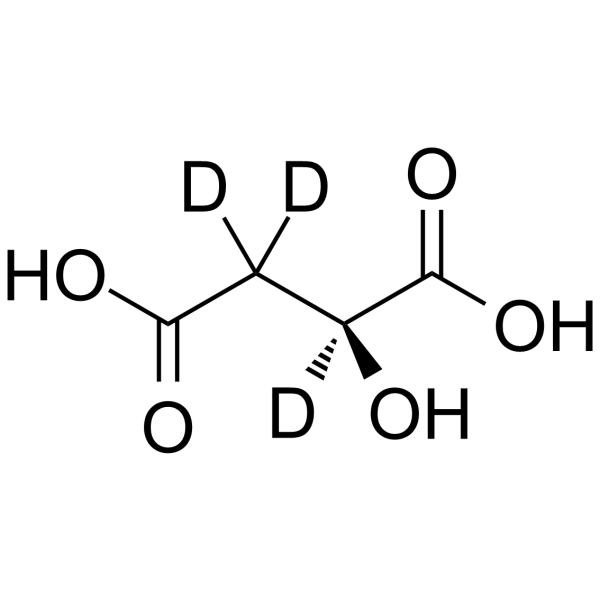
    (S)-Malic acid-d3 is the deuterium labeled (S)-Malic acid. (S)-Malic acid ((S)-2-Hydroxysuccinic acid) is a dicarboxylic acid in naturally occurring form, contributes to the pleasantly sour taste of fruits and is used as a food additive .
    (S)-Malic acid-d3
  • HY-W142618

    Biochemical Assay Reagents Others
    D-Glucal is an organic compound belonging to the family of aldoses, which are monosaccharides containing an aldehyde functional group. It has a six-carbon structure and is derived from glucose by oxidation of the primary alcohol group at carbon 1 to an aldehyde group. D-Glucal is a white crystalline solid that is soluble in water and has a sweet taste. It is an important intermediate in the chemical synthesis of a wide variety of compounds, including pharmaceuticals, agrochemicals, and natural products. D-Glucal can be converted into other carbohydrate derivatives such as glycosides, glycoconjugates and amino sugars. It also plays a role in the study of carbohydrate chemistry, where it is used as a chiral building block for the synthesis of complex structures.
    D-Glucal
  • HY-N7438

    Others Others
    Mogroside VI A, an isomer of Mogroside VI isolated from Luo Han Guo, exerts sweetness property. Mogroside VI A can be used for sweetener and/or taste modifier research .
    Mogroside VI A
  • HY-41417S3

    Caprylic acid-13C

    Isotope-Labeled Compounds Endogenous Metabolite Metabolic Disease
    Octanoic acid- 13C is the 13C labeled Octanoic acid. Octanoic acid (Caprylic acid) is an oily liquid with a slightly unpleasant rancid taste and used commercially in the production of esters used in perfumery and also in the manufacture of dyes.
    Octanoic acid-13C
  • HY-41417S

    Caprylic acid-d15

    Endogenous Metabolite Metabolic Disease
    Octanoic acid-d15 is the deuterium labeled Octanoic acid. Octanoic acid (Caprylic acid) is an oily liquid with a slightly unpleasant rancid taste and used commercially in the production of esters used in perfumery and also in the manufacture of dyes.
    Octanoic acid-d15
  • HY-Y1069R
    (S)-Malic acid (Standard)
    1 Publications Verification

    (S)-Hydroxybutanedioic acid (Standard); (S)-E 296 (Standard); L-Malic acid (Standard)

    Reference Standards Endogenous Metabolite Metabolic Disease
    (S)-Malic acid (Standard) is the analytical standard of (S)-Malic acid (HY-Y1069). This product is intended for research and analytical applications. (S)-Malic acid ((S)-2-Hydroxysuccinic acid) is a dicarboxylic acid in naturally occurring form, contributes to the pleasantly sour taste of fruits and is used as a food additive.
    (S)-Malic acid (Standard)
  • HY-W012885

    Biochemical Assay Reagents Others
    (S)-Methyl 3-hydroxybutanoate consists of a chiral center, resulting in two enantiomers, where (S)-Methyl 3-hydroxybutanoate means that the hydroxyl group is located on the third carbon atom of the S-configuration carboxylic acid group stereoisomers. This compound is often used as a building block for the synthesis of various pharmaceuticals and natural products. Due to its fruity taste, it is also used as a flavor and fragrance ingredient.
    (S)-Methyl 3-hydroxybutanoate
  • HY-N10319R

    Reference Standards TRP Channel Necroptosis Epigenetic Reader Domain Metabolic Disease Inflammation/Immunology Cancer
    Artepillin C (Standard) is the analytical standard of Artepillin C (HY-N10319). This product is intended for research and analytical applications. Artepillin C is an orally active CREB/CRTC2 inhibitor and TRPA1 covalent agonist (EC50=1.8 μM). Artepillin C inhibits CREB/CRTC2-mediated gene transcription and downregulates BMAL1 expression to regulate glucose and lipid metabolism. Artepillin C can also activate TRPA1 channels to induce spicy taste signals. Artepillin C can inhibit tumor cell proliferation, induce apoptosis, improve insulin resistance and inhibit liver lipid synthesis. Artepillin C can be used in the study of metabolic syndrome, tumor prevention and treatment, and inflammation .
    Artepillin C (Standard)
  • HY-136429

    Optochin

    Bacterial Parasite Infection
    Ethylhydrocupreine (Optochin) is a quinine derivate with antimicrobial activity against S. pneumoniae. Ethylhydrocupreine also possesses antimalarial activity against Plasmodium falciparum, with an IC50 of 25.75 nM. Ethylhydrocupreine is a Gallus gallus taste 2 receptors (ggTas2r1, ggTas2r2 and ggTas2r7) agonist .
    Ethylhydrocupreine
  • HY-W016979

    Environmental Pollutants Others
    δ-Decalactone is a lactone compound found in nonfat dry milks and fruit. δ-Decalactone has a sweet taste .
    δ-Decalactone
  • HY-41417S1

    Caprylic acid-d3

    Isotope-Labeled Compounds Endogenous Metabolite Metabolic Disease
    Octanoic acid-d3 is the deuterium labeled Octanoic acid. Octanoic acid (Caprylic acid) is an oily liquid with a slightly unpleasant rancid taste and used commercially in the production of esters used in perfumery and also in the manufacture of dyes.
    Octanoic acid-d3
  • HY-W007035R

    Valyl-alanine (Standard)

    Reference Standards Endogenous Metabolite Amino Acid Derivatives Metabolic Disease
    H-Val-Ala-OH (Valyl-alanine) is a dipeptide formed from L-Valine and L-Alanine residues. H-Val-Ala-OH has a role as a metabolite and also has a bitter taste .
    H-Val-Ala-OH (Standard)
  • HY-W017562

    Environmental Pollutants Biochemical Assay Reagents Others
    γ-Octalactone is an aromatic lactone compound. γ-Octalactone has a strong fruity (similar to coconut) aroma and a sweet taste, and is commonly used in food, cosmetics and fragrances. γ-Octalactone is highly safe .
    γ-Octalactone

Inquiry Online

Your information is safe with us. * Required Fields.

Salutation


Country or Region *

Applicant Name *


Organization Name *

Department *


Email Address *


Product Name *

Cat. No.


Requested quantity *

Phone Number *


Remarks

Inquiry Online

Inquiry Information

Product Name:
Cat. No.:
Quantity:
MCE Japan Authorized Agent:

