58 Results for "

terrestrial compartment

" in MedChemExpress (MCE) Product Catalog:
Products (58)

58 Results for "terrestrial compartment" in MCE Product Catalog:

1
1 Cited Publications
Cat. No.: HY-D1563
CAS No.: 312961-83-4
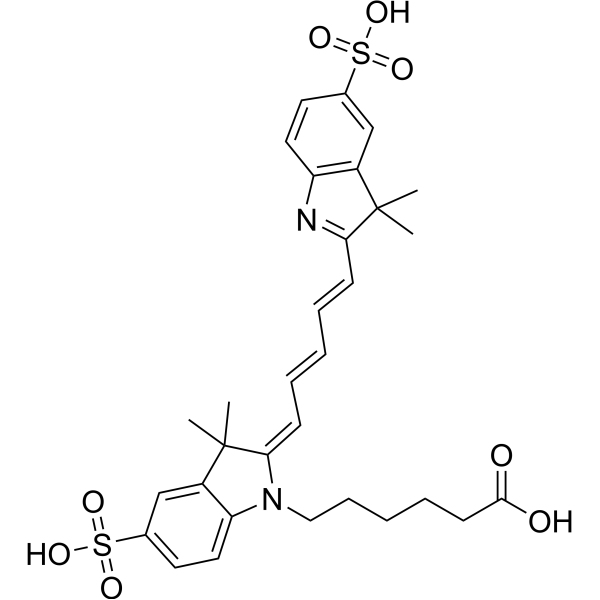
pH Receptor Probe is a pH-sensitive cyanine derivative and a environmental sensitive fluorophore. pH Receptor Probe has a pH-sensitive maximal absorption at 644 nm and emission at 664 nm. pH Receptor Probe has been used as a pH sensor of lysosomal compartments .
loading...
    loading...
1
1 Cited Publications
Cat. No.: HY-D1694
CAS No.: 1064123-31-4
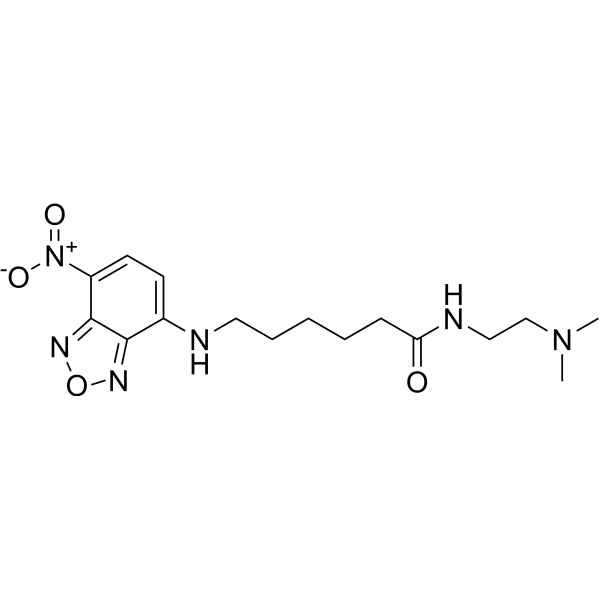
LysoTracker Yellow HCK 123 is a potent yellow membrane-permeable fluorescent probe. LysoTracker Yellow HCK 123 is a weakly basic amine that selectively accumulates in cellular compartments with low luminal pH .
loading...
    loading...
1
1 Cited Publications
Cat. No.: HY-W011151
CAS No.: 6025-53-2
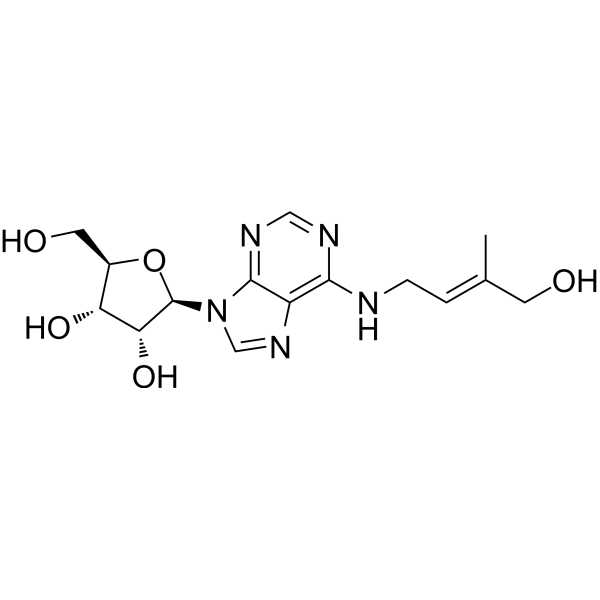
trans-Zeatinriboside is a zeatin-type cytokinin and plant growth regulator. trans-Zeatinriboside is produced by the terrestrial filamentous cyanobacterium Nostoc sp. HK-01 and Agrobacterium tumefaciens (including Ti plasmid-dependent and Ti plasmid-independent strains). trans-Zeatinriboside is detectable as a cytokinin component in growing crown galls, and accumulates in large amounts in CHRK1-silenced transgenic tobacco accompanied by pleiotropic developmental abnormalities. trans-Zeatinriboside can be used in studies related to crown galls .
loading...
    loading...
1
1 Cited Publications
Cat. No.: HY-119737
CAS No.: 64902-72-3
Purity:  99.95%
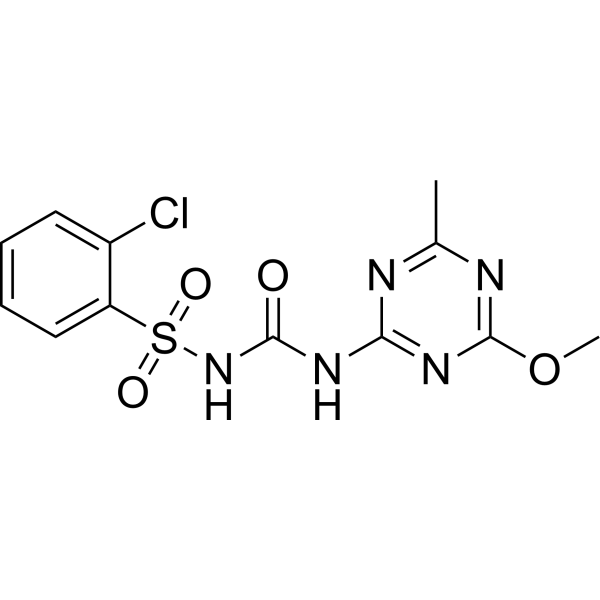
Chlorsulfuron is an acetolactate synthase inhibitor and selective systemic herbicide. Chlorsulfuron blocks the synthesis of branched-chain amino acids (valine and isoleucine), thereby inhibiting protein synthesis, cell growth, and cell division. Chlorsulfuron blocks G1 and G2 phase cell cycle progression in plant root tip cells without directly interfering with mitosis or DNA synthesis. Chlorsulfuron completely inhibits germination of non-target terrestrial plants and is highly toxic to aquatic macrophytes. Chlorsulfuron has low toxicity to mammals, birds and bees, and moderate toxicity to fish and aquatic invertebrates. Chlorsulfuron can be used in studies related to herbicides, plant cell cycles and ecotoxicology .
loading...
    loading...
Cat. No.: HY-W011063
CAS No.: 21438-66-4
Target:  

Cathepsin

Research Areas:  

Metabolic Disease

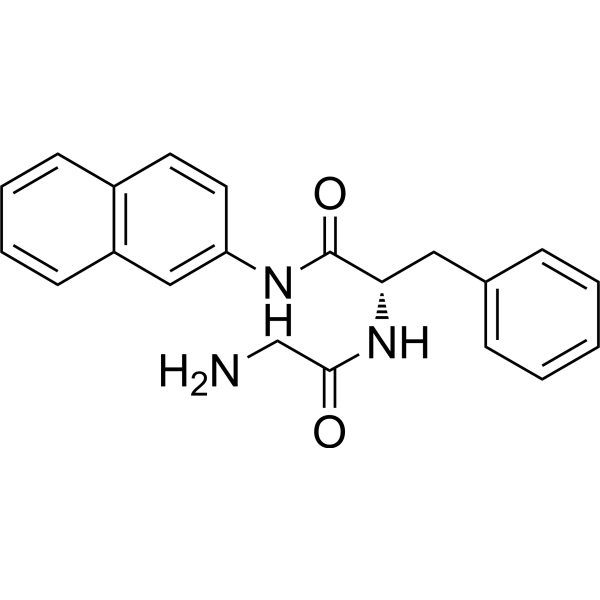
Gly-Phe-β-naphthylamide is a substrate of Cathepsin C (HY-P2922) and belongs to the lysosomal agonist. Gly-Phe-β-naphthylamide can freely pass through the cell membrane and organelle membrane. Gly-Phe-β-naphthylamide will be specifically hydrolyzed by Cathepsin C, ultimately leading to a permeability lysis when it enters the acidic compartment. Gly-Phe-β-naphthylamide can be used to study lysosomal hydrolysis, lysosomal membrane permeability, and the function of cathepsin C .
loading...
    loading...
Cat. No.: HY-115675
CAS No.: 568558-66-7
Target:  

PI4K

Research Areas:  

Others

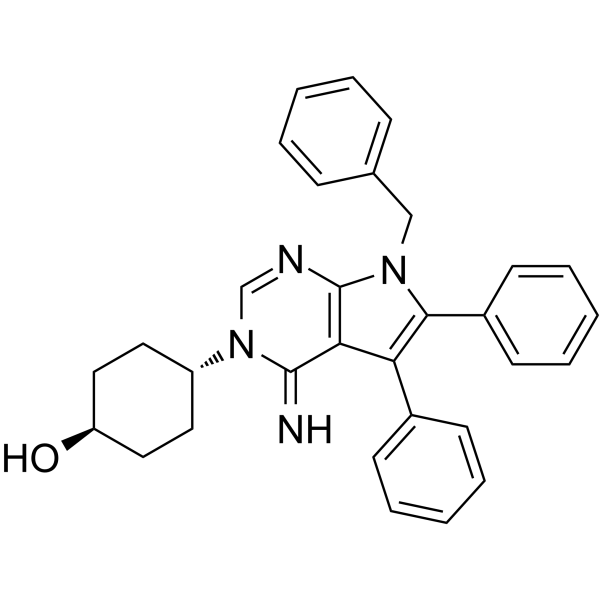
NC03 is a PI4K2A inhibitor and reducing agent. NC03 inhibits the activity of PI4K2A, thereby reducing the production of PI4P in the cellular compartments where PI4K2A functions. NC03 rapidly induces a decrease in PI4P pools in the Golgi and endosomal compartments. NC03 reduces PI4P production in Rab7-positive late endosomes .
loading...
    loading...
Cat. No.: HY-120118
CAS No.: 1443414-10-5
Purity:  99.90%
Synonyms: ML246
Target:  

DNA/RNA Synthesis

Research Areas:  

Cancer

Metarrestin (ML246) is an orally active, first-in-class and specific perinucleolar compartment inhibitor. Metarrestin disrupts the nucleolar structure and inhibits RNA polymerase (Pol) I transcription, at least in part by interacting with the translation elongation factor eEF1A2. Metarrestin blocks metastatic development and extends survival in mouse cancer models .
loading...
    loading...
Cat. No.: HY-B0937A
CAS No.: 137-88-2
Research Areas:  

Infection

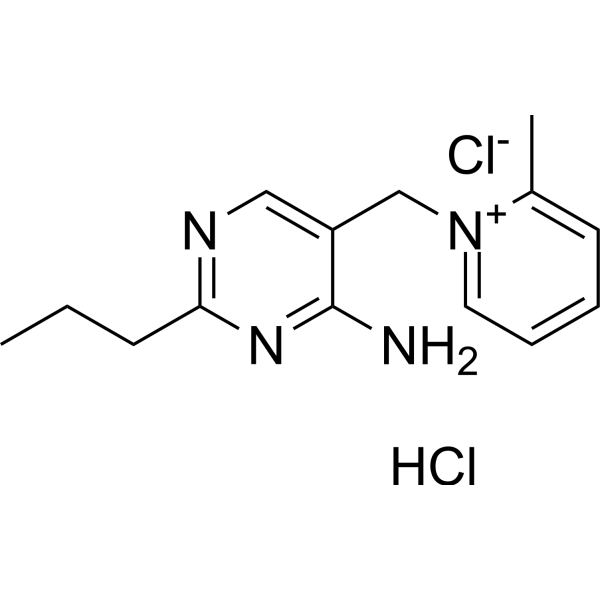
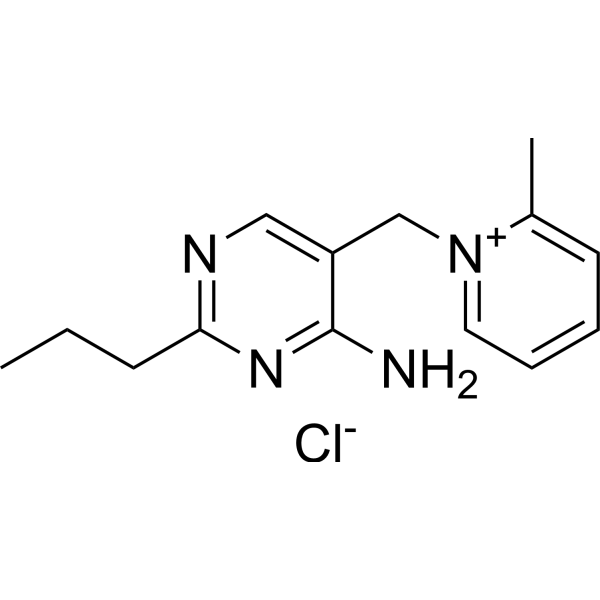
Amprolium hydrochloride is a thiamine transporter inhibitor and antiparasitic agent with oral activity and blood-brain barrier penetration. Amprolium hydrochloride blocks thiamine transport at the blood-brain barrier and intestine, and competitively inhibits thiamine pyrophosphokinase, inducing thiamine pyrophosphate deficiency and impairing carbohydrate synthesis. Amprolium hydrochloride induces oxidative stress, alters antioxidant enzyme activity, and inhibits acetylcholinesterase (AchE) activity. Amprolium hydrochloride disrupts reproductive organs and gametogenesis, and causes histopathological and ultrastructural damage to multiple organs. Amprolium hydrochloride induces thiamine deficiency, reduces body weight gain in mice, and causes psychomotor behavioral changes and nephropathy. Amprolium hydrochloride exhibits molluscicidal activity against the terrestrial snail Eobania vermiculata, and reduces the shedding of Eimeria meleagrimitis oocysts in feces and litter. Amprolium hydrochloride can be used for research on thiamine deficiency and coccidiosis .
loading...
    loading...
Cat. No.: HY-139533
CAS No.: 383907-36-6
Purity:  ≥99.0%
Research Areas:  

Others

Phosphatidylinositols, soya, sodium salts is a mixture of phosphatidylinositols. Phosphoinositides are lipids involved in the vesicular transport of proteins and lipids between the different compartments of eukaryotic cells. They act by recruiting and/or activating effector proteins and thus are involved in regulating various cellular functions, such as vesicular budding, membrane fusion and cytoskeleton dynamics .
loading...
    loading...
Cat. No.: HY-156214
CAS No.: 2982819-94-1
Purity:  99.53%
Synonyms: AP1867-PEG2-JQ1; AP-PEG2-JQ1
Research Areas:  

Others

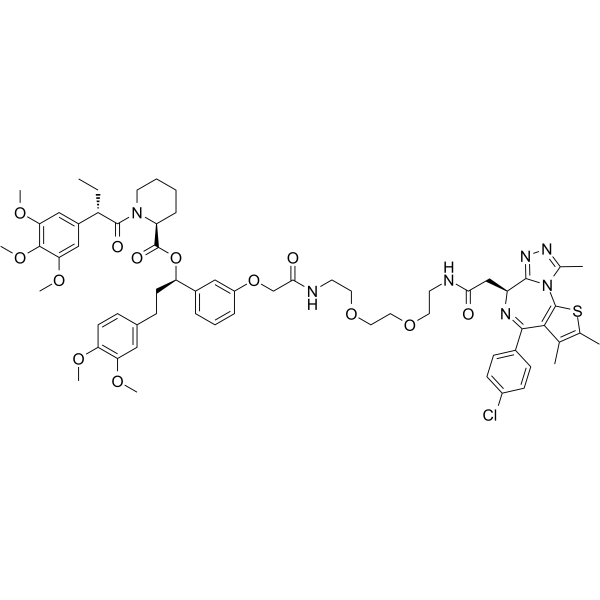
NICE-01 (AP1867-PEG2-JQ1; AP-PEG2-JQ1) is a bifunctional compound that bind to proteins in separate cellular compartments that can induce nuclear import of cytosolic cargoes, using nuclear-localized bromodomain-containing protein 4 (BRD4) as a “carrier” for co-import and nuclear trapping of cytosolic proteins .
loading...
    loading...
Cat. No.: HY-W016477
CAS No.: 92-82-0
Research Areas:  

Infection Cancer

Phenazine belongs to the family of N-heterocyclic compounds. Phenazine can be found in terrestrial and marine microorganisms. Phenazine attracts attention due to its diverse biological activities, including Antimicrobial and enzyme inhibitory properties. Phenazine can be used in breast cancer research .
loading...
    loading...
Cat. No.: HY-10220
CAS No.: 936487-67-1
Target:  

PI3K Apoptosis

Research Areas:  

Cancer

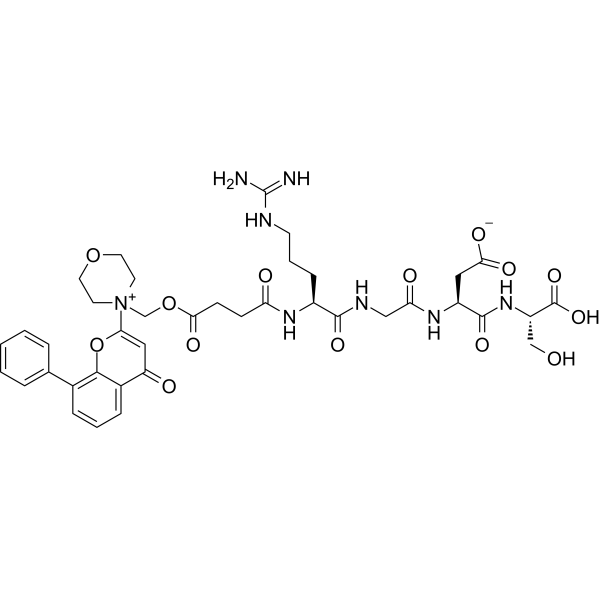
SF1126 is a relevant pan and dual first-in-class PI3K/BRD4 inhibitor, has antitumor and anti-angiogenic activity. SF1126 is an RGDS-conjugated LY294002 proagent, which is designed to exhibit increased solubility and bind to specific integrins within the tumor compartment. SF1126 induces cell apoptosis .
loading...
    loading...
Cat. No.: HY-129242
CAS No.: 2896-70-0
Purity:  97.01%
Synonyms: 4-Oxo-Tempo
Research Areas:  

Metabolic Disease Cancer

Tempone (4-Oxo-Tempo) is a nitroxide radical spin label and ROS scavenger. Tempone induces cytotoxicity in lymphoma cells. Tempone serves as a substrate for intracellular reduction to hydroxylamine, rapidly equilibrates between intracellular and extracellular compartments, reduces nitroxide radical spin labels at the ubiquinol site of the respiratory chain, and acts as an alternative terminal electron acceptor when electron flow to oxygen is blocked. Tempone serves as a superoxide sensor, a T2-weighted MRI contrast agent, and a dynamic nuclear polarization polarizing agent for 13C. Tempone inhibits superoxide and peroxynitrite, hydroxyl radical generation, nitrotyrosine formation, and poly (ADP-ribose) formation, and alleviates renal dysfunction and injury in ischemia/reperfusion and hydrogen peroxide-induced injury. Tempone can be used for research on ischemia-reperfusion injury, acute renal failure, and lymphoma .
loading...
    loading...
Cat. No.: HY-DY1071
CAS No.: 312961-83-4
pH Receptor Probe (solution) is a pH-sensitive cyanine derivative and a environmental sensitive fluorophore. pH Receptor Probe has a pH-sensitive maximal absorption at 644 nm and emission at 664 nm. pH Receptor Probe has been used as a pH sensor of lysosomal compartments .
Solvent and concentration: DMSO: 10 mM
loading...
    loading...
Cat. No.: HY-110334
CAS No.: 1883548-88-6
Target:  

Fluorescent Dye

Research Areas:  

Others

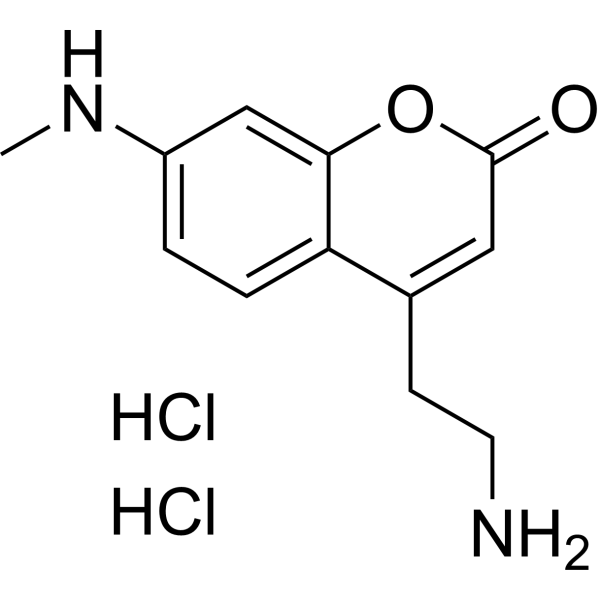
FFN 206 dihydrochloride, a fluorescent probe, is used as an excellent Vesicular Monoamine Transporter 2 (VMAT2) substrate with an apparent Km of 1.16 μM. FFN 206 dihydrochloride is capable of detecting VMAT2 activity in intact cells using fluorescence microscopy, with subcellular localization to VMAT2-expressing acidic compartments without apparent labeling of other organelles .
loading...
    loading...
Cat. No.: HY-177440
CAS No.: 958860-12-3
Research Areas:  

Metabolic Disease

T26A is a highly selective prostaglandin transporter (PGT) inhibitor.T26A does not interact with the PGT homolog OATPc, blocks PGT-mediated PGE2 influx, and blocks PGE2 metabolism.T26A retains PGE2 in the extracellular compartment and reduces intracellular PGE2 metabolites.T26A elevates circulating endogenous PGE2 levels, reduces circulating endogenous PGE2 metabolite levels, and slows metabolism of exogenously injected PGE2 in Rattus norvegicus via intravenous injection.T26A does not affect PGE2 synthesis.T26A can be used for the research of PGT function in adult animals .
loading...
    loading...
Cat. No.: HY-B0937
CAS No.: 121-25-5
Research Areas:  

Infection

Amprolium is a thiamine transporter inhibitor and antiparasitic agent with oral activity and blood-brain barrier penetration. Amprolium blocks thiamine transport at the blood-brain barrier and intestine, and competitively inhibits thiamine pyrophosphokinase, inducing thiamine pyrophosphate deficiency and impairing carbohydrate synthesis. Amprolium induces oxidative stress, alters antioxidant enzyme activity, and inhibits acetylcholinesterase (AchE) activity. Amprolium disrupts reproductive organs and gametogenesis, and causes histopathological and ultrastructural damage to multiple organs. Amprolium induces thiamine deficiency, reduces body weight gain in mice, and causes psychomotor behavioral changes and nephropathy. Amprolium exhibits molluscicidal activity against the terrestrial snail Eobania vermiculata, and reduces the shedding of Eimeria meleagrimitis oocysts in feces and litter. Amprolium can be used for research on thiamine deficiency and coccidiosis .
loading...
    loading...
Cat. No.: HY-129242S
CAS No.: 80404-14-4
Synonyms: 4-Oxo-Tempo-15N,d16
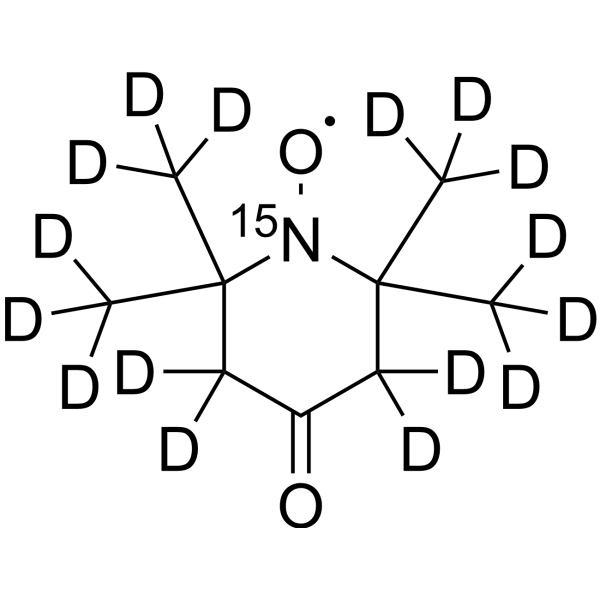
Tempone- 15N,d16 (4-Oxo-Tempo 15N,D16) is the deuterated, 15N-labeled Tempone (HY-129242). Tempone (4-Oxo-Tempo) is a nitroxide radical spin label and ROS scavenger. Tempone induces cytotoxicity in lymphoma cells. Tempone serves as a substrate for intracellular reduction to hydroxylamine, rapidly equilibrates between intracellular and extracellular compartments, reduces nitroxide radical spin labels at the ubiquinol site of the respiratory chain, and acts as an alternative terminal electron acceptor when electron flow to oxygen is blocked. Tempone serves as a superoxide sensor, a T2-weighted MRI contrast agent, and a dynamic nuclear polarization polarizing agent for 13C. Tempone inhibits superoxide and peroxynitrite, hydroxyl radical generation, nitrotyrosine formation, and poly (ADP-ribose) formation, and alleviates renal dysfunction and injury in ischemia/reperfusion and hydrogen peroxide-induced injury. Tempone can be used for research on ischemia-reperfusion injury, acute renal failure, and lymphoma .
loading...
    loading...
Cat. No.: HY-116479
CAS No.: 478-60-4
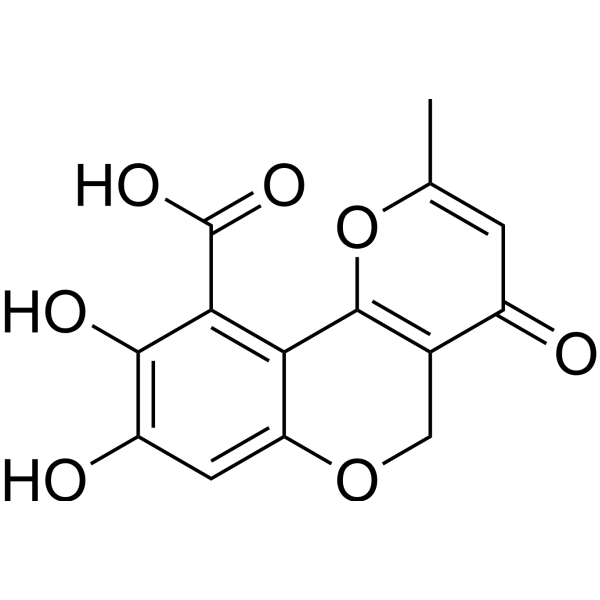
Citromycetin is an aromatic polyketide compound from Australian marine-derived and terrestrial Penicillium spp .
loading...
    loading...
Cat. No.: HY-120499
CAS No.: 1126366-36-6
Purity:  99.49%
Target:  

Hedgehog Smo

Research Areas:  

Cancer

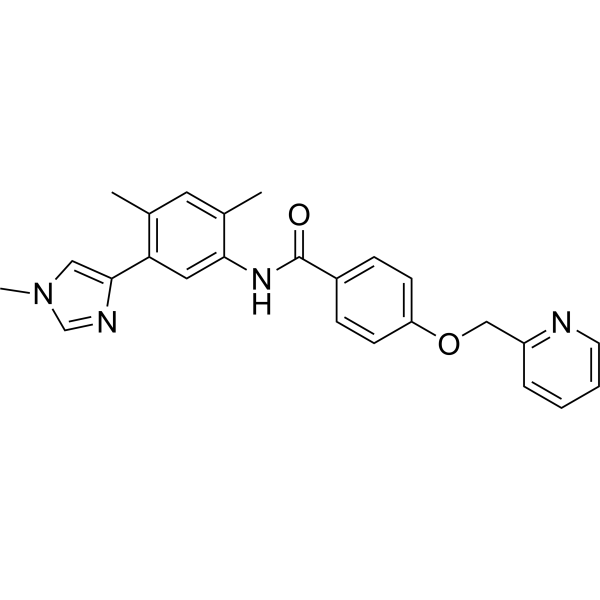
AZD8542 is an antagonist of Smoothened (SMO), playing an important role in oncology. AZD8542 is an Hedgehog (Hh) pathway antagonist on tumor progression with an emphasis on the role of the stroma compartment .
loading...
    loading...

