

1. Search Result
Search Result
Results for "

tracking

" in MedChemExpress (MCE) Product Catalog:

367

Inhibitors & Agonists

1

Screening Libraries

260

Fluorescent Dye

15

Biochemical Assay Reagents

8

Peptides

2

MCE Kits

1

Inhibitory Antibodies

5

Natural
Products

5

Isotope-Labeled Compounds

27

Click Chemistry

63

Oligonucleotides

Cat. No. Product Name Target Research Areas Chemical Structure
  • HY-118297
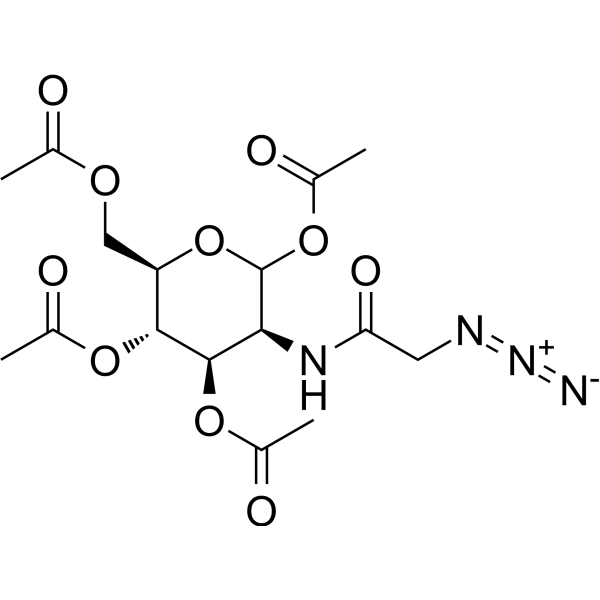
    Ac4ManNAz (80% α isomer)
    5 Publications Verification

    Biochemical Assay Reagents Metabolic Disease
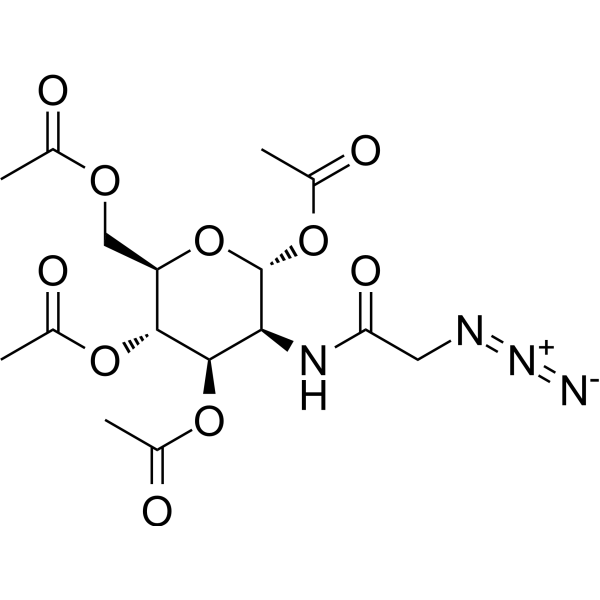
    Ac4ManNAz is an azido-containing metabolic glycoprotein labeling reagent. Ac4ManNAz can be used to selectively modify proteins. Ac4ManNAz can be used in cell labeling, tracking and proteomic analysis . Ac4ManNAz is a click chemistry reagent, it contains an Azide group and can undergo copper-catalyzed azide-alkyne cycloaddition reaction (CuAAc) with molecules containing Alkyne groups. It can also undergo strain-promoted alkyne-azide cycloaddition (SPAAC) reactions with molecules containing DBCO or BCN groups.
    Ac4ManNAz (80% α isomer)
  • HY-P0239
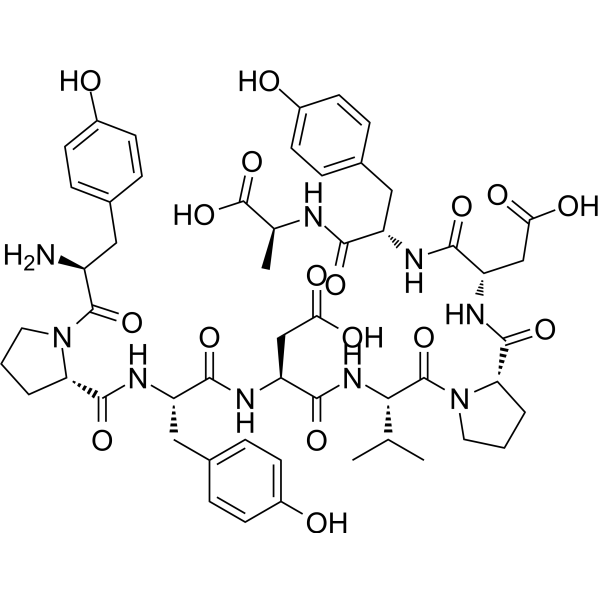
    HA Peptide
    10+ Cited Publications

    Influenza Virus Inflammation/Immunology
    HA Peptide (HA tag) is a nine amino acids peptide derived from the human influenza hemagglutinin (HA). HA Peptide is extensively used to isolate, purify, detect, and track the protein of interest in cell biology and biochemistry.
    HA Peptide
  • HY-D1462
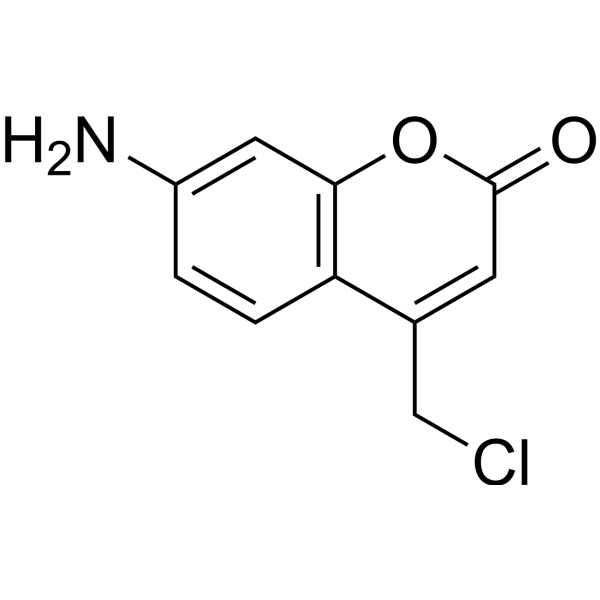
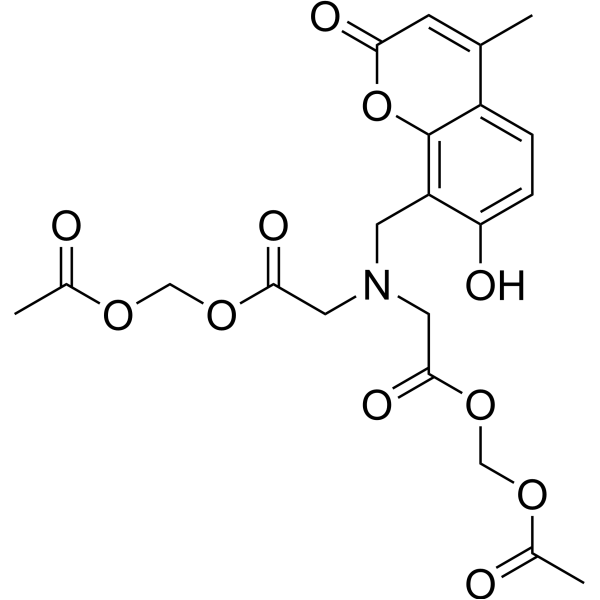
    CellTracker Blue CMAC
    5+ Cited Publications

    Fluorescent Dye Others
    CellTracker Blue CMAC is a non-fluorescent cell membrane permeable dye. The chloromethyl groups of CellTracker Blue CMAC are enzymatically cleaved by intracellular glutathione (GSH) to generate a fluorescent product (blue fluorescence, Ex/Em: 360/460 nm). CellTracker Blue CMAC is suitable for long-term cell tracking (up to 72 hours) and cell proliferation studies, and can also quantify GSH levels .
    CellTracker Blue CMAC
  • HY-D1627
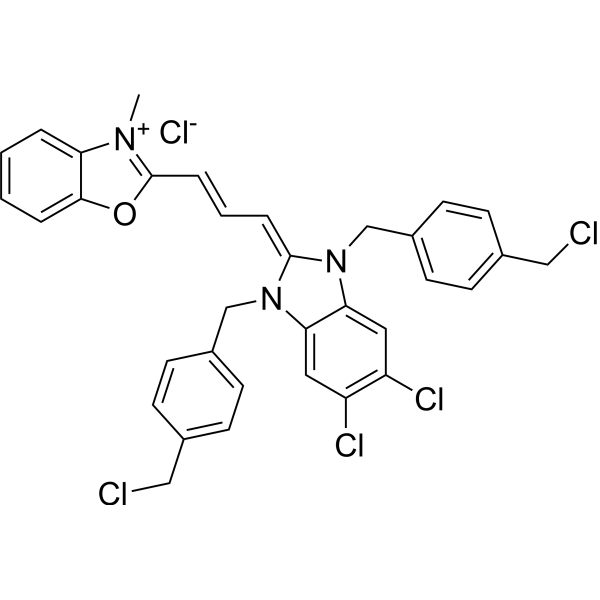
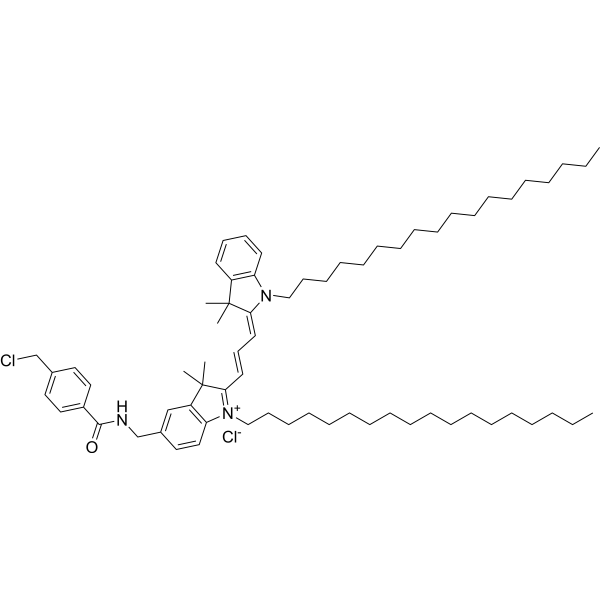
    CellTracker CM-DiI
    3 Publications Verification

    CM-DiI

    Fluorescent Dye Others
    CellTracker CM-DiI (CM-DiI) is a lipophilic fluorochrome that can be used for tracking the migration of lymphocytes. CellTracker CM-DiI is feasible to detect labeled cells in histological sections (excitation 553 nm; emission 570 nm) .
    CellTracker CM-DiI
  • HY-N7131
    Coumarin 6
    20+ Cited Publications

    Fluorescent Dye Others
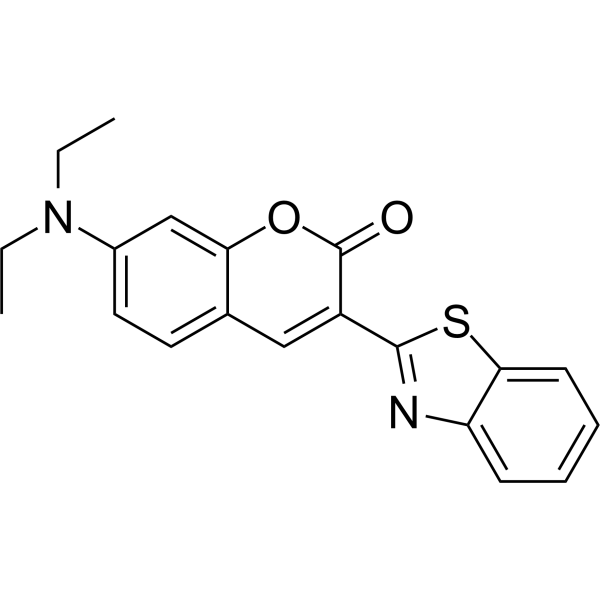
    Coumarin 6, a fluorescent dye, is used as a fluorescent probe in a microparticle drug delivery system to conduct in vivo tracking, cell uptake, and transport mechanism studies of drug delivery systems (λexc=450 nm, λem=505 nm) .
    Coumarin 6
  • HY-D1297
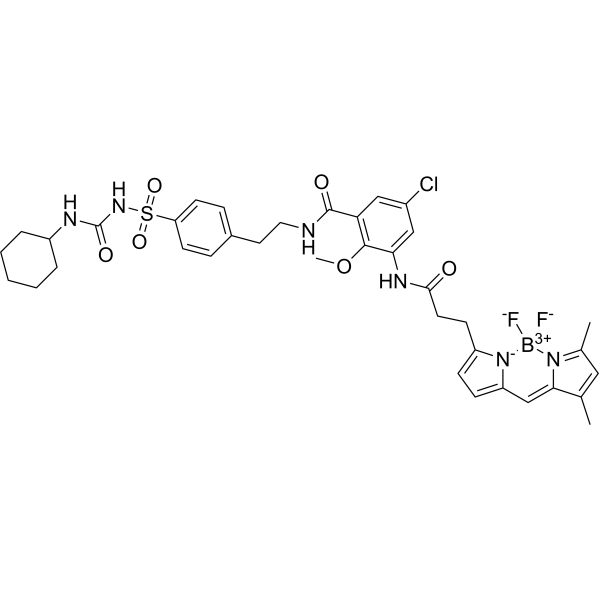
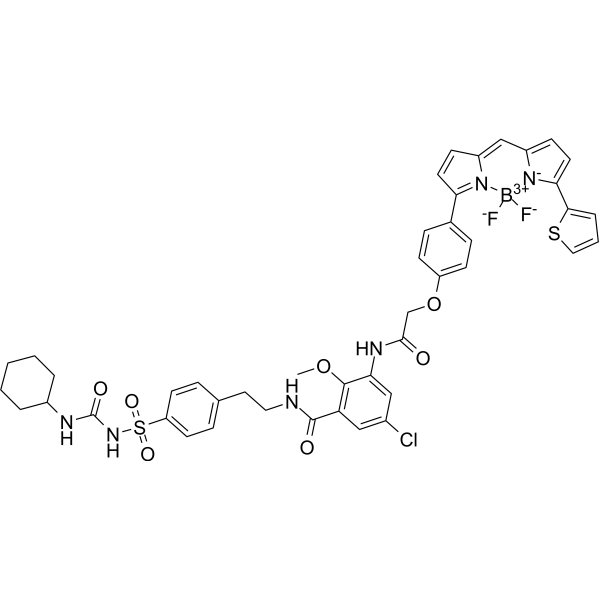
    ER-Tracker Green
    5+ Cited Publications

    Fluorescent Dye Others
    ER-Tracker dye is a derivative of BODIPY series dyes coupled with Glibenclamide (HY-15206), highly selective binding to the endoplasmic reticulum, non-toxic to cells at low concentrations, this type of dye is an environmentally sensitive probe, and formaldehyde treatment can still retain part of the fluorescence, with high fluorescence life, good extinction coefficient and other characteristics. Glibenclamide is an atp-dependent K + channel blocker (Kir6, KATP) and CFTR Cl-channel blocker that binds in the endoplasmic reticulum. ER-Tracker is not suitable for staining cells after fixation .
    ER-Tracker Green
  • HY-B1571

    Environmental Pollutants Fluorescent Dye Others
    Bromophenol blue is an acid phthalein dye, and it is used as a tracking dye for electrophoresis. Bromophenol blue is also used as a pH indicator, with a transition range of pH 3 to 4.6. Bromophenol blue is used as a sensor for the determination of several compounds including ammonia, drugs, proteins and amino acids. The binding of Bromophenol blue to proteins is accompanied by the appearance of a strong absorbance at 610 nm .
    Bromophenol blue
  • HY-D1431
    ER-Tracker Red
    4 Publications Verification

    Fluorescent Dye Cancer
    ER-Tracker dye is a derivative of BODIPY series dyes coupled with Glibenclamide (HY-15206), highly selective binding to the endoplasmic reticulum, non-toxic to cells at low concentrations, this type of dye is an environmentally sensitive probe, and formaldehyde treatment can still retain part of the fluorescence, with high fluorescence life, good extinction coefficient and other characteristics. Glibenclamide is an atp-dependent K + channel blocker (Kir6, KATP) and CFTR Cl-channel blocker that binds in the endoplasmic reticulum. ER-Tracker is not suitable for staining cells after fixation. Ex/Em=587/615 nm .
    ER-Tracker Red
  • HY-D1583
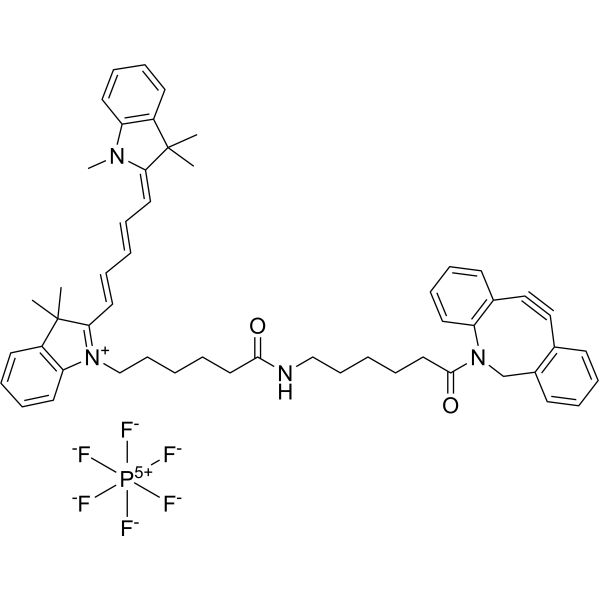
    Cyanine5 DBCO hexafluorophosphate
    4 Publications Verification

    DBCO-Cy5 hexafluorophosphate; Cyanine5 dibenzocyclooctyne hexafluorophosphate

    Fluorescent Dye Others
    Cyanine5 DBCO (DBCO-Cy5) hexafluorophosphate is a low-toxicity azide reactive probe (NIR fluorescent dye), for imaging azide-labeled biomolecules via a copper-free "click-through" reaction. Cyanine5 DBCO hexafluorophosphate has no apparent cytotoxicity or animal toxicity and shows no damage to the physiological functions of cells other than the target cells (azide-labeled cells). Cyanine5 DBCO hexafluorophosphate can be used to label and track cells in vitro and in vivo (Ex=635 nm, Em=650-700 nm) .
    Cyanine5 DBCO hexafluorophosphate
  • HY-D2865

    Fluorescent Dye Others
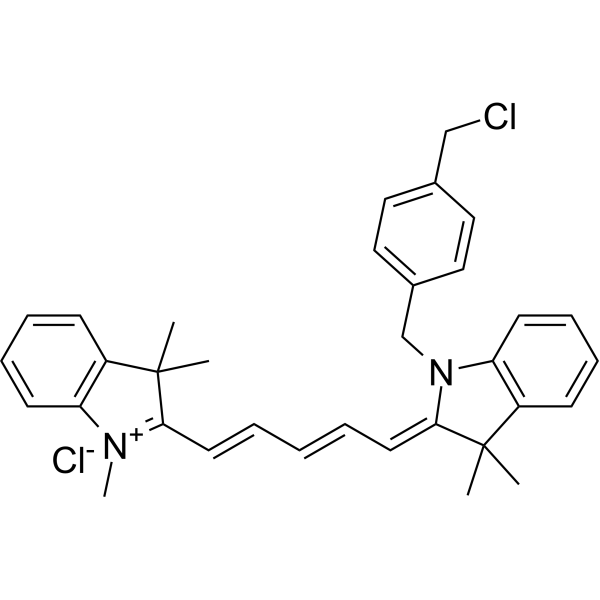
    Celltrack Deep Red is a fluorescent dye with a fluorescence signal that can be maintained for at least 72 h and has good stability. Celltrack Deep Red can be used for cell tracing and multi-generation cell movement tracking. Within a cell population, Celltrack Deep Red is only transferred to daughter cells and not to neighboring cells (Ex/Em = 630/650 nm) .
    Celltrack Deep Red
  • HY-W127770

    Basic red 9

    Fluorescent Dye Infection
    Pararosaniline hydrochloride (Basic red 9) is a pH-responsive basic dye, as a biological stain to track certain proteins. The pH of the acidified Pararosaniline hydrochloride reagent has a significant effect on the color and the maximum absorption wavelength (λmax) of the reaction system, with its optimum pH 0.48 and a λmax at 549 nm. Pararosaniline hydrochloride is also a strong modifier of RNA splicing. Pararosaniline hydrochloride has been used in the analysis of SO2 and formaldehyde and staining of bacteria or other organisms. Pararosaniline hydrochloride is extensively used in industries like textile, printing, paper, cosmetic, and leather .
    Pararosaniline hydrochloride
  • HY-P0239A
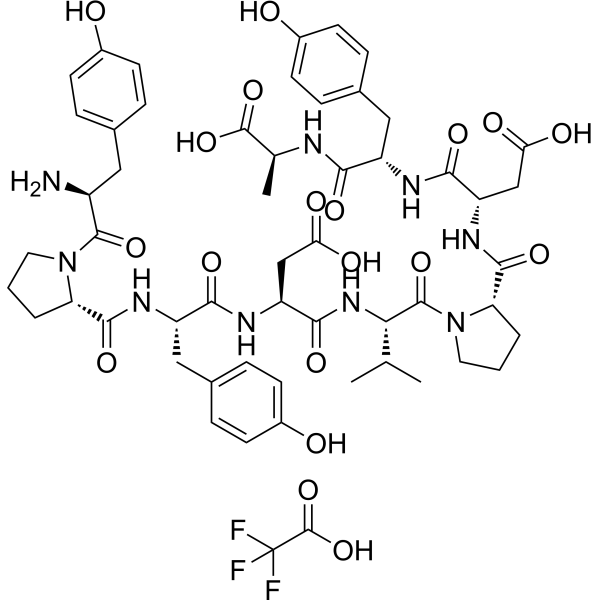
    HA Peptide TFA
    10+ Cited Publications

    Influenza Virus Inflammation/Immunology
    HA Peptide (TFA) is a nine amino acids peptide derived from the human influenza hemagglutinin (HA). HA Peptide (TFA) is extensively used to isolate, purify, detect, and track the protein of interest in cell biology and biochemistry .
    HA Peptide TFA
  • HY-D1422

    BDNCA-346

    Fluorescent Dye Others
    ER Tracker Yellow is an endoplasmic reticulum-targeted temperature-visible fluorescent probe. ER Tracker Yellow has high temperature sensitivity (3.9%/°C) and is not affected by pH and Ca 2+ interference. ER Tracker Yellow can be used for real-time monitoring of local temperature changes in the ER area. ER Tracker Yellow maintains its function in fixed cells. ER Tracker Yellow is suitable for various cell lines and primary cells, such as HeLa cells, MEF cells, and other cells .
    ER Tracker Yellow
  • HY-D2100B

    Fluorescent Dye Others
    Cy5-DSPE chloride is a far-infrared fluorescent phospholipid (λex/λem = 600/665 nm). Cy5-DSPE chloride is used to label liposomes, membranes and lipid nanoparticles, and can be applied to tracking and imaging studies of liposomes .
    Cy5-DSPE chloride
  • HY-DY1074

    Fluorescent Dye Others
    ER-Tracker dye is a derivative of BODIPY series dyes coupled with Glibenclamide (HY-15206) , highly selective binding to the endoplasmic reticulum, non-toxic to cells at low concentrations, this type of dye is an environmentally sensitive probe, and formaldehyde treatment can still retain part of the fluorescence, with high fluorescence life, good extinction coefficient and other characteristics. Glibenclamide is an atp-dependent K + channel blocker (Kir6, KATP) and CFTR Cl-channel blocker that binds in the endoplasmic reticulum. ER-Tracker is not suitable for staining fixed cells. Staining followed by fixation is possible, but cells fixed with aldehydes will only retain partial fluorescence .
    Solvent and concentration: DMSO: 1 mM
    ER-Tracker Blue-White DPX (solution)
  • HY-141793

    Biotin-ATRA-conjugate

    RAR/RXR PPAR Endogenous Metabolite Autophagy Cancer
    ATRA-biotin (Biotin-ATRA-conjugate) is a biotin-conjugated ATRA. ATRA-biotin can be used to track ATRA in cells or a given tissue .
    ATRA-biotin
  • HY-139285

    Endogenous Metabolite Metabolic Disease
    Arachidonic acid-alkyne is aω‑alkynyl lipid surrogates for polyunsaturated fatty acid. Arachidonic acid-alkyne has low rates of oxidation. Arachidonic acid-alkyne can be used for tracking the polyunsaturated fatty acids .
    Arachidonic acid-alkyne
  • HY-D2100

    Fluorescent Dye Others
    Cy5-DSPE is a far-infrared fluorescent phospholipid (λex/λem = 600/665 nm). Cy5-DSPE is used to label liposomes, membranes and lipid nanoparticles, and can be applied to tracking and imaging studies of liposomes .
    Cy5-DSPE
  • HY-W100234

    2'-O-Methyl-5-methyluridine

    Nucleoside Antimetabolite/Analog Cancer
    5-Methyl-2’-O-methyl-uridine (2'-O-methyl-5-methyluridine) is a thymidine analog. Analogs of this series have insertional activity towards replicated DNA. They can be used to label cells and track DNA synthesis. 5-Methyl-2’-O-methyl-uridine is a modified nucleoside that can be found in tRNA isolated from rabbit liver .
    5-Methyl-2′-O-methyl-uridine
  • HY-DY1041

    Fluorescent Dye Others
    CellTracker Blue CMAC (solution) is a non-fluorescent cell membrane permeable dye. The chloromethyl groups of CellTracker Blue CMAC are enzymatically cleaved by intracellular glutathione (GSH) to generate a fluorescent product (blue fluorescence, Ex/Em: 360/460 nm). CellTracker Blue CMAC is suitable for long-term cell tracking (up to 72 hours) and cell proliferation studies, and can also quantify GSH levels .
    Solvent and concentration: DMSO: 10 mM
    CellTracker Blue CMAC (solution)
  • HY-N0469F

    Endogenous Metabolite Inflammation/Immunology
    L-Lysine-Biotin is a biotin-conjugated L-Lysine. L-Lysine-Biotin can be used to track L-Lysine .
    L-Lysine-Biotin
  • HY-130736

    JF549, SE; JF549, NHS

    Fluorescent Dye Others
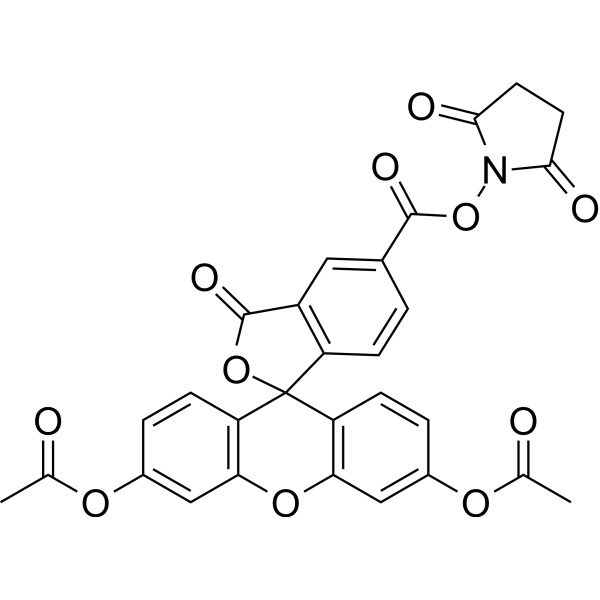
    Janelia Fluor® 549, SE (JF549, SE) is a cell-permeable fluorescent dye with an NHS ester (succinimidyl ester (SE)) reactive group. NHS esters react with primary amines and are commonly used to conjugate dyes to proteins, antibodies, amine-modified oligonucleotides, and other molecules. Janelia Fluor® 549, SE also acts as a ligand for self-labeling tags such as HaloTag and SNAP-tag, and can be used in live-cell imaging studies (Ex/Em = 549 nm/571 nm) .\n


    Janelia Fluor® 549, SE
  • HY-DY1043

    Fluorescent Dye Others
    ER-Tracker dye is a derivative of BODIPY series dyes coupled with Glibenclamide (HY-15206) , highly selective binding to the endoplasmic reticulum, non-toxic to cells at low concentrations, this type of dye is an environmentally sensitive probe, and formaldehyde treatment can still retain part of the fluorescence, with high fluorescence life, good extinction coefficient and other characteristics. Glibenclamide is an atp-dependent K + channel blocker (Kir6, KATP) and CFTR Cl-channel blocker that binds in the endoplasmic reticulum. ER-Tracker is not suitable for staining cells after fixation .
    Solvent and concentration: DMSO: 1 mM
    ER-Tracker Green (solution)
  • HY-W394106

    Nucleoside Antimetabolite/Analog Others
    5-Hydroxymethyl uridine is a thymidine analogue. Analogs of this series have insertional activity towards replicated DNA. They can be used to label cells and track DNA synthesis .
    5-Hydroxymethyl uridine
  • HY-DY1026

    Fluorescent Dye Cancer
    ER-Tracker dye is a derivative of BODIPY series dyes coupled with Glibenclamide (HY-15206) , highly selective binding to the endoplasmic reticulum, non-toxic to cells at low concentrations, this type of dye is an environmentally sensitive probe, and formaldehyde treatment can still retain part of the fluorescence, with high fluorescence life, good extinction coefficient and other characteristics. Glibenclamide is an atp-dependent K + channel blocker (Kir6, KATP) and CFTR Cl-channel blocker that binds in the endoplasmic reticulum. ER-Tracker is not suitable for staining cells after fixation. Ex/Em=587/615 nm .
    Solvent and concentration: DMSO: 1 mM
    ER-Tracker Red (solution)
  • HY-152557

    Nucleoside Antimetabolite/Analog Cancer
    5-Methoxymethyluridine is a thymidine analog. Analogs of this series have insertional activity towards replicated DNA. They can be used to label cells and track DNA synthesis .
    5-Methoxymethyluridine
  • HY-154719

    Nucleoside Antimetabolite/Analog Cancer
    5’-O-Benzoylthymidine is a thymidine analog. Analogs of this series have insertional activity towards replicated DNA. They can be used to label cells and track DNA synthesis .
    5’-O-Benzoylthymidine
  • HY-152434

    Nucleoside Antimetabolite/Analog Others
    5-Hydroxymethyl-arauridine is a thymidine analogue. Analogs of this series have insertional activity towards replicated DNA. They can be used to label cells and track DNA synthesis .
    5-Hydroxymethyl-arauridine
  • HY-W393317

    Nucleoside Antimetabolite/Analog Others
    5-Methoxycarbonylmethyl-2'-O-methyluridine is a thymidine analogue. Analogs of this series have insertional activity towards replicated DNA. They can be used to label cells and track DNA synthesis .
    5-Methoxycarbonylmethyl-2'-O-methyluridine
  • HY-152823

    Nucleoside Antimetabolite/Analog Others
    5-Benzylaminocarbonyl-2’-O-methyluridine is a thymidine analogue. Analogs of this series have insertional activity towards replicated DNA. They can be used to label cells and track DNA synthesis .
    5-Benzylaminocarbonyl-2’-O-methyluridine
  • HY-152781

    Nucleoside Antimetabolite/Analog Others
    5’(R)-C-Methyl-5-methyluridine is a thymidine analogue. Analogs of this series have insertional activity towards replicated DNA. They can be used to label cells and track DNA synthesis .
    5’(R)-C-Methyl-5-methyluridine
  • HY-152391

    Nucleoside Antimetabolite/Analog Others
    3’-beta-C-Methyl-5-methyluridine is a thymidine analogue. Analogs of this series have insertional activity towards replicated DNA. They can be used to label cells and track DNA synthesis .
    3’-beta-C-Methyl-5-methyluridine
  • HY-154434

    Nucleoside Antimetabolite/Analog Cancer
    3’-O-(2-Methoxyethyl)-5-methyluridine is a thymidine analog. Analogs of this series have insertional activity towards replicated DNA. They can be used to label cells and track DNA synthesis .
    3’-O-(2-Methoxyethyl)-5-methyluridine
  • HY-154273

    Nucleoside Antimetabolite/Analog Cancer
    2’,3’,5’-Tri-O-acetyl-5-cyanouridine is a thymidine analog. Analogs of this series have insertional activity towards replicated DNA. They can be used to label cells and track DNA synthesis .
    2’,3’,5’-Tri-O-acetyl-5-cyanouridine
  • HY-154126

    Nucleoside Antimetabolite/Analog Cancer
    2’,3’,5’-Tri-O-benzoyl-5-hydroxy methyluridine (see GL100342) is a thymidine analog. Analogs of this series have insertional activity towards replicated DNA. They can be used to label cells and track DNA synthesis .
    2’,3’,5’-Tri-O-benzoyl-5-hydroxy methyluridine (see GL100342)
  • HY-154255

    Nucleoside Antimetabolite/Analog Cancer
    5-(3-Azidopropyl)uridine is a thymidine analog. Analogs of this series have insertional activity towards replicated DNA. They can be used to label cells and track DNA synthesis . 5-(3-Azidopropyl)uridine is a click chemistry reagent, it contains an Azide group and can undergo copper-catalyzed azide-alkyne cycloaddition reaction (CuAAc) with molecules containing Alkyne groups. It can also undergo strain-promoted alkyne-azide cycloaddition (SPAAC) reactions with molecules containing DBCO or BCN groups.
    5-(3-Azidopropyl)uridine
  • HY-P4108C

    Phosphodiesterase (PDE) Others
    Cys-TAT-HA2 is a conjugate of Cys and TAT-HA2 (HY-P4108). Cys-TAT-HA2 is a transduction complex that can be introduced protein (such as Cardiac troponin C) into the cytoplasm of living cells. Cys-TAT-HA2 can be used for live tracking of exogenous proteins research .
    Cys-TAT-HA2
  • HY-154524

    Nucleoside Antimetabolite/Analog Others
    1-(2-Deoxy-β-D-threo-pentofuranosyl)thymine is a thymidine analog. Analogs of this series have insertional activity towards replicated DNA. They can be used to label cells and track DNA synthesis .
    1-(2-Deoxy-β-D-threo-pentofuranosyl)thymine
  • HY-DY1068

    Fluorescent Dye Others
    Cyanine5 DBCO (DBCO-Cy5) hexafluorophosphate (solution) is a low-toxicity azide reactive probe (NIR fluorescent dye) , for imaging azide-labeled biomolecules via a copper-free "click-through" reaction. Cyanine5 DBCO hexafluorophosphate has no apparent cytotoxicity or animal toxicity and shows no damage to the physiological functions of cells other than the target cells (azide-labeled cells). Cyanine5 DBCO hexafluorophosphate can be used to label and track cells in vitro and in vivo (Ex=635 nm, Em=650-700 nm) .
    Solvent and concentration: DMSO: 10 mM
    Cyanine5 DBCO hexafluorophosphate (solution)
  • HY-D3002

    Fluorescent Dye Metabolic Disease
    ONOO-/O2- tracker probe is a dual-responsive near-infrared fluorescent probe. ONOO-/O2- tracker probe will only emit a strong fluorescence signal when both peroxynitrite (ONOO⁻) and superoxide anion (O₂•⁻), the two key reactive oxygen/nitrogen species, are present simultaneously. ONOO-/O2- tracker probe can be used as a biomarker detection tool for drug-induced liver injury (DILI) .
    ONOO-/O2- tracker probe
  • HY-163618

    Fluorescent Dye Monoamine Oxidase Cancer
    DHMQ is a NIR fluorescent probe that binds to the propylamino group of monoamine oxidase A (MAO-A). DHMQ tracks MAO-A activity in real-time by using fluorescence imaging on mice and cells .
    DHMQ
  • HY-W020576

    NAP 226-90

    Drug Metabolite Others Neurological Disease
    Rivastigmine metabolite (NAP 226-90) is a metabolite produced by the hydrolysis of Rivastigmine (HY-17368) . Rivastigmine metabolite serves as a surrogate marker to track the bioavailability, metabolic extent, and transdermal patch delivery rate of Rivastigmine .
    Rivastigmine metabolite
  • HY-D0011
    Brom0phenol blue sodium
    1 Publications Verification

    Biochemical Assay Reagents Others
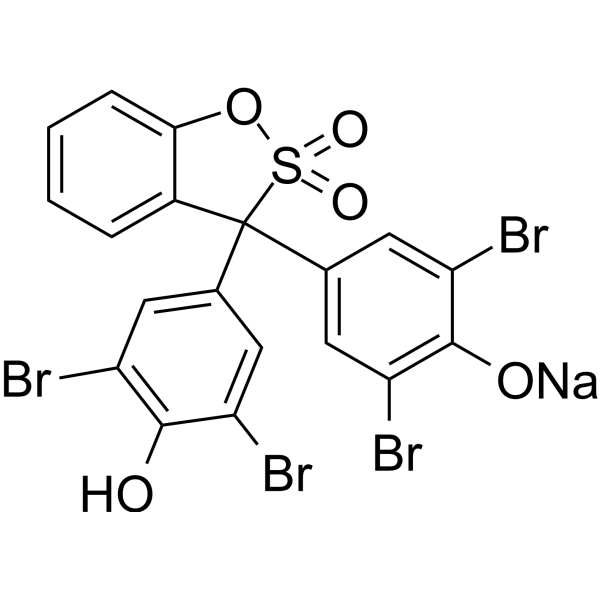
    Bromophenol blue sodium is a pH indicator. It changes from yellow at pH 3.0 to blue at pH 4.6. Bromophenol blue sodium is also used as a tracking dye to monitor the process of agarose gel electrophoresis and polyacrylamide gel electrophoresis .
    Brom0phenol blue sodium
  • HY-134795

    Nucleoside Antimetabolite/Analog Others
    5-Carboxymethylaminomethyluridine is a thymidine analogue. Analogs of this series have insertional activity towards replicated DNA. They can be used to label cells and track DNA synthesis .
    5-Carboxymethylaminomethyluridine
  • HY-152639

    Nucleoside Antimetabolite/Analog Others
    2’-Chlorothymidine is a thymidine analogue. Analogs of this series have insertional activity towards replicated DNA. They can be used to label cells and track DNA synthesis .
    2’-Chlorothymidine
  • HY-152559

    Nucleoside Antimetabolite/Analog Cancer
    5-Ethoxymethyluridine is a thymidine analog. Analogs of this series have insertional activity towards replicated DNA. They can be used to label cells and track DNA synthesis .
    5-Ethoxymethyluridine
  • HY-154274

    Nucleoside Antimetabolite/Analog Cancer
    5-Cyanouridine is a thymidine analog. Analogs of this series have insertional activity towards replicated DNA. They can be used to label cells and track DNA synthesis .
    5-Cyanouridine
  • HY-152875

    Nucleoside Antimetabolite/Analog Others
    5-Carboxymethyluridine is a thymidine analogue. Analogs of this series have insertional activity towards replicated DNA. They can be used to label cells and track DNA synthesis .
    5-Carboxymethyluridine
  • HY-152496

    Nucleoside Antimetabolite/Analog Cancer
    5-Hydroxymethyl xylouridine is a thymidine analog. Analogs of this series have insertional activity towards replicated DNA. They can be used to label cells and track DNA synthesis .
    5-Hydroxymethyl xylouridine
  • HY-152502

    Nucleoside Antimetabolite/Analog Cancer
    5-N-Boc-aminomethyluridine is a thymidine analog. Analogs of this series have insertional activity towards replicated DNA. They can be used to label cells and track DNA synthesis .
    5-N-Boc-aminomethyluridine

Inquiry Online

Your information is safe with us. * Required Fields.

Salutation


Country or Region *

Applicant Name *


Organization Name *

Department *


Email Address *


Product Name *

Cat. No.


Requested quantity *

Phone Number *


Remarks

Inquiry Online

Inquiry Information

Product Name:
Cat. No.:
Quantity:
MCE Japan Authorized Agent:

