1. Search Result
Search Result
Results for "

uncoupling oxidative phosphorylation

" in MedChemExpress (MCE) Product Catalog:

31

Inhibitors & Agonists

1

Peptides

9

Natural
Products

4

Isotope-Labeled Compounds

Cat. No. Product Name Target Research Areas Chemical Structure
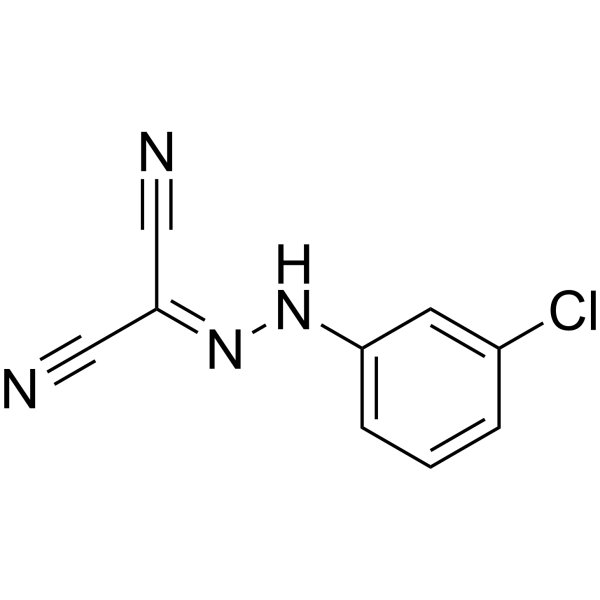
  • HY-100941
    CCCP
    Maximum Cited Publications
    176 Publications Verification

    Carbonyl cyanide 3-chlorophenylhydrazone; Carbonyl Cyanide m-Chlorophenylhydrazone

    Oxidative Phosphorylation PINK1/Parkin STING IFNAR Mitochondrial Metabolism Bacterial Apoptosis Inflammation/Immunology Cancer
    CCCP is an oxidative phosphorylation (OXPHOS) uncoupler. CCCP induces activation of PINK1 leading to Parkin Ser65 phosphorylation .
    CCCP
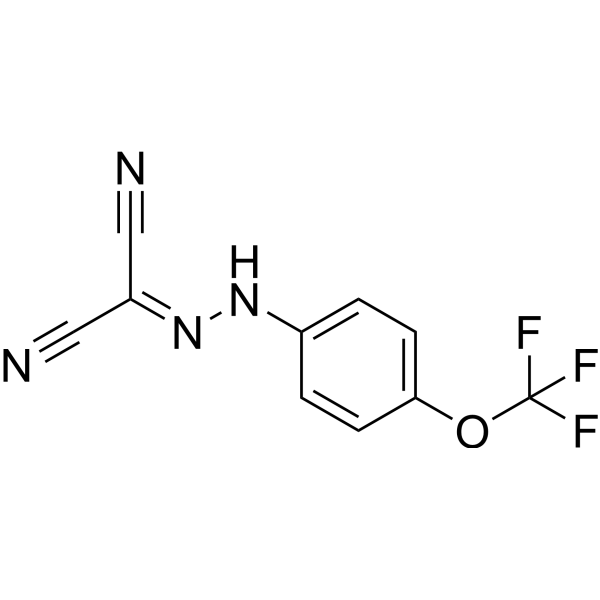
  • HY-100410
    FCCP
    105+ Cited Publications

    Carbonyl cyanide 4-(trifluoromethoxy)phenylhydrazone

    Oxidative Phosphorylation PINK1/Parkin Mitochondrial Metabolism Cancer
    FCCP is an uncoupler of oxidative phosphorylation (OXPHOS) in mitochondria. FCCP induces activation of PINK1 leading to Parkin Ser65 phosphorylation .
    FCCP
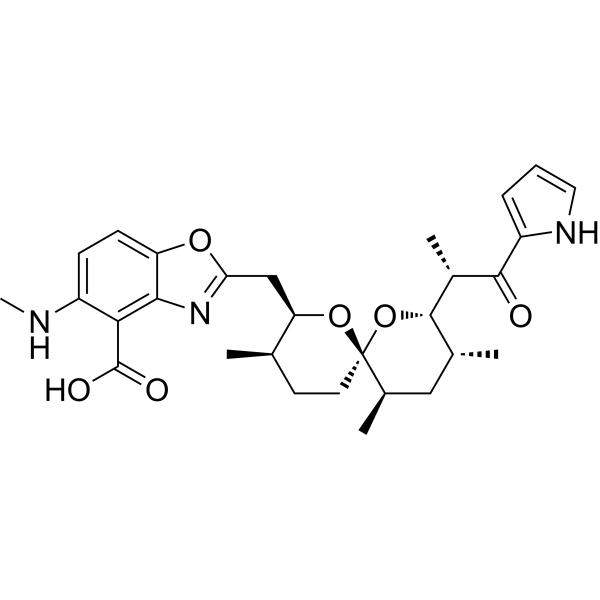
  • HY-N6687
    Calcimycin
    20+ Cited Publications

    A-23187; Antibiotic A-23187

    Oxidative Phosphorylation Bacterial Fungal Apoptosis Autophagy Antibiotic Infection Inflammation/Immunology Cancer
    Calcimycin (A-23187) is an antibiotic and a unique divalent cation ionophore (like calcium and magnesium). Calcimycin induces Ca 2+-dependent cell death by increasing intracellular calcium concentration. Calcimycin inhibits the growth of Gram-positive bacteria and some fungi. Calcimycin also inhibits the activity of ATPase and uncouples oxidative phosphorylation (OXPHOS) of mammalian cells. Calcimycin induces apoptosis and autophagy .
    Calcimycin
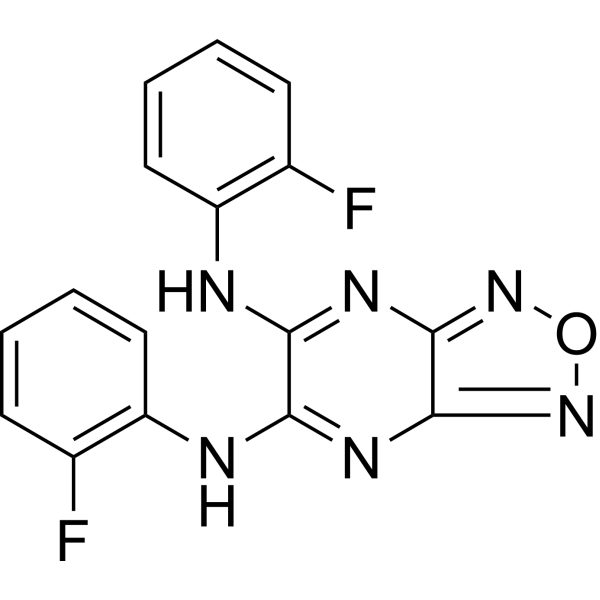
  • HY-110284
    BAM 15
    10+ Cited Publications

    Oxidative Phosphorylation Mitochondrial Metabolism Others
    BAM 15 is a mitochondrial protonophore uncoupler. BAM 15 is an oxidative phosphorylation (OXPHOS) uncoupler .
    BAM 15
  • HY-W012722
    4-Methyl-2-oxopentanoic acid
    1 Publications Verification

    α-Ketoisocaproic acid

    Endogenous Metabolite Autophagy mTOR SOD Neurological Disease Metabolic Disease
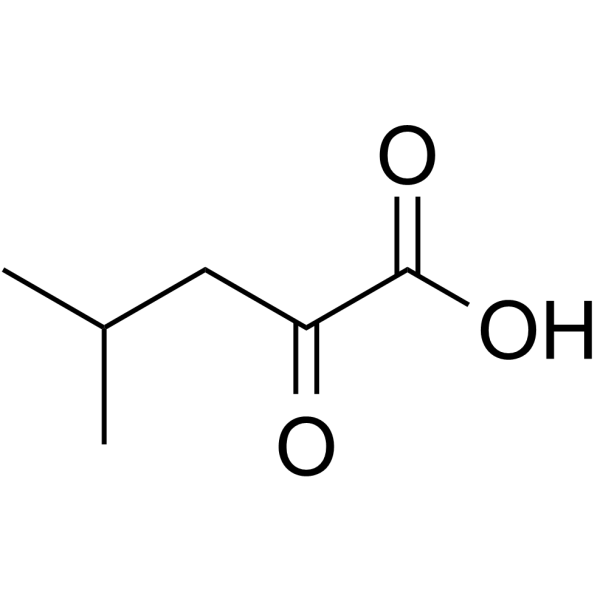
    4-Methyl-2-oxopentanoic acid (α-Ketoisocaproic acid) is a metabolite of L-leucine and is involved in energy metabolism. 4-Methyl-2-oxopentanoic acid increases endoplasmic reticulum stress, promotes lipid accumulation in preadipocytes and insulin resistance by impairing mTOR and autophagy signaling pathways. 4-Methyl-2-oxopentanoic acid also causes oxidative damage, leading to cognitive deficits, inhibits α-ketoglutarate dehydrogenase activity, acts as an oxidative phosphorylation uncoupler and metabolic inhibitor. 4-Methyl-2-oxopentanoic acid acts as a nutrient signal and stimulates skeletal muscle protein synthesis. 4-Methyl-2-oxopentanoic acid can be used in the study of maple syrup urine disease .
    4-Methyl-2-oxopentanoic acid
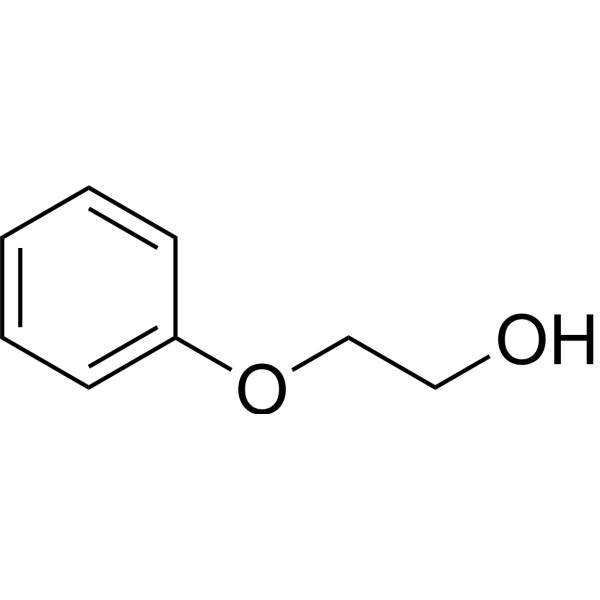
  • HY-B1729

    Environmental Pollutants Bacterial Fungal Oxidative Phosphorylation Infection
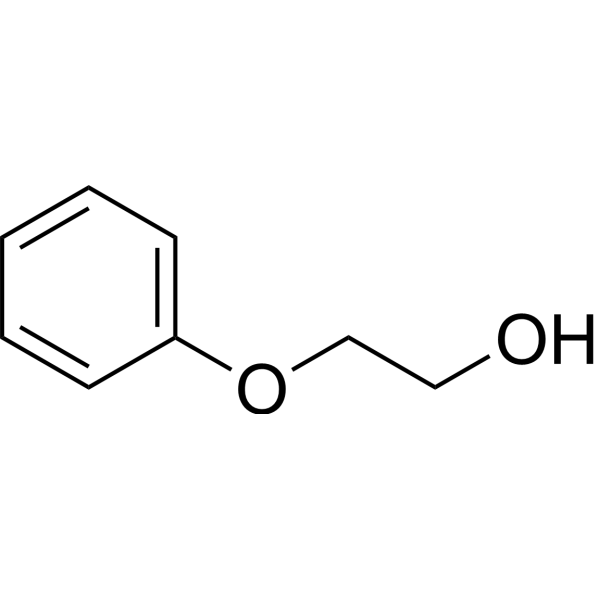
    Phenoxyethanol has a broad spectrum of antimicrobial agent. Phenoxyethanol is an uncouple agent in oxidative phosphorylation from respiration and competitively inhibits malate dehydrogenase. Phenoxyethanol is used as a preservative in cosmetic, vaccine, and textile, et al .
    Phenoxyethanol
  • HY-17594
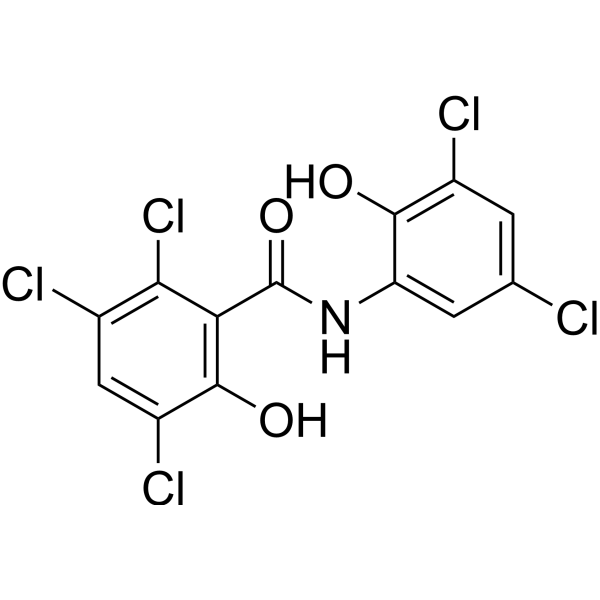
    Oxyclozanide
    4 Publications Verification

    Oxidative Phosphorylation Parasite Bacterial Fungal Infection
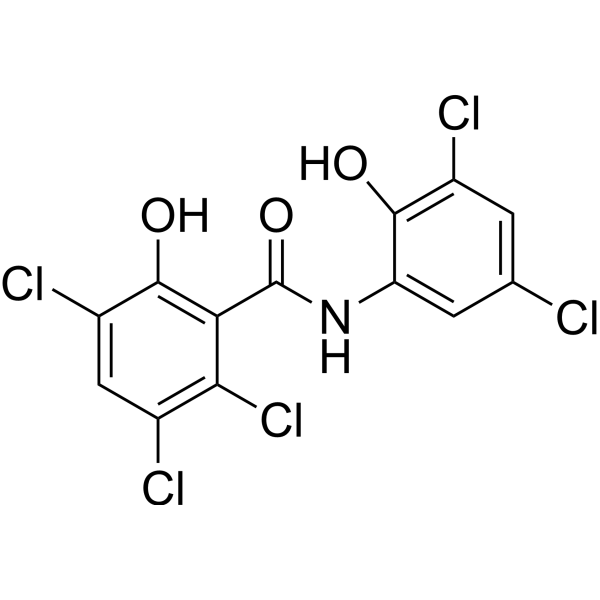
    Oxyclozanide is an orally active salicylanilide anthelmintic agent that mainly acts by uncoupling oxidative phosphorylation in flukes. Oxyclozanide shows good anti-adenovirus, anti-biofilm, antifungal, and antibacterial activity .
    Oxyclozanide
  • HY-17598
    Rafoxanide
    5+ Cited Publications

    Oxidative Phosphorylation Parasite p38 MAPK Raf Apoptosis Infection Cancer
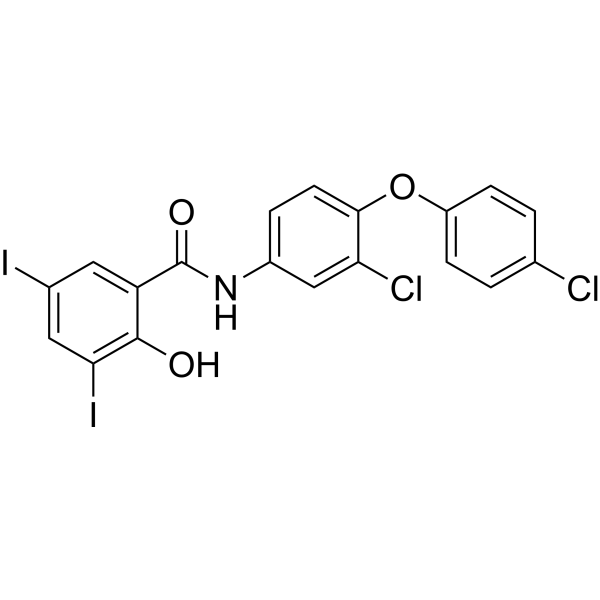
    Rafoxanide is a poent, orally active halogenated salicylaniline agent with antiparasitic activity. Rafoxanide interferes with energy metabolism in trematodes by uncoupling oxidative phosphorylation. Rafoxanide is also found to be a potent inhibitor of the BRAF V600E mutant protein, which is important in colorectal cancer. Rafoxanide can be used for the control of infestation with Hemonchus species or Fasciola species in sheep and cattle as well as Oestrus ovis in sheep. Rafoxanide can also be used for cancer research .
    Rafoxanide
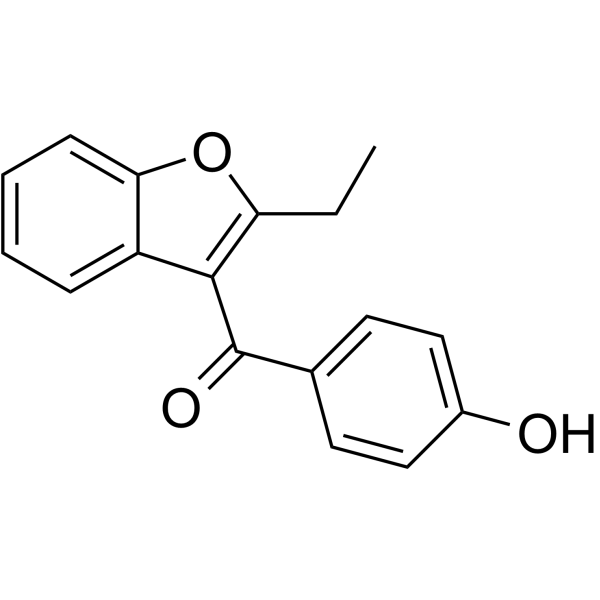
  • HY-W011711

    URAT1 Oxidative Phosphorylation Apoptosis Metabolic Disease
    Benzarone is an oral inhibitor of human urate transporter 1 (hURAT1) with an IC50 value of 2.8 μM, and it also acts as an uncoupler of oxidative phosphorylation. Benzarone can cause liver damage and promote cell apoptosis and necrosis. Benzarone can be used to lower serum uric acid levels and for research in vascular diseases .
    Benzarone
  • HY-13568

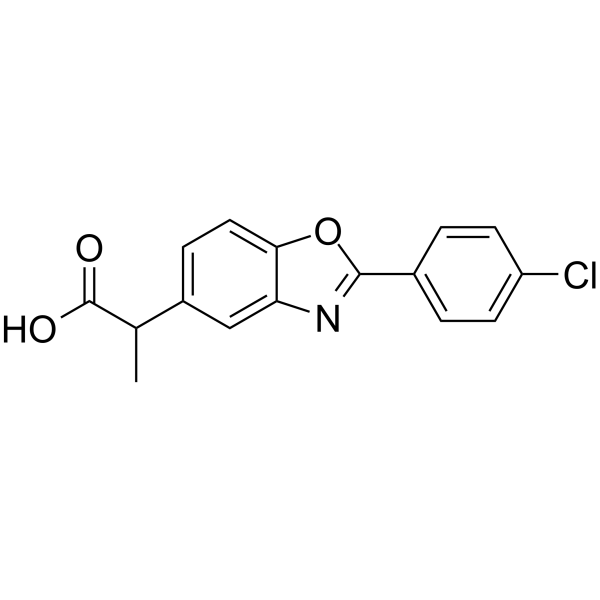
    LRCL 3794

    Cytochrome P450 COX Lipoxygenase PGE synthase Inflammation/Immunology
    Benoxaprofen (LRCL 3794) is a nonsteroidal anti-inflammatory agent that blocks the biosynthesis of inflammatory mediators such as leukotrienes and prostaglandins by inhibiting 5-LOX, PGH2 synthase and cytochrome P-450. Benoxaprofen exhibits significant toxicity: it not only alters cellular redox status, uncouples oxidative phosphorylation and disrupts calcium ion homeostasis, but also causes liver injury through the formation of covalent adducts between its active metabolites and hepatic proteins. Benoxaprofen shows strong phototoxicity under ultraviolet irradiation, and induces erythrocyte lysis, mast cell degranulation and histamine release. Benoxaprofen is widely used in studies of urticaria and related phototoxic mechanisms .
    Benoxaprofen
  • HY-P3003

    Potassium Channel Apoptosis Autophagy Reactive Oxygen Species (ROS) Mitochondrial Metabolism Infection Neurological Disease Metabolic Disease Inflammation/Immunology
    Cereulide is an orally active, blood-brain barrier-permeable emetic toxin. Cereulide acts as a potassium ionophore that inserts into membranes, forms complexes with K +, and transports K + from the cytoplasm into the mitochondrial matrix. Cereulide disrupts the electrochemical gradient of the inner mitochondrial membrane, leading to mitochondrial swelling and dysfunction, uncoupling of oxidative phosphorylation, inhibition of ATP synthesis, ROS accumulation, and ultimately triggering apoptosis and autophagy. Cereulide exhibits multi-organ toxicity and can be used for research on emetic food poisoning .
    Cereulide
  • HY-158421

    Oxidative Phosphorylation Mitochondrial Metabolism Cancer
    MS-L6 is a potent inhibitor of oxidative phosphorylation (OXPHOS) that can acts as electron transport chain complexes I (ETC-I) combining inhibition of NADH oxidation and uncoupling effect .
    MS-L6
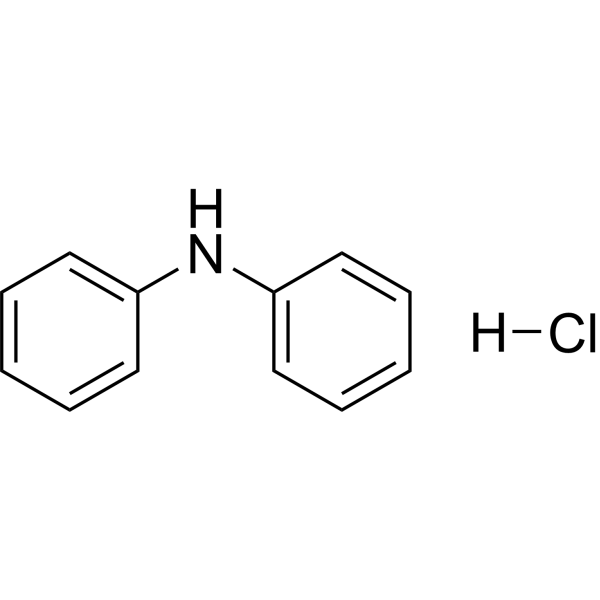
  • HY-N7133

    N-Phenylaniline hydrochloride

    Fungal Bacterial Metabolic Disease
    Diphenylamine hydrochloride (N-Phenylaniline hydrochloride) is an antihyperglycemic agent with oral activity and a common structure in non-steroidal anti-inflammatory drugs (NSAIDs) that uncouples oxidative phosphorylation in mitochondria, leading to a decrease in hepatic cell ATP levels and causing liver cell damage. Diphenylamine hydrochloride is also an industrial antioxidant, a dyeing mordant, and is used in agriculture as an antifungal and antibacterial agent .
    Diphenylamine hydrochloride
  • HY-B1729R

    Oxidative Phosphorylation Reference Standards Bacterial Fungal Infection
    Phenoxyethanol (Standard) is the analytical standard of Phenoxyethanol. This product is intended for research and analytical applications. Phenoxyethanol has a broad spectrum of antimicrobial agent. Phenoxyethanol is an uncouple agent in oxidative phosphorylation from respiration and competitively inhibits malate dehydrogenase. Phenoxyethanol is used as a preservative in cosmetic, vaccine, and textile, et al .
    Phenoxyethanol (Standard)
  • HY-100941R

    Carbonyl cyanide 3-chlorophenylhydrazone (Standard); Carbonyl Cyanide m-Chlorophenylhydrazone (Standard)

    Oxidative Phosphorylation PINK1/Parkin Reference Standards STING IFNAR Mitochondrial Metabolism Bacterial Apoptosis Inflammation/Immunology Cancer
    CCCP (Standard) is the analytical standard of CCCP. This product is intended for research and analytical applications. CCCP is an oxidative phosphorylation (OXPHOS) uncoupler. CCCP induces activation of PINK1 leading to Parkin Ser65 phosphorylation .
    CCCP (Standard)
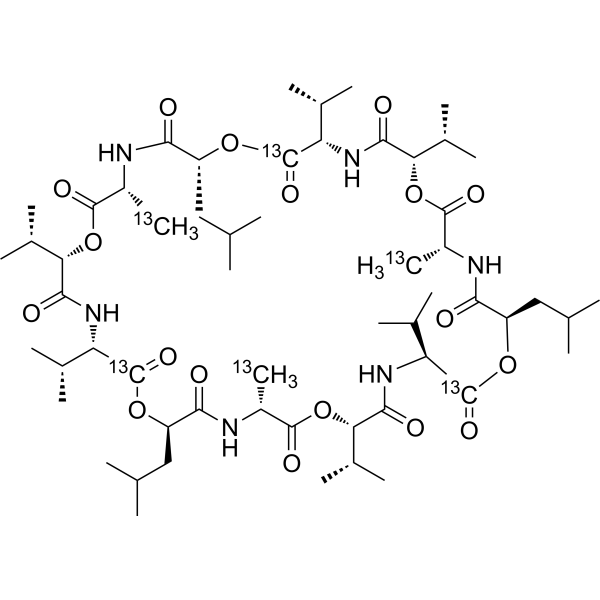
  • HY-P3003S

    Isotope-Labeled Compounds Apoptosis Potassium Channel Mitochondrial Metabolism Autophagy Reactive Oxygen Species (ROS) Infection Neurological Disease Metabolic Disease Inflammation/Immunology
    Cereulide- 13C6 is a deuterated form of Cereulide. Cereulide is an orally active, blood-brain barrier-permeable emetic toxin. Cereulide acts as a potassium ionophore that inserts into membranes, forms complexes with K +, and transports K + from the cytoplasm into the mitochondrial matrix. Cereulide disrupts the electrochemical gradient of the inner mitochondrial membrane, leading to mitochondrial swelling and dysfunction, uncoupling of oxidative phosphorylation, inhibition of ATP synthesis, ROS accumulation, and ultimately triggering apoptosis and autophagy. Cereulide exhibits multi-organ toxicity and can be used for research on emetic food poisoning.
    Cereulide-13C6
  • HY-100410R

    Carbonyl cyanide 4-(trifluoromethoxy)phenylhydrazone (Standard)

    Oxidative Phosphorylation PINK1/Parkin Reference Standards Mitochondrial Metabolism Cancer
    FCCP (Standard) is the analytical standard of FCCP. This product is intended for research and analytical applications. FCCP is an uncoupler of oxidative phosphorylation (OXPHOS) in mitochondria. FCCP induces activation of PINK1 leading to Parkin Ser65 phosphorylation .
    FCCP (Standard)
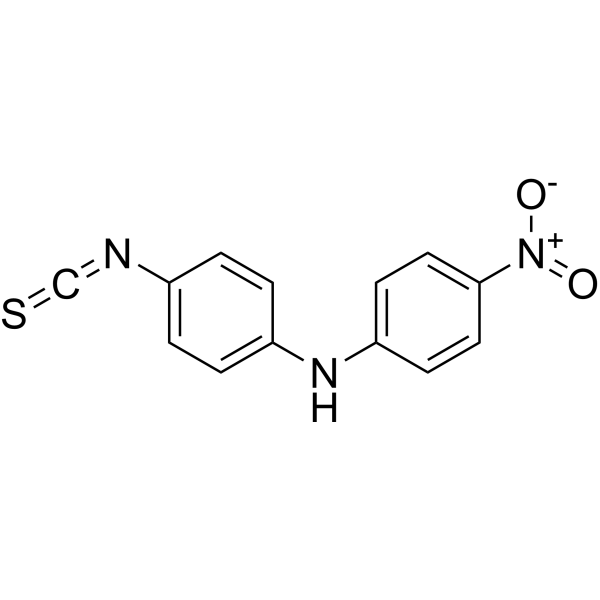
  • HY-129051

    CGP4540

    Parasite Oxidative Phosphorylation Others
    Amoscanate (cgp4540) is phenyl isothiocyanate in which the hydrogen at the para-position has been replaced by a 4-nitroanilinyl group. Amoscanate is an anti-schistosomal agent. Amoscanate, as an isothiocyanate compound and uncoupler of oxidative phosphorylation, potently injures rodent ependyma .
    Amoscanate
  • HY-17594R

    Oxidative Phosphorylation Reference Standards Parasite Bacterial Fungal Infection
    Oxyclozanide (Standard) is the analytical standard of Oxyclozanide. This product is intended for research and analytical applications. Oxyclozanide is an orally active salicylanilide anthelmintic agent that mainly acts by uncoupling oxidative phosphorylation in flukes. Oxyclozanide shows good anti-adenovirus, anti-biofilm, antifungal, and antibacterial activity .
    Oxyclozanide (Standard)
  • HY-N6687B

    A-23187 hemimagnesium; Antibiotic A-23187 hemimagnesium

    Oxidative Phosphorylation Antibiotic Bacterial Fungal Apoptosis Autophagy Infection Cancer
    Calcimycin (A-23187) hemimagnesium is an antibiotic and a unique divalent cation ionophore (like calcium and magnesium). Calcimycin hemimagnesium induces Ca 2+-dependent cell death by increasing intracellular calcium concentration. Calcimycin hemimagnesium inhibits the growth of Gram-positive bacteria and some fungi. Calcimycin hemimagnesium also inhibits the activity of ATPase and uncouples oxidative phosphorylation (OXPHOS) of mammalian cells. Calcimycin hemimagnesium induces apoptosis and autophagy .
    Calcimycin hemimagnesium
  • HY-121292

    Oxidative Phosphorylation Mitochondrial Metabolism Infection
    Clidanac is a potent anti-inflammatory agent. Clidanac can uncouple the oxidative phosphorylation and can be used for the research of rheumatoid arthritis .
    Clidanac
  • HY-B1729S1

    Isotope-Labeled Compounds Oxidative Phosphorylation Bacterial Fungal Infection
    Phenoxyethanol-d4 is the deuterium labeled Phenoxyethanol. Phenoxyethanol has a broad spectrum of antimicrobial agent. Phenoxyethanol is an uncouple agent in oxidative phosphorylation from respiration and competitively inhibits malate dehydrogenase. Phenoxyethanol is used as a preservative in cosmetic, vaccine, and textile, et al .
    Phenoxyethanol-d4
  • HY-B1729S

    Isotope-Labeled Compounds Oxidative Phosphorylation Bacterial Fungal Infection
    Phenoxyethanol-d2 is the deuterium labeled Phenoxyethanol . Phenoxyethanol has a broad spectrum of antimicrobial agent. Phenoxyethanol is an uncouple agent in oxidative phosphorylation from respiration and competitively inhibits malate dehydrogenase. Phenoxyethanol is used as a preservative in cosmetic, vaccine, and textile, et al .
    Phenoxyethanol-d2
  • HY-N6687R

    A-23187 (Standard); Antibiotic A-23187 (Standard)

    Oxidative Phosphorylation Reference Standards Bacterial Fungal Apoptosis Autophagy Antibiotic Infection Cancer
    Calcimycin (Standard) is the analytical standard of Calcimycin. This product is used for research and analytical applications. Calcimycin is an antibiotic and a unique divalent cation ionophore, such as calcium ions and magnesium ions. Calcimycin induces Ca 2+ -dependent cell death by increasing the intracellular calcium concentration. Calcimycin inhibits the growth of Gram-positive bacteria and some fungi, and also inhibits the activity of ATPase and uncouples the oxidative phosphorylation (OXPHOS) of mammalian cells, inducing apoptosis and autophagy.
    Calcimycin (Standard)
  • HY-N6687A

    A-23187 hemicalcium salt; Antibiotic A-23187 hemicalcium salt

    Oxidative Phosphorylation Bacterial Fungal Apoptosis Autophagy Antibiotic Infection Cancer
    Calcimycin (A-23187) hemicalcium salt is an antibiotic and a unique divalent cation ionophore (like calcium and magnesium). Calcimycin hemicalcium salt induces Ca 2+-dependent cell death by increasing intracellular calcium concentration. Calcimycin hemicalcium salt inhibits the growth of Gram-positive bacteria and some fungi. Calcimycin hemicalcium salt also inhibits the activity of ATPase and uncouples oxidative phosphorylation (OXPHOS) of mammalian cells. Calcimycin hemicalcium salt induces apoptosis and autophagy .
    Calcimycin hemicalcium salt
  • HY-17598R

    Oxidative Phosphorylation Reference Standards Parasite p38 MAPK Raf Apoptosis Infection Cancer
    Rafoxanide (Standard) is the analytical standard of Rafoxanide. This product is intended for research and analytical applications. Rafoxanide is a poent, orally active halogenated salicylaniline agent with antiparasitic activity. Rafoxanide interferes with energy metabolism in trematodes by uncoupling oxidative phosphorylation. Rafoxanide is also found to be a potent inhibitor of the BRAF V600E mutant protein, which is important in colorectal cancer. Rafoxanide can be used for the control of infestation with Hemonchus species or Fasciola species in sheep and cattle as well as Oestrus ovis in sheep. Rafoxanide can also be used for cancer research .
    Rafoxanide (Standard)
  • HY-W778179

    LRCL 3794-13C,d3

    Isotope-Labeled Compounds COX Cytochrome P450 Lipoxygenase PGE synthase Inflammation/Immunology
    Benoxaprofen- 13C, d3 is the 13C-labeled Benoxaprofen (HY-13568). Benoxaprofen (LRCL 3794) is a nonsteroidal anti-inflammatory agent that blocks the biosynthesis of inflammatory mediators such as leukotrienes and prostaglandins by inhibiting 5-LOX, PGH2 synthase and cytochrome P-450. Benoxaprofen exhibits significant toxicity: it not only alters cellular redox status, uncouples oxidative phosphorylation and disrupts calcium ion homeostasis, but also causes liver injury through the formation of covalent adducts between its active metabolites and hepatic proteins. Benoxaprofen shows strong phototoxicity under ultraviolet irradiation, and induces erythrocyte lysis, mast cell degranulation and histamine release. Benoxaprofen is widely used in studies of urticaria and related phototoxic mechanisms .
    Benoxaprofen-13C,d3
  • HY-13568R

    LRCL 3794 (Standard)

    Reference Standards COX Cytochrome P450 Lipoxygenase PGE synthase Inflammation/Immunology
    Benoxaprofen (Standard) is the analytical standard of Benoxaprofen. This product is intended for research and analytical applications. Benoxaprofen (LRCL 3794) is a nonsteroidal anti-inflammatory agent that blocks the biosynthesis of inflammatory mediators such as leukotrienes and prostaglandins by inhibiting 5-LOX, PGH2 synthase and cytochrome P-450. Benoxaprofen exhibits significant toxicity: it not only alters cellular redox status, uncouples oxidative phosphorylation and disrupts calcium ion homeostasis, but also causes liver injury through the formation of covalent adducts between its active metabolites and hepatic proteins. Benoxaprofen shows strong phototoxicity under ultraviolet irradiation, and induces erythrocyte lysis, mast cell degranulation and histamine release. Benoxaprofen is widely used in studies of urticaria and related phototoxic mechanisms .
    Benoxaprofen (Standard)
  • HY-183972

    Oxidative Phosphorylation Infection Others
    Desaspidin is an oxidative phosphorylation inhibitor and photophosphorylation inhibitor. Desaspidin uncouples mitochondrial oxidative phosphorylation, multiple chloroplast photophosphorylation pathways, and ATP synthesis linked to non-cyclic NADP reduction. Desaspidin can be used for the research of anthelmintic agent .
    Desaspidin
  • HY-W040305

    Environmental Pollutants Fungal Mitochondrial Metabolism Herbicide Infection
    2,6-Dichloro-4-nitroaniline is an orally active Herbicide, Fungicide and uncoupler. 2,6-Dichloro-4-nitroaniline uncouples oxidative phosphorylation and inhibits electron transport. 2,6-Dichloro-4-nitroaniline induces biphenyl hydroxylase activity in rat liver. 2,6-Dichloro-4-nitroaniline increases the relative liver weight of rats via hepatomegaly without altering their body weight .
    2,6-Dichloro-4-nitroaniline
  • HY-N6687C

    A-23187 hemicalcium hemimagnesium; Antibiotic A-23187 hemicalcium hemimagnesium

    Oxidative Phosphorylation Bacterial Fungal Apoptosis Autophagy Antibiotic Infection Cancer
    Calcimycin (A-23187) hemicalcium hemimagnesium is an antibiotic and a unique divalent cation ionophore (like calcium and magnesium). Calcimycin hemicalcium hemimagnesium induces Ca 2+-dependent cell death by increasing intracellular calcium concentration. Calcimycin hemicalcium hemimagnesium inhibits the growth of Gram-positive bacteria and some fungi. Calcimycin hemicalcium hemimagnesium also inhibits the activity of ATPase and uncouples oxidative phosphorylation (OXPHOS) of mammalian cells. Calcimycin hemicalcium hemimagnesium induces apoptosis and autophagy .
    Calcimycin hemicalcium hemimagnesium

Inquiry Online

Your information is safe with us. * Required Fields.

Salutation


Country or Region *

Applicant Name *


Organization Name *

Department *


Email Address *


Product Name *

Cat. No.


Requested quantity *

Phone Number *


Remarks

Inquiry Online

Inquiry Information

Product Name:
Cat. No.:
Quantity:
MCE Japan Authorized Agent:

