


107 Results for "

whole-cell biocatalytic biotransformation

" in MedChemExpress (MCE) Product Catalog:
Products (107)

107 Results for "whole-cell biocatalytic biotransformation" in MCE Product Catalog:

5
5 Cited Publications
Cat. No.: HY-B0753
CAS No.: 21187-98-4
Synonyms: S1702; SE1702
Target:  

Potassium Channel

Research Areas:  

Cardiovascular Disease

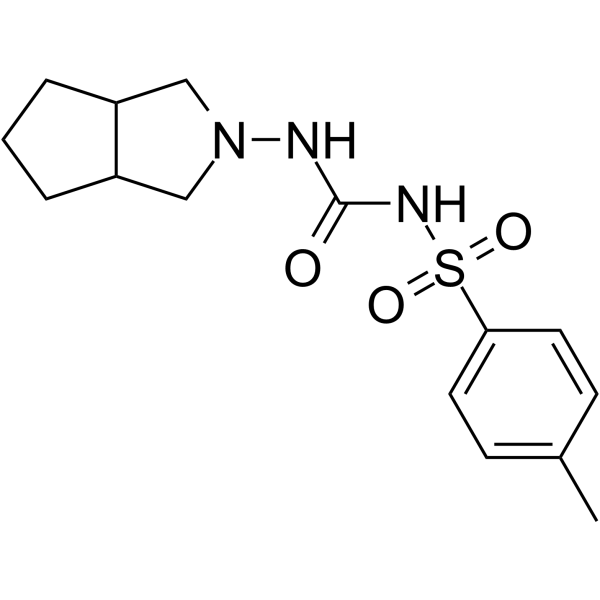
Gliclazide (S1702) is a whole-cell beta-cell ATP-sensitive potassium currents blocker with an IC50 of 184 nM. Gliclazide is used as an antidiabetic .
loading...
    loading...
2
2 Cited Publications
Cat. No.: HY-W134422
CAS No.: 9036-19-5
Synonyms: Polyoxyethylene octylphenol ether
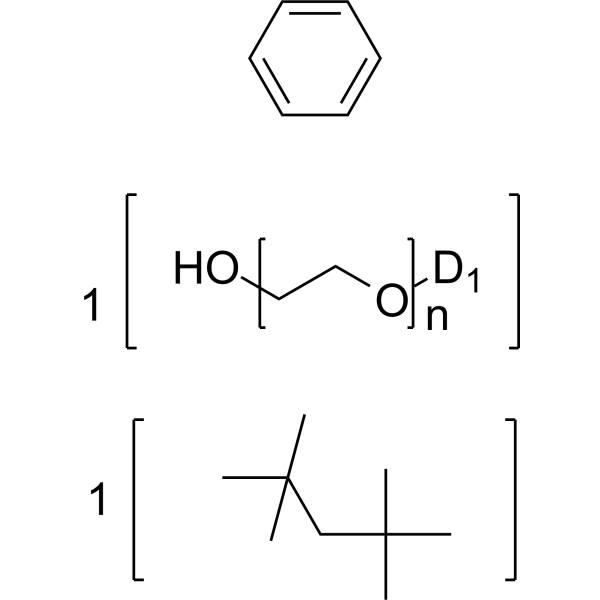
(1,1,3,3-Tetramethylbutyl)phenyl-polyethylene glycol X-114 is a surfactant. (1,1,3,3-Tetramethylbutyl)phenyl-polyethylene glycol X-114 is used to solubilize membranes and whole cells. A solution of (1,1,3,3-Tetramethylbutyl)phenyl-polyethylene glycol X-114 is homogeneous at 0 degrees C but separates in an aqueous phase and a detergent phase above 20 degrees C. (1,1,3,3-Tetramethylbutyl)phenyl-polyethylene glycol X-114 can be used in phase separation studies .
loading...
    loading...
2
2 Cited Publications
Cat. No.: HY-P2848
CAS No.: 9028-76-6
Synonyms: ChOx, Microorganism
Target:  

Xanthine Oxidase

Research Areas:  

Infection Metabolic Disease

Cholesterol oxidase, Microorganism (ChOx, Microorganism) (EC 1.1.3.6) is a cholesterol oxidase identified from bacterial sources. Cholesterol oxidase, Microorganism catalyzes the oxidation of cholesterol to 4-cholesten-3-one, while simultaneously reducing oxygen to hydrogen peroxide. Cholesterol oxidase, Microorganism retains its enzymatic activity and exhibits improved catalytic efficiency upon immobilization. Cholesterol oxidase, Microorganism is applicable for cholesterol detection, steroid biotransformation, and research on tuberculosis-related diseases .
loading...
    loading...
1
1 Cited Publications
Cat. No.: HY-B0952
CAS No.: 123-82-0
Synonyms: Tuaminoheptane
Target:  

Adrenergic Receptor

Research Areas:  

Neurological Disease

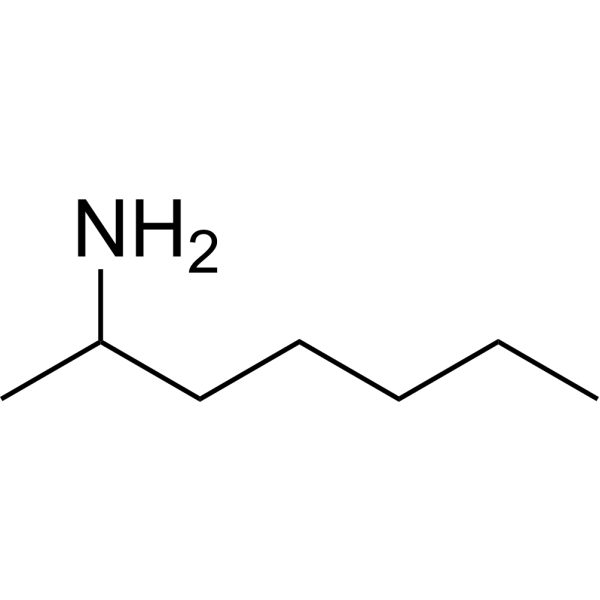
2-Aminoheptane (Tuaminoheptane) is a norepinephrine transporter inhibitor. 2-Aminoheptane binds to norepinephrine transporter via ionic and hydrophobic interactions to block norepinephrine uptake. 2-Aminoheptane deactivates ω-TAmla enzyme, reduces recombinant whole cell stability, and acts as an amino group donor substrate for ω-TA and ω-TAmla enzymes. 2-Aminoheptane can be used in research on depression and Alzheimer's disease .
loading...
    loading...
1
1 Cited Publications
Cat. No.: HY-109066
CAS No.: 1628732-62-6
Purity:  98.44%
Synonyms: IW-1701
Target:  

Guanylate Cyclase

Research Areas:  

Cardiovascular Disease

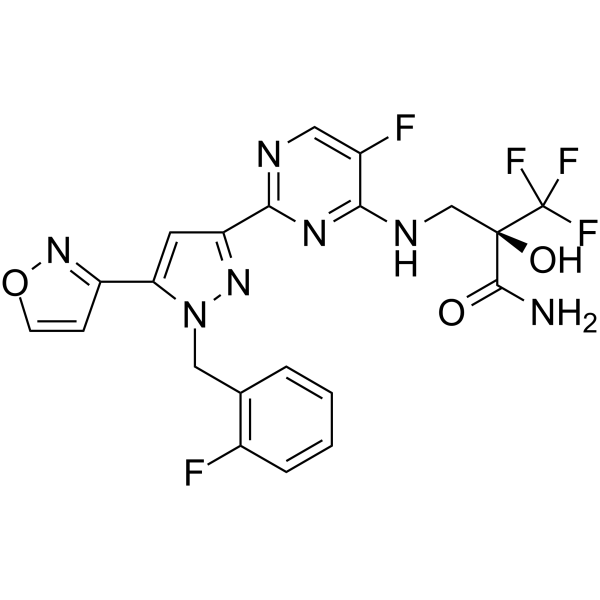
Olinciguat (IW-1701) is an oral guanylate cyclase (sGC) stimulator with concentration-dependent stimulation of sGC in purified rat and human enzyme assays and a whole cell assay .
loading...
    loading...
1
1 Cited Publications
Cat. No.: HY-10615
CAS No.: 272769-49-0
Target:  

PARP

Research Areas:  

Cancer

A-620223 is a PARP-1 inhibitor with a Ki of 8 nM against PARP-1 and EC50 of 3 nM in a whole cell assay. A-620223 demonstrates good in vivo efficacy in a B16F10 subcutaneous murine melanoma model in combination with Temozolomide (TMZ) (HY-17364) and in an MX-1 breast xenograph model in combination with Cisplatin (HY-17394). A-620223 can be used for the studies of melanoma and breast cancer .
loading...
    loading...
Cat. No.: HY-N7059
CAS No.: 96-82-2
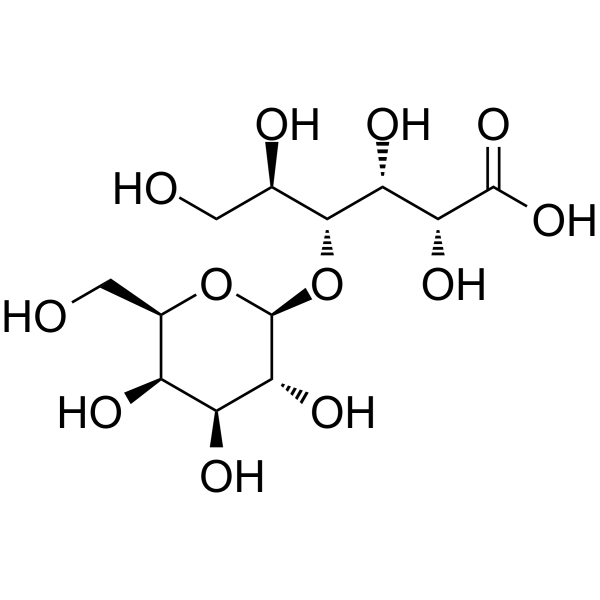
Lactobionic acid is a bionic acid that can be naturally found in the Caspian Sea yogurt and chemically constituted of a gluconic acid bonded to a galactose. Lactobionic acid has antioxidant, antimicrobial, chelating, stabilizer, acidulant, and moisturizing properties. Lactobionic acid can be obtained by electrolytic methods, microbial fermentation or biocatalytic approaches. Lactobionic acid can be used in foodstuffs, to produce new functional products and against food-borne pathogens. Lactobionic acid inhibits DNA repair and protein synthesis, induction of oxidative stress and inhibition of metabolic pathways against MRSA .
loading...
    loading...
Cat. No.: HY-146248B
Purity:  98.02%
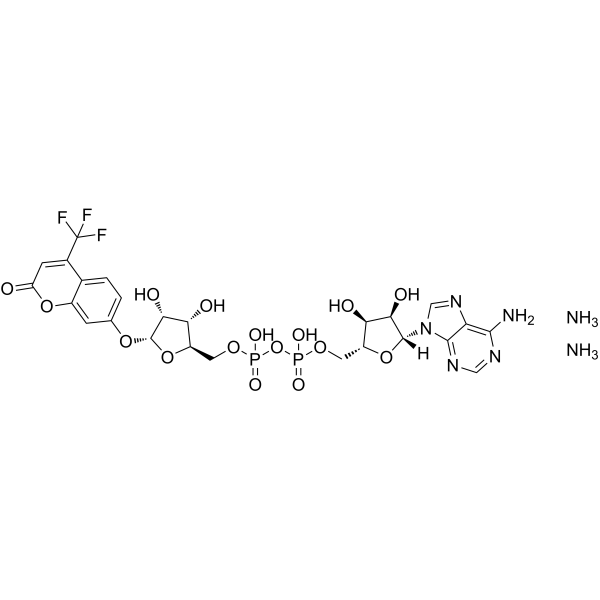
TFMU-ADPr diammonium is a selective reporter substrate of SARS-CoV-2 Macro1 (IC50=0.59 μM), with an excitation wavelength (λEx) of 385 nm, and an emission wavelength (λEm) of 502 nm (or 495 nm). TFMU-ADPr diammonium can also undergo enzymatic hydrolysis with Poly(ADP-ribose) Glycohydrolase (PARG) sourced from human, Tetrahymena thermophila and ADP-ribosylhydrolase 3 from human to release fluorophores, thereby directly reporting total poly (ADP-ribose) hydrolase activity. TFMU-ADPr diammonium binds to the ADPr-binding site of SARS-CoV-2 Macro1, and its TFMU moiety inserts into the narrow hydrophobic groove of this protein. TFMU-ADPr diammonium can thus be used to evaluate small-molecule inhibitors targeting PAR hydrolases under in vitro conditions, to investigate the regulatory mechanisms of ADP-ribosyl catabolic enzymes, or to detect PAR hydrolase activity in whole-cell lysate assays. TFMU-ADPr diammonium is also applicable to COVID-19-related research .
loading...
    loading...
Cat. No.: HY-W015590
CAS No.: 614-75-5
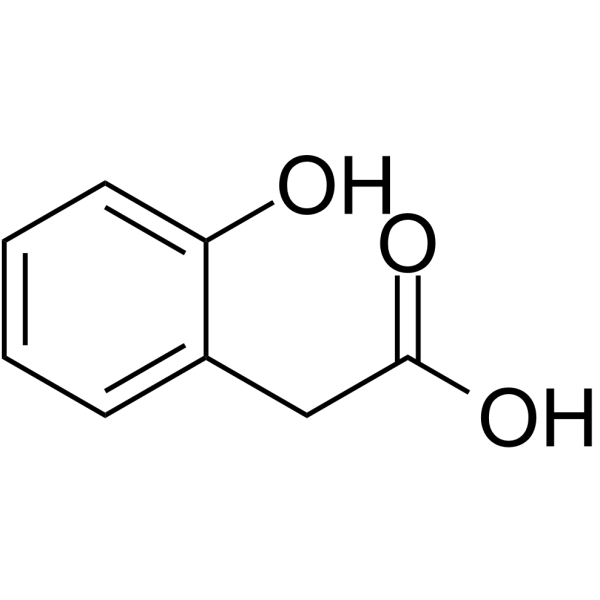
2-Hydroxyphenylacetic acid is a metabolite of Phenylalanine and Tyrosine, as well as a product of the biotransformation of Phenylacetonitrile by marine fungi. 2-Hydroxyphenylacetic acid acts as a potential biomarker for food. 2-Hydroxyphenylacetic acid slightly induces the expression of green fluorescent protein. 2-Hydroxyphenylacetic acid is used in the research of phenylketonuria and related hyperphenylalaninemia .
loading...
    loading...
Cat. No.: HY-70068
CAS No.: 288150-92-5
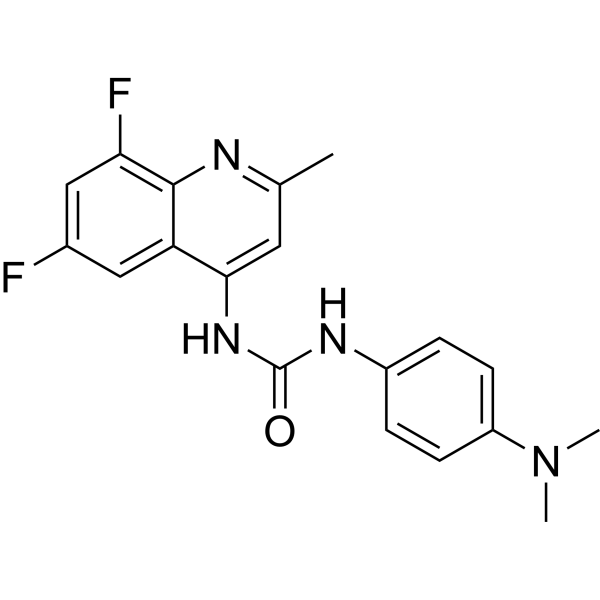
SB-408124 is a non-peptide OX1 receptor antagonist with Kis of 57 nM and 27 nM in whole cell and membrane, respectively. SB-408124 exhibits 50-fold selectivity over OX2 receptor .
loading...
    loading...
Cat. No.: HY-P3263
CAS No.: 39346-34-4
Synonyms: L-Glutamate oxidase
Research Areas:  

Others

Glutamate oxidase (L-Glutamate oxidase) is a FAD-dependent oxidase with high substrate selectivity. Glutamate oxidase catalyzes the oxidative deamination of L-glutamate using O2 to produce α-ketoglutarate (α-KG), NH3, and H2O2. Glutamate oxidase is applicable to research related to the biocatalytic production of α-KG and the analytical detection of L-glutamate .
loading...
    loading...
Cat. No.: HY-P2816
CAS No.: 37278-89-0
Research Areas:  

Others

Xylanase is an enzyme targeting 1,4-β-D-xylan that randomly cleaves the β-1,4 backbone of xylan, a complex polysaccharide in plant cell walls. Xylanase finds applications in the food, feed and industrial sectors, including pulp and paper processing, baking, animal feed improvement, and biotransformation of waste .
loading...
    loading...
Cat. No.: HY-145301
CAS No.: 65840-95-1
Target:  

Bacterial

Research Areas:  

Infection

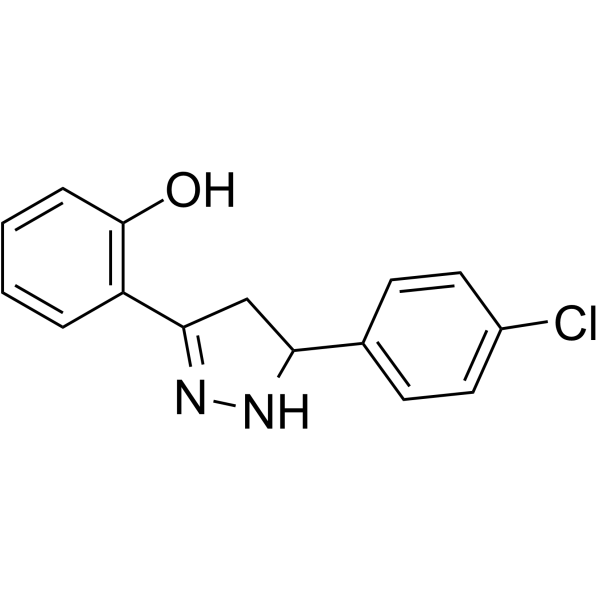
Mycobactin-IN-1, a pyrazoline analogue, is a mycobactin biosynthesis inhibitor against mycobacteria. Mycobactin-IN-1 binds to salicyl-AMP ligase (MbtA), a key enzyme in the mycobactin biosynthetic pathway. Mycobactin-IN-1 inhibits whole-cell drug efflux pumps in M. smegmatis. Mycobactin-IN-1 eradicates intracellularly surviving mycobacteria. Mycobactin-IN-1 shows an excellent in vivo pharmacokinetic profile. Mycobactin-IN-1 can be used for the research of tuberculosis .
loading...
    loading...
Cat. No.: HY-146248
CAS No.: 2412923-11-4
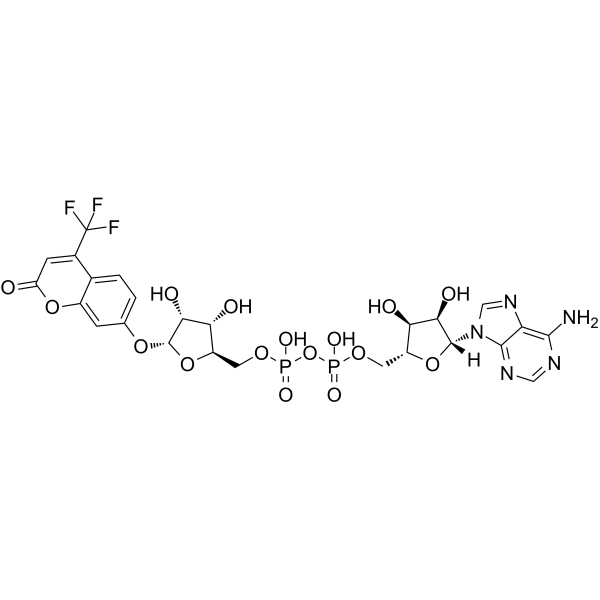
TFMU-ADPr is a selective reporter substrate of SARS-CoV-2 Macro1 (IC50=0.59 μM), with an excitation wavelength (λEx) of 385 nm, and an emission wavelength (λEm) of 502 nm (or 495 nm). TFMU-ADPr can also undergo enzymatic hydrolysis with Poly(ADP-ribose) Glycohydrolase (PARG) sourced from human, Tetrahymena thermophila and ADP-ribosylhydrolase 3 from human to release fluorophores, thereby directly reporting total poly (ADP-ribose) hydrolase activity. TFMU-ADPr binds to the ADPr-binding site of SARS-CoV-2 Macro1, and its TFMU moiety inserts into the narrow hydrophobic groove of this protein. TFMU-ADPr can thus be used to evaluate small-molecule inhibitors targeting PAR hydrolases under in vitro conditions, to investigate the regulatory mechanisms of ADP-ribosyl catabolic enzymes, or to detect PAR hydrolase activity in whole-cell lysate assays. TFMU-ADPr is also applicable to COVID-19-related research .
loading...
    loading...
Cat. No.: HY-P2800
CAS No.: 9001-18-7
Research Areas:  

Others

Diaphorase, Recombinant microorganisms can be obtained from anaerobic sludge organisms. Diaphorase catalyzes biotransformation of hexahydro-1,3, 5-trinitro-1,3, 5-triazine (RDX) by denitrification .
loading...
    loading...
Cat. No.: HY-106405
CAS No.: 274925-86-9
Purity:  99.89%
Synonyms: BIA 3-202
Target:  

COMT

Research Areas:  

Metabolic Disease

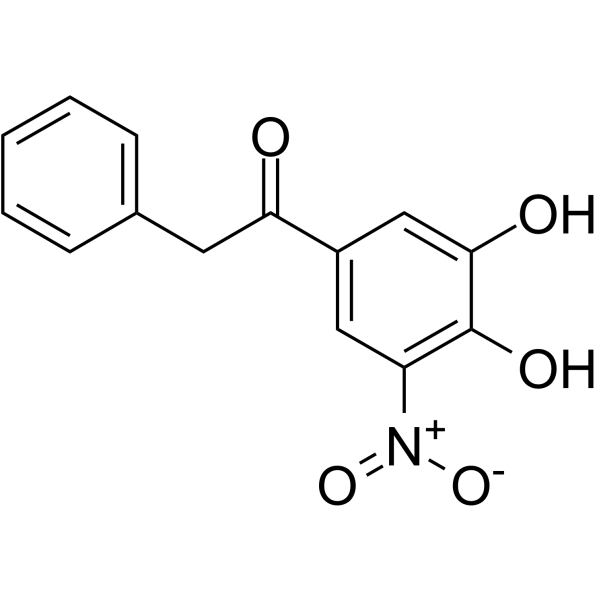
Nebicapone (BIA 3-202), a reversible catechol-O-methyltransferase (COMT) inhibitor, is mainly metabolized by glucuronidation. Nebicapone is mainly peripherally acting inhibitor that decreases the biotransformation of L-DOPA to 3-O-methyl-DOPA by inhibition of COMT, and it is potential for the treatment of Parkinson's disease .
loading...
    loading...
Cat. No.: HY-137896
CAS No.: 51023-76-8
Purity:  94.37%
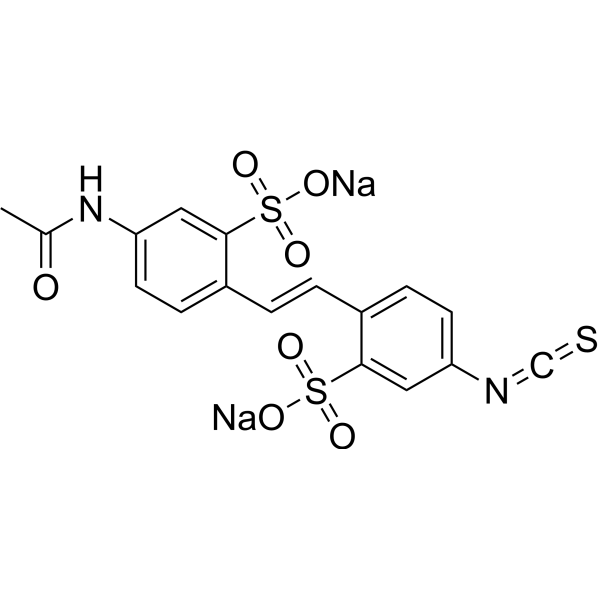
4-Acetamido-4'-isothiocyanatostilbene-2,2'-disulfonic acid disodium is a fluorescent dye. 4-Acetamido-4'-isothiocyanatostilbene-2,2'-disulfonic acid disodium can be used to demonstrate retrograde axonal transport to label secondary antibodies and as a fluorescent whole cell stain .
loading...
    loading...
Cat. No.: HY-W013058
CAS No.: 84852-53-9
Synonyms: DBDPE; 1,2-Bis(perbromophenyl)ethane
Research Areas:  

Cancer

Decabromodiphenyl ethane (DBDPE) is a brominated flame retardant. Decabromodiphenyl ethane induces ROS-related cytotoxicity and apoptosis in human hepatoma cells, causes hepatocyte damage through oxidative stress, endoplasmic reticulum stress and decreased CYP3A expression, and accumulates and undergoes biotransformation in animal tissues. Decabromodiphenyl ethane can be used to study the environmental toxicology and biological effects of brominated flame retardants .
loading...
    loading...
Cat. No.: HY-108585A
CAS No.: 1222810-74-3
Purity:  98.81%
Target:  

Potassium Channel

Research Areas:  

Neurological Disease

VU591 is a selective inhibitor of the renal outer medullary potassium channel (ROMK, Kir1.1). VU591 inhibits ROMK via binding to the intracellular pore region near residues Val168 and Asn171, with IC50 of 240 nM in Tl + flux assay and 300 nM in whole cell patch clamp electrophysiology, suppresses native ROMK mediated K + secretion in isolated perfused rat collecting ducts, and exerts antidepressive effects in the mouse tail suspension test (TST). VU591 can be used for the study of ROMK channel function, renal potassium handling, antidepressant mechanisms, and diuretic drug discovery .
loading...
    loading...
Cat. No.: HY-131116
CAS No.: 3572-64-3
Purity:  99.26%
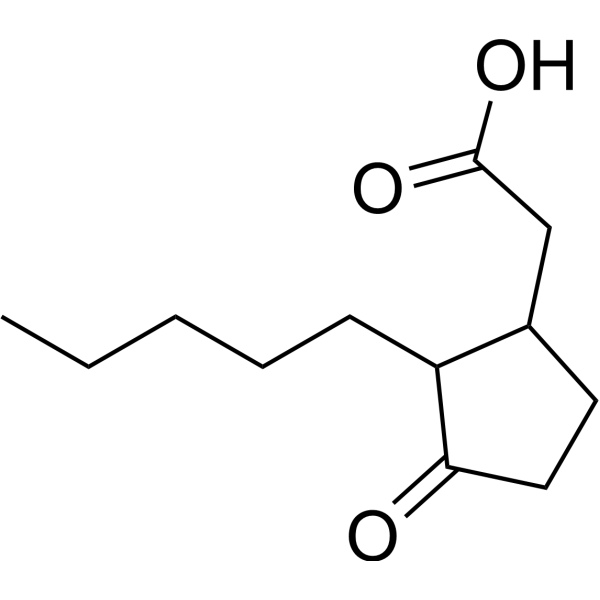
Dihydrojasmonic acid is a pentacyclic oxygen-containing lipid plant growth regulator related to Jasmonic acid (HY-122464), with activities including growth inhibition, promotion of leaf senescence, and induction of the accumulation of some plant secondary metabolites . Dihydrojasmonic acid serves as a substrate for metabolic modification and undergoes biotransformation via side-chain hydroxylation, glycosylation, and amino acid conjugation in the aerial parts and seedlings of barley (Hordeum vulgare). Dihydrojasmonic acid inhibits the growth of dwarf rice seedlings and can induce the synthesis of secondary metabolites in some plant cell culture species, with its activity being species-dependent. Dihydrojasmonic acid is involved in studies related to the regulation of plant growth and development .
loading...
    loading...

