



Cancer Targeted Therapy
Cancer targeted therapy is the foundation of precision medicine; it uses drugs or other substances to target specific genes and proteins that control cancer cells’ growth, division and spreading. Compared to traditional chemotherapy drugs, targeted-drugs can specifically act on cancer cells with high efficacy without damaging normal cells. Drugs used in cancer targeted therapy mainly includes small molecules and macromolecules (e.g., monoclonal antibodies), which can target cancer cells and constituents in the tumor microenvironment to activate the immune system. Anti-angiogenesis drugs, such as those targeting vascular endothelial growth factor (VEGF), epidermal growth factor receptor (EGFR), transforming growth factor (TGF)-α, TGF-β, Tumor necrosis factor (TNF)-α, and platelet-derived endothelial growth factor (PDGFR) inhibit the proliferation and metastasis of cancer cells. In recent years, the proportion of antibody drugs in cancer treatment has gradually become prominent. Antibody-drug conjugates (ADCs) are a new type of targeted drugs that are composed of monoclonal antibody, cytotoxic drug and linker. ADCs can deliver drugs to tumor cells and minimize the toxicity to normal tissues. Proteolysis-targeting chimera (PROTAC) is a useful technology for targeted protein degradation. PROTAC exploits the ubiquitin-proteasome system and forms a ternary complex with a hijacked E3 ubiquitin ligase and target protein, leading to polyubiquitination and degradation of the target protein.
Targeted therapy is a useful strategy in treatment of cancer either alone or in combination with standard chemotherapy. At present, targeted therapy has proved significant clinical success in the treatment of many types of cancer, including breast cancer, colorectal cancer, leukemia, ovarian cancer and lung cancer.
-
ISIS 5132 sodium scrambled negative control
 0 ImagesCat. No.: HY-153490C
ISIS 5132 sodium scrambled negative control is the sequence scrambled negative control of ISIS 5132 sodium.
-
Anticancer agent 160
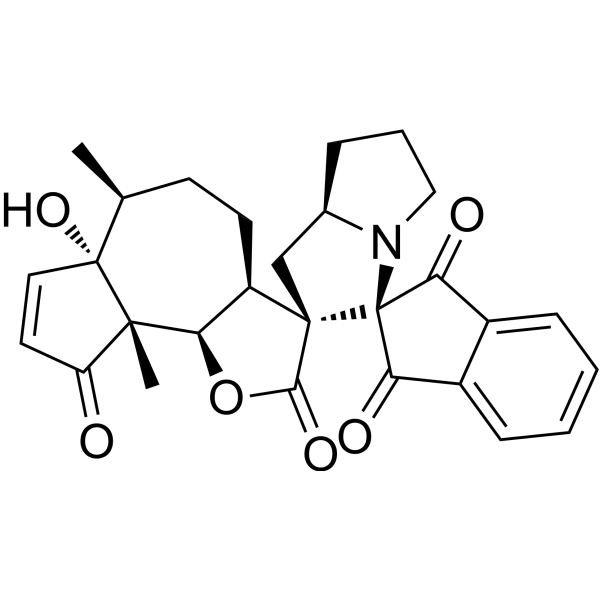 0 ImagesCat. No.: HY-156186CAS No.: 2983122-03-6
Anticancer agent 160 (Compound 6) is a natural product derived from Parthenium hysterophorus. Anticancer agent 160 is cytotoxic to HCT-116 cells, IC50=5.0 μM.
-
ICT10336
 0 ImagesCat. No.: HY-161838
ICT10336 is a hypoxia-responsive prodrug of ATR inhibitor, AZD6738 (HY-19323). ICT10336 is hypoxia-activated and specifically releases AZD6738 only in hypoxic conditions in vitro. This can inhibit ATR activation (T1989 and S428 phosphorylation) and subsequently abrogate HIF1a-mediated adaptation of hypoxic cancers cells, thus selectively inducing cell death in 2D and 3D cancer models. ICT10336 is a metabolic substrate of CYPOR activity.
-
VH032-NH-CO-CH2-NHBoc
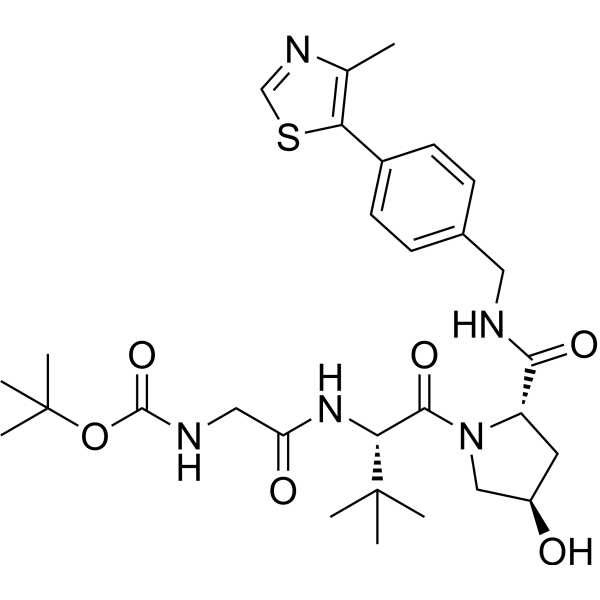 0 ImagesCat. No.: HY-W584525CAS No.: 2010986-19-1
VH032-NH-CO-CH2-NHBoc is a Boc-modified VH032 (HY-120217) that acts as a ligand for VHL to recruit von Hippel-Lindau (VHL) proteins. VH032-NH-CO-CH2-NHBoc will remove the Boc protection under acidic conditions, and connect with the target protein ligand through a linker to form a PROTAC molecule, which is a key intermediate for the synthesis of PROTAC based on VHL ligand.
-
Balsalazide-d4
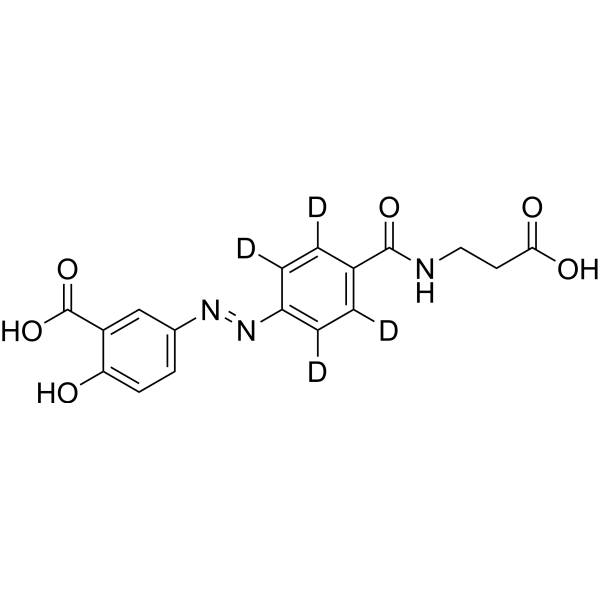 0 Images
Balsalazide-d4 is deuterium labeled Balsalazide. Balsalazide could suppress colitis-associated carcinogenesis through modulation of IL-6/STAT3 pathway.
-
Acetic acid lead
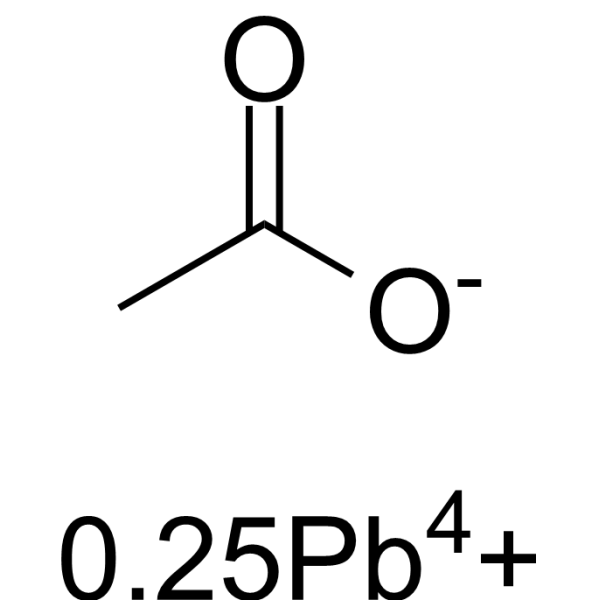 0 Images
Acetic acid lead is a carboxylic acid and short-chain fatty acid (SCFAs). Magnesium acetate tetrahydrate activates AMPK, increases ROS, cleaved caspase 9, PPARα, downregulates SREBP-1c, ChREBP expression. Acetic acid lead exhibits antifungal activity against Saccharomyces cerevisiae W303-1A. Acetic acid lead regulates energy metabolism. Acetic acid lead has anticancer activity against gastric cancer. Acetic acid lead induces writhing reaction and ulcerative colitis. Acetic acid lead can be used in the researches for gastric cancer, ulcerative colitis, hepatic steatosis, and pain.
-
Ald-Ph-amido-PEG3-C1-Boc
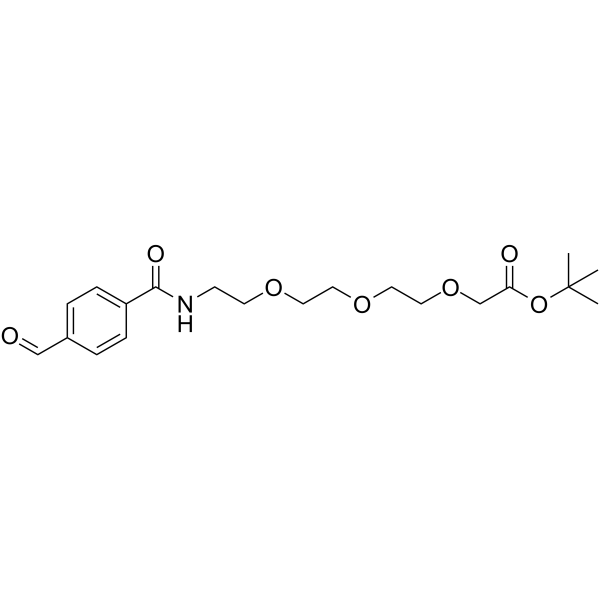 0 ImagesCat. No.: HY-130100CAS No.: 1007215-94-2
Ald-Ph-amido-PEG3-C1-Boc is an ADC linker, which belongs to a polyethylene glycol (PEG) linker.
-
hsa-miR-548au-5p inhibitor
 0 ImagesCat. No.: HY-RI01663
hsa-miR-548au-5p inhibitors are chemically-modified oligonucleotides that hybridize with mature miRNAs. The miRNA inhibitors have full-length nucleotide 2'-methoxy modification. The miRNA inhibitors strongly compete with mature miRNAs to prevent the complementary pairing of miRNAs and their target genes, thereby inhibiting miRNAs from functioning.
-
hsa-miR-6861-3p antagomir
 0 ImagesCat. No.: HY-RI02283A
hsa-miR-6861-3p antagomirs are chemically-modified oligonucleotides that hybridize with mature miRNAs. The miRNA antagomirs have 2 phosphorothioates at the 5' end, 4 phosphorothioates at the 3' end, 1 cholesterol group at the 3' end, and full-length nucleotide 2'-methoxy modification. The miRNA antagomirs strongly compete with mature miRNAs to prevent the complementary pairing of miRNAs and their target genes, thereby inhibiting miRNAs from functioning. Stability of miRNA antagomirs appears to be significantly higher than miRNA inhibitors, they exhibits enhanced cellular uptake, stability and regulatory activity in vivo.
-
mmu-miR-3060-3p antagomir
 0 ImagesCat. No.: HY-RI02905A
mmu-miR-3060-3p antagomirs are chemically-modified oligonucleotides that hybridize with mature miRNAs. The miRNA antagomirs have 2 phosphorothioates at the 5' end, 4 phosphorothioates at the 3' end, 1 cholesterol group at the 3' end, and full-length nucleotide 2'-methoxy modification. The miRNA antagomirs strongly compete with mature miRNAs to prevent the complementary pairing of miRNAs and their target genes, thereby inhibiting miRNAs from functioning. Stability of miRNA antagomirs appears to be significantly higher than miRNA inhibitors, they exhibits enhanced cellular uptake, stability and regulatory activity in vivo.
-
mmu-miR-6905-3p antagomir
 0 ImagesCat. No.: HY-RI03530A
mmu-miR-6905-3p antagomirs are chemically-modified oligonucleotides that hybridize with mature miRNAs. The miRNA antagomirs have 2 phosphorothioates at the 5' end, 4 phosphorothioates at the 3' end, 1 cholesterol group at the 3' end, and full-length nucleotide 2'-methoxy modification. The miRNA antagomirs strongly compete with mature miRNAs to prevent the complementary pairing of miRNAs and their target genes, thereby inhibiting miRNAs from functioning. Stability of miRNA antagomirs appears to be significantly higher than miRNA inhibitors, they exhibits enhanced cellular uptake, stability and regulatory activity in vivo.
-
mmu-miR-8103 antagomir
 0 ImagesCat. No.: HY-RI04151A
mmu-miR-8103 antagomirs are chemically-modified oligonucleotides that hybridize with mature miRNAs. The miRNA antagomirs have 2 phosphorothioates at the 5' end, 4 phosphorothioates at the 3' end, 1 cholesterol group at the 3' end, and full-length nucleotide 2'-methoxy modification. The miRNA antagomirs strongly compete with mature miRNAs to prevent the complementary pairing of miRNAs and their target genes, thereby inhibiting miRNAs from functioning. Stability of miRNA antagomirs appears to be significantly higher than miRNA inhibitors, they exhibits enhanced cellular uptake, stability and regulatory activity in vivo.
-
3’-Deoxy-O6-methyl inosine
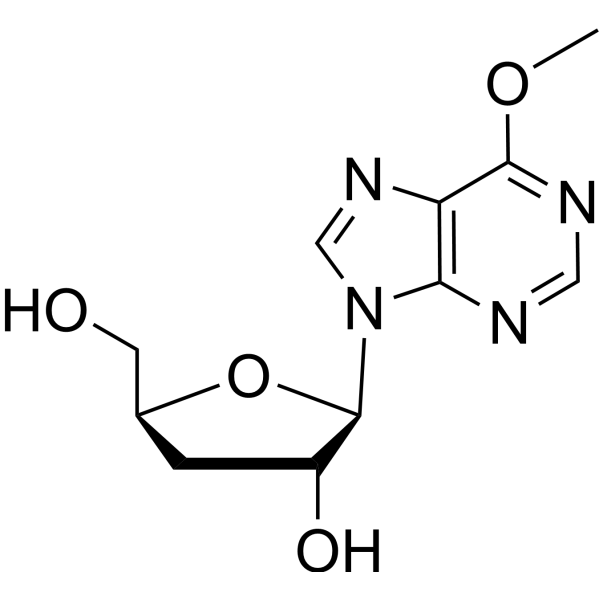 0 ImagesCat. No.: HY-154201CAS No.: 945215-53-2
3’-Deoxy-O6-methyl inosine is a purine nucleoside analog. Purine nucleoside analogs have broad antitumor activity targeting indolent lymphoid malignancies. Anticancer mechanisms in this process rely on inhibition of DNA synthesis, induction of apoptosis, etc.
-
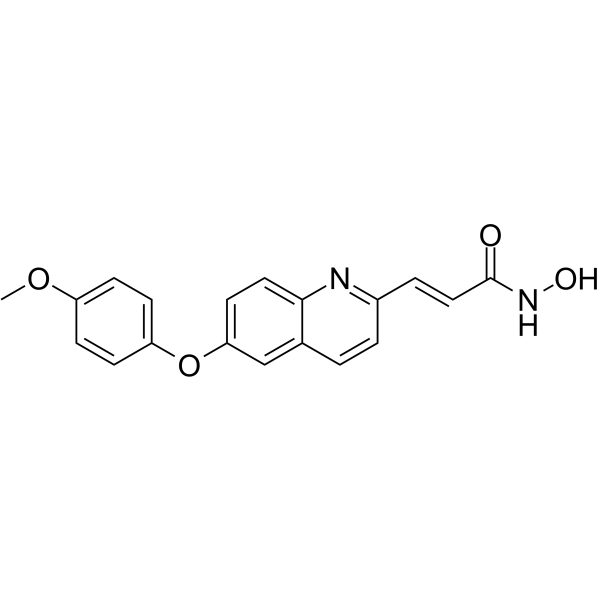
CD38-IN-4
 0 ImagesCat. No.: HY-156789CAS No.: 524055-93-4
CD38-IN-4 is a CD38 inhibitor. CD38-IN-4 inhibits CD38 hydrolase enzymatic activity through mixed inhibition kinetics, binding partially inside and partially outside the NAD+ catalytic pocket. CD38-IN-4 acts as a DNA-binding agent. CD38-IN-4 can be used for research on neuroblastoma.
-
Nonylbenzene-PEG5-OH
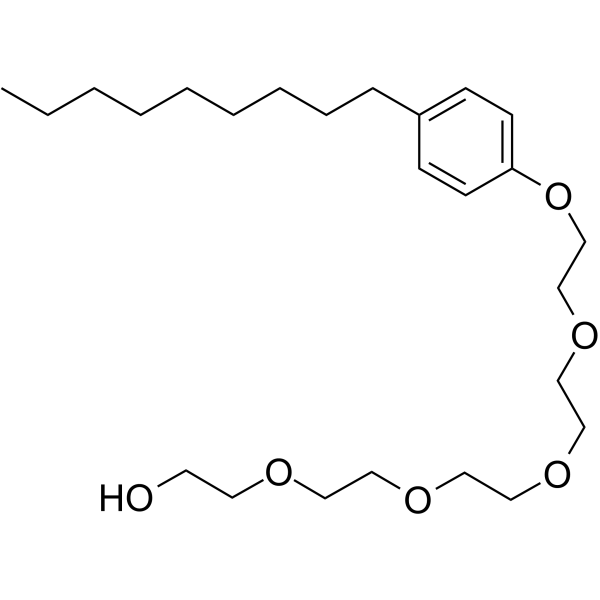 0 ImagesCat. No.: HY-W096105CAS No.: 20636-48-0
-
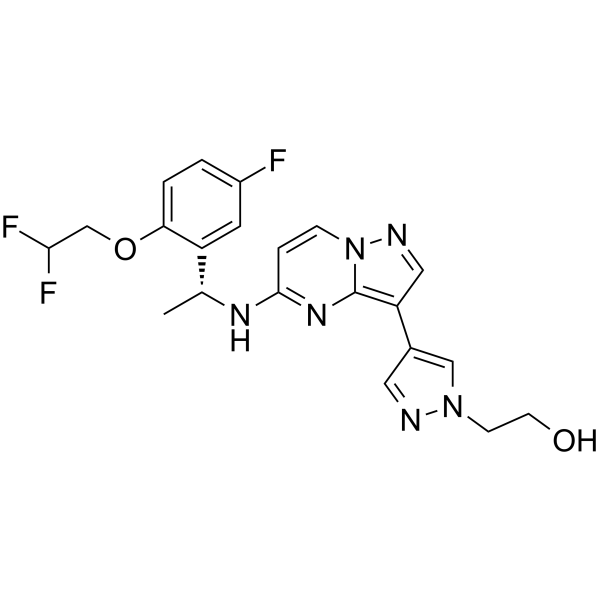
Trk-IN-6
 0 ImagesCat. No.: HY-139891CAS No.: 2489327-43-5
Trk-IN-6 shows excellent in vitro potency on a panel of TRK mutants (IC50 = 0.2-0.7 nM).
-
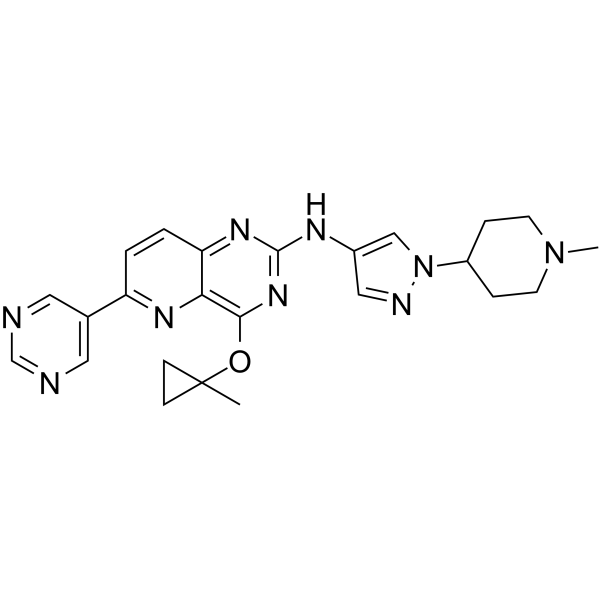
IRAK4-IN-13
 0 ImagesCat. No.: HY-146111CAS No.: 2667681-57-2
IRAK4-IN-13 (compound 21) is a potent and selective IRAK4 inhibitor with an IC50 of 0.6 nM. IRAK4-IN-13 shows high metabolic clearance with human liver microsomes (HLM) intrinsic clearance is 96 µL/min/mg.
-
HDAC3/BRD4-IN-1
 0 ImagesCat. No.: HY-170841
HDAC3/BRD4-IN-1 (compound 26n) is an inhibitor of HDAC3/BRD4 with an IC50 of 8 nM for HDAC3 (IC50s are 220 nM and 120 nM for HDAC1 and HDAC2, respectively). HDAC3/BRD4-IN-1 has anti-tumor and anti-proliferative effects by upregulating Ac-H3 and downregulating c-Myc. The half-life of HDAC3/BRD4-IN-1 in human liver microsomes is 29.36 min.



