Endocrinology
-
Endocrinology Related Products (3775)
Related Products (3775)

-
Antibodies (4)
-
Related Compound Screening Libraries (1)
-
CL-387785
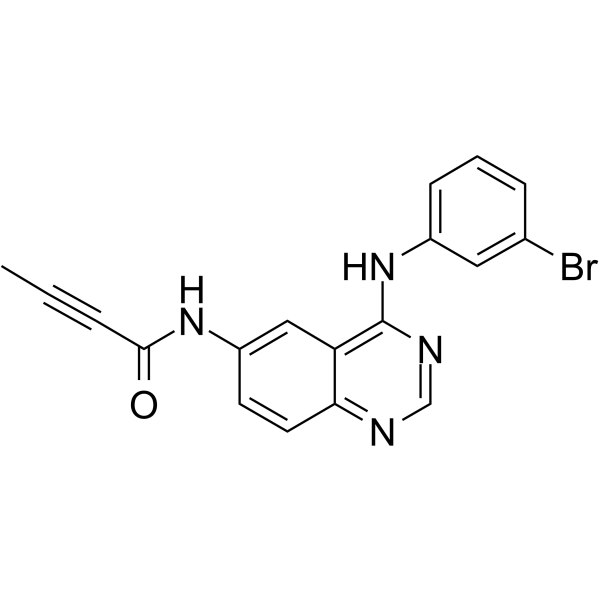 0 ImagesSynonyms: EKI-785; WAY-EKI 785
CL-387785 (EKI-785; WAY-EKI 785) is an orally active EGFR inhibitor with an IC50 of 370 pM. CL-387785 inhibits EGF-stimulated EGFR autophosphorylation with an IC50 of approximately 5 nM. CL-387,785 exerts selective inhibition on cell lines overexpressing EGFR or c-erbB-2, whereas it shows weak inhibitory effects on cell lines with low expression of these two receptors. CL-387785 effectively induces cell cycle arrest and apoptosis. CL-387785 can be used for the research of non-small cell lung cancer and autosomal recessive polycystic kidney disease.
-
RNase A, Recombinant
 0 ImagesCat. No.: HY-129046DCAS No.: 9001-99-4Synonyms: Ribonuclease A, Recombinant
RNase A (Bovine pancreatic RNase) is a widely used Endonuclease in DNA purification by specifically hydrolyzing cytosine or uracil residues of RNA. RNase A degrades the RNA in the RNA/DNA duplex. RNase A catalyses the breakdown of 3',5'-phosphodiester linkages of single stranded RNA. RNase A family members in organisms are tightly involved in various physiological and pathological processes including cell growth and development, proliferation, differentiation and migration. Dysregulation of RNase A activity or expression level is closely related to pancreatic, ovarian, bladder and thyroid cancer. RNase A has tumor cell-killing ability. RNase A, Recombinant (Ribonuclease A, Recombinant) is a recombinant form of RNase A.
-
Levocetirizine dihydrochloride
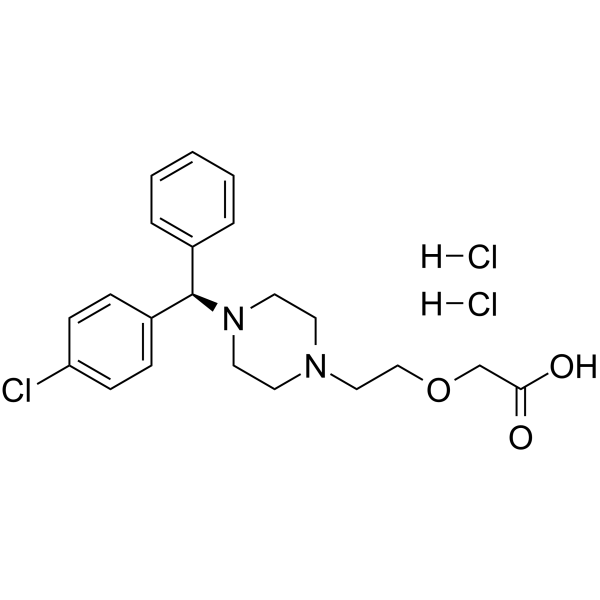 0 ImagesSynonyms: (R)-Cetirizine dihydrochloride
Levocetirizine dihydrochloride ((R)-Cetirizine dihydrochloride) is a third-generation peripheral H1-receptor antagonist. Levocetirizine dihydrochloride is an antihistaminic agent which is the R-enantiomer of Cetirizine. Levocetirizine dihydrochloride has a higher affinity for the histamine H1-receptor than (S)-Cetirizine and can effectively treat allergic rhinitis and chronic idiopathic urticaria.
-
AZD5423
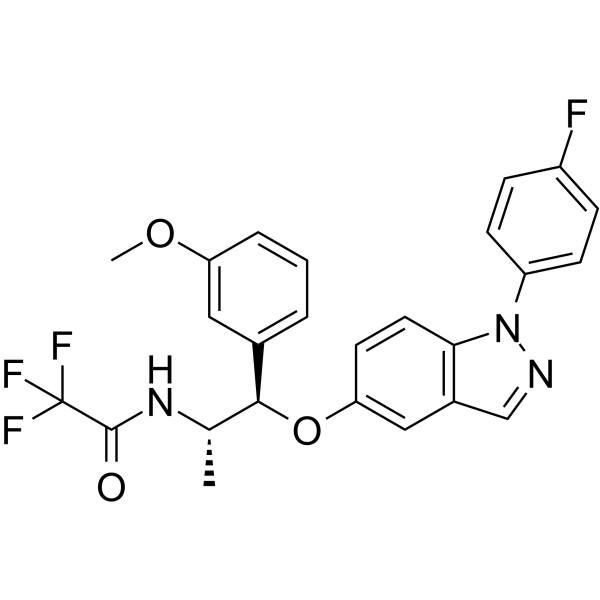 0 Images
AZD5423 is an inhaled, potent, selective, and non-steroidal glucocorticoid receptor (GR) modulator (SGRM). AZD5423 effectively reduces allergen-induced responses in subjects with mild allergic asthma.
-
Diphenhydramine-d5 hydrochloride
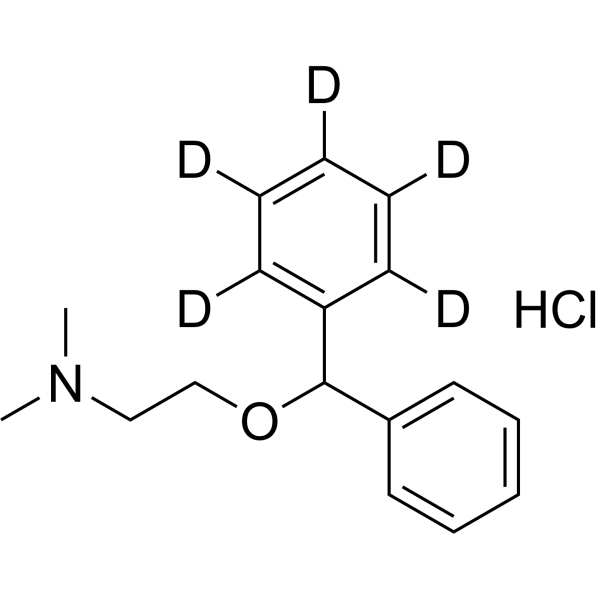 0 Images
Diphenhydramine-d5 (hydrochloride) is the deuterium labeled Diphenhydramine hydrochloride. Diphenhydramine hydrochloride is a first-generation histamine H1-receptor antagonist with anti-cholinergic effect. Diphenhydramine hydrochloride can across the ovine blood-brain barrier (BBB).
-
Parathyroid hormone (1-34) (rat)
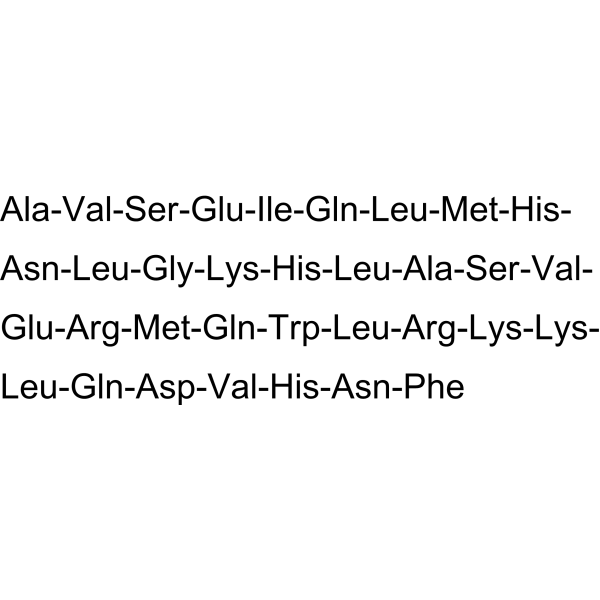 0 Images
Parathyroid hormone (1-34) (rat) is a parathyroid hormone. Parathyroid hormone (1-34) (rat) improves both cortical and cancellous bone structure. Parathyroid hormone (1-34) (rat) can be used for the research of osteoporosis.
-
8-Prenylnaringenin
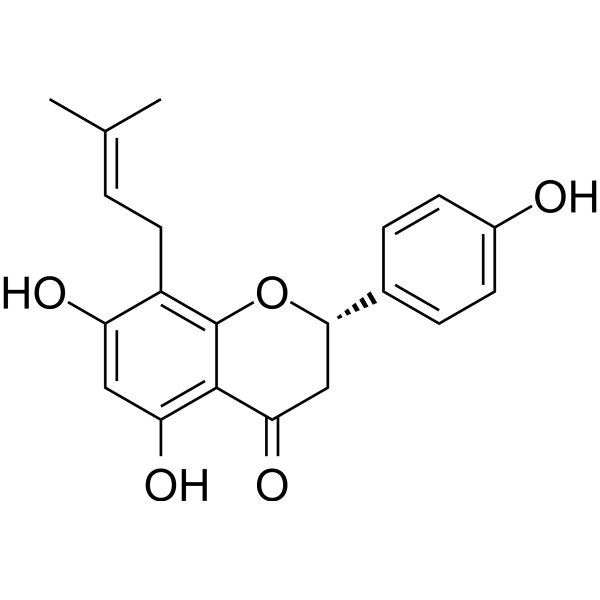 0 Images
8-Prenylnaringenin is an orally active prenyl flavonoid. 8-Prenylnaringenin can be isolated from the hop spike Humulus lupulus. 8-Prenylnaringenin activates the PI3K/Akt pathway and the AMPK pathway, upregulates OXPHOS complexes (II, III, and V) and Sirt1, and reduces ROS production and SOD activity. 8-Prenylnaringenin improves muscle atrophy and obesity and inhibits angiogenesis. 8-Prenylnaringenin exhibits anticancer activity against glioblastoma and colon cancer. 8-Prenylnaringenin also has LH/FSH regulatory activity. 8-prenylnaringenin may be used in bone health research.
-
Proglumide
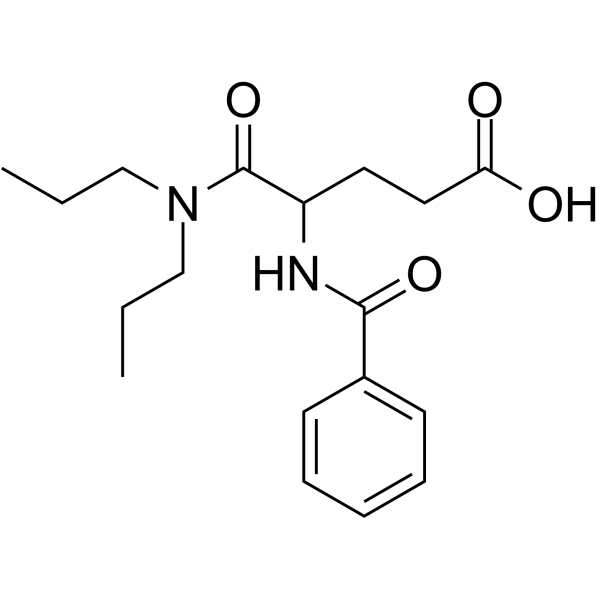 0 Images
Proglumide is a nonpeptide and orally active cholecystokinin (CCK)-A/B receptors antagonist. Proglumide selective blocks CCK’s effects in the central nervous system (CNS). Proglumide has ability to inhibit gastric secretion and to protect the gastroduodenal mucosa. Proglumide also has antiepileptic and antioxidant activities.
-
Estrone-d4
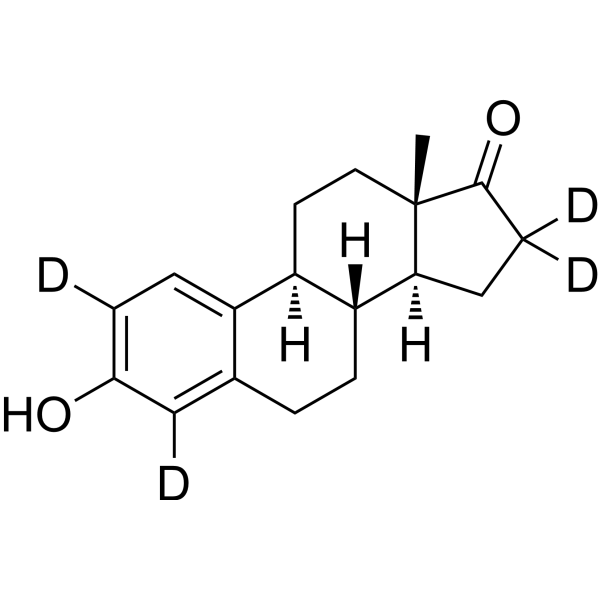 0 ImagesSynonyms: E1-d4; Oestrone-d4
Estrone-d4 is the deuterium labeled Estrone. Estrone (E1) is a natural estrogenic hormone. Estrone is the main representative of the endogenous estrogens and is produced by several tissues, especially adipose tissue. Estrone is the result of the process of aromatization of androstenedione that occurs in fat cells.
-
Tezosentan
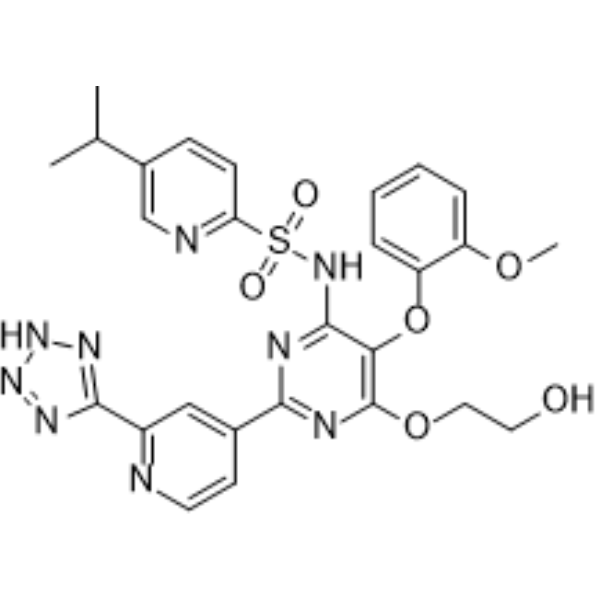 0 ImagesSynonyms: RO 610612
Tezosentan (RO 610612) is an endothelin (ET) receptor antagonist, with pA2s of 9.5, 7.7 for ETA and ETB receptors, respectively.
-
AZP-531
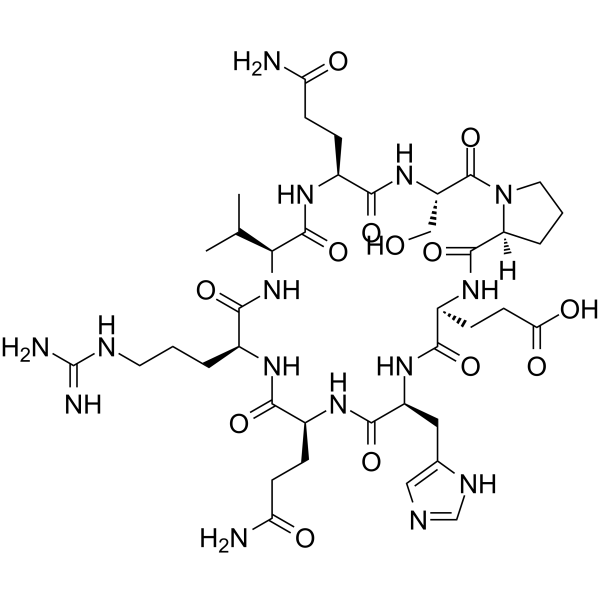 0 Images
AZP-531 is an analogue of unacylated ghrelin designed to improve glycaemic control and reduce weight.
-
Isorhamnetin-3-O-neohespeidoside
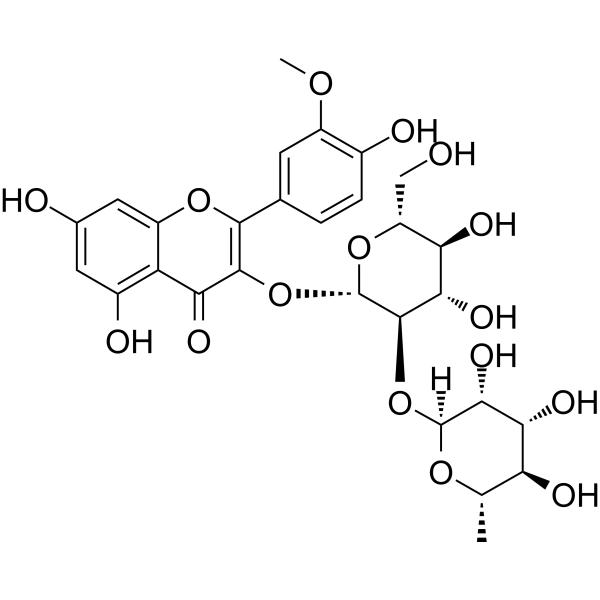 0 Images
Isorhamnetin-3-O-neohespeidoside is a flavonoid. Isorhamnetin-3-O-neohespeidoside can be isolated from Typha angustifolia. Isorhamnetin-3-O-neohespeidoside inhibits xanthine oxidase activity with an IC50 of 48.75 μg mL. Isorhamnetin-3-O-neohespeidoside has antioxidant and osteoclastogenic activities. Isorhamnetin-3-O-neohespeidoside can be used in research of bone.
-
2'-O-Methylinosine
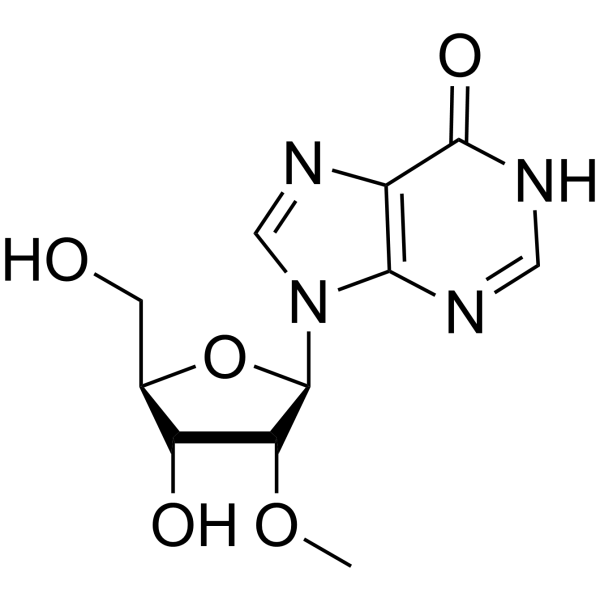 0 Images
2'-O-Methylinosine is a derivative of 2'-O-Methyladenosine. 2'-O-Methylinosine can be formed by chemical deamination of unmethylated 2'-O-Methyladenosine (HY-W011552). 2'-O-Methylinosine does not induce spore germination in Bacillus cereus. 2'-O-Methylinosine can be used in studies on diabetic nephropathy and HIV infection.
-
Metoclopramide hydrochloride hydrate
 0 Images
Metoclopramide hydrochloride hydrate is a potent antagonist of 5-HT3 and dopamine D2 receptor, with IC50s of 308 nM and 483 nM, respectively. Metoclopramide hydrochloride hydrate can be used for the research of nausea and vomiting, gastro-oesophageal reflux, and gastroparesis.
-
5β-Dihydroprogesterone
 0 ImagesSynonyms: 5βDHP
5β-Dihydroprogesterone (5βDHP) is the metabolite of Progesterone (HY-N0437). 5β-Dihydroprogesterone binds to oxytocin receptor, reduces the Oxytocin (HY-17571)-induced calcium signal transduction, thereby exhibiting the tocolytic activity.
-
20α-Dihydroprogesterone
 0 Images
20α-Dihydroprogesterone is the metabolite of Progesterone (HY-N0437). 20α-Dihydroprogesterone inhibits cell proliferation and migration in breast tissue. 20α-Dihydroprogesterone inhibits aromatase in cell MCF-7aro with IC50 about 5 μM.
-
DTPD-Q
 0 Images
DTPD-Q is an antioxidant and an oxidative derivative of methylbenzenesulfonyl-p-phenylenediamine DTPD. DTPD-Q is a molecule that binds to AKT1 and ESR1, with high binding affinity to core targets associated with male infertility and its subtypes. DTPD-Q can be used in studies related to male infertility.
-
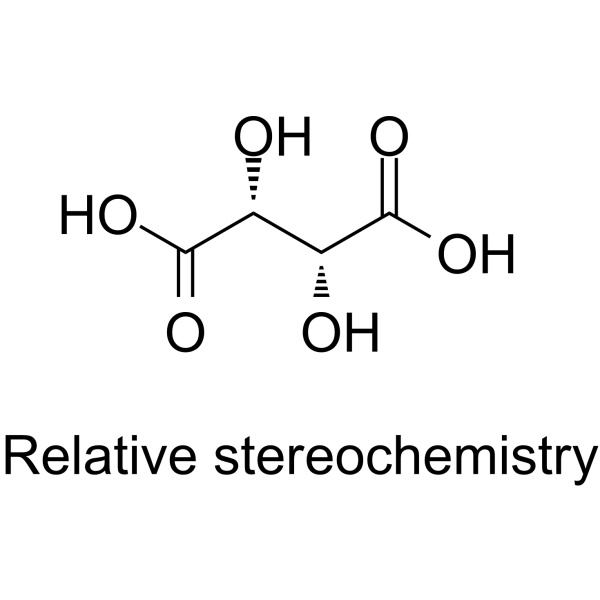
Metaraminol tartrate
 0 ImagesSynonyms: Metaradrine tartrate
Metaraminol tartrate?(Metaradrine tartrate) is an α-adrenergic agonist. Metaraminol tartrate is a sympathomimetic amine that directly and indirectly affects adrenergic receptors, with alpha effects being predominant.Metaraminol tartrate acts as a vasopressor agent.