



ACE
ACE is a two-domain dipeptidylcarboxypeptidase that regulates blood pressure through the renin-angiotensin-aldosterone system and kallikrein-kinin system[1]. Mechanistically, ACE converts Ang I to Ang II and degrades bradykinin, linking vasoconstrictor generation with vasodilator peptide inactivation[1][2]. In vivo, the C-domain is the predominant site for Ang I cleavage, whereas both ACE domains can hydrolyze bradykinin[3][1]. Compared with ACE2, ACE functions as a dipeptidylcarboxypeptidase, while ACE2 is a carboxypeptidase that metabolizes angiotensin peptides and is not inhibited by typical ACE inhibitors[4][5]. Therefore, ACE and ACE2 define distinct but connected enzymatic axes for cardiovascular, renal, and inflammatory research[4][6]. For experimental applications, ACE inhibitors, C-domain-selective inhibitors, and structural ACE-lisinopril complexes support studies of substrate processing, domain selectivity, and cardiovascular drug mechanisms[7][8].- C-domain inhibition helps dissect Ang I-dependent vasoconstriction without blocking all ACE activity[8]. - ACE2 comparisons separate classical ACE signaling from counter-regulatory Ang-(1-7)/Mas-axis mechanisms[6]. - ACE inhibitor models remain useful for cardiovascular, renal, bradykinin, and RAAS pathway studies[2][7].
References:
- [1]. Masuyer G, et al. Molecular recognition and regulation of human angiotensin-I converting enzyme (ACE) activity by natural inhibitory peptides. Sci Rep. 2012;2:717. [Content Brief]
- [2]. Su JB. Different cross-talk sites between the renin-angiotensin and the kallikrein-kinin systems. J Renin Angiotensin Aldosterone Syst. 2014 Dec;15(4):319-28. doi: 10.1177/1470320312474854. Epub 2013 Feb 5. PMID: 23386283. et al. Different cross-talk sites between the renin-angiotensin and the kallikrein-kinin systems. J Renin Angiotensin Aldosterone Syst. 2014 Dec;15(4):319-28. [Content Brief]
- [3]. Fuchs S, et al. Angiotensin-converting enzyme C-terminal catalytic domain is the main site of angiotensin I cleavage in vivo. Hypertension. 2008 Feb;51(2):267-74. [Content Brief]
- [4]. Rice GI, et al. Evaluation of angiotensin-converting enzyme (ACE), its homologue ACE2 and neprilysin in angiotensin peptide metabolism. Biochem J. 2004 Oct 1;383(Pt 1):45-51. [Content Brief]
- [5]. Turner AJ, et al. ACEH/ACE2 is a novel mammalian metallocarboxypeptidase and a homologue of angiotensin-converting enzyme insensitive to ACE inhibitors. Can J Physiol Pharmacol. 2002 Apr;80(4):346-53. [Content Brief]
- [6]. Iwai M, et al. Devil and angel in the renin-angiotensin system: ACE-angiotensin II-AT1 receptor axis vs. ACE2-angiotensin-(1-7)-Mas receptor axis. Hypertens Res. 2009 Jul;32(7):533-6. [Content Brief]
- [7]. Natesh R, et al. Crystal structure of the human angiotensin-converting enzyme-lisinopril complex. Nature. 2003 Jan 30;421(6922):551-4. [Content Brief]
- [8]. van Esch JH, et al. Selective angiotensin-converting enzyme C-domain inhibition is sufficient to prevent angiotensin I-induced vasoconstriction. Hypertension. 2005 Jan;45(1):120-5. [Content Brief]
All Product Categories
-
ACE Related Products (20)
Related Products (20)

- 1
-
Enalapril
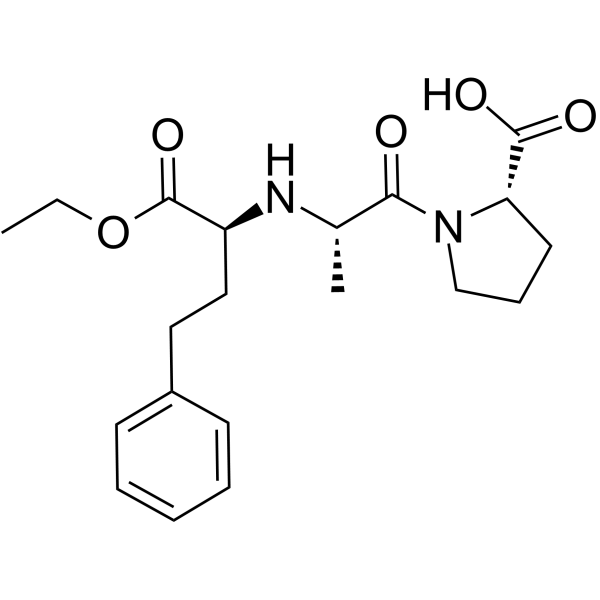 0 ImagesSynonyms: MK-421Enalapril (MK-421) is an orally active angiotensin-converting enzyme inhibitor. Enalapril blocks the conversion of angiotensin I to angiotensin II, regulates the renin-angiotensin system, reduces preload and afterload, and decreases plasma angiotensin II levels. Enalapril inhibits apoptosis, reduces nitric oxide metabolite levels, stabilizes endothelial cells, enhances endothelial antioxidant defense, scavenges reactive oxygen species (ROS), and alleviates neuronal damage. Enalapril attenuates glutathione depletion, protein/lipid oxidation, tissue damage, and type III collagen immunolabeling in organs of diabetic rats. Enalapril reduces systolic blood pressure and urinary albumin excretion, and delays the progression of diabetic cardiac/renal injury. Enalapril is used in research related to asymptomatic left ventricular dysfunction, congestive heart failure, Alzheimer's disease, diabetes mellitus, acute myocardial infarction, atrial fibrillation, hypertension, cerebral ischemia, chronic heart failure, and single-ventricle physiology.
-
Enalapril maleate
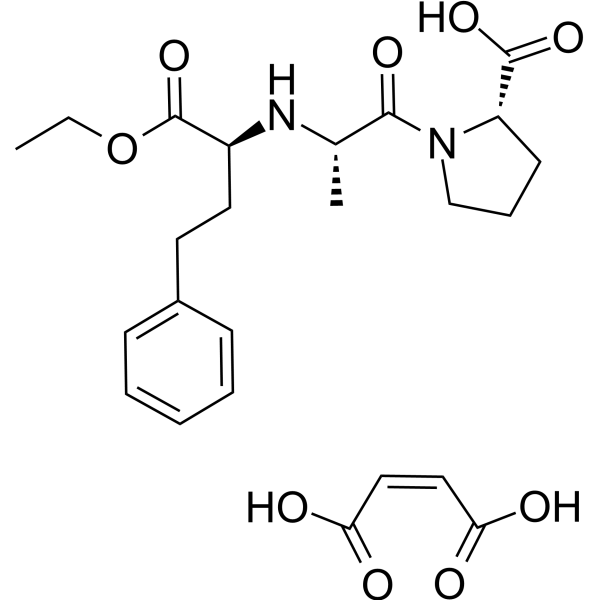 0 ImagesSynonyms: MK-421 maleateEnalapril maleate (MK-421 maleate) is an orally active angiotensin-converting enzyme inhibitor. Enalapril maleate blocks the conversion of angiotensin I to angiotensin II, regulates the renin-angiotensin system, reduces preload and afterload, and decreases plasma angiotensin II levels. Enalapril maleate inhibits apoptosis, reduces nitric oxide metabolite levels, stabilizes endothelial cells, enhances endothelial antioxidant defense, scavenges reactive oxygen species (ROS), and alleviates neuronal damage. Enalapril maleate attenuates glutathione depletion, protein/lipid oxidation, tissue damage, and type III collagen immunolabeling in organs of diabetic rats. Enalapril maleate reduces systolic blood pressure and urinary albumin excretion, and delays the progression of diabetic cardiac/renal injury. Enalapril maleate is used in research related to asymptomatic left ventricular dysfunction, congestive heart failure, Alzheimer's disease, diabetes mellitus, acute myocardial infarction, atrial fibrillation, hypertension, cerebral ischemia, chronic heart failure, and single-ventricle physiology.
-
Pyrrothiogatain
 0 ImagesCat. No.: HY-138113CAS No.: 477888-48-5Pyrrothiogatain is a transcription factor GATA3 inhibitor with an IC50 of 54.7 μM. Pyrrothiogatain inhibits the DNA-binding activity of GATA3 and inhibits the T helper 2 (Th2) cell differentiation and expression of Th2 cytokines. Pyrrothiogatain shows anti-infection effect by inhibiting ACE2 expression. Pyrrothiogatain can be used for the researches of inflammation, immunology, infection and cancer, such as colon cancer and SARS-CoV-2 infection.
-
Benzoylaconine
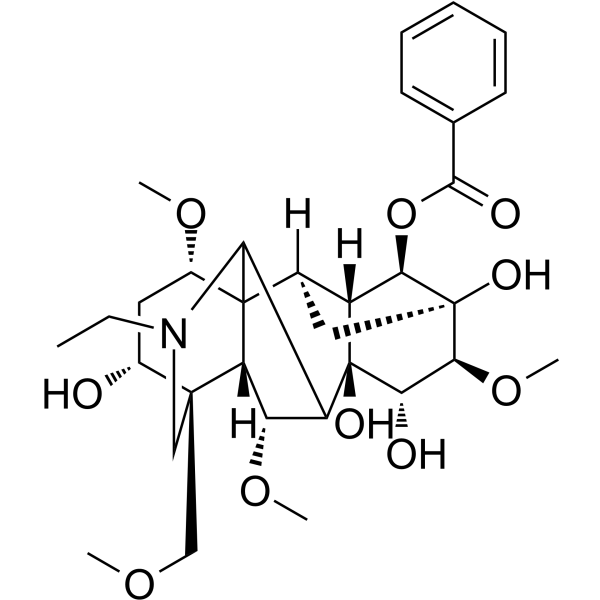 0 ImagesSynonyms: Benzoylaconitine; Isaconitine; PikraconitinBenzoylaconine (Benzoylaconitine) is an orally active monoester alkaloid found in the traditional Chinese medicine Aconitum carmichaelii. Benzoylaconine is an ACE2 agonist (EC50: 1.5 μM) with antihypertensive and anti-heart failure effects. Benzoylaconine inhibits TLR-induced MAPK and NF-κB pathways to exert anti-inflammatory effects. Benzoylaconine upregulates the protein levels of P-gp, MRP2, and has anti-tumor effects.
-
Plantainoside D
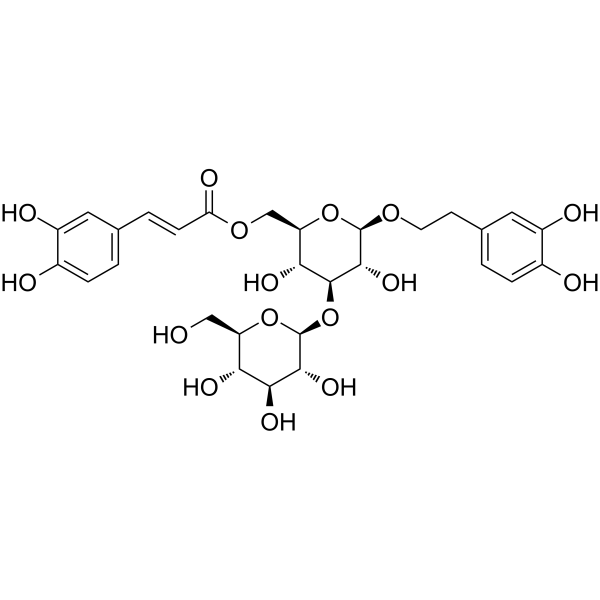 0 ImagesPlantainoside D, a phenylethanoid glycosides, is a IKK-β inhibitor with diverse biological activities. Plantainoside D shows inhibitory activity of angiotensin-converting enzyme (ACE) with an IC50 of 2.17 mM. Plantainoside D significantly reduces the release of glutamate from nerve terminals in the cerebral cortex of rats by inhibiting the voltage-dependent calcium channel (VDCCs) and protein kinase C (PKC) signaling cascade. Plantainoside D significantly alleviates cell apoptosis by inhibiting the generation of ROS and the activation of NF-κB. Plantainoside D significantly improves acute lung injury (ALI) induced by sepsis by regulating the Sirt3/NLRP3 signaling pathway. Plantainoside D can be used for the study of neuroprotection, antioxidant, anti-inflammation, antihypertension.
-
αs1-CN f(143–149)
 0 ImagesCat. No.: HY-P10601CAS No.: 916608-63-4αs1-CN f(143–149) is an orally active casein-derived peptide sequence. αs1-CN f(143–149) exhibits angiotensin-converting enzyme (ACE) inhibitory activity (IC50=6.58 μM) and antihypertensive activity.
-
CV 5975
 0 ImagesCat. No.: HY-182407CAS No.: 100277-62-1CV 5975 is an orally active angiotensin converting enzyme (ACE) competitive inhibitor with a rabbit lung ACE IC50 of 3.1 nM and Ki values of 2.6 nM. CV 5975 inhibits ACE in plasma, aorta, kidney, and brain, intensifying inhibition with repeated administration. CV 5975 inhibits Angiotensin I (HY-P1032)-induced pressor responses and ileum contraction, and augments bradykinin-induced ileum contraction and depressor responses. CV 5975 reduces blood pressure via ACE-independent mechanisms, with sustained action across multiple hypertensive and normotensive animal models, intensified by repeated dosing or Hydrochlorothiazide (HY-B0252) co-administration. CV 5975 can be used for the research of hypertension.
-
Enalapril-d5 maleate
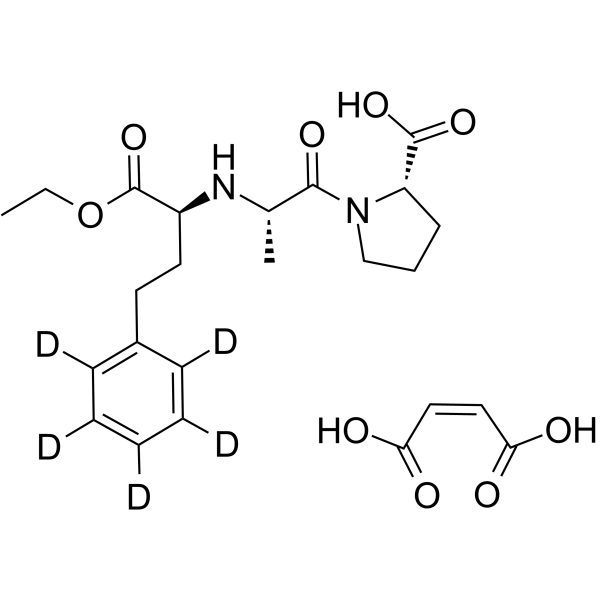 0 ImagesSynonyms: MK-421-d5maleateEnalapril-d5 maleate (MK-421 D5 maleate) is the deuterated-labeled Enalapril maleate (HY-B0331A). Enalapril maleate is an orally active angiotensin-converting enzyme inhibitor. Enalapril maleate blocks the conversion of angiotensin I to angiotensin II, regulates the renin-angiotensin system, reduces preload and afterload, and decreases plasma angiotensin II levels. Enalapril maleate inhibits apoptosis, reduces nitric oxide metabolite levels, stabilizes endothelial cells, enhances endothelial antioxidant defense, scavenges reactive oxygen species (ROS), and alleviates neuronal damage. Enalapril maleate attenuates glutathione depletion, protein/lipid oxidation, tissue damage, and type III collagen immunolabeling in organs of diabetic rats. Enalapril maleate reduces systolic blood pressure and urinary albumin excretion, and delays the progression of diabetic cardiac/renal injury. Enalapril maleate is used in research related to asymptomatic left ventricular dysfunction, congestive heart failure, Alzheimer's disease, diabetes mellitus, acute myocardial infarction, atrial fibrillation, hypertension, cerebral ischemia, chronic heart failure, and single-ventricle physiology.
-
Enalapril maleate (Standard)
 0 ImagesSynonyms: MK-421 maleate (Standard)Enalapril maleate (Standard) (MK-421 maleate (Standard)) is the analytical standard of Enalapril maleate (HY-B0331A). This product is intended for research and analytical applications. Enalapril maleate is an orally active angiotensin-converting enzyme inhibitor. Enalapril maleate blocks the conversion of angiotensin I to angiotensin II, regulates the renin-angiotensin system, reduces preload and afterload, and decreases plasma angiotensin II levels. Enalapril maleate inhibits apoptosis, reduces nitric oxide metabolite levels, stabilizes endothelial cells, enhances endothelial antioxidant defense, scavenges reactive oxygen species (ROS), and alleviates neuronal damage. Enalapril maleate attenuates glutathione depletion, protein/lipid oxidation, tissue damage, and type III collagen immunolabeling in organs of diabetic rats. Enalapril maleate reduces systolic blood pressure and urinary albumin excretion, and delays the progression of diabetic cardiac/renal injury. Enalapril maleate is used in research related to asymptomatic left ventricular dysfunction, congestive heart failure, Alzheimer's disease, diabetes mellitus, acute myocardial infarction, atrial fibrillation, hypertension, cerebral ischemia, chronic heart failure, and single-ventricle physiology.
-
Imidapril hydrochloride
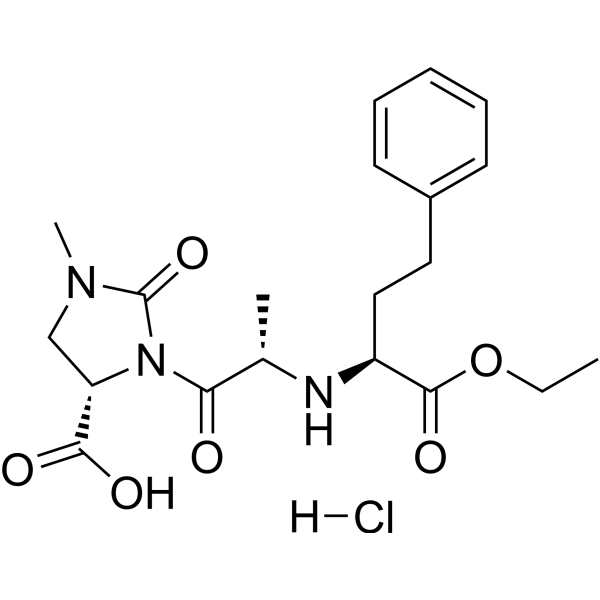 0 ImagesSynonyms: TA-6366Imidapril hydrochloride (TA-6366) is an orally active dual inhibitor of angiotensin-converting enzyme (ACE) and MMP-9. Imidapril hydrochloride inhibits lipopolysaccharide-induced phosphorylation of c-Jun, MKK4 and JNK in monocytes, and downregulates the production of specific inflammatory factors such as TNF-α and IP-10, thereby exerting anti-inflammatory activity. Imidapril hydrochloride also effectively ameliorates mesangial expansion and reduces urinary albumin excretion by inhibiting angiotensin AngII production, lowering glomerular pressure and oxidative stress, thus delaying disease progression. Imidapril hydrochloride can also directly bind to the active site of MMP-9 to inhibit gelatinase activity, and suppress the enlargement of cerebral aneurysms without altering systemic blood pressure. Imidapril hydrochloride is widely applicable to related studies on autoimmune glomerulonephritis, diabetic nephropathy, cerebral aneurysms and other conditions.
-
Nicotianamine
 0 ImagesCat. No.: HY-121858CAS No.: 34441-14-0Nicotianamine is an orally active ACE inhibitor with an IC50 of 76 nM for rhACE2 and an IC50 of 59 nM for rhACE. Nicotianamine is also a metal chelator with high affinity for ferrous ions and other divalent metal cations. Nicotianamine is isolated from soybean. Nicotianamine reduces systolic blood pressure in spontaneously hypertensive rats. Nicotianamine chelates iron and zinc, promotes iron transport, enhances iron bioavailability through stable Fe2+-NA complexes and intestinal Fe2+ uptake, and promotes phloem-to-sink Fe mobilization, long-distance transport of Zn to leaves and flowers, and pollen development. Nicotianamine is a biosynthetic precursor of plant phytosiderophores, reverses chlorosis, and rescues sterility in NA-free mutants. Nicotianamine is used in research on hypertension, chlorosis, and iron deficiency anemia.
-
Ovotransferrin (328-332)
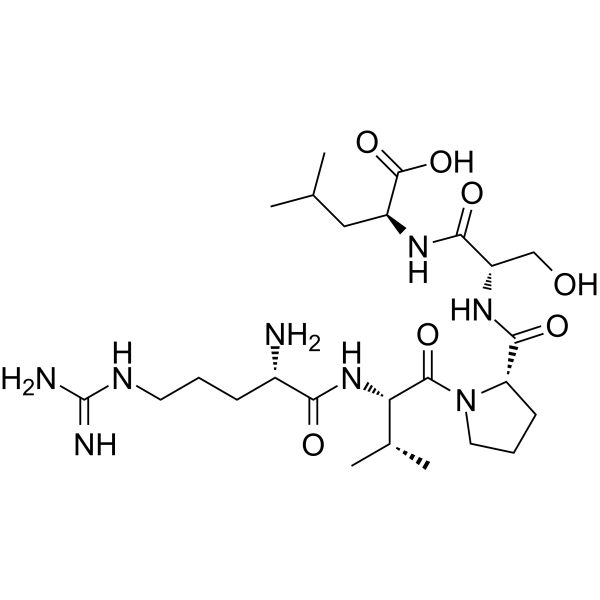 0 ImagesCat. No.: HY-P4281CAS No.: 1226776-54-0Ovotransferrin (328-332) has a protective activity on the blood pressure by inhibiting the Angiotensin-Converting Enzyme (ACE), with the IC50 of 20 μM. Ovotransferrin (328-332) fragment has an activity against Cholinesterase (ChE), implicating in Alzheimer’s diseases.
-
SARS-CoV-2 Spike receptor binding domain, RBD (371-394)
 0 ImagesCat. No.: HY-P11464SARS-CoV-2 Spike receptor binding domain, RBD (371-394) is a peptide from SARS-CoV-2 spike receptor-binding domain. SARS-CoV-2 spike protein receptor-binding domain binds to ACE2. SARS-CoV-2 Spike receptor binding domain, RBD (371-394) can be used in the research of SARS-CoV-2 infection.
-
FPL 66564
 0 ImagesCat. No.: HY-182445CAS No.: 140369-78-4FPL 66564 is a short-acting angiotensin-converting enzyme (ACE) inhibitor with an IC50 of 5.7 nM against rabbit ACE. FPL 66564 inhibits ACE activity at the functional level and is hydrolyzed in human blood into inactive hydrophilic metabolites. FPL 66564 modulates angiotensin I-induced pressor responses in anesthetized rats, and its effects rapidly return to baseline after cessation of intravenous infusion. FPL 66564 can be used for research on cardiovascular regulation related to critical illness.
-
Enalapril sodium
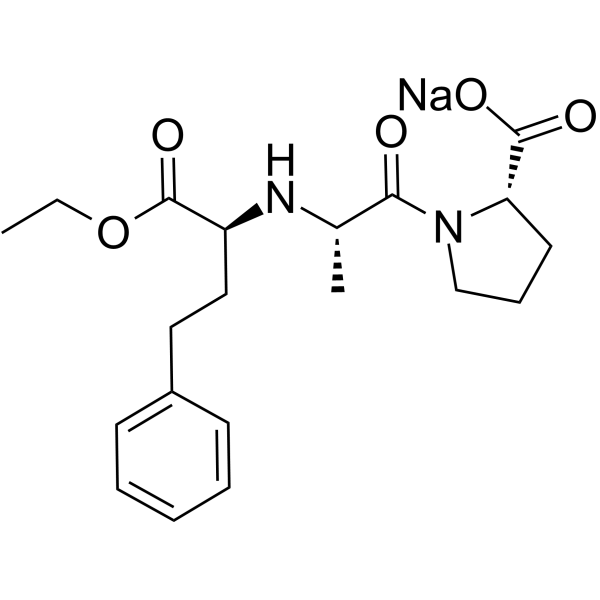 0 ImagesCat. No.: HY-B0331BCAS No.: 149404-21-7Synonyms: MK-421 sodiumEnalapril sodium (MK-421 sodium) is an orally active angiotensin-converting enzyme inhibitor. Enalapril sodium blocks the conversion of angiotensin I to angiotensin II, regulates the renin-angiotensin system, reduces preload and afterload, and decreases plasma angiotensin II levels. Enalapril sodium inhibits apoptosis, reduces nitric oxide metabolite levels, stabilizes endothelial cells, enhances endothelial antioxidant defense, scavenges reactive oxygen species (ROS), and alleviates neuronal damage. Enalapril sodium attenuates glutathione depletion, protein/lipid oxidation, tissue damage, and type III collagen immunolabeling in organs of diabetic rats. Enalapril sodium reduces systolic blood pressure and urinary albumin excretion, and delays the progression of diabetic cardiac/renal injury. Enalapril sodium is used in research related to asymptomatic left ventricular dysfunction, congestive heart failure, Alzheimer's disease, diabetes mellitus, acute myocardial infarction, atrial fibrillation, hypertension, cerebral ischemia, chronic heart failure, and single-ventricle physiology.
-
RB-105
 0 ImagesCat. No.: HY-19200CAS No.: 155895-89-9RB-105 is an inhibitor of angiotensin-converting enzyme (ACE) (Ki = 4.2 nM) and neutral endopeptidase (NEP) (Ki = 1.7 nM). RB-105 after inhibiting ACE reduces the production of Ang II and increase the level of bradykinin. RB-105 after inhibiting NEP increases the level of natriuretic peptide and further increases the level of bradykinin, thereby generating a powerful synergistic effect. RB-105 has significant antihypertensive and natriuretic effects in both spontaneously hypertensive rats and normal blood pressure rats. RB-105 can be used for research on hypertension.
-
Gemopatrilat
 0 ImagesCat. No.: HY-123381CAS No.: 160135-92-2Synonyms: BMS-189921Gemopatrilat (BMS-189921) is an orally active vasopeptidase inhibitor with IC50 value of 12 nM. Gemopatrilat can be used in studies of hypertension and congestive heart failure.
-
Enalapril-d3
 0 ImagesCat. No.: HY-B0331S1CAS No.: 1356847-94-3Synonyms: MK-421-d3Enalapril-d3 (MK-421-d3) is the deuterated-labeled Enalapril (HY-B0331). Enalapril is an orally active angiotensin-converting enzyme inhibitor. Enalapril blocks the conversion of angiotensin I to angiotensin II, regulates the renin-angiotensin system, reduces preload and afterload, and decreases plasma angiotensin II levels. Enalapril inhibits apoptosis, reduces nitric oxide metabolite levels, stabilizes endothelial cells, enhances endothelial antioxidant defense, scavenges reactive oxygen species (ROS), and alleviates neuronal damage. Enalapril attenuates glutathione depletion, protein/lipid oxidation, tissue damage, and type III collagen immunolabeling in organs of diabetic rats. Enalapril reduces systolic blood pressure and urinary albumin excretion, and delays the progression of diabetic cardiac/renal injury. Enalapril is used in research related to asymptomatic left ventricular dysfunction, congestive heart failure, Alzheimer's disease, diabetes mellitus, acute myocardial infarction, atrial fibrillation, hypertension, cerebral ischemia, chronic heart failure, and single-ventricle physiology.
-
SARS-CoV-2-IN-116
 0 ImagesCat. No.: HY-175325SARS-CoV-2-IN-116 (Compound (S,S)-4) is a highly selective angiotensin-converting enzyme 2 (ACE2) inhibitor (pIC50=7.61). SARS-CoV-2-IN-116 blocks the interaction between SARS-CoV-2 spike protein and ACE2. SARS-CoV-2-IN-116 is promising for research of COVID-19.
-
Indolaprilat
 0 ImagesCat. No.: HY-187709CAS No.: 80828-34-8Indolaprilat is an ACE inhibitor with an IC50 value of 3.0 nM. Indolaprilat also inhibits aminopeptidase P, with an IC50 of 485 μM for aminopeptidase P. Indolaprilat inhibits the zinc metallopeptidase-mediated cleavage of angiotensin I, Bradykinin (HY-P0206), and proline-containing oligopeptides. Indolaprilat can be used in related research on hypertension and congestive heart failure.
- 1



