



Bacterial
Anything that destroys bacteria or suppresses their growth or their ability to reproduce. Heat, chemicals such as chlorine, and antibiotic drugs all have antibacterial properties. Many antibacterial products for cleaning and handwashing are sold today. Such products do not reduce the risk for symptoms of viral infectious diseases in otherwise healthy persons. This does not preclude the potential contribution of antibacterial products to reducing symptoms of bacterial diseases in the home.
All Product Categories
-
Bacterial Inhibitors
(7553)
View all products
-
Bacterial Agonists
(3)
View all products
-
Bacterial Antagonists
(9)
View all products
-
Bacterial Activators
(25)
View all products
-
Bacterial Modulators
(27)
View all products
-
Bacterial Chemicals
(2)
View all products
-
Bacterial Inducers
(6)
View all products
-
Bacterial Controls
(14)
View all products
-
Bacterial Substrates
(2)
View all products
-
Bacterial Ligand
(1)
View all products
-
Bacterial Related Products (8893)
Related Products (8893)

-
Antibodies (14)
-
Related Compound Screening Libraries (1)
-
6'-Sialyllactose
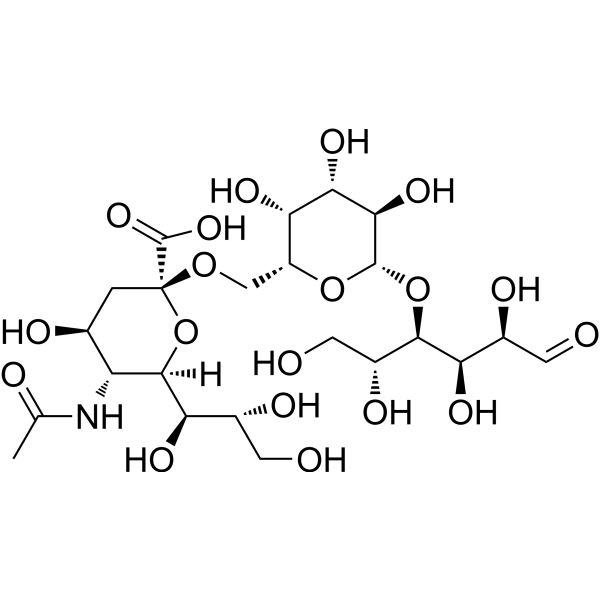 0 Images6'-Sialyllactose promotes the growth of beneficial bacteria (such as Bifidobacterium and lactobacillus) and inhibits the proliferation of harmful bacteria. 6'-Sialyllactose exhibits anti-inflammatory and anti-angiogenic activities. 6'-Sialyllactose promotes the muscle health.
-
PBP10 TFA
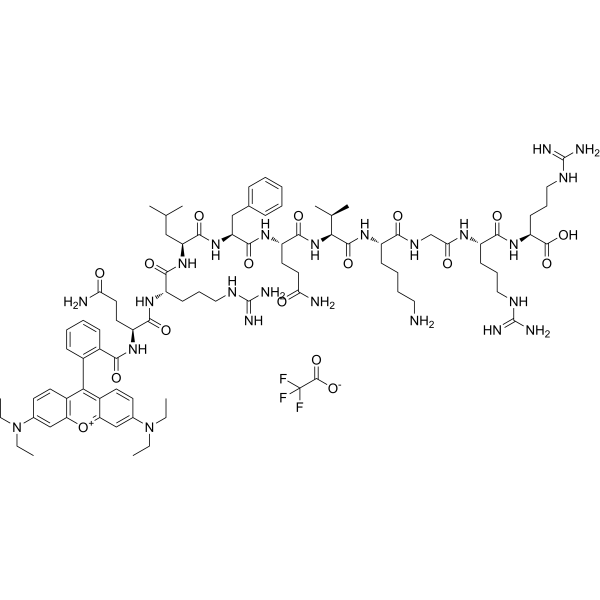 0 ImagesCat. No.: HY-P1116APurity: 98.22%PBP10 TFA is a decapeptide. PBP10 TFA selectively binds to lipoteichoic acid (LTA), lipopolysaccharide (LPS) and phosphatidylinositol-4,5-bisphosphate (PIP2). PBP10 TFA penetrates cell membranes and possesses bactericidal, anti-inflammatory, cell motility-inhibiting and actin assembly-regulating activities. PBP10 TFA is applicable to relevant research on bacterial infections, microbe-induced inflammation, skin and soft tissue infections, as well as sepsis.
-
Tigecycline hydrate
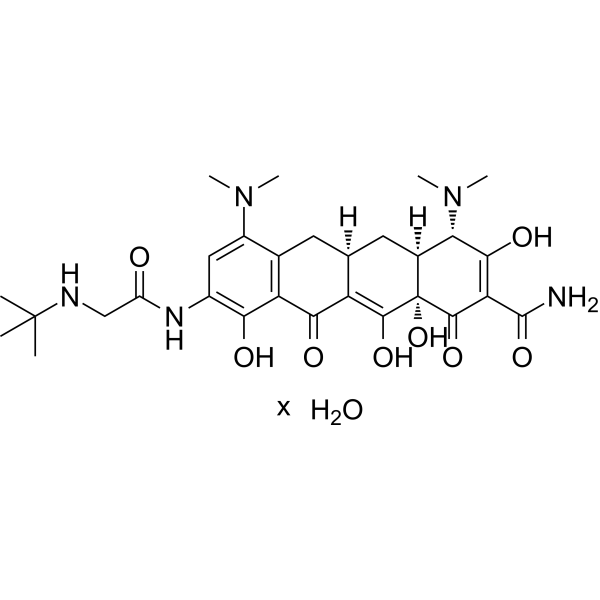 0 ImagesSynonyms: GAR-936 hydrateTigecycline (GAR-936) hydrate is a broad-spectrum glycylcycline antibiotic. The mean inhibitory concentration (MIC) of Tigecycline hydrate for E. coli (MG1655 strain) is approximately 125 ng/mL. MIC50 and MIC90 are 1 and 2 mg/L for Acinetobacter baumannii (A. baumannii), respectively.
-
Minocycline hydrochloride (Standard)
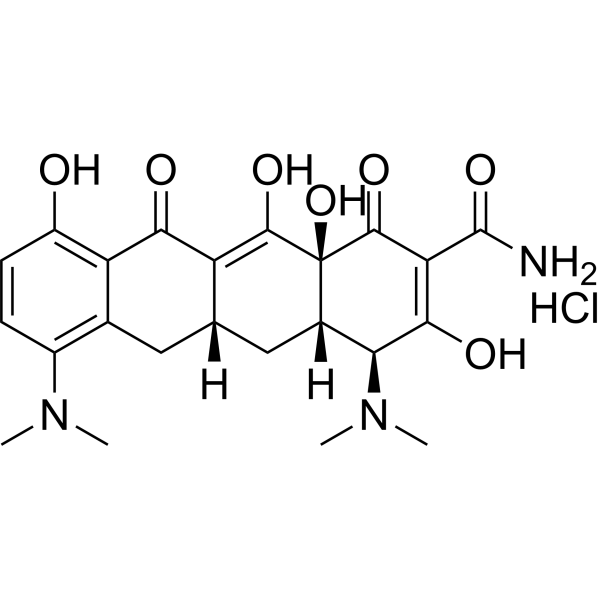 0 ImagesMinocycline (hydrochloride) (Standard) is the analytical standard of Minocycline (hydrochloride). This product is intended for research and analytical applications. Minocycline hydrochloride is an orally active, potent and BBB-penetrated semi-synthetic tetracycline antibiotic. Minocycline hydrochloride is a hypoxia-inducible factor (HIF)-1α inhibitor. Minocycline hydrochloride shows anti-cancer, anti-inflammatory, and glutamate antagonist effects. Minocycline hydrochloride reduces glutamate neurotransmission and shows neuroprotective properties and antidepressant effects. Minocycline hydrochloride inhibits bacterial protein synthesis through binding with the 30S subunit of the bacterial ribosome, resulting in a bacteriostatic effect.
-
Sulfisoxazole
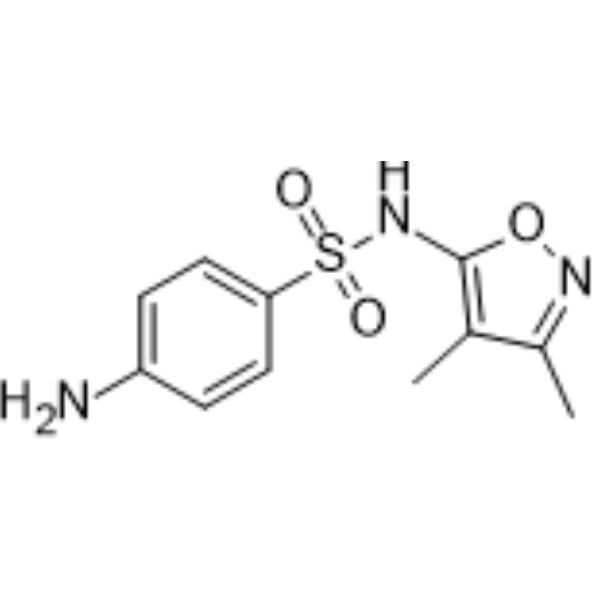 0 ImagesSulfisoxazole (Sulfafurazole) is an orally active endothelin receptor antagonist with IC50 values of 0.60 μM and 22 μM against endothelin receptor A and endothelin receptor B, respectively. Sulfisoxazole is a sulfonamide antibacterial agent with an oxazole substituent. Sulfisoxazole inhibits breast cancer exosome release by targeting endothelin receptor A.
-
Ridinilazole
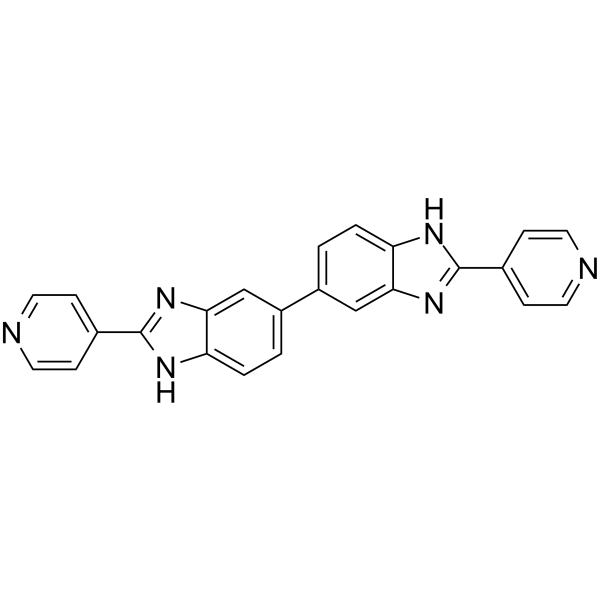 0 ImagesSynonyms: SMT19969Ridinilazole is a novel antibacterial with MICs range of 0.06-0.25 µg/mL (MIC90=8 µg/mL) against C. difficile.
-
4-Hydroxycoumarin
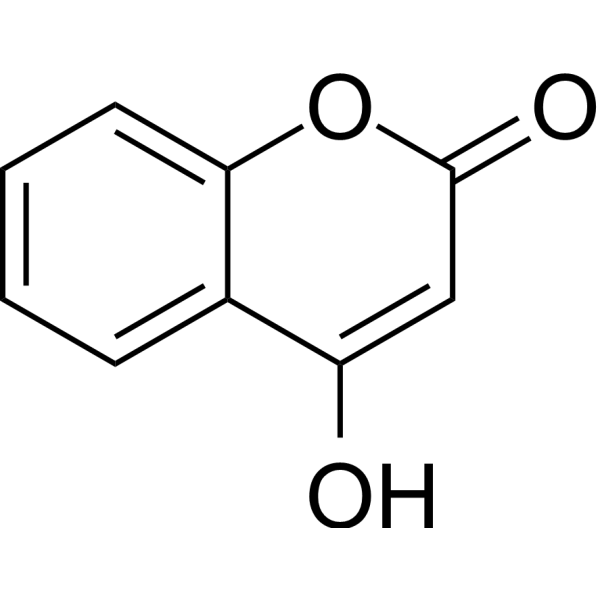 0 Images4-Hydroxycoumarin is an orally active coumarin derivative, one of the most versatile heterocyclic scaffolds, often used in the synthesis of various organic compounds. 4-Hydroxycoumarin possesses both electrophilic and nucleophilic properties. 4-Hydroxycoumarin is an HIV protease inhibitor and tyrosine kinase inhibitor. 4-Hydroxycoumarin has anti-inflammatory, antibacterial and anti-tumor effects.
-
Sodium citrate dihydrate, meets USP testing specifications
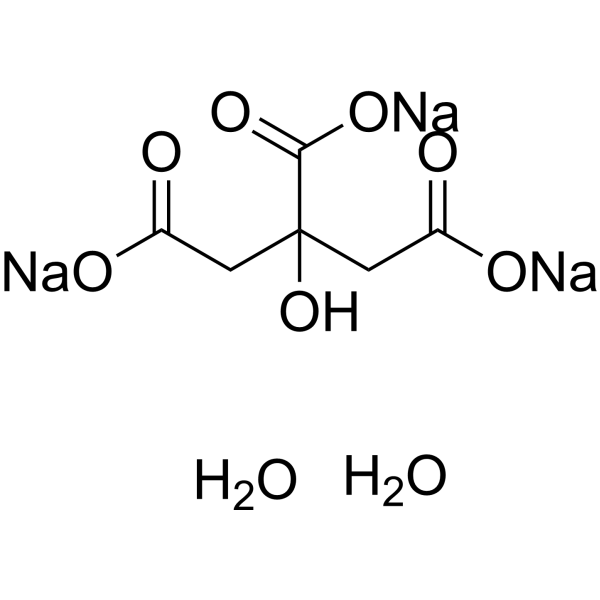 0 ImagesSynonyms: Trisodium citrate dihydrate, meets USP testing specificationsSodium citrate (Trisodium citrate) dihydrate, meets USP testing specifications is an orally active natural product that can be found in citrus fruits. Sodium citrate dihydrate can inhibit the proliferation of tumor cells and induce apoptosis. Sodium citrate dihydrate has antibacterial, anti-tumor and antioxidant activities. Sodium citrate dihydrate can be prepared as a cosolvent or buffer.
-
Rifampicin (Standard)
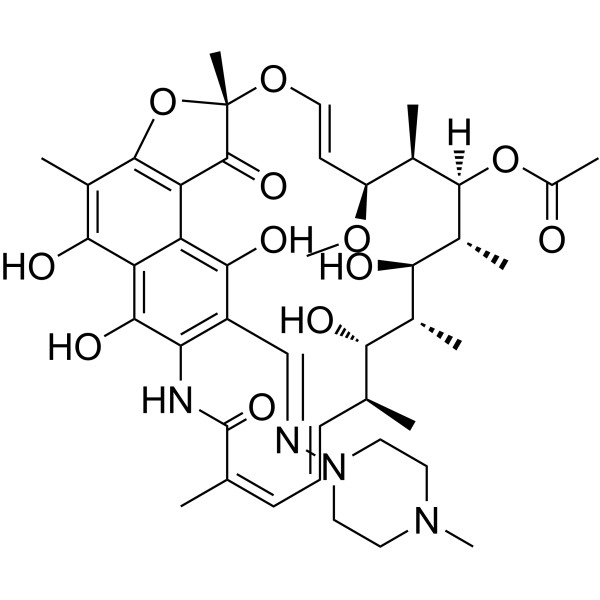 0 ImagesCat. No.: HY-B0272RCAS No.: 13292-46-1Synonyms: Rifampin (Standard); Rifamycin AMP (Standard)Rifampicin (Standard) is the analytical standard of Rifampicin. This product is intended for research and analytical applications. Rifampicin is a potent and broad spectrum antibiotic against bacterial pathogens. Rifampicin has anti-influenza virus activities. Rifampicin shows anti-orthopoxvirus activity.
-
Netropsin dihydrochloride
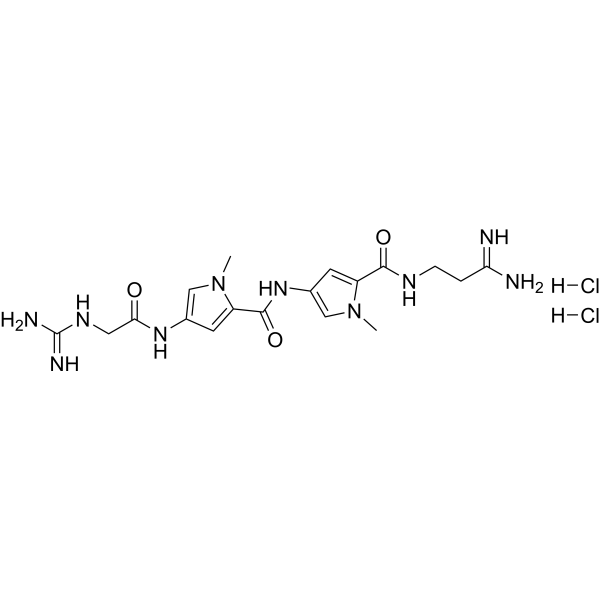 0 ImagesNetropsin dihydrochloride is a small-molecule MGB (minor-groove binder) and antibiotic, inhibits the catalytic activity of isolated topoisomerase and interferes with the stabilization of the cleavable complexes of topoisomerase II and I in nuclei. Netropsin dihydrochloride has antibacterial and antiviral activity.
-
EGCG Octaacetate
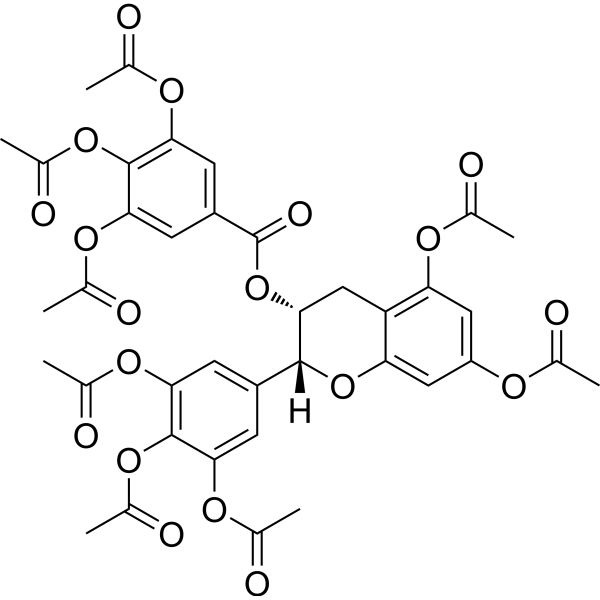 0 ImagesSynonyms: AcEGCG; Peracetylated (-)-epigallocatechin-3-gallateEGCG Octaacetate (AcEGCG) is a proagent of Green tea epigallocatechin-3-gallate (EGCG). EGCG Octaacetate decreases the proinflammatory mediator levels by down-regulating of PI3K/Akt/NFκB phosphorylation and p65 acetylation. EGCG octaacetate is the potential antibacterial compound for gram-positive bacteria (GPB) and gram-negative bacteria (GNB). EGCG Octaacetate exhibits antioxidant, anti-angiogenesis, anti-inflammatory and antitumor activities.
-
Sucrose monolaurate
 0 ImagesCat. No.: HY-141633CAS No.: 25339-99-5Sucrose monolaurate is a glycolipid surfactant. Sucrose monolaurate interacts with bacterial DNA, disrupts cell membrane permeability, and exerts excellent inhibitory and bactericidal effects against a variety of foodborne pathogens (especially Gram-positive bacteria). Sucrose monolaurate significantly reduces liquid surface tension, and acts as a synergist for chlorine-based disinfectants in food cleaning and disinfection to improve the removal efficiency of pathogens on the surface of agricultural products.
-
Cephradine
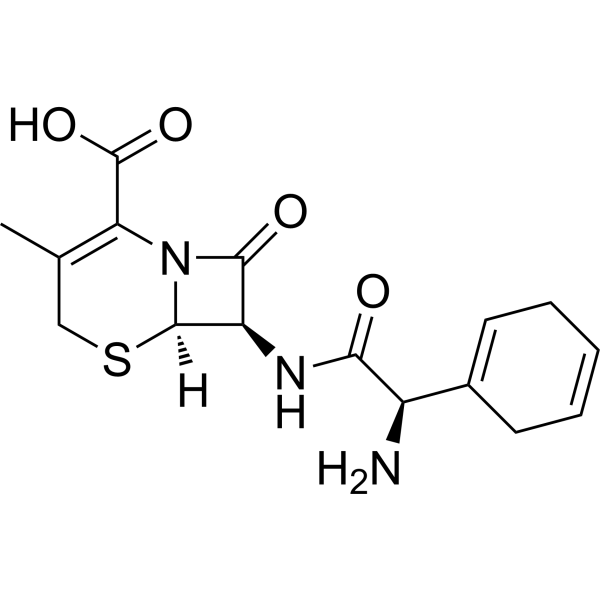 0 ImagesCat. No.: HY-B1156CAS No.: 38821-53-3Synonyms: Cefradine; SQ-11436Cephradine (Cefradine) is a broad-spectrum and orally active cephalosporin. Cephradine is active against both gram-positive and gram-negative pathogens. Cephradine is effective in eradicating most penicillinase-producing organisms. Cephradine has been used in the research of genitourinary, gastrointestinal and respiratory tract infections, and in infections of the skin and soft tissues. Cephradine blocks solar-ultraviolet induced skin inflammation through direct inhibition of TOPK.
-
(+)-cis-Abienol
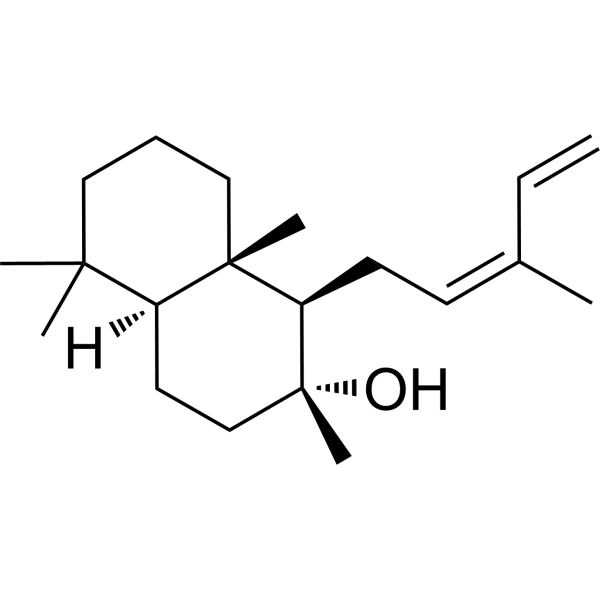 0 ImagesSynonyms: (Z)-Abienol(+)-cis-Abienol (Compound Z-abienol), a diterpenoid, can be isolated from leaves of tobacco. (+)-cis-Abienol inhibits hyphal growth of P. nicotianae.
-
Norvancomycin monohydrochloride
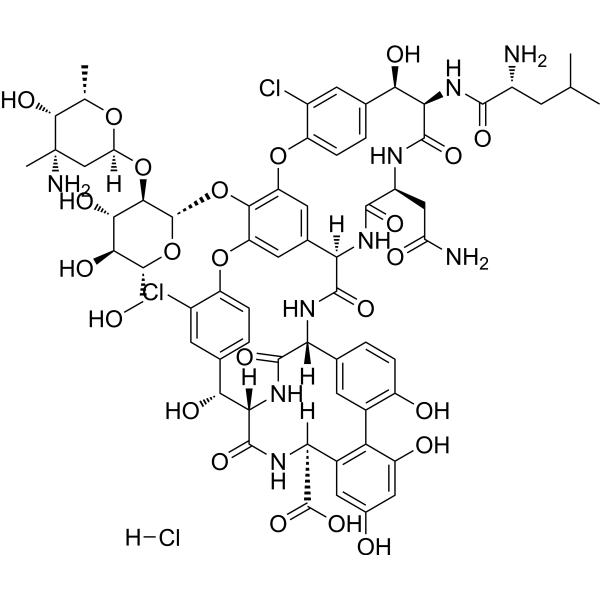 0 ImagesCat. No.: HY-B1924CAS No.: 213997-73-0Synonyms: N-Demethylvancomycin monohydrochloride; NVCM monohydrochlorideNorvancomycin hydrochloride is a cell wall synthesis inhibitor targeting peptidoglycan precursors of Gram-positive bacteria and cannot pass the blood-brain barrier. Norvancomycin hydrochloride can competitively bind to peptidoglycan precursors, irreversibly inhibit bacterial cell wall synthesis, and exert antibacterial activity. Norvancomycin hydrochloride is mainly used in the study of Gram-positive bacterial infections, especially infections caused by methicillin-resistant Staphylococcus aureus (MRSA) and methicillin-resistant Staphylococcus epidermidis (MRSE). Norvancomycin hydrochloride can also be incorporated into the bionic calcium phosphate coating of titanium implants to enhance antibacterial activity and inhibit postoperative orthopedic infections.
-
Azathramycin
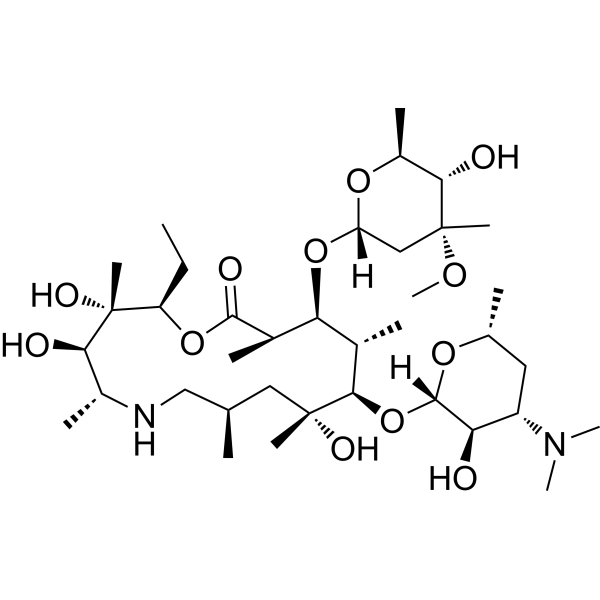 0 ImagesSynonyms: Azaerythromycin A; Desmethyl AzithromycinAzathramycin (Azaerythromycin A) is a methylated derivative of the antibiotic Azithromycin (HY-17506).
-
Aerobactin
 0 ImagesCat. No.: HY-122280CAS No.: 26198-65-2Aerobactin is a siderophore produced by bacteria. Aerobactin exhibits the primary activity of chelating ferric ions and transporting them into bacterial cells. Aerobactin promotes bacterial growth, biofilm formation, antioxidant stress resistance, and enhances bacterial virulence and transcellular translocation ability under iron-deficient conditions. Aerobactin is used in research on bacterial infections.
-
3-sucCA
 0 ImagesSynonyms: 3-Succinylated cholic acid3-sucCA is an orally available bacterial bile acid that exerts anti-MASH effects by promoting the growth of Akkermansia muciniphila. By remodeling the intestinal microbiota and promoting the growth of Akkermansia, 3-sucCA can improve intestinal barrier damage and reduce chronic low-level inflammation, thereby alleviating the progression of metabolic dysfunction-associated steatohepatitis (MASH). 3-sucCA accelerates the synthesis of cell wall peptidoglycan and has in vivo efficacy in the mouse MAFL-MASH model. 3-sucCA levels are low in the MAFLD model and are mainly used in the study of MASH.
-
Ampicillin (Standard)
 0 ImagesSynonyms: D-(-)-α-Aminobenzylpenicillin (Standard)Ampicillin (Standard) is the analytical standard of Ampicillin. This product is intended for research and analytical applications. Ampicillin is a broad-spectrum beta-lactam antibiotic against a variety of gram-positive and gram-negative bacteria.




