



Caspase
Caspase is a family of cysteine proteases that play essential roles in apoptosis (programmed cell death), necrosis, and inflammation. There are two types of apoptotic caspases: initiator (apical) caspases and effector (executioner) caspases. Initiator caspases (e.g., CASP2, CASP8, CASP9, and CASP10) cleave inactive pro-forms of effector caspases, thereby activating them. Effector caspases (e.g., CASP3, CASP6, CASP7) in turn cleave other protein substrates within the cell, to trigger the apoptotic process. The initiation of this cascade reaction is regulated by caspase inhibitors. CASP4 and CASP5, which are overexpressed in some cases of vitiligo and associated autoimmune diseases caused by NALP1 variants, are not currently classified as initiator or effector in MeSH, because they are inflammatory enzymes that, in concert with CASP1, are involved in T-cell maturation.
Caspase Isoform Specific Products
-
Caspase 1
(75)
View all products
-
Caspase 2
(11)
View all products
-
Caspase 3
(513)
View all products
-
Caspase 4
(11)
View all products
-
Caspase 5
(5)
View all products
-
Caspase 6
(12)
View all products
-
Caspase 7
(100)
View all products
-
Caspase 8
(103)
View all products
-
Caspase 9
(185)
View all products
-
Caspase 10
(6)
View all products
-
Caspase 12
(3)
View all products
-
Caspase
(586)
View all products
-
Caspase 11
(2)
View all products
-
Caspase-13
(1)
View all products
All Product Categories
-
Caspase Inhibitors
(430)
View all products
-
Caspase Agonists
(40)
View all products
-
Caspase Activators
(600)
View all products
-
Caspase Modulators
(42)
View all products
-
Caspase Chemicals
(4)
View all products
-
Caspase MDM2 Inhibitor
(1)
View all products
-
Caspase Inducers
(47)
View all products
-
Caspase Degrader
(1)
View all products
-
Caspase Control
(1)
View all products
-
Caspase Substrates
(3)
View all products
-
Caspase Proteins
(10)
View all products
-
Caspase-1 Proteins
(3)
View all products
-
Caspase-3 Proteins
(3)
View all products
-
Caspase 7 Proteins
(1)
View all products
-
Caspase-8 Proteins
(1)
View all products
-
Caspase-10 Proteins
(1)
View all products
-
Caspase Related Products (1348)
Related Products (1348)

-
Recombinant Proteins (10)
-
Antibodies (35)
-
Caspase Signaling Pathway
-
Caspase Isoform Comparison

-
Ac-Tyr-Val-Lys-Asp-aldehyde
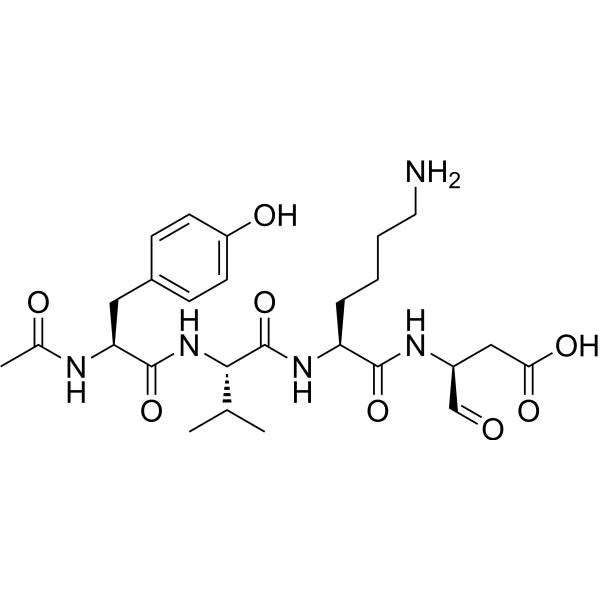 0 ImagesAc-Tyr-Val-Lys-Asp-aldehyde is a reversible caspase-1 inhibitor. Ac-Tyr-Val-Lys-Asp-aldehyde increases GATA1 levels by inhibiting caspase-1 and promotes erythroid differentiation. can be used for disease research including anemia-associated to chronic diseases, chemotherapy-induced anemia and Diamond-Blackfan anemia.
-
MST3-IN-1
 0 ImagesCat. No.: HY-175208CAS No.: 3095435-97-2MST3-IN-1 is a selective and orally active MST3 inhibitor, with an IC50 of 122.4 nM. MST3-IN-1 shows antiproliferative activity against HepG2 cell. MST3-IN-1 effectively induces apoptosis in HepG2 cells, and halts the cell cycle at the G2/M transition. MST3-IN-1 significantly suppressed tumor growth in HepG2 xenograft mice. MST3-IN-1 can be used for the study of liver cancer.
-
Ac-LETD-CHO
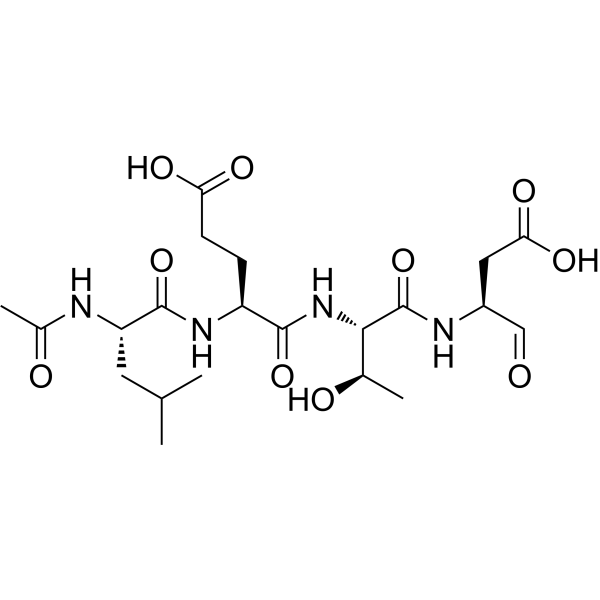 0 ImagesCat. No.: HY-P10146Ac-LETD-CHO is a caspases 8 inhibitor. Ac-LETD-CHO has specific inhibition to casp-8 with an IC50 value of 6.71 nM. Ac-LETD-CHO can be used for the research of anticancer.
-
LM-021
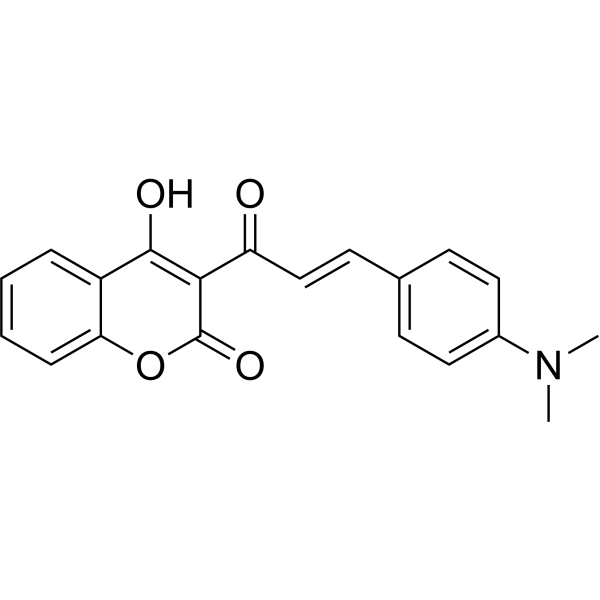 0 ImagesLM-021 is a coumarin-chalcone derivative with anti-aggregatory, antioxidant, neuroprotective and anti-inflammatory properties which suppresses nitric oxide (NO), IL-1β, IL-6, TNF-α production, CD68 antigen (CD68) and histocompatibility-2 (MHCII) expression. LM-021 also attenuates the increase of caspase 1 activity, lactate dehydrogenase release and ROS level. LM-021 can be used for neurological research.
-
NP3-146 sodium
 0 ImagesNP3-146 sodium is a NLRP3 inflammasome inhibitor through locking the NACHT domain of NLRP3. NP3-146 sodium shows potent inhibitory activity against IL-1β release with an IC50 value of 0.171 μM in LPS (HY-D1056)/Nigericin (HY-127019)-stimulated BMDM cells. NP3-146 sodium regulates the levels of cleaved Caspase-1 and cleaved IL-1β in cell supernatants. NP3-146 sodium can be used for the research of inflammatory diseases.
-
7DG
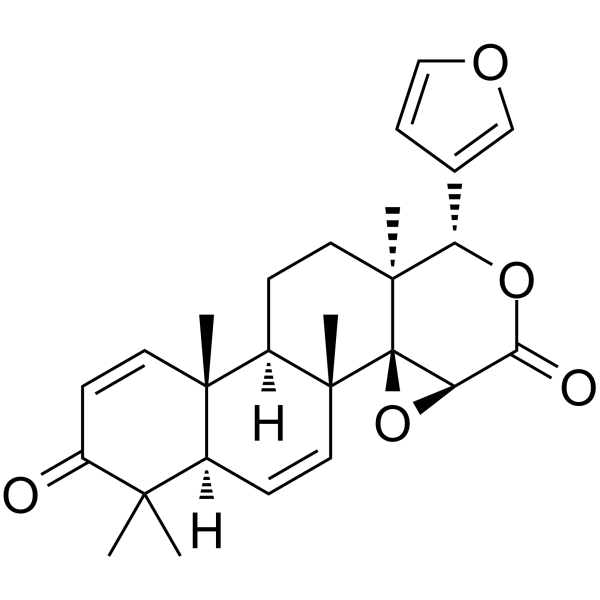 0 ImagesSynonyms: 7-Desacetoxy-6,7-dehydrogedunin7DG (7-Desacetoxy-6,7-dehydrogedunin) is a PKR inhibitor, P2X7 purinergic receptor inhibitor, and skin-lightening agent. 7DG binds outside the ATP-catalytic domain of PKR, blocks the kinase activity-independent protein-protein interactions of PKR, inhibits the phosphorylation and activity of PKR, disrupts ASC assembly and caspase-1 activation, and suppresses the activation of the NLRP1 inflammasome. 7DG inhibits pyroptosis, suppresses the ATP-P2X7 signaling pathway, and abolishes ATP-induced increases in the expression levels of MITF, tyrosinase, PMEL/gp100, and melanin content. 7DG exerts skin-lightening effects in cultured skin in vitro. 7DG can be used in research related to chronic obstructive pulmonary disease, gout, type 2 diabetes, Alzheimer's disease, and hyperpigmentary skin disorders.
-
EP1013
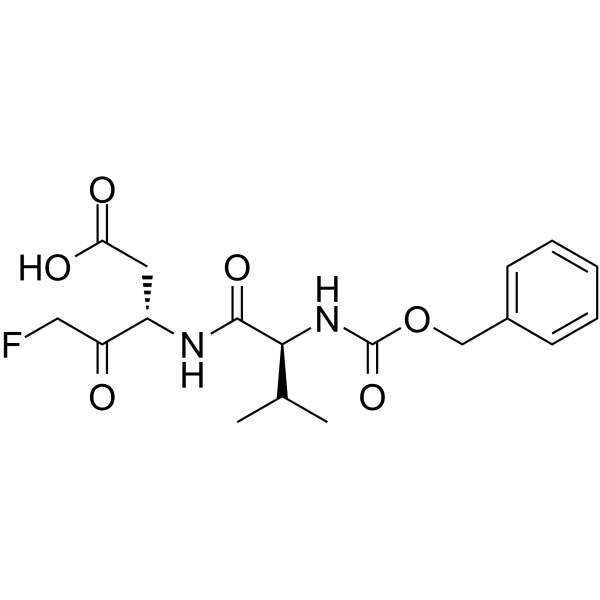 0 ImagesCat. No.: HY-10397CAS No.: 223568-55-6Synonyms: F1013EP1013 (F1013) is a broad-spectrum caspase selective inhibitor, used in the research of type 1 diabetes.
-
N-alpha-Tosyl-Lys chloromethyl ketone hydrochloride
 0 ImagesN-alpha-Tosyl-Lys chloromethyl ketone hydrochloride (TLCK hydrochloride) is a Serine protease inhibitor with an IC50 of 12.0 μM against Caspase-3, 54.5 μM against Caspase-6, and 19.3 μM against Caspase-7. It inhibits thrombin-induced nuclear translocation of FOXO1. N-alpha-Tosyl-Lys chloromethyl ketone hydrochloride can be used in research related to leukemia and cardiovascular diseases.
-
β-Patchoulene
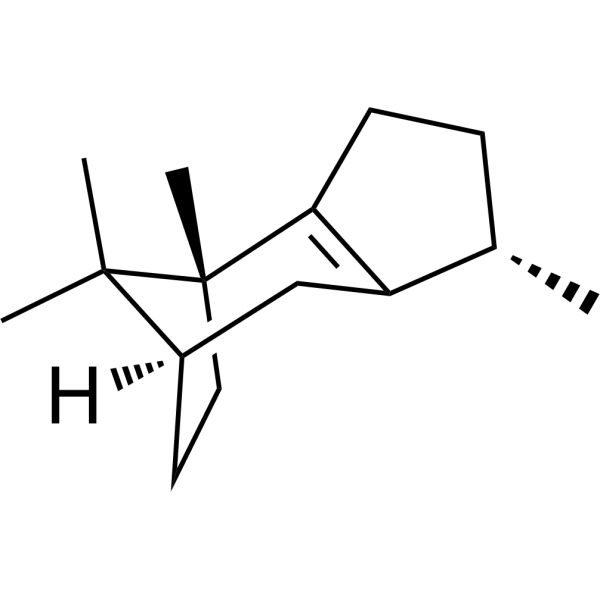 0 Imagesβ-Patchoulene is an orally active anti-inflammatory, antioxidant, and anti-apoptotic agent. β-Patchoulene inhibits the NF-κB, TLR4, and cAMP/PKA/CREB signaling pathways; activates the Sirt1/Nrf2 and AMPK signaling pathways; and targets Fas/FasL, Caspase-3, ERK1/2, ROCK1/MLC2 for inhibition. β-Patchoulene regulates cytokine secretion, inflammatory cell infiltration, lipid peroxidation, cell polarization, gut microbiota, and lipid metabolism, restores barrier function, mitochondrial function, and cell viability, and exhibits repellent activity against Spodoptera exigua larvae. β-Patchoulene can be used in research related to various inflammatory, ischemic, fibrosis-associated diseases, as well as hepatocellular carcinoma.
-
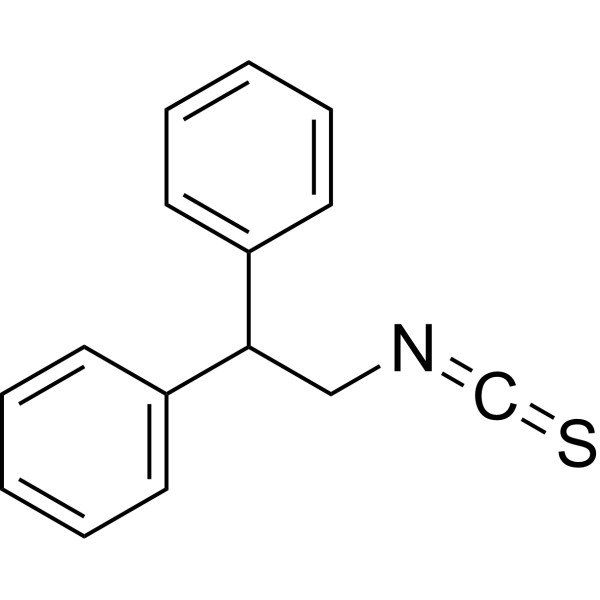
1,2,4-Trimethoxybenzene
 0 ImagesCat. No.: HY-W017087CAS No.: 135-77-31,2,4-Trimethoxybenzene is an orally active NLRP3 selective inhibitor. 1,2,4-Trimethoxybenzene can markedly suppress Nigericin (HY-127019) or ATP (HY-B2176)-induced NLRP3 inflammasome activation, thus decreasing caspase-1 activation and IL-1β secretion. 1,2,4-Trimethoxybenzene specifically inhibits the activation of NLRP3 inflammasome without affecting absent in melanoma 2 (AIM2) inflammasome activation. 1,2,4-Trimethoxybenzene inhibits oligomerization of the apoptosis-associated speck-like protein containing a CARD (ASC) and protein-protein interaction between NLRP3 and ASC, thus blocking NLRP3 inflammasome assembly. 1,2,4-Trimethoxybenzene can be used for the study of experimental autoimmune encephalomyelitis (EAE), multiple sclerosis, and type 2 diabetes.
-
Ac-VDVAD-CHO TFA
 0 ImagesCat. No.: HY-134567APurity: 99.15%Ac-VDVAD-CHO (TFA) is a caspase-2/3 inhibitor (IC50: 46 and 15 nM).
-
Asperosaponin VI (Standard)
 0 ImagesSynonyms: Akebia saponin D (Standard)Asperosaponin VI (Standard) is the analytical standard of Asperosaponin VI. This product is intended for research and analytical applications. Asperosaponin VI is a saponin component from Dipsacus asper. Asperosaponin VI induces osteoblast differentiation through the BMP-2/p38 and ERK1/2 signaling pathways. Asperosaponin VI protects against hypoxia-induced cardiomyocyte apoptosis by activating the PI3K/Akt and CREB pathways. Additionally, Asperosaponin VI also has antidepressant and wound-healing-promoting activities.
-
Belnacasan (Standard)
 0 ImagesSynonyms: VX-765 (Standard)Belnacasan (Standard) is the analytical standard of Belnacasan. This product is intended for research and analytical applications. Belnacasan (VX-765) is an orally bioactive proagent of VRT-043198, which is a potent and selective inhibitor of IL-converting enzyme (ICE)/caspase-1 with Kis of 0.8 nM and less than 0.6 nM for caspase-1 and caspase-4, respectively. Belnacasan (VX-765) inhibits the release of LPS-induced IL-1β and IL-18 by human PBMCs with an IC50 of ~0.7 μM.
-
(+)-Magnoflorine
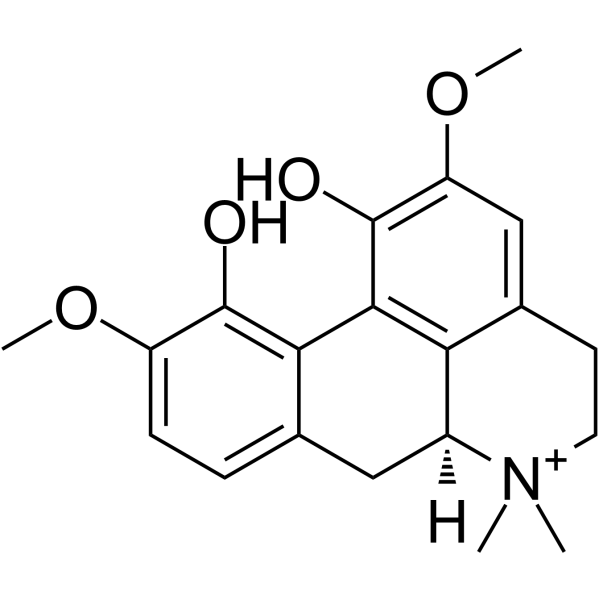 0 Images(+)-Magnoflorine (α-Magnoflorine) is an orally active aporphine alkaloid with multiple biological activities. (+)-Magnoflorine promotes Parkin/PINK1 -mediated mitochondrial autophagy, inhibits the activation of NLRP3/Caspase-1 pathway, regulates the intestinal microbiota, and exhibits significant anti-inflammatory and immunomodulatory activities. (+)-Magnoflorine inhibits JNK and TLR4/NF-κB signaling pathways, activates Sirt1/AMPK pathway, alleviates neuronal oxidative stress and apoptosis. Magnoflorine upregulates miR-410-3p, inhibits HMGB1/NF-κB pathway, and has anti-tumor activity. (+)-Magnoflorine also has significant antifungal activity.
-
Isoandrographolide
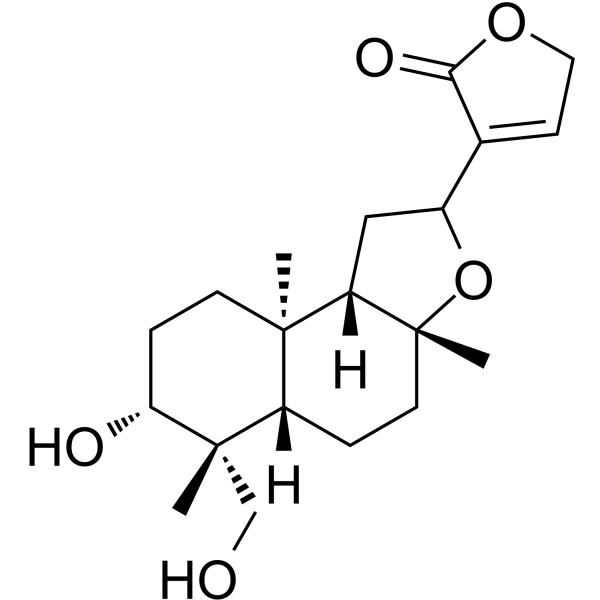 0 ImagesIsoandrographolide is an orally active NLRP3 inflammasome inhibitor and AKT/GSK-3β/β-catenin pathway inhibitor. Isoandrographolide inhibits the expression of NLRP3, ASC, and caspase-1, and reduces the levels of phosphorylated AKT, phosphorylated GSK-3β, and β-catenin. Isoandrographolide alleviates inflammatory responses, reduces collagen deposition, suppresses epithelial-mesenchymal transition (EMT), induces differentiation of leukemia cells, inhibits the growth of leukemia cells, protects lung and kidney tissues, regulates cytokine levels, and also exhibits hepatoprotective effects. Isoandrographolide can be used in studies related to silicosis, murine myeloid leukemia, renal tubulointerstitial fibrosis, and non-alcoholic fatty liver disease.
-
Crustecdysone (Standard)
 0 ImagesCrustecdysone (Standard) is the analytical standard of Crustecdysone. This product is intended for research and analytical applications. Crustecdysone (20-Hydroxyecdysone) is a naturally occurring ecdysteroid hormone isolated from Serratula coronata which controls the ecdysis (moulting) and metamorphosis of arthropods, it inhibits caspase activity and induces autophagy via the 20E nuclear receptor complex, EcR-USP. Crustecdysone exhibits regulatory or protective roles in the cardiovascular system. Crustecdysone is an active metabolite of Ecdysone (HY-N0179).
-
VRT-043198 (Standard)
 0 ImagesCat. No.: HY-112226RCAS No.: 244133-31-1VRT-043198 (Standard) is the analytical standard of VRT-043198. This product is intended for research and analytical applications. VRT-043198, the agent metabolite of VX-765 (Belnacasan), is a potent, selective and blood-brain barrier permeable inhibitor of interleukin-converting enzyme/caspase-1 subfamily caspases. VRT-043198 exhibits Ki values of 0.8 nM and 0.6 nM for ICE/caspase-1 and caspase-4, respectively[1].
-
Mesaconic acid (Standard)
 0 ImagesSynonyms: Citronic acid (Standard); Methylfumaric acid (Standard)Mesaconic acid (Standard) is the analytical standard of Mesaconic acid. This product is intended for research and analytical applications. Mesaconic acid (Citronic acid; Methylfumaric acid) is an orally active anti-inflammatory and antioxidant agent. Mesaconic acid reduces the level of NF-κB in colon tissues, downregulates the expression of Keap1 and Bax, upregulates the expression of Nrf2 and Bcl2, and decreases the expression of Caspase-1. Mesaconic acid reduces the levels of NLRP3, ASC and Casp-1 in colon, liver and kidney tissues. Mesaconic acid reduces pro-inflammatory cytokine levels, increases the level of the anti-inflammatory cytokine IL-10, elevates NAD+ levels, regulates oxidative stress markers and antioxidant enzyme levels, and upregulates intestinal barrier proteins in colon, liver and kidney tissues. Mesaconic acid increases the abundance of beneficial gut bacteria and reduces the abundance of harmful gut bacteria in rapidly aging mice, and exhibits anti-aging properties. Mesaconic acid acts as a flame retardant and serves as a competitive inhibitor of fumarate reduction. Mesaconic acid can be used in the research of aging-related inflammation.




