



IAP
IAP (Inhibitor of apoptosis) proteins, a family of anti-apoptotic proteins, have an important role in evasion of apoptosis, as they can both block apoptosis-signaling pathways and promote survival. Eight members of this family have been described in humans (BIRC1/NAIP, BIRC2/cIAP1, BIRC3/cIAP2, BIRC4/XIAP, BIRC5/Survivin, BIRC6/Apollon, BIRC7/ML-IAP and BIRC8/ILP2).
IAP genes encode proteins that directly bind and inhibit caspases, and thus play a critical role in deciding cell fate. The IAPs are in turn regulated by endogenous proteins (second mitochondrial activator of caspases and Omi) that are released from the mitochondria during apoptosis. IAP protein family members are frequently overexpressed in cancer and contribute to tumor cell survival, chemo-resistance, disease progression, and poor prognosis. Targeting critical apoptosis regulators, like IAPs, is an attractive therapeutic way undertaken for the development of new classes of therapies for cancer.
Although best known for their ability to regulate caspases, IAPs also influence ubiquitin (Ub)-dependent pathways that modulate innate immune signaling via activation of NF-κB. Several members of the IAP family regulate innate and adaptive immunity through modulation of signal transduction pathways, cytokine production, and cell survival. The regulation of immunity by the IAPs is primarily mediated through the ubiquitin ligase function of cIAP1, cIAP2, and XIAP, the targets of which impact NF-κB and MAPK signalling pathways.
IAP Isoform Specific Products
All Product Categories
-
IAP Inhibitors
(45)
View all products
-
IAP Antagonists
(29)
View all products
-
IAP Activators
(2)
View all products
-
IAP Modulator
(1)
View all products
-
IAP Inducer
(1)
View all products
-
IAP Degraders
(12)
View all products
-
IAP Control
(1)
View all products
-
IAP Ligands
(10)
View all products
-
X-Linked Inhibitor Of Apoptosis (XIAP) Proteins
(3)
View all products
-
IAP Related Products (107)
Related Products (107)

-
Recombinant Proteins (3)
-
Antibodies (2)
-
IAP Isoform Comparison
-
CST626
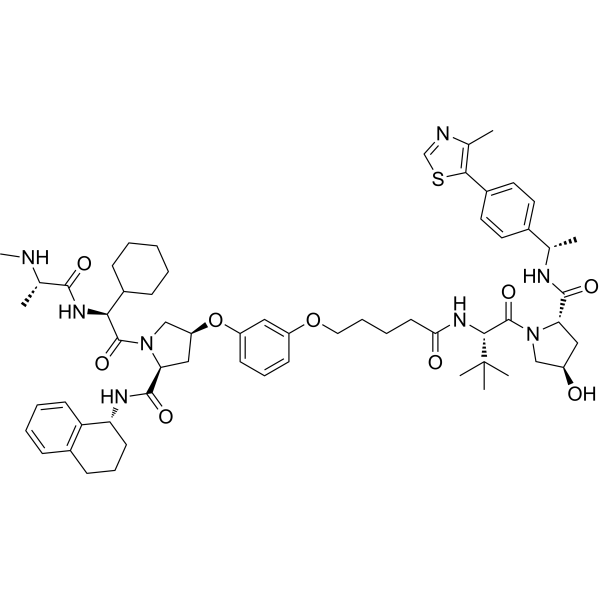 0 ImagesCST626 is a PROTAC degrader targeting IAP, with DC50 values of 0.7 nM, 2.4 nM and 6.2 nM against XIAP, cIAP1 and cIAP2, respectively. This compound recruits the VHL E3 ubiquitin ligase to form a heterotrimeric complex, thereby inducing ubiquitination and proteasomal degradation of the target proteins. CST626 also exhibits certain degrading activity against VHL30 and VHL19. CST626 inhibits the proliferation and induces apoptosis of various hematologic tumor cell lines, and its anti-tumor effect is further enhanced when used in combination with TNF-α. CST626 can be used in research related to multiple myeloma, acute myeloid leukemia and diffuse large B-cell lymphoma.
-
1-Monopalmitin
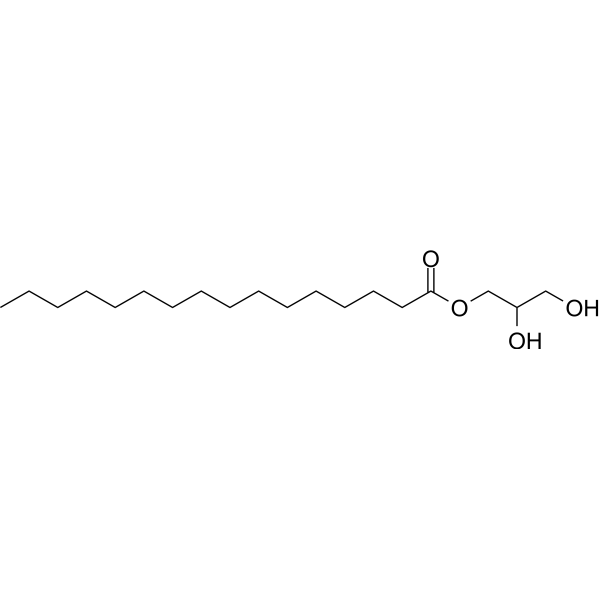 0 ImagesSynonyms: Glyceryl palmitate1-Monopalmitin (Glyceryl palmitate) is an activator of the PI3K/Akt pathway and an inhibitor of P-glycoprotein (P-gp). 1-Monopalmitin can induce G2/M arrest and caspase-dependent apoptosis in cancer cells, while inhibiting IAPs protein expression. 1-Monopalmitin can increase drug accumulation by inhibiting P-gp activity in intestinal Caco-2 cells. 1-Monopalmitin has the ability to induce protective autophagy and apoptosis of lung cancer cells (IC50=50-58 μg/mL), with low toxicity to normal cells.
-
Flavokawain C
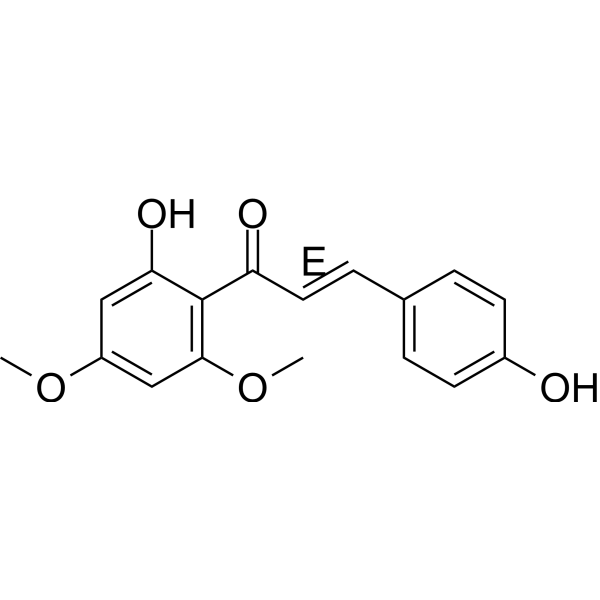 0 ImagesFlavokawain C is an orally active natural chalcone. Flavokawain C inhibits the proliferation of various cancer cells. Flavokawain C upregulates GADD153 in cancer cells, inhibits the phosphorylation of Akt and JNK, suppresses early ERK phosphorylation, activates late ERK phosphorylation, activates caspase related subtypes, induces PARP-1 cleavage, causes upregulation of p21 and p27, downregulation of mutant p53 and anti-apoptotic IAP proteins, elevates intracellular ROS levels, reduces SOD activity, and induces apoptosis. Flavokawain C downregulates FABP4, induces autophagy in cancer cells, and activates the AMPK/mTOR pathway. Flavokawain C decreases the expression of glycolysis-related proteins GLUT1 and HK2, and inhibits glycolysis in nasopharyngeal carcinoma cells. Flavokawain C inhibits the activation of the EGFR/PI3K/Akt/mTOR signaling pathway and reduces the expression of HSP90B1. Flavokawain C inhibits angiogenesis by decreasing the expression of angiogenic proteins Ang-1 and VEGF in human umbilical vein endothelial cells. Flavokawain C increases γ-H2AX levels in cells, inhibits the phosphorylation of FAK, PI3K and AKT in cells, and induces DNA damage in cells. Flavokawain C exerts anti-tumor activity in multiple tumor xenograft mouse models. Flavokawain C is applicable to research related to colorectal cancer, colon adenocarcinoma, nephroblastoma, nasopharyngeal carcinoma and liver cancer.
-
Polygalacin D
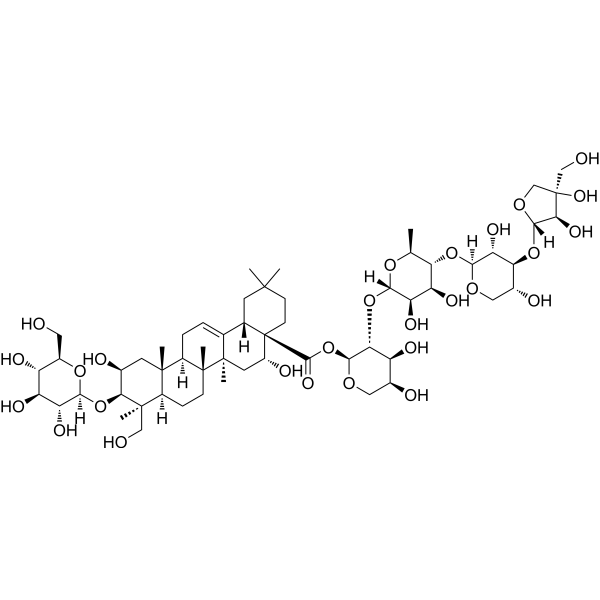 0 ImagesPolygalacin D (PGD) is a bioactive compound isolated from Platycodon grandiflorum with anticancer and anti-proliferative properties. PGD suppresses the expression of the IAP family of proteins including survivin, cIAP-1 and cIAP-2 and blocks the PI3K/Akt pathway by inhibiting the phosphorylation of GSK3β, Akt and the expression of PI3K. Polygalacin D induces apoptosis
-
A 410099.1
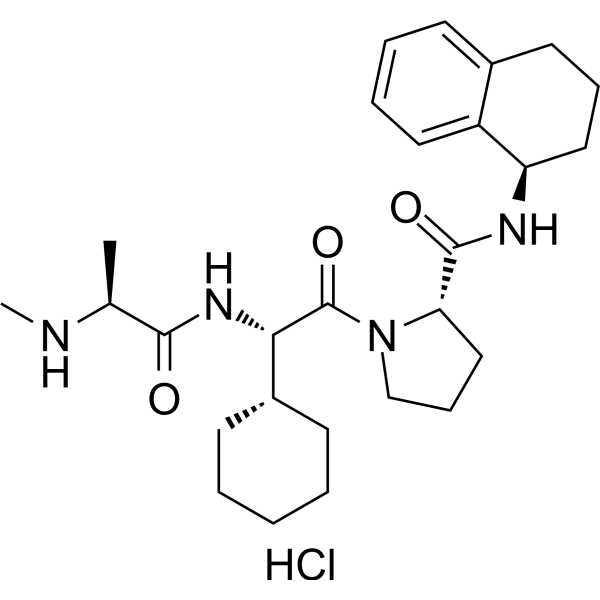 0 ImagesA 410099.1 is a BIRC inhibitor, with EC50 values for BIRC2, BIRC3, BIRC4, BIRC7, and BIRC8 are 4.6, 9.2, 15.6, 19.9, and 93.9 nM, respectively.
-
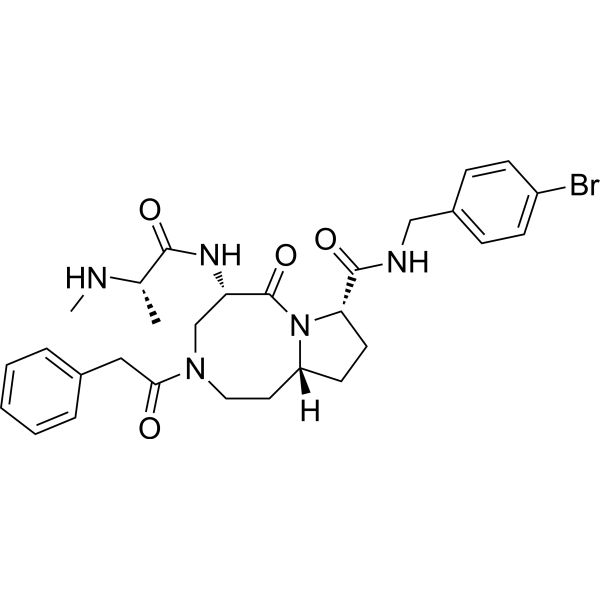
PBX-7016
 0 ImagesCat. No.: HY-178226CAS No.: 3003834-34-9PBX-7016 is a DNA topoisomerase I inhibitor and DDX5 degrader. PBX-7016 induces DNA damage and downregulates Survivin, Mcl-1, and XIAP. PBX-7016 exerts a bystander killing effect. PBX-7016 can serve as an ADC payload for the synthesis of ADC. PBX-7016 is applicable to research related to head and neck cancer, non-small cell lung cancer, breast cancer, colorectal cancer, and ovarian cancer.
-
Isolinderalactone
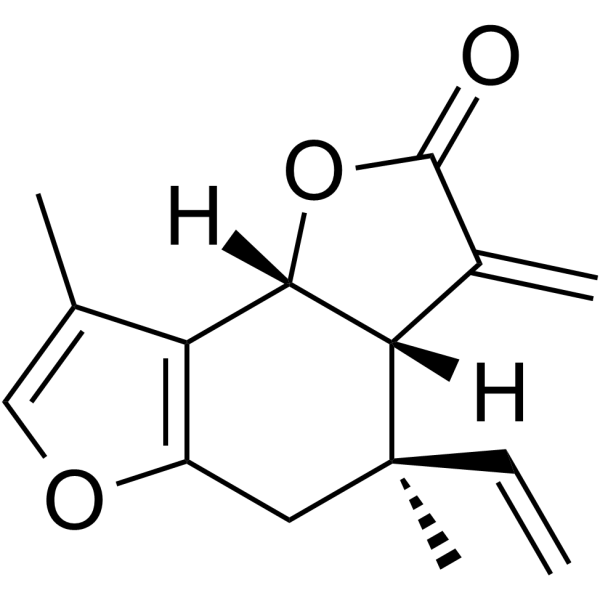 0 ImagesIsolinderalactone is a sesquiterpene that exhibits anti-cancer, anti-inflammatory, and neuroprotective effects. Isolinderalactone inhibits VEGF expression and tyrosine phosphorylation of VEGFR2. Isolinderalactone decreases viability and induces apoptosis in U-87 glioblastoma (GBM) cells and colorectal cancer (CRC) cells. Isolinderalactone induces G2/M phase cell cycle arrest, ROS generation, pJNK/p38 MAPK activation, in colorectal cancer (CRC) cells. Isolinderalactone blocks LPS (HY-D1056)-induced NF-κB activation while activating Nrf2-HMOX1 signaling in RAW264.7 macrophages. Isolinderalactone improves cognitive dysfunction in APP/PS1 mice. Isolinderalactone can be used for the study of Glioblastoma multiforme (GBM), colorectal cancer, Alzheimer’s disease and acute lung injury.
-
TD1092
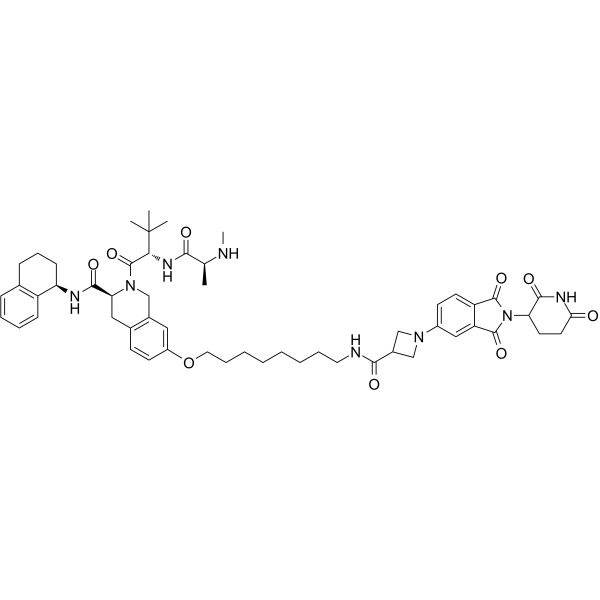 0 ImagesTD1092 is a pan-inhibitor of apoptosis protein (IAP) PROTAC degrader that targets cIAP1, cIAP2, and XIAP for degradation. TD1092 induces cell apoptosis by activating caspase. TD1092 inhibits the NF-κB signaling pathway induced by TNFα. TD1092 suppresses TNFα-induced epithelial-mesenchymal transition, cancer cell migration, and invasion. TD1092 is suitable for research on breast cancer, ovarian cancer, melanoma, and inflammation-related diseases.
-
UC-112
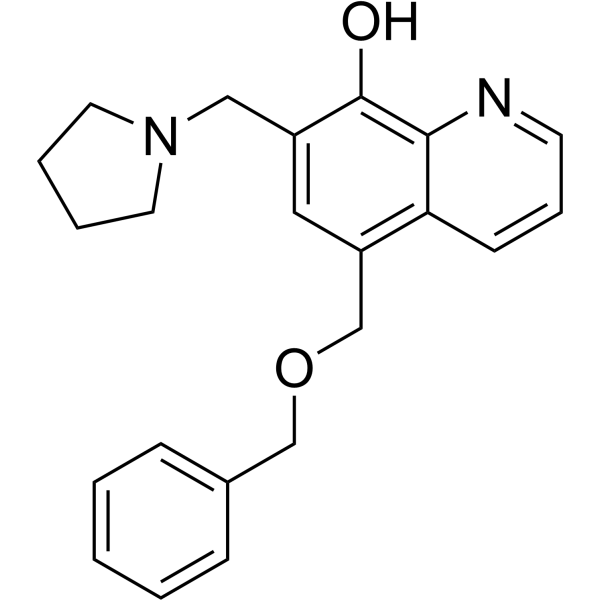 0 ImagesUC-112 is a XIAP inhibitor with anticancer activity. UC-112 selectively downregulates and degrades survivin via the ubiquitin-mediated proteasomal degradation pathway. UC-112 reduces XIAP levels in in vivo tumor models. UC-112 activates caspase-3/7 and caspase-9, and induces cancer cell apoptosis. UC-112 is applicable to studies on melanoma, prostate cancer and cancer-related research.
-
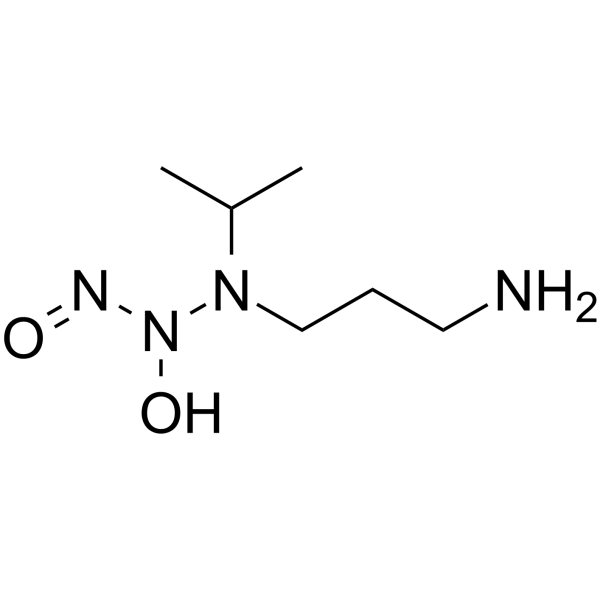
SBP-0636457
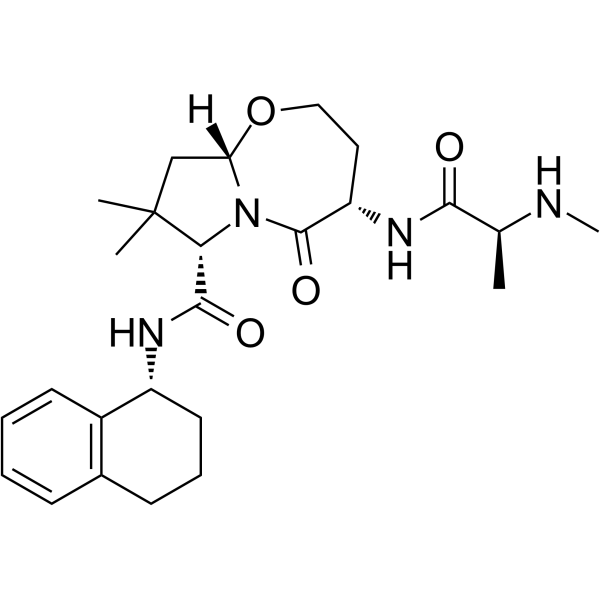 0 ImagesSynonyms: SBI-0636457; SB1-0636457
-
Bestatin methyl ester
 0 ImagesCat. No.: HY-137159CAS No.: 65322-89-6Bestatin methyl ester is a cell permeable Zn2+-binding aminopeptidases inhibitor. Bestatin methyl ester inhibits spore cell differentiation.
-
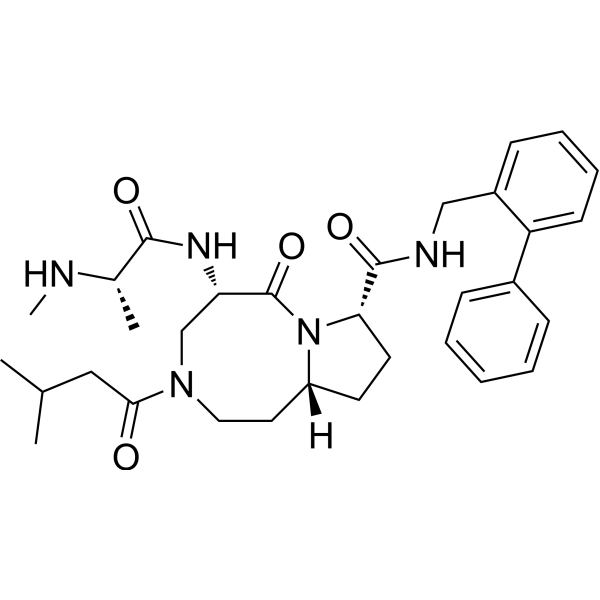
CST530
 0 ImagesCat. No.: HY-150825CAS No.: 847137-53-5
-
(7R)-SBP-0636457
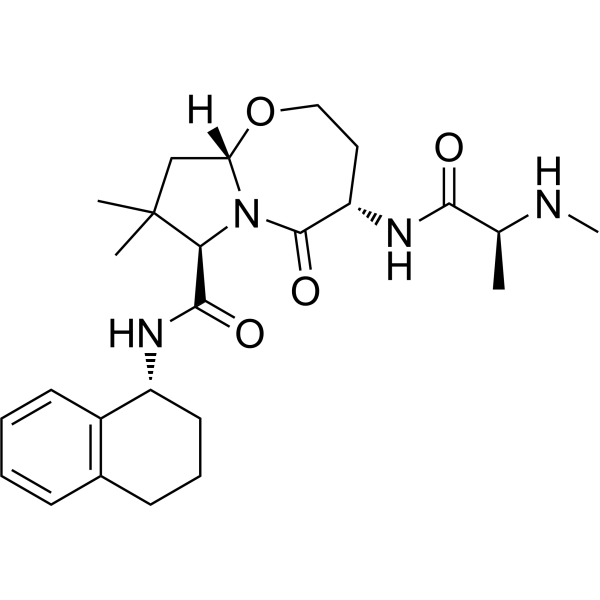 0 ImagesSynonyms: (7R)-SBI-0636457; (7R)-SB1-0636457(7R)-SBP-0636457 is the isomer of SBP-0636457 (HY-125378), and can be used as an experimental control. SBP-0636457 (SB1-0636457) is a SMAC mimetic, and as an IAP antagonist. SBP-0636457 binds to the BIR-domains of the IAP proteins, with a Ki of 0.27 μM. SBP-0636457 can be used for the research of solid tumors and hematologic cancers.
-
Nurr1 agonist 14
 0 ImagesCat. No.: HY-175352Purity: 99.42%Nurr1 agonist 14 (Compound 32) is a Nurr1 agonist with an EC50 of 0.09 μM for Nurr1. Nurr1 agonist 14 has significant neuroprotective activity with no influence of residual DHODH inhibition. Nurr1 agonist 14 upregulates neuroprotective genes including SOD2, SESN3, BIRC5, XIAP, FLRT2 and CRMP4 in dopaminergic neurons. Nurr1 agonist 14 can be used for neurodegenerative diseases such as Alzheimer′s disease (AD), Parkinson′s disease (PD) and multiple sclerosis (MS) research.
-
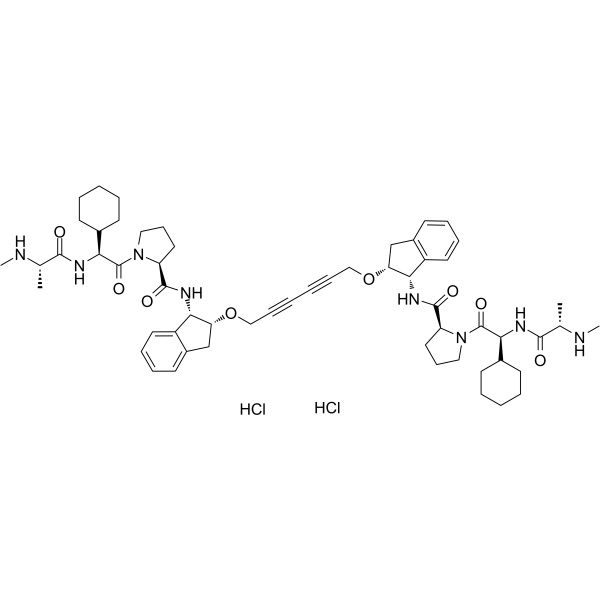
BV6 TFA
 0 ImagesCat. No.: HY-16701APurity: 99.61%BV6 TFA is an antagonist of cIAP1 and XIAP, members of the inhibitors of apoptosis (IAP) family. BV6 TFA shows an IC50 of 7.2 μM in MTS assays in HCC193 cells. BV6 TFA can be used in the research of endometrial cancer and endometriosis.




