



IAP Inhibitor
-
Dacomitinib
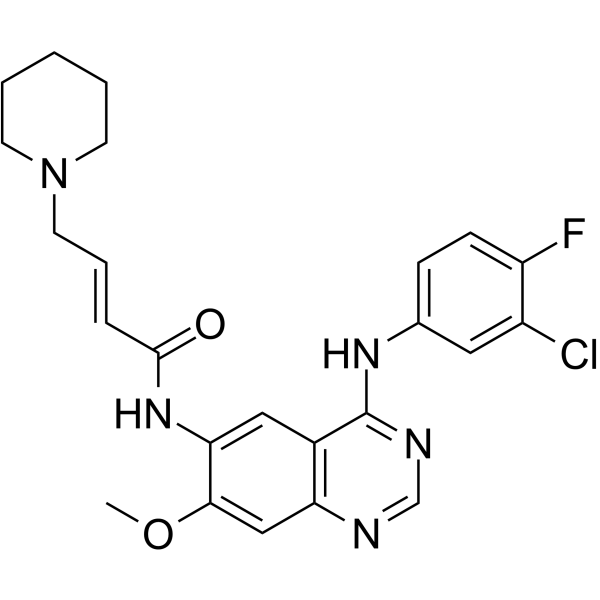 0 ImagesSynonyms: PF-00299804; PF-299804
Dacomitinib (PF-00299804; PF-299804) is an orally active irreversible pan-ERBB receptor tyrosine kinase inhibitor with inhibitory activity against HER1/EGFR, HER2, and HER4. Dacomitinib exerts antitumor effects in various tumor cells, inhibiting tumor cell proliferation, migration, and invasion, inducing cell cycle arrest and apoptosis, regulating the expression of molecules related to the cell cycle, apoptosis, and epithelial-mesenchymal transition, and it can also reverse partial drug resistance, producing synergistic effects when combined with chemotherapy. Dacomitinib inhibits key signaling pathways such as PI3K‑AKT‑mTOR and PLK1‑FOXM1. Dacomitinib ameliorates pathological changes associated with pulmonary arterial hypertension in rats. Dacomitinib can be used in research on breast cancer, bladder cancer, epithelial ovarian cancer, and pulmonary arterial hypertension.
-
FL118
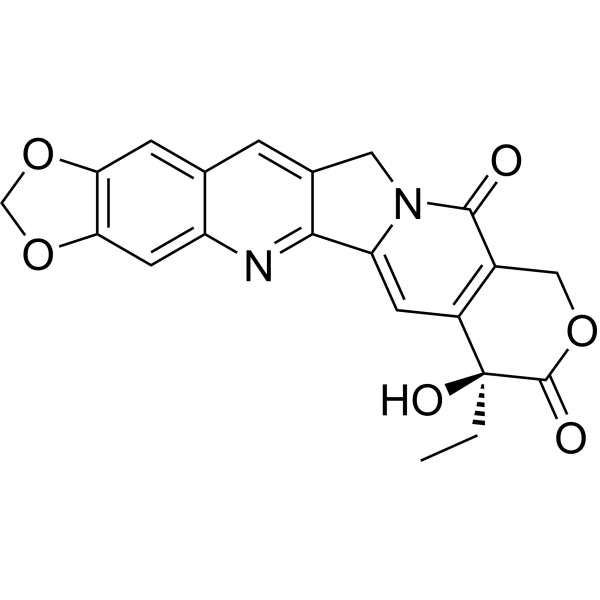 0 ImagesSynonyms: 10,11-(Methylenedioxy)-20(S)-camptothecin
FL118 (10,11-(Methylenedioxy)-20(S)-camptothecin), a Camptothecin (HY-16560) analogue, is a potent and orally active survivin inhibitor. FL118 binds to oncoprotein DDX5 (p68) to dephosphorylates and degrades DDX5. FL118 can be used for the research of cancer.
-
Jolkinolide B
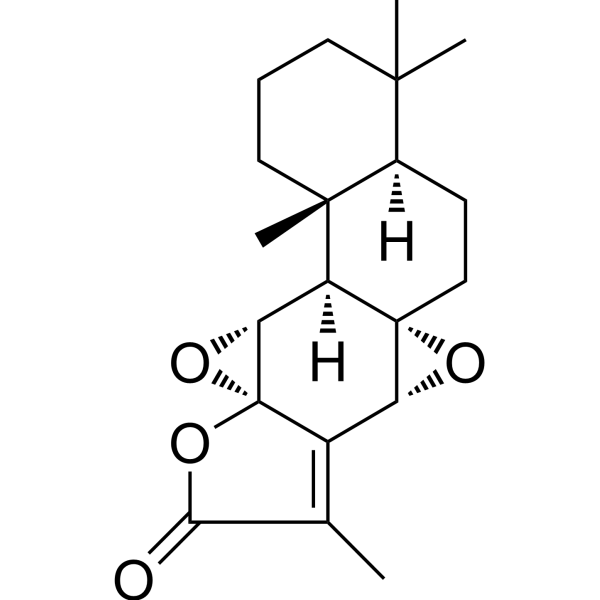 0 Images
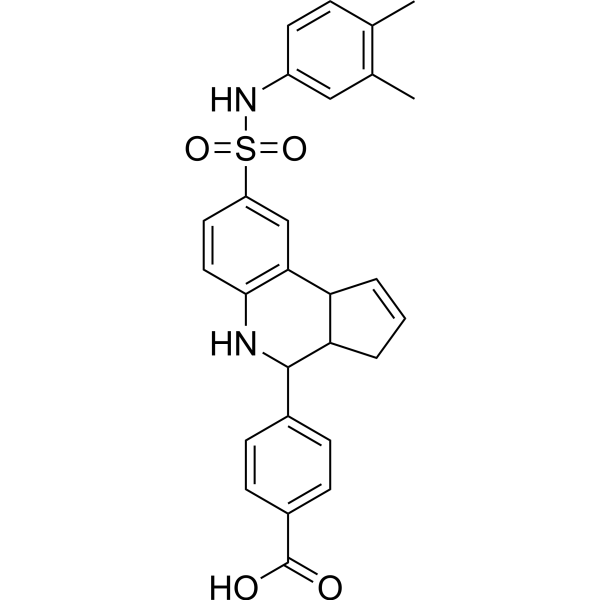
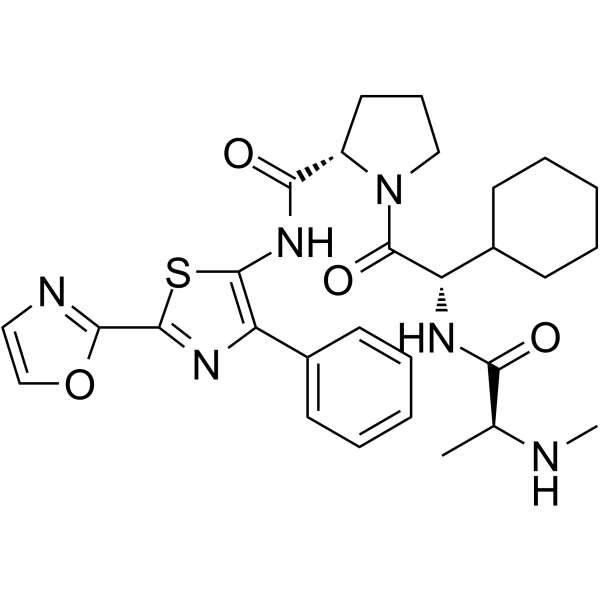
Jolkinolide B is a bioactive diterpene isolated from the roots of Euphorbia fischeriana Steud with oral activity. Jolkinolide B downregulates XIAP, cIAP1, cIAP2, and phosphorylated Akt, upregulates Smac, activates caspase-3 and caspase-9, and inhibits NF-κB, TGFβ/smad3 and JAK/STAT3 pathways. Jolkinolide B exerts comprehensive biological effects including inducing cancer cell apoptosis, suppressing inflammatory responses, improving lung function, alleviating hepatic steatosis and eliminating intracellular Mycobacterium tuberculosis. Jolkinolide B can be used for the research of leukemia, histiocytic lymphoma, asthma, metabolic dysfunction-associated steatotic liver disease and tuberculosis.
-
Flavokawain A
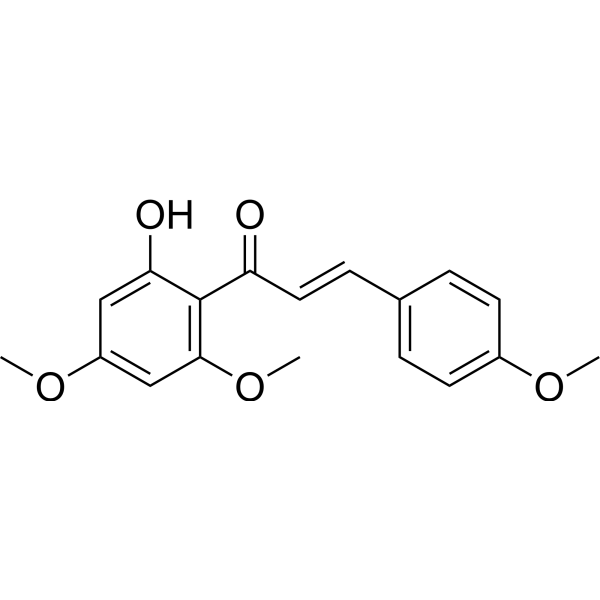 0 Images
Flavokawain A is a chalcone compound and an orally active inhibitor of PRMT5 and cytochrome P450. Flavokawain A has anti-inflammatory, anti-tumor, and immunomodulatory effects. Flavokawain A can inhibit the proliferation of tumor cells and induce apoptosis. Flavokawain A can be used in the research of diseases such as bladder cancer.
-
1-Monopalmitin
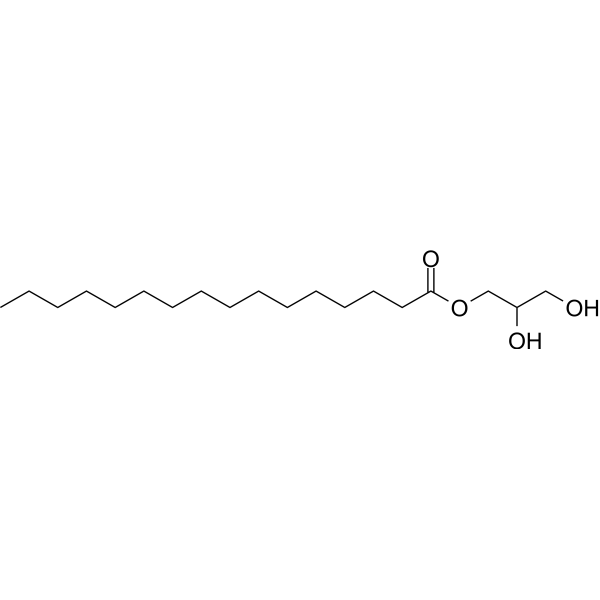 0 ImagesSynonyms: Glyceryl palmitate
1-Monopalmitin (Glyceryl palmitate) is an activator of the PI3K/Akt pathway and an inhibitor of P-glycoprotein (P-gp). 1-Monopalmitin can induce G2/M arrest and caspase-dependent apoptosis in cancer cells, while inhibiting IAPs protein expression. 1-Monopalmitin can increase drug accumulation by inhibiting P-gp activity in intestinal Caco-2 cells. 1-Monopalmitin has the ability to induce protective autophagy and apoptosis of lung cancer cells (IC50=50-58 μg/mL), with low toxicity to normal cells.
-
Flavokawain C
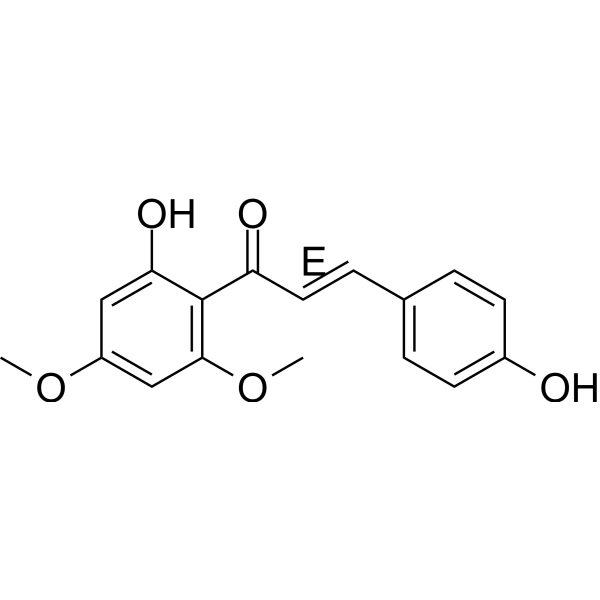 0 Images
Flavokawain C is an orally active natural chalcone. Flavokawain C inhibits the proliferation of various cancer cells. Flavokawain C upregulates GADD153 in cancer cells, inhibits the phosphorylation of Akt and JNK, suppresses early ERK phosphorylation, activates late ERK phosphorylation, activates caspase related subtypes, induces PARP-1 cleavage, causes upregulation of p21 and p27, downregulation of mutant p53 and anti-apoptotic IAP proteins, elevates intracellular ROS levels, reduces SOD activity, and induces apoptosis. Flavokawain C downregulates FABP4, induces autophagy in cancer cells, and activates the AMPK/mTOR pathway. Flavokawain C decreases the expression of glycolysis-related proteins GLUT1 and HK2, and inhibits glycolysis in nasopharyngeal carcinoma cells. Flavokawain C inhibits the activation of the EGFR/PI3K/Akt/mTOR signaling pathway and reduces the expression of HSP90B1. Flavokawain C inhibits angiogenesis by decreasing the expression of angiogenic proteins Ang-1 and VEGF in human umbilical vein endothelial cells. Flavokawain C increases γ-H2AX levels in cells, inhibits the phosphorylation of FAK, PI3K and AKT in cells, and induces DNA damage in cells. Flavokawain C exerts anti-tumor activity in multiple tumor xenograft mouse models. Flavokawain C is applicable to research related to colorectal cancer, colon adenocarcinoma, nephroblastoma, nasopharyngeal carcinoma and liver cancer.
-
Polygalacin D
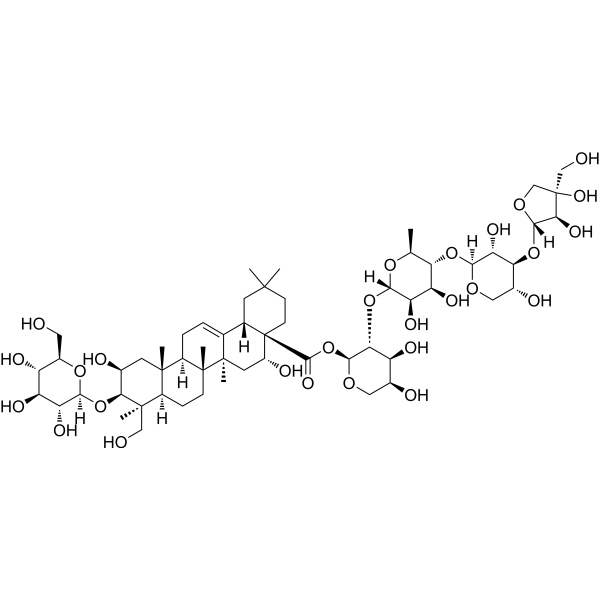 0 Images
Polygalacin D (PGD) is a bioactive compound isolated from Platycodon grandiflorum with anticancer and anti-proliferative properties. PGD suppresses the expression of the IAP family of proteins including survivin, cIAP-1 and cIAP-2 and blocks the PI3K/Akt pathway by inhibiting the phosphorylation of GSK3β, Akt and the expression of PI3K. Polygalacin D induces apoptosis
-
Dacomitinib hydrate
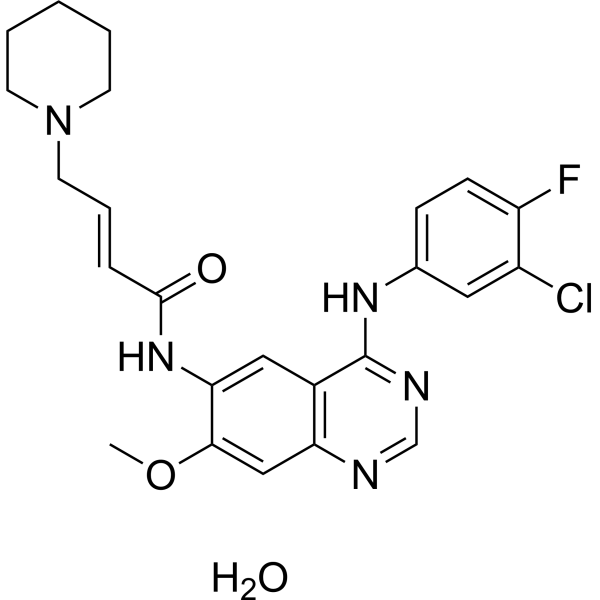 0 ImagesSynonyms: PF-00299804 hydrate; PF-299804 hydrate
Dacomitinib hydrate (PF-00299804 hydrate; PF-299804 hydrate) is an orally active irreversible pan-ERBB receptor tyrosine kinase inhibitor with inhibitory activity against HER1/EGFR, HER2, and HER4. Dacomitinib hydrate exerts antitumor effects in various tumor cells, inhibiting tumor cell proliferation, migration, and invasion, inducing cell cycle arrest and apoptosis, regulating the expression of molecules related to the cell cycle, apoptosis, and epithelial-mesenchymal transition, and it can also reverse partial drug resistance, producing synergistic effects when combined with chemotherapy. Dacomitinib hydrate inhibits key signaling pathways such as PI3K‑AKT‑mTOR and PLK1‑FOXM1. Dacomitinib hydrate ameliorates pathological changes associated with pulmonary arterial hypertension in rats. Dacomitinib hydrate can be used in research on breast cancer, bladder cancer, epithelial ovarian cancer, and pulmonary arterial hypertension.
-
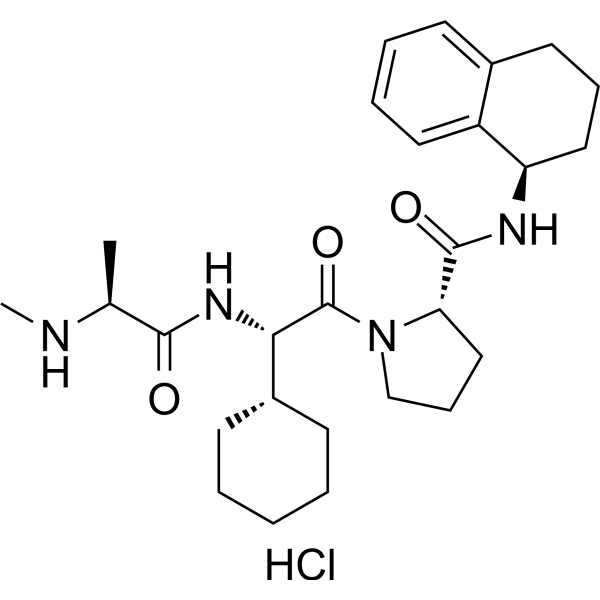
A 410099.1
 0 Images
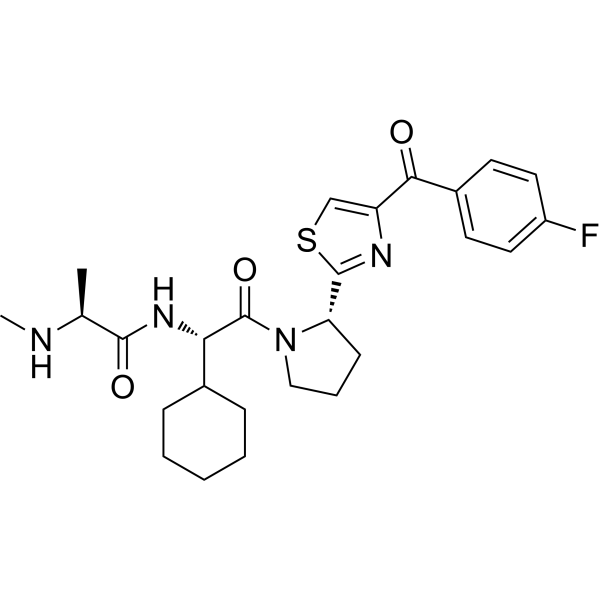
A 410099.1 is a BIRC inhibitor, with EC50 values for BIRC2, BIRC3, BIRC4, BIRC7, and BIRC8 are 4.6, 9.2, 15.6, 19.9, and 93.9 nM, respectively.
-
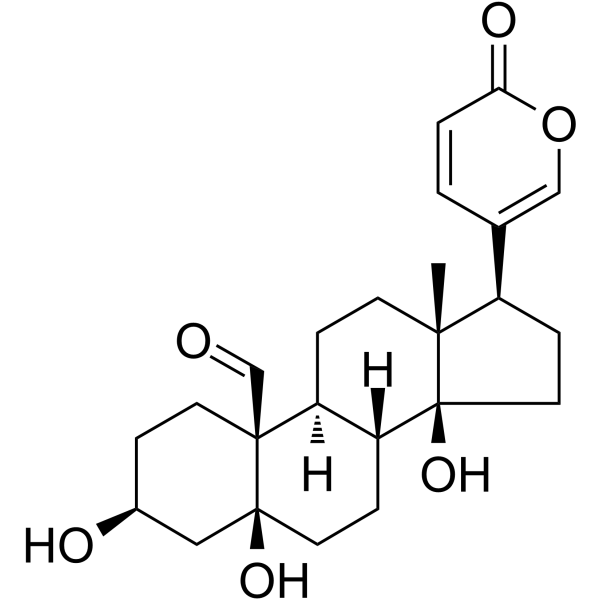
Hellebrigenin
 0 Images
Hellebrigenin is an inhibitor that selectively targets the MAPK signaling pathway (ERK, p38, JNK) and XIAP, and can inhibit Akt expression and phosphorylation. Hellebrigenin can activate endogenous apoptosis pathways (such as mitochondrial membrane potential disruption, Caspase family activation, PARP cleavage), downregulate anti-apoptotic proteins (Bcl-2, Bcl-xL) and upregulate pro-apoptotic proteins (Bax, Bak). Hellebrigenin can also induce DNA double-strand breaks to activate the ATM pathway. Hellebrigenin can inhibit tumor cell proliferation and clone formation, and is mainly used in the study of oral squamous cell carcinoma, liver cancer and other cancers.
-
PBX-7016
 0 Images
PBX-7016 is a DNA topoisomerase I inhibitor and DDX5 degrader. PBX-7016 induces DNA damage and downregulates Survivin, Mcl-1, and XIAP. PBX-7016 exerts a bystander killing effect. PBX-7016 can serve as an ADC payload for the synthesis of ADC. PBX-7016 is applicable to research related to head and neck cancer, non-small cell lung cancer, breast cancer, colorectal cancer, and ovarian cancer.
-
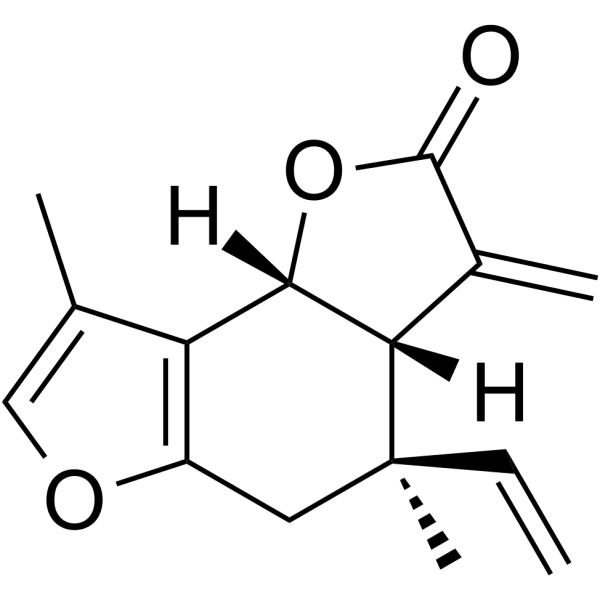
Isolinderalactone
 0 Images
Isolinderalactone is a sesquiterpene that exhibits anti-cancer, anti-inflammatory, and neuroprotective effects. Isolinderalactone inhibits VEGF expression and tyrosine phosphorylation of VEGFR2. Isolinderalactone decreases viability and induces apoptosis in U-87 glioblastoma (GBM) cells and colorectal cancer (CRC) cells. Isolinderalactone induces G2/M phase cell cycle arrest, ROS generation, pJNK/p38 MAPK activation, in colorectal cancer (CRC) cells. Isolinderalactone blocks LPS (HY-D1056)-induced NF-κB activation while activating Nrf2-HMOX1 signaling in RAW264.7 macrophages. Isolinderalactone improves cognitive dysfunction in APP/PS1 mice. Isolinderalactone can be used for the study of Glioblastoma multiforme (GBM), colorectal cancer, Alzheimer’s disease and acute lung injury.
-
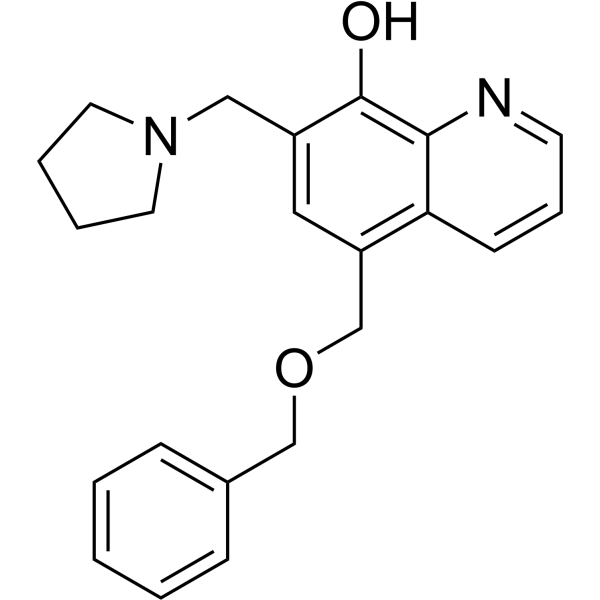
UC-112
 0 Images
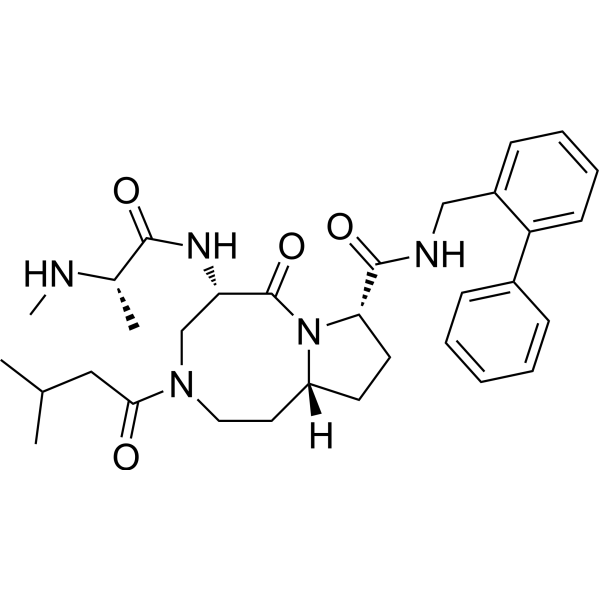
UC-112 is a XIAP inhibitor with anticancer activity. UC-112 selectively downregulates and degrades survivin via the ubiquitin-mediated proteasomal degradation pathway. UC-112 reduces XIAP levels in in vivo tumor models. UC-112 activates caspase-3/7 and caspase-9, and induces cancer cell apoptosis. UC-112 is applicable to studies on melanoma, prostate cancer and cancer-related research.
-
Dacomitinib-d10 dihydrochloride
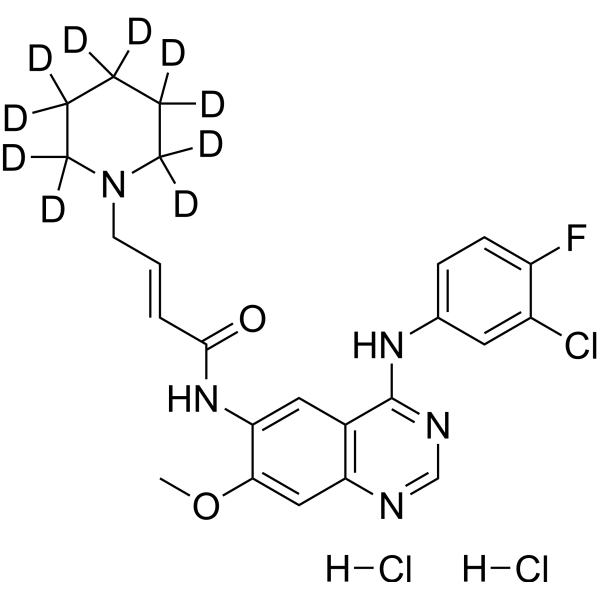 0 ImagesArt. -Nr.: HY-13272S2Synonyms: PF-00299804-d10 dihydrochloride; PF-299804-d10 dihydrochloride
Dacomitinib-d10 dihydrochloride (PF-00299804-d10 dihydrochloride; PF-299804-d10 dihydrochloride) is the deuterated-labeled Dacomitinib (HY-13272). Dacomitinib (PF-00299804; PF-299804) is an orally active irreversible pan-ERBB receptor tyrosine kinase inhibitor with inhibitory activity against HER1/EGFR, HER2, and HER4. Dacomitinib exerts antitumor effects in various tumor cells, inhibiting tumor cell proliferation, migration, and invasion, inducing cell cycle arrest and apoptosis, regulating the expression of molecules related to the cell cycle, apoptosis, and epithelial-mesenchymal transition, and it can also reverse partial drug resistance, producing synergistic effects when combined with chemotherapy. Dacomitinib inhibits key signaling pathways such as PI3K‑AKT‑mTOR and PLK1‑FOXM1. Dacomitinib ameliorates pathological changes associated with pulmonary arterial hypertension in rats. Dacomitinib can be used in research on breast cancer, bladder cancer, epithelial ovarian cancer, and pulmonary arterial hypertension.
-
Sanggenon G
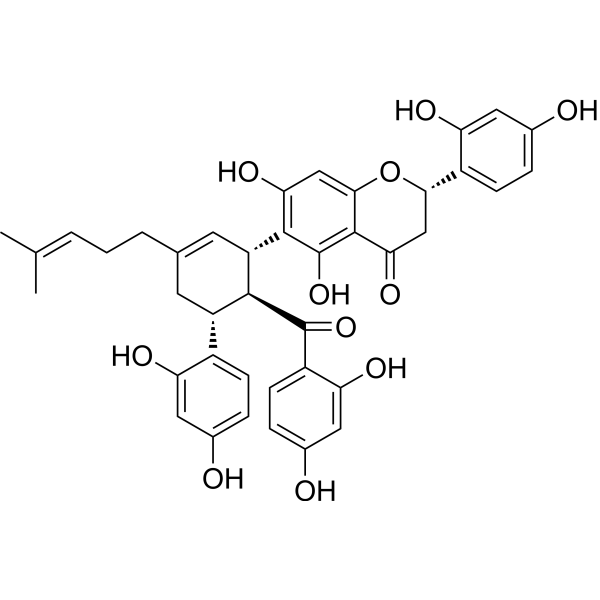 0 ImagesArt. -Nr.: HY-12372CAS. Nr.: 85698-31-3
Sanggenon G is a cell-permeable and potent inhibitor of X-linked inhibitor of apoptosis protein (XIAP). Sanggenon G binds specifically to the BIR3 domain of XIAP with a binding affinity of 34.26 μM. Sanggenon G enhances caspase activation.



