



Microbial Metabolite
Microbial metabolites function as critical mediators between host physiology and microbiome activity, regulating immunity, metabolic homeostasis, and tissue repair[1][2][3]. Mechanistically, these metabolites modulate host cellular signaling through pathways including AMPK, PPARα, and HDAC inhibition, influencing lipid metabolism, bone homeostasis, and epigenetic regulation[4][5][6][7]. In disease models, specific microbial metabolites such as 10-hydroxystearic acid and imidazole propionate demonstrate dual roles in hepatic regeneration and bone dysfunction, respectively, underscoring context-dependent effects[5][6]. Compared with related isoforms, certain microbial metabolites act selectively on target enzymes or receptors, exemplified by butyrate and valeric acid inhibiting class I HDACs without affecting other isoforms[7]. For experimental applications, metabolites have been leveraged as diagnostic markers in gastric cancer, modulators of drug toxicity, and indicators of microbial-host metabolic interactions[2][8][9]. Bioinformatic tools, including MetOrigin, enable precise discrimination of microbial metabolite origins and facilitate pathway enrichment analysis, enhancing identification of functionally relevant compounds[4]. The integration of metagenomics, metabolomics, and metaproteomics supports targeted discovery of microbial metabolites for both mechanistic studies and therapeutic interventions[3][10][11].
References:
- [1]. Fobofou SA, et al. Microbial metabolites: cause or consequence in gastrointestinal disease? Am J Physiol Gastrointest Liver Physiol. 2022 Jun 1;322(6):G535-G552. [Content Brief]
- [2]. Nie S, et al. Microbial-Related Metabolites May Be Involved in Eight Major Biological Processes and Represent Potential Diagnostic Markers in Gastric Cancer. Cancers (Basel). 2023 Nov 3;15(21):5271. [Content Brief]
- [3]. Vélez-Ixta JM, et al. Post Natal Microbial and Metabolite Transmission: The Path from Mother to Infant. Nutrients. 2024 Jun 22;16(13):1990. [Content Brief]
- [4]. Yu G, et al. MetOrigin: Discriminating the origins of microbial metabolites for integrative analysis of the gut microbiome and metabolome. Imeta. 2022 Mar 21;1(1):e10. [Content Brief]
- [5]. Kramer DJ, et al. Microbial biotherapeutic metabolite alleviates liver injury by restoring hepatic lipid metabolism through PPARα across the gut-liver axis. mBio. 2025 Sep 10;16(9):e0171825. [Content Brief]
- [6]. Park SG, et al. The microbial metabolite imidazole propionate dysregulates bone homeostasis by inhibiting AMP-activated protein kinase (AMPK) signaling. Commun Biol. 2024 Dec 19;7(1):1644. [Content Brief]
- [7]. Yuille S, et al. Human gut bacteria as potent class I histone deacetylase inhibitors in vitro through production of butyric acid and valeric acid. PLoS One. 2018 Jul 27;13(7):e0201073. [Content Brief]
- [8]. Kim B, et al. Pathway-Based Integrative Analysis of Metabolome and Microbiome Data from Hepatocellular Carcinoma and Liver Cirrhosis Patients. Cancers (Basel). 2020 Sep 21;12(9):2705. [Content Brief]
- [9]. Lee H, et al. The Discovery of Gut Microbial Metabolites as Modulators of Host Susceptibility to Acetaminophen-Induced Hepatotoxicity. Drug Metab Dispos. 2024 Jul 16;52(8):754-764. [Content Brief]
- [10]. Wang WL, et al. Application of metagenomics in the human gut microbiome. World J Gastroenterol. 2015 Jan 21;21(3):803-14. [Content Brief]
- [11]. Kingkaw A, et al. Analysis of the infant gut microbiome reveals metabolic functional roles associated with healthy infants and infants with atopic dermatitis using metaproteomics. PeerJ. 2020 Sep 25;8:e9988. [Content Brief]
-
Microbial Metabolite Related Products (562)
Related Products (562)

-
5'-Methylthioadenosine
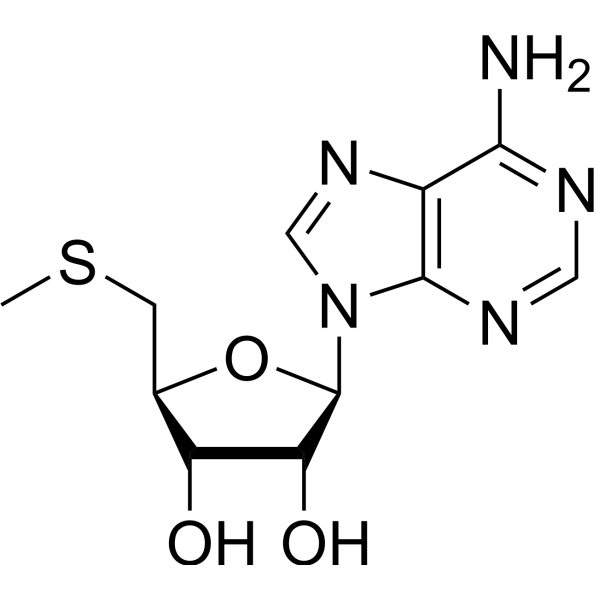 0 ImagesSynonyms: 5'-(Methylthio)-5'-deoxyadenosine; 5'-Deoxy-5'-(methylthio)adenosine; 5'-S-Methyl-5'-thioadenosine5'-Methylthioadenosine (5'-(Methylthio)-5'-deoxyadenosine) is a nucleoside generated from S-adenosylmethionine (SAM) during polyamine synthesis. 5'-Methylthioadenosine suppresses tumors by inhibiting tumor cell proliferation, invasion, and the induction of apoptosis while controlling the inflammatory micro-environments of tumor tissue. 5'-Methylthioadenosine and its associated materials have striking regulatory effects on tumorigenesis.
-
Norepinephrine hydrochloride
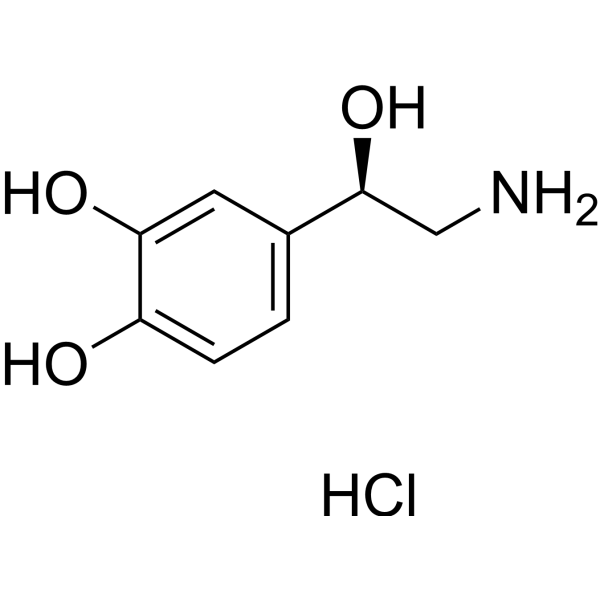 0 ImagesSynonyms: Levarterenol hydrochloride; L-Noradrenaline hydrochlorideNorepinephrine (Levarterenol; L-Noradrenaline) hydrochloride is a potent adrenergic receptor (AR) agonist. Norepinephrine activates α1, α2, β1 receptors.
-
Dopamine hydrochloride
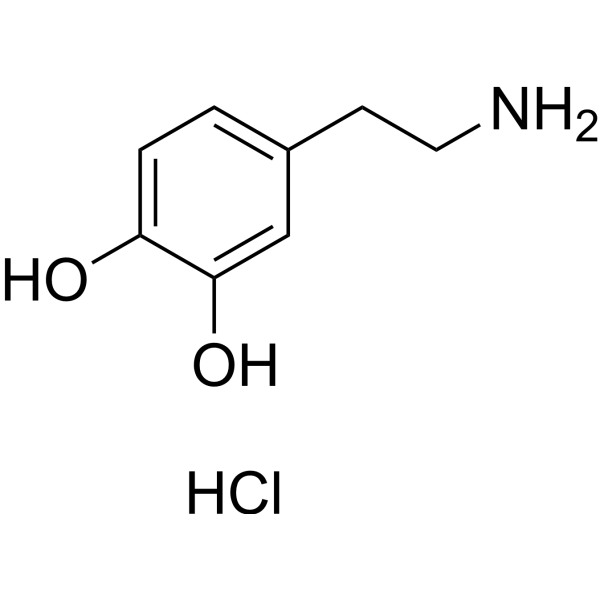 0 ImagesDopamine hydrochloride (ASL279) is a catecholamine neurotransmitter that is produced in the substantia nigra, ventral tegmental area, and hypothalamus of the brain. Dopamine hydrochloride (ASL279) plays several important roles in the brain and body. Dopamine hydrochloride (ASL279) acts through D2 dopamine receptors to induce endocytosis of VEGFR2, which is critical for promoting angiogenesis.
-
L-Proline
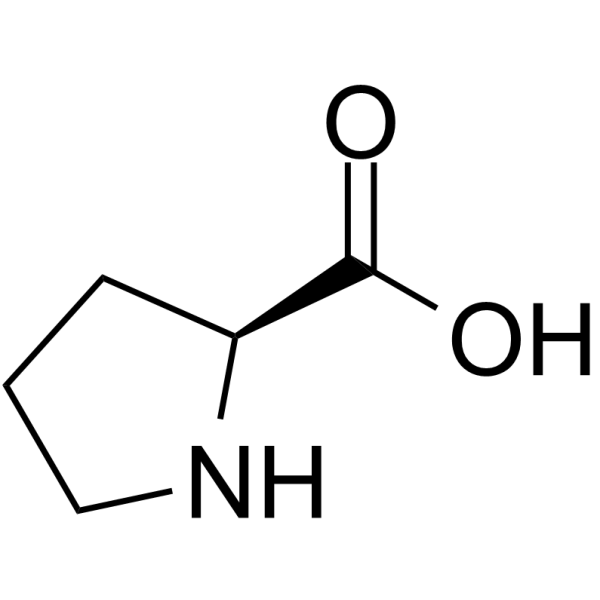 0 ImagesL-Proline is one of the twenty amino acids used in living organisms as the building blocks of proteins.
-
L-Phenylalanine
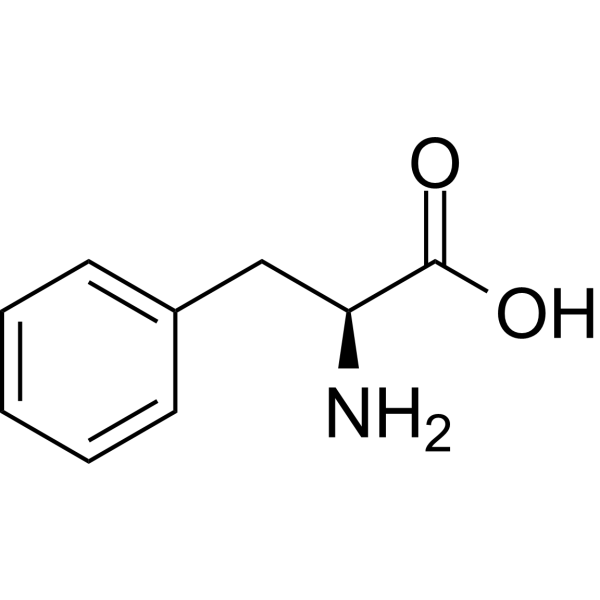 0 ImagesL-Phenylalanine ((S)-2-Amino-3-phenylpropionic acid) is an essential amino acid isolated from Escherichia coli. L-Phenylalanine is a α2δ subunit of voltage-dependent Ca+ channels antagonist with a Ki of 980 nM. L-phenylalanine is a competitive antagonist for the glycine- and glutamate-binding sites of N-methyl-D-aspartate receptors (NMDARs) (KB of 573 μM ) and non-NMDARs, respectively. L-Phenylalanine is widely used in the production of food flavors and pharmaceuticals.
-
Hypoxanthine
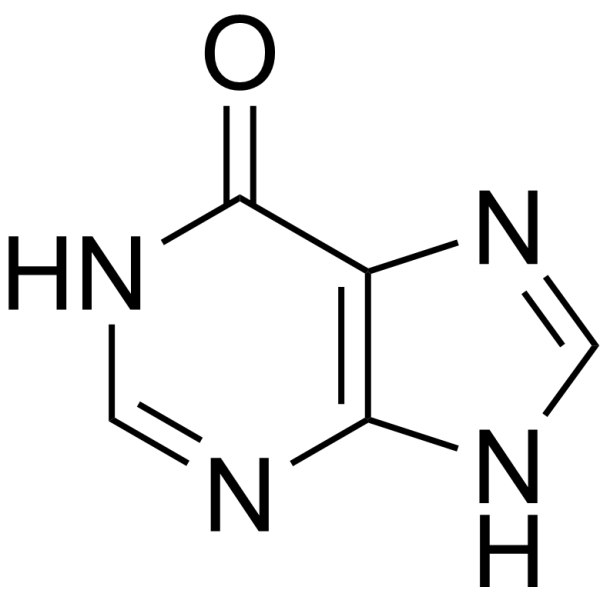 0 ImagesHypoxanthine, a purine derivative, is a potential free radical generator and could be used as an indicator of hypoxia.
-
DPPC
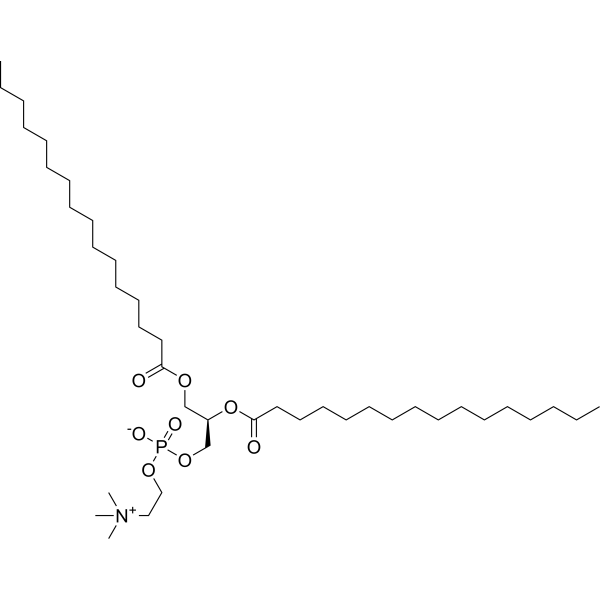 0 ImagesDPPC (129Y83) is a phosphoglyceride that can be used to prepare lipid monolayers, bilayers, and liposomes. DPPC is the main lipid component of pulmonary surfactant. Dppc-liposome can be effectively used as a delivery vector to induce an immune response against GSL antigen in mice.
-
Glycochenodeoxycholic acid
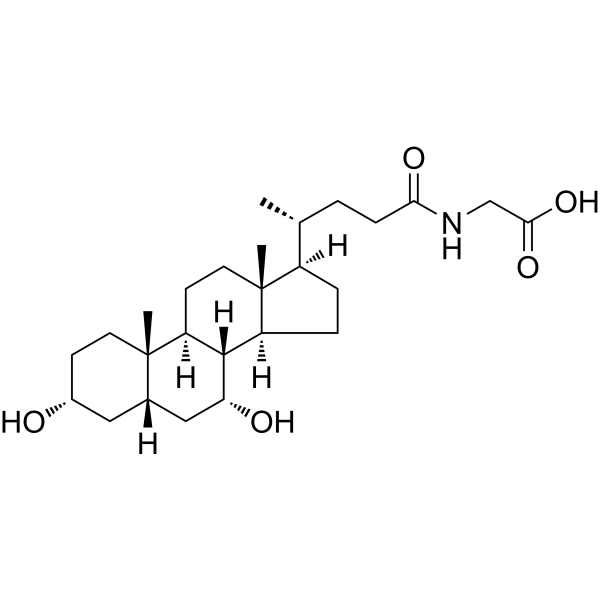 0 ImagesGlycochenodeoxycholic acid (Chenodeoxycholylglycine) is a relatively toxic bile salt generated in the liver from chenodeoxycholic acid and glycine. Glycochenodeoxycholic acid inhibits Autophagosome formation and impairs lysosomal function by inhibiting lysosomal proteolysis and increasing lysosomal pH in human normal liver cells, leading to the Apoptosis of human hepatocyte cells. Glycochenodeoxycholic acid induces stemness and chemoresistance via activating STAT3 signaling pathway in hepatocellular carcinoma cells (HCC). Glycochenodeoxycholic acid is promising for research in the field of cholestasis desease, hepatocellular carcinoma and primary sclerosing cholangitis (PSC).
-
Niacin
 0 ImagesNiacin (Vitamin B3) is an orally active water-soluble B3 vitamin that is an essential nutrient for humans. Niacin (Vitamin B3) plays a key role in energy metabolism, cell signaling cascades regulating gene expression and apoptosis. Niacin (Vitamin B3) is also used in the study of cardiovascular diseases.
-
Creatine
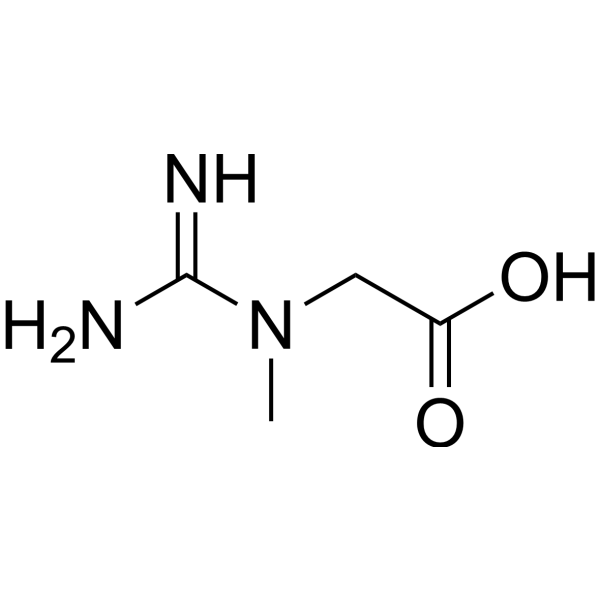 0 ImagesCreatine, an endogenous amino acid derivative, plays an important role in cellular energy, especially in muscle and brain.
-
Dopamine
 0 ImagesDopamine is a catecholamine neurotransmitter that is produced in the substantia nigra, ventral tegmental area, and hypothalamus of the brain. Dopamine plays several important roles in the brain and body. Dopamine acts through D2 dopamine receptors to induce endocytosis of VEGFR2, which is critical for promoting angiogenesis.
-
Glycocholic acid
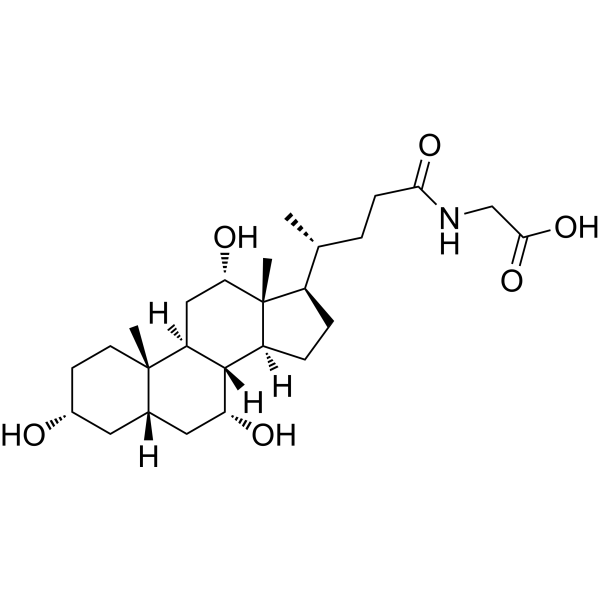 0 ImagesGlycocholic acid is a bile acid derivative. Glycocholic acid downregulates MDR1, Bcl-2, MRP1, MRP2 and FXR, upregulates Bax, p53, caspase-9, caspase-3, TGR5 and S1PR2. Glycocholic acid inhibits multidrug resistance and efflux pumps, induces mitochondrial apoptosis, and enhances chemosensitivity. Glycocholic acid modulates related bile acid receptor signaling. Glycocholic acid suppresses growth and conjugation of Enterobacteriaceae and increases their antibiotic susceptibility. Glycocholic acid can be used for the research of colon adenocarcinoma and cholangiocarcinoma (CCA).
-
Pyruvic acid
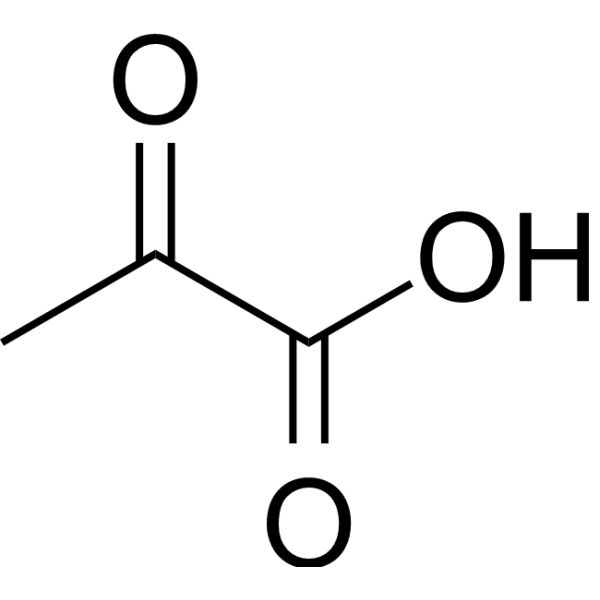 0 ImagesPyruvic acid is an intermediate metabolite in the metabolism of carbohydrates, proteins, and fats.
-
(R)-3-Hydroxybutanoic acid sodium
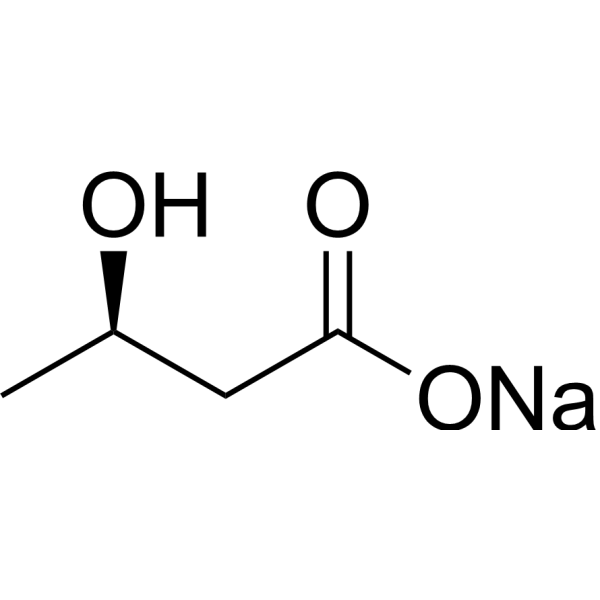 0 ImagesSynonyms: (R)-(-)-3-Hydroxybutanoic acid sodium; (R)-3-Hydroxybutyric acid sodium(R)-3-Hydroxybutanoic acid ((R)-3-Hydroxybutyric acid) sodium is a metabolite converted from acetoacetic acid catalyzed by 3-hydroxybutyrate dehydrogenase. (R)-3-Hydroxybutanoic acid sodium can function as a nutrition source, and as a precursor for vitamins, antibiotics and pheromones.
-
Mycophenolic acid
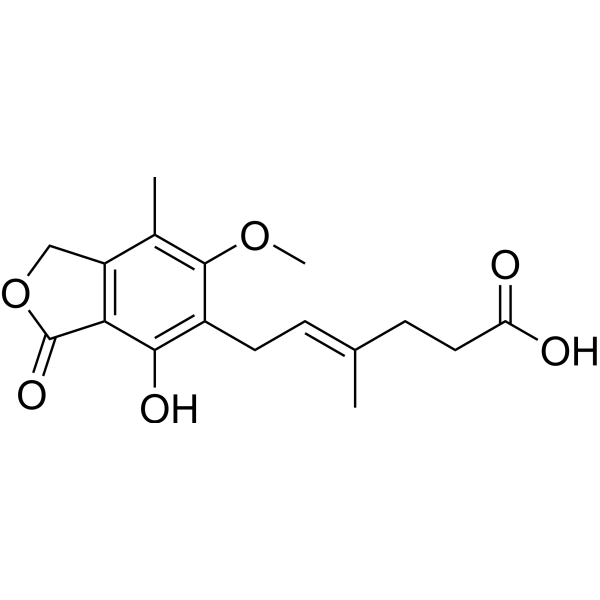 0 ImagesSynonyms: MycophenolateMycophenolic acid is a potent uncompetitive inosine monophosphate dehydrogenase (IMPDH) inhibitor with an EC50 of 0.24 µM. Mycophenolic acid demonstrates antiviral effects against a wide range of RNA viruses including influenza. Mycophenolic acid is an immunosuppressive agent. Antiangiogenic and antitumor effects.



