



Florfenicol
Based on 6 publication(s) in Google Scholar
Florfenicol ((-)-Florfenicol) is an orally active broad-spectrum antibacterial antibiotic with anti-inflammatory, pro apoptotic, and immunomodulatory functions[6][7].
Nur für Forschungszwecke. Wir verkaufen nicht an Patienten.
- Reinheit : 99.13%
- CAS. Nr.: 73231-34-2
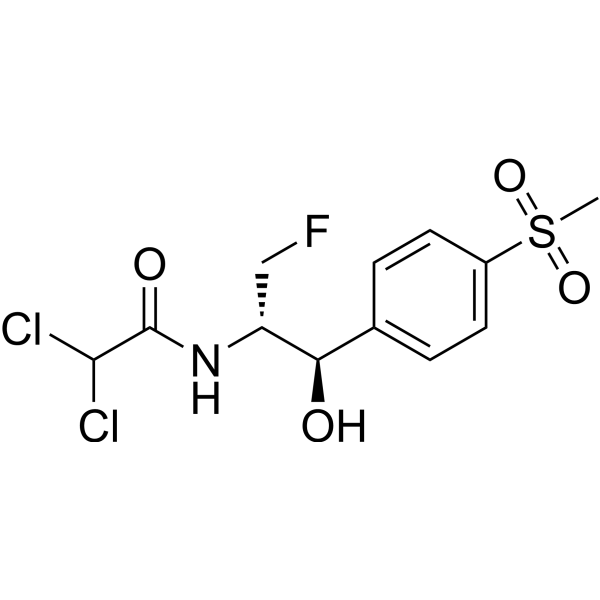
- Formel: C12H14Cl2FNO4S
- Molecular Weight:358.21
-
Speicherung:Powder -20°C, 3 years , 4°C, 2 years ; In solvent -80°C, 2 years , -20°C, 1 year

To place orders, for customer services and technical support, please contact: MedChemExpress USA
Tel: 609-228-6898 E-mail: [email protected] [email protected]


-
 Biologische Aktivität
-
Chemical Information
-
Lösungsmittel & Löslichkeit
- Protokoll
- Reinheit & Dokumentation
- Verweise
-
 Help & FAQs


-
HY-B0239
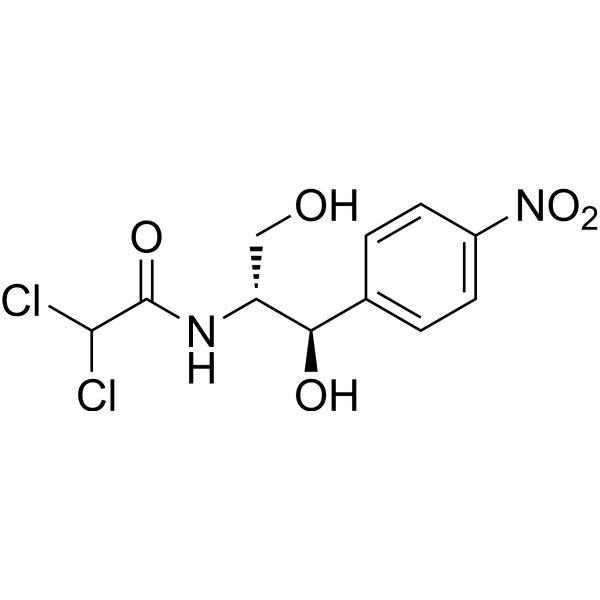
ChloramphenicolHIF-1α Inhibitor -
HY-B0220
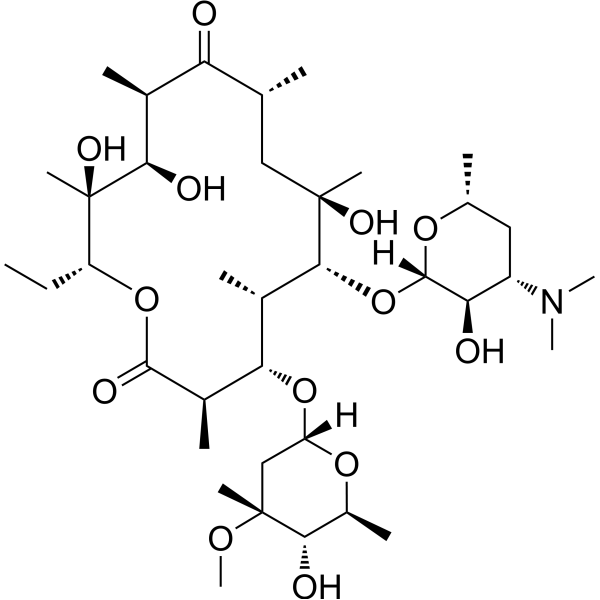
ErythromycinAntibiotic -
HY-B0479
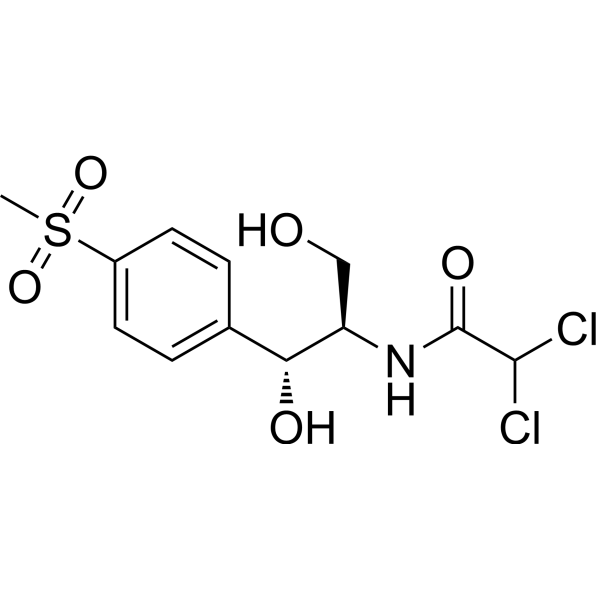
ThiamphenicolAntibiotic Agent -
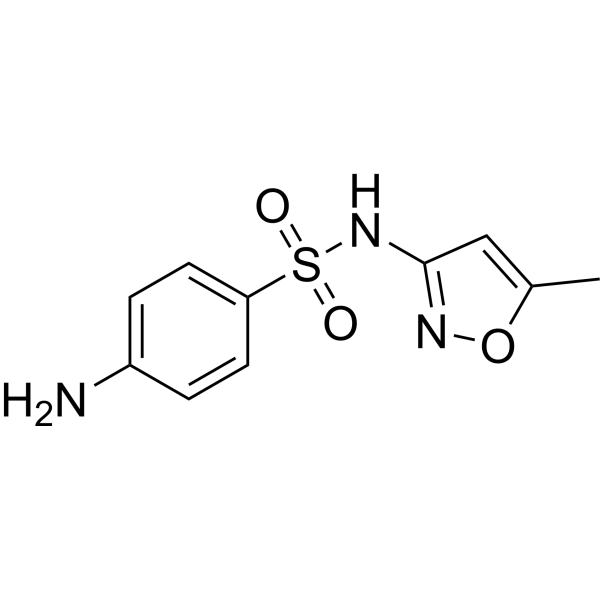
HY-B0322
SulfamethoxazoleSulfonamide Antibiotic -
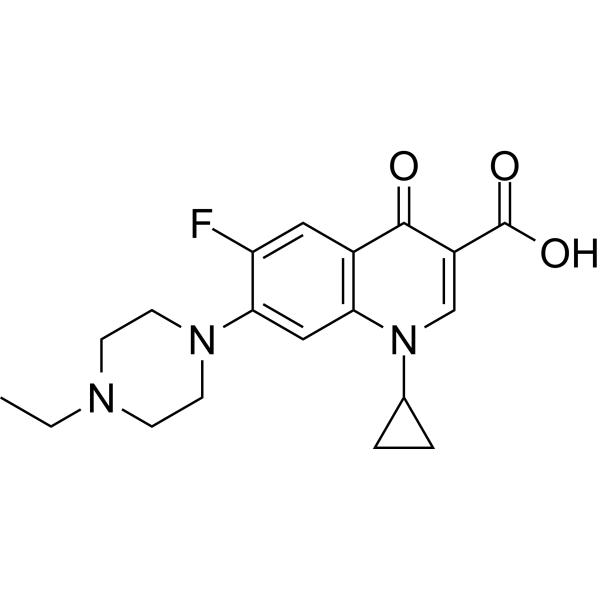
HY-B0502
EnrofloxacinBacterial Inhibitor -
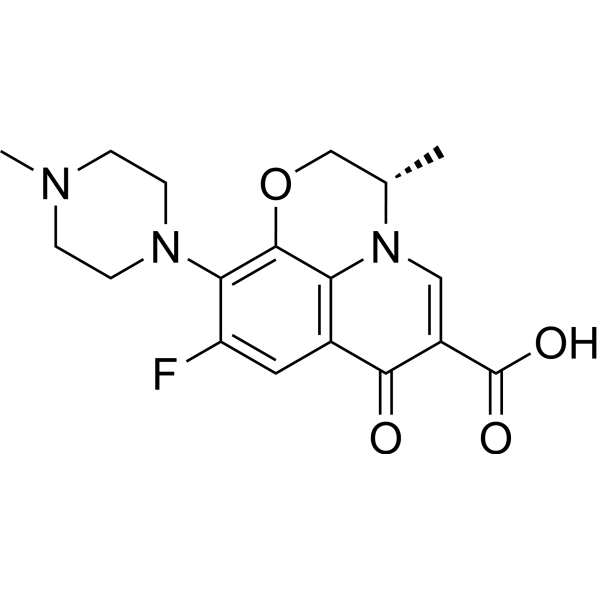
HY-B0330
LevofloxacinDNA Gyrase/Topoisomerase Inhibitor -

HY-B1374R
Florfenicol (Standard)Bacterial Inhibitor -
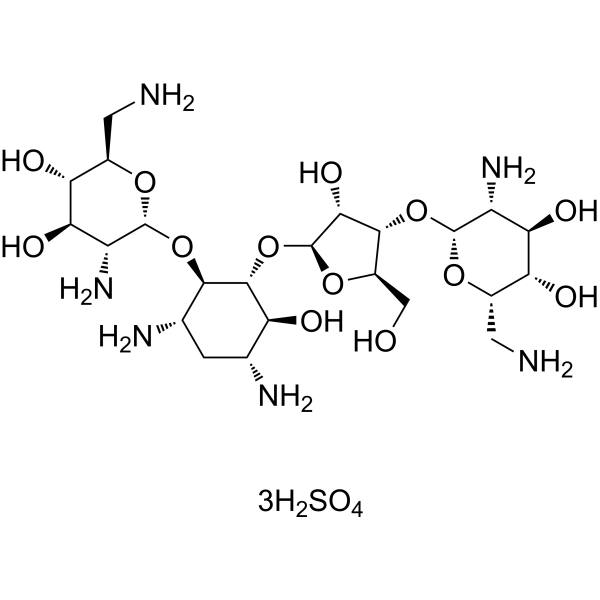
HY-B0470
Neomycin sulfatePhospholipase C Inhibitor, Angiogenesis Modulator -
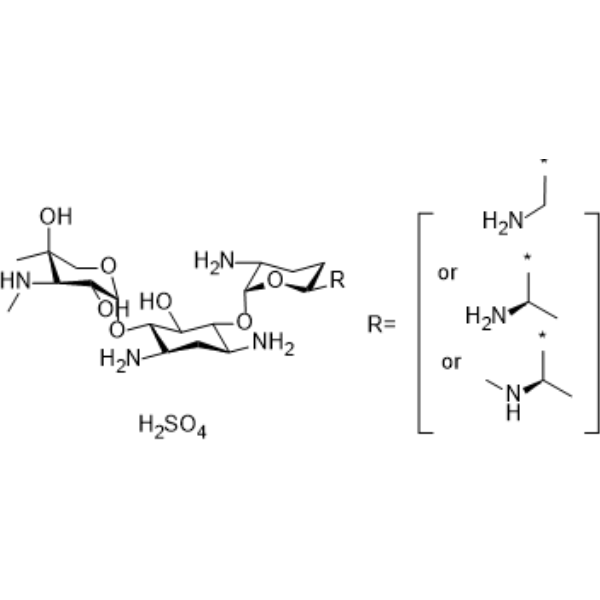
HY-A0276
Gentamicin sulfateAminoglycoside Antibiotic -
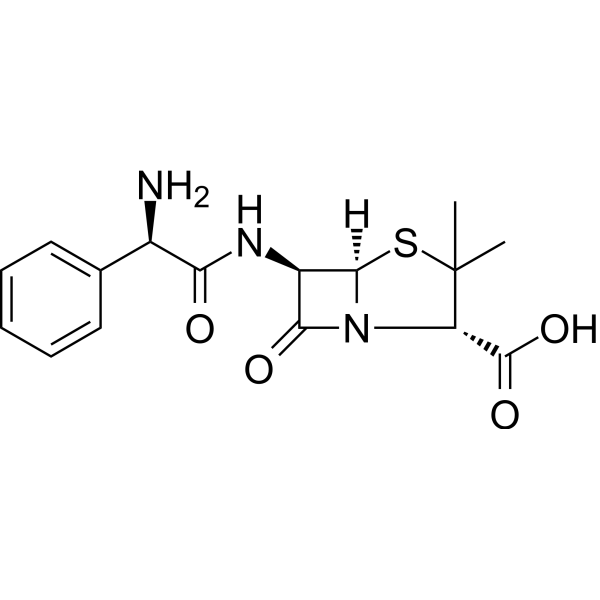
HY-B0522
AmpicillinBacterial Inhibitor -
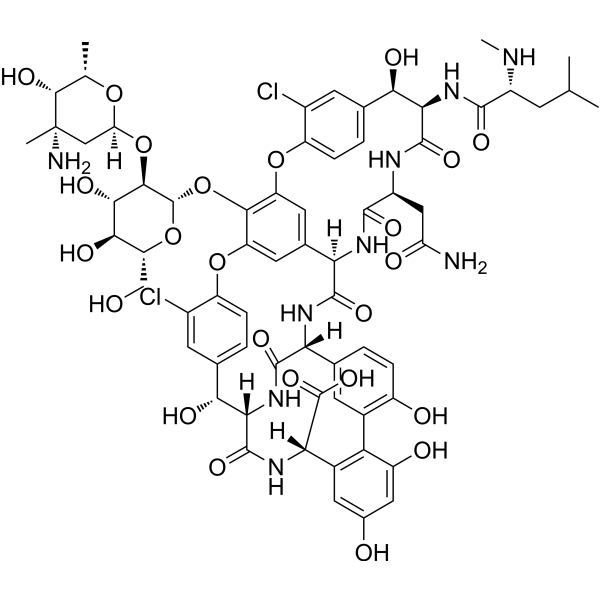
HY-B0671
VancomycinAntibiotic -
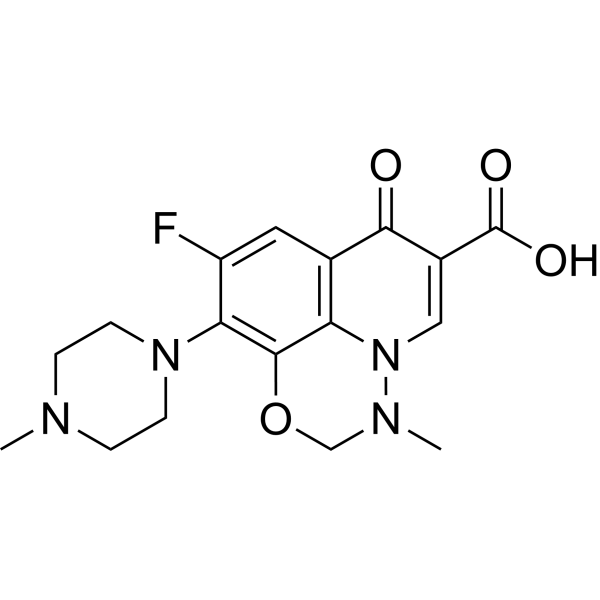
HY-B0126
MarbofloxacinAntimicrobial Agent
Publications Citing Use of MedChemExpress (MCE) Florfenicol
More Customer Validation & Images

-
Microbiological Assay
Alle Antibiotic Isoform-spezifische Produkte anzeigen
More

Biologische Aktivität
Beschreibung
In Vitro
Florfenicol (0.025, 0.1, 0.4 mg/mL, 48 h) inhibits fibroblast proliferation and autophagy by inducing mitochondrial dysfunction[1]. Florfenicol (0.097-200 μg/mL, 24 h) exhibited cytotoxic effects on Unio crusus and Cyprinus carpio primary cell lines and reduced primary cell viability[2].
MedChemExpress (MCE) has not independently confirmed the accuracy of these methods. They are for reference only. Further protocols information, click here.
-
Cell Line:L cells (mouse fibroblast cell line)
-
Concentration:0.025, 0.1, 0.4 mg/mL
-
Incubation Time:48 h
-
Result:Inhibited cell proliferation
-
Cell Line:Primary cell of Unio crassus (mantle, digestive gland, gill, and gonad) and Cyprinus carpio (gill and liver)
-
Concentration:0.097-200 μg/mL
-
Incubation Time:24 h
-
Result:Exhibited the highest cytotoxicity on the digestive glands of mussels and liver cells of carp
In Vivo
MedChemExpress (MCE) has not independently confirmed the accuracy of these methods. They are for reference only.
-
Animal Model:Hyline hens, cockerels[3].
-
Dosage:10-90 mg/kg
-
Administration:Oral gavage (p.o.)
-
Result:Reduced fertility rate.
-
Animal Model:1-day-old AA broilers[4].
-
Dosage:0.15 g/L, 5 days
-
Administration:Oral gavage (p.o.)
-
Result:Increased the mRNA relative expression levels and contents of inflammatory factors IL-1β, IL-2, TFN-α and TFN-γ in chick kidneys.
-
Animal Model:Arian broiler chickens[5].
-
Dosage:30 mg/kg, 8 days
-
Administration:Oral gavage (p.o.)
-
Result:Reduced the percentage of B lymphocytes but increased the percentage of CD3+ lymphocytes.
-
Animal Model:Allergic female BALB/c mice[6].
-
Dosage:5, 25, 100 mg/kg, 4 days
-
Administration:Oral gavage (p.o.)
-
Result:Reduced the number of eosinophils, neutrophils, and macrophages.
-
Animal Model:BALB/c mice[7].
-
Dosage:50, 100, 200 mg/kg, 10 days
-
Administration:Oral gavage (p.o.)
-
Result:Suppressed Con A-, LPS- and OVA-induced splenocyte proliferation.


Chemical Information
-
CAS. Nr. 73231-34-2
-
Appearance Solid
-
Molecular Weight 358.21
-
Formel C12H14Cl2FNO4S
-
Color White to off-white
-
SMILES
O=C(N[C@H](CF)[C@H](O)C1=CC=C(S(=O)(C)=O)C=C1)C(Cl)Cl
-
Synonyms
(-)-Florfenicol; SCH-25298
-
Versand
Room temperature in continental US; may vary elsewhere.
-
Speicherung
Powder -20°C 3 years 4°C 2 years In solvent -80°C 2 years -20°C 1 year


Publications (6)
-
Journal Impact Factor
-
Most Recent
-
Food Chem X
Machine learning prioritization of antibiotic residues in aquatic foods reveals exposure-driven genotoxic risk mediated by BCL2. [Abstract]2026 Feb 8:34:103646. PMID: 41756597 -
Microorganisms
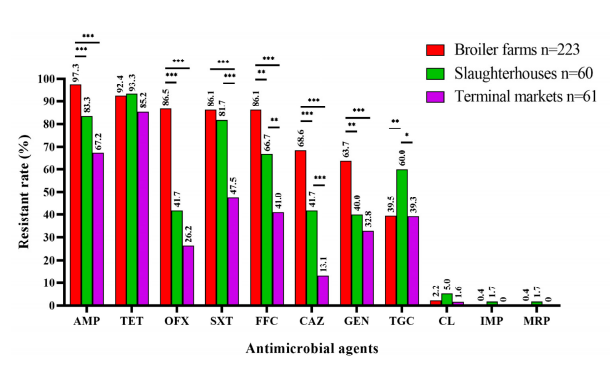
Antimicrobial Resistance and Genomic Characteristics of Escherichia coli Strains Isolated from the Poultry Industry in Henan Province, China. [Abstract]2024 Mar 13;12(3):575. PMID: 38543626
Florfenicol purchased from MedChemExpress. Usage Cited in: Microorganisms. 2024 Mar 13;12(3):575. [Abstract]
Percentages of E. coli strains showing antimicrobial resistance to different antimicrobial agents. AMP, Ampicillin; CAZ, Ceftazidime; IPM, Imipenem; MRP, Meropenem; GEN, Gentamicin; OFX, Ofloxacin; SXT, Trimethoprim–sulfamethoxazole; TET, Tetracycline; TGC, Tigecycline; CL, Colistin; FFC, Florfenicol.
-
Microorganisms
Effect of Iron Limitation, Elevated Temperature, and Florfenicol on the Proteome and Vesiculation of the Fish Pathogen Aeromonas salmonicida. [Abstract]2022 Aug 27;10(9):1735. PMID: 36144337 -
Animals (Basel)
Comparative Molecular and Antimicrobial Analysis of Lactococcus garvieae and Lactococcus petauri from Marine and Freshwater Fish Farms in the Mediterranean. [Abstract]2026 Jan 16;16(2):277. PMID: 41594465 -
Vet Microbiol
Discovery of the tigecycline resistance gene cluster tmexCD3-toprJ1 in Pasteurella multocida strains isolated from pigs in China. [Abstract]2024 May:292:110046. PMID: 38471428 -
Chemosphere
Mass-balance-model-based evaluation of sewage treatment plant contribution to residual pharmaceuticals in environmental waters. [Abstract]2019 Jun:225:378-387. PMID: 30884299


Lösungsmittel & Löslichkeit
In Vitro:
DMSO : 100 mg/mL (279.17 mM; Need ultrasonic; Hygroscopic DMSO has a significant impact on the solubility of product, please use newly opened DMSO)
Please refer to the solubility information to select the appropriate solvent. Once prepared, please aliquot and store the solution to prevent product inactivation from repeated freeze-thaw cycles.
Storage method and period of stock solution: -80°C, 2 years; -20°C, 1 year. When stored at -80°C, please use it within 2 years. When stored at -20°C, please use it within 1 year.
Please refer to the solubility information to select the appropriate solvent. Once prepared, please aliquot and store the solution to prevent product inactivation from repeated freeze-thaw cycles.
Storage method and period of stock solution: -80°C, 2 years; -20°C, 1 year. When stored at -80°C, please use it within 2 years. When stored at -20°C, please use it within 1 year.
Konzentration (Stammlösung) × Volumen (Stammlösung) = Konzentration (Ziellösung) × Volumen (Ziellösung)
In Vivo:
Select the appropriate dissolution method based on your experimental animal and administration route.
- For the following dissolution methods, please ensure to first prepare a clear stock solution using an In Vitro approach and then sequentially add co-solvents:
- To ensure reliable experimental results, the clarified stock solution can be appropriately stored based on storage conditions. As for the working solution for In Vivo experiments, it is recommended to prepare freshly and use it on the same day.
- The percentages shown for the solvents indicate their volumetric ratio in the final prepared solution. If precipitation or phase separation occurs during preparation, heat and/or sonication can be used to aid dissolution.
Add each solvent one by one: 10% DMSO 40% PEG300 5% Tween-80 45% Saline
Solubility: ≥ 2.5 mg/mL (6.98 mM); Clear solution
This protocol yields a clear solution of ≥ 2.5 mg/mL (saturation unknown).
Taking 1 mL working solution as an example, add 100 μL DMSO stock solution (25.0 mg/mL) to 400 μL PEG300, and mix evenly; then add 50 μL Tween-80 and mix evenly; then add 450 μL Saline to adjust the volume to 1 mL.
Preparation of Saline: Dissolve 0.9 g sodium chloride in ddH₂O and dilute to 100 mL to obtain a clear Saline solution.
Add each solvent one by one: 10% DMSO 90% (20% SBE-β-CD in Saline)
Solubility: ≥ 2.5 mg/mL (6.98 mM); Clear solution
This protocol yields a clear solution of ≥ 2.5 mg/mL (saturation unknown).
Taking 1 mL working solution as an example, add 100 μL DMSO stock solution (25.0 mg/mL) to 900 μL 20% SBE-β-CD in Saline, and mix evenly.
Preparation of 20% SBE-β-CD in Saline (4°C, storage for one week): 2 g SBE-β-CD powder is dissolved in 10 mL Saline, completely dissolve until clear.
In Vivo Dissolution Calculator
Please enter the basic information of animal experiments:
-
-
-
-
Recommended: Prepare an additional quantity of animals to account for potential losses during experiments.
Please enter your animal formula composition:
-
%DMSO +
Recommended: Keep the proportion of DMSO in working solution below 2% if your animal is weak.
-
%+
-
+%Tween-80 + +
-
%Saline +
The co-solvents required include: DMSO, . All of co-solvents are available by MedChemExpress (MCE). , Tween 80. All of co-solvents are available by MedChemExpress (MCE).
Working solution concentration: 0.22 mg/mL
Method for preparing stock solution: mg drug dissolved in μL DMSO. Stock solution concentration: mg/mL.
1. Take μL DMSO stock solution;
2. Add μL .
μL , mix evenly;
3. Then add μL Tween 80, mix evenly;
4. Then add μL
Please ensure that the stock solution in the first step is dissolved to a clear state, and add co-solvents in sequence. You can use ultrasonic heating (ultrasonic cleaner, recommended frequency 20-40 kHz), vortexing, etc. to assist dissolution.

Protokoll
-
Research Protocol for Infectious Diseases
Infectious-disease experiments test how pathogens interact with host barriers, innate immune receptors, inflammatory signaling, pathogen replication, and tissue injury; pattern-recognition receptors such as TLRs, RIG-I-like receptors, NOD-like receptors, and inflammasomes detect microbial molecules and activate NF-κB, interferon, and cytokine responses. The central hypothesis is that infection severity reflects the balance between pathogen burden and host response: protective inflammation restricts pathogen growth, whereas excessive or mislocalized inflammation contributes to tissue damage and disease phenotype. Unresolved questions include which host pathways are protective versus pathogenic, why some infection models fail to translate to human disease, and which combined readouts best predict clinically relevant infection outcomes.
-
Detection of Apoptosis
Apoptosis, also called programmed cell death, is generally characterized by distinct morphological characteristics.
-
Apoptosis Solutions
Apoptosis is a regulated, generally non-lytic cell-death pathway that removes unwanted, damaged, infected, or abnormal cells through coordinated morphological changes, caspase activation, DNA fragmentation, and membrane remodeling. The intrinsic apoptosis pathway is controlled mainly by mitochondrial outer membrane permeabilization, BCL-2 family proteins, cytochrome c release, apoptosome formation, caspase-9 activation, and downstream executioner caspase-3/7 activation. The extrinsic apoptosis pathway is initiated by death receptors such as Fas, TNFR, and TRAIL receptors, which recruit adaptor proteins and activate caspase-8 before engaging executioner caspases or mitochondrial amplification through BID cleavage. Apoptosis is linked to many phenotypes, including cancer cell killing, tissue homeostasis, immune regulation, neurodegeneration, infection response, and treatment-induced cytotoxicity; unresolved questions include how apoptosis interacts with necroptosis, pyroptosis, ferroptos
-
Research Protocol for Inflammation-related Diseases
The NLRP3 inflammasome is a cytosolic innate immune signaling platform that integrates priming signals and danger-signal activation to promote caspase-1 activation, maturation of IL-1β and IL-18, and gasdermin D-mediated pyroptotic cell death. The core experimental logic is to determine whether inflammatory disease phenotypes are driven by increased NLRP3 expression, ASC-containing inflammasome assembly, caspase-1 cleavage, GSDMD cleavage, and extracellular release of IL-1β/IL-18 rather than by nonspecific cell injury alone. The pathway is strongly linked to inflammation-related disease phenotypes because monosodium urate crystals activate NALP3/NLRP3 inflammasome signaling in gout-like crystal inflammation, cholesterol crystals activate NLRP3 inflammasomes in atherogenesis models, and DSS-induced intestinal inflammation has been reported to involve NLRP3 inflammasome activity. However, experimental colitis studies also show context-dependent protective effects of NLRP3 inflammasome co


Reinheit & Dokumentation
-
Data Sheet (283 KB)
-
SDS (396 KB)
- English - EN (396 KB)
- Français - FR (396 KB)
- Deutsch - DE (396 KB)
- Norwegian - NO (396 KB)
- Español - ES (396 KB)
- Swedish - SV (396 KB)
- Italian - IT (396 KB)
- Korean - KR (396 KB)
- Portuguese - PT (396 KB)
-
Handling Instructions (2659 KB)
Verweise
[1]. Hu D, et al. Florfenicol-induced Mitochondrial Dysfunction Suppresses Cell Proliferation and Autophagy in Fibroblasts. Sci Rep. 2017 Oct 19;7(1):13554. [Content Brief]
[2]. Arslan P, et al. In vitro effects of erythromycin and florfenicol on primary cell lines of Unio crassus and Cyprinus carpio. Environ Sci Pollut Res Int. 2021 Sep;28(35):48408-48416. [Content Brief]
[4]. Wang X, et al. Florfenicol induced renal inflammatory response and apoptosis via cell adhesion molecules signaling pathway. Poult Sci. 2022 Nov;101(11):102152. [Content Brief]
[5]. Lis M, et al. Modulation of lymphocyte subsets and humoral immune response by florfenicol administered to sheep red blood cell-immunized broiler chickens. Pol J Vet Sci. 2019 Dec;22(4):481-487. [Content Brief]
[6]. Xinxin C, et al. Florfenicol inhibits allergic airway inflammation in mice by p38 MAPK-mediated phosphorylation of GATA 3. Clin Immunol. 2011 Feb;138(2):231-8. [Content Brief]
[7]. Shuang G, et al. Immunosuppressive activity of florfenicol on the immune responses in mice. Immunol Invest. 2011;40(4):356-66. [Content Brief]


Complete Stock Solution Preparation Table
Please refer to the solubility information to select the appropriate solvent. Once prepared, please aliquot and store the solution to prevent product inactivation from repeated freeze-thaw cycles.
Storage method and period of stock solution: -80°C, 2 years; -20°C, 1 year. When stored at -80°C, please use it within 2 years. When stored at -20°C, please use it within 1 year.
| Optional Solvent | Concentration Solvent Mass | 1 mg | 5 mg | 10 mg | 25 mg |
|---|---|---|---|---|---|
| DMSO | 1 mM | 2.7917 mL | 13.9583 mL | 27.9166 mL | 69.7915 mL |
| 5 mM | 0.5583 mL | 2.7917 mL | 5.5833 mL | 13.9583 mL | |
| 10 mM | 0.2792 mL | 1.3958 mL | 2.7917 mL | 6.9791 mL | |
| 15 mM | 0.1861 mL | 0.9306 mL | 1.8611 mL | 4.6528 mL | |
| 20 mM | 0.1396 mL | 0.6979 mL | 1.3958 mL | 3.4896 mL | |
| 25 mM | 0.1117 mL | 0.5583 mL | 1.1167 mL | 2.7917 mL | |
| 30 mM | 0.0931 mL | 0.4653 mL | 0.9306 mL | 2.3264 mL | |
| 40 mM | 0.0698 mL | 0.3490 mL | 0.6979 mL | 1.7448 mL | |
| 50 mM | 0.0558 mL | 0.2792 mL | 0.5583 mL | 1.3958 mL | |
| 60 mM | 0.0465 mL | 0.2326 mL | 0.4653 mL | 1.1632 mL | |
| 80 mM | 0.0349 mL | 0.1745 mL | 0.3490 mL | 0.8724 mL | |
| 100 mM | 0.0279 mL | 0.1396 mL | 0.2792 mL | 0.6979 mL |


Florfenicol Related Classifications
HY-B1374 Related Classifications
 Powered by Bioz