



UAMC-3203
Based on 10 publication(s) in Google Scholar
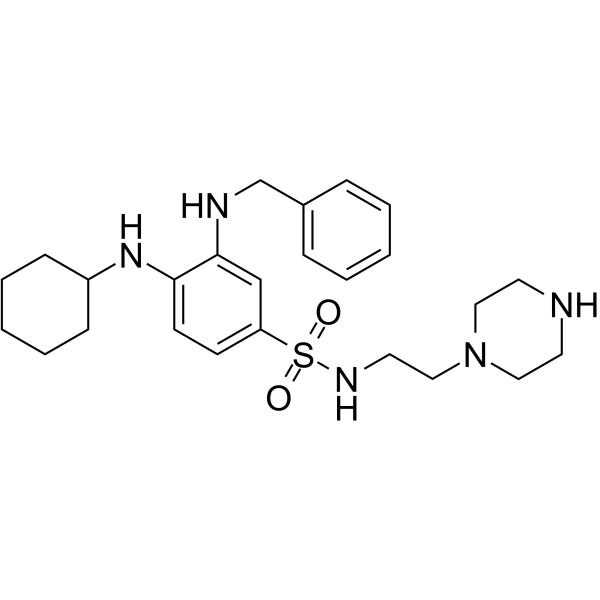
UAMC-3203 (FXT-001) is a potent ferroptosis inhibitor with an IC50 of 12 nM. UAMC-3203 inhibits NLRP3 inflammasome activation and reactive oxygen species (ROS) production, maintains intracellular glutathione, and acts as a radical-trapping antioxidant in lipid bilayers. UAMC-3203 promotes NRF2/HO-1 antioxidant signaling while restoring GPX4 and xCT and inhibiting ACSL4. UAMC-3203 can be used in research on diabetic peripheral neuropathy, post-stroke cognitive impairment, atherosclerosis, corneal epithelial injury, spinal cord injury, acute iron poisoning, and aortic dissection.
Nur für Forschungszwecke. Wir verkaufen nicht an Patienten.
- Reinheit : 99.92%
- CAS. Nr.: 2271358-64-4
- Formel: C25H37N5O2S
- Molecular Weight:471.66
-
Speicherung:Powder -20°C, 3 years ; In solvent -80°C, 6 months , -20°C, 1 month

To place orders, for customer services and technical support, please contact: MedChemExpress USA
Tel: 609-228-6898 E-mail: [email protected] [email protected]


-
 Biologische Aktivität
-
Chemical Information
-
Lösungsmittel & Löslichkeit
- Protokoll
- Reinheit & Dokumentation
- Verweise
-
 Help & FAQs


-
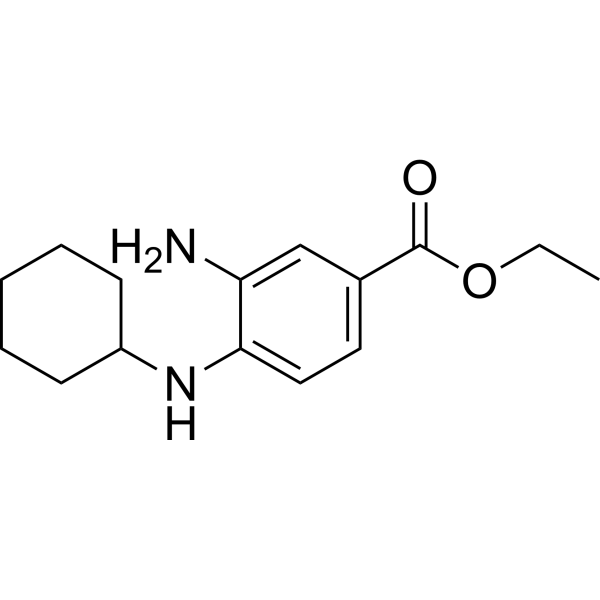
HY-100579
Ferrostatin-1Ferroptosis Inhibitor -
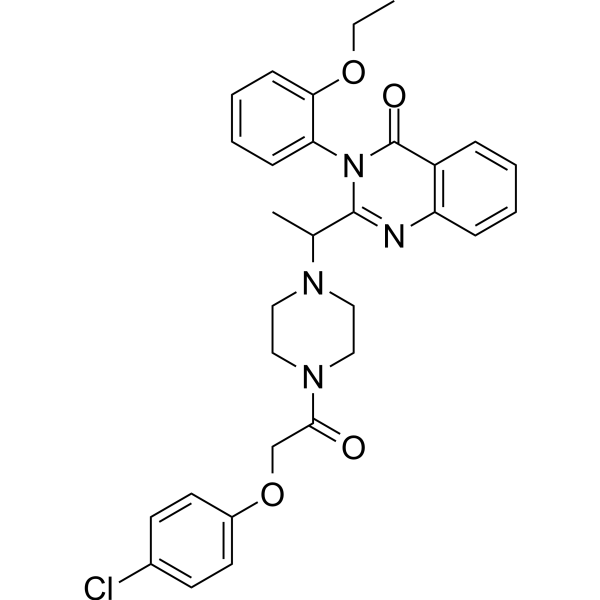
HY-15763
ErastinFerroptosis Inducer -
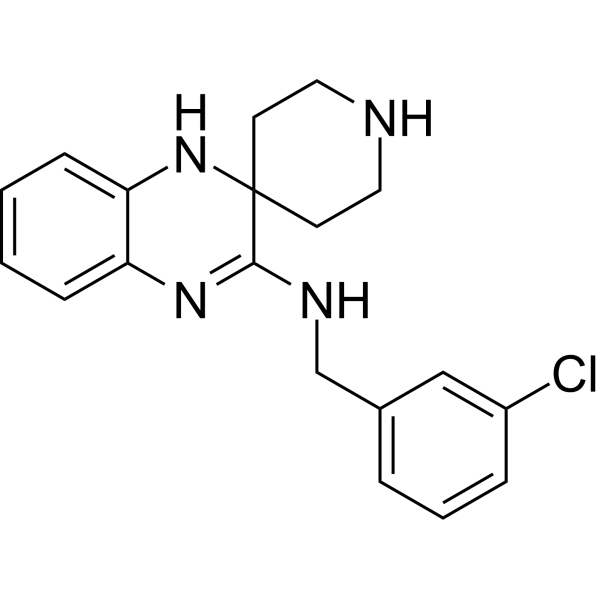
HY-12726
Liproxstatin-1Ferroptosis Inhibitor -
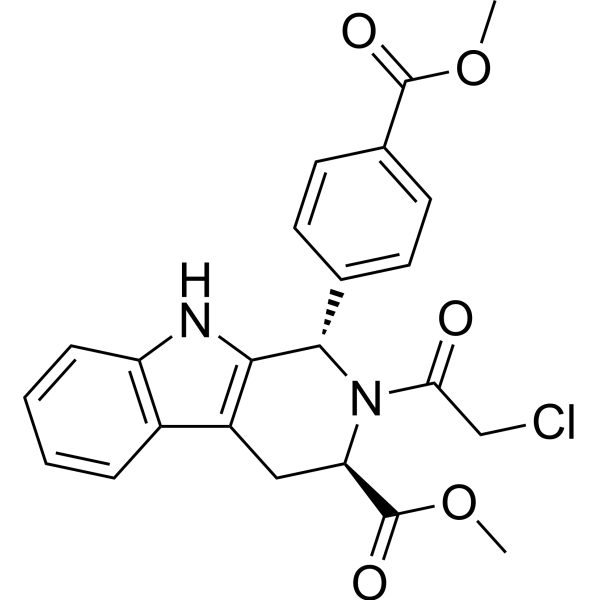
HY-100218A
RSL3GPX4 Inhibitor -
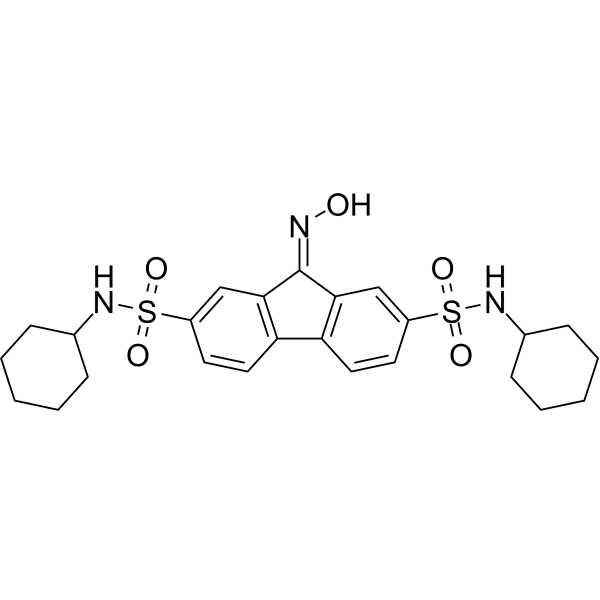
HY-103087
FIN56Ferroptosis Inducer -

HY-100579R
Ferrostatin-1 (Standard)Ferroptosis Inhibitor -
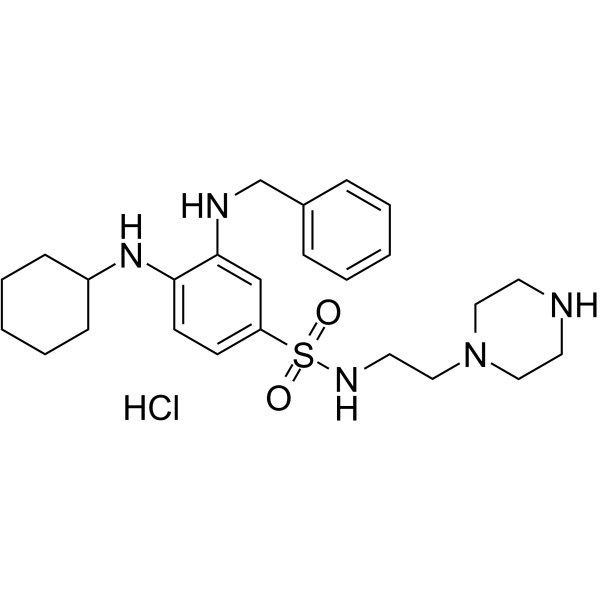
HY-112909A
UAMC-3203 hydrochlorideFerroptosis Inhibitor -
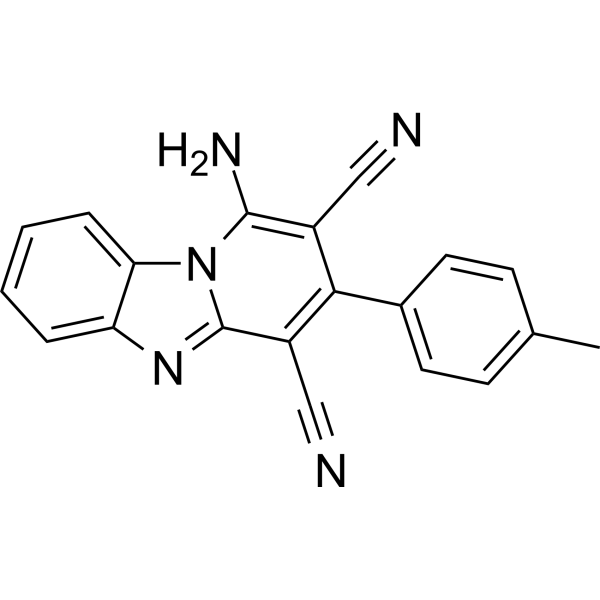
HY-136057
iFSP1FSP1 Inhibitor -
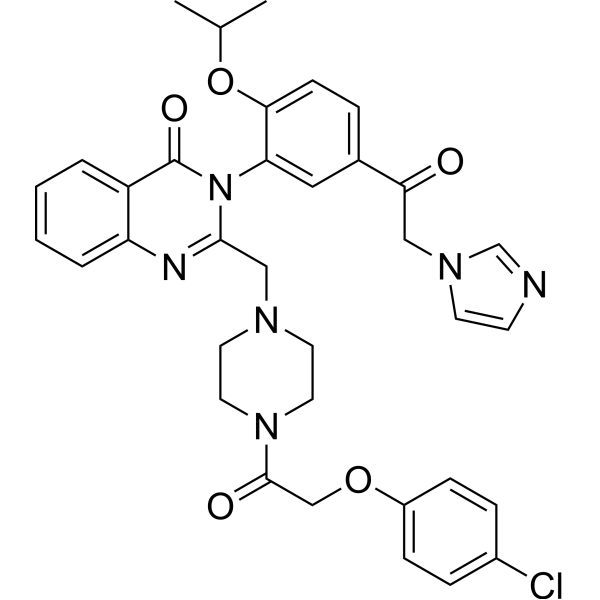
HY-114481
Imidazole ketone erastinFerroptosis Inducer -
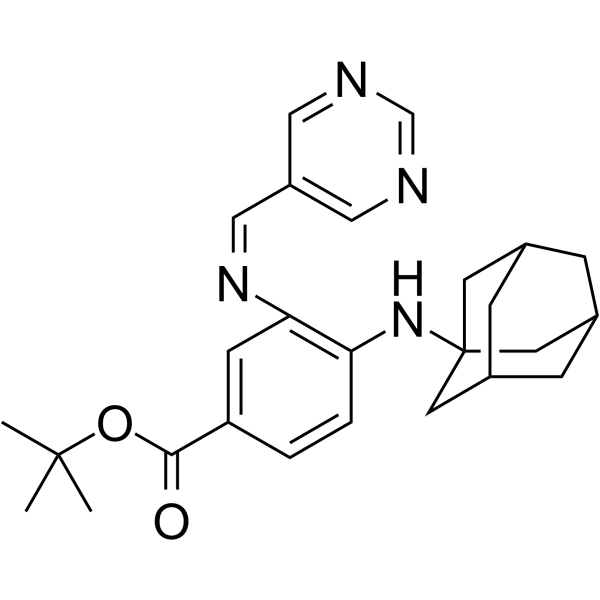
HY-135430
SRS16-86Ferroptosis Inhibitor -
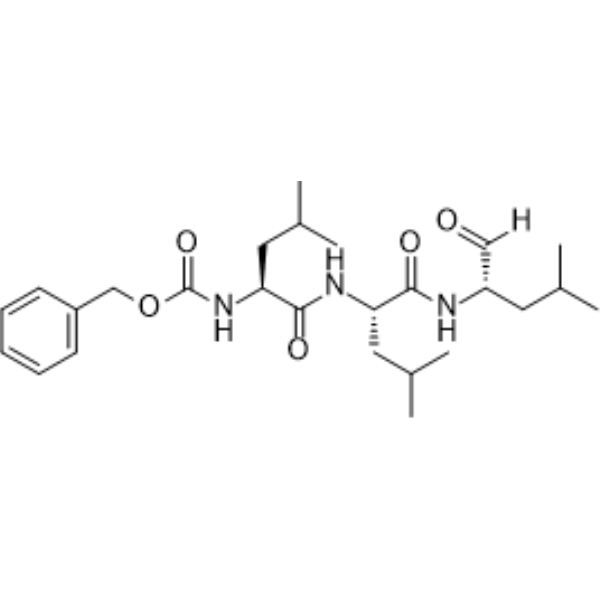
HY-13259
MG-132Proteasome Inhibitor -
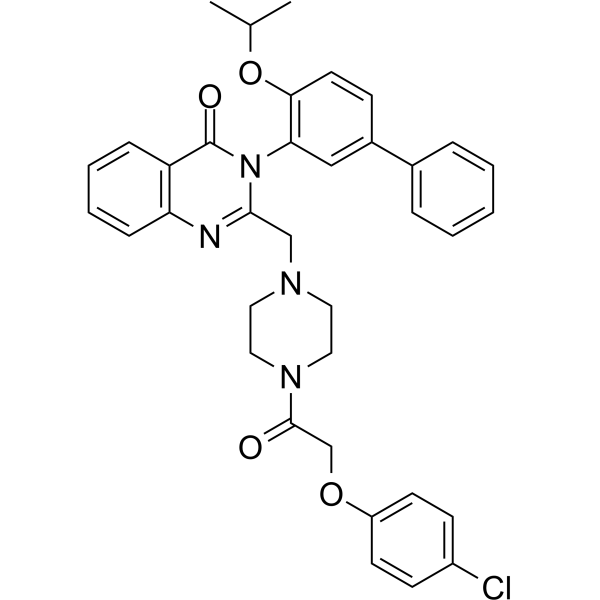
HY-139087
Erastin2xc(-) Cystine/Glutamate Transporter System Inhibitor, ferroptosis inducer
Publications Citing Use of MedChemExpress (MCE) UAMC-3203
More- Nat Cell Biol. 2025 Aug;27(8):1288-1300. [Abstract]
- Cell Death Differ. 2025 Oct 7. [Abstract]
- Acta Neuropathol. 2024 Jun 22;147(1):106. [Abstract]
- Acta Neuropathol Commun. 2023 Jul 25;11(1):121. [Abstract]
- Cell Biol Toxicol. 2022 Jun;38(3):505-530. [Abstract]
- Bioorg Chem. 2024 Jun:147:107412. [Abstract]
- Sci Rep. 2024 Aug 30;14(1):20180. [Abstract]
- J Neurochem. 2025 Oct;169(10):e70246. [Abstract]
- Res Sq. 2024 Jul 09.
- Research Square Print. October 26th, 2022.
 Customer Validation & Images

-
WB

-
IF

-
Histological Imaging/Staining

-
ELISA


Biologische Aktivität
Beschreibung
IC50 & Target
[1]|
NLRP3 inflammasome |
HO-1 |
GPX4 |
ACSL4 |
In Vitro
UAMC-3203 (10 µM) reduces the cell density of differentiated SH-SY5Y cultures, accompanied by cell rounding in morphology[1].
UAMC-3203 (10 nM-50 µM; 6-72 h) promotes the in vitro migration of HCE cells, with the strongest effect at 10 nM (migration rate of 84.9% at 72 h)[4].
UAMC-3203 (10 nM-50 µM; 3 h) exhibits concentration-dependent cytotoxicity in HCE cells, with viability decreasing to 75% at 10 µM and to 39.2% at 50 µM[4].
UAMC-3203 (10 nM-50 µM; 48 h) promotes corneal epithelial wound healing in ex vivo C57BL/6 mouse corneas, with 10 µM being the optimal concentration, and at 48 h the wound area decreases from 2.44 to 0.10 mm2[4].
MedChemExpress (MCE) has not independently confirmed the accuracy of these methods. They are for reference only.
-
Cell Line:Retinoic acid-differentiated SH-SY5Y cells
-
Concentration:5, 10, 100 nM, 10, 50 µM
-
Incubation Time:24 h
-
Result:At 24 h, cell viability was 86.71% at 5 nM, 63.78% at 10 nM, 50.95% at 100 nM, 53.45% at 10 µM, and 12.19% at 50 µM.
Dose-dependent cytotoxicity occurred, with 50 µM causing a marked reduction in viability.
-
Cell Line:Retinoic acid-differentiated SH-SY5Y cells
-
Concentration:5 nM and 10 µM
-
Incubation Time:24 h
-
Result:Under normoglycemic conditions, 5 nM and 10 µM produced GPX4 levels of 0.70-fold and 0.58-fold, and ACSL4 levels of 1.71-fold and 2.27-fold, respectively.
Under hyperglycemic conditions, 5 nM and 10 µM produced GPX4 levels of 0.26-fold and 0.74-fold, ACSL4 levels of 4.26-fold and 3.05-fold, NLRP3 levels of 0.96-fold and 0.02-fold, Caspase-1 levels of 1.23-fold and 1.29-fold, and Nrf2 levels of 3.16-fold and 2.07-fold, respectively; the 10 µM Nrf2 value was reduced compared with the hyperglycemia group.
-
Cell Line:Retinoic acid-differentiated SH-SY5Y cells
-
Concentration:5 nM and 10 µM
-
Incubation Time:24 h
-
Result:Under normoglycemic conditions, 5 nM gave live 73.79%, early apoptosis 22.20%, late apoptosis 3.34%, total apoptosis 25.54%, and dead cells 0.68%; 10 µM gave live 72.47%, early apoptosis 19.89%, late apoptosis 5.27%, total apoptosis 25.16%, and dead cells 2.37%.
Under hyperglycemic conditions, 5 nM gave live 69.65%, early apoptosis 18.85%, late apoptosis 10.19%, total apoptosis 29.04%, and dead cells 1.31%; 10 µM gave live 46.62%, early apoptosis 40.29%, late apoptosis 12.52%, total apoptosis 52.81%, and dead cells 0.58%.
-
Cell Line:Retinoic acid-differentiated SH-SY5Y cells
-
Concentration:5 nM and 10 µM
-
Incubation Time:24 h
-
Result:Under normoglycemic conditions, GSH levels were 0.95 at 5 nM and 0.97 at 10 µM.
Under hyperglycemic conditions, GSH levels were 0.56 at 5 nM and 0.85 at 10 µM.
The 10 µM dose produced a more pronounced recovery of GSH than 5 nM.
-
Cell Line:HCE cells
-
Concentration:10 nM, 1 µM, 10 µM, 50 µM
-
Incubation Time:72 h (continuous exposure; imaging at 6, 12, 24, 30, 42, 48, and 72 h)
-
Result:At 72 h, HCE cell migration was 84.9% with 10 nM and 76.6% with 1 µM.
No notable difference occurred at 10 µM at any time point.
No changes in scratch area were observed at 50 µM.
-
Cell Line:HCE cells
-
Concentration:10 nM, 1 µM, 10 µM, 50 µM
-
Incubation Time:3 h
-
Result:HCE cell viability was 75% at 10 µM and 39.2% at 50 µM.
The lower concentrations of 10 nM and 1 µM did not reduce viability.
-
Cell Line:FH-Y044 human aortic smooth muscle cells
-
Concentration:0.5 μM (UAMC-3203); 35 μM (IKE); 2.5 μM (RSL3)
-
Incubation Time:24 h
-
Result:Significantly reduced cell death in both IKE- and RSL3-induced ferroptosis models.
In Vivo
MedChemExpress (MCE) has not independently confirmed the accuracy of these methods. They are for reference only.
-
Animal Model:Wistar (male; received at 4 weeks of age; diabetes induced at 6 weeks; MCAO or sham surgery at 11-12 weeks of age)[2]
-
Dosage:2 mg/kg
-
Administration:i.p.; once daily; 2 weeks starting on Day 3 after surgery
-
Result:Post-randomization mortality in MCAO rats was 20% (3/15).
At Week 8, no sham or MCAO animals had a novel object recognition index <0.5 or discrimination index d2 < 0.
The Week 8 decline in integrated memory score in MCAO rats was prevented.
In the Y-maze, Week 8 % novel arm entries were higher in MCAO rats than in MCAO vehicle rats; spontaneous alternation z-scores did not differ among groups.
In the open field, all groups spent >95% of time in the periphery at baseline; by Week 8, only the MCAO group returned periphery time to the normal 80-85% range and showed increased center time, with improved emotionality score.
In the passive avoidance test, MCAO rats had the lowest retention step-through latency and rapidly entered the dark chamber, indicating impaired aversive learning; sham rats did not cross into the dark chamber (300 s cutoff).
Sucrose preference and taste bud counts were not altered.
In lesional hemisphere homogenates, the stroke-induced increase in 4-HNE was prevented and GPX4 protein levels were preserved; ACSL4 and NRF2 levels were comparable among groups.
-
Animal Model:Wistar (female, 8-10 weeks old, 230-240 g)[5]
-
Dosage:5 mg/kg
-
Administration:i.p.; once daily; for 7 consecutive days; starting 30 min after modeling
-
Result:Improved CatWalk gait coordination versus SCI at 28 days, including increased max contact area and regularity index and reduced stand (stop) time.
Increased MEP amplitude and decreased MEP latency versus SCI.
Increased BBB scores at 7, 14, 21, and 28 days and improved inclined-plate performance versus SCI; sham rats scored 21 and injured groups scored near 0 at day 1.
Further increased NRF2 and HO-1 protein levels versus SCI and reduced DHE ROS intensity at day 1 versus SCI.
Reversed SCI-induced GPX4 and xCT decreases and ACSL4 increase, decreased MDA, and increased GSH versus SCI.
Reduced spinal cord lesion damage, increased LFB myelin preservation, increased NeuN-positive neuron number, and increased MBP fluorescence versus SCI at day 28.
Reduced GFAP and IBA-1 immunofluorescence versus SCI and decreased IL-1β and TNF-α while increasing IL-4 and IL-10 versus SCI.
-
Animal Model:C57BL/6J (male, three-week-old)[7]
-
Dosage:1 mg/kg, 5 mg/kg, 10 mg/kg, and 20 mg/kg
-
Administration:i.p.; once daily; 4 weeks
-
Result:Aortic dissection prevalence was 83.33% (10/12) in the BAPN+Ang II model group and 25% (2/8), 25% (2/8), 25% (2/8), and 37.5% (3/8) at 1, 5, 10, and 20 mg/kg, respectively.
Death counts were 4/12 in the AD model group and 1/8, 3/8, 1/8, and 1/8 at 1, 5, 10, and 20 mg/kg, respectively; survival was not prolonged.
Ameliorated AD-like aortic rupture/entrapment, elastic fiber disarray and fracture, and collagen deposition, and inhibited dilation of the ascending aorta and aorta.
Reversed Hmox1 upregulation and Gpx4 downregulation in aortic tissues.


Chemical Information
-
CAS. Nr. 2271358-64-4
-
Appearance Solid
-
Molecular Weight 471.66
-
Formel C25H37N5O2S
-
Color White to off-white
-
SMILES
O=S(C(C=C1NCC2=CC=CC=C2)=CC=C1NC3CCCCC3)(NCCN4CCNCC4)=O
-
Synonyms
FXT-001
-
Versand
Room temperature in continental US; may vary elsewhere.
-
Speicherung
Powder -20°C 3 years In solvent -80°C 6 months -20°C 1 month


Publications (10)
-
Journal Impact Factor
-
Most Recent
-
Nat Cell Biol
2025 Aug;27(8):1288-1300. PMID: 40681752 -
Cell Death Differ
PDK4-driven lactate accumulation facilitates LPCAT2 lactylation to exacerbate sepsis-induced acute lung injury. [Abstract]2025 Oct 7. PMID: 41057687 -
Acta Neuropathol
Ferroptosis inhibitor improves outcome after early and delayed treatment in mild spinal cord injury. [Abstract]2024 Jun 22;147(1):106. PMID: 38907771 -
Acta Neuropathol Commun
Ferroptosis induces detrimental effects in chronic EAE and its implications for progressive MS. [Abstract]2023 Jul 25;11(1):121. PMID: 37491291 -
Cell Biol Toxicol
Protecting mitochondria via inhibiting VDAC1 oligomerization alleviates ferroptosis in acetaminophen-induced acute liver injury. [Abstract]2022 Jun;38(3):505-530. PMID: 34401974 -
Bioorg Chem
Identification of FTY720 and COH29 as novel topoisomerase I catalytic inhibitors by experimental and computational studies. [Abstract]2024 Jun:147:107412. PMID: 38696845 -
Sci Rep
UAMC-3203 inhibits ferroptosis and promotes functional recovery in rats with spinal cord injury. [Abstract]2024 Aug 30;14(1):20180. PMID: 39215144
UAMC-3203 purchased from MedChemExpress. Usage Cited in: Sci Rep. 2024 Aug 30;14(1):20180. [Abstract]
The expressions of NRF2 and HO-1 were detected by Western blot assays on day 3 after SCI treated with UAMC-3203 (5 mg/kg, i.p.).
UAMC-3203 purchased from MedChemExpress. Usage Cited in: Sci Rep. 2024 Aug 30;14(1):20180. [Abstract]
DHE (dihydroethidium) staining of spinal cord tissue on day 1 after SCI treated with UAMC-3203 (5 mg/kg, i.p.).
UAMC-3203 purchased from MedChemExpress. Usage Cited in: Sci Rep. 2024 Aug 30;14(1):20180. [Abstract]
HE-stained and LFB-stained transverse sections of spinal cords from sham group, SCI group, SCI + UAMC-3203 (5 mg/kg, i.p.) (U) group, and SCI + U + B group 28 days after the injury.
UAMC-3203 purchased from MedChemExpress. Usage Cited in: Sci Rep. 2024 Aug 30;14(1):20180. [Abstract]
The concentration of IL-1β, IL-4, IL-10 and TNFα in sham group, SCI group, SCI + UAMC-3203 (5 mg/kg, i.p.) (U) group, and SCI + U + B 7 days after the injury.
-
J Neurochem
Neuronal Damage Induced by Gradual Oxidative Stress in iPSC-Derived Neurons: Implications for Ferroptosis Involvement and ALS Drug Evaluation. [Abstract]2025 Oct;169(10):e70246. PMID: 41017138 -
-


Lösungsmittel & Löslichkeit
In Vitro:
DMSO : 250 mg/mL (530.04 mM; Need ultrasonic; Hygroscopic DMSO has a significant impact on the solubility of product, please use newly opened DMSO)
Please refer to the solubility information to select the appropriate solvent. Once prepared, please aliquot and store the solution to prevent product inactivation from repeated freeze-thaw cycles.
Storage method and period of stock solution: -80°C, 6 months; -20°C, 1 month. When stored at -80°C, please use it within 6 months. When stored at -20°C, please use it within 1 month.
Konzentration (Stammlösung) × Volumen (Stammlösung) = Konzentration (Ziellösung) × Volumen (Ziellösung)
In Vivo:
Select the appropriate dissolution method based on your experimental animal and administration route.
- For the following dissolution methods, please ensure to first prepare a clear stock solution using an In Vitro approach and then sequentially add co-solvents:
- To ensure reliable experimental results, the clarified stock solution can be appropriately stored based on storage conditions. As for the working solution for In Vivo experiments, it is recommended to prepare freshly and use it on the same day.
- The percentages shown for the solvents indicate their volumetric ratio in the final prepared solution. If precipitation or phase separation occurs during preparation, heat and/or sonication can be used to aid dissolution.
Add each solvent one by one: 10% DMSO 40% PEG300 5% Tween-80 45% Saline
Solubility: ≥ 2.08 mg/mL (4.41 mM); Clear solution
This protocol yields a clear solution of ≥ 2.08 mg/mL (saturation unknown).
Taking 1 mL working solution as an example, add 100 μL DMSO stock solution (20.8 mg/mL) to 400 μL PEG300, and mix evenly; then add 50 μL Tween-80 and mix evenly; then add 450 μL Saline to adjust the volume to 1 mL.
Preparation of Saline: Dissolve 0.9 g sodium chloride in ddH₂O and dilute to 100 mL to obtain a clear Saline solution.
Add each solvent one by one: 10% DMSO 90% (20% SBE-β-CD in Saline)
Solubility: ≥ 2.08 mg/mL (4.41 mM); Clear solution
This protocol yields a clear solution of ≥ 2.08 mg/mL (saturation unknown).
Taking 1 mL working solution as an example, add 100 μL DMSO stock solution (20.8 mg/mL) to 900 μL 20% SBE-β-CD in Saline, and mix evenly.
Preparation of 20% SBE-β-CD in Saline (4°C, storage for one week): 2 g SBE-β-CD powder is dissolved in 10 mL Saline, completely dissolve until clear.
In Vivo Dissolution Calculator
Please enter the basic information of animal experiments:
-
-
-
-
Recommended: Prepare an additional quantity of animals to account for potential losses during experiments.
Please enter your animal formula composition:
-
%DMSO +
Recommended: Keep the proportion of DMSO in working solution below 2% if your animal is weak.
-
%+
-
+%Tween-80 + +
-
%Saline +
The co-solvents required include: DMSO, . All of co-solvents are available by MedChemExpress (MCE). , Tween 80. All of co-solvents are available by MedChemExpress (MCE).
Working solution concentration: 0.22 mg/mL
Method for preparing stock solution: mg drug dissolved in μL DMSO. Stock solution concentration: mg/mL.
1. Take μL DMSO stock solution;
2. Add μL .
μL , mix evenly;
3. Then add μL Tween 80, mix evenly;
4. Then add μL
Please ensure that the stock solution in the first step is dissolved to a clear state, and add co-solvents in sequence. You can use ultrasonic heating (ultrasonic cleaner, recommended frequency 20-40 kHz), vortexing, etc. to assist dissolution.


Reinheit & Dokumentation
-
Data Sheet (305 KB)
-
SDS (537 KB)
- English - EN (537 KB)
- Français - FR (537 KB)
- Deutsch - DE (537 KB)
- Norwegian - NO (537 KB)
- Español - ES (537 KB)
- Swedish - SV (537 KB)
- Italian - IT (537 KB)
- Korean - KR (537 KB)
- Portuguese - PT (537 KB)
-
Handling Instructions (2659 KB)
Verweise


Complete Stock Solution Preparation Table
Please refer to the solubility information to select the appropriate solvent. Once prepared, please aliquot and store the solution to prevent product inactivation from repeated freeze-thaw cycles.
Storage method and period of stock solution: -80°C, 6 months; -20°C, 1 month. When stored at -80°C, please use it within 6 months. When stored at -20°C, please use it within 1 month.
| Optional Solvent | Concentration Solvent Mass | 1 mg | 5 mg | 10 mg | 25 mg |
|---|---|---|---|---|---|
| DMSO | 1 mM | 2.1202 mL | 10.6009 mL | 21.2017 mL | 53.0043 mL |
| 5 mM | 0.4240 mL | 2.1202 mL | 4.2403 mL | 10.6009 mL | |
| 10 mM | 0.2120 mL | 1.0601 mL | 2.1202 mL | 5.3004 mL | |
| 15 mM | 0.1413 mL | 0.7067 mL | 1.4134 mL | 3.5336 mL | |
| 20 mM | 0.1060 mL | 0.5300 mL | 1.0601 mL | 2.6502 mL | |
| 25 mM | 0.0848 mL | 0.4240 mL | 0.8481 mL | 2.1202 mL | |
| 30 mM | 0.0707 mL | 0.3534 mL | 0.7067 mL | 1.7668 mL | |
| 40 mM | 0.0530 mL | 0.2650 mL | 0.5300 mL | 1.3251 mL | |
| 50 mM | 0.0424 mL | 0.2120 mL | 0.4240 mL | 1.0601 mL | |
| 60 mM | 0.0353 mL | 0.1767 mL | 0.3534 mL | 0.8834 mL | |
| 80 mM | 0.0265 mL | 0.1325 mL | 0.2650 mL | 0.6626 mL | |
| 100 mM | 0.0212 mL | 0.1060 mL | 0.2120 mL | 0.5300 mL |


UAMC-3203 Related Classifications
HY-112909 Related Classifications
 Powered by Bioz
Keywords
- UAMC-3203
- 2271358-64-4
- FXT-001
- UAMC3203
- UAMC 3203
- FXT001
- FXT 001
- Ferroptosis
- Reactive Oxygen Species (ROS)
- NOD-like Receptor (NLR)
- Glutathione Peroxidase
- ACSL Family
- Keap1-Nrf2
- Heme Oxygenase (HO)
- Heme Oxygenase
- ACSL4
- GPX4
- NLRP3 inflammasome
- NRF2/HO-1 antioxidant signaling
- ferroptosis
- glutathione
- lipid peroxidation
- radical-trapping antioxidant
- reactive oxygen species
- xCT
- Inhibitor
- inhibitor
- inhibit