2424 Results for "

decrease

" in MedChemExpress (MCE) Product Catalog:
Products (2424)

2424 Results for "decrease" in MCE Product Catalog:

2
2 Cited Publications
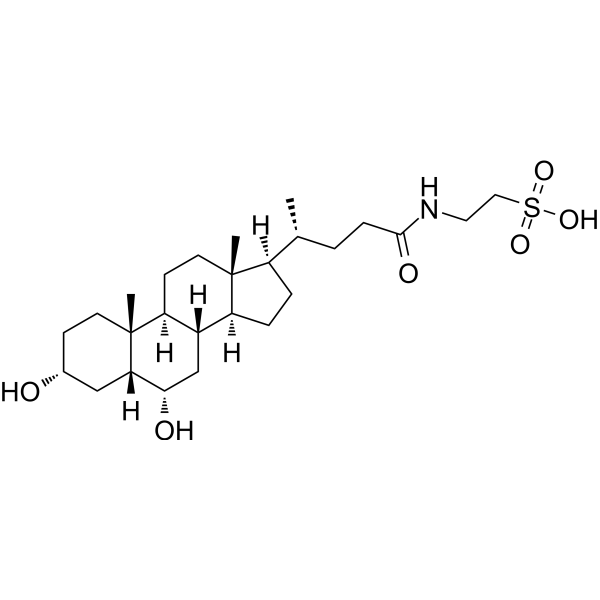
Cat. No.: HY-114360
CAS No.: 2958-04-5
Purity:  99.73%
Taurohyodeoxycholic acid is an orally active 6 alpha-hydroxylated bile acid. Taurohyodeoxycholic acid decreases colonic MPO activity, TNF-α, lL-6 serum levels and the expression of COX-2. Taurohyodeoxycholic acid alleviates trinitrobenzene sulfonic acid induced ulcerative colitis via regulating Th1/Th2 and Th17/Treg cells balance. Taurohyodeoxycholic acid ameliorates high-fat diet-induced nonalcoholic fatty liver disease in mice. Taurohyodeoxycholic acid prevents Taurochenodeoxycholic acid (HY-N2027)-induced hepatotoxicity in bile fistula rats. Taurohyodeoxycholic acid can be used for the study of nonalcoholic fatty liver disease (NAFLD), colitis and biliary fistula .
loading...
    loading...
2
2 Cited Publications
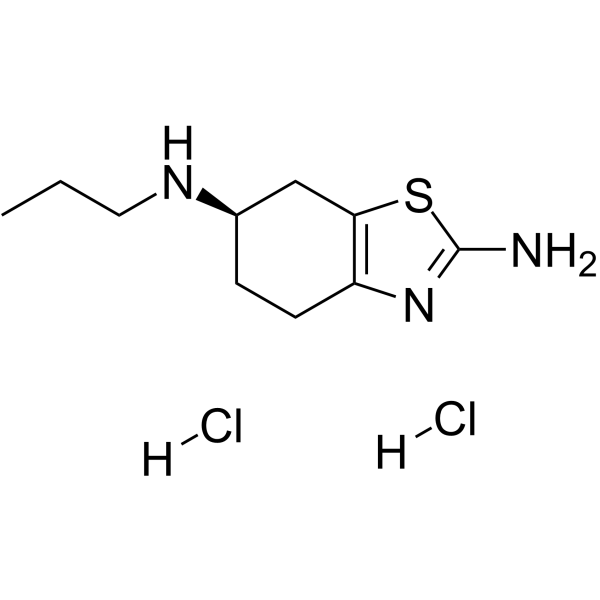
Cat. No.: HY-17355A
CAS No.: 104632-27-1
Synonyms: (R)-Pramipexole dihydrochloride; R-(+)-Pramipexole dihydrochloride; KNS-760704 dihydrochloride
Dexpramipexole ((R)-Pramipexole) dihydrochloride is an orally active, blood-brain barrier permeable mitochondrial protective agent. Dexpramipexole dihydrochloride upregulates the expression of Parkin, PINK1, GPX4 and FSP1; binds to mitochondrial F1/Fo-ATP synthase; blocks the Nav1.8 sodium channel; and inhibits the activation of the NLRP3 inflammasome. Dexpramipexole dihydrochloride induces mitophagy, inhibits ferroptosis, pyroptosis, apoptosis, neuroinflammation and eosinophilopoiesis; maintains mitochondrial function and redox homeostasis; reduces reactive oxygen species production; and decreases myocardial infarct size. Dexpramipexole dihydrochloride is applicable to studies on eosinophilic asthma, myocardial ischemia/reperfusion injury, sepsis-associated encephalopathy, analgesia, and more .
loading...
    loading...
2
2 Cited Publications
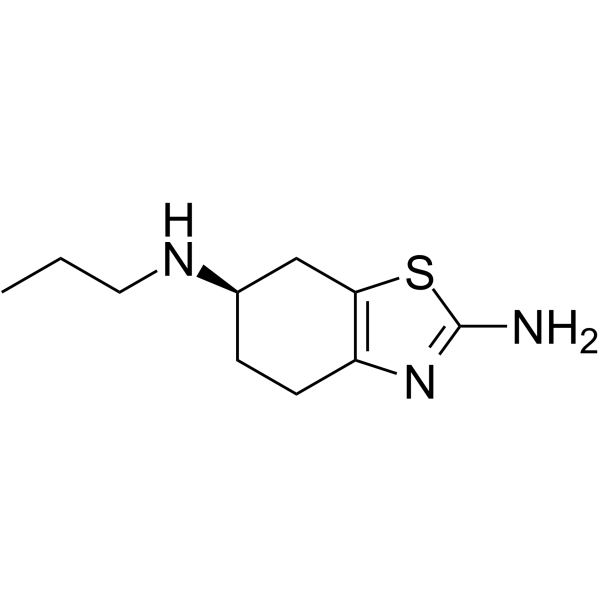
Cat. No.: HY-17355B
CAS No.: 104632-28-2
Synonyms: (R)-Pramipexole; R-(+)-Pramipexole; KNS-760704
Dexpramipexole ((R)-Pramipexole) is an orally active, blood-brain barrier permeable mitochondrial protective agent. Dexpramipexole upregulates the expression of Parkin, PINK1, GPX4 and FSP1; binds to mitochondrial F1/Fo-ATP synthase; blocks the Nav1.8 sodium channel; and inhibits the activation of the NLRP3 inflammasome. Dexpramipexole induces mitophagy, inhibits ferroptosis, pyroptosis, apoptosis, neuroinflammation and eosinophilopoiesis; maintains mitochondrial function and redox homeostasis; reduces reactive oxygen species production; and decreases myocardial infarct size. Dexpramipexole is applicable to studies on eosinophilic asthma, myocardial ischemia/reperfusion injury, sepsis-associated encephalopathy, analgesia, and more .
loading...
    loading...
2
2 Cited Publications
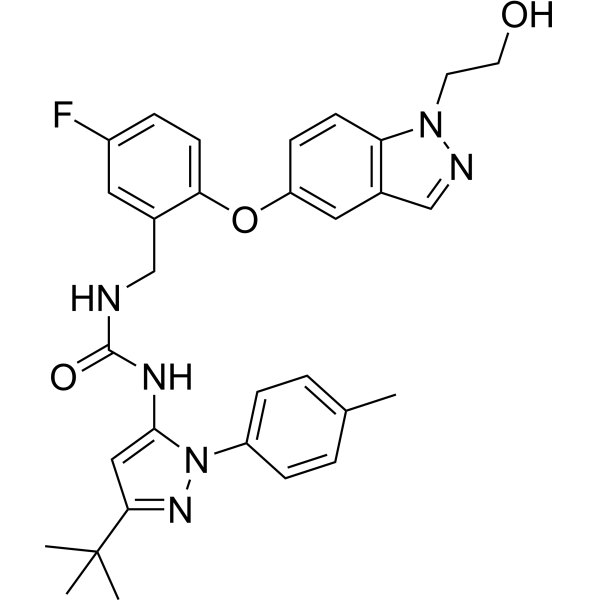
Cat. No.: HY-16782
CAS No.: 945614-12-0
Synonyms: ARRY-614
Pexmetinib (ARRY-614) is an orally active dual Tie-2 and p38 MAPK inhibitor. Pexmetinib binds to Tie-2 and p38 MAPK in a "DFG-out" conformation, attenuates the phosphorylation of p38, inhibits STAT3 activation, reduces the promoter-binding activity of NFATc1, and decreases the expression of MMPs. Pexmetinib inhibits leukemia cell proliferation, abrogates TNF-α-mediated myelosuppression of healthy hematopoietic stem cells, stimulates hematopoiesis in primary myelodysplastic syndrome (MDS) samples, inhibits RANKL-induced osteoclast formation and bone resorption, and suppresses migration, invasion and induced osteolysis of breast cancer cells. Pexmetinib can be used in research related to myelodysplastic syndrome, acute myeloid leukemia and breast cancer-induced osteolysis .
loading...
    loading...
2
2 Cited Publications
Cat. No.: HY-14744
CAS No.: 103129-82-4
Purity:  98.53%
Synonyms: (S)-Amlodipine; Levoamlodipine
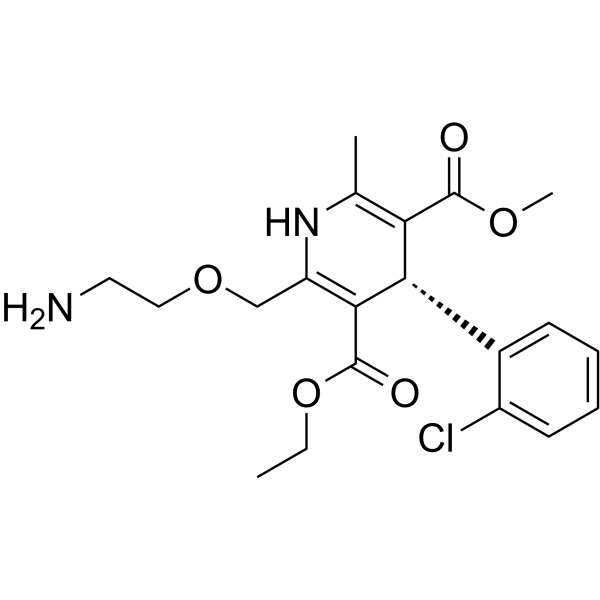
Levamlodipine ((S)-Amlodipine; Levoamlodipin) is an orally active L-type calcium channel blocker and MMP-9 modulator with high permeability and retention properties. Levamlodipine significantly enhances plaque stability and improves lipid profiles by reducing blood pressure, decreasing systolic blood pressure variability, and inhibiting MMP-9 expression in atherosclerotic plaques. Levamlodipine not only alleviates cardiac and aortic hypertrophy and prevents renal atrophy, but also produces synergistic effects in blood pressure reduction and organ protection when combined with bisoprolol (HY-129029). Levamlodipine exerts no significant inhibitory effect on abdominal aortic intimal hyperplasia. When excessively accumulated in the epidermis, Levamlodipine may induce changes in keratin structure, impair the skin barrier and trigger inflammation; long-term use further exacerbates skin irritation caused by local administration. Levamlodipine can be used in research related to hypertension and atherosclerosis .
loading...
    loading...
2
2 Cited Publications
Cat. No.: HY-157189
CAS No.: 898211-21-7
Purity:  99.72%
Synonyms: GPR132 antagonist 1
Target:  

G2A (GPR132)

Research Areas:  

Metabolic Disease

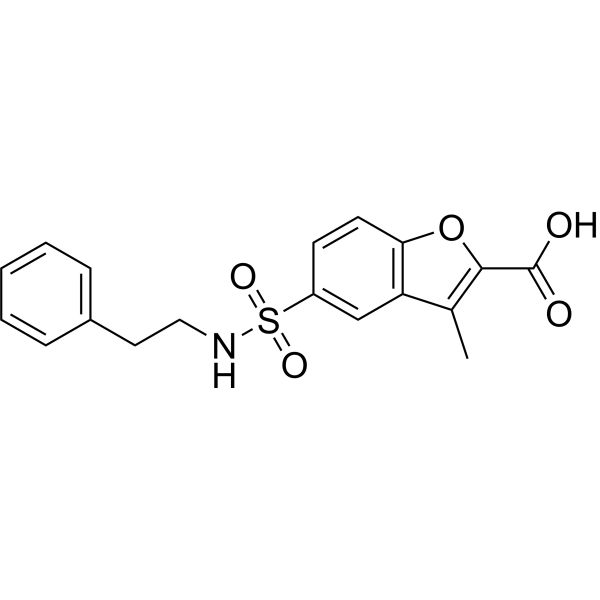
NOX-6-18 (GPR132 antagonist 1) is a GPR132 antagonist with an IC50 of 15.17 nM against the human target. NOX-6-18 inhibits GPR132 activation via interaction with non-conserved residues, blocks activities induced by endogenous agonists and 9 (S)-HODE, and exhibits selectivity for other fatty acid-binding GPCRs. NOX-6-18 regulates macrophage reprogramming, alleviates inflammatory responses, downregulates inflammatory markers and signaling pathways, and reduces the degree of hepatic steatosis and hepatic triglyceride levels. NOX-6-18 regulates metabolic homeostasis, reduces weight gain, enhances glucose metabolism, improves glucose tolerance, decreases fasting blood glucose and insulin levels, and partially reverses reductions in energy expenditure and respiratory quotient. NOX-6-18 can be used in the research of type 2 diabetes .
loading...
    loading...
2
2 Cited Publications
Cat. No.: HY-N3001
CAS No.: 957-66-4
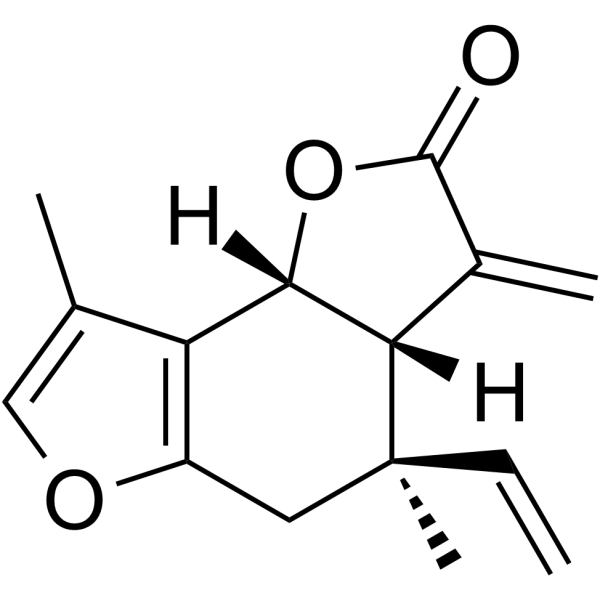
Isolinderalactone is a sesquiterpene that exhibits anti-cancer, anti-inflammatory, and neuroprotective effects. Isolinderalactone inhibits VEGF expression and tyrosine phosphorylation of VEGFR2. Isolinderalactone decreases viability and induces apoptosis in U-87 glioblastoma (GBM) cells and colorectal cancer (CRC) cells. Isolinderalactone induces G2/M phase cell cycle arrest, ROS generation, pJNK/p38 MAPK activation, in colorectal cancer (CRC) cells. Isolinderalactone blocks LPS (HY-D1056)-induced NF-κB activation while activating Nrf2-HMOX1 signaling in RAW264.7 macrophages. Isolinderalactone improves cognitive dysfunction in APP/PS1 mice. Isolinderalactone can be used for the study of Glioblastoma multiforme (GBM), colorectal cancer, Alzheimer’s disease and acute lung injury .
loading...
    loading...
2
2 Cited Publications
Cat. No.: HY-14744A
CAS No.: 150566-71-5
Purity:  99.84%
Synonyms: (S)-Amlodipine besylate; Levoamlodipine besylate
Target:  

Calcium Channel MMP

Research Areas:  

Cardiovascular Disease

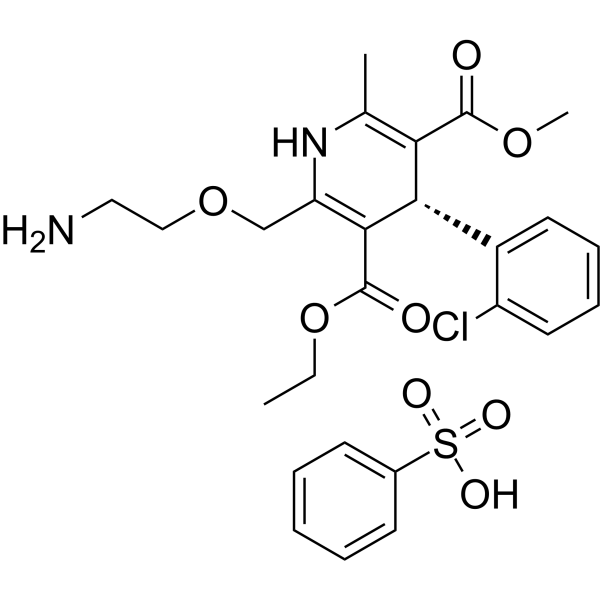
Levamlodipine ((S)-Amlodipine; Levoamlodipin) besylate is an orally active L-type calcium channel blocker and MMP-9 modulator with high permeability and retention properties. Levamlodipine besylate significantly enhances plaque stability and improves lipid profiles by reducing blood pressure, decreasing systolic blood pressure variability, and inhibiting MMP-9 expression in atherosclerotic plaques. Levamlodipine besylate not only alleviates cardiac and aortic hypertrophy and prevents renal atrophy, but also produces synergistic effects in blood pressure reduction and organ protection when combined with bisoprolol (HY-129029). Levamlodipine besylate exerts no significant inhibitory effect on abdominal aortic intimal hyperplasia. When excessively accumulated in the epidermis, Levamlodipine besylate may induce changes in keratin structure, impair the skin barrier and trigger inflammation; long-term use further exacerbates skin irritation caused by local administration. Levamlodipine besylate can be used in research related to hypertension and atherosclerosis .
loading...
    loading...
2
2 Cited Publications
Cat. No.: HY-N0541
CAS No.: 69884-00-0
Synonyms: Ginsenoside A1
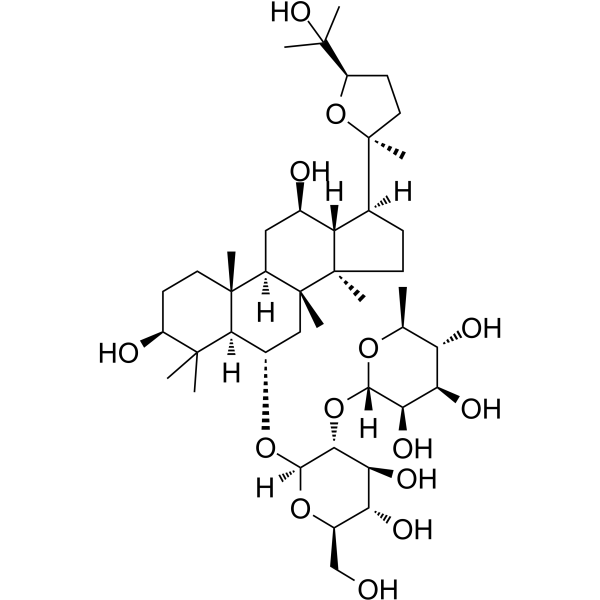
Pseudoginsenoside F11 is an orally active neuroprotective agent. Pseudoginsenoside F11 reduces the expression of β-amyloid precursor protein, inhibits the production of Aβ1-40, downregulates the expression of JNK2, p53 and activated Caspase 3, and restores the activities of SOD and Glutathione peroxidase. Pseudoginsenoside F11 inhibits the excessive activation of μ-Calpain and restores the level of neuronal Nitric oxide synthase. Pseudoginsenoside F11 reduces infarct volume, alleviates cerebral edema, decreases neuronal loss, improves neurological deficits and enhances long-term functional outcomes in transient cerebral ischemia models. Pseudoginsenoside F11 antagonizes Methamphetamine-induced behavioral deficits, dopamine level reduction and neurotoxicity without altering the baseline behaviors of normal mice. Pseudoginsenoside F11 can be used in studies related to Alzheimer's disease, transient cerebral ischemic injury and Methamphetamine-induced neurotoxicity .
loading...
    loading...
2
2 Cited Publications
Cat. No.: HY-107665
CAS No.: 62645-28-7
Ro 106-9920 is an orally active NF-κB inhibitor. Ro 106-9920 prevents ubiquitination of IκBα, blocks nuclear translocation of NF-κB, and inhibits NF-κB activation. Ro 106-9920 suppresses TNF-α-induced tissue factor expression and procoagulant activity, enhances TNF-α-mediated cytotoxicity against cancer cells, and eliminates the formation of neutrophil extracellular traps. Ro 106-9920 inhibits NLRP3 inflammasome activation, reduces inflammatory cytokine secretion, decreases myeloperoxidase activity, attenuates renal cell apoptosis, and improves renal function. Ro 106-9920 blocks ANG II (Angiotensin II human) (HY-13948)-induced nuclear localization of p65, internalization of AT1A receptor, colocalization of β-arrestin-2, and expression of COX-2, and alters the formation of β-arrestin endosomes. Ro 106-9920 can be used in research related to non-small cell lung cancer, acute kidney injury, diabetes mellitus, and osteoporosis .
loading...
    loading...
1
1 Cited Publications
Cat. No.: HY-139566
CAS No.: 100502-66-7
Purity:  ≥95.0%
Synonyms: 3-Nitroxypropanol; 3-NOP
Target:  

Bacterial

Research Areas:  

Others

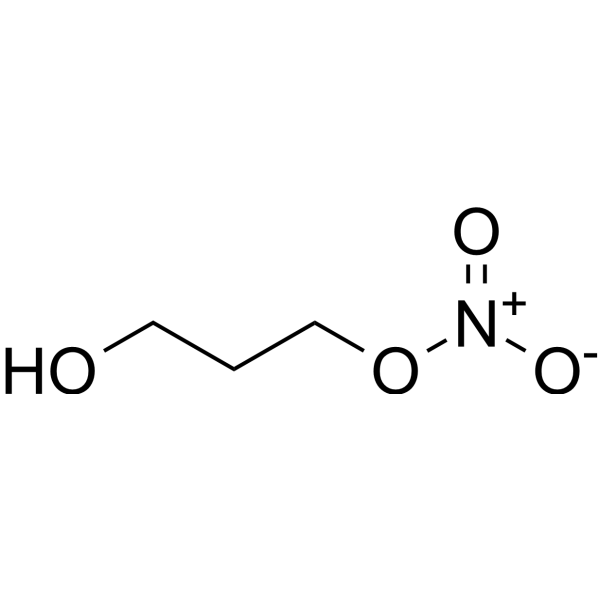
Abrucomstat (3-Nitroxypropanol) is an orally active methyl coenzyme M reductase inhibitor. Abrucomstat decreases ruminal methanogenesis .
loading...
    loading...
1
1 Cited Publications
Cat. No.: HY-P0251
CAS No.: 60482-95-3
Target:  

Neurotensin Receptor

Research Areas:  

Neurological Disease

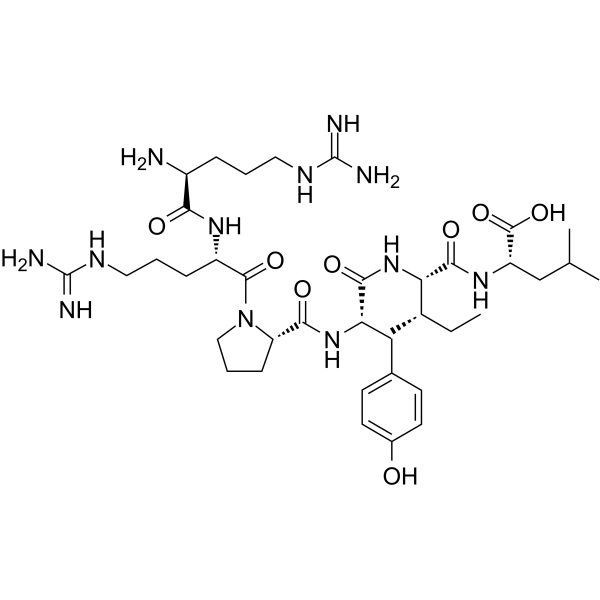
Neurotensin (8-13) is an active fragment of Neurotensin. Neurotensin(8-13) results in a decrease in cell-surface NT1 receptors (NTR1) density.
loading...
    loading...
1
1 Cited Publications
Cat. No.: HY-N0261
CAS No.: 67979-25-3
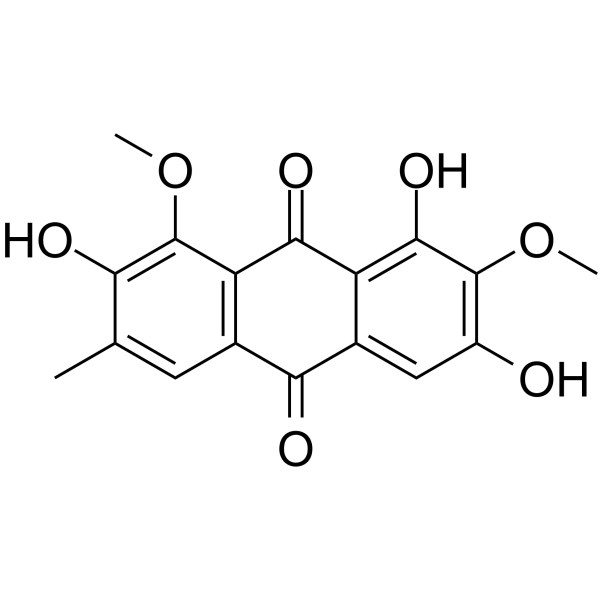
Aurantio-obtusin is a anthraquinone compound that can be extracted from cassia seed. Aurantio-obtusin has the effects of decreasing blood pressure, decreasing blood lipids and anti-inflammatory.Aurantio-obtusin is an orally active vasodilator. Aurantio-obtusin ameliorates hepatic steatosis through AMPK/ autophagy- and AMPK/TFEB mediated inhibition of lipid accumulation .
loading...
    loading...
1
1 Cited Publications
Cat. No.: HY-114189
CAS No.: 790186-68-4
Purity:  99.94%
Synonyms: UNC10225170
Target:  

MEK

Research Areas:  

Cancer

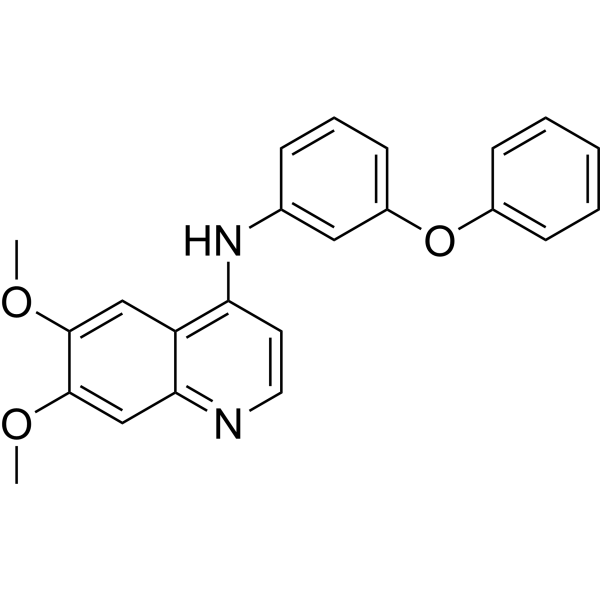
GW284543 (UNC10225170) is a selective MEK5 inhibitor. GW284543 reduces pERK5, and decreases endogenous MYC protein .
loading...
    loading...
1
1 Cited Publications
Cat. No.: HY-162706
CAS No.: 2519823-37-9
Target:  

PROTACs CDK

Research Areas:  

Cancer

BSJ-5-63 is a potent CDK12, CDK7, CDK9 PROTAC degrader. BSJ-5-63 BSJ-5-63 decreases the protein expression of CDK12, CDK7, CDK9, RNAPII, Cyclin K. BSJ-5-63 decreases the mRNA expression of BRCA1, BRCA2. BSJ-5-63 shows anticancer activity and has the potential for the research of prostate cancer .
loading...
    loading...
1
1 Cited Publications
Cat. No.: HY-139324
CAS No.: 68341-14-0
Purity:  ≥95.0%
Target:  

GSK-3 Amyloid-β

Research Areas:  

Neurological Disease Cancer

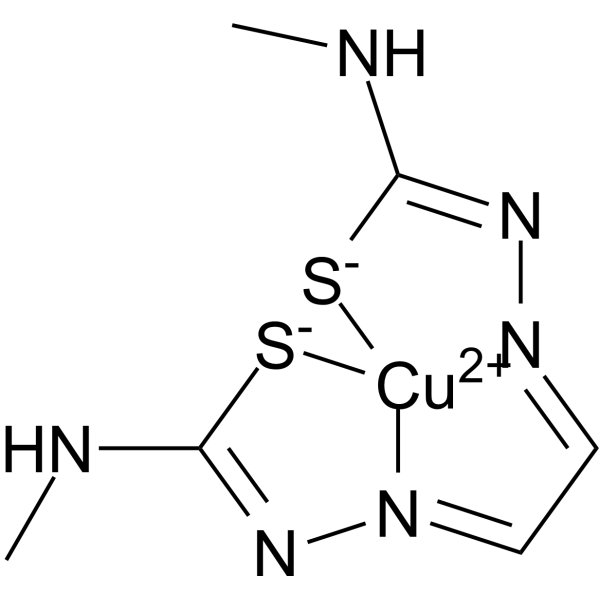
Cu(II)GTSM, a cell-permeable Cu-complex, significantly inhibits GSK3β. Cu(II)GTSM inhibits Amyloid-β oligomers (AβOs) and decreases tau phosphorylation. Cu(II)GTSM also decreases the abundance of Amyloid-β trimers. Cu(II)GTSM is a potential anticancer and antimicrobial agent .
loading...
    loading...
1
1 Cited Publications
Cat. No.: HY-103372
CAS No.: 685506-42-7
Purity:  99.24%
Target:  

Lipase

Research Areas:  

Cardiovascular Disease

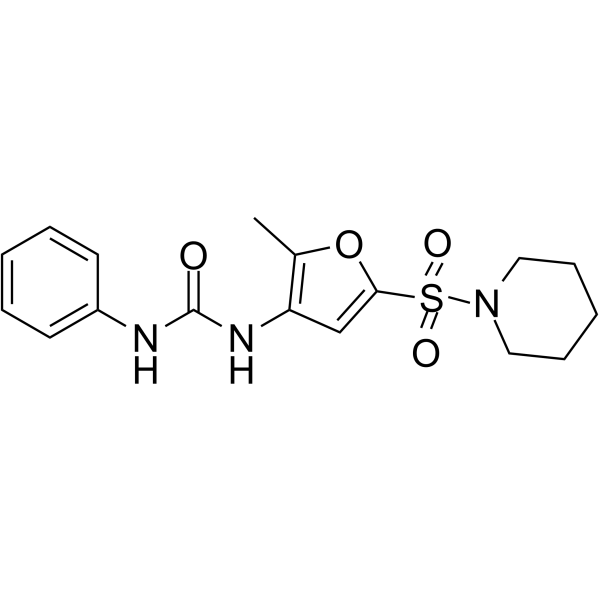
GSK264220A is a potent endothelial lipase inhibitor with IC50 of 16 nM. GSK264220A has the potential to decrease the risk of cardiovascular disease .
loading...
    loading...
1
1 Cited Publications
Cat. No.: HY-B2009
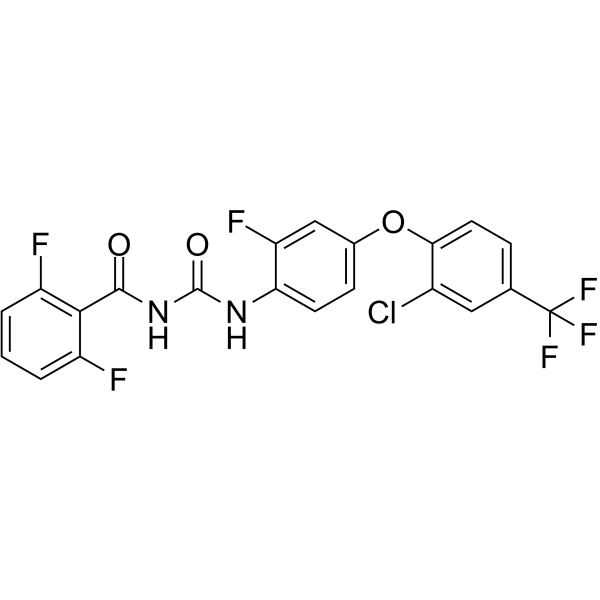
CAS No.: 101463-69-8
Research Areas:  

Others

Flufenoxuron is a chitin synthesis inhibitor that is used as a benzoylurea insecticide. Flufenoxuron decreases chitin synthesis, molting, and egg hatching, preventing development in insects .
loading...
    loading...
1
1 Cited Publications
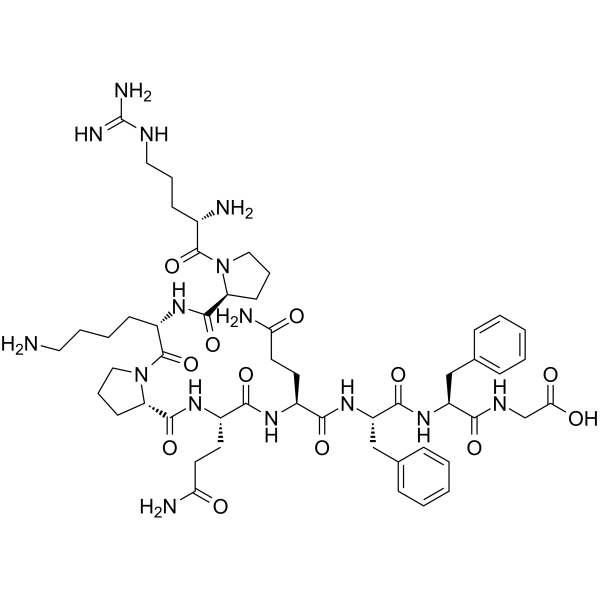
Cat. No.: HY-P1494
CAS No.: 57468-17-4
Target:  

Neurokinin Receptor

Research Areas:  

Neurological Disease

Substance P (1-9) is nonapeptide, which decreases the inactivation of substance P by the guinea-pig ileum and urinary bladder.
loading...
    loading...
1
1 Cited Publications
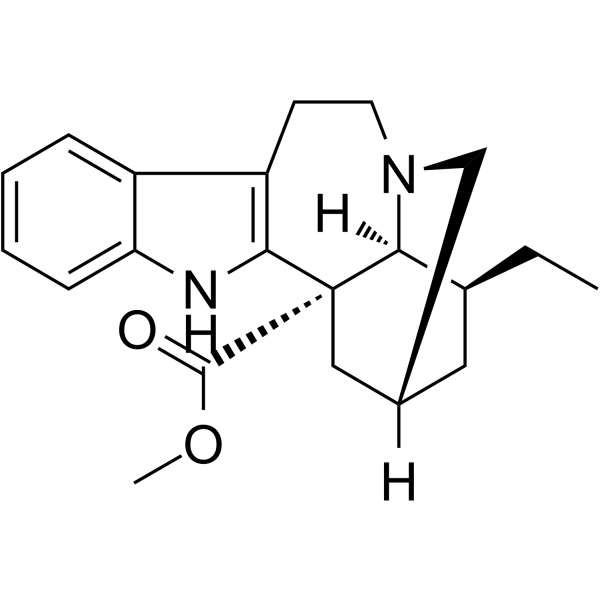
Cat. No.: HY-121118
CAS No.: 467-77-6
Purity:  99.23%
Coronaridine, an iboga type alkaloid, inhibits the wnt signaling pathway by decreasing β-catenin expression .
loading...
    loading...

