223 Results for "

MMP-9 Inhibitor

" in MedChemExpress (MCE) Product Catalog:
Products (223)

223 Results for "MMP-9 Inhibitor" in MCE Product Catalog:

  • Categories Recommended:
    More
4
4 Cited Publications
Cat. No.: HY-12170A
CAS No.: 1435779-45-5
Purity:  98.18%
Synonyms: AG3340 hydrochloride; KB-R9896 hydrochloride
Target:  

MMP Apoptosis

Research Areas:  

Cancer

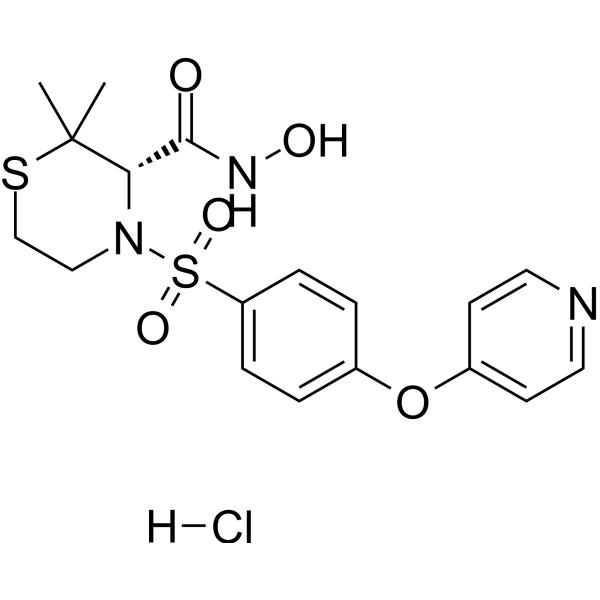
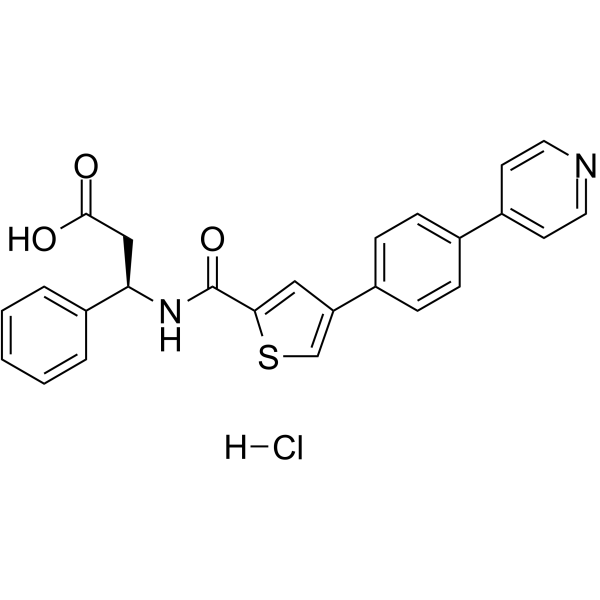
Prinomastat hydrochloride (AG3340 hydrochloride) is a broad spectrum, potent, orally active metalloproteinase (MMP) inhibitor with IC50s of 79, 6.3 and 5.0 nM for MMP-1, MMP-3 and MMP-9, respectively. Prinomastat hydrochloride inhibits MMP-2, MMP-3, MMP-13 and MMP-9 with Kis of 0.05 nM, 0.3 nM, 0.03 nM and 0.26 nM, respectively. Prinomastat hydrochloride can cross blood-brain barrier. Antitumor avtivity .
loading...
    loading...
4
4 Cited Publications
Cat. No.: HY-P70658A
Purity:  ≥ 95%, as determined by reducing SDS-PAGE.
Synonyms: LCN2; P25; Lipocalin 2; Migration-Stimulating Factor Inhibitor; NGAL; Lipocalin 2 (Oncogene 24p3); Neutrophil Gelatinase-Associated Lipocalin; Siderocalin LCN2; Oncogene 24p3; Lipocalin-2; 24p3; MSFI; 25 KDa Alpha-2-Microglobulin-Related Subunit Of MMP-9; HNL; Siderocalin
Species:  
Mouse
Source:  
HEK293
loading...
    loading...
3
3 Cited Publications
Cat. No.: HY-12964
CAS No.: 1239875-86-5
Purity:  99.32%
Target:  

TAM Receptor

Research Areas:  

Cancer

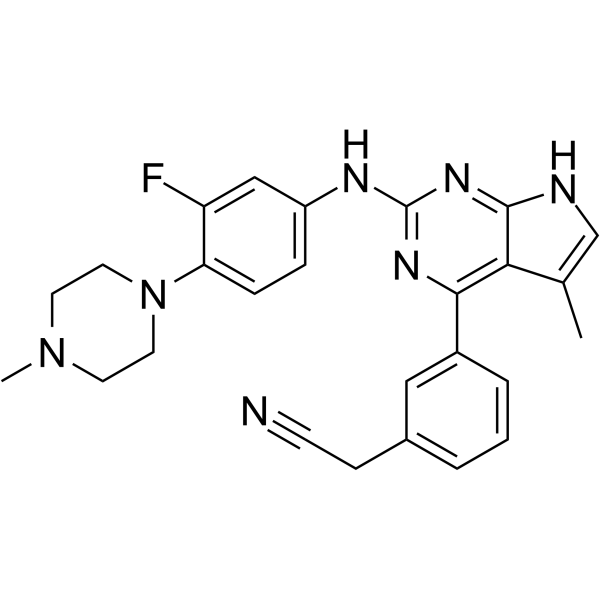
SGI-7079 is a selective, ATP-competitive, orally active inhibitor of the receptor tyrosine kinase Axl. SGI-7079 blocks Axl-mediated signaling pathways such as NF-κB activation and MMP-9 expression, thereby inhibiting tumor cell proliferation, migration and invasion. SGI-7079 is mainly used in the research of malignant tumors such as inflammatory breast cancer and bladder cancer, as well as in combination with immunization (used in combination with PD-1 therapy)[1][2][3].
loading...
    loading...
3
3 Cited Publications
Cat. No.: HY-103444
CAS No.: 704888-90-4
Purity:  98.07%
Target:  

MMP

Research Areas:  

Cancer

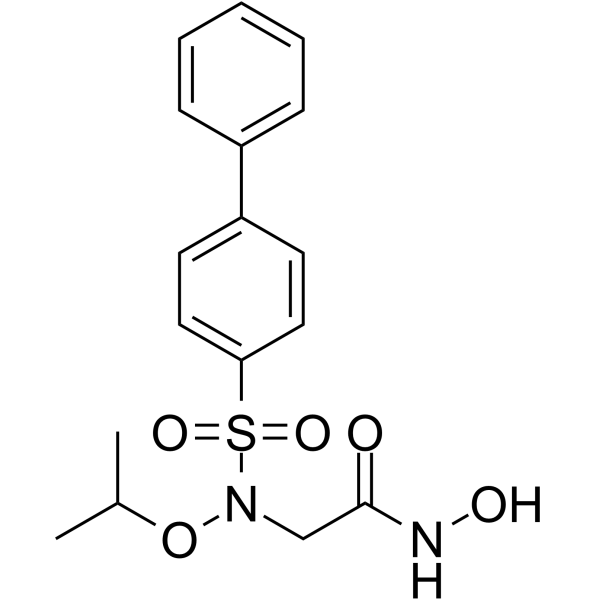
ARP-100 is a potent and selective matrix metalloproteinase MMP-2 inhibitor (IC50=12 nM). ARP-100 interacts with S1' pocket of MMP-2 and shows anti-invasive properties in an in vitro model of invasion on matrigel. ARP-100 shows the less inhibitory activity towards MMP-1 (>50 μM), MMP-3 (4.5 μM), MMP-7 (>50 μM), and MMP-9 (0.2 μM) .
loading...
    loading...
3
3 Cited Publications
Cat. No.: HY-112726
CAS No.: 1478364-68-9
Purity:  98.79%
Synonyms: BI-1467335
Target:  

VAP-1 MMP

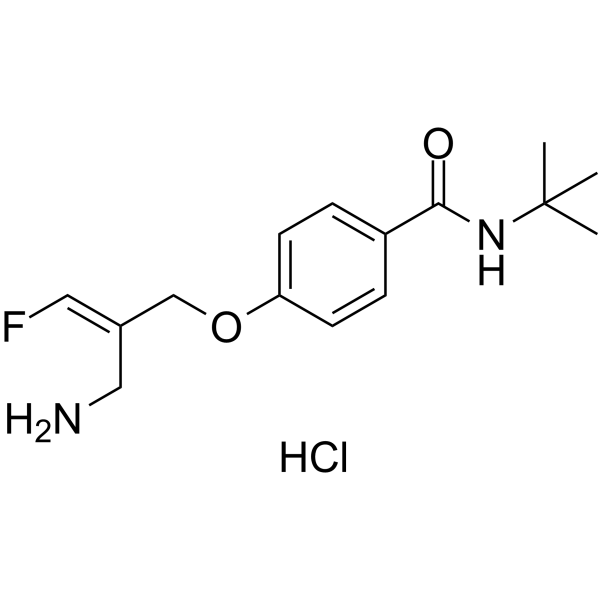
PXS-4728A is an orally active, selective VAP-1/SSAO inhibitor with an IC50 of 5 nM and a Ki of 175 nM. PXS-4728A inhibits the expression of MMP-9. It reduces cell rolling, adhesion and migration, decreases cell infiltration levels, pro-inflammatory cytokines, chemokines and collagen deposition, and improves pulmonary function. PXS-4728A reduces the formation and progression of atherosclerotic plaques, and decreases blood lipid and blood glucose levels as well as body weight gain. PXS-4728A can be used in research related to chronic obstructive pulmonary disease, cystic fibrosis, acute pulmonary inflammation, acute lung injury, bronchiolitis obliterans syndrome, rhinovirus-exacerbated asthma, sepsis, Klebsiella pneumoniae pulmonary infection and atherosclerosis .
loading...
    loading...
3
3 Cited Publications
Cat. No.: HY-108527
CAS No.: 107430-66-0
Purity:  98.01%
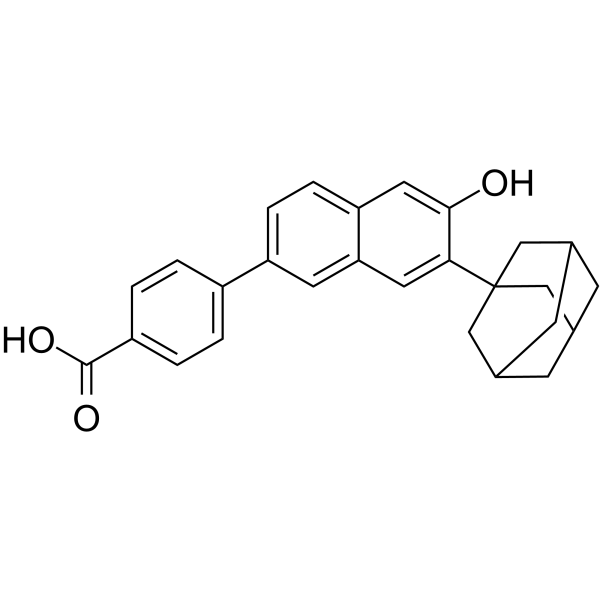
CD1530 is an orally active, selective RARγ agonist and antibacterial agent. CD1530 reduces Smad1/5/8 phosphorylation and overall Smad levels. CD1530 reduces β-catenin, MMP9 protein, and ROS levels. CD1530 exhibits activities such as inhibiting heterotopic ossification, promoting Achilles tendon healing, and inhibiting muscle fatty infiltration. CD1530 can be used in the research of orthopedic diseases (such as heterotopic ossification, Achilles tendon injury), muscle diseases (such as muscle fatty infiltration-related diseases) .
loading...
    loading...
3
3 Cited Publications
Cat. No.: HY-N1401
CAS No.: 112246-15-8
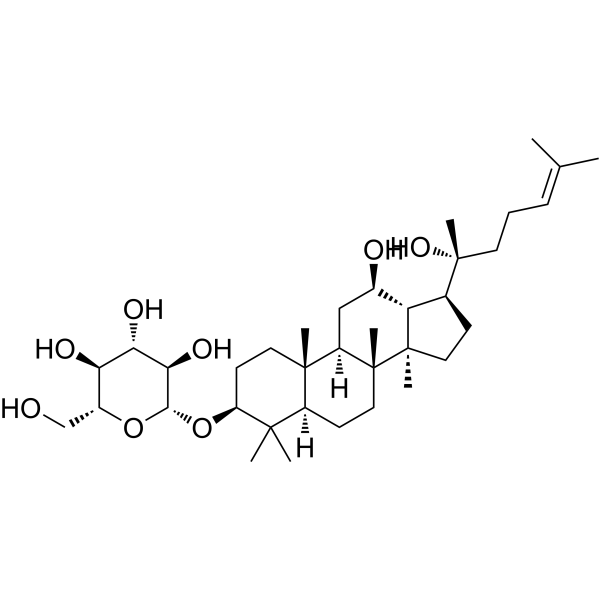
20(R)-Ginsenoside Rh2 is an orally active protopanaxadiol-type saponin with multiple biological activities. 20(R)-Ginsenoside Rh2 exerts a significant inhibitory effect on non-small cell lung cancer and liver cancer by inducing cell cycle arrest and promoting apoptosis. 20(R)-Ginsenoside Rh2 exerts anti-γ-herpesvirus effects by inhibiting viral DNA replication. 20(R)-Ginsenoside Rh2 inhibits inflammatory mediators by reducing the levels of NO, PGE2, and ROS; it can delay skin photoaging by reducing ROS and inhibiting MMP-9/2 activity. 20(R)-Ginsenoside Rh2 accelerates the recovery after muscle injury by activating the Akt1/PKB signaling pathway. 20(R)-Ginsenoside Rh2 can inhibit osteoclast formation and exert an anti-osteoporosis effect .
loading...
    loading...
2
2 Cited Publications
Cat. No.: HY-14744A
CAS No.: 150566-71-5
Purity:  99.84%
Synonyms: (S)-Amlodipine besylate; Levoamlodipine besylate
Target:  

Calcium Channel MMP

Research Areas:  

Cardiovascular Disease

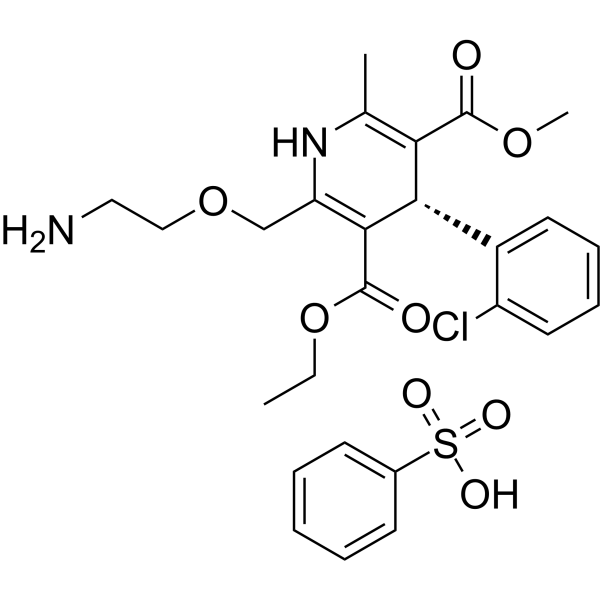
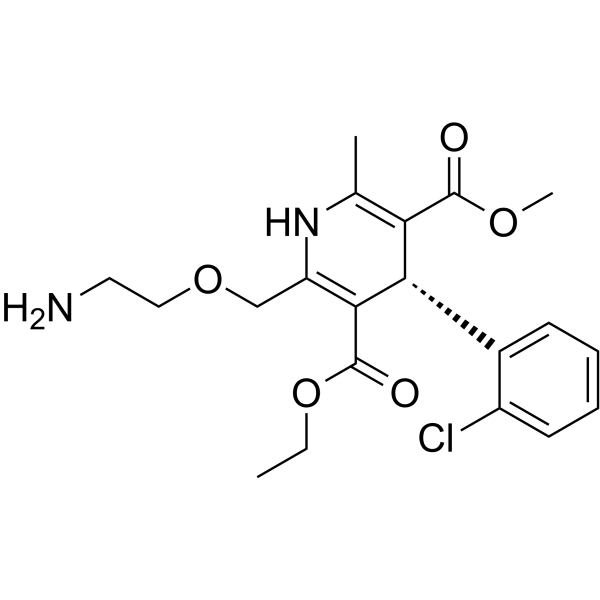
Levamlodipine ((S)-Amlodipine; Levoamlodipin) besylate is an orally active L-type calcium channel blocker and MMP-9 modulator with high permeability and retention properties. Levamlodipine besylate significantly enhances plaque stability and improves lipid profiles by reducing blood pressure, decreasing systolic blood pressure variability, and inhibiting MMP-9 expression in atherosclerotic plaques. Levamlodipine besylate not only alleviates cardiac and aortic hypertrophy and prevents renal atrophy, but also produces synergistic effects in blood pressure reduction and organ protection when combined with bisoprolol (HY-129029). Levamlodipine besylate exerts no significant inhibitory effect on abdominal aortic intimal hyperplasia. When excessively accumulated in the epidermis, Levamlodipine besylate may induce changes in keratin structure, impair the skin barrier and trigger inflammation; long-term use further exacerbates skin irritation caused by local administration. Levamlodipine besylate can be used in research related to hypertension and atherosclerosis .
loading...
    loading...
2
2 Cited Publications
Cat. No.: HY-19485
CAS No.: 1224964-36-6
Target:  

MMP

Research Areas:  

Cardiovascular Disease

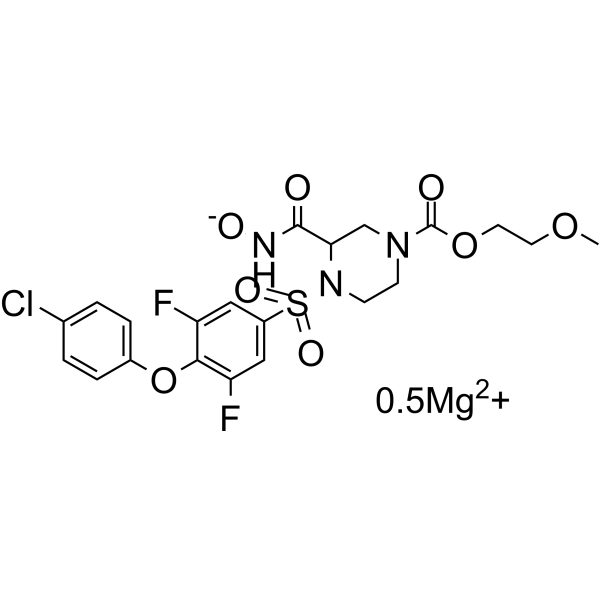
XL-784 is a selective matrix metalloproteinases (MMP) inhibitor, with IC50s of ~1900, 0.81, 120, 10.8, 18, 0.56 nM for MMP-1, MMP-2, MMP-3, MMP-8, MMP-9, MMP-13, respectively.
loading...
    loading...
2
2 Cited Publications
Cat. No.: HY-14744
CAS No.: 103129-82-4
Purity:  98.53%
Synonyms: (S)-Amlodipine; Levoamlodipine
Levamlodipine ((S)-Amlodipine; Levoamlodipin) is an orally active L-type calcium channel blocker and MMP-9 modulator with high permeability and retention properties. Levamlodipine significantly enhances plaque stability and improves lipid profiles by reducing blood pressure, decreasing systolic blood pressure variability, and inhibiting MMP-9 expression in atherosclerotic plaques. Levamlodipine not only alleviates cardiac and aortic hypertrophy and prevents renal atrophy, but also produces synergistic effects in blood pressure reduction and organ protection when combined with bisoprolol (HY-129029). Levamlodipine exerts no significant inhibitory effect on abdominal aortic intimal hyperplasia. When excessively accumulated in the epidermis, Levamlodipine may induce changes in keratin structure, impair the skin barrier and trigger inflammation; long-term use further exacerbates skin irritation caused by local administration. Levamlodipine can be used in research related to hypertension and atherosclerosis .
loading...
    loading...
2
2 Cited Publications
Cat. No.: HY-114091
CAS No.: 820223-77-6
Purity:  ≥99.0%
Target:  

MMP

Research Areas:  

Inflammation/Immunology

PF-00356231 hydrochloride is a specific, non-peptidic, non-zinc chelating ligand and inhibitor of matrix metalloproteinase MMP-12 (IC50=1.4 μM). PF-00356231 hydrochloride binds to MMP-12 and forms PF-00356231/MMP-12 complex. PF-00356231 hydrochloride shows potency against MMP-13, MMP-8, MMP-9, MMP-3 with IC50s of 0.00065, 1.7, 0.98, 0.39 μM, respectively .
loading...
    loading...
2
2 Cited Publications
Cat. No.: HY-N2132
CAS No.: 1775-97-9
Synonyms: Flavokavain B
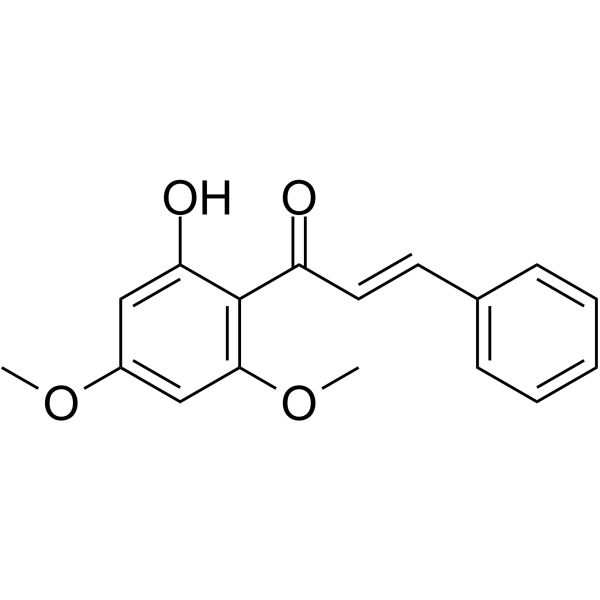
Flavokawain B (Flavokavain B) is an orally active chalcone. Flavokawain B results in activation of caspase-9, -3 and -8, cleavage of PARP. Flavokawain B down-regulates Bcl-2 with concomitant increase in Bax level. Flavokawain B inhibits NF-κB, PI3K/Akt and MAPK signaling pathway. Flavokawain B exhibits Apoptotic effects. Flavokawain B inhibits MMP-9 and promotes ROS generation. Flavokawain B inhibits multiple tumors and inflammation .
loading...
    loading...
2
2 Cited Publications
Cat. No.: HY-P70658
Purity:  ≥ 95%, as determined by reducing SDS-PAGE.
Synonyms: LCN2; P25; Lipocalin 2; Migration-Stimulating Factor Inhibitor; NGAL; Lipocalin 2 (Oncogene 24p3); Neutrophil Gelatinase-Associated Lipocalin; Siderocalin LCN2; Oncogene 24p3; Lipocalin-2; 24p3; MSFI; 25 KDa Alpha-2-Microglobulin-Related Subunit Of MMP-9
Species:  
Mouse
Source:  
HEK293
loading...
    loading...
2
2 Cited Publications
Cat. No.: HY-N2374
CAS No.: 855-96-9
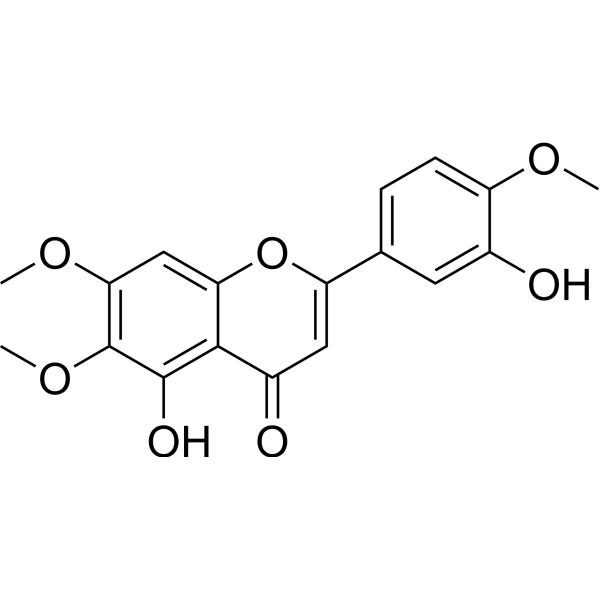
Eupatorin is an orally active flavonoid with antiproliferative and vasodilatory properties. Eupatorin downregulates the expression levels of NF-κB, MMP9, IL-1β and TNF-α. Eupatorin induces apoptosis, G2/M phase cell cycle arrest, and reactive oxygen species (ROS) production. Eupatorin modulates the activities of muscarinic receptors and β-adrenergic receptors; inhibits sarcoplasmic reticulum calcium release and calcium channels; and activates the NO/sGC/cGMP pathway, indomethacin-sensitive pathway, and potassium channel pathway. Eupatorin exerts cytotoxic effects on cancer cell lines, and is metabolized by CYP1A1 and CYP1 family enzymes to form metabolites with antiproliferative activity. Eupatorin can be used in research related to breast cancer, hypertension, and leukemia .
loading...
    loading...
1
1 Cited Publications
Cat. No.: HY-B0012
CAS No.: 40391-99-9
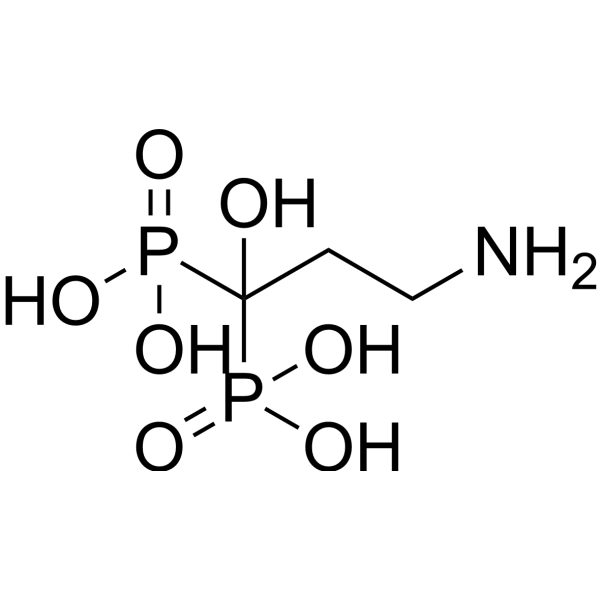
Pamidronic acid, the second-generation nitrogen-containing bisphosphonate, is an inhibitor of bone loss. Pamidronic acid significantly inhibits subchondral bone loss in early osteoarthritis by upregulating the expression of OPG in cartilage and subchondral bone, and inhibiting the expression of RANKL and MMP-9 in both tissues, as well as TLR-4 in cartilage, thereby alleviating cartilage degeneration. Additionally, Pamidronic acid can inhibit the signaling of Wnt and β-catenin, and is applicable for research on osteoporosis and osteosarcoma .
loading...
    loading...
1
1 Cited Publications
Cat. No.: HY-W011085
CAS No.: 210755-45-6
Target:  

MMP

Research Areas:  

Inflammation/Immunology

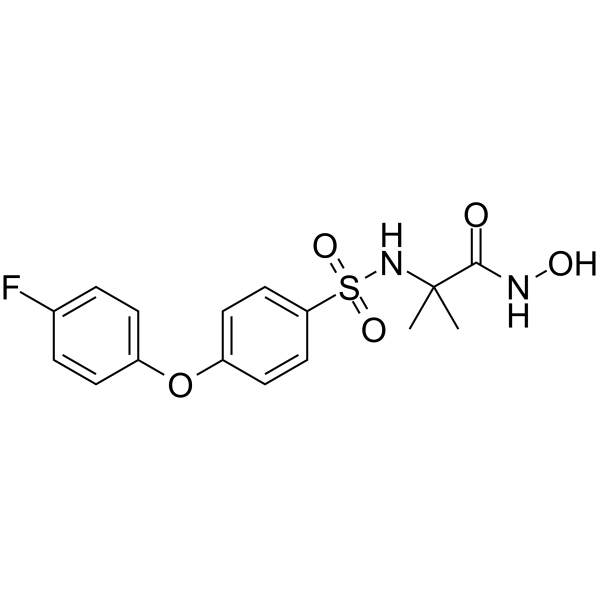
CP-471474 is an orally active and pan MMP inhibitor, with IC50 values of 1170 nM (MMP-1), 0.7 nM (MMP-2), 16 nM (MMP-3), 13 nM (MMP-9) and 0.9 nM (MMP-13), respectively .
loading...
    loading...
1
1 Cited Publications
Cat. No.: HY-B0012A
CAS No.: 57248-88-1
Synonyms: CGP 23339A
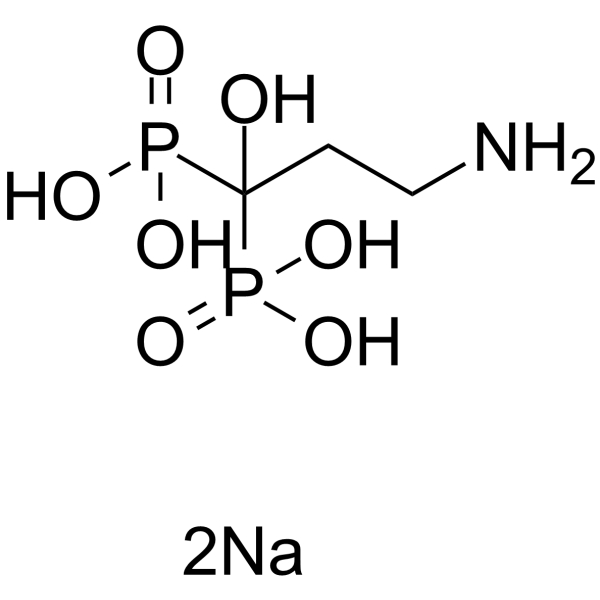
Pamidronate disodium (CGP 23339A), the second-generation nitrogen-containing bisphosphonate, is an inhibitor of bone loss. Pamidronate disodium significantly inhibits subchondral bone loss in early osteoarthritis by upregulating the expression of osteoprotegerin in cartilage and subchondral bone, and inhibiting the expression of RANKL and MMP-9 in both tissues, as well as TLR-4 in cartilage, thereby alleviating cartilage degeneration. Additionally, Pamidronate disodium can inhibit the signaling of Wnt and β-catenin, and is applicable for research on osteoporosis and osteosarcoma .
loading...
    loading...
1
1 Cited Publications
Cat. No.: HY-B0730
CAS No.: 109552-15-0
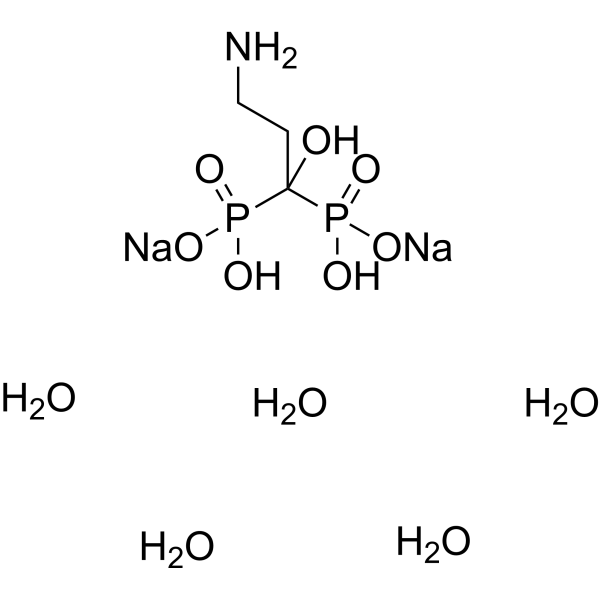
Pamidronate disodium pentahydrate, the second-generation nitrogen-containing bisphosphonate, is an inhibitor of bone loss. Pamidronate disodium pentahydrate significantly inhibits subchondral bone loss in early osteoarthritis by upregulating the expression of osteoprotegerin in cartilage and subchondral bone, and inhibiting the expression of RANKL and MMP-9 in both tissues, as well as TLR-4 in cartilage, thereby alleviating cartilage degeneration. Additionally, Pamidronate disodium pentahydrate can inhibit the signaling of Wnt and β-catenin, and is applicable for research on osteoporosis and osteosarcoma .
loading...
    loading...
1
1 Cited Publications
Cat. No.: HY-W004486
CAS No.: 13677-79-7
Research Areas:  

Infection

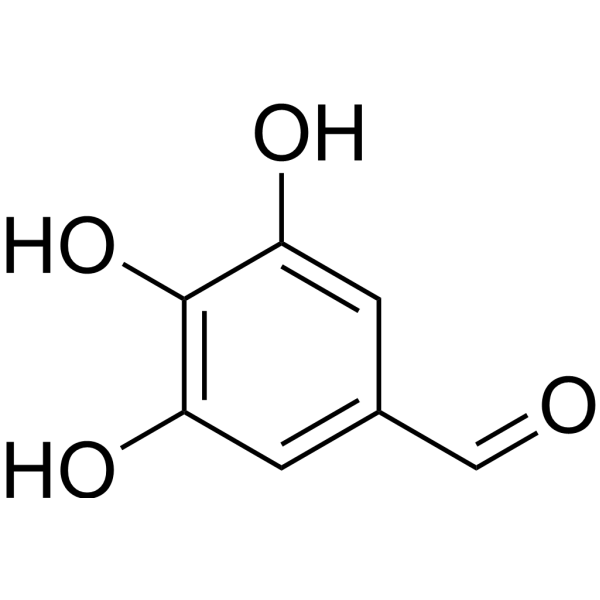
Gallic aldehyde (3,4,5-Trihydroxybenzaldehyde) is a phenolic aldehyde. Gallic aldehyde can be isolated from Geum japonicum. Gallic aldehyde inhibits the gelatinolytic activity and expression of MMP-9. Gallic aldehyde also inhibits ERK1/2, p38, and JNK. Gallic aldehyde has potent anti-HSV-1 and antioxidant activities. Gallic aldehyde also exhibits antibacterial activity against Oenococcus oeni VF .
loading...
    loading...
1
1 Cited Publications
Cat. No.: HY-N6896
CAS No.: 40788-84-9
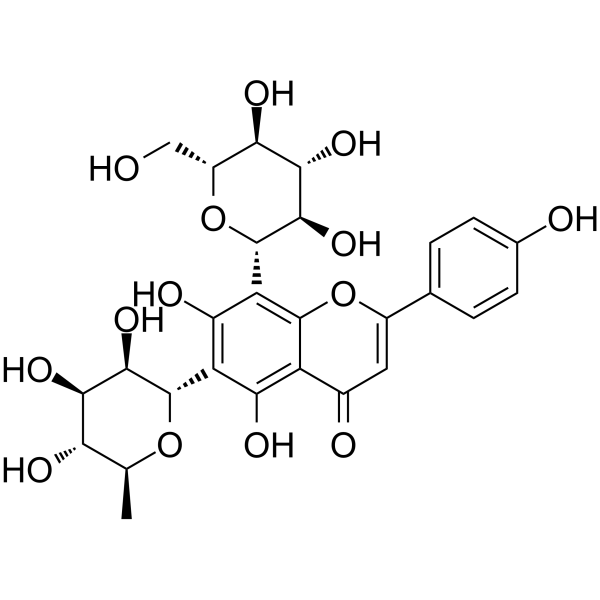
Isoviolanthin is a flavonoid glycoside. Isoviolanthin can be extracted from Dendrobium officinale. Isoviolanthin has a strong affinity for binding to KDM6B, CHAC2, ESCO2, and IPO4. Isoviolanthin decreases MMP-2 and MMP-9. Isoviolanthin inhibits TGF-β/Smad and PI3K/Akt/mTOR signaling pathways. Isoviolanthin increases Fhl3 expression. Isoviolanthin has cytoprotective effects. Isoviolanthin has anticancer activity against hepatocellular carcinoma .
loading...
    loading...

