563 Results for "

myocardial hypercontractility

" in MedChemExpress (MCE) Product Catalog:
Products (563)

563 Results for "myocardial hypercontractility" in MCE Product Catalog:

6
6 Cited Publications
Cat. No.: HY-17369B
CAS No.: 144494-65-5
Synonyms: L700462; MK383
Target:  

Integrin

Research Areas:  

Cardiovascular Disease

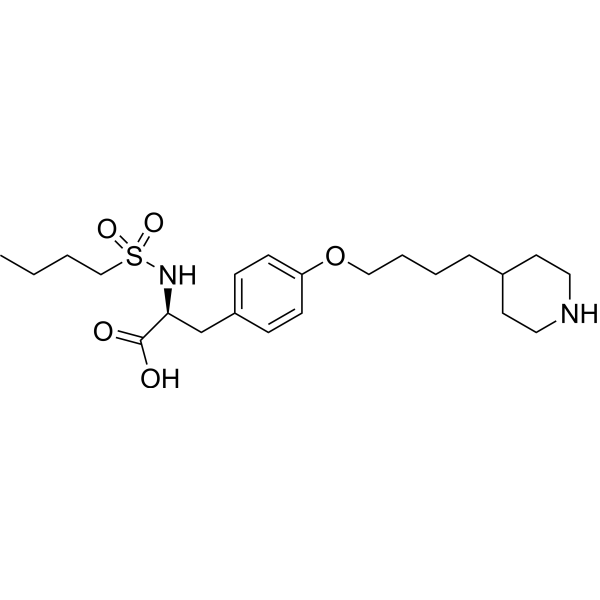
Tirofiban (L700462) is a selective and reversible platelet integrin receptor (Gp IIb/IIIa) antagonist that inhibits fibrinogen binding to this receptor and has antithrombotic activity. Tirofiban induces proliferation and migration on endothelial cell by inducing production of VEGF. Tirofiban can significantly reduces myocardial no-reflow and ischemia-reperfusion injury by alleviating myocardial microvascular structural and endothelial dysfunction in the ischemic area .
loading...
    loading...
6
6 Cited Publications
Cat. No.: HY-17369
CAS No.: 150915-40-5
Synonyms: L700462 hydrochloride monohydrate; MK383 hydrochloride monohydrate
Target:  

Integrin

Research Areas:  

Cardiovascular Disease

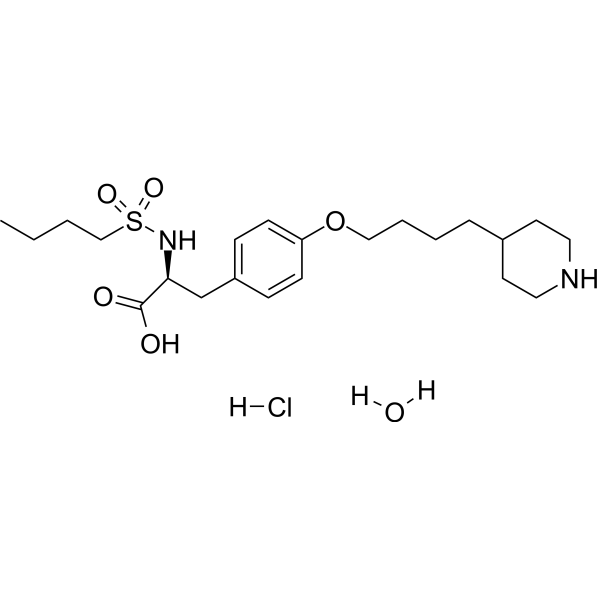
Tirofiban (L700462) hydrochloride monohydrate is a selective and reversible platelet integrin receptor (Gp IIb/IIIa) antagonist that inhibits fibrinogen binding to this receptor and has antithrombotic activity. Tirofiban hydrochloride monohydrate induces proliferation and migration on endothelial cell by inducing production of VEGF. Tirofiban hydrochloride monohydrate can significantly reduces myocardial no-reflow and ischemia-reperfusion injury by alleviating myocardial microvascular structural and endothelial dysfunction in the ischemic area .
loading...
    loading...
6
6 Cited Publications
Cat. No.: HY-112205
CAS No.: 1361390-56-8
Purity:  81.51%
Target:  

Legumain

Research Areas:  

Cancer

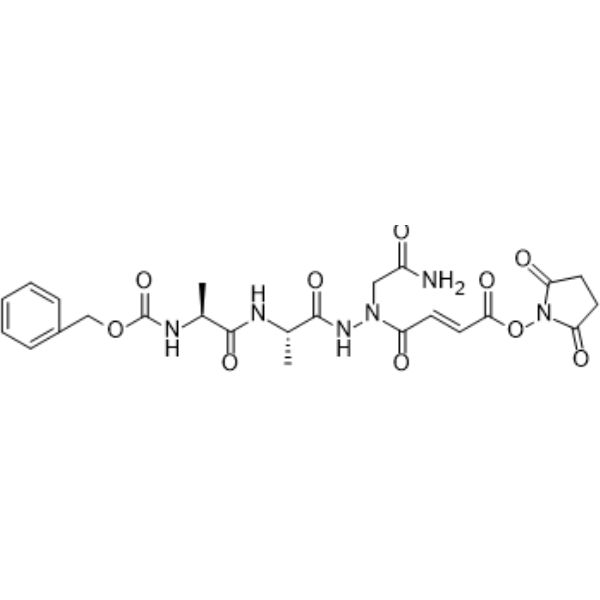
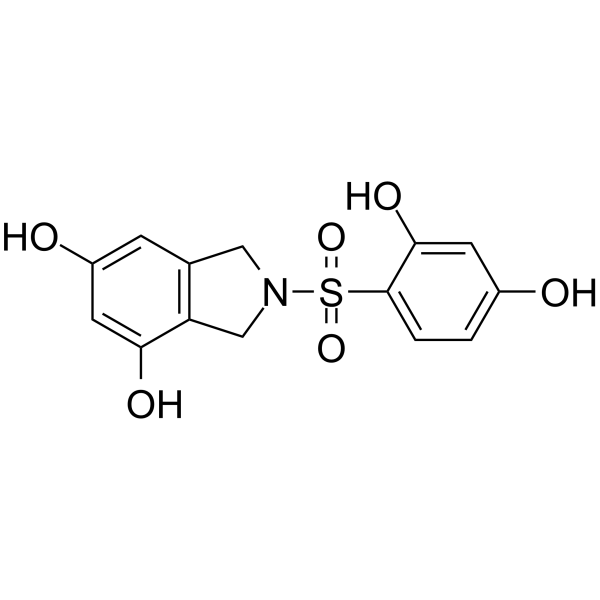
RR-11a is a synthetic enzyme inhibitor of Legumain (IC50=31-55 nM). RR-11a can be used for the research of cancer and acute myocardial infarction (AMI) .
loading...
    loading...
6
6 Cited Publications
Cat. No.: HY-I0400
CAS No.: 131-48-6
Synonyms: NANA; Lactaminic acid
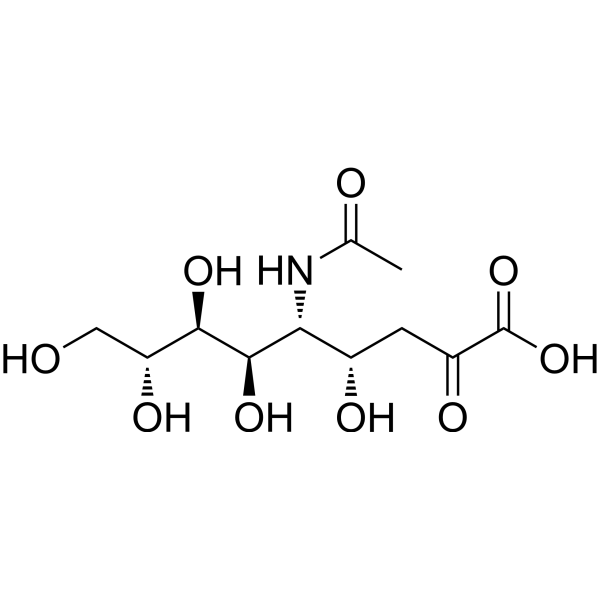
N-Acetylneuraminic acid (NANA; Lactaminic acid), a nonphenolic structure, is the predominant form of sialic from Collocalia esculenta. N-Acetylneuraminic acid plays a biological role in myocardial injury, melanoma and viral or bacterial infection. N-Acetylneuraminic acid inhibits melanogenesis by reducing tyrosinase activity and triggers myocardial injury in vitro and in vivo by activation of the Rho/Rho-associated signaling pathway through binding to RhoA and Cdc42. N-Acetylneuraminic acid may prevent high fat diet (HFD)-induced inflammation and oxidative stress, thereby prevents hyperlipidemia-associated inflammation and oxidative stress. N-Acetylneuraminic acid is promising for research in the field of melanoma, coronary artery, obesity-related diseases and hyperlipidemia .
loading...
    loading...
6
6 Cited Publications
Cat. No.: HY-17380
CAS No.: 26921-17-5
Synonyms: (S)-L-714,465 maleate; MK 950
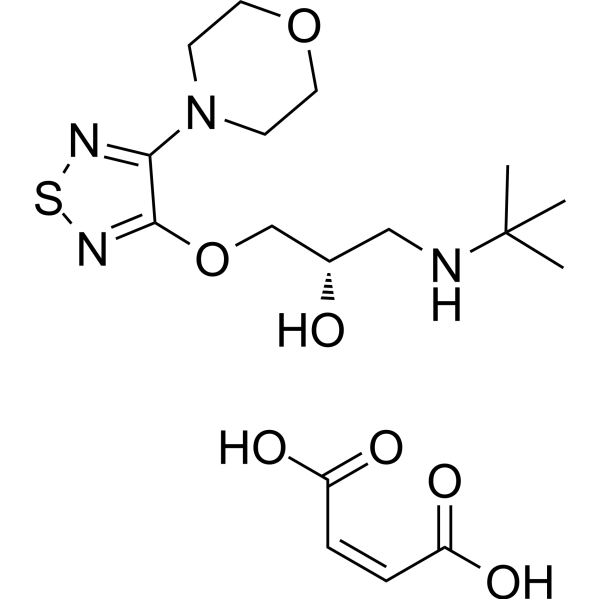
(S)-Timolol Maleate (L-714,465 Maleate) is a non-cardioselective hydrophilic β-adrenoceptor blocker. (S)-Timolol Maleate is widely used as standard medication for intraocular pressure (glaucoma) by preventing the production of aqueous humor. (S)-Timolol Maleate can be used for hypertension, angina pectoris and myocardial infarction .
loading...
    loading...
6
6 Cited Publications
Cat. No.: HY-17494
CAS No.: 26839-75-8
Synonyms: (S)-L-714,465; MK 950 free base
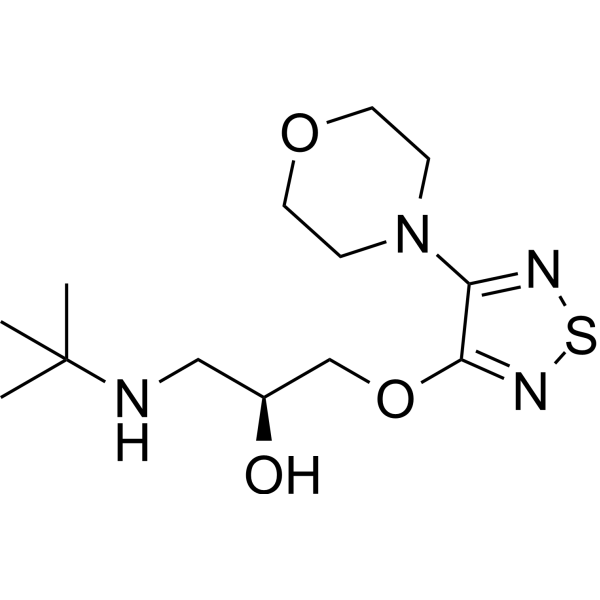
Timolol is a β-blocker available for both topical and systemic administration. Topical Timolol is primarily used to reduce intraocular pressure with open-angle glaucoma and ocular hypertension. Timolol can also be used for the research of infantile hemangiomas, hypertension, myocardial infarction, migraine prophylaxis, and atrial fibrillation.Timolol also has cardioprotective effect .
loading...
    loading...
6
6 Cited Publications
Cat. No.: HY-141537
CAS No.: 1638200-22-2
Purity:  98.71%
Research Areas:  

Inflammation/Immunology

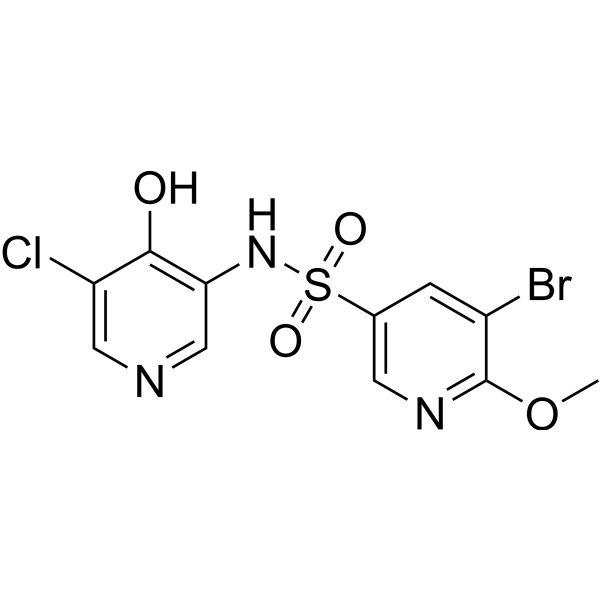
ABR-238901 is an orally active and potent S100A8/A9 blocker and inhibits S100A8/A9 interaction with its receptors RAGE (receptor for advanced glycation endproducts) and TLR4 (toll-like receptor 4). ABR-238901 has the potential for myocardial infarction (MI) research .
loading...
    loading...
6
6 Cited Publications
Cat. No.: HY-126124
CAS No.: 1429061-80-2
Purity:  96.35%
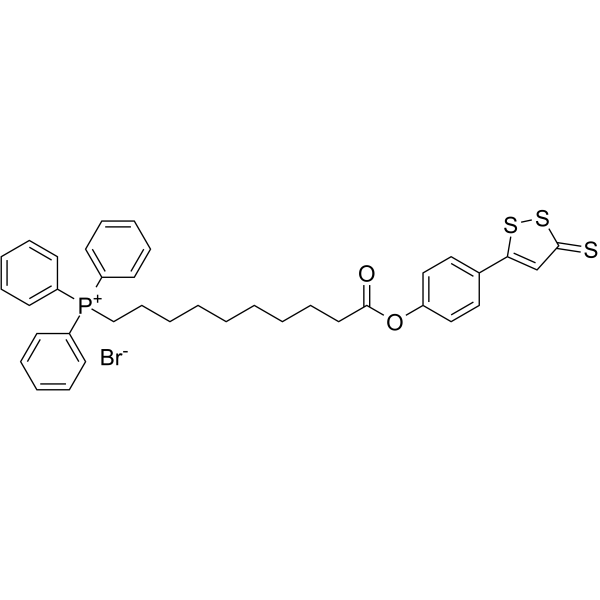
AP39 is a triphenylphosphonium derivatised anethole dithiolethione and mitochondria-targeting hydrogen sulfide (H2S) donor. AP39 increases intracellular H2S levels. AP39 exerts cytoprotective effects and maintains mitochondrial DNA integrity under oxidative stress conditions. AP39 protects against myocardial reperfusion injury in mice model and has the potential for Alzheimer's disease research .
loading...
    loading...
6
6 Cited Publications
Cat. No.: HY-121744
CAS No.: 1564265-82-2
Purity:  98.51%
Target:  

PDHK

Research Areas:  

Inflammation/Immunology

PS10 is a novel, potent and ATP-competitive pan-PDK inhibitor, inhibits all PDK isoforms with IC50 of 0.8 μM, 0.76 μM, 2.1 μM and 21.3 μM for PDK2, PDK4, PDK1, and PDK3, respectively. PS10 shows high affinity for PDK2 (Kd= 239 nM) than for Hsp90 (Kd= 47 μM) . PS10 improves glucose tolerance, stimulates myocardial carbohydrate oxidation in diet-induced obesity. PS10 has the potential for the investigation of diabetic cardiomyopathy .PDK: pyruvate dehydrogenase kinase
loading...
    loading...
6
6 Cited Publications
Cat. No.: HY-N0430A
CAS No.: 1198398-71-8
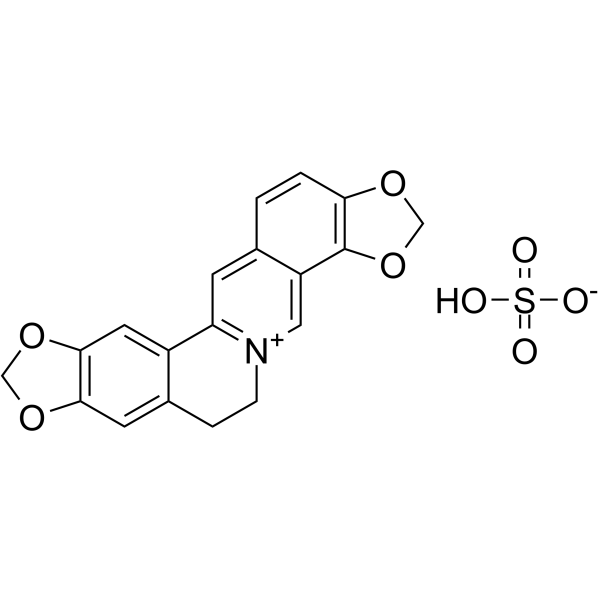
Coptisine Sulfate is an orally active and brain-penetrant alkaloid found in Coptis chinensis. Coptisine Sulfate is a reversible, uncompetitive IDO inhibitor with a Ki of 5.8 μM and an IC50 of 6.3 μM. Coptisine Sulfate suppresses neuroinflammation, reduces Aβ plaque burden and shows neuroprotective activity. Coptisine Sulfate shows anti-inflammation activity by blocking NF-κB, MAPK, and PI3K/Akt activation. Coptisine Sulfate inhibits cancer cells proliferation, induces DNA damage, G2/M phase cell cycle arrest, apoptosis, ROS production and mitochondrial dysfunction. Coptisine Sulfate inhibits Rho/ROCK pathway activation, reduces arrhythmia, limits cardiac injury marker release, reduces infarct size, and preserves cardiac function in rat myocardial ischemia/reperfusion models. Coptisine Sulfate downregulates HMGCR and upregulates LDLR and CYP7A1 to modulate cholesterol metabolism, reduces abnormal serum lipid levels, and promotes fecal bile acid excretion. Coptisine Sulfate be used for the research of cancer, hypercholesterolemia, Alzheimer’s disease, inflammatory disorders and cardiovascular disease .
loading...
    loading...
5
5 Cited Publications
Cat. No.: HY-P1136
CAS No.: 1507930-57-5
Target:  

Gap Junction Protein

Research Areas:  

Cardiovascular Disease

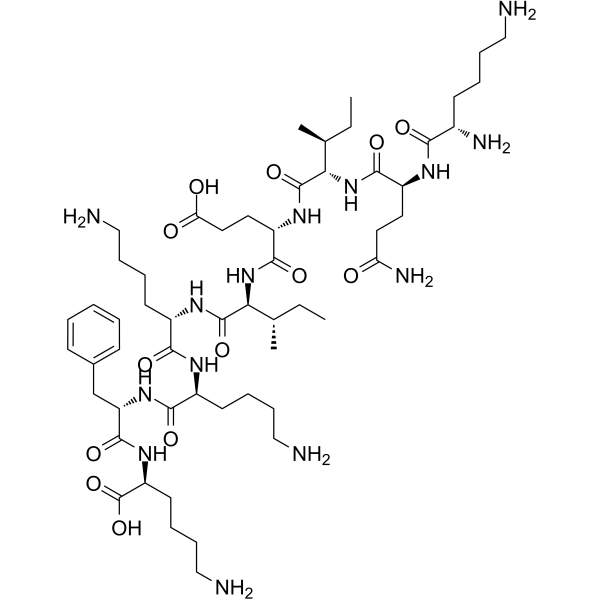
Gap19, a peptide derived from nine amino acids of the Cx43 cytoplasmic loop (CL), is a potent and selective connexin 43 (Cx43) hemichannel blocker. Gap19 inhibits hemichannels caused by preventing intramolecular interactions of the C-terminus (CT) with the CL. Gap19 is not blocking GJ channels or Cx40/pannexin-1 hemichannels. Gap19 has protective effects against myocardial .
loading...
    loading...
5
5 Cited Publications
Cat. No.: HY-P1136A
Target:  

Gap Junction Protein

Research Areas:  

Cardiovascular Disease

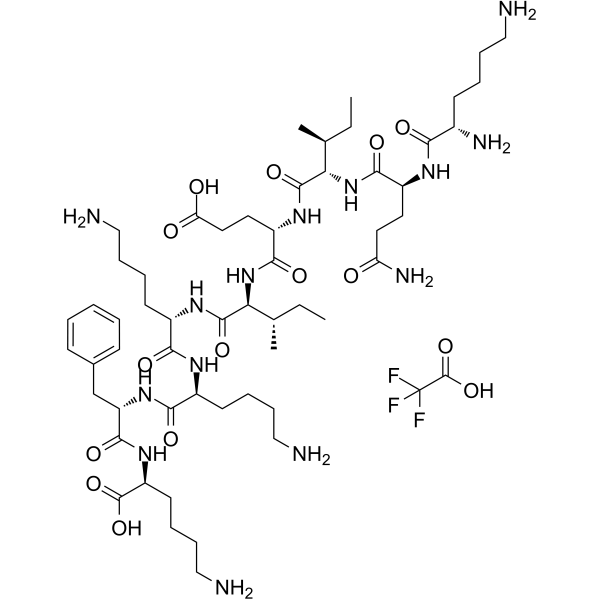
Gap19 TFA, a peptide derived from nine amino acids of the Cx43 cytoplasmic loop (CL), is a potent and selective connexin 43 (Cx43) hemichannel blocker. Gap19 TFA inhibits hemichannels caused by preventing intramolecular interactions of the C-terminus (CT) with the CL. Gap19 TFA is not blocking GJ channels or Cx40/pannexin-1 hemichannels. Gap19 TFA has protective effects against myocardial .
loading...
    loading...
5
5 Cited Publications
Cat. No.: HY-14993
CAS No.: 245520-69-8
Purity:  99.74%
SCH79797 is a highly potent, selective nonpeptide protease activated receptor 1 (PAR1) antagonist. SCH79797 inhibits binding of a high-affinity thrombin receptor-activating peptide to PAR1 with an IC50 of 70 nM and a Ki of 35 nM. SCH79797 inhibits thrombin-induced platelet aggregation with an IC50 of 3 μM. SCH79797 has antiproliferative and pro-apoptotic effects, and limits myocardial ischemia/reperfusion injury in rat hearts. SCH79797 also potently prevents PAR1 activation in vascular smooth muscle cells, endothelial cells, and astrocytes .
loading...
    loading...
5
5 Cited Publications
Cat. No.: HY-14994
CAS No.: 1216720-69-2
Purity:  99.91%
SCH79797 dihydrochloride is a highly potent, selective nonpeptide protease activated receptor 1 (PAR1) antagonist. SCH79797 dihydrochloride inhibits binding of a high-affinity thrombin receptor-activating peptide to PAR1 with an IC50 of 70 nM and a Ki of 35 nM. SCH79797 dihydrochloride inhibits thrombin-induced platelet aggregation with an IC50 of 3 μM. SCH79797 dihydrochloride has antiproliferative and pro-apoptotic effects, and limits myocardial ischemia/reperfusion injury in rat hearts. SCH79797 dihydrochloride also potently prevents PAR1 activation in vascular smooth muscle cells, endothelial cells, and astrocytes .
loading...
    loading...
4
4 Cited Publications
Cat. No.: HY-111132
CAS No.: 917562-33-5
Purity:  99.48%
Target:  

TRP Channel

Research Areas:  

Cardiovascular Disease

JT010 is a covalent and site-selective TRPA1 agonist. JT010 can be used in myocardial infarction research .
loading...
    loading...
4
4 Cited Publications
Cat. No.: HY-106262B
Purity:  99.73%
Synonyms: KAI-9803 hydrochloride; BMS-875944 hydrochloride
Target:  

PKC

Delcasertib (KAI-9803) hydrochloride is a potent and selective δ-protein kinase C (δPKC) inhibitor. Delcasertib (KAI-9803) hydrochloride could ameliorate injury associated with ischemia and reperfusion in animal models of acute myocardial infarction (MI) .
loading...
    loading...
4
4 Cited Publications
Cat. No.: HY-A0168
CAS No.: 313348-27-5
Synonyms: CVT-3146
Target:  

Adenosine Receptor

Research Areas:  

Cardiovascular Disease Cancer

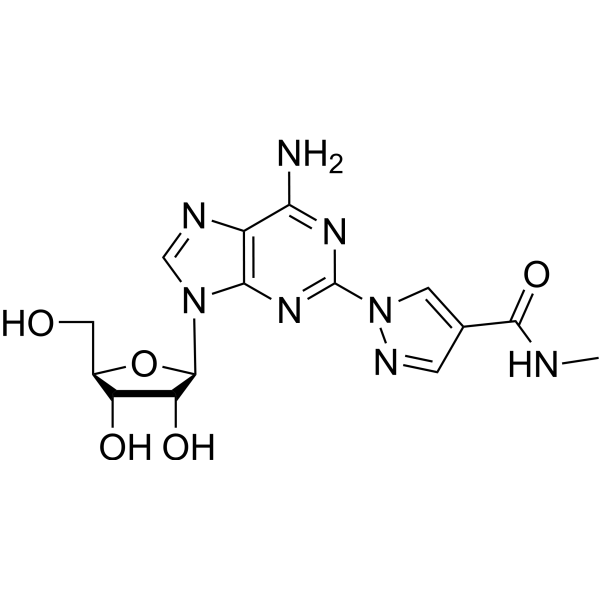
Regadenoson (CVT-3146) is a selective A2A adenosine receptor agonist and vasodilator that increases coronary blood flow, can be used in study of myocardial perfusion imaging. Regadenoson also increases the permeability of the blood-brain barrier (BBB) in rodents, can be used to study increased delivery of agents to the human CNS .
loading...
    loading...
4
4 Cited Publications
Cat. No.: HY-N1501
CAS No.: 5273-86-9
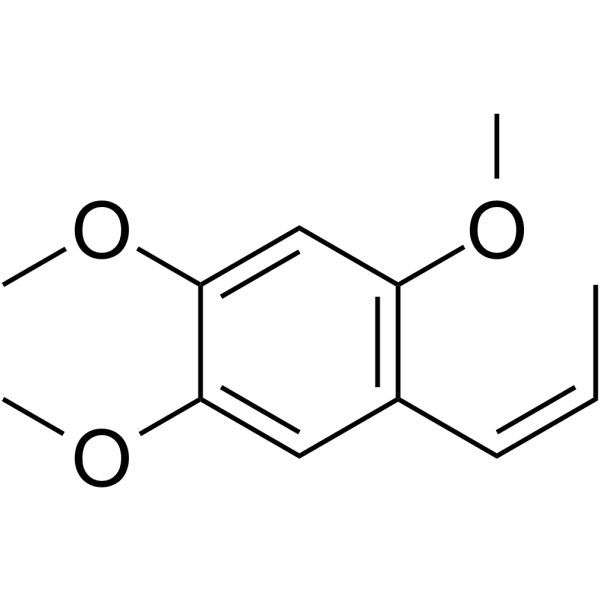
Beta-asarone is an orally active and BBB-penetrable anti-inflammatory agent and neuroprotective agent, which is the major ingredient of Acorus tatarinowii Schott. Beta-asarone can protect nerve cells from apoptosis and autophagy, inhibit expression of α-synuclein, as well as myocardial protection. Beta-asarone can be used in the study of neurological and cardiovascular diseases .
loading...
    loading...
4
4 Cited Publications
Cat. No.: HY-114869
CAS No.: 129075-73-6
Purity:  99.68%
Target:  

PARP

Research Areas:  

Neurological Disease Cancer

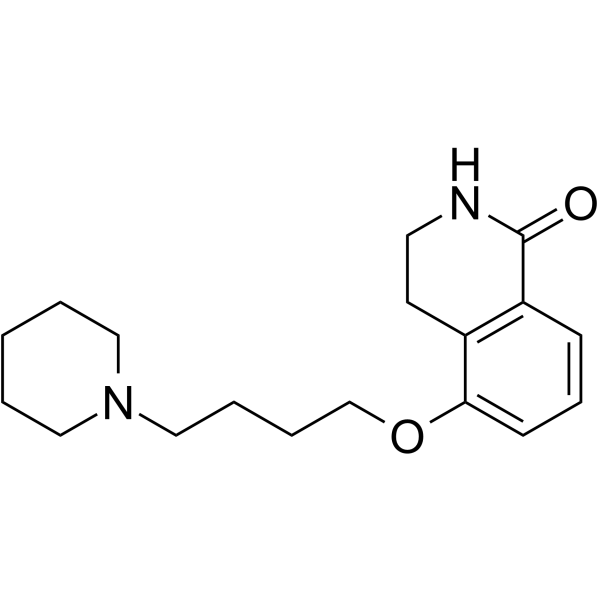
DPQ is a selective PARP-1 inhibitor that blocks PARP-1-mediated DNA damage repair and NAD +/ATP consumption, thereby inhibiting excessive inflammatory responses. DPQ inhibits NF-κB pathway activation, reduces the expression of pro-inflammatory factors (such as TNF-α, IL-6) and oxidative stress. DPQ can be used in inflammation-related studies of acute lung injury, myocardial infarction, and neurodegenerative diseases .
loading...
    loading...
4
4 Cited Publications
Cat. No.: HY-W424851
CAS No.: 84050-22-6
Synonyms: 6,7-Dimethoxy-2-(1-piperazinyl)-4-quinazolinamine hydrochloride
Target:  

PARP

Research Areas:  

Infection Inflammation/Immunology

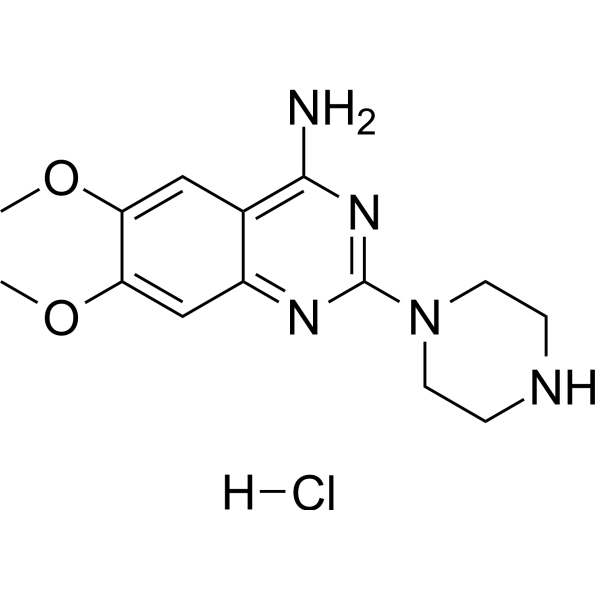
DPQ hydrochloride is a blood-brain barrier permeable and selective PARP-1 inhibitor that blocks PARP-1-mediated DNA damage repair and NAD +/ATP consumption, thereby inhibiting excessive inflammatory responses. DPQ hydrochloride inhibits NF-κB pathway activation, reduces the expression of pro-inflammatory factors (such as TNF-α, IL-6) and oxidative stress. DPQ hydrochloride can be used in inflammation-related studies of acute lung injury, myocardial infarction, and neurodegenerative diseases .
loading...
    loading...

