

1309 Results for "

PI3K

" in MedChemExpress (MCE) Product Catalog:
Products (1309)

1309 Results for "PI3K" in MCE Product Catalog:

21
21 Cited Publications
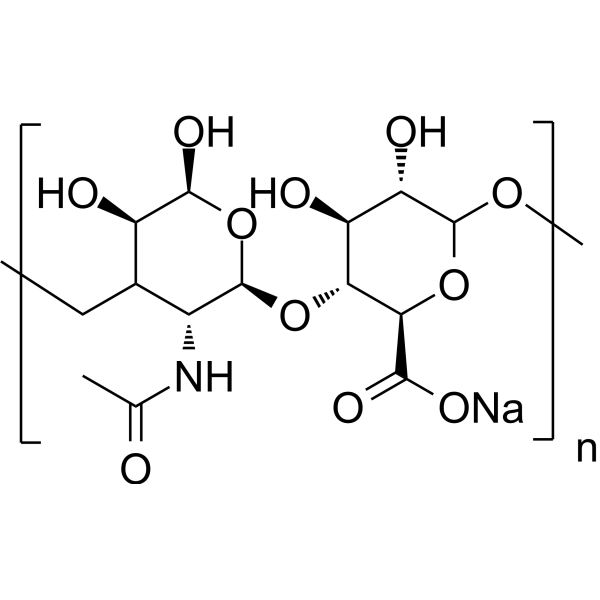
Cat. No.: HY-B0633
CAS No.: 9067-32-7
Synonyms: Sodium hyaluronate
Hyaluronic acid sodium (Sodium hyaluronate) is a biopolymer composed of repeating units of disaccharides with various applications. Hyaluronic acid sodium is a major component of the extracellular matrix (ECM). Hyaluronic acid sodium is synthesized at the plasma membrane. Increased hyaluronic acid sodium levels are associated with tumor cell growth, adhesion, migration, invasion and angiogenesis in digestive cancers. Hyaluronic acid sodium participates in tissue remodeling and rapid cell proliferation in some physiological processes including embryonic morphogenesis and wound-healing. Hyaluronic acid sodium activates the PI3K-Akt signaling. Hyaluronic acid sodium acts as a regulator of cancer-associated lymphangiogenesis. Hyaluronic acid sodium also enhances cell invasion and angiogenesis by promoting proteolytic MMP-9 binding to cell surface or stimulating MMP-9 binding to cell surface. Hyaluronic acid sodium can be used as drug delivery for sodium butyrate to improve the anti-proliferative activity on breast cancer cell line. Hyaluronic acid sodium can be studied in joint diseases, wound healing and cancer [3] .
loading...
    loading...
21
21 Cited Publications
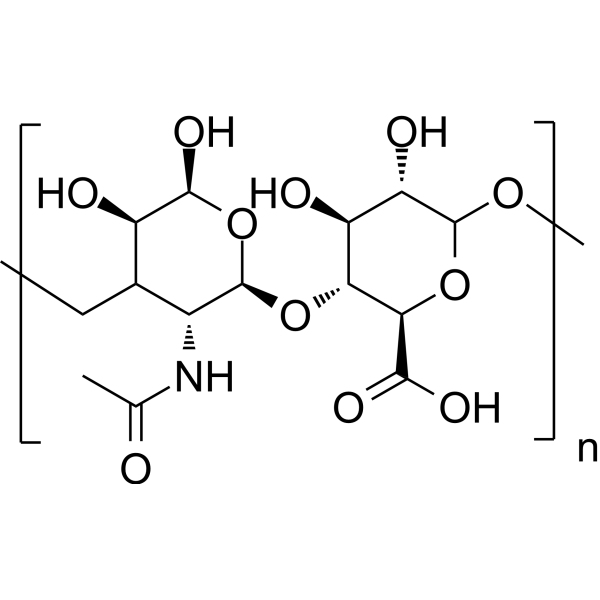
Cat. No.: HY-B0633A
CAS No.: 9004-61-9
Synonyms: Hyaluronan; Hyaluronate
Hyaluronic acid is a biopolymer composed of repeating units of disaccharides with various applications. Hyaluronic acid is a major component of the extracellular matrix (ECM). Hyaluronic acid is synthesized at the plasma membrane. Increased hyaluronic acid levels are associated with tumor cell growth, adhesion, migration, invasion and angiogenesis in digestive cancers. Hyaluronic acid participates in tissue remodeling and rapid cell proliferation in some physiological processes including embryonic morphogenesis and wound-healing. Hyaluronic acid activates the PI3K-Akt signaling. Hyaluronic acid acts as a regulator of cancer-associated lymphangiogenesis. Hyaluronic acid also enhances cell invasion and angiogenesis by promoting proteolytic MMP-9 binding to cell surface or stimulating MMP-9 binding to cell surface. Hyaluronic acid can be used as drug delivery for sodium butyrate to improve the anti-proliferative activity on breast cancer cell line. Hyaluronic acid can be studied in joint diseases, wound healing and cancer [3] .
loading...
    loading...
20
20 Cited Publications
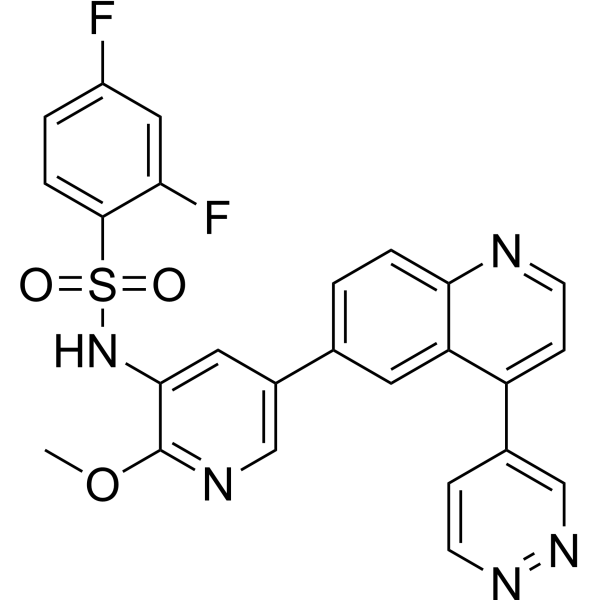
Cat. No.: HY-10297
CAS No.: 1086062-66-9
Purity:  99.94%
Synonyms: GSK2126458; GSK458
Target:  

PI3K mTOR Autophagy

Research Areas:  

Cancer

Omipalisib (GSK2126458) is an orally active and highly selective inhibitor of PI3K with Kis of 0.019 nM/0.13 nM/0.024 nM/0.06 nM and 0.18 nM/0.3 nM for p110α/β/δ/γ, mTORC1/2, respectively. Omipalisib has anti-cancer activity [3].
loading...
    loading...
19
19 Cited Publications
Cat. No.: HY-P0118
CAS No.: 272105-42-7
Synonyms: P144
Research Areas:  

Cancer

Disitertide (P144) is a peptidic transforming growth factor-beta 1 (TGF-β1) inhibitor specifically designed to block the interaction with its receptor. Disitertide (P144) is also a PI3K inhibitor and an apoptosis inducer [3] .
loading...
    loading...
19
19 Cited Publications
Cat. No.: HY-P0118B
Synonyms: P144 diammonium
Research Areas:  

Cancer

Disitertide (P144) diammonium is a peptidic transforming growth factor-beta 1 (TGF-β1) inhibitor specifically designed to block the interaction with its receptor. Disitertide diammonium is also a PI3K inhibitor and an apoptosis inducer [3] .
loading...
    loading...
18
18 Cited Publications
Cat. No.: HY-50847
CAS No.: 475110-96-4
Target:  

PI3K Autophagy

Research Areas:  

Cancer

ZSTK474 is an ATP-competitive pan-class I PI3K inhibitor with IC50s of 16 nM, 44 nM, 4.6 nM and 49 nM for PΙ3Κα, PI3Kβ, PI3Kδ and PI3Kγ, respectively.
loading...
    loading...
18
18 Cited Publications
Cat. No.: HY-10114
CAS No.: 663619-89-4
Purity:  99.74%
Target:  

PI3K

Research Areas:  

Cancer

TGX-221 is a potent, selective, and cell membrane permeable inhibitor of the PI3K p110β catalytic subunit, used for cancer treatment.
loading...
    loading...
18
18 Cited Publications
Cat. No.: HY-12795
CAS No.: 1383716-33-3
Purity:  99.79%
Target:  

PI3K Autophagy

Research Areas:  

Cancer

Vps34-IN-1 is a potent and selective inhibitor of class III Vps34 PI3K. Vps34-IN-1 inhibits phosphorylation of PtdIns by recombinant insect cell expressed Vps34-Vps15 complex with an IC50 of ~25 nM. Vps34-IN-1 can suppress SGK3 activation by reducing PtdIns(3)P levels via lowering phosphorylation of T-loop and hydrophobic motifs. Vps34-IN-1 modulates autophagy [3].
loading...
    loading...
18
18 Cited Publications
Cat. No.: HY-N0143
CAS No.: 60-81-1
Synonyms: Floridzin
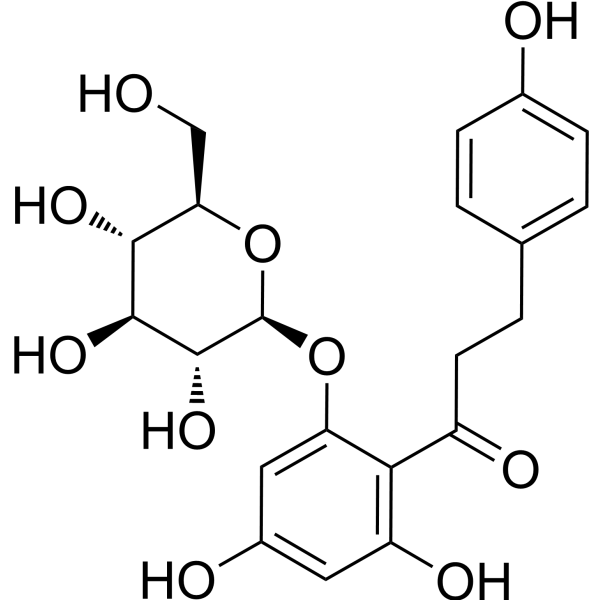
Phlorizin (Floridzin) is an orally active non-selective sodium-glucose cotransporter (SGLT) inhibitor, with an IC50 of 0.04 μM and a Ki of 39 nM against hSGLT2, and an IC50 of 0.17 μM and a Ki of 0.31 μM against hSGLT1. Phlorizin promotes GLUT4 translocation, inhibits gluconeogenesis and promotes glycogen synthesis by activating the PI3K/Akt/mTOR pathway. Phlorizin reduces DNA damage and apoptosis (apoptosis) by inhibiting the NF-κB inflammatory pathway. Phlorizin induces apoptosis via activating the Caspase pathway by antagonizing the JAK/STAT3 and PCK pathways. Phlorizin also exhibits antibacterial, anti-inflammatory and neuroprotective activities [3] .
loading...
    loading...
18
18 Cited Publications
Cat. No.: HY-N0143A
CAS No.: 7061-54-3
Synonyms: Floridzin dihydrate
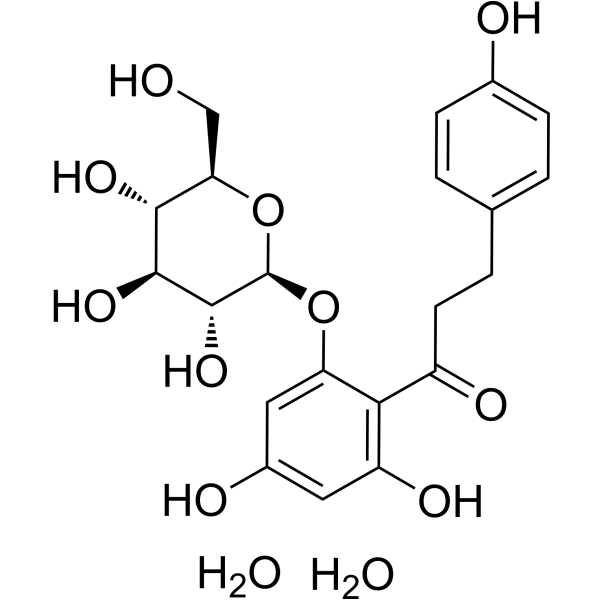
Phlorizin (Floridzin) dihydrate is an orally active non-selective sodium-glucose cotransporter (SGLT) inhibitor, with an IC50 of 0.04 μM and a Ki of 39 nM against hSGLT2, and an IC50 of 0.17 μM and a Ki of 0.31 μM against hSGLT1. Phlorizin dihydrate promotes GLUT4 translocation, inhibits gluconeogenesis and promotes glycogen synthesis by activating the PI3K/Akt/mTOR pathway. Phlorizin dihydrate reduces DNA damage and apoptosis (apoptosis) by inhibiting the NF-κB inflammatory pathway. Phlorizin dihydrate induces apoptosis via activating the Caspase pathway by antagonizing the JAK/STAT3 and PCK pathways. Phlorizin dihydrate also exhibits antibacterial, anti-inflammatory and neuroprotective activities [3] .
loading...
    loading...
17
17 Cited Publications
Cat. No.: HY-15477
CAS No.: 132836-42-1
Purity:  99.92%
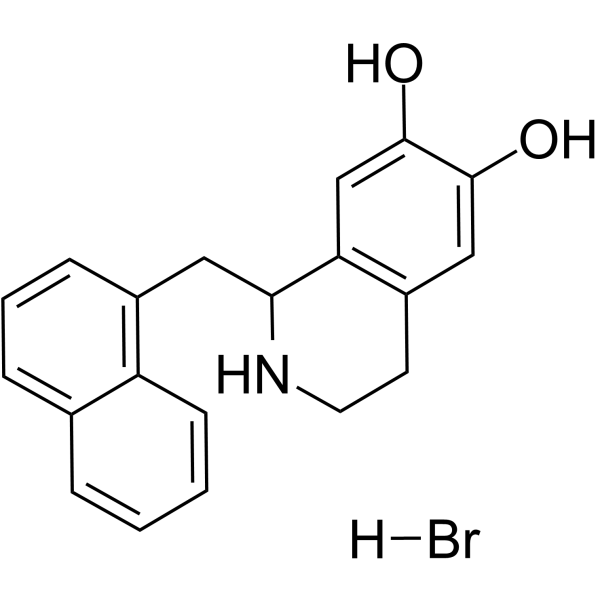
YS-49 is a PI3K/Akt (a downstream target of RhoA) activator, to reduce RhoA/PTEN activation in the 3-methylcholanthrene-treated cells. YS-49 inhibits angiotensin II (Ang II)-stimulated proliferation of VSMCs via induction of heme oxygenase (HO)-1. YS-49 is also an isoquinoline compound alkaloid, has a strong positive inotropic action through activation of cardiac β-adrenoceptors [3].
loading...
    loading...
17
17 Cited Publications
Cat. No.: HY-15477A
CAS No.: 3028631-24-2
Purity:  99.71%
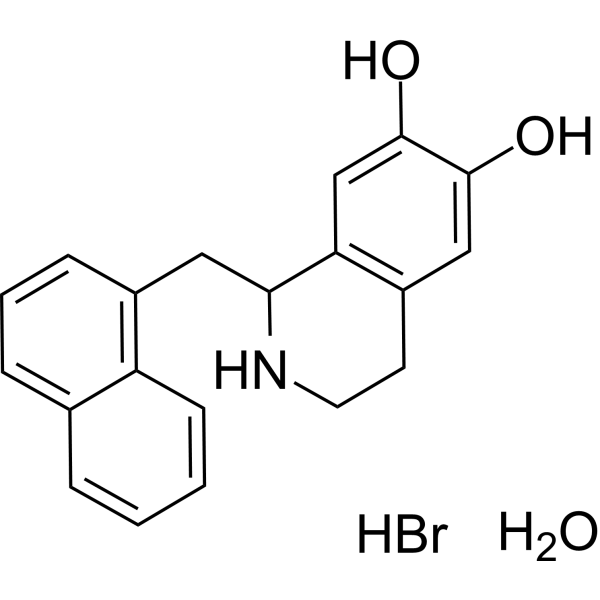
YS-49 (monohydrate) is a PI3K/Akt (a downstream target of RhoA) activator, to reduce RhoA/PTEN activation in the 3-methylcholanthrene-treated cells. YS-49 inhibits angiotensin II (Ang II)-stimulated proliferation of VSMCs via induction of heme oxygenase (HO)-1. YS-49 is also an isoquinoline compound alkaloid, has a strong positive inotropic action through activation of cardiac β-adrenoceptors [3].
loading...
    loading...
16
16 Cited Publications
Cat. No.: HY-144806
CAS No.: 3033069-84-7
Purity:  99.64%
Target:  

PI3K Akt Apoptosis

Research Areas:  

Cancer

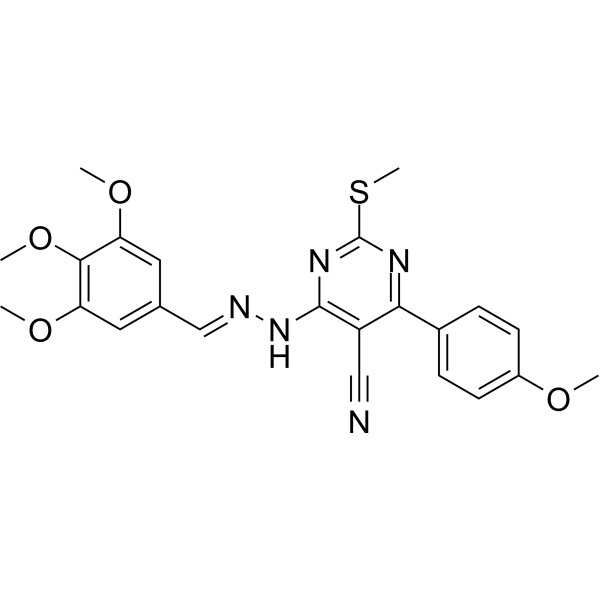
PI3K/AKT-IN-1 is an effective PI3K/AKT dual inhibitor (IC50 of 6.99, 4.01 and 3.36 μM for PI3Kγ, PI3Kδ and AKT, respectively). PI3K/AKT-IN-1 has anticancer activity and acts by inhibiting PI3K/AKT axis and inducing caspase 3 dependent apoptosis .
loading...
    loading...
16
16 Cited Publications
Cat. No.: HY-N0451
CAS No.: 480-44-4
Synonyms: 5,7-Dihydroxy-4'-methoxyflavone
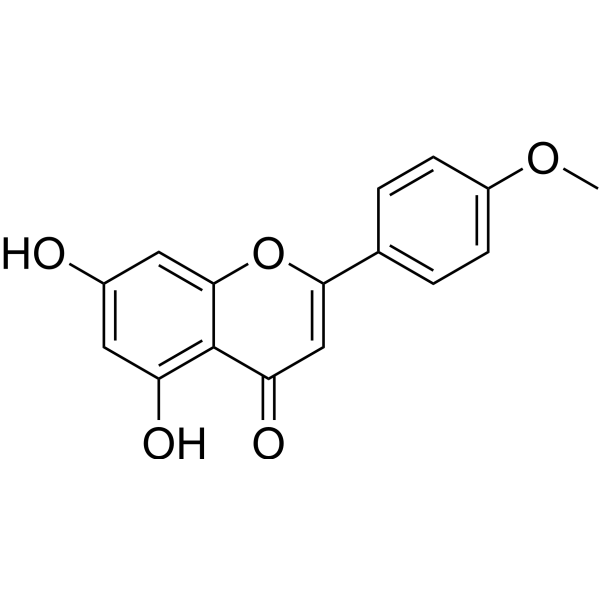
Acacetin (5,7-Dihydroxy-4'-methoxyflavone) is an orally active flavonoid derived from Dendranthema morifolium. Acacetin docks in the ATP binding pocket of PI3Kγ. Acacetin causes cell cycle arrest and induces apoptosis and autophagy in cancer cells. Acacetin has potent anti-cancer and anti-inflammatory activity and has the potential for pain-related diseases research .
loading...
    loading...
15
15 Cited Publications
Cat. No.: HY-13522
CAS No.: 1339928-25-4
Purity:  99.95%
Synonyms: CUDC-907
Target:  

PI3K HDAC Apoptosis

Research Areas:  

Cancer

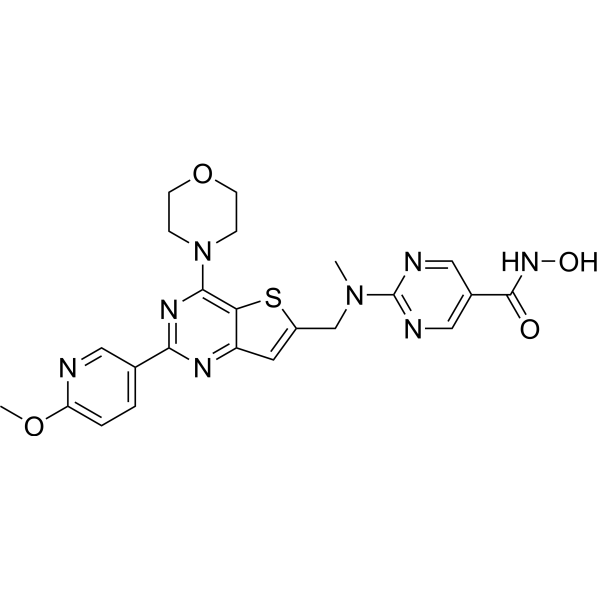
Fimepinostat (CUDC-907) potently inhibits class I PI3Ks as well as classes I and II HDAC enzymes with an IC50 of 19/54/39 nM and 1.7/5.0/1.8/2.8 nM for PI3Kα/PI3Kβ/PI3Kδ and HDAC1/HDAC2/HDAC3/HDAC10 , respectively.
loading...
    loading...
15
15 Cited Publications
Cat. No.: HY-15719
CAS No.: 154447-35-5
Purity:  99.82%
Synonyms: LY293646
Target:  

DNA-PK Apoptosis

Research Areas:  

Cancer

NU 7026 (LY293646) is a novel specific DNA-PK inhibitor with IC50 of 0.23 μM, also inhibits PI3K with IC50 of 13 μM.
loading...
    loading...
15
15 Cited Publications
Cat. No.: HY-13685
CAS No.: 58066-85-6
Purity:  99.92%
Synonyms: HePC; Hexadecyl phosphocholine
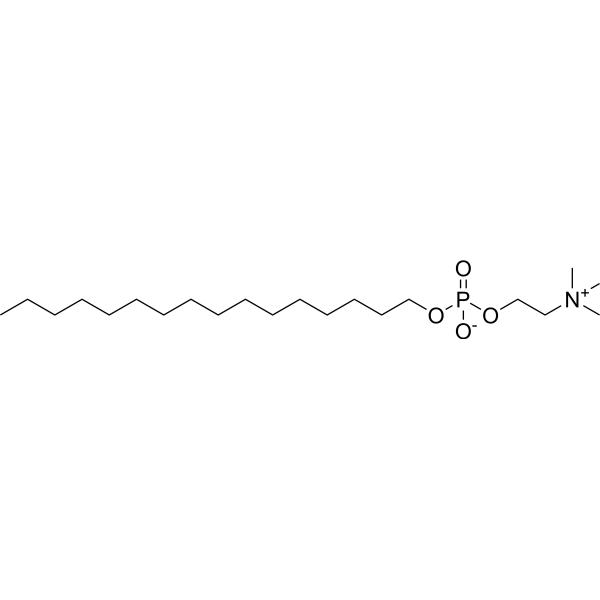
Miltefosine is a broad spectrum antimicrobial, anti-leishmanial, phospholipid agent acting by inhibiting the PI3K/Akt activity [3] . Miltefosine is an inhibitor of CTP-phosphocholine cytidyltransferase (CCT) .
loading...
    loading...
15
15 Cited Publications
Cat. No.: HY-13425
CAS No.: 522-17-8
Purity:  99.20%
Synonyms: (-)-Deguelin; (-)-cis-Deguelin
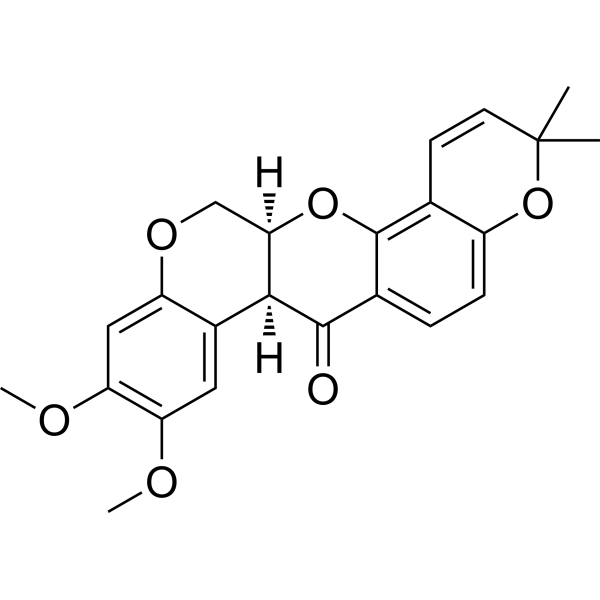
Deguelin, a naturally occurring rotenoid, acts as a chemopreventive agent by blocking multiple pathways like PI3K-Akt, IKK-NF-κB, and MAPK-mTOR-survivin-mediated apoptosis. Deguelin binding to Hsp90 leads to a decreased expression of numerous oncogenic proteins, including MEK1/2, Akt, HIF1α, COX-2, and NF-κB.
loading...
    loading...
15
15 Cited Publications
Cat. No.: HY-D0803
CAS No.: 490-91-5
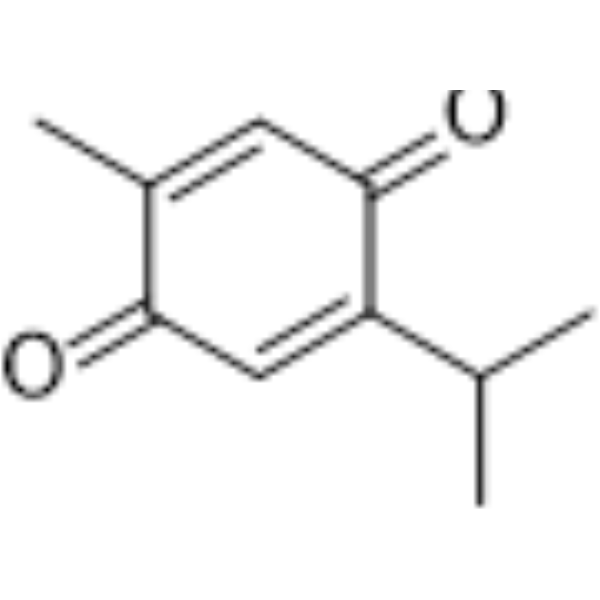
Thymoquinone is an orally active natural product isolated from N. sativa Thymoquinone down-regulates the VEGFR2-PI3K-Akt pathway. Thymoquinone has antioxidant, anti-inflammatory, anticancer, antiviral, anticonvulsant, antifungal, antiviral, antiangiogenic activity and hepatoprotective effects. Thymoquinone can be used to study Alzheimer's disease, cancer, cardiovascular disease, infectious disease and inflammation [3] .
loading...
    loading...
14
14 Cited Publications
Cat. No.: HY-13246
CAS No.: 1032754-93-0
Purity:  99.29%
Synonyms: GDC-0980; GNE 390; RG 7422
Target:  

PI3K mTOR Apoptosis

Research Areas:  

Cancer

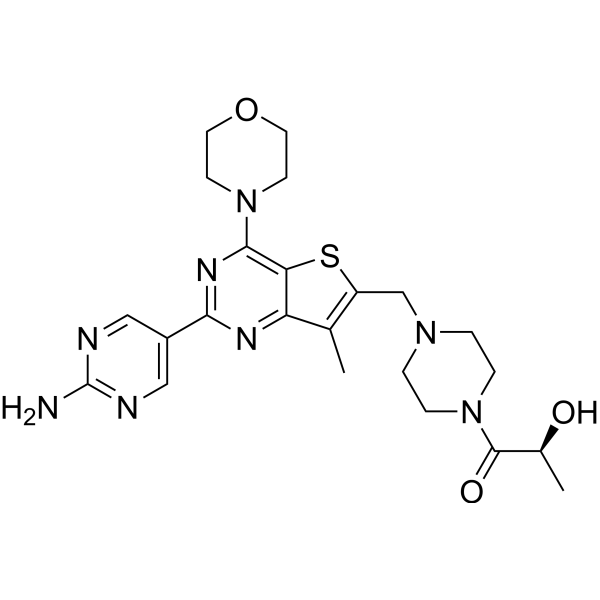
Apitolisib (GDC-0980; GNE 390; RG 7422) is a selective, potent, orally bioavailable Class I PI3 kinase and mTOR kinase (TORC1/2) inhibitor with IC50s of 5 nM/27 nM/7 nM/14 nM for PI3Kα/PI3Kβ/PI3Kδ/PI3Kγ, and with a?Ki?of 17 nM for mTOR.
loading...
    loading...

