
1057 Results for "

tissue cells

" in MedChemExpress (MCE) Product Catalog:
Products (1057)

1057 Results for "tissue cells" in MCE Product Catalog:

7
7 Cited Publications
Cat. No.: HY-B0412
CAS No.: 50-27-1
Synonyms: Oestriol
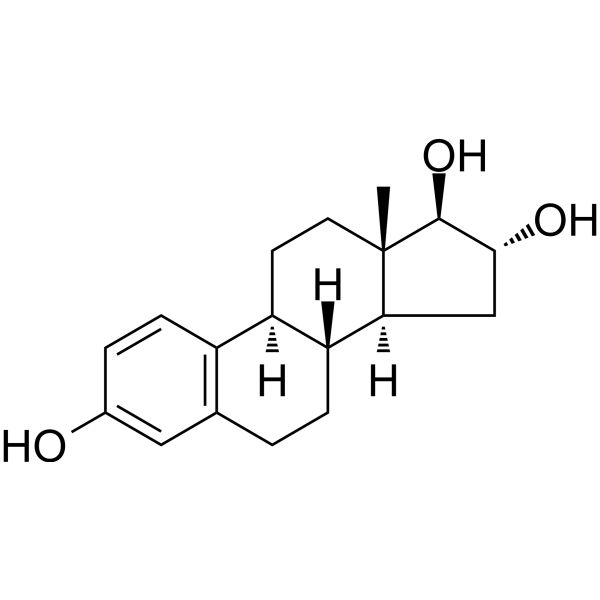
Estriol (Oestriol), an orally active estrogen, is a ERα and ERβ agonist. Estriol is a potent GPR30 antagonist in estrogen receptor-negative breast cancer cells. Estriol can ameliorate disease severity through immunomodulatory mechanisms that decrease tissue inflammation. Estriol has powerful proconvulsant effects .
loading...
    loading...
7
7 Cited Publications
Cat. No.: HY-113298
CAS No.: 498-23-7
Purity:  98.73%
Synonyms: Methylmaleic acid; Citraconate
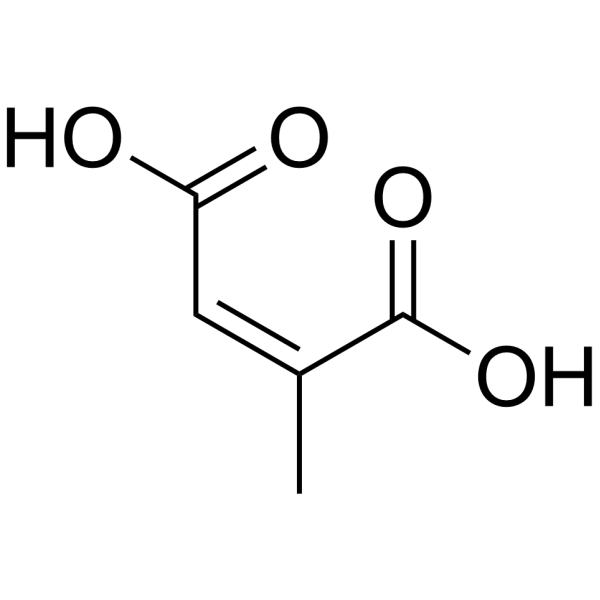
Citraconic acid (Methylmaleic acid) is an orally active inhibitor targeting the NLRP3 inflammasome and Keap1-Nrf2 pathway. Citraconic acid reduces reactive oxygen species (ROS) generation by inhibiting succinate dehydrogenase (SDH) activity. Citraconic acid also modifies the conformation of Keap1 protein, relieves its inhibition of Nrf2, promotes antioxidant gene expression, and inhibits NLRP3 activation and the release of pro-inflammatory factors such as IL-1β and IL-18. Citraconic acid has anti-inflammatory and antioxidant activities, can reduce oxidative stress and cell pyroptosis, improve tissue damage, and can be used for the research of inflammation-related diseases such as acute renal ischemia-reperfusion injury. Citraconic acid is an isomer of Itaconic acid (HY-Y052) .
loading...
    loading...
7
7 Cited Publications
Cat. No.: HY-B0377
CAS No.: 76824-35-6
Synonyms: MK-208
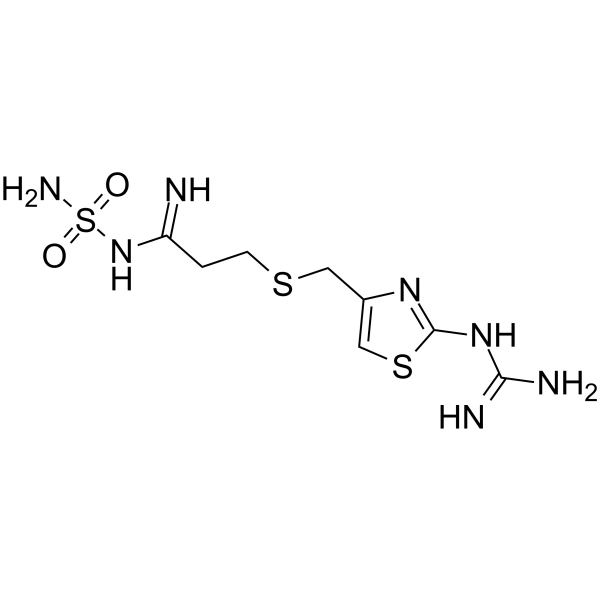
Famotidine (MK-208) is an orally active and highly selective histamine H2 receptor antagonist. It inhibits gastric acid secretion by blocking the Gs signaling pathway, and regulates intracellular cAMP and ERK pathways. Famotidine inhibits TLR3-mediated inflammatory pathways, and reduces the expression of various inflammatory mediators and interferon-related genes. Famotidine scavenges DPPH and nitric oxide free radicals, alleviates oxidative stress damage in gastric tissue, inhibits proMMP-9, improves vascular endothelial permeability, and restores the normal physiological functions of neutrophils and eosinophils. Famotidine crosses intestinal epithelial cells via facilitated diffusion and passive diffusion, blocks paracellular cation transport, and increases intestinal transepithelial electrical resistance. Famotidine reduces serum levels of transaminases and alkaline phosphatase, exerts analgesic effects and gastric protective effects simultaneously. Famotidine can be used in studies related to COVID-19, liver injury and acute gastric ulcer .
loading...
    loading...
6
6 Cited Publications
Cat. No.: HY-K1000

MCE WB/IP Lysis Buffer is a lysis buffer used to lyse cell or tissue samples under non-denaturing conditions to prepare protein samples. The lysed cell or tissue samples can be used for PAGE, Western Blot, Immunoprecipitation (IP), Co-Immunoprecipitation (Co-IP), ELISA, and other assays.

loading...
    loading...
6
6 Cited Publications
Cat. No.: HY-B0525A
CAS No.: 4800-94-6
Synonyms: Sodium carbenicillin
Target:  

Antibiotic Bacterial

Research Areas:  

Infection

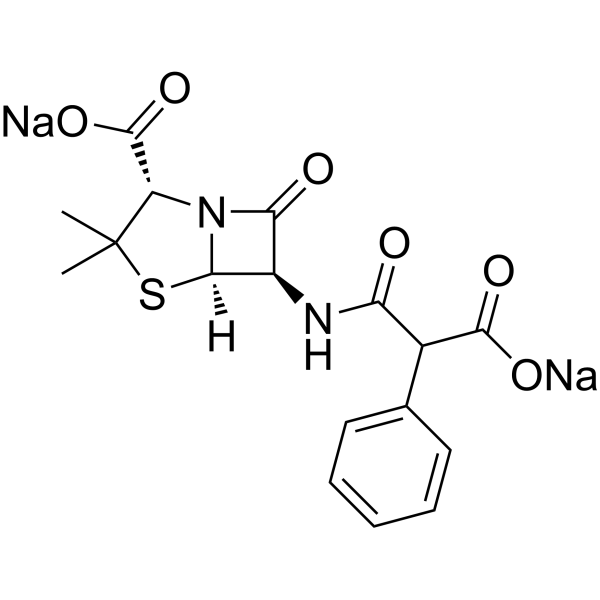
Carbenicillin disodium (Sodium carbenicillin) is a broad-spectrum semi-synthetic penicillin antibiotic for gram-negative bacteria. Carbenicillin disodium can interfere the cell wall synthesis while displaying low toxicity to plant tissue .
loading...
    loading...
6
6 Cited Publications
Cat. No.: HY-K3009

MCE 0.25% Trypsin-EDTA (1×), Phenol Red-Free, is prepared by dissolving trypsin powder (a mixture of proteases from porcine pancreas, irradiated and sterilized) and EDTA in a calcium- and magnesium-free balanced salt solution. It is filter-sterilized and can be directly used for the dissociation of cultured cells and tissues. The 100 mL is defined as the base specification. All larger sizes correspond to incremental volumes of this base.

loading...
    loading...
6
6 Cited Publications
Cat. No.: HY-N0260
CAS No.: 110642-44-9
Synonyms: Epimedin-C; Baohuoside-VI
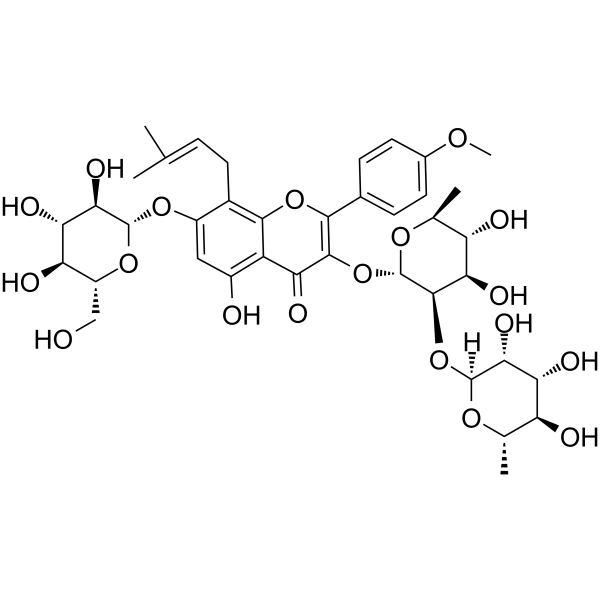
Epmedin C (Epimedin-C; Baohuoside-VI) is an orally active anti-inflammatory agent and immunomodulator that binds to multiple key proteins including UCP1, Caspase-1, CDK2 and Keap1. Epmedin C inhibits epithelial cell proliferation by disrupting the complex function of CDK2/Cyclin E. Epmedin C also upregulates Nrf2 expression, reduces ROS levels and inhibits pro-inflammatory cytokine secretion, thereby effectively restoring antibody production and alleviating tissue damage. Epmedin C has good safety with no hepatotoxicity or skin sensitization, and it has been used in studies on diseases such as obesity, Deoxynivalenol (HY-N6684)-induced immunotoxicity and mammary hyperplasia .
loading...
    loading...
5
5 Cited Publications
Cat. No.: HY-K3007

MCE 0.25% Trypsin-EDTA (1x), phenol red consists of dried trypsin powder dissolved in EDTA. MCE Trypsin hydrolyzes intercellular proteins and disperses primary tissues or adherent cells into individual cells, and can be widely used for cell dissociation, cell culture passaging and primary tissue dissociation. The 100 mL is defined as the base specification. All larger sizes correspond to incremental volumes of this base.

loading...
    loading...
5
5 Cited Publications
Cat. No.: HY-Y0836
CAS No.: 123-25-1
Synonyms: Diethyl Butanedioate
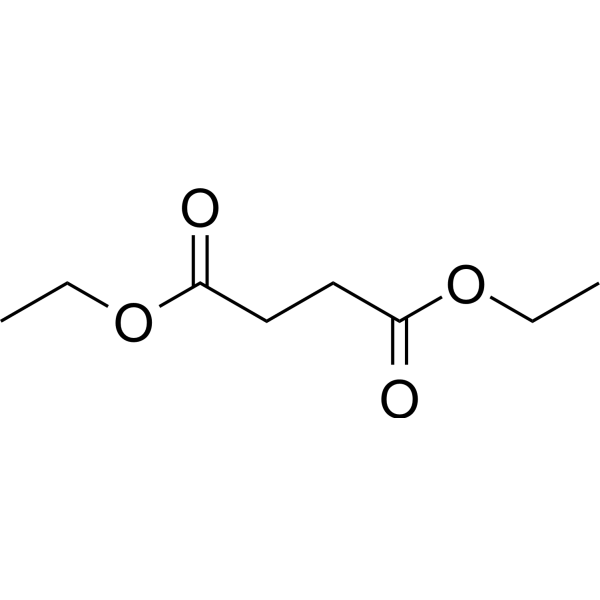
Diethyl succinate (Diethyl Butanedioate) can be utilized at physiological pH, allowing it to penetrate biological membranes and integrate into the cells of tissue cultures, where it is metabolized via the tricarboxylic acid cycle. Diethyl succinate modulates the polarization and activation of microglial cells by reducing mitochondrial fission and the levels of reactive oxygen species (ROS), thereby exerting an inflammatory protective effect in primary microglial cells. Furthermore, Diethyl succinate is non-toxic and can be used in flavorings and seasonings .
loading...
    loading...
5
5 Cited Publications
Cat. No.: HY-100186
CAS No.: 1539314-06-1
Purity:  99.74%
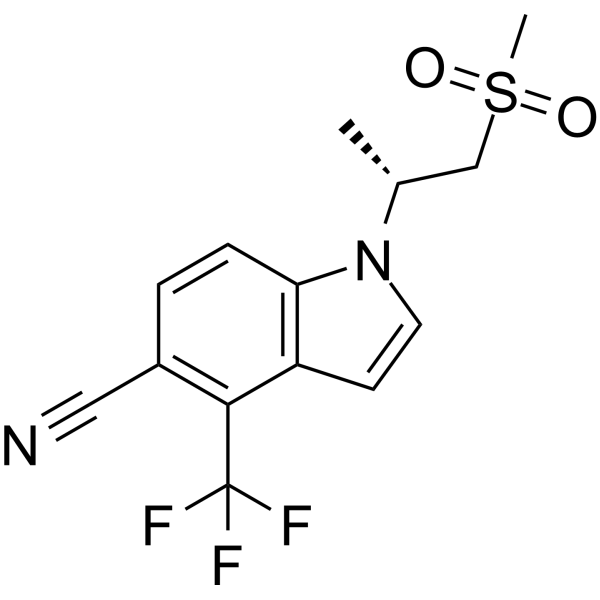
GSK-2881078 is an orally active and nonsteroidal selective androgen receptor modulator (SARM) which act as partial AR agonists in androgenic tissues while mainly as complete AR agonists in synthetic metabolic tissues,induces AR-mediated transcriptional activation in PC3(AR)2 cells (EC50 = 3.99 nM) and the effect can be inhibited by the non-steroidal AR antagonist Bicalutamide. GSK-2881078 can be used in research of muscle weakness and cachexia associated with both chronic and acute illness .
loading...
    loading...
5
5 Cited Publications
Cat. No.: HY-111556
CAS No.: 2361493-16-3
Purity:  ≥98.0%
Target:  

PROTACs CDK Apoptosis

Research Areas:  

Cancer

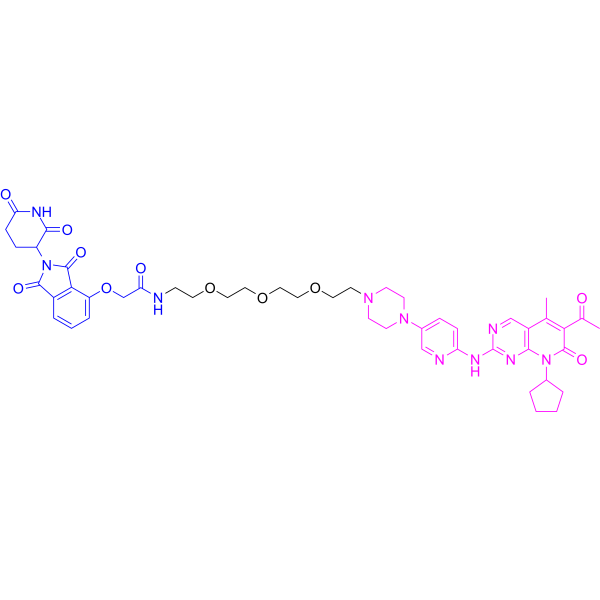
BSJ-03-123 is a selective PROTAC degrader of CDK6. BSJ-03-123 degrades CDK6, thereby inhibiting Rb S780 phosphorylation and inducing G1 phase arrest, while remodeling cell cycle and transcriptional signaling, with no effect on CDK4-dependent cancer cells. BSJ-03-123 reduces CDK6 protein levels in mouse ovarian tissues, increases the proportion of primordial follicles, and induces granulosa cell apoptosis, without impairing the ability of oocytes to resume meiosis and mature to the MII stage. BSJ-03-123 alleviates uveitis by blocking the HDACs-CDK6/ID2 axis. BSJ-03-123 can be used in studies related to acute myeloid leukemia, mantle cell lymphoma and autoimmune uveitis .
loading...
    loading...
5
5 Cited Publications
Cat. No.: HY-N5034
CAS No.: 1071-23-4
Synonyms: Monoaminoethyl phosphate; NSC 254167; O-Phosphoethanolamine
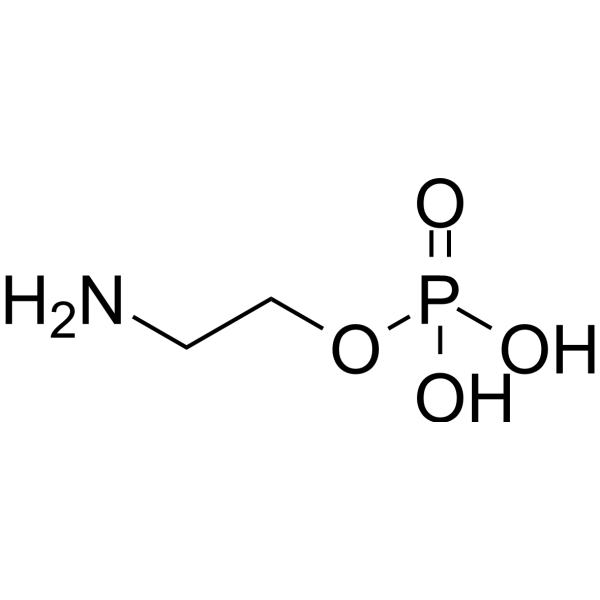
Phosphorylethanolamine (Monoaminoethyl phosphate) is a membrane phospholipid and an important precursor of Phosphatidylcholine (HY-N18891). It is found in most animal tissues and various human extracranial tumors, playing a critical role in membrane integrity, cell division, mitochondrial respiratory function, and more. Studies have shown that changes in the abundance of Phosphorylethanolamine are associated with Alzheimer's disease and Parkinson's disease. Lowering the ratio of Phosphorylethanolamine to Phosphatidylcholine in the liver can improve insulin signaling. Phosphorylethanolamine holds promise for research in the fields of cancer, neurodegenerative disorders, and metabolic diseases .
loading...
    loading...
4
4 Cited Publications
Cat. No.: HY-D0220
CAS No.: 92-31-9
Synonyms: Toluidine Blue O
Target:  

Fluorescent Dye

Research Areas:  

Cancer

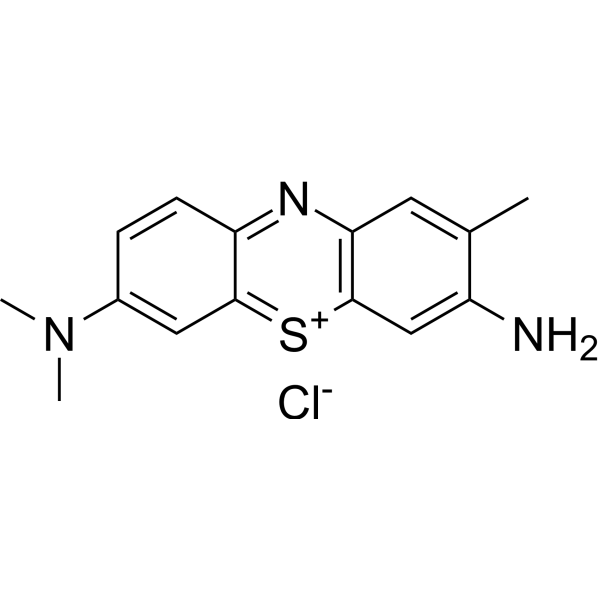
Toluidine Blue (Toluidine Blue O) is an alkaline quinonimine dye (vivo dye) with high affinity for acidic tissue components, staining nuclei blue and polysaccharides purple. Toluidine Blue shows heterostaining properties for mast cells, mucins and chondrocytes. Toluidine Blue can stain different components of plant tissues and cells in different colours. Toluidine Blue is also used as a diagnostic aid to identify malignant lesions, such as cancer .
loading...
    loading...
4
4 Cited Publications
Cat. No.: HY-D0220A
Synonyms: Toluidine Blue O (purity 36%)
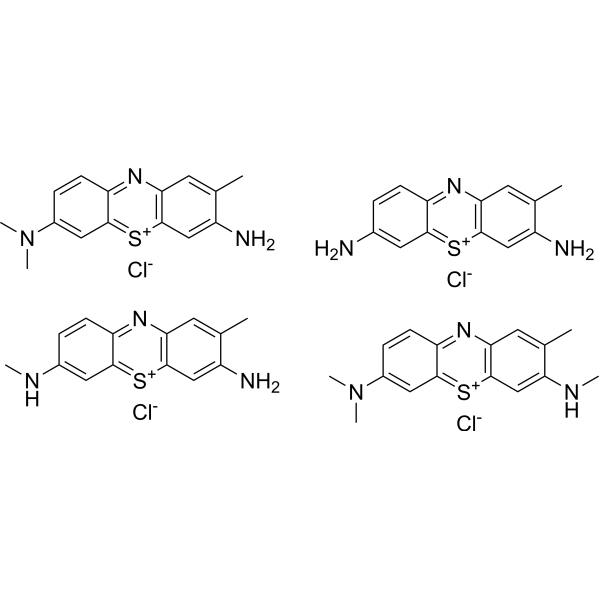
Toluidine Blue (Toluidine Blue O) purity 36% is an alkaline quinonimine dye (vivo dye) with high affinity for acidic tissue components, staining nuclei blue and polysaccharides purple. Toluidine Blue purity 36% shows heterostaining properties for mast cells, mucins and chondrocytes. Toluidine Blue purity 36% can stain different components of plant tissues and cells in different colours. Toluidine Blue purity 36% is also used as a diagnostic aid to identify malignant lesions, such as cancer .
loading...
    loading...
4
4 Cited Publications
Cat. No.: HY-K0313

MCE NAD+/NADH Assay Kit (WST-8) is a colorimetric assay that conveniently detects the oxidized (NAD+) and reduced (NADH) forms of coenzyme Ⅰ within cells, tissues, and other samples.

loading...
    loading...
4
4 Cited Publications
Cat. No.: HY-D0001
CAS No.: 33864-99-2
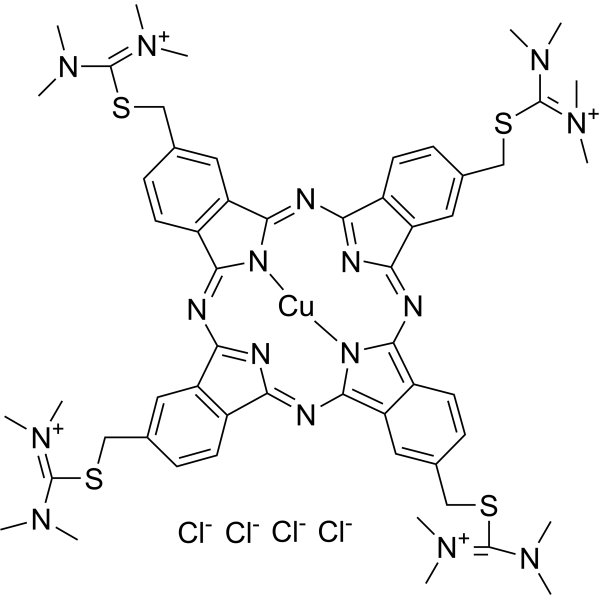
Alcian Blue 8GX is a commonly used phthalocyanine dye that binds to glycoproteins and glycosaminoglycans. Alcian Blue 8GX has a wide range of applications in biological staining, including proteins in brain tumors and DNA in cells and tissues .
loading...
    loading...
4
4 Cited Publications
Cat. No.: HY-P2995
CAS No.: 9008-02-0
Hemoglobin is a iron-containing protein in red blood cells with oxygen binding properties. Hemoglobin is an inducer of HO-1. Hemoglobin consits of heme, which binds to oxygen. Hemoglobin also transports other gases, such as carbon dioxide, nitric oxide, hydrogen sulfide and sulfide. Hemoglobin absorbs unneeded oxygen in tissues, as an antioxidant .
loading...
    loading...
4
4 Cited Publications
Cat. No.: HY-12496
CAS No.: 153587-01-0
Purity:  98.06%
Research Areas:  

Cardiovascular Disease Cancer

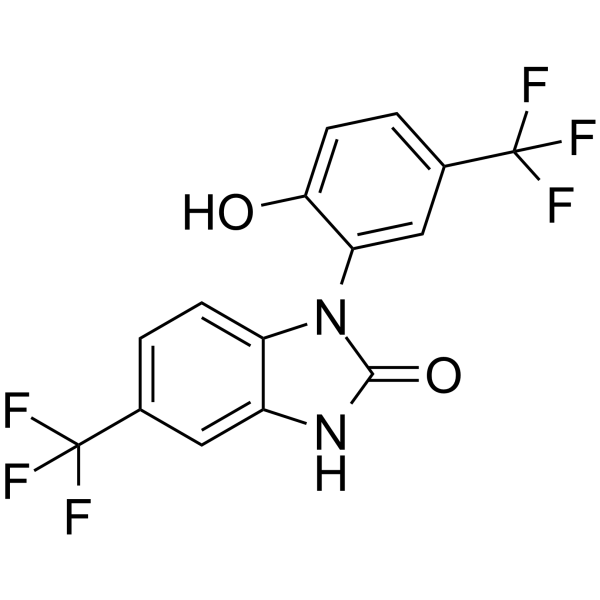
NS-1619 is an opener of large conductance Ca 2+-activated K + (BK) channel. NS-1619 is a highly effective relaxant with an EC50 of about 10 – 30 μM in several smooth muscles of blood vessels and other tissues . NS1619 inhibits proliferation and induces apoptosis in A2780 ovarian cancer cells .
loading...
    loading...
4
4 Cited Publications
Cat. No.: HY-B0735A
CAS No.: 67227-57-0
Synonyms: Fenoldopam methanesulfonate; SKF-82526 mesylate
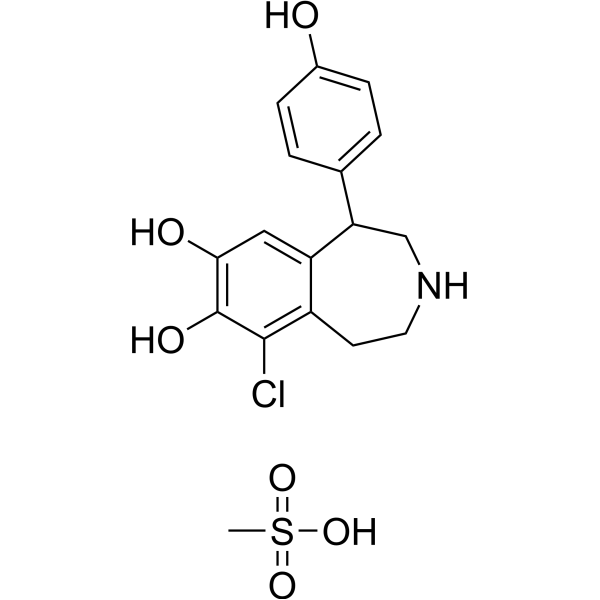
Fenoldopam (SKF-82526) mesylate is a selective dopamine D1 receptor agonist. Fenoldopam mesylate binds to rat D1B dopamine receptors (Kd = 11 nM) and human D1A receptors (Kd = 17 nM) in COS-7 cell membranes expressing the cloned receptors. Fenoldopam mesylate modulates dopamine receptor expression, induces vasorelaxation in vascular tissues, reverses glomerular hyperfiltration in rat models, increases intracellular cAMP levels, promotes DARPP-32 phosphorylation in small cell lung cancer (SCLC) cells, inhibits cytokine secretion, and downregulates T cell activation markers in activated human T cells. Fenoldopam mesylate can be used for research on hypertension, acute kidney injury, psoriasis, and small cell lung cancer .
loading...
    loading...
4
4 Cited Publications
Cat. No.: HY-N2593
CAS No.: 32507-66-7
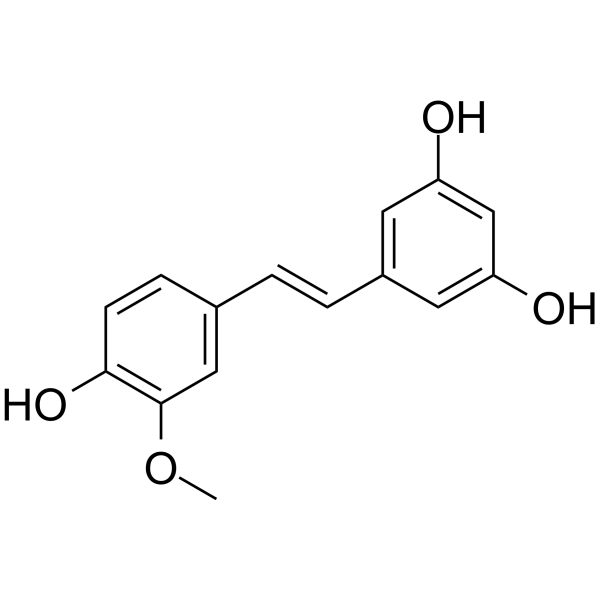
Isorhapontigenin is an orally active dietary polyphenol. Isorhapontigenin acts as a potent antioxidant that reduces the production of reactive oxygen species (ROS). Isorhapontigenin promotes the binding of JUN to the AP-1 site on the SESN2 promoter, induces SESN2 transcription, triggers MAPK8-dependent JUN activation, and upregulates the expression of PPAR-α, PGC-1α and CPT-1A to facilitate fatty acid oxidation. Isorhapontigenin induces autophagy, apoptosis and preadipocyte differentiation; it inhibits tumor growth, cell invasion, NF-κB transcriptional activity, the PI3K/Akt signaling pathway, STAT1 phosphorylation and MMP-2 expression. Isorhapontigenin alleviates oxidative stress, inflammatory cytokine release and triglyceride accumulation; it increases intracellular ATP levels and promotes Nrf2 nuclear translocation. Isorhapontigenin improves insulin sensitivity in adipose tissue and glucose tolerance, and reduces postprandial blood glucose, insulin and free fatty acid levels. Isorhapontigenin is applicable to research on bladder cancer, liver injury, chronic obstructive pulmonary disease, acute lung injury and type 2 diabetes .
loading...
    loading...

