
824 Results for "

Staphylococcus intermedius

" in MedChemExpress (MCE) Product Catalog:
Products (824)

824 Results for "Staphylococcus intermedius" in MCE Product Catalog:

1
1 Cited Publications
Cat. No.: HY-16485
CAS No.: 560130-42-9
Synonyms: TD-6424 hydrochloride
Target:  

Antibiotic Bacterial

Research Areas:  

Infection

Telavancin hydrochloride (TD-6424 hydrochloride) is a bactericidal agent that exhibits inhibitory activity against Staphylococcus aureus. Telavancin hydrochloride inhibits bacterial cell wall synthesis by binding to the lipid-linked N-acetylglucosamine-N-muramyl pentapeptide (with a D-Ala-D-Ala terminus), a peptidoglycan precursor, and blocks the transglycosylation and transpeptidation steps. Telavancin hydrochloride disrupts bacterial membrane barrier function, induces dissipation of bacterial membrane potential, and causes leakage of cytoplasmic ATP and potassium ions, with its activity restricted exclusively to bacterial membranes. Telavancin hydrochloride can be used in research on bacterial infections, central venous catheter-related bloodstream infections, and Gram-positive bacterial pneumonia .
loading...
    loading...
1
1 Cited Publications
Cat. No.: HY-N2512
CAS No.: 589-68-4
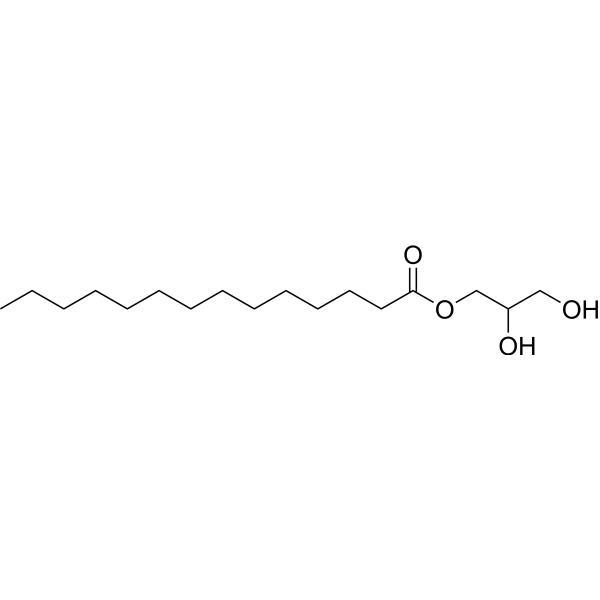
1-Monomyristin acts as an insecticide, enzyme inhibitor, antibacterial and antifungal agent, with an IC50 of 18 μM against rat FAAH and an IC50 of 32 μM against rat MAGL. 1-Monomyristin inhibits 2-oleoylglycerol hydrolysis via MAGL. 1-Monomyristin suppresses the growth of Staphylococcus aureus, Aggregatibacter actinomycetemcomitans and Candida albicans. 1-Monomyristin is lethal to brine shrimp . 1-Monomyristin exhibits marginal cytotoxicity against prostate cancer cells. 1-Monomyristin is applicable to research related to bacterial infections, fungal infections, renal cancer, prostate adenocarcinoma and pancreatic cancer .
loading...
    loading...
1
1 Cited Publications
Cat. No.: HY-N1916
CAS No.: 63644-62-2
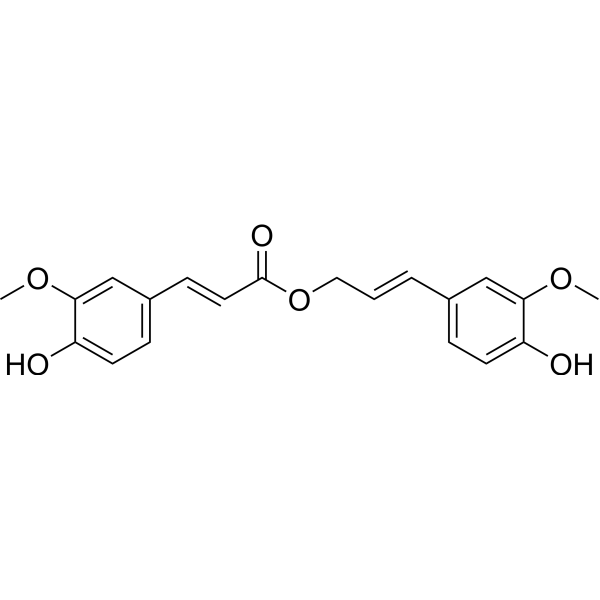
Coniferyl ferulate is an orally active phenolic acid compound. Coniferyl ferulate is a potent inhibitor of glutathione S-transferase (GST) (IC50 = 0.3 μM), which downregulates P-gp expression, induces apoptosis in B-MD-C1 (ADR+/+) cells, and reverses multidrug resistance. Coniferyl ferulate blocks the NMDAR/NR2B-CaMKII-MAPKs signaling pathway, inhibits ROS production and mitochondrial apoptosis, while reshapes the intestinal microbiota and microbial metabolism, ameliorates colonic inflammation and alleviates depressive symptoms in mice. Coniferyl ferulate can alleviate the toxicity of xylene to hematopoietic stem and progenitor cells by targeting Mgst2. Coniferyl ferulate exhibits antibacterial activity against the Gram-positive Bacillus subtilis and Staphylococcus aureus .
loading...
    loading...
1
1 Cited Publications
Cat. No.: HY-N0241
CAS No.: 85571-15-9
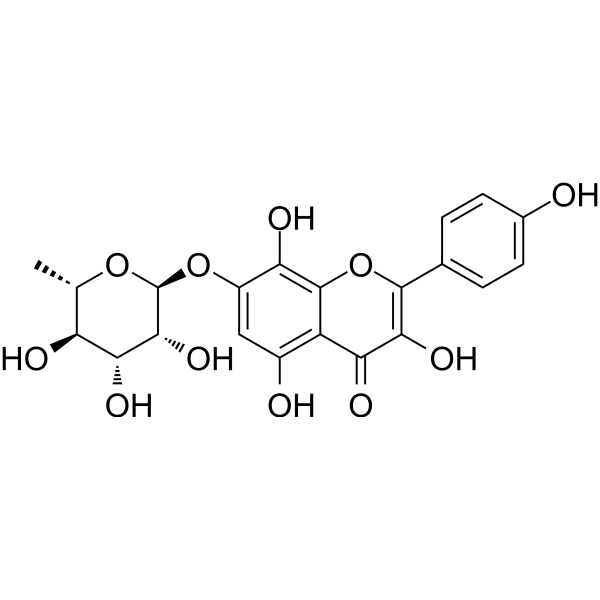
Rhodionin is an orally active, multifunctional antivirulence and cytoprotective agent that targets and inhibits Lipase, sortase A (SrtA), CYP2D6 (IC50=0.761 μM), AChE (IC50=2.43-57.5 μM), and DPPH free radicals (IC50=19.49 μM). Rhodionin is isolable from the roots of Rhodiola crenulata. Rhodionin reduces postprandial serum triglyceride levels in mice by inhibiting lipase activity. Rhodionin also binds directly to SrtA to inhibit its transpeptidase activity, thereby reducing the fibrinogen adhesion and surface protein A levels of MRSA, effectively inhibiting biofilm formation and protecting against MRSA-induced cell damage. Rhodionin improves the survival rate of infected mice without affecting MRSA growth, and finds wide application in studies related to hyperlipidemia, exogenous obesity, and pneumonia induced by methicillin-resistant Staphylococcus aureus (MRSA) .
loading...
    loading...
1
1 Cited Publications
Cat. No.: HY-30234
CAS No.: 442-52-4
Target:  

TRP Channel Apoptosis

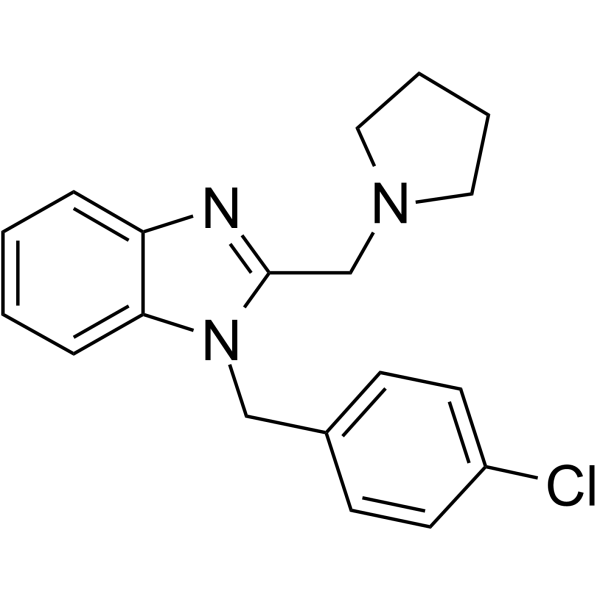
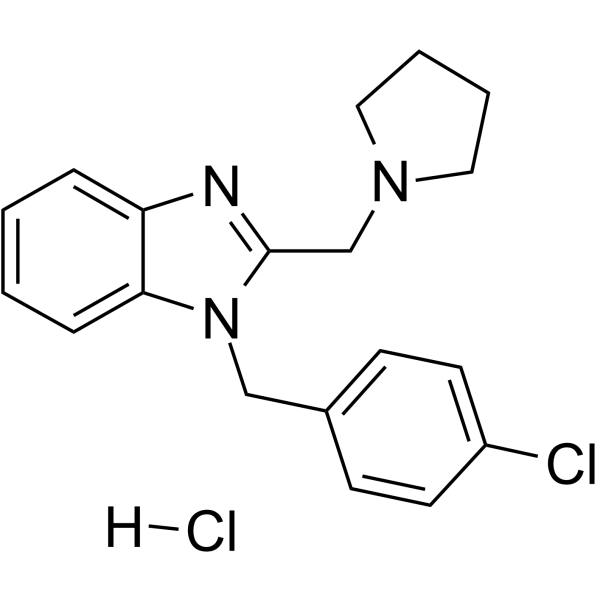
Clemizole is an orally active, blood-brain barrier permeable TRPC5 inhibitor, with an IC50 value of 1.05-1.34 μM against mouse TRPC5. Clemizole blocks TRPC1:TRPC5, TRPC3, TRPC4, TRPC6, TRPC7, hERG, hKCNQ1/hKCNE1 and hKv1.5 channels, and activates TRPA1; it modulates 5HT-2B and HTR2A receptors; it inhibits HCV RNA replication, CrtN enzymatic activity, oxidative stress, neuroinflammation, cell apoptosis and bacterial virulence; it maintains blood-brain barrier (BBB) integrity; it enhances DNA repair capacity; it improves cell viability; and it alters cardiac electrophysiological properties. Clemizole can be used in the research of Dravet syndrome, hepatitis C virus infection, Staphylococcus aureus skin infection, Cisplatin (HY-17394)-induced nephrotoxicity, STXBP1-related diseases, traumatic brain injury and xeroderma pigmentosum type C .
loading...
    loading...
1
1 Cited Publications
Cat. No.: HY-30234A
CAS No.: 1163-36-6
Target:  

TRP Channel Apoptosis

Clemizole hydrochloride is an orally active, blood-brain barrier permeable TRPC5 inhibitor, with an IC50 value of 1.05-1.34 μM against mouse TRPC5. Clemizole hydrochloride blocks TRPC1:TRPC5, TRPC3, TRPC4, TRPC6, TRPC7, hERG, hKCNQ1/hKCNE1 and hKv1.5 channels, and activates TRPA1; it modulates 5HT-2B and HTR2A receptors; it inhibits HCV RNA replication, CrtN enzymatic activity, oxidative stress, neuroinflammation, cell apoptosis and bacterial virulence; it maintains blood-brain barrier (BBB) integrity; it enhances DNA repair capacity; it improves cell viability; and it alters cardiac electrophysiological properties. Clemizole hydrochloride can be used in the research of Dravet syndrome, hepatitis C virus infection, Staphylococcus aureus skin infection, Cisplatin (HY-17394)-induced nephrotoxicity, STXBP1-related diseases, traumatic brain injury and xeroderma pigmentosum type C .
loading...
    loading...
1
1 Cited Publications
Cat. No.: HY-W592871
CAS No.: 765-01-5
Synonyms: 10-HDA; Queen Bee Acid
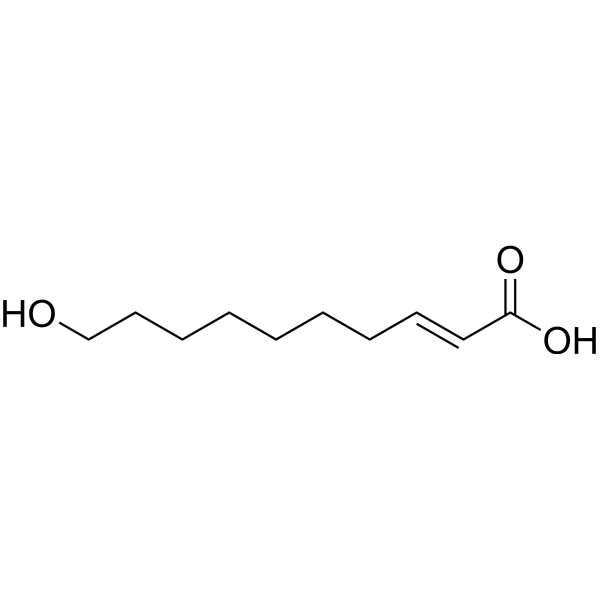
10-Hydroxy-2-decenoic acid (10-HDA) is an orally active unsaturated medium-chain fatty acid with various physiological activities. 10-Hydroxy-2-decenoic acid induces ROS-mediated apoptosis in A549 cells. 10-Hydroxy-2-decenoic acid inhibits VEGF-induced angiogenesis in human venous endothelial cells. 10-Hydroxy-2-decenoic acid alleviates non-alcoholic fatty liver disease (NAFLD) by activating the AMPK-α signaling pathway. 10-Hydroxy-2-decenoic acid protects against bone loss by inhibiting NF-κB signaling downstream of FFAR4. 10-Hydroxy-2-decenoic acid is an antibiotic against many bacteria and fungi, such as Neurospora sitophila, molds and Staphylococcus aureus. 10-Hydroxy-2-decenoic acid has longevity-promoting effects in C. elegans. 10-Hydroxy-2-decenoic acid prevents osteoarthritis by targeting aspartyl β hydroxylase and inhibiting chondrocyte senescence .
loading...
    loading...
Cat. No.: HY-P10486
CAS No.: 200010-31-7
Target:  

Bacterial

Research Areas:  

Infection

AIP-II is a cyclic peptide signaling molecule for quorum sensing, which is produced by Staphylococcus aureus. AIP-II potently inhibits AgrC-III in Methicillin (HY-121544)-resistant type III Staphylococcus aureus strain AH1747, with an IC50 of 0.532 nM. AIP-II binds to the AgrC-II receptor and regulates virulence gene expression in Staphylococcus aureus .
loading...
    loading...
Cat. No.: HY-153695
CAS No.: 1609670-89-4
Target:  

Bacterial

Research Areas:  

Infection

TXA707 is an FtsZ-targeting antibacterial agent. TXA707 disrupts bacterial septum formation, induces cell enlargement, causes penicillin-binding protein mislocalization, and triggers cell lysis in Staphylococcus aureus cells. TXA707 can be used for the research of Staphylococcus aureus infections .
loading...
    loading...
Cat. No.: HY-131130
CAS No.: 66-86-4
Target:  

Bacterial Drug Isomer

Research Areas:  

Infection

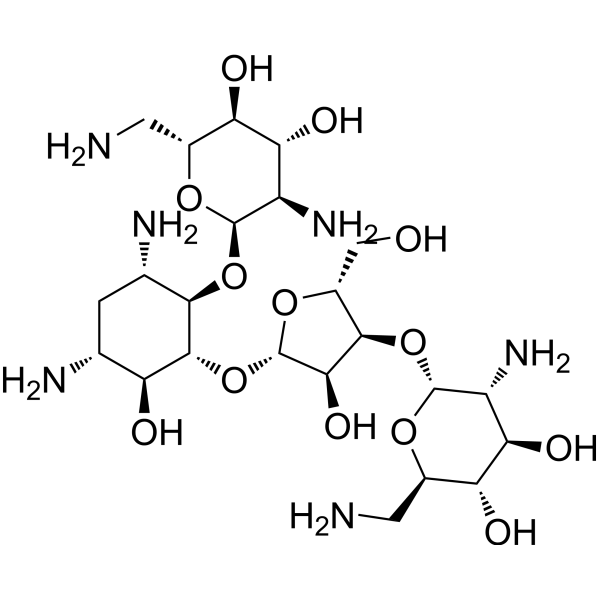
Neomycin C is an impurity of Neomycin (HY-150520) and a stereoisomer of Neomycin B (HY-17624). Neomycin C exerts in vitro antimicrobial activity against Staphylococcus epidermidis and Staphylococcus aureus. Neomycin C can be used for the research of bacterial infection .
loading...
    loading...
Cat. No.: HY-121544
CAS No.: 61-32-5
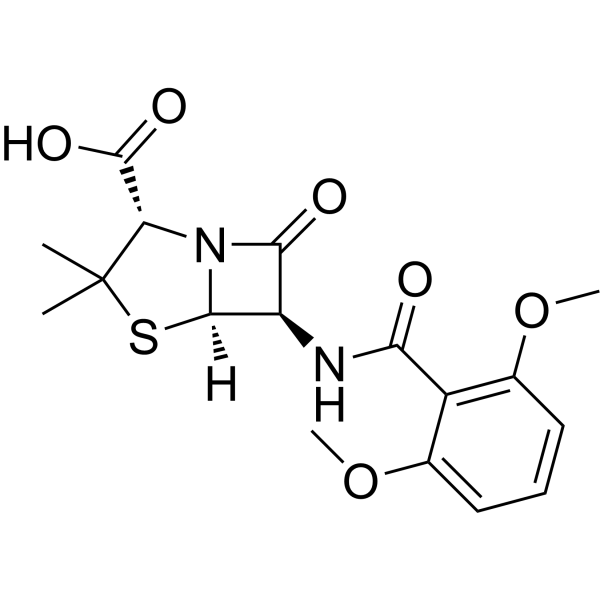
Methicillin is a narrow-spectrum β-lactam antibiotic, acts by inhibiting penicillin-binding proteins (PBPs). Methicillin is active against Staphylococcus aureus and Staphylococcus epidermidis that are resistant to other penicillins.Methicillin can be used for the research of skin infections, osteomyelitis, and endocarditis .
loading...
    loading...
Cat. No.: HY-P2754
CAS No.: 9013-53-0
Target:  

Endonuclease Bacterial

Research Areas:  

Infection

Micrococcal nuclease is a secreted nuclease from Staphylococcus aureus. It digests single-stranded and double-stranded DNA (ssDNA and dsDNA) as well as RNA, cleaves oligonucleotide linkers with T-T sites, and cuts neutrophil extracellular traps and biofilm extracellular DNA into mononucleotides and dinucleotides. Micrococcal nuclease stimulates the formation of Staphylococcus aureus biofilms and mediates immune evasion. It triggers on-demand release of antibiotics from hydrogel coatings, prolongs the formation of neutrophil extracellular traps, and promotes the dissemination and survival of MRSA during infection. Micrococcal nuclease is applicable to research and characterization related to Staphylococcus aureus infection .
loading...
    loading...
Cat. No.: HY-W248907
CAS No.: 495-08-9
Gentisyl alcohol has anti-Staphylococcus aureus activity .
loading...
    loading...
Cat. No.: HY-113227R
CAS No.: 3184-35-8
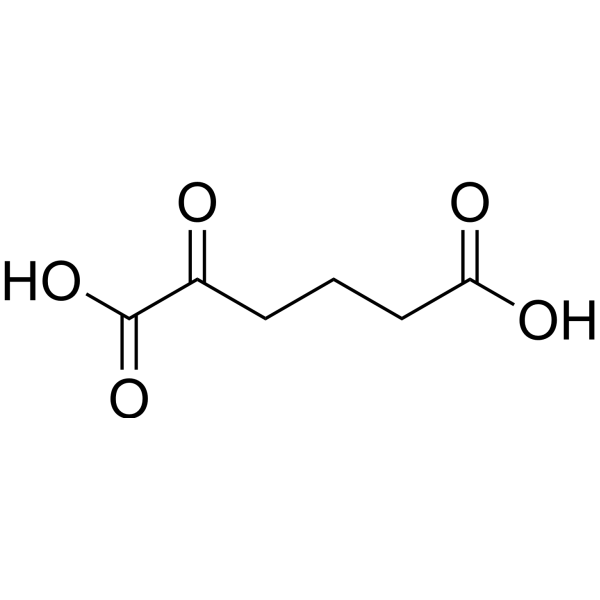
Oxoadipic acid (Standard) is the analytical standard of Oxoadipic acid. This product is intended for research and analytical applications. Oxoadipic acid is a key intermediate metabolite in the lysine degradation pathway. The level of Oxoadipic acid is significantly negatively correlated with the abundance of Staphylococcus. That is, the higher the abundance of Staphylococcus-a potential pathogenic bacterium that usually increases in ulcerative colitis-the lower the level of Oxoadipic acid. Oxoadipic acid can be used in the research of ulcerative colitis .
loading...
    loading...
Cat. No.: HY-N11554
CAS No.: 26989-20-8
(-)-Codonopsine is an alkaloid with antibacterial activity. (-)-Codonopsine can be used in research related to Staphylococcus aureus and Escherichia coli infections .
loading...
    loading...
Cat. No.: HY-135184
CAS No.: 922717-97-3
Synonyms: CBR-2092; TNP-2092
Research Areas:  

Infection

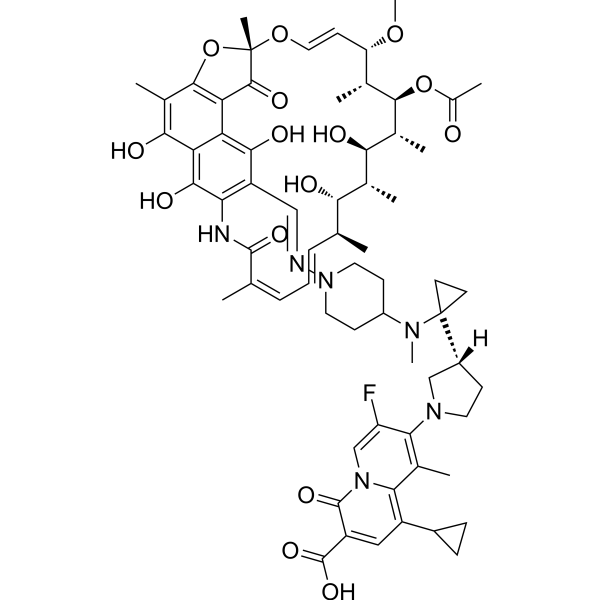
Rifaquizinone (CBR-2092; TNP-2092) is a rifamycin-quinolone hybrid antibiotic. Rifaquizinone has an IC50 of 0.034 μM against wild-type Staphylococcus aureus DNA-dependent RNA polymerase. Rifaquizinone potently inhibits Staphylococcus aureus infection, with an MIC range of 0.008-0.5 μg/mL against 300 clinical isolates of staphylococci and streptococci. Rifaquizinone can be used in research related to persistent Staphylococcus aureus infections .
loading...
    loading...
Cat. No.: HY-B0930
CAS No.: 119-41-5
Synonyms: Angorlisin
Target:  

Bacterial

Research Areas:  

Infection Cardiovascular Disease

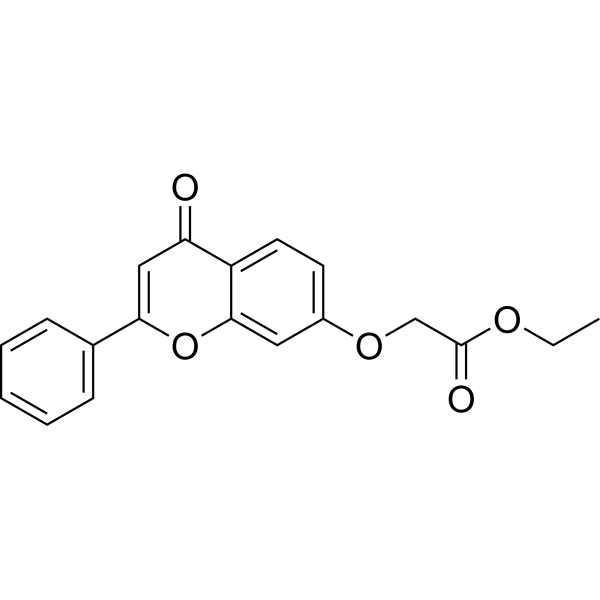
Efloxate (Angorlisin) is a vasodilator used in the research of chronic coronary insufficiency and angina pectoris. Efloxate binds to Staphylococcus aureus sortase A .
loading...
    loading...
Cat. No.: HY-119528
CAS No.: 5090-88-0
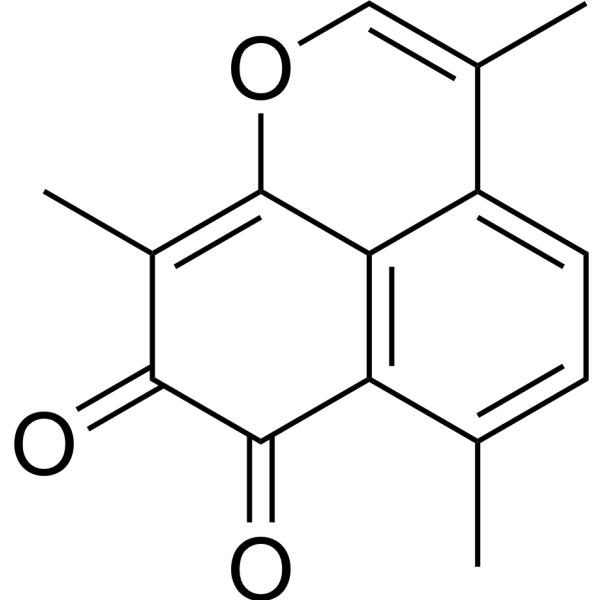
Mansonone F acts as an estrogen receptor antagonist and an antimicrobial agent. Mansonone F effectively inhibits 17β-estradiol-induced β-galactosidase activity. Derivatives of Mansonone F also exhibit antioxidant and anti-Staphylococcus aureus biological activities. Mansonone F can be used in studies related to Staphylococcus aureus infections and methicillin-resistant Staphylococcus aureus (MRSA) infections .
loading...
    loading...
Cat. No.: HY-159883
Target:  

TrxR

Research Areas:  

Infection

DDHF20 is an antimicrobial agent against Staphylococcus aureus, targeting and inhibiting its thioredoxin reductase (TrxR). It acts as a competitive inhibitor for the NADPH binding site. DDHF20 is expected to be used in research related to antimicrobial infections caused by Staphylococcus aureus .
loading...
    loading...
Cat. No.: HY-121544A
CAS No.: 7246-14-2
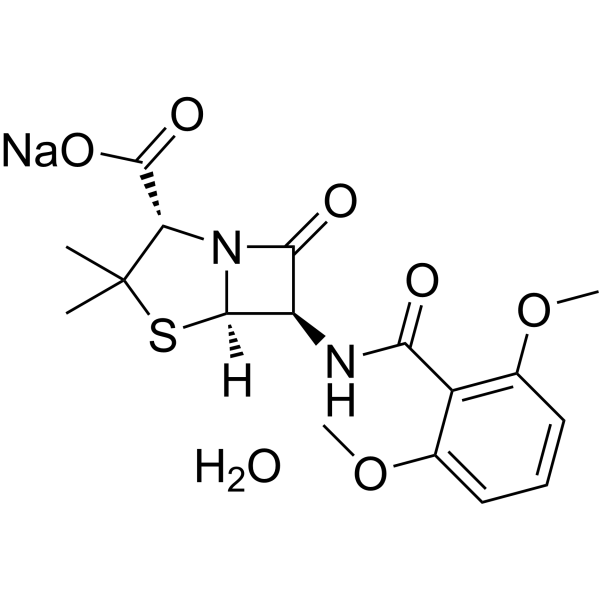
Methicillin sodium hydrate is a narrow-spectrum β-lactam antibiotic, acts by inhibiting penicillin-binding proteins (PBPs). Methicillin sodium hydrate is active against Staphylococcus aureus and Staphylococcus epidermidis that are resistant to other penicillins. Methicillin sodium hydrate can be used for the research of skin infections, osteomyelitis, and endocarditis .
loading...
    loading...

