
1460 Results for "

HINT1 polymerization

" in MedChemExpress (MCE) Product Catalog:
Products (1460)

1460 Results for "HINT1 polymerization" in MCE Product Catalog:

1
1 Cited Publications
Cat. No.: HY-138962
CAS No.: 11114-20-8
Synonyms: K-Carrageenan Karra Type
κ-Carrageenan is a natural polymer which predominantly available in red seaweeds. κ-Carrageenan is an effective agent carrier to deliver curcumin in cancer cells and to induce apoptosis. κ-carrageenan serves as a potential inflammatory agent that magnifies existing intestinal inflammation [1] .
loading...
    loading...
1
1 Cited Publications
Cat. No.: HY-104013
CAS No.: 220792-57-4
Pureté:  98.25%
Target:  

CDK Apoptosis

Domaines de recherche:  

Cancer

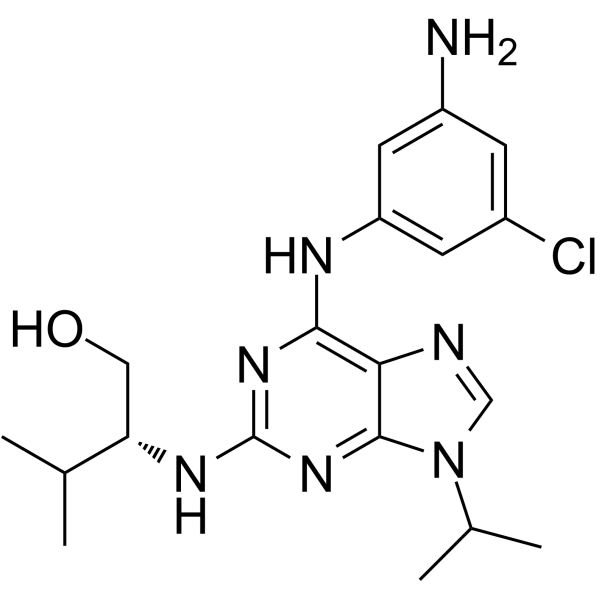
Aminopurvalanol A is a potent, selective, and cell permeable inhibitor of Cyclins/Cdk complexes. Aminopurvalanol A preferentially targets the G2/M-phase transition inhibiting cancer cell differentiation. Aminopurvalanol A causes the inhibition of sperm fertilizing ability via the inhibition of physiological capacitation-dependent actin polymerization [1] .
loading...
    loading...
1
1 Cited Publications
Cat. No.: HY-121993
CAS No.: 109971-63-3
Pureté:  97.03%
Target:  

Wnt Microtubule/Tubulin

Domaines de recherche:  

Cancer

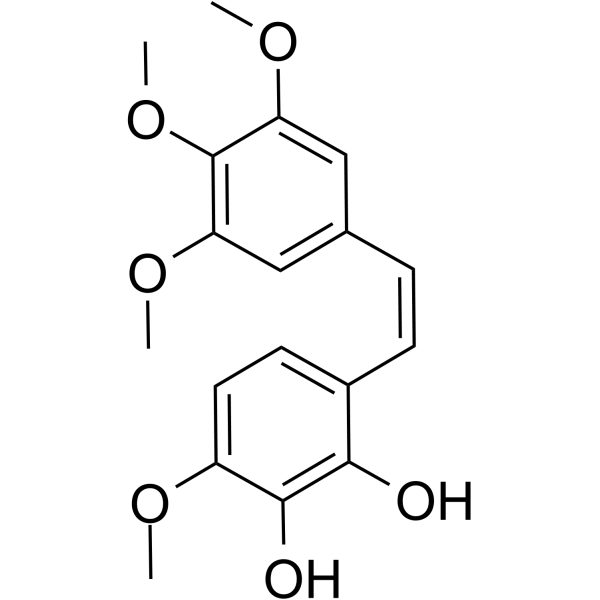
Combretastatin A-1 is a microtubule polymerization inhibitor that binds to the colchicine-binding site of tubulin. Combretastatin A-1 inhibits the Wnt/β-catenin pathway through tubulin depolymerization mediated AKT deactivation. Combretastatin A-1 exhibits anti-tumor and anti-vascular effects [1] .
loading...
    loading...
1
1 Cited Publications
Cat. No.: HY-W017330
CAS No.: 760-93-0
Domaines de recherche:  

Others

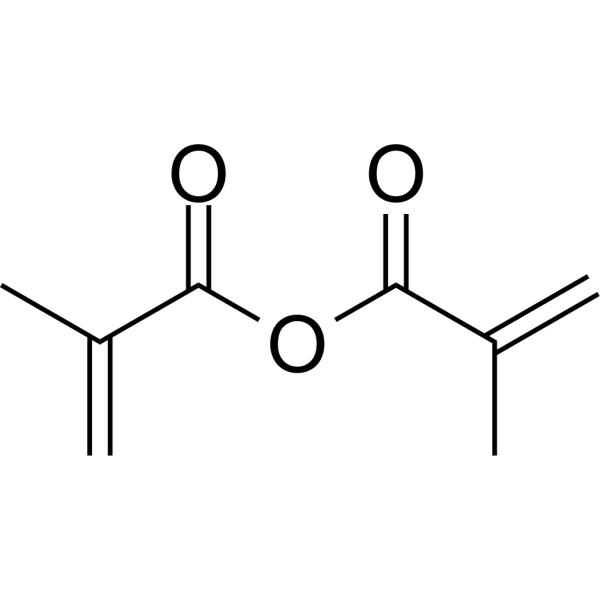
Methacrylic anhydride is a typical polymerizable 1,6-diolefin. Methacrylic anhydride can form a soluble csyclopolymer by free-radical initiation. Methacrylic anhydride can spontaneously polymerize through the vinyl group and justifies the use of 2-6-di-tert-butyl4-methylphenol as an inhibitor [1] .
loading...
    loading...
1
1 Cited Publications
Cat. No.: HY-112624P
CAS No.: 9004-54-0
Synonyms: Dextran 500; Dextran D500; Dextran T500(MW 440000-560000)
Dextran T500 MW 500,000 (Dextran 500; Dextran D500; Dextran T500 MW 440000-560000) is a polymer of anhydroglucose with the average molecular weight of 500,000. Dextran T500 MW 500,000 exhibits good biodegradability and good biocompatibility, that is utilized in food, pharmaceutics, cosmetics, and research area [1].
loading...
    loading...
1
1 Cited Publications
Cat. No.: HY-164146
CAS No.: 2126083-82-5
Domaines de recherche:  

Cancer

BCN-HS-PEG2(vcPABC-MMAE)2 is a drug-linker conjugate for ADC consists an ADC linker and a tubulin polymerization inhibitor MMAE (HY-15162). BCN-HS-PEG2(vcPABC-MMAE)2 can be used in the synthesis of antibody-agent conjugates (ADCs) [1].
loading...
    loading...
1
1 Cited Publications
Cat. No.: HY-Y0479AS2
CAS No.: 201595-69-9
Synonyms: (S)-2-Hydroxypropanoic acid-13C sodium
L-Lactate- 13C ((S)-2-Hydroxypropanoic acid- 13C) sodium is the 13C-labeled L-Lactic acid sodium (HY-W040233). L-lactate Sodium is a buildiing block which can be used as a precursor for the production of the bioplastic polymer poly-lactic acid. L-Lactic acid Sodium has antiproliferative activity [1] .
loading...
    loading...
1
1 Cited Publications
Cat. No.: HY-125527
CAS No.: 872993-05-0
Pureté:  ≥99.0%
Synonyms: RvD1
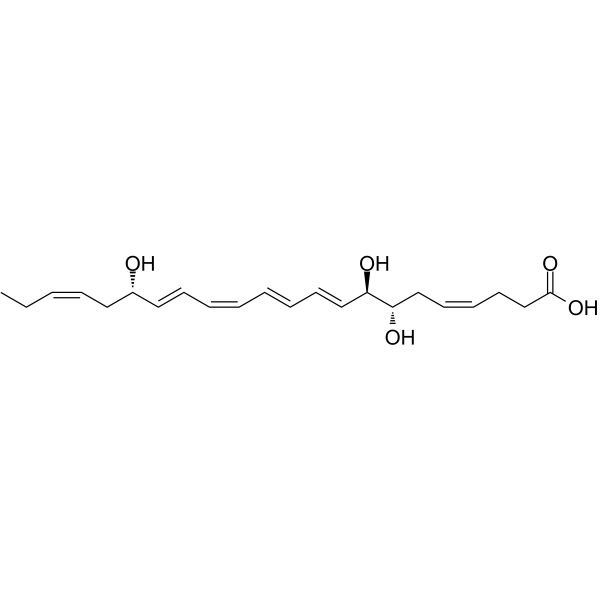
Resolvin D1 (RvD1), an endogenous pro-resolving mediator of inflammation, is derived from omega-3 docosahexaenoic acid during the resolution phase of acute inflammation. Resolvin D1 blocks proinflammatory neutrophil migration by regulating actin polymerization, reduces TNF-α–mediated inflammation in macrophages, and enhances phagocytosis of apoptotic cells by macrophages [1] .
loading...
    loading...
1
1 Cited Publications
Cat. No.: HY-126437B
CAS No.: 25988-63-0
Domaines de recherche:  

Others

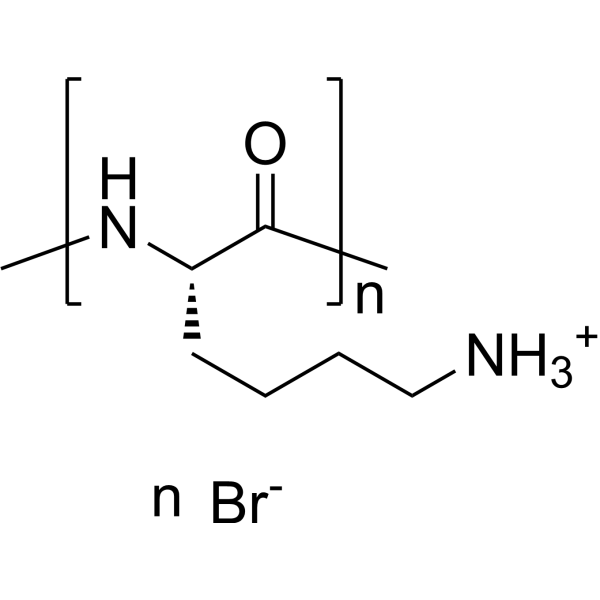
Poly-L-lysine (hydrobromide) (MW 70000-150000), a positively charged amino acid polymer, is a nonspecific attachment factor for cells. Poly-L-lysine (hydrobromide) (MW 70000-150000) has good biocompatibility. Poly-L-lysine (hydrobromide) (MW 70000-150000) is used to increase cell adhesion to solid substrates by enhancing electrostatic interaction between negatively charged ions of the cell membrane and the culture surface [1].
loading...
    loading...
1
1 Cited Publications
Cat. No.: HY-164153

Domaines de recherche:  

Cancer

ADC Control Human IgG1-vcMMAE (DAR4, solution) is a humanized monoclonal antibody that is an isotype control of ADC human IgG1-vcMMAE and can inhibit tubulin polymerization. The antibody portion is Human IgG1 kappa, Isotype Control (HY-P99001), and the drug-linker conjugate for ADC is vcMMAE (HY-15575) [1].
loading...
    loading...
1
1 Cited Publications
Cat. No.: HY-Y0335
CAS No.: 96-26-4
Synonyms: Dihydroxyacetone
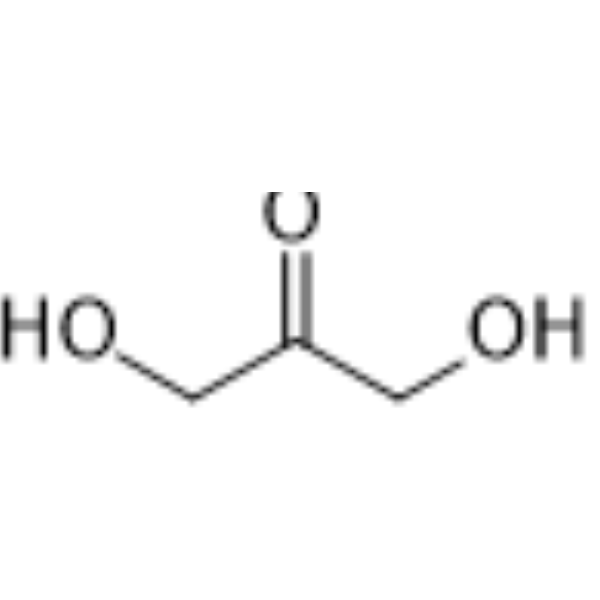
1,3-Dihydroxyacetone (DHA), the main active ingredient in sunless tanning skin-care preparations and an important precursor for the synthesis of various fine chemicals, is produced on an industrial scale by microbial fermentation of glycerol (HY-B1659) in Gluconobacter oxydans. 1,3-Dihydroxyacetone is also used for synthesis of new biodegradable polymers by combining with lactic acid (HY-B2227) [1] .
loading...
    loading...
1
1 Cited Publications
Cat. No.: HY-126437H
CAS No.: 25988-63-0
Poly-L-lysine hydrobromide (MW 4000-15000) is a positively charged amino acid polymer that acts as a non-specific attachment factor for cells. Poly-L-lysine hydrobromide (MW 4000-15000) enhances the electrostatic interaction between the negative ions of the cell membrane and the surface of the culture medium, thereby promoting the adhesion of cells to solid substrates. Poly-L-lysine hydrobromide (MW 4000-15000) can be used for gene delivery [1] .
loading...
    loading...
1
1 Cited Publications
Cat. No.: HY-W250312
CAS No.: 24980-41-4
Domaines de recherche:  

Others

Polycaprolactone is a biodegradable polyester commonly used in various biomedical and industrial applications. It is a white waxy polymer that can be molded into various shapes and forms. Polycaprolactone has various properties suitable for these applications, including low melting point, high flexibility and slow biodegradation rate. It can be used as a raw material for the production of tissue engineering scaffolds, drug delivery systems, and medical implants. In addition, it is used as a binder in the production of adhesives, coatings and paints.
loading...
    loading...
1
1 Cited Publications
Cat. No.: HY-148033
CAS No.: 52349-26-5
Synonyms: N,N,N-Trimethylchitosan
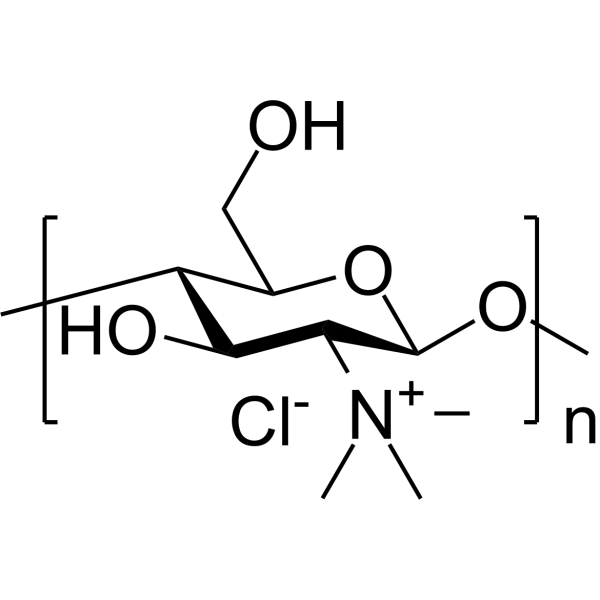
Trimethyl chitosan (N,N,N-Trimethylchitosan) is a multifunctional polymer and a derivative of Chitosan (HY-B2144A). Trimethyl chitosan targets the absorption enhancing proteins of tight junctions of intestinal and mucosal epithelial cells, induces tight junction protein rearrangement, and increases intercellular permeability. Trimethyl chitosan can stimulate the activity of promoting transmembrane transport of hydrophilic drugs (such as peptides and proteins) and can be used for drug delivery and synthesis of nanoparticles [1] .
loading...
    loading...
1
1 Cited Publications
Cat. No.: HY-13995A
CAS No.: 152751-57-0
Pureté:  ≥98.0%
Target:  

FXR

Domaines de recherche:  

Metabolic Disease Endocrinology

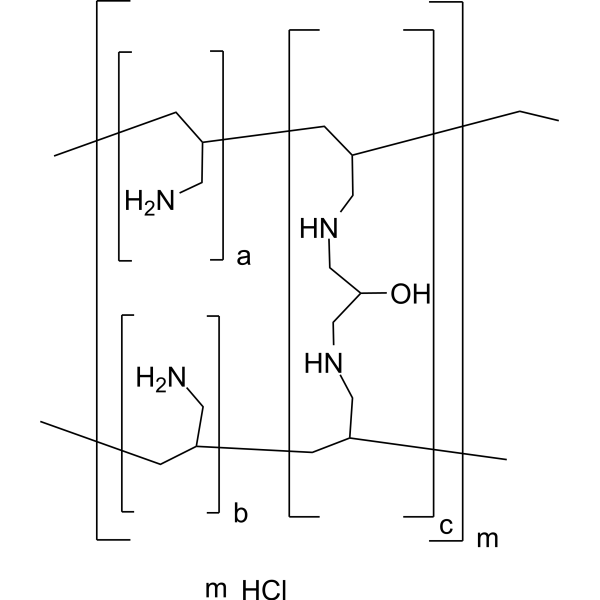
Sevelamer hydrochloride is an orally active polymeric phosphate binder and bile acid sequestrant. Sevelamer hydrochloride binds dietary phosphate in the gastrointestinal tract, reducing phosphate absorption and serum phosphorus levels, and reduces urinary phosphate excretion. Sevelamer hydrochloride binds polyanion bile acids, increases bile acid faecal excretion, and reduces total cholesterol and LDL cholesterol levels. Sevelamer hydrochloride can be used for the research of hyperphosphataemia, hyperparathyroidism, chronic renal failure, kidney disease, and type 2 diabetes [1] .
loading...
    loading...
1
1 Cited Publications
Cat. No.: HY-13995B
CAS No.: 845273-93-0
Target:  

FXR

Domaines de recherche:  

Metabolic Disease Endocrinology

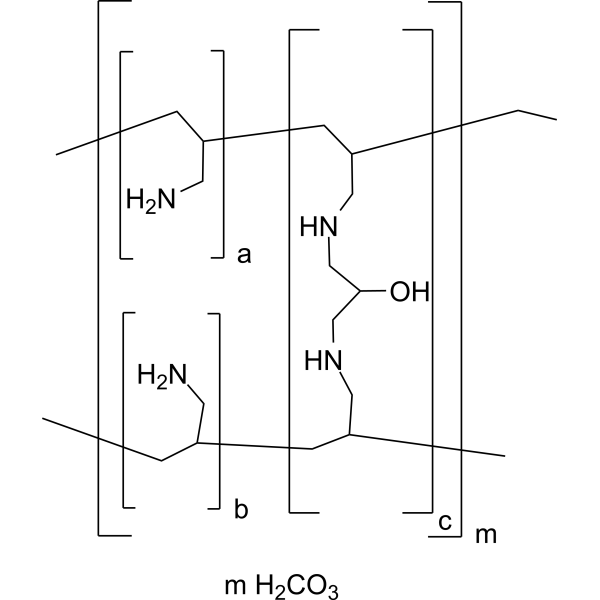
Sevelamer carbonate is an orally active polymeric phosphate binder and bile acid sequestrant. Sevelamer carbonate binds dietary phosphate in the gastrointestinal tract, reducing phosphate absorption and serum phosphorus levels, and reduces urinary phosphate excretion. Sevelamer carbonate binds polyanion bile acids, increases bile acid faecal excretion, and reduces total cholesterol and LDL cholesterol levels. Sevelamer carbonate can be used for the research of hyperphosphataemia, hyperparathyroidism, chronic renal failure, kidney disease, and type 2 diabetes [1] .
loading...
    loading...
1
1 Cited Publications
Cat. No.: HY-W440835
Target:  

Liposome

Domaines de recherche:  

Inflammation/Immunology

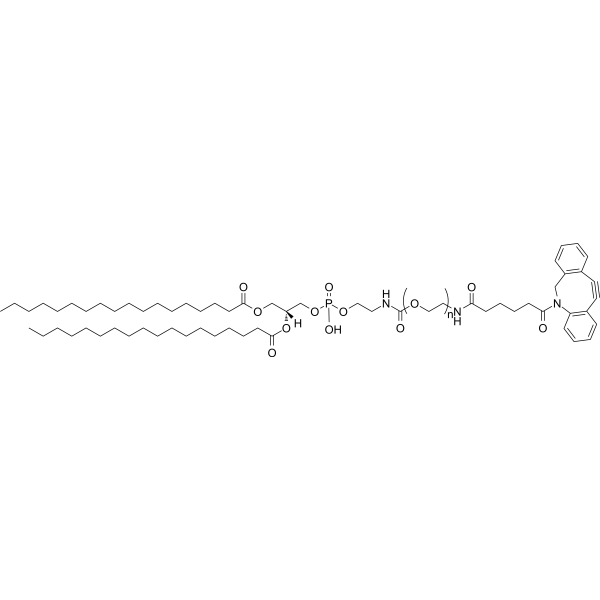
DSPE-PEG2000-DBCO is a phospholipid PEG polymer that combines a hydrophobic phospholipid (DSPE), a hydrophilic polyethylene glycol spacer with a molecular weight of 1000 Da, and a reactive click chemistry terminal group (DBCO). DSPE-PEG2000-DBCO migrates to lymph nodes via the endogenous albumin transport system, implants bioorthogonal DBCO docking sites, and enables the enrichment of azide-functionalized vesicles in lymph nodes mediated by click chemistry. DSPE-PEG2000-DBCO can be used in studies related to atherosclerosis [1].
loading...
    loading...
1
1 Cited Publications
Cat. No.: HY-120213
CAS No.: 1373764-75-0
Pureté:  98.34%
Target:  

FAK Src PI3K MMP Apoptosis

Domaines de recherche:  

Cancer

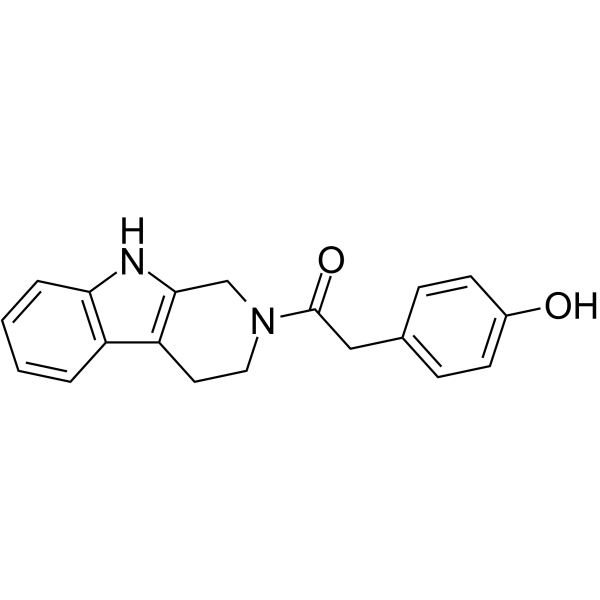
YH-306 is an antitumor agent. YH-306 suppresses colorectal tumour growth and metastasis via FAK pathway. YH-306 significantly inhibits the migration and invasion of colorectal cancer cells. YH-306 potently suppresses uninhibited proliferation and induces cell apoptosis. YH-306 suppresses the activation of FAK, c-Src, paxillin, and PI3K, Rac1 and the expression of MMP2 and MMP9. YH-306 also inhibita actin-related protein (Arp2/3) complex-mediated actin polymerization [1].
loading...
    loading...
1
1 Cited Publications
Cat. No.: HY-N0114A
CAS No.: 518-18-3
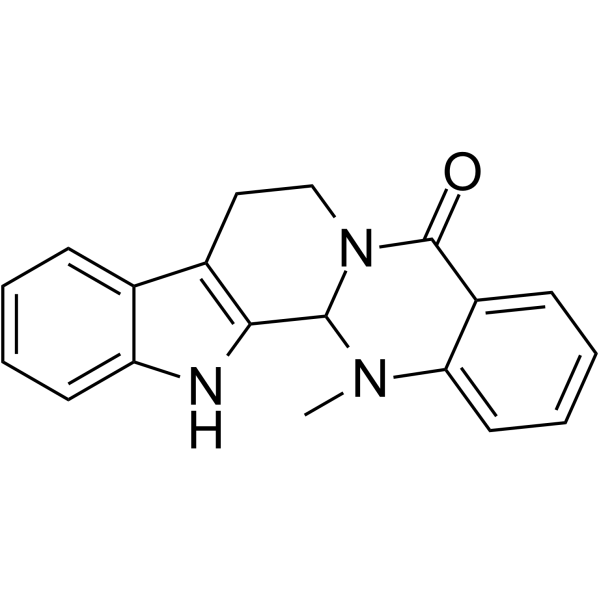
(±)-Evodiamine is an orally active indoloquinazoline alkaloid composed of equal amounts of enantiomers, with (+)-Evodiamine exerting the primary biological functions. (±)-Evodiamine is a Top1 inhibitor and a TRPV1 receptor agonist. (±)-Evodiamine induces cell cycle arrest and apoptosis by inhibiting Top1 and disrupting Tubulin polymerization, suppresses oncogenic signaling pathways such as NF-κB and Akt, and specifically agonizes TRPV1 receptors to regulate neuropeptide release and energy metabolism. (±)-Evodiamine is used in research on traumatic brain injury, obesity, cancer, neuropathy, dry eye disease, and colitis [1] .
loading...
    loading...
1
1 Cited Publications
Cat. No.: HY-W111581
CAS No.: 13681-87-3
Synonyms: Diethyldithiocarbamic acid copper salt
Target:  

Apoptosis Caspase

Domaines de recherche:  

Cancer

Copper(II) diethyldithiocarbamate (Diethyldithiocarbamic acid copper salt) is a Copper(II) and diethyldithiocarbamate coordination polymer. Copper(II) diethyldithiocarbamate binds tightly to NPL4 and induces its aggregation, disrupting the p97-NPL4-UFD1 pathway. Copper(II) diethyldithiocarbamate causes ubiquitinated proteins accumulation and impairs waste proteins degradation, thus resulting in cell apoptosis. Copper(II) diethyldithiocarbamate inhibits tumor growth in MDA-MB-231 xenograft mice models. Copper(II) diethyldithiocarbamate can be used for the research of cancer, such as breast cancer [1] .
loading...
    loading...

