
80 Results for "

α-synuclein aggregation

" in MedChemExpress (MCE) Product Catalog:
Products (80)

80 Results for "α-synuclein aggregation" in MCE Product Catalog:

50
50 Publications Verification
Cat. No.: HY-114118
CAS No.: 910463-68-2
Purity:  99.84%
Semaglutide is a long-acting, selective, competitive GLP-1R agonist that can penetrate the blood-brain barrier. After activating GLP-1R, Semaglutide promotes insulin secretion, inhibits gastric emptying and appetite, and at the same time enhances autophagy, inhibits oxidative stress and apoptosis. Semaglutide also regulates mitochondrial function and lipid metabolism (such as reducing de novo lipogenesis in the liver). Semaglutide has activities such as lowering blood sugar, reducing weight, neuroprotection (such as improving motor function in Parkinson's disease models, reducing α-synuclein aggregation) and improving hepatic steatosis. Semaglutide can be used for the study of neurodegenerative diseases and liver diseases such as type 2 diabetes, obesity, Parkinson's disease, metabolic associated fatty liver disease (MASLD), and cancer .
loading...
    loading...
50
50 Publications Verification
Cat. No.: HY-114118B
CAS No.: 1997361-85-9
Purity:  99.92%
Semaglutide acetate is a long-acting, selective, competitive GLP-1R agonist that can penetrate the blood-brain barrier. After activating GLP-1R, Semaglutide acetate promotes insulin secretion, inhibits gastric emptying and appetite, and at the same time enhances autophagy, inhibits oxidative stress and apoptosis. Semaglutide acetate also regulates mitochondrial function and lipid metabolism (such as reducing de novo lipogenesis in the liver). Semaglutide acetate has activities such as lowering blood sugar, reducing weight, neuroprotection (such as improving motor function in Parkinson's disease models, reducing α-synuclein aggregation) and improving hepatic steatosis. Semaglutide acetate can be used for the study of neurodegenerative diseases and liver diseases such as type 2 diabetes, obesity, Parkinson's disease, metabolic associated fatty liver disease (MASLD), and cancer .
loading...
    loading...
50
50 Publications Verification
Cat. No.: HY-114118A
Purity:  99.92%
Semaglutide TFA is a long-acting, selective, competitive GLP-1R agonist that can penetrate the blood-brain barrier. After activating GLP-1R, Semaglutide TFA promotes insulin secretion, inhibits gastric emptying and appetite, and at the same time enhances autophagy, inhibits oxidative stress and apoptosis. Semaglutide TFA also regulates mitochondrial function and lipid metabolism (such as reducing de novo lipogenesis in the liver). Semaglutide TFA has activities such as lowering blood sugar, reducing weight, neuroprotection (such as improving motor function in Parkinson's disease models, reducing α-synuclein aggregation) and improving hepatic steatosis. Semaglutide TFA can be used for the study of neurodegenerative diseases and liver diseases such as type 2 diabetes, obesity, Parkinson's disease, metabolic associated fatty liver disease (MASLD), and cancer .
loading...
    loading...
11
11 Cited Publications
Cat. No.: HY-153169
CAS No.: 2754428-18-5
Purity:  99.30%
Synonyms: 6PPD-Quinone
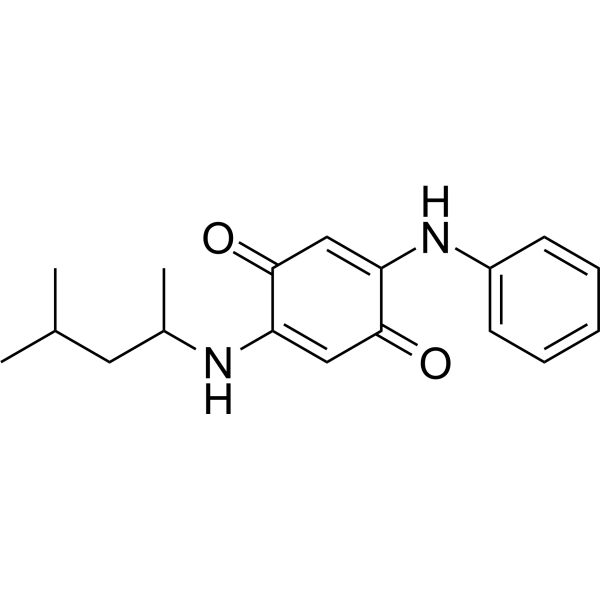
6PPD-Q (6PPD-Quinone) is an environmental pollutant that can be detected in human urine and is widely present in the environment. 6PPD-Q targets and binds to CNR2, CNR1, AA2AR, LCAT, and TRPA1, with CNR2 exhibiting the highest binding affinity, potentially acting as a CNR2 receptor agonist to activate cannabinoid receptors. 6PPD-Q induces intestinal inflammation and barrier damage by disrupting mitochondrial function, reducing neuronal glycolysis metabolites and TCA cycle intermediates, and exacerbating α-synuclein (α-syn) aggregation. 6PPD-Q is applicable in research on environmental toxicology, neurodegenerative diseases, and inflammation-related disorders .
loading...
    loading...
6
6 Cited Publications
Cat. No.: HY-N0901A
CAS No.: 17391-18-3
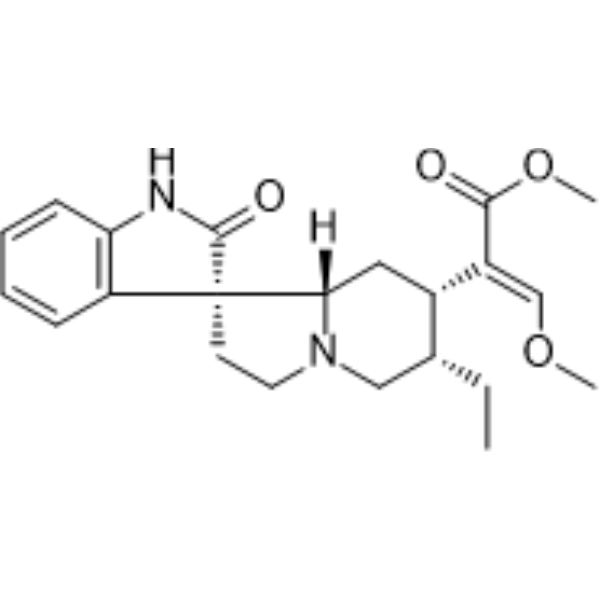
Corynoxine B is an alkaloid-based autophagy inducer and α-synuclein aggregation inhibitor that ameliorates Mn-induced dysregulation of autophagy and enhances α-synuclein (α-syn) clearance in Parkinson's disease mice .
loading...
    loading...
4
4 Cited Publications
Cat. No.: HY-B0512
CAS No.: 127-79-7
Synonyms: RP2632
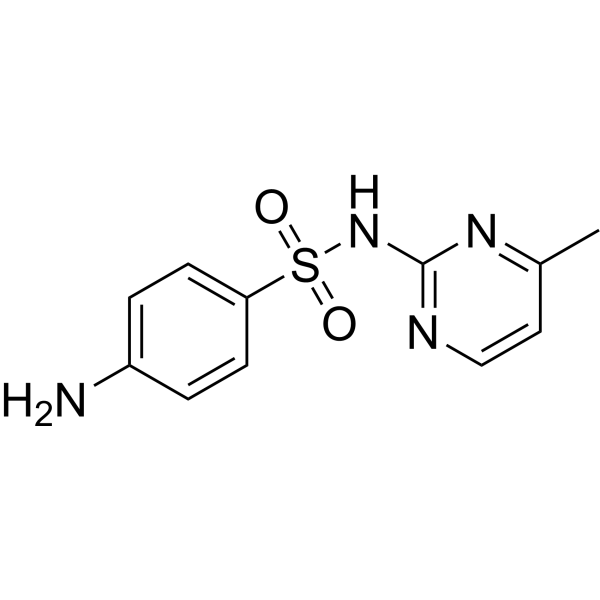
Sulfamerazine (RP2632) is a brain-penetrant and orally active sulfonamide antibiotic and α-synuclein inhibitor with human α-synuclein KD of 352 μM. Sulfamerazine inhibits the synthesis of dihydrofolate by bacteria, thereby inhibiting bacterial growth. Sulfamerazine inhibits α-synuclein fibrillation, reduces α-synuclein aggregation-associated toxicity and α-synuclein aggregate accumulation. Sulfamerazine can be used for the research of Parkinson’s disease and bacterial infection .
loading...
    loading...
2
2 Cited Publications
Cat. No.: HY-120475
CAS No.: 1232841-78-9
Synonyms: ATH434
Target:  

α-synuclein

Research Areas:  

Neurological Disease

PBT434 is a potent, orally active and cross the blood-brain barrier α-synuclein aggregation inhibitor. PBT434 can be used as a iron chelator and modulates transcellular iron trafficking. PBT434 inhibits iron-mediated redox activity and iron-mediated aggregation of α-synuclein. PBT434 prevents the loss of substantia nigra pars compacta neurons (SNpc). PBT434 has the potential for the research of Parkinson’s disease (PD) .
loading...
    loading...
2
2 Cited Publications
Cat. No.: HY-124876
CAS No.: 685121-45-3
Purity:  99.89%
Synonyms: SC-D
Target:  

α-synuclein

Research Areas:  

Neurological Disease

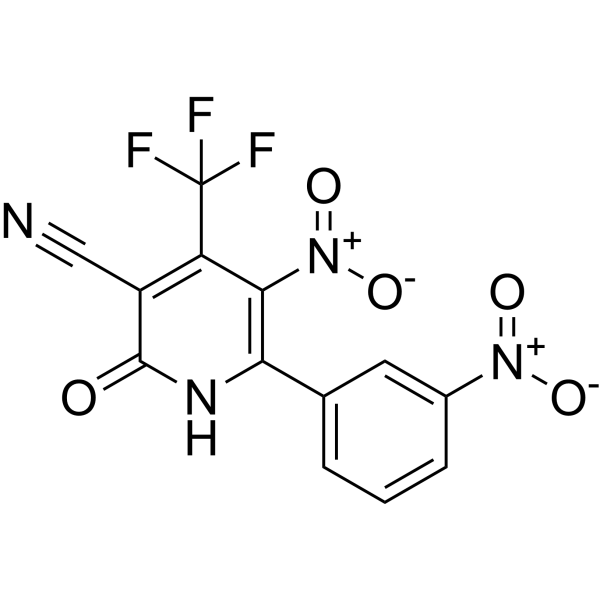
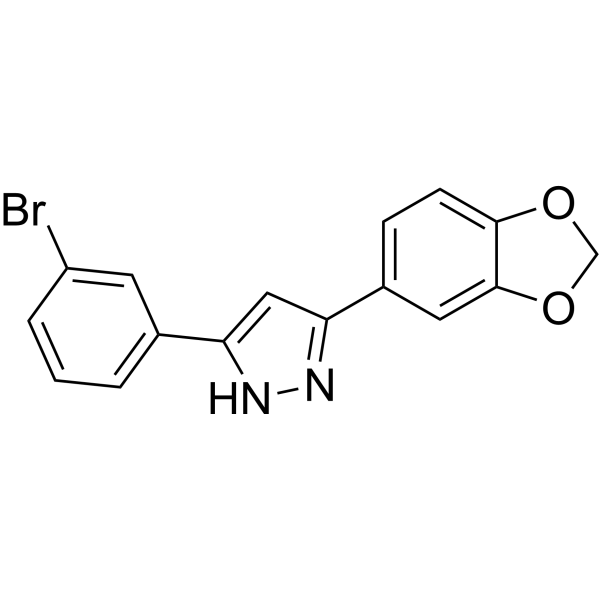
SynuClean-D (SC-D) is an inhibitor of α-synuclein aggregation, disrupts mature amyloid fibrils, prevents fibril propagation, and abolishes the degeneration of dopaminergic neurons in an animal model of Parkinson’s disease .
loading...
    loading...
2
2 Cited Publications
Cat. No.: HY-120475A
CAS No.: 2387898-69-1
Purity:  99.92%
Synonyms: ATH434 mesylate
Target:  

α-synuclein

Research Areas:  

Neurological Disease

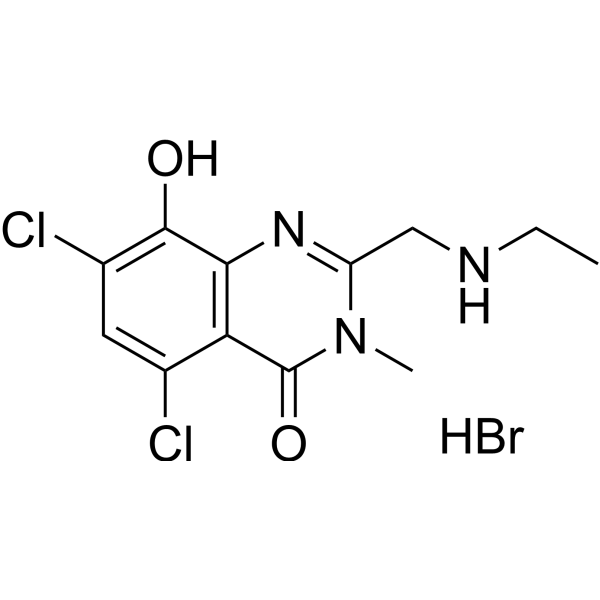
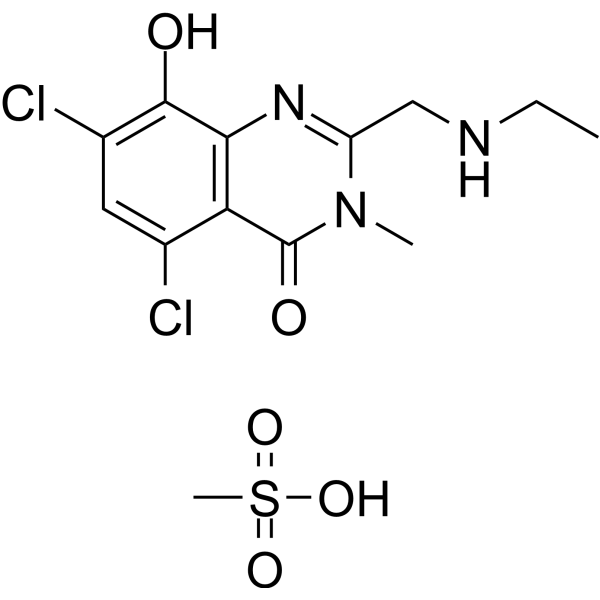
PBT434 methanesulfonate is a potent, orally active and cross the blood-brain barrier α-synuclein aggregation inhibitor. PBT434 methanesulfonate can be used as a iron chelator and modulates transcellular iron trafficking. PBT434 methanesulfonate inhibits iron-mediated redox activity and iron-mediated aggregation of α-synuclein. PBT434 methanesulfonate prevents the loss of substantia nigra pars compacta neurons (SNpc). PBT434 methanesulfonate has the potential for the research of Parkinson’s disease (PD) .
loading...
    loading...
1
1 Cited Publications
Cat. No.: HY-D0914
CAS No.: 2353-45-9
Synonyms: FD&C Green No. 3; Food green 3; C.I. 42053
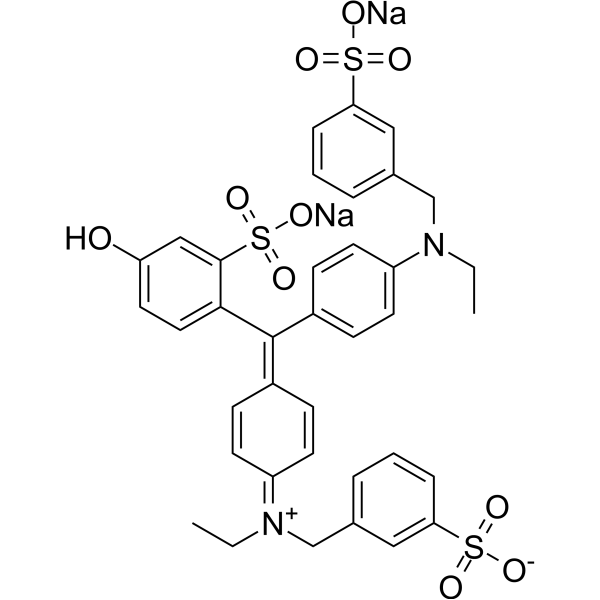
Fast Green FCF is a sea green triarylmethane food dye, with absorption maximum ranging from 622 to 626 nm. Fast Green FCF inhibits α-synuclein aggregation, as well as Aβ and P2X4 receptor, and TLR4/Myd88/NF-κB. Fast Green FCF is widely used as a staining agent like quantitative stain for histones at alkaline pH after acid extraction of DNA, and as a protein stain in electrophoresis. Fast Green FCF improves cognitive impairment, depression, relieves pain allergies, and promotes reproductive function .
loading...
    loading...
1
1 Cited Publications
Cat. No.: HY-113283
CAS No.: 451-13-8
Purity:  99.46%
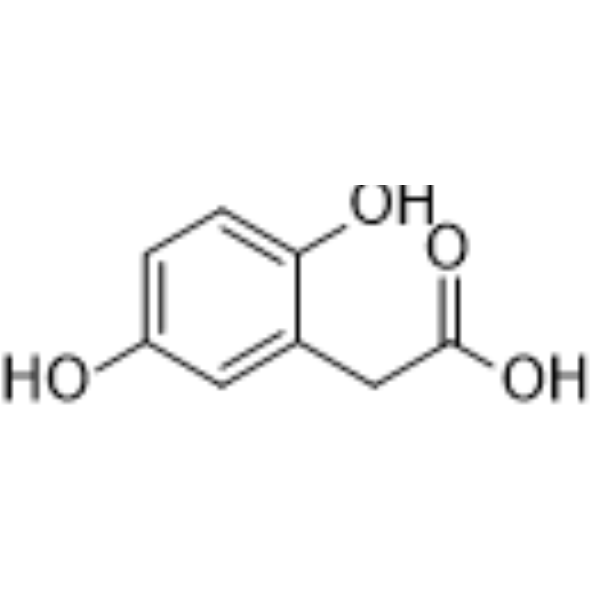
Homogentisic acid is an orally active, blood-brain barrier-permeable amyloidogenic compound that functions as both an amyloid component and a pigment precursor. Accumulation of homogentisic acid downregulates tight junction proteins (such as claudin-5, occludin, ZO-1) and impairs blood-brain barrier integrity. Homogentisic acid and its oxidation product benzoquinone acetic acid not only induce the aggregation and fibrosis of multiple proteins (such as Aβ1-42, α-synuclein, SAA, Transthyretin (TTR), atrial natriuretic peptide), but also trigger oxidative stress, damage to the Wnt/β-catenin pathway, and neurotoxicity, leading to ochronosis pigment deposition and synaptic dysfunction. At specific concentrations, homogentisic acid exerts no cytotoxicity or genotoxicity on human peripheral blood lymphocytes, and even counteracts the genotoxicity induced by Irinotecan (HY-16562). Homogentisic acid serves as an important tool molecule for investigating the mechanisms of diseases including ochronosis, secondary amyloidosis, Alzheimer's disease, and colorectal cancer .
loading...
    loading...
1
1 Cited Publications
Cat. No.: HY-Y0790
CAS No.: 122-03-2
Synonyms: p-Isopropylbenzaldehyde
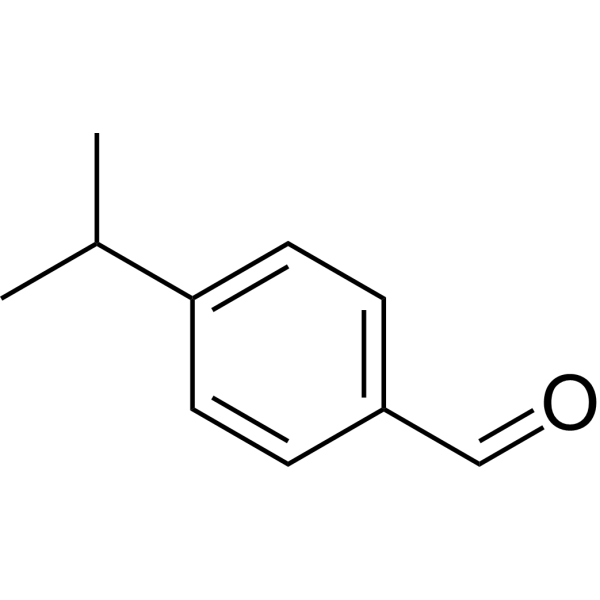
Cuminaldehyde is the main component of Cuminum cyminum and has multiple biological activities, including anti-inflammatory, anti-cancer, anti-diabetic, anti-injury, anti-neuropathy and antibacterial effects. Cuminaldehyde is an inhibitor of aldose reductase (IC50= 0.00085 mg/mL), α-glucosidase (IC50=0.5 mg/mL) and lipoxygenase (IC50=1370 μM). Cuminaldehyde also inhibits the fibrillation of α-synuclein and prevents its aggregation. Cuminaldehyde has potential application value in the research of neurodegenerative diseases, cancer, diabetes and neuropathic pain diseases .
loading...
    loading...
1
1 Cited Publications
Cat. No.: HY-W017370
CAS No.: 99-48-9
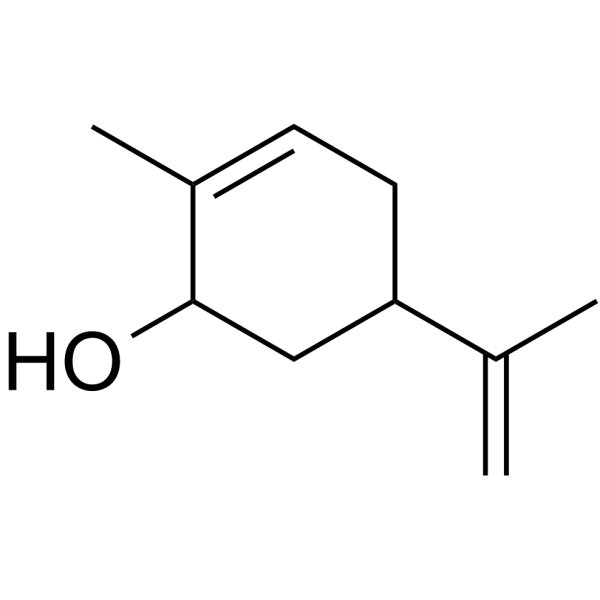
Carveol is an orally active monoterpenoid alcohol with neuroprotective, antioxidant, anti-inflammatory, anticonvulsant, antidiabetic, hypolipidemic and hepatoprotective activities. Carveol upregulates the expression of Bcl2, downregulates the expression of caspase-3, TNF-α, IL1β and IL6, activates the Nrf2/HO-1 antioxidant signaling pathway, inhibits the RAGE/NF-κB signaling pathway, and suppresses neuroinflammation and neuronal apoptosis. Carveol inhibits α-synuclein aggregation, improves cognitive ability, and inhibits α-amylase activity. Carveol exerts neuroprotective effects in a rat model of Parkinson's disease. Carveol exhibits antidiabetic effects in alloxan-induced diabetic rats. Carveol alleviates PTZ-induced seizures in rats. Carveol can be used in research related to Parkinson's disease, epilepsy, diabetes and ischemic stroke .
loading...
    loading...
Cat. No.: HY-101855
CAS No.: 882697-00-9
Purity:  99.93%
Synonyms: Anle138b
Target:  

Amyloid-β

Research Areas:  

Neurological Disease

Emrusolmin (Anle138b), an oligomeric aggregation inhibitor, blocks the formation of pathological aggregates of prion protein (PrPSc) and of α-synuclein (α-syn). Emrusolmin strongly inhibits oligomer accumulation, neuronal degeneration, and disease progression in vivo. Emrusolmin has low toxicity and an excellent oral bioavailability and blood-brain-barrier penetration. Emrusolmin blocks Aβ channels and rescues disease phenotypes in a mouse model for amyloid pathology .
loading...
    loading...
Cat. No.: HY-121252
CAS No.: 5707-55-1
Purity:  ≥77.0%
Dopal is a metabolite and aldehyde neurotoxin of Dopamine (HY-B0451). Dopal exhibits cytotoxicity, induces α-synuclein oligomerization and aggregation, and is closely associated with the pathogenesis of Parkinson's disease. Dopal can be used in research related to Parkinson's disease .
loading...
    loading...
Cat. No.: HY-114118CP
CAS No.: 910463-68-2
Semaglutide (crude) is the crude form of Semaglutide (HY-114118). Semaglutide is a long-acting, selective, competitive GLP-1R agonist that can penetrate the blood-brain barrier. After activating GLP-1R, Semaglutide promotes insulin secretion, inhibits gastric emptying and appetite, and at the same time enhances Autophagy, inhibits oxidative stress and Apoptosis. Semaglutide also regulates mitochondrial function and lipid metabolism (such as reducing de novo lipogenesis in the liver). Semaglutide has activities such as lowering blood sugar, reducing weight, neuroprotection (such as improving motor function in Parkinson's disease models, reducing α-synuclein aggregation) and improving hepatic steatosis. Semaglutide can be used for the study of neurodegenerative diseases and liver diseases such as type 2 diabetes, obesity, Parkinson's disease, metabolic associated fatty liver disease (MASLD), and cancer .
loading...
    loading...
Cat. No.: HY-114118S3
Purity:  96.04%
Semaglutide- 13C6, 15N TFA is the 13C- and 15N-labeled Semaglutide TFA (HY-114118A). Semaglutide TFA is a long-acting, selective, competitive GLP-1R agonist that can penetrate the blood-brain barrier. After activating GLP-1R, Semaglutide TFA promotes insulin secretion, inhibits gastric emptying and appetite, and at the same time enhances autophagy, inhibits oxidative stress and apoptosis. Semaglutide TFA also regulates mitochondrial function and lipid metabolism (such as reducing de novo lipogenesis in the liver). Semaglutide TFA has activities such as lowering blood sugar, reducing weight, neuroprotection (such as improving motor function in Parkinson's disease models, reducing α-synuclein aggregation) and improving hepatic steatosis. Semaglutide TFA can be used for the study of neurodegenerative diseases and liver diseases such as type 2 diabetes, obesity, Parkinson's disease, metabolic associated fatty liver disease (MASLD), and cancer .
loading...
    loading...
Cat. No.: HY-160116
CAS No.: 1565797-17-2
α-Synuclein aggregate binder 1 (Compound C05-05) is a specific binder for α-synuclein aggregates and can inhibit α-synuclein aggregation. α-Synuclein aggregate binder 1 can be used as a fluorescent probe (excitation wavelength 900 nm, detection wavelength 500-550 nm) for optical imaging, and can also inhibit α-synuclein fibril formation by blocking the aggregation process. α-Synuclein aggregate binder 1 can be used for positron emission tomography (PET) imaging after being labeled with 18F. α-Synuclein aggregate binder 1 can be used for visual diagnosis of brain lesions and mechanism research of neurodegenerative diseases such as Parkinson's disease and Lewy body dementia .
loading...
    loading...
Cat. No.: HY-W010041
CAS No.: 488-59-5
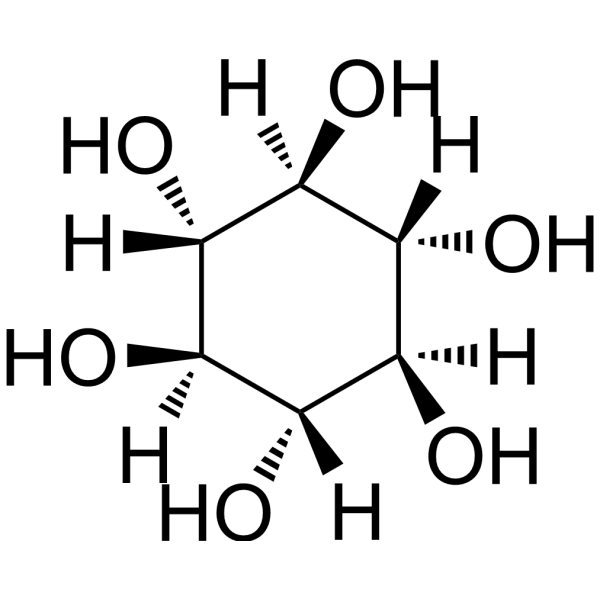
Scyllo-Inositol is an inhibitor that targets the aggregation of misfolded proteins (such as α-synuclein and Amyloid-β), is orally effective, and can cross the blood-brain barrier. Scyllo-Inositol can selectively bind to and stabilize non-toxic oligomers, preventing them from converting into toxic fibers, exerting protein homeostasis regulation and neuroprotective activity. Scyllo-Inositol binds to the hydrophobic region of pathogenic proteins, inhibits protein aggregation, and promotes lysosome- and proteasome-mediated degradation pathways, thereby reducing neurotoxicity. Scyllo-Inositol can be used in the study of neurodegenerative diseases such as Parkinson's disease, Alzheimer's disease, and Huntington's disease .
loading...
    loading...
Cat. No.: HY-N0698
CAS No.: 55750-84-0
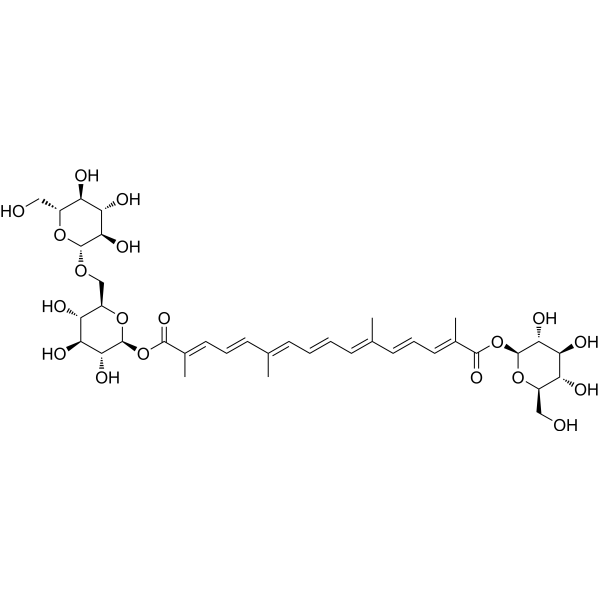
Crocin II is an inhibitor targeting α-synuclein aggregation, with a IC50 of 0.541 μM and a EC50 of 3.63 μM. Crocin II inhibits α-synuclein aggregation and dissociates pre-formed α-synuclein fibrils. Crocin II possesses antioxidant, anticancer and antidepressant activities. Crocin II is applicable to research related to neurological disorders such as Parkinson's disease, dementia with Lewy bodies and multiple system atrophy, as well as cancers .
loading...
    loading...

