1. Search Result
Search Result
Pathways Recommended: Stem Cell/Wnt Cell Cycle/DNA Damage
Results for "

22RV1 prostate cancer cells

" in MedChemExpress (MCE) Product Catalog:

67

Inhibitors & Agonists

1

Fluorescent Dyes

2

Peptides

4

Natural
Products

1

Click Chemistry

Cat. No. Product Name Target Research Areas Chemical Structure
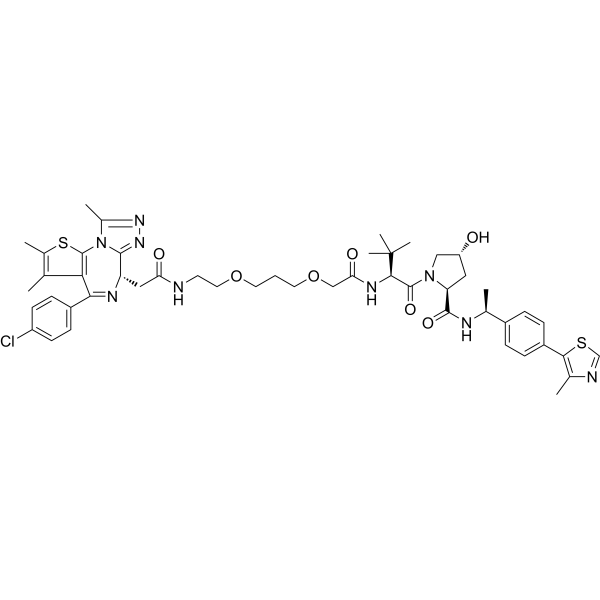
  • HY-158113

    Histone Acetyltransferase PROTACs Cancer
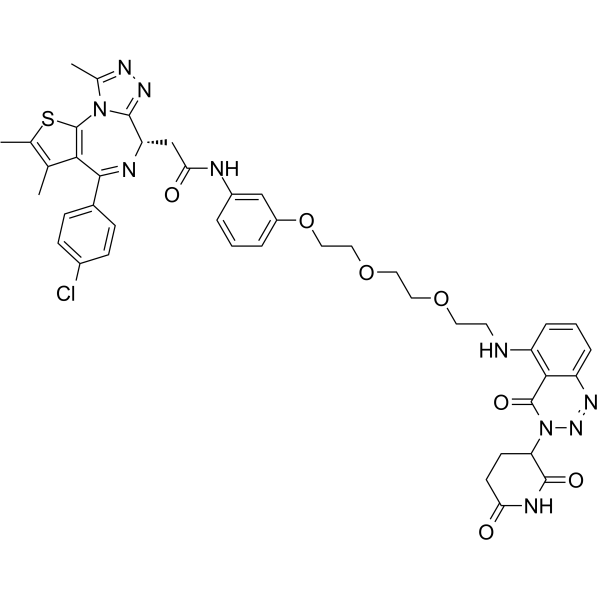
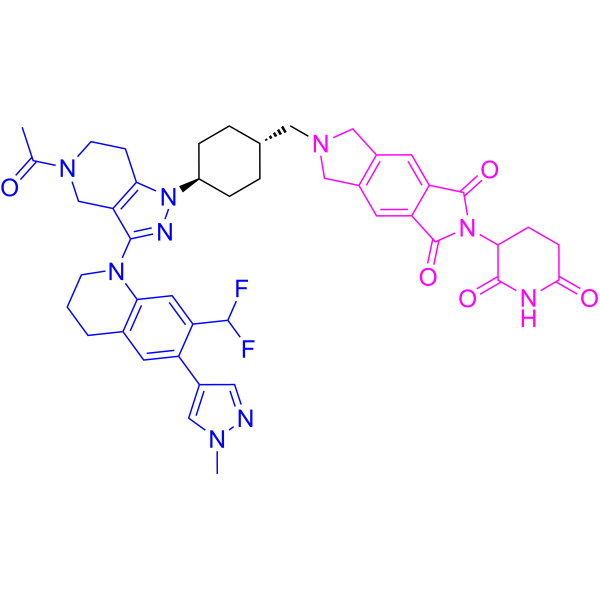
    CBPD-409 is an orally active PROTAC degrader for CBP/p300, with DC50 of 0.2–0.4 nM. CBPD-409 exhibits antiproliferative effects in AR+ prostate cancer cell lines VCaP, LNCaP and 22Rv1, with IC50s of 1.2–2.0 nM. CBPD-409 exhibits antitumor efficacy (Red: CBP inhibitor GNE049 (HY-108435); Blue: CRBN/cullin 4A Thalidomide (HY-14658); Black: Linker) .
    CBPD-409
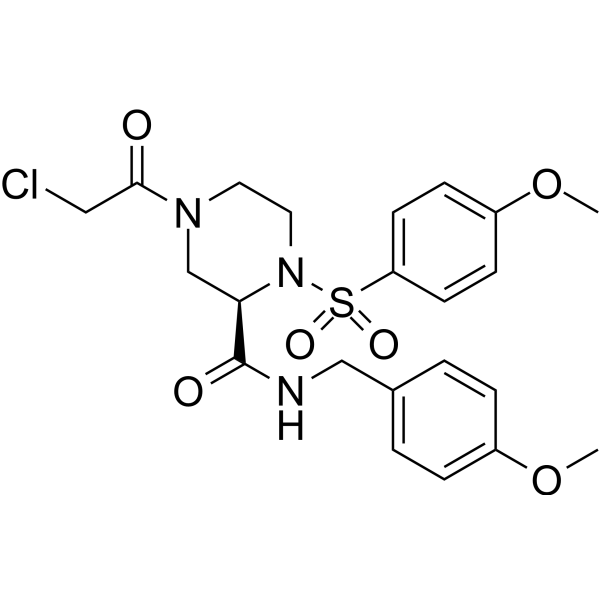
  • HY-153918
    (R)-SKBG-1
    1 Publications Verification

    Androgen Receptor Cancer
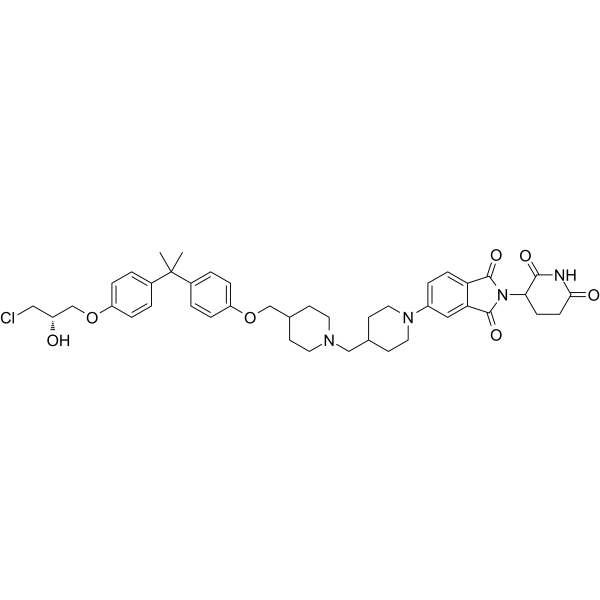
    (R)-SKBG-1 is a covalent inhibitor targeting the RNA binding protein NONO. (R)-SKBG-1 can reduce the expression of androgen receptor (AR) and its splice variants, inhibiting cancer cell proliferation. (R)-SKBG-1 inhibits androgen receptor expression with IC50 of 3.1 μM and 5.5 μM for AR-FL mRNA and AR-V7 mRNA, respectively. (R)-SKBG-1 interferes with the gene regulatory network of cancer cells and inhibits cancer cell growth by stabilizing the interaction between NONO and mRNA. (R)-SKBG-1 can be used in the study of cancers related to NONO dysfunction, such as prostate cancer .
    (R)-SKBG-1
  • HY-170329

    PROTACs Androgen Receptor Apoptosis Cancer
    PROTAC AR Degrader-8 is the PROTAC degrader for androgen receptor (AR) that degrades AR-FL with DC50s of 0.018 μM and 0.14 μM in 22Rv1 cell and LNCaP cell, degrades AR-V7 with DC50 of 0.026 μM in 22Rv1 cell. PROTAC AR Degrader-8 inhibits the proliferation of cancer cell 22Rv1 and LNCaP with IC50 values of 0.038 μM and 1.11 μM. PROTAC AR Degrader-8 arrests cell cycle at G2/M phase, induces apoptosis in 22Rv1 cell. PROTAC AR Degrader-8 exhibits anticancer efficacy in mouse and zebrafish model. PROTAC AR Degrader-8 can be used for the research of prostate cancer, castration-resistant prostate cancer .
    PROTAC AR Degrader-8
  • HY-145479
    PROTAC AR-V7 degrader-1
    1 Publications Verification

    PROTACs Androgen Receptor Cancer
    PROTAC AR-V7 degrader-1 is an orally active and selective AR-V7 PROTAC degrader with a DC50 of 0.32 μM (in 22Rv1 cells). PROTAC AR-V7 degrader-1 can inhibit the proliferation of tumor cells and exhibit anti-tumor activity. PROTAC AR-V7 degrader-1 can be used for the research of cancers such as prostate cancer .(Pink: VPC-14228 (HY-117669); Black: linker (HY-W041652); Blue: VHL Ligand (HY-112078))
    PROTAC AR-V7 degrader-1
  • HY-168534

    SF3B1 Apoptosis Cancer
    WX-02-23 is a small-molecule probe that stereoselectively and site-specifically binds to C258 of FOXA1 and C1111 of SF3B1. WX-02-23 remodels FOXA1's chromatin binding and pioneer activity in a DNA-dependent manner, disrupts spliceosome assembly, and enhances the thermal stability of SF3B1. WX-02-23 inhibits tumor cell proliferation and induces apoptosis. WX-02-23 can be used for research on cancers such as prostate cancer .
    WX-02-23
  • HY-126076A

    DNA/RNA Synthesis Cancer
    VPC-80051 is an inhibitor of hnRNP A1 splicing activity. VPC-80051 directly interacts with hnRNP A1 RBD and reduces AR-V7 messenger levels in 22Rv1 CRPC cell line. VPC-80051 can be used in prostate cancer research .
    VPC-80051
  • HY-133045

    Ligands for E3 Ligase Cancer
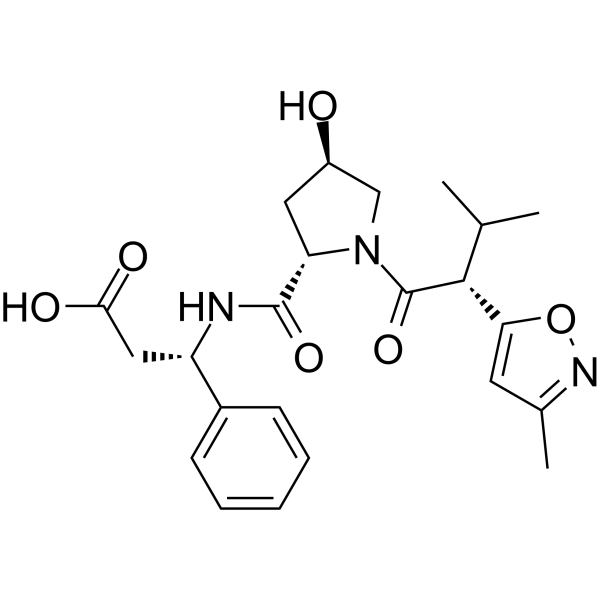
    VHL Ligand 8 is a VHL ligand. VHL Ligand 8 can be used to synthesize ARD-266 (HY-133020), a highly potent and VHL E3 ligase-based androgen receptor (AR) PROTAC degrader. ARD-266 effectively induces degradation of AR protein in AR-positive LNCaP, VCaP, and 22Rv1 prostate cancer cell lines with DC50 values of 0.2-1 nM .
    VHL Ligand 8
  • HY-162706
    BSJ-5-63
    1 Publications Verification

    PROTACs CDK Cancer
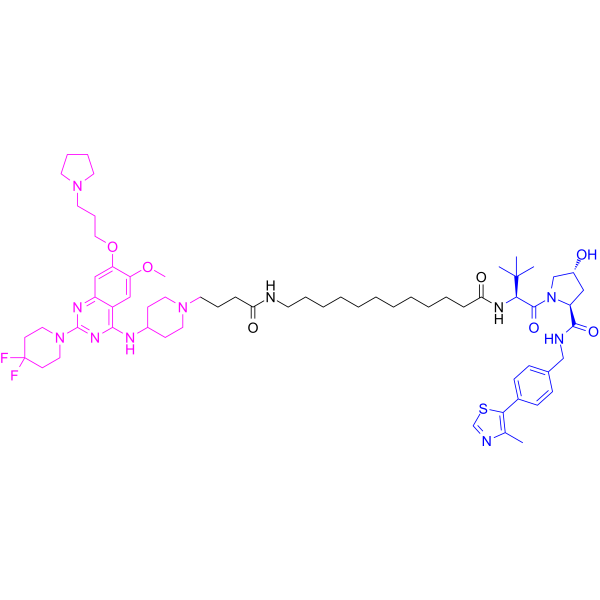
    BSJ-5-63 is a potent CDK12, CDK7, CDK9 PROTAC degrader. BSJ-5-63 BSJ-5-63 decreases the protein expression of CDK12, CDK7, CDK9, RNAPII, Cyclin K. BSJ-5-63 decreases the mRNA expression of BRCA1, BRCA2. BSJ-5-63 shows anticancer activity and has the potential for the research of prostate cancer (Pink: ligand for target protein (HY-150948); black: linker (HY-W140827); Blue: E3 ligase ligand (HY-112078)) .
    BSJ-5-63
  • HY-168555

    PROTACs CDK Apoptosis Akt mTOR Cancer
    YJ1206 is an orally active selective CDK12/CDK13 PROTAC degrader. YJ1206 induces DNA damage and genomic instability, activates the AKT pathway, and triggers apoptosis. YJ1206 reduces tumor cell viability, inhibits tumor growth, and attenuates tumor cell dissemination. YJ1206 is applicable to research related to prostate cancer and high-grade serous tubo-ovarian cancer .
    YJ1206
  • HY-133020

    PROTACs Androgen Receptor Cancer
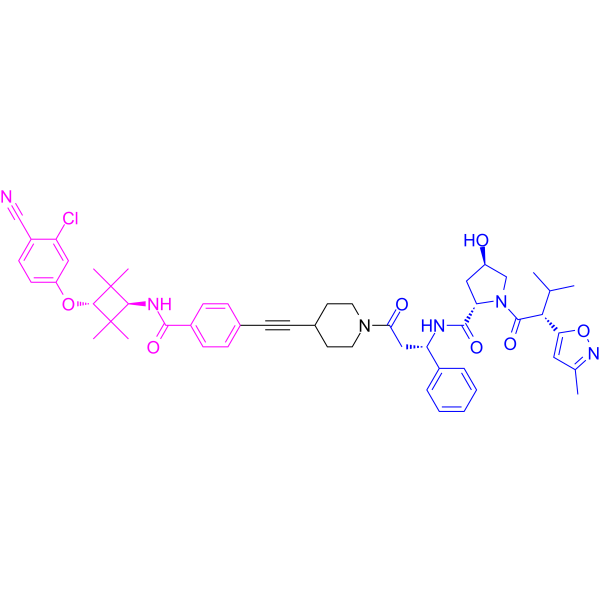
    ARD-266 is a highly potent and von Hippel-Lindau E3 ligase-based Androgen Receptor (AR) PROTAC degrader. ARD-266 effectively induces degradation of AR protein in AR-positive LNCaP, VCaP, and 22Rv1 prostate cancer cell lines with DC50 values of 0.2-1 nM . ARD-266 is a click chemistry reagent, it contains an Alkyne group and can undergo copper-catalyzed azide-alkyne cycloaddition (CuAAc) with molecules containing Azide groups.
    ARD-266
  • HY-160777

    Galeterone 3β-imidazole

    Molecular Glues Androgen Receptor MNK Apoptosis Cancer
    VNPP433-3β (Galeterone 3β-imidazole) is an orally active molecular glue degrader, which degrades androgen receptor (AR) and its splice variants (AR-Vs) and MAP kinase-interacting serine/threonine protein kinase Mnk1/2. VNPP433-3β induces cell apoptosis. VNPP433-3β inhibits tumor growth in the CWR22Rv1 xenograft mouse model. VNPP433-3β can be used for the study of castration resistant prostate cancer (CRPC) and pancreatic ductal adenocarcinoma (PDAC) .
    VNPP433-3β
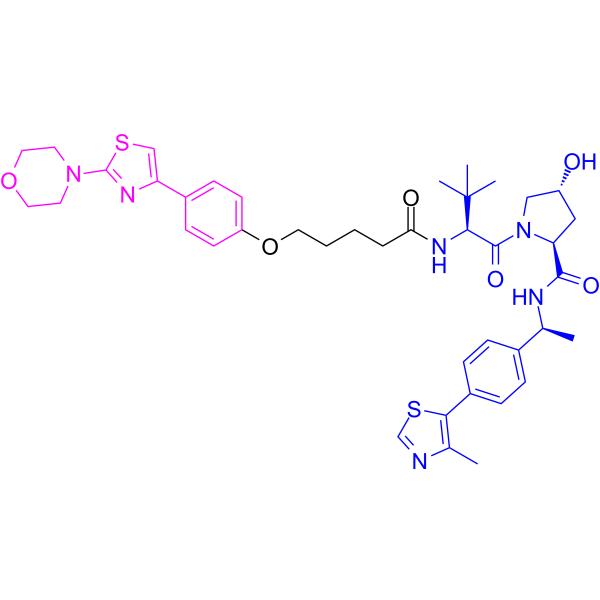
  • HY-158432

    Histone Demethylase PROTACs Cancer
    GT-653 is a PROTAC degrader for lysine-specific demethylase 5B (KDM5B). GT-653 degrades 68.35% KDM5B at 10 μM in a ubiquitin proteasome-dependent manner, upregulates H3K4me3 levels, and activates the type-I interferon signaling pathway in prostate cancer cells 22RV1. (Pink: KDM5B ligand (HY-158433); Black: Linker (HY-W004896); Blue: E3 ligase ligand (HY-103596))
    GT-653
  • HY-161369

    PROTACs Histone Acetyltransferase Cancer
    CBPD-268 is a potent and orally active CBP/p300 PROTAC degrader with an DC50 value of ≤ 0.03 nM. CBPD-268 induces CBP/p300 degradation and inhibits cell growth. CBPD-268 shows antitumor activity. CBPD-268 has the potential for the research of AR-positive prostate cancer (Structure Note: Red, Androgen receptor degrader (HY-W248665A); Blue, CBP/p300 ligand (HY-161483); Black, Linker) .
    CBPD-268
  • HY-141860

    PSMA Microtubule/Tubulin Reactive Oxygen Species (ROS) Cytochrome P450 Cancer
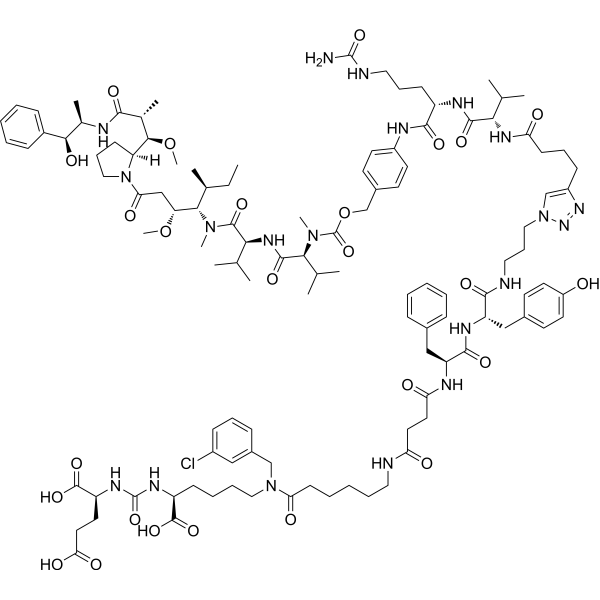
    PSMA-Val-Cit-PAB-MMAE is a small-molecule conjugate targeting PSMA, with Monomethyl auristatin E (MMAE) (HY-15162) as its cytotoxic payload. PSMA-Val-Cit-PAB-MMAE binds to PSMA, thereby being delivered into PSMA-expressing prostate cancer cells. Subsequently, the Val-Cit linker is cleaved under the mediation of cathepsin B, releasing active MMAE. PSMA-Val-Cit-PAB-MMAE inhibits CYP3A4 activity (IC50 = 11.2 μM), induces intracellular ROS production and oxidative stress, disrupts the cytoskeleton through microtubule destabilization, and induces prostate cancer cell death. PSMA-Val-Cit-PAB-MMAE can be used in research related to prostate cancer .
    PSMA-Val-Cit-PAB-MMAE
  • HY-149433

    PROTACs Androgen Receptor Apoptosis Cancer
    BWA-522 is an orally active PROTAC degrader targeting full-length androgen receptor (AR-FL) and androgen receptor splice variant 7 (AR-V7). BWA-522 antagonizes the N-terminal domain (AR-NTD) of the androgen receptor, suppresses AR downstream signaling proteins and induces cancer cells apoptosis. BWA-522 inhibits tumor growth in LNCaP xenograft mouse model. BWA-522 can be used for the research of prostate cancer .
    BWA-522
  • HY-108986

    Sirtuin SARS-CoV Cancer
    JFD00244 is a sirtuin 2 (SIRT2) inhibitor, with anti-tumor effect. JFD00244 is also a Nsp-16 inhibitor against SARS-CoV-2 .
    JFD00244
  • HY-150268

    BET-IN-16

    Epigenetic Reader Domain Cancer
    Zavabresib (BET-IN-16) (Compound I) is a BET inhibitor. BET-IN-16 shows anticancer activity. Zavabresib inhibits prostate cancer cell growth, with IC50 values of 0.043 and 0.034 μM against LNCaP and 22Rv1 cells, respectively .
    Zavabresib
  • HY-149495

    PROTACs CDK Cancer
    CP-07 is a potent and selective PROTACCDK9 degrader (DC50: 43 nM). CP-07 inhibits 22RV1 cell proliferation (IC50: 62 nM) and colony formation by down-regulating Mcl-1 and c-Myc. CP-07 inhibits 22RV1 xenograft tumor growth. CP-07 can be used for research of prostate cancer .
    CP-07
  • HY-176128

    PROTACs Androgen Receptor Apoptosis PARP Caspase Cancer
    BWA-6047 is an oral active PROTAC degrader targeting AR/AR-V7 and GSPT1 with DC50 values of 3.7, 3.0 and 1.2 nM in 22Rv1 cells. BWA-6047 suppresses the expression of AR downstream target genes and and transcriptional activity. BWA-6047 inhibits cancer cells proliferation, causes G1 phase cell cycle arrest and induces apoptosis. BWA-6047 increases cleaved-PARP-1 and cleaved-caspase-3 levels. BWA-6047 reduces growth of LNCaP xenograft tumors in mice models without obvious toxicity. BWA-6047 can be used for the research of prostate cancer .
    BWA-6047
  • HY-130713

    E3 Ligase Ligand-Linker Conjugates Cancer
    Thalidomide-C2-amido-C2-COOH contains a CRBN ligand and a linker for recruiting E3 ubiquitin ligases. Thalidomide-C2-amido-C2-COOH can be used to design and synthesize PROTAC CDK2/9 Degrader-1 (HY-130709). PROTAC CDK2/9 Degrader-1 is applicable to prostate cancer-related research .
    Thalidomide-C2-amido-C2-COOH
  • HY-163340

    Glucocorticoid Receptor Androgen Receptor Cancer
    GA32 (compound 58r) is potent androgen receptor (AR)/glucocorticoid receptor (GR) dual inhibitor with IC50 values of 0.13 μM and 0.83 μM for AR and GR, respectively. GA32 inhibits the proliferation of Enzalutamide (HY-70002) resistance castration-resistant prostate cancer both in vitro and in vivo .
    GA32
  • HY-175454

    DNA/RNA Synthesis PDGFR Oxidative Phosphorylation Mitochondrial Metabolism Cancer
    YH-0623 is an orally active mitochondrial RNA polymerase (POLRMT) inhibitor (IC50 = 50.48 nM, Nanoluciferase Bioluminescence Resonance Energy Transfer (NanoBRET) assay). YH-0623 exhibits antiproliferative effects on 22Rv1 cells by reducing the expression of mitochondrial-related genes. YH-0623 inhibits 22Rv1 cell growth, colony formation, and the expression of OXPHOS-related proteins. YH-0623 significantly inhibits tumor growth in a prostate cancer xenograft mouse model. YH-0623 is indicated for prostate cancer research .
    YH-0623
  • HY-179056

    PROTACs PSMA Androgen Receptor HSP Apoptosis Cancer
    Psa-AR is a PROTAC degrader targeting PSMA, with a Kd of 7.2 nM. Psa-AR exhibits strong degradation capabilities for AR, AR-V7, and HSP90, and induces cell apoptosis. Psa-AR demonstrates potent tumor suppressive activity in the 22Rv1 xenograft tumor model. Psa-AR can be used in the research of castration-resistant prostate cancer .
    Psa-AR
  • HY-143235

    Epigenetic Reader Domain Apoptosis Bcl-2 Family Caspase c-Myc Cancer
    BRD4 Inhibitor-15 (compound 13) is a potent BRD4 inhibitor, with an IC50 of 18 nM. BRD4 Inhibitor-15 induces apoptosis of 22RV1 cells by regulating Bcl-2/Bax proteins and activating caspase-3 signaling pathway. BRD4 Inhibitor-15 down-regulates the c-Myc level in 22RV1 cells. BRD4 Inhibitor-15 can be used for prostate cancer research .
    BRD4 Inhibitor-15
  • HY-163938

    PROTACs Cancer
    PROTAC erf3a Degrader-1 (Compound C63) is an orally active PROTAC erf3a Degrader. PROTAC erf3a Degrader-1 inhibits cancer cell proliferation (eg: 22Rv1). PROTAC erf3a Degrader-1 can be used for research of prostate cancer, ovarian cancer, liver cancer, cervical cancer, leukemia, breast cancer. (Red: erf3a ligand (HY-13778); Black: linker (HY-163960); Blue: CRBN ligand (HY-41547)) .
    PROTAC erf3a Degrader-1
  • HY-N16066

    CHNQD-0803

    AMPK Apoptosis NF-κB TNF Receptor Inflammation/Immunology
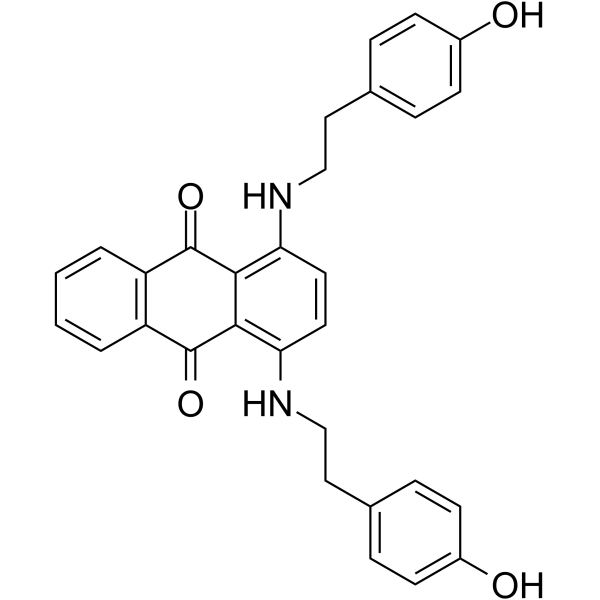
    Candidusin A (CHNQD-0803) (Compound 4) is a AMPK activator with a KD of 47.28 nM. Candidusin A can be isolated from marine fungus Aspergillus candidus. Candidusin A has cytotoxic activity and induces apoptosis in human prostate cancer cells (22Rv1, PC-3 and LNCaP cells). Candidusin A reduces adipogenesis genes expression and fat deposition, negatively regulates the NF-κB-TNFα inflammatory axis to suppress inflammation, and ameliorates liver injury and fibrosis. Candidusin A can be used for non-alcoholic steatohepatitis (NASH) research .
    Candidusin A
  • HY-163510

    Androgen Receptor Cancer
    AR/AR-V7-IN-1 (Compound 20i) is an AR/ARV7 inhibitor (IC50 = 172.85 nM). AR/AR-V7-IN-1 potently inhibits cell growth with IC50 values of 4.87 and 2.07 μM in the LNCaP and 22RV1 cell lines, respectively. AR/AR-V7-IN-1 exhibits effective tumor growth inhibition in the 22RV1 xenograft study. AR/AR-V7-IN-1 can be used for the research of prostate cancer .
    AR/AR-V7-IN-1
  • HY-149914

    Androgen Receptor Cancer
    WCA-814 is an androgen receptor (AR) antagonist-Hsp90 inhibitor conjugate. WCA-814 induces the degradation of full-length and AR-V7. WCA-814 has cytotoxic effect in prostatic cancer cells (IC50: 171.2 nM, 26.5 nM for LNCaP, 22Rv1 cell) .
    WCA-814
  • HY-P10622

    Apoptosis Reactive Oxygen Species (ROS) Metabolic Disease Cancer
    SHLP-3 is a mitochondrial derived peptide encoded by the 16S ribosomal RNA (MT-RNR2) gene. SHLP-3 increases cell viability and reduces apoptosis in insulinoma NIT-1β cells and human prostate cancer 22Rv1 cells. SHLP-3 increases mitochondrial function and exerts cytoprotective effects by increasing mitochondrial oxygen consumption rate (OCR), cellular ATP and reducing the ability to produce ROS. SHLP-3 can be used in the study of diabetes and cancer .
    SHLP-3
  • HY-175243

    Adenosine Deaminase Apoptosis Cancer
    ADAR1-IN-1 is a potent ADAR1 inhibitor. ADAR1-IN-1 significantly suppressed DU-145 cell proliferation (IC50 = 1.11 μM), clonogenicity, migration, and invasion, arrests cell cycle, and induces apoptosis. ADAR1-IN-1 safely and effectively inhibits tumor growth. ADAR1-IN-1 can be used for the study of prostate cancer (PCa) .
    ADAR1-IN-1
  • HY-133044

    PROTAC Linkers Cancer
    Boc-Pip-alkyne-Ph-COOH is a PROTAC linker, which refers to the alkyl/ether composition. Boc-Pip-alkyne-Ph-COOH can be used in the synthesis of a series of PROTACs, such as ARD-266 (HY-133020). ARD-266 effectively induces degradation of androgen receptor (AR) protein in AR-positive LNCaP, VCaP, and 22Rv1 prostate cancer cell lines with DC50 values of 0.2-1 nM . Boc-Pip-alkyne-Ph-COOH is a click chemistry reagent, it contains an Alkyne group and can undergo copper-catalyzed azide-alkyne cycloaddition (CuAAc) with molecules containing Azide groups.
    Boc-Pip-alkyne-Ph-COOH
  • HY-169078

    Histone Methyltransferase Cancer
    ML234 is a dual inhibitor against EZH2/LSD1 with IC50 values of 0.09 and 0.12 μM, respectively. ML234 displays an excellent antiproliferative capacity against prostate cancer cell lines LNCAP, PC3 and 22RV1. ML234 suppresses the tumor growth in the 22RV1 xenograft mouse model. ML234 is promising for research of anticancer agents in prostate cancer .
    ML234
  • HY-121588

    Adrenergic Receptor Cancer
    IMTPPE is an inhibitor of the androgen receptor (AR) in C4-2 prostate cancer cells, inhibiting its transcriptional activity and protein levels. IMTPPE inhibited the proliferation of AR-positive prostate cancer cells but had no effect on AR-negative prostate cancer cells. IMTPPE also inhibited the growth of enzalutamide-resistant 22Rv1 xenograft tumors .
    IMTPPE
  • HY-142772

    Epigenetic Reader Domain Cancer
    Y08284 is a potent, selective, oral active CBP bromodomain inhibitor with an IC50 of 4.21 nM. Y08284 suppresses the proliferation of prostate cancer cell lines LNCaP, C4-2B, and 22Rv1. Antitumor activity .
    Y08284
  • HY-P10625

    Apoptosis Metabolic Disease Cancer
    SHLP-6 is a mitochondrial-derived peptide, a biologically active microprotein encoded by the 16S ribosomal RNA (MT-RNR2) gene. SHLP6 increases apoptosis in insulinoma cells NIT1 and human prostate cancer cell 22Rv1. SHLP6 can be used in the study of diabetes and cancer .
    SHLP-6
  • HY-117136

    HDAC Caspase Bcl-2 Family Cancer
    AN-7 is an orally active histone deacetylase (HDAC) inhibitor that induces histone hyperacetylation and differentiation in vitro and in vivo, and inhibits the proliferation of human prostate 22Rv1 cancer cells. AN-7 can increase the expression of the pro-apoptotic protein Bax, reduce the expression of the anti-apoptotic protein Bcl-2, and promote apoptosis by activating caspase-3, and can be used in the study of prostate cancer .
    AN-7
  • HY-173640

    Androgen Receptor Phosphodiesterase (PDE) Cancer
    ID11916 is an orally active androgen receptor (AR) antagonist and a phosphodiesterase 5 (PDE5) inhibitor. ID11916 blocks androgen binding to AR, nuclear translocation, and androgen-dependent transcriptional activity of AR, while increasing intracellular cGMP levels and activating PKG via inhibition. ID11916 shows potent anti-cancer effect in prostate cancer cell lines VCaP and 22Rv1 and in AR-positive breast cancer cell lines SK-BR-3 .
    ID11916
  • HY-160260

    Epigenetic Reader Domain Histone Acetyltransferase Cancer
    EP300/CBP-IN-1 (compound 172) is a potent EP300/CBP inhibitor with IC50s of 2.3 nM and 2.1 nM for CBP BRD and EP300 BRD, respectively. EP300/CBP-IN-1 has the inhibitory effect on the proliferation of prostate cancer CWR22RV1 cells .
    EP300/CBP-IN-1
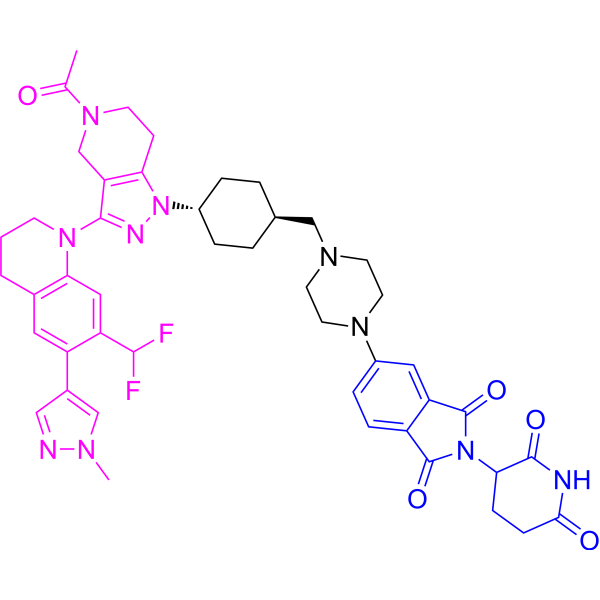
  • HY-177694

    PROTACs Androgen Receptor Cancer
    PROTAC AR Degrader-11 is a potent androgen receptor and androgen receptor splice variant-7 PROTAC degrader. PROTAC AR Degrader-11 shows potent cytotoxicity against both CWR22RV1 cells and VCaP cells. PROTAC AR Degrader-11 can be used in prostate cancer research . (Structure Note: Pink: Androgen Receptor ligand (HY-171809); Blue: CRBN ligand (HY-A0003); Black: linker (HY-169966))
    PROTAC AR Degrader-11
  • HY-160777A

    Galeterone 3β-imidazole dihydrochloride

    Molecular Glues Androgen Receptor MNK Apoptosis Cancer
    VNPP433-3β (Galeterone 3β-imidazole) dihydrochloride is an orally active molecular glue degrader, which degrades androgen receptor (AR) and its splice variants (AR-Vs) and MAP kinase-interacting serine/threonine protein kinase Mnk1/2. VNPP433-3β dihydrochloride induces cell apoptosis. VNPP433-3β dihydrochloride inhibits tumor growth in the CWR22Rv1 xenograft mouse model. VNPP433-3β dihydrochloride can be used for the study of castration resistant prostate cancer (CRPC) and pancreatic ductal adenocarcinoma (PDAC) .
    VNPP433-3β dihydrochloride
  • HY-160777B

    Galeterone 3β-imidazole hydrochloride

    Molecular Glues Androgen Receptor MNK Apoptosis Cancer
    VNPP433-3β (Galeterone 3β-imidazole) hydrochloride is an orally active molecular glue degrader, which degrades androgen receptor (AR) and its splice variants (AR-Vs) and MAP kinase-interacting serine/threonine protein kinase Mnk1/2. VNPP433-3β hydrochloride induces cell apoptosis. VNPP433-3β hydrochloride inhibits tumor growth in the CWR22Rv1 xenograft mouse model. VNPP433-3β hydrochloride can be used for the study of castration resistant prostate cancer (CRPC) and pancreatic ductal adenocarcinoma (PDAC) .
    VNPP433-3β hydrochloride
  • HY-175248

    PSMA Cancer
    PSMA-DIM is a dimeric PSMA ligand with a Kd of 37.09 nM for LNCaP cells. PSMA-DIM can be radiolabeled with [ 68Ga]Ga to form [ 68Ga]Ga-PSMA-DIM. [ 68Ga]Ga-PSMA-DIM can effectively distinguish between cells and animal models with different expression levels of PSMA. [ 68Ga]Ga-PSMA-DIM exhibits high LNCaP cells uptake and tumor uptake peak values. PSMA-DIM can be used for the study of prostate cancer (PCa) .
    PSMA-DIM
  • HY-163609

    PROTACs Aldose Reductase Cancer
    PROTAC AKR1C3 degrader-1 (compound 5) is a potent AKR1C3 PROTAC degrader. PROTAC AKR1C3 degrader-1 decreases the protein expression of AKR1C3, AKR1C1/2, and ARv7. PROTAC AKR1C3 degrader-1 has the potential for the research of prostate cancer. (Blue:ubiquitin E3 ligase cereblon ligand (HY-A0003), Black: linker (HY-163647); Pink: AKR1C3 inhibitor (HY-163610)) .
    PROTAC AKR1C3 degrader-1
  • HY-163938A

    PROTACs Cancer
    PROTAC erf3a Degrader-2 (Compound C59) is an orally active PROTAC erf3a Degrader. PROTAC erf3a Degrader-2 inhibits protein expression of SRD5A3 and GSPT1(eRF3a). PROTAC erf3a Degrader-2 inhibits cancer cell proliferation (eg: 22Rv1). PROTAC erf3a Degrader-2 can be used for research of prostate cancer, ovarian cancer, liver cancer, cervical cancer, leukemia, breast cancer. (Red: erf3a ligand (HY-13778); Black: linker (HY-163960); Blue: E3 ligase ligand (HY-W763812)) .
    PROTAC erf3a Degrader-2
  • HY-153718

    Ligands for Target Protein for PROTAC CDK c-Myc Cancer
    KI-ARv-03 is a potent and selective ATP-competitive CDK9 inhibitor with an IC₅₀ of 0.15 μM (at 45 μM ATP), exhibiting over 130-fold selectivity against other CDKs (including CDK1-7). KI-ARv-03 reduces androgen receptor (AR)-driven transcription and proliferation in prostate cancer cells. KI-ARv-03 can be used for leukemia, pancreatic cancer, alveolar rhabdomyosarcoma (ARMS) and castration-resistant prostate cancer (CRPC) research. KI-ARv-03 is a ligand for target protein for PROTAC. KI-ARv-03 can be used to synthesize PROTAC KI-CDK9d-32 (HY-173523) [1][2].
    KI-ARv-03
  • HY-176836

    Endonuclease Cancer
    PNR-3-82 is a highly selective inhibitor of endonuclease G (EndoG) with an IC50 value of 0.61 μM against EndoG. As a non-competitive inhibitor, PNR-3-82 blocks EndoG-mediated DNA fragmentation. PNR-3-82 enhances the in vivo delivery efficiency of plasmid DNA and exhibits bioprotective effects against drug-related injuries and other cell/tissue damages. PNR-3-82 can be used in studies related to prostate cancer .
    PNR-3-82
  • HY-180804

    Epigenetic Reader Domain Cancer
    CZL-077 is a potent, selective, and orally active p300/CBP bromodomain (BRD) inhibitor (p300 IC50 = 0.034 μM, CBP IC50 = 0.052 μM) exhibiting high selectivity over the BRDs of BET proteins (BRD2/3/4). CZL-077 inhibits cell growth with IC50 values of 0.024 μM and 5.6 μM in OPM-2 and 22RV1 cells, respectively. CZL-077 shows antitumor efficacy in OPM-2 and 22RV1 xenograft mouse models. CZL-077 can be used for multiple myeloma and prostate cancer research .
    CZL-077
  • HY-122108

    LL-Z 1272-alpha

    Apoptosis Cancer
    Ilicicolin A is a potent anticancer agent. Ilicicolin A induces apoptosis. Ilicicolin A inhibits cell growth and colony formation. Ilicicolin A shows antitumor activity. Ilicicolin A has the potential for the research of prostate cancer .
    Ilicicolin A
  • HY-N16404

    Apoptosis Endogenous Metabolite Cancer
    Asperindole A is an indole-diterpene alkaloid. Asperindole A can be isolated from fungus Aspergillus sp. KMM 4676. Asperindole A induces Apoptosis. Asperindole A exerts cytotoxic activity against hormone-resistant and hormone-sensitive prostate cancer cells .
    Asperindole A
  • HY-183602

    DNA/RNA Synthesis Cancer
    FRC-303 is a CHD1 inhibitor with a Kd of 0.14 μM and an IC50 of 0.18 μM. FRC-303 binds to the H3K4me3 binding site of CHD1 tandem chromodomain, forms aromatic cage interactions and extended ligand contacts, acts as a methyl-lysine mimic, and occupies natural peptide ligand-binding regions. FRC-303 can be used for the research of prostate cancer .
    FRC-303

Inquiry Online

Your information is safe with us. * Required Fields.

Salutation


Country or Region *

Applicant Name *


Organization Name *

Department *


Email Address *


Product Name *

Cat. No.


Requested quantity *

Phone Number *


Remarks

Inquiry Online

Inquiry Information

Product Name:
Cat. No.:
Quantity:
MCE Japan Authorized Agent:

