Search Result
Results for "
Anti-hyperglycemic
" in MedChemExpress (MCE) Product Catalog:
6
Isotope-Labeled Compounds
| Cat. No. |
Product Name |
Target |
Research Areas |
Chemical Structure |
-
- HY-N0669
-
-
-
- HY-B0089
-
Acarbose
Maximum Cited Publications
10 Publications Verification
BAY g 5421
|
Glycosidase
|
Infection
Metabolic Disease
Cancer
|
|
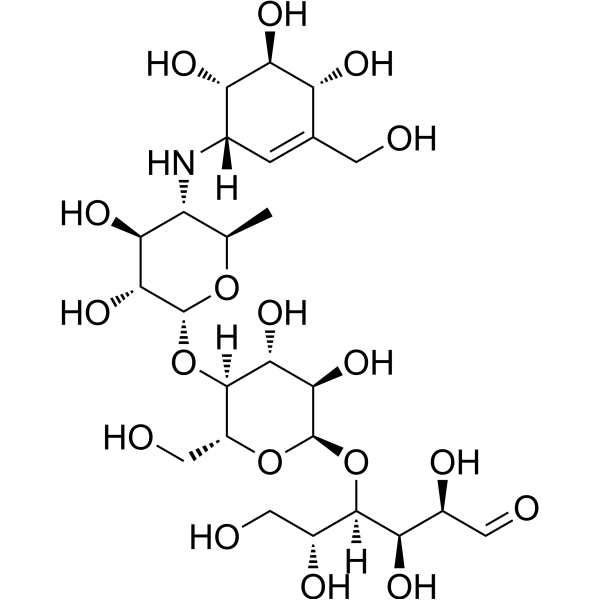
Acarbose (BAY g 5421), antihyperglycemic agent, is an orally active alpha-glucosidase inhibitor (IC50=11 nM). Acarbose can potentiate the hypoglycemic effects of sulfonylureas or insulin .
|
-
-
- HY-14860
-
|
Duvoglustat
|
Glycosidase
PI3K
|
Metabolic Disease
|
|
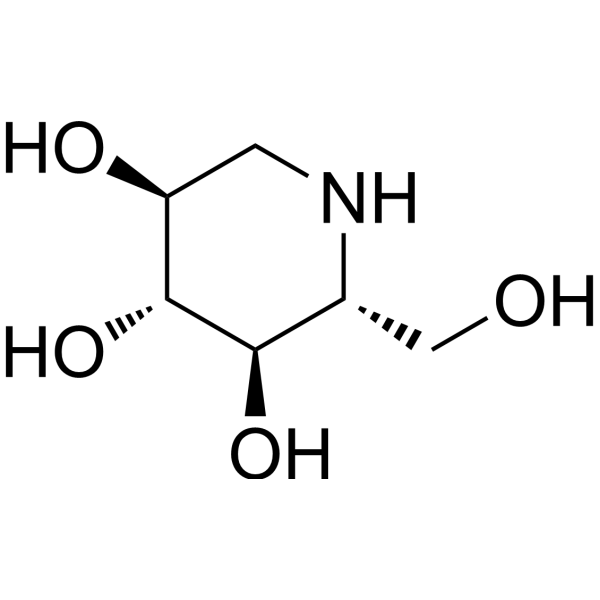
1-Deoxynojirimycin (Duvoglustat) is a potent and orally active α-glucosidase inhibitor. 1-Deoxynojirimycin suppresses postprandial blood glucose and is widely used for diabetes mellitus. 1-Deoxynojirimycin possesses antihyperglycemic, anti-obesity, and antiviral features .
|
-
-
- HY-N0547
-
Nomilin
2 Publications Verification
|
Others
|
Metabolic Disease
|
|
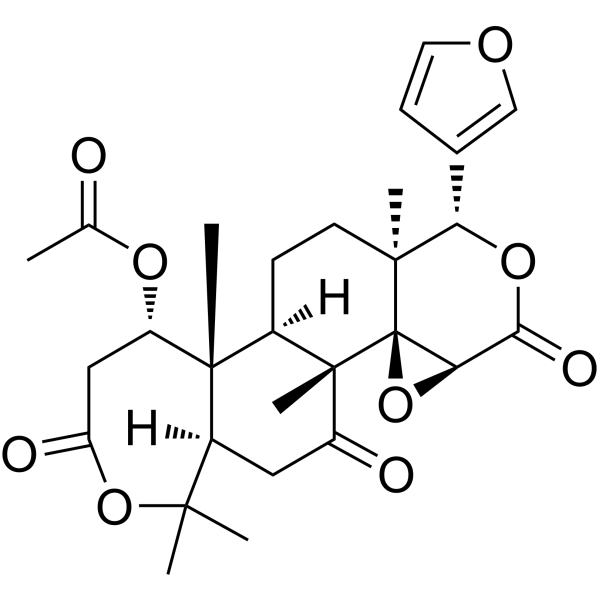
Nomilin is a limonoid compound obtained from the extracts of citrus fruits. Nomilin is an anti-obesity and anti-hyperglycemic agent .
|
-
-
- HY-14291
-
|
LAF237; NVP-LAF 237
|
Dipeptidyl Peptidase
Ferroptosis
Apoptosis
|
Metabolic Disease
Cancer
|
|
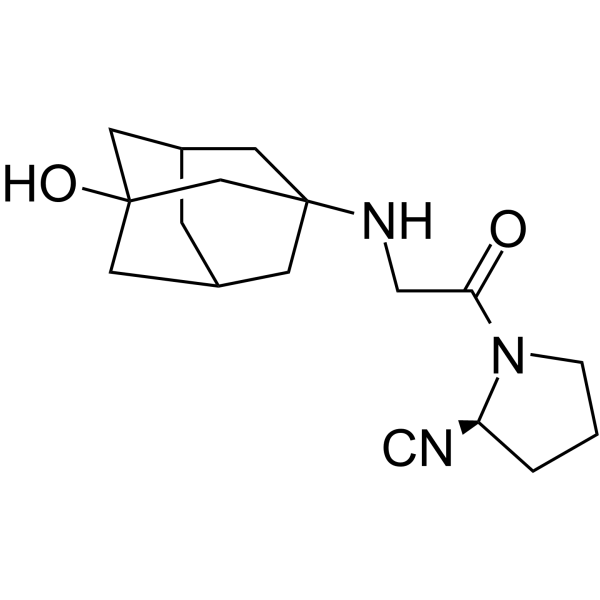
Vildagliptin (LAF237) is a potent, stable, selective dipeptidyl peptidase IV (DPP-IV) inhibitor with an IC50 of 3.5 nM in human Caco-2 cells. Vildagliptin possesses excellent oral bioavailability and potent antihyperglycemic activity .
|
-
-
- HY-N0472
-
-
-
- HY-14860A
-
|
Duvoglustat hydrochloride
|
Glycosidase
PI3K
Bacterial
Antibiotic
|
Infection
Metabolic Disease
|
|
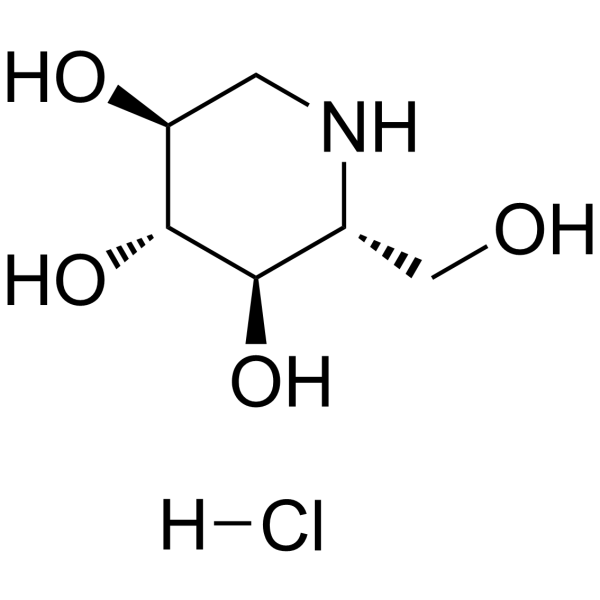
1-Deoxynojirimycin hydrochloride (Duvoglustat hydrochloride) is a potent and orally active α-glucosidase inhibitor. 1-Deoxynojirimycin hydrochloride suppresses postprandial blood glucose and is widely used for diabetes mellitus. 1-Deoxynojirimycin hydrochloride possesses antihyperglycemic, anti-obesity, and antiviral features .
|
-
-
- HY-16482
-
-
-
- HY-Y0399
-
|
Norvaline
|
Amyloid-β
TNF Receptor
Arginase
|
Neurological Disease
Metabolic Disease
|
|
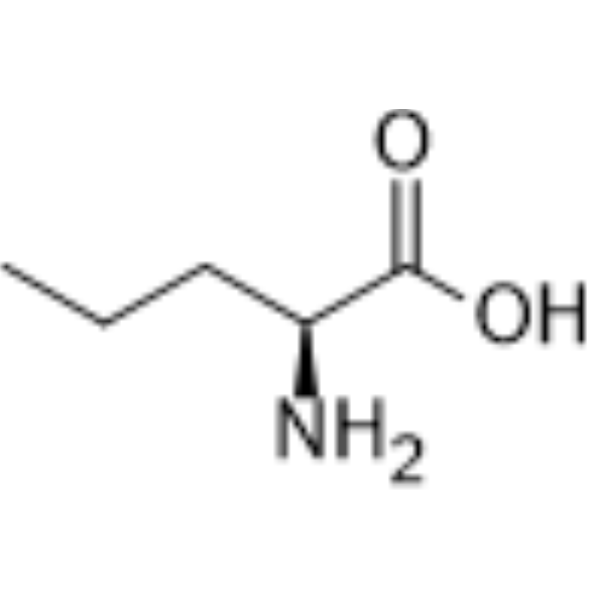
L-Norvaline is the inhibitor for arginase, that promotes the production of NO, reduces oxidative stress, improves insulin resistance, and exhibits antioxidant and anti-hyperglycemic effects. L-Norvaline can be used in research of Alzheimer’s disease .
|
-
-
- HY-109500
-
|
meso-Nordihydroguaiaretic acid; meso-NDGA
|
Lipoxygenase
|
Metabolic Disease
Cancer
|
|
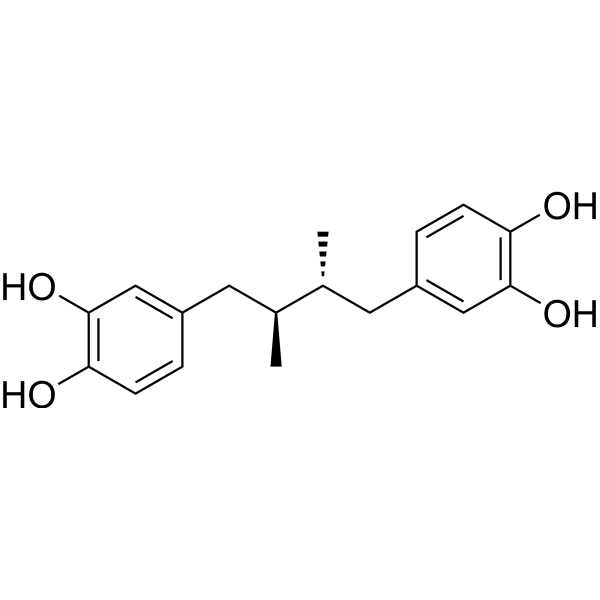
Masoprocol (meso-Nordihydroguaiaretic acid) is a potent and orally active lipoxygenase inhibitor. Masoprocol shows antihyperglycemic activity. Masoprocol decreases the glucose concentration and hepatic triglyceride in vivo. Masoprocol has the potential for the research of type II diabetes .
|
-
-
- HY-N2534
-
-
-
- HY-N1390
-
|
|
COX
|
Metabolic Disease
Inflammation/Immunology
|
|
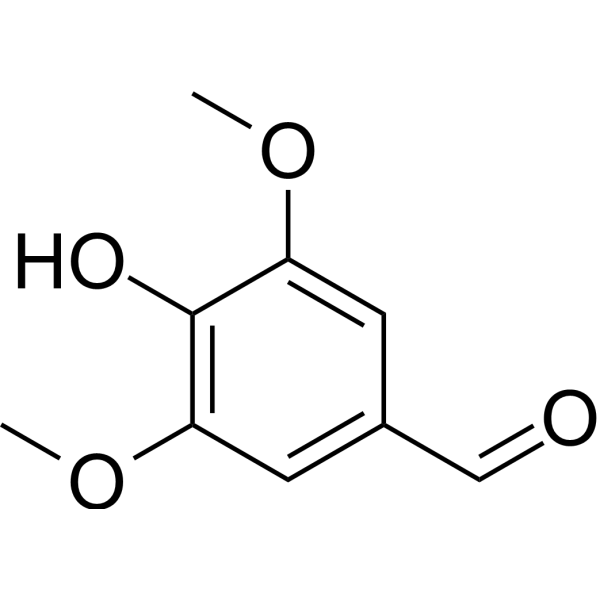
Syringaldehyde is a polyphenolic compound belonging to the group of flavonoids and is found in different plant species like Manihot esculenta and Magnolia officinalis . Syringaldehyde moderately inhibits COX-2 activity with an IC50 of 3.5 μg/mL . Anti-hyperglycemic and anti-inflammatory activities .
|
-
-
- HY-N6660
-
|
Tricaprin; Glyceryl tridecanoate
|
Endogenous Metabolite
Androgen Receptor
|
Cardiovascular Disease
Metabolic Disease
|
|
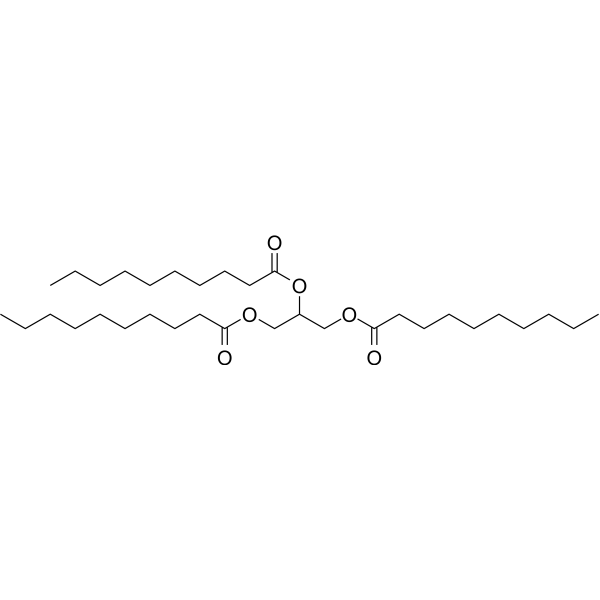
Trisdecanoin (Tricaprin; Glyceryl tridecanoate) is an orally available precursor of decanoic acid (DA precursor) that can be hydrolyzed to decanoic acid. Trisdecanoin and its metabolite capric acid not only provide the body with a quick source of energy, but can also affect lipid metabolism. Trisdecanoin is a major component of medium chain triglycerides (MCT), which has preventive or inhibitory properties for abdominal aortic aneurysms (AAA), inhibition of cardiovascular disease, and anti-androgen (NSAA) and anti-hyperglycemic properties. Trisdecanoin can be used as an additive in food, medicine and cosmetics .
|
-
-
- HY-N2168
-
|
(+)-Pinoresinol 4-O-β-D-glucopyranoside
|
Glycosidase
Estrogen Receptor/ERR
Phosphodiesterase (PDE)
|
Neurological Disease
Metabolic Disease
Cancer
|
|
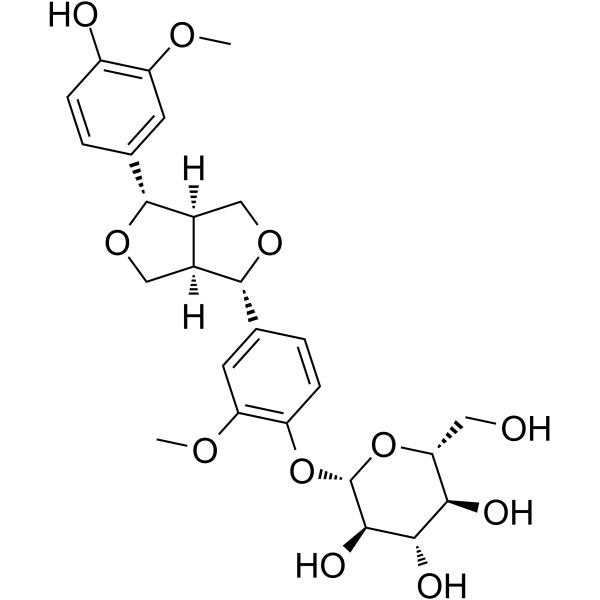
Pinoresinol 4-O-β-D-glucopyranoside ((+)-Pinoresinol 4-O-β-D-glucopyranoside) is an orally active α-glucosidase inhibitor, with an IC50 of 48.13 μg/mL. Pinoresinol 4-O-β-D-glucopyranoside binds to estrogen receptors. Pinoresinol 4-O-β-D-glucopyranoside inhibits phosphodiesterase. Pinoresinol 4-O-β-D-glucopyranoside exhibits various activities such as antioxidant, anti-inflammatory, anti-hyperglycemic, hepatoprotective and anti-epileptic effects .
|
-
-
- HY-P10271
-
|
NNC0090-2746; MAR709; RO6811135
|
GLP Receptor
|
Metabolic Disease
|
|
RG7697 is a dual agonist for glucagon-like peptide receptor (GLP Receptor) and glucosedependent insulinotropic polypeptide receptor (GIPR), with EC50 of 5 and 3 pM, respectively. RG7697 exhibits antihyperglycemic property .
|
-
-
- HY-121006
-
|
|
Mitochondrial Metabolism
AMPK
Insulin Receptor
|
Metabolic Disease
Cancer
|
|
Biguanide is an orally active antihyperglycemic agent. Biguanide inhibits mitochondrial ATP production, activates the LKB1-AMPK signaling pathway, and damages the energy homeostasis. Biguanide enhances insulin-receptor activation and downstream signaling. Biguanide exhibits potential in ameliorating the type 2 diabetes and the insulin-associated cancers.
|
-
-
- HY-N7133
-
|
N-Phenylaniline hydrochloride
|
Fungal
Bacterial
|
Metabolic Disease
|
|
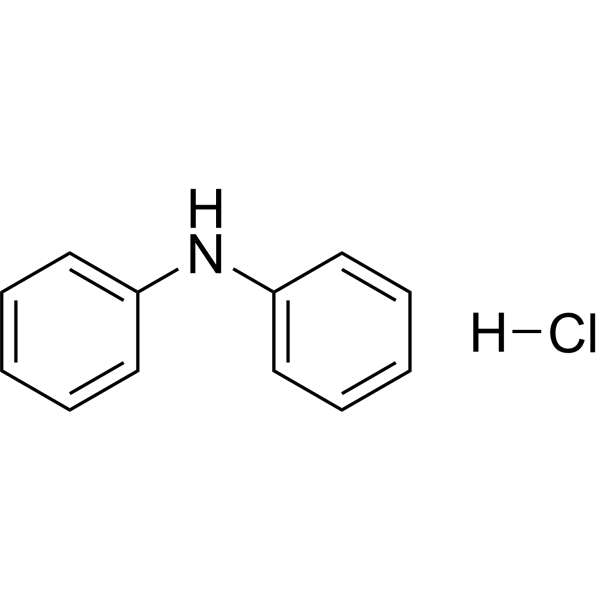
Diphenylamine hydrochloride (N-Phenylaniline hydrochloride) is an antihyperglycemic agent with oral activity and a common structure in non-steroidal anti-inflammatory drugs (NSAIDs) that uncouples oxidative phosphorylation in mitochondria, leading to a decrease in hepatic cell ATP levels and causing liver cell damage. Diphenylamine hydrochloride is also an industrial antioxidant, a dyeing mordant, and is used in agriculture as an antifungal and antibacterial agent .
|
-
-
- HY-146128
-
|
|
Glycosidase
|
Metabolic Disease
|
|
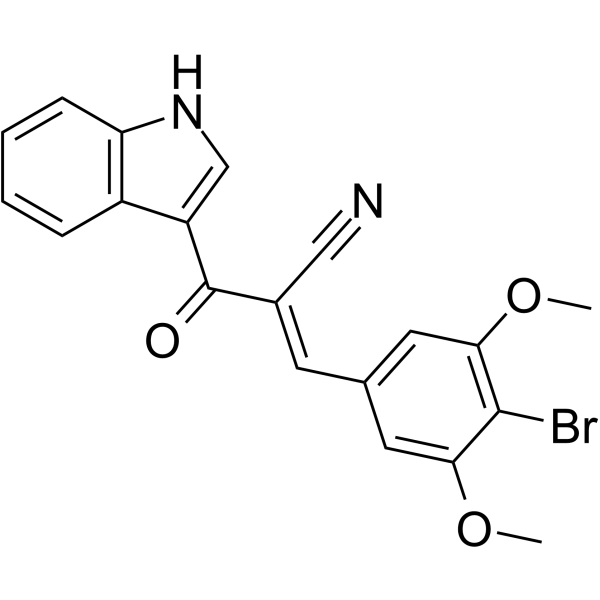
Anti-hyperglycemic agent-1 (compound 10) is a potent α-Glucosidase inhibitor, with an IC50 of 0.53 μM. Anti-hyperglycemic agent-1 can be used for diabetes research .
|
-
-
- HY-131334
-
|
|
AMPK
|
Metabolic Disease
|
|
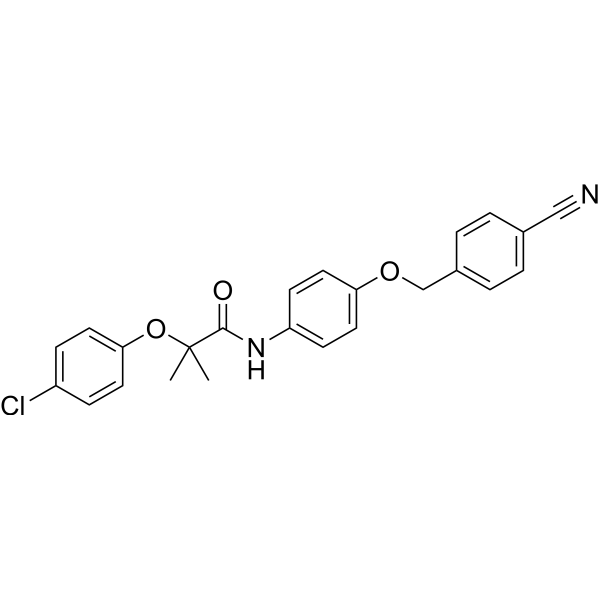
AMPK activator 4 is a potent AMPK activator without inhibition of mitochondrial complex I. AMPK activator 4 selectively activates AMPK in the muscle tissues. AMPK activator 4 dose-dependently improves glucose tolerance in normal mice, and significantly lowers fasting blood glucose level and ameliorates insulin resistance in db/db diabetic mice. Anti-hyperglycemic effect .
|
-
-
- HY-110118
-
|
|
PPAR
|
Metabolic Disease
|
|
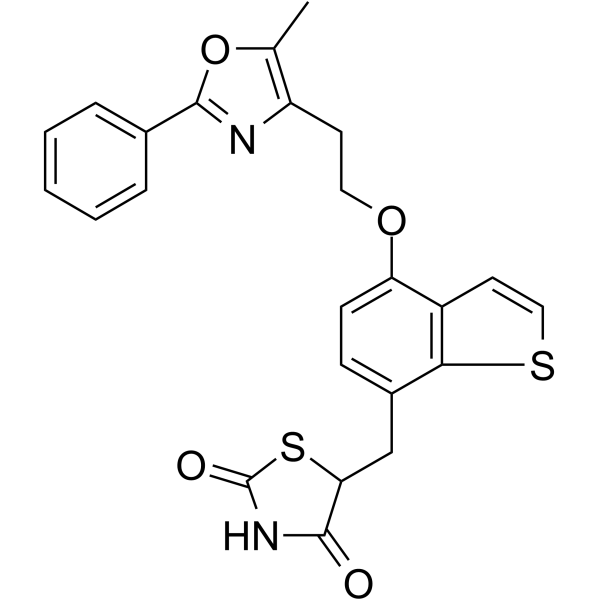
Edaglitazone is a potent, selective and orally active PPARγ agonist, with EC50s of 35.6 nM and 1053 nM for PPARα and PPARγ, respectively. Edaglitazone displays antiplatelet, antidiabetic and anti-hyperglycemic activity .
|
-
-
- HY-131488
-
|
|
Others
|
Metabolic Disease
|
|
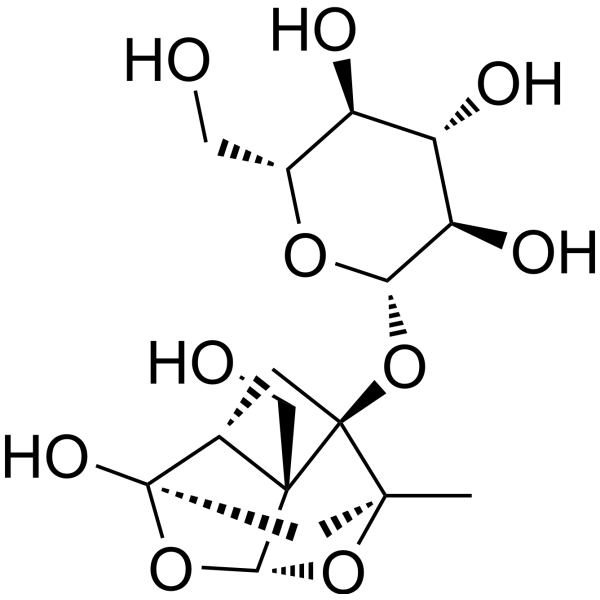
8-Debenzoylpaeoniflorin, a monoterpene glycoside, is a natural product that could be isolated from the dried root of Paeonia lactiflora Pall. 8-Debenzoylpaeoniflorin has antihyperglycemic activity .
|
-
-
- HY-N1185
-
|
|
Others
|
Metabolic Disease
|
|
Tagitinin A is a sesquiterpene with anti-hyperglycemic activity. Tagitinin A significantly inhibits glucose uptake in differentiated 3T3-L1 adipocytes .
|
-
-
- HY-133127
-
|
|
Glucokinase
|
Metabolic Disease
|
|
AR453588 is a potent and orally bioavailable anti-diabetic glucokinase activator, with an EC50 of 42 nM. AR453588 shows anti-hyperglycemic activity .
|
-
-
- HY-12608
-
|
JNJ-39933673
|
SGLT
|
Metabolic Disease
|
|
TA-1887 (JNJ-39933673) is a highly potent, selective and orally active SGLT2 inhibitor (IC50: 1.4 nM) with antihyperglycemic effects. TA-1887 can be used in the research of diabetes .
|
-
-
- HY-B0089R
-
|
BAY g 5421 (Standard)
|
Reference Standards
Glycosidase
|
Metabolic Disease
Cancer
|
|
Acarbose (Standard) is the analytical standard of Acarbose. This product is intended for research and analytical applications. Acarbose (BAY g 5421), antihyperglycemic agent, is an orally active alpha-glucosidase inhibitor (IC50=11 nM). Acarbose can potentiate the hypoglycemic effects of sulfonylureas or insulin .
|
-
-
- HY-W068771
-
|
|
Endogenous Metabolite
|
Neurological Disease
Metabolic Disease
|
|
(E)-3-(4-Methoxyphenyl)acrylic acid (compound 3) is isolated from Arachis hypogaea, Scrophularia buergeriana Miquel, Aquilegia vulgaris, Anigozanthos preissii and so on. (E)-3-(4-Methoxyphenyl)acrylic acid shows significant hepatoprotective activity, anti-amnesic, cognition-enhancing activity, antihyperglycemic, and neuroprotective activities .
|
-
-
- HY-14860R
-
|
Duvoglustat (Standard)
|
Reference Standards
Glycosidase
PI3K
|
Metabolic Disease
|
|
1-Deoxynojirimycin (Standard) is the analytical standard of 1-Deoxynojirimycin. This product is intended for research and analytical applications. 1-Deoxynojirimycin (Duvoglustat) is a potent and orally active α-glucosidase inhibitor. 1-Deoxynojirimycin suppresses postprandial blood glucose and is widely used for diabetes mellitus. 1-Deoxynojirimycin possesses antihyperglycemic, anti-obesity, and antiviral features .
|
-
-
- HY-W197205
-
|
|
Sirtuin
Histone Acetyltransferase
PEPCK
|
Metabolic Disease
|
|
SL010110 is an anti-hyperglycemic agent. SL010110 potently inhibits gluconeogenesis by inhibiting SIRT2, activating p300, and subsequently promoting PEPCK1 degradation. SL010110 downregulates the protein level of PEPCK1 without affecting the gene expressions of PEPCK, glucose-6-phosphatase, and fructose-1,6-bisphosphatase. SL010110 significantly improves glucose homeostasis in type 2 diabetic (T2D) mice model. SL010110 can be used for T2D research .
|
-
-
- HY-A0176
-
-
-
- HY-N0336A
-
|
(Z)-Butylidenephthalide
|
Glycosidase
|
Metabolic Disease
|
|
(Z)-3-Butylidenephthalide is an antihyperglycemic agent by inhibiting the activity of intestinal and yeast R-glucosidases (IC50=2.35 mM; Ki=4.86 mM) .
|
-
-
- HY-N0669R
-
-
-
- HY-Y0399S
-
-
-
- HY-Y0399R
-
|
|
Amyloid-β
Reference Standards
TNF Receptor
Arginase
|
Neurological Disease
Metabolic Disease
|
|
L-Norvaline (Standard) is the analytical standard of L-Norvaline (HY-Y0399). This product is intended for research and analytical applications. L-Norvaline is the inhibitor for arginase, that promotes the production of NO, reduces oxidative stress, improves insulin resistance, and exhibits antioxidant and anti-hyperglycemic effects. L-Norvaline can be used in research of Alzheimer’s disease .
|
-
-
- HY-12611
-
|
GW-869682X
|
SGLT
|
Metabolic Disease
|
|
Sergliflozin etabonate (GW-869682X) is a potent and orally active sodium glucose cotransporter (SGLT2) inhibitor. Sergliflozin etabonate shows antidiabetic and antihyperglycemic effects. Sergliflozin etabonate significantly reduces non-fasting blood glucose levels in diabetic mice. Sergliflozin etabonate has the potential for the research of diabetes .
|
-
-
- HY-178935
-
|
|
Amylases
Reactive Oxygen Species (ROS)
|
Metabolic Disease
Inflammation/Immunology
|
|
α-Amylase-IN-14, a derivative of Nicotinic (HY-B0143), is an α-amylase inhibitor and has good interactions with α-amylase protein (-5.55 kcal/mol). α-Amylase-IN-14 is a dual anti-inflammatory and anti-hyperglycemic agent. α-Amylase-IN-14 exhibits good results against DPPH and ABTS radicals. α-Amylase-IN-14 can be used for the study of diabetes .
|
-
-
- HY-N3078
-
|
|
Glycosidase
|
Endocrinology
Cancer
|
|
p-Hydroxyphenethyl trans-ferulate has anti-hyperglycemic (yeast α-glucosidase, IC50=19.24 ± 1.73 µM), antioxidant, and anti-inflammatory activities . p-Hydroxyphenethyl trans-ferulate shows inhibiting anticancer and serotonergic activity .
|
-
-
- HY-168989
-
|
|
SGLT
|
Metabolic Disease
|
|
Olorigliflozin is a sodium glucose co-transporter inhibitor with anti-hyperglycemic effects .
|
-
-
- HY-N8018
-
-
-
- HY-133127A
-
|
|
Glucokinase
|
Metabolic Disease
|
|
AR453588 hydrochloride is a potent and orally bioavailable anti-diabetic glucokinase activator, with an EC50 of 42 nM. AR453588 hydrochloride shows anti-hyperglycemic activity .
|
-
-
- HY-156380
-
|
|
Amylases
Glycosidase
|
Metabolic Disease
|
|
α-Amylase/α-Glucosidase-IN-6 (compound 5j) is a potent dual inhibitor of α-amylase and α-glucosidase, with IC50s of 17.0 and 40.1 µM, respectively. α-Amylase/α-Glucosidase-IN-6 exhibits anti-hyperglycemic activities .
|
-
-
- HY-N0547R
-
|
|
Apoptosis
IKK
TNF Receptor
Reference Standards
|
Metabolic Disease
|
|
Nomilin (Standard) is the analytical standard of Nomilin. This product is intended for research and analytical applications. Nomilin is a limonoid compound obtained from the extracts of citrus fruits. Nomilin is an anti-obesity and anti-hyperglycemic agent .
|
-
-
- HY-19176
-
|
|
Insulin Receptor
|
Metabolic Disease
|
|
S-15261 is an orally active and potent anti-hyperglycemic agent. S-15261 reduces hepatic glucose production through direct and insulin-sensitizing effects. S-15261 can be used for the research of insulin resistance syndrome .
|
-
-
- HY-14291A
-
|
LAF237 dihydrate; NVP-LAF 237 dihydrate
|
Dipeptidyl Peptidase
Ferroptosis
Apoptosis
|
Metabolic Disease
Cancer
|
|
Vildagliptin dihydrate (LAF237 dihydrate) is a potent, stable, selective dipeptidyl peptidase IV (DPP-IV) inhibitor with an IC50 of 3.5 nM in human Caco-2 cells. Vildagliptin dihydrate possesses excellent oral bioavailability and potent antihyperglycemic activity .
|
-
-
- HY-14291S1
-
-
-
- HY-14291S
-
-
-
- HY-14291R
-
|
LAF237 (Standard); NVP-LAF 237 (Standard)
|
Reference Standards
Dipeptidyl Peptidase
Ferroptosis
Apoptosis
|
Metabolic Disease
|
|
Vildagliptin (Standard) is the analytical standard of Vildagliptin. This product is intended for research and analytical applications. Vildagliptin (LAF237) is a potent, stable, selective dipeptidyl peptidase IV (DPP-IV) inhibitor with an IC50 of 3.5 nM in human Caco-2 cells. Vildagliptin possesses excellent oral bioavailability and potent antihyperglycemic activity .
|
-
-
- HY-169821
-
|
|
SGLT
|
Metabolic Disease
|
|
SGLT1/2-IN-8 (compound 8) is a potent and orally active SGLT1/2 dual inhibitor with IC50 values of 4 nM and 1 nM, respectively. SGLT1/2-IN-8 exhibits anti-hyperglycemic effects and can be utilized in relevant research .
|
-
-
- HY-168719
-
|
|
PPAR
|
Inflammation/Immunology
|
|
PPARγ agonist 16 (Compound 4G) is the agonist for PPARγ, that competitively binds to LBD domain of PPARγ with IC50 of 1790 nM. PPARγ agonist 16 inhibits the ear swelling in mouse model, and exhibits anti-hyperglycemic in Streptozotocin (HY-13753)-induced mouse diabetes mellitus model .
|
-
-
- HY-14291S2
-
|
LAF237-13C5,15N; NVP-LAF 237-13C5,15N
|
Isotope-Labeled Compounds
Dipeptidyl Peptidase
Apoptosis
Ferroptosis
|
Metabolic Disease
|
|
Vildagliptin- 13C5, 15N (LAF237- 13C5, 15N; NVP-LAF 237- 13C5, 15N) is a 13C- and 15N-labeled Vildagliptin (HY-14291). Vildagliptin (LAF237) is a potent, stable, selective dipeptidyl peptidase IV (DPP-IV) inhibitor with an IC50 of 3.5 nM in human Caco-2 cells. Vildagliptin possesses excellent oral bioavailability and potent antihyperglycemic activity .
|
-
-
- HY-170943
-
|
|
AMPK
GLUT
|
Metabolic Disease
|
Antidiabetic agent 7 (Compound 5m) is hyperglycemic inhibitor. Antidiabetic agent 7 exhibits promising potency to stimulate GLUT4 translocation in skeletal muscle cells via activating AMPK-dependent pathway. Antidiabetic agent 7 reduces blood glucose levels. Antidiabetic agent 7 shows favorable pharmacokinetic properties. Antidiabetic agent 7 is potential to be used for anti-hyperglycemic research .
|
-
- HY-N2534R
-
-
- HY-N0472R
-
-
- HY-N13082
-
|
|
Others
|
Metabolic Disease
|
|
Deacetylescin Ia (compound 12) is a deacetylated compound with anti-hyperglycemic effects that can be extracted from the debittered Aesculus and deacetylated at the C-22 position. Deacetylescin Ia (100 mg/kg) can inhibit blood glucose elevation in mouse glucose tolerance tests .
|
-
- HY-N1390R
-
|
|
Reference Standards
COX
|
Metabolic Disease
Inflammation/Immunology
|
|
Syringaldehyde (Standard) is the analytical standard of Syringaldehyde. This product is intended for research and analytical applications. Syringaldehyde is a polyphenolic compound belonging to the group of flavonoids and is found in different plant species like Manihot esculenta and Magnolia officinalis . Syringaldehyde moderately inhibits COX-2 activity with an IC50 of 3.5 μg/mL . Anti-hyperglycemic and anti-inflammatory activities .
|
-
- HY-N6660R
-
|
Tricaprin (Standard); Glyceryl tridecanoate (Standard)
|
Reference Standards
Endogenous Metabolite
Androgen Receptor
|
Metabolic Disease
|
|
Trisdecanoin (Standard) is the analytical standard of Trisdecanoin. This product is intended for research and analytical applications. Trisdecanoin (Tricaprin; Glyceryl tridecanoate) is an orally available precursor of decanoic acid (DA precursor) that can be hydrolyzed to decanoic acid. Trisdecanoin and its metabolite capric acid not only provide the body with a quick source of energy, but can also affect lipid metabolism. Trisdecanoin is a major component of medium chain triglycerides (MCT), which has preventive or inhibitory properties for abdominal aortic aneurysms (AAA), inhibition of cardiovascular disease, and anti-androgen (NSAA) and anti-hyperglycemic properties. Trisdecanoin can be used as an additive in food, medicine and cosmetics .
|
-
- HY-N2168R
-
|
(+)-Pinoresinol 4-O-β-D-glucopyranoside (Standard)
|
Glycosidase
Reference Standards
Estrogen Receptor/ERR
Phosphodiesterase (PDE)
|
Neurological Disease
Metabolic Disease
Cancer
|
|
Pinoresinol 4-O-β-D-glucopyranoside (Standard) is the analytical standard of Pinoresinol 4-O-β-D-glucopyranoside (HY-N2168). This product is intended for research and analytical applications. Pinoresinol 4-O-β-D-glucopyranoside is an orally active α-glucosidase inhibitor, with an IC50 of 48.13 μg/mL. Pinoresinol 4-O-β-D-glucopyranoside binds to estrogen receptors. Pinoresinol 4-O-β-D-glucopyranoside inhibits phosphodiesterase. Pinoresinol 4-O-β-D-glucopyranoside exhibits various activities such as antioxidant, anti-inflammatory, anti-hyperglycemic, hepatoprotective and anti-epileptic effects .
|
-
- HY-147711
-
|
|
Glycosidase
|
Metabolic Disease
|
|
α-Amylase/α-Glucosidase-IN-1 (compound 33) is a potent α-amylase/α-glucosidase inhibitor with IC50s of 2.01, 2.09 µM for α-amylase and α-glucosidase, respectively. Kinetic studies predict that α-Amylase/α-Glucosidase-IN-1 has the potential of anti hyperglycemia .
|
-
- HY-101782
-
|
|
SGLT
|
Metabolic Disease
|
|
HSK0935 is a potent, highly selective and orally available SGLT2 inhibitor with an IC50 of 1.3 nM. Antihyperglycemic activities .
|
-
- HY-151135
-
|
|
Glycosidase
|
Metabolic Disease
|
|
α-Glucosidase-IN-15 (Compound 14B) is a potent, orally active α-glucosidase inhibitor with an IC50 of 3.34 μM. α-Glucosidase-IN-15 shows antidiabetic activity .
|
-
- HY-N10362
-
|
|
Dipeptidyl Peptidase
|
Metabolic Disease
|
|
Ellipyrone B, an antihyperglycemic γ-pyrone enclosed macrocyclic polyketide, shows inhibition potential against dipeptidyl peptidase-4 (IC50=0.48 mM) .
|
-
- HY-126807
-
|
|
GPR119
|
Metabolic Disease
|
|
AS1907417 is a novel GPR119 agonist with an oral activity. AS1907417 is a modified form of AS1269574. AS1907417 has antihyperglycemic and can be used in the research of type 2 diabetes .
|
-
- HY-157390
-
-
- HY-109060
-
|
ZYDPLA1
|
Dipeptidyl Peptidase
|
Metabolic Disease
|
|
Garvagliptin (ZYDPLA1) is an orally active, competitive and long acting DPP4 Inhibitor, with an IC50 of 2.99 nM against human recombinant DPP IV. Garvagliptin (ZYDPLA1) exhibits antihyperglycemic effect .
|
-
- HY-19394
-
|
|
PPAR
|
Metabolic Disease
|
|
CLX-0921 is an orally active PPARγ agonist with an IC50 of 1.54 μM. CLX-0921 has a potent antihyperglycemic activity, and can be used for the study of type 2 diabetes .
|
-
- HY-B0089A
-
|
Bay-g 5421 sulfate
|
Glycosidase
|
Cardiovascular Disease
Metabolic Disease
Cancer
|
|
Acarbose (BAY g 5421) sulfate, antihyperglycemic agent, is an orally active alpha-glucosidase inhibitor (IC50=11 nM). Acarbose sulfate can potentiate the hypoglycemic effects of sulfonylureas or insulin .
|
-
- HY-111294
-
|
|
Dipeptidyl Peptidase
|
Metabolic Disease
|
|
ASP4000 hydrochloride is a potent, competitive, selective, orally active DPP4 inhibitor with an IC50 value of 2.25 nM against human recombinant DPP4. ASP4000 hydrochloride shows antihyperglycemic activity. ASP4000 hydrochloride can be used in the research of type 2 diabetes .
|
-
- HY-123171
-
|
|
Dipeptidyl Peptidase
|
Metabolic Disease
|
|
ASP8497 is a competitive dipeptidyl peptidase IV (DPP-IV) inhibitor that reduces blood glucose levels and increases plasma active GLP-1 and insulin levels without causing hypoglycemia in fasted normal mice. ASP8497 can be utilized for antihyperglycemic research .
|
-
- HY-121323R
-
|
|
Reference Standards
Apoptosis
|
Neurological Disease
Inflammation/Immunology
Cancer
|
|
Acarbose (Standard) is the analytical standard of Acarbose. This product is intended for research and analytical applications. Acarbose (BAY g 5421), antihyperglycemic agent, is an orally active alpha-glucosidase inhibitor (IC50=11 nM). Acarbose can potentiate the hypoglycemic effects of sulfonylureas or insulin .
|
-
- HY-19394A
-
|
|
PPAR
|
Metabolic Disease
|
|
(E)-CLX-0921 is the E-isomer of CLX-0921 (HY-19394). CLX-0921 is an orally active PPARγ agonist with an IC50 of 1.54 μM. CLX-0921 has a potent antihyperglycemic activity, and can be used for the study of type 2 diabetes .
|
-
- HY-109500R
-
|
meso-Nordihydroguaiaretic acid (Standard); meso-NDGA (Standard)
|
Lipoxygenase
Reference Standards
|
Metabolic Disease
Cancer
|
|
Masoprocol (Standard) is the analytical standard of Masoprocol. This product is intended for research and analytical applications. Masoprocol (meso-Nordihydroguaiaretic acid) is a potent and orally active lipoxygenase inhibitor. Masoprocol shows antihyperglycemic activity. Masoprocol decreases the glucose concentration and hepatic triglyceride in vivo. Masoprocol has the potential for the research of type II diabetes .
|
-
- HY-B0089S
-
|
BAY g 5421-d4
|
Isotope-Labeled Compounds
Glycosidase
|
Metabolic Disease
Cancer
|
|
Acarbose-d4 (BAY g 5421-d4) is deuterium labeled Acarbose. Acarbose (BAY g 5421), antihyperglycemic agent, is an orally active alpha-glucosidase inhibitor (IC50=11 nM). Acarbose can potentiate the hypoglycemic effects of sulfonylureas or insulin .
|
-
- HY-W068771R
-
|
|
Reference Standards
Endogenous Metabolite
|
Neurological Disease
Metabolic Disease
|
|
(E)-3-(4-Methoxyphenyl)acrylic acid (compound 3) is isolated from Arachis hypogaea, Scrophularia buergeriana Miquel, Aquilegia vulgaris, Anigozanthos preissii and so on. (E)-3-(4-Methoxyphenyl)acrylic acid shows significant hepatoprotective activity, anti-amnesic, cognition-enhancing activity, antihyperglycemic, and neuroprotective activities .
|
-
- HY-14291B
-
|
(2R)-LAF237; (2R)-NVP-LAF 237
|
Dipeptidyl Peptidase
|
Metabolic Disease
|
|
(2R)-Vildagliptin is the isomer of Vildagliptin (HY-14291), and can be used as an experimental control. Vildagliptin (LAF237) is a potent, stable, selective dipeptidyl peptidase IV (DPP-IV) inhibitor with an IC50 of 3.5 nM in human Caco-2 cells. Vildagliptin possesses excellent oral bioavailability and potent antihyperglycemic activity .
|
-
- HY-14291S5
-
-
- HY-U00346A
-
|
|
Dipeptidyl Peptidase
|
Metabolic Disease
|
|
TS-021 is a selective,orally active,reversible and long-acting DPP-IV inhibitor,and exhibits significant inhibition selectivity against DPP-8 (> 600 fold),DPP-9 (> 1200 fold) and other peptidases (> 15,000 fold). TS-021 inhibits DPP-IV activity in human plasma with an IC50 value of 5.34 nM. TS-021 has long-term persistent plasma drug concentration and potent antihyperglycemic activity,and increases in the active form of GLP-1 .
|
-
- HY-N17761A
-
|
|
Others
|
Metabolic Disease
|
|
Tetrandrine 2'-N-β-oxide is an anti-hyperglycemic dibenzylisoquinoline alkaloid. At a dose of 1 mg/kg, Tetrandrine 2'-N-β-oxide can reduce hyperglycemia levels in streptozotocin (HY-13753)-induced diabetic mice to nearly 50% of their original levels. Tetrandrine 2'-N-β-oxide is primarily used in research related to the anti-hyperglycemic of type 2 diabetes.
|
-
- HY-N9821
-
|
|
Glycosidase
|
Metabolic Disease
|
|
Giffonin P is a selective inhibitor targeting α-glucosidase with an IC50 of 55.3 μM. Giffonin P delays carbohydrate hydrolysis and glucose absorption, exerting anti-hyperglycemic activity. Giffonin P reduces postprandial blood glucose levels and is primarily used in research on type 2 diabetes .
|
-
- HY-179729
-
|
|
Glycosidase
|
Metabolic Disease
|
|
α-Glucosidase-IN-106 (Compound 17F) is an inhibitor of α-glucosidase with an IC50 of 14.9 μM. α-Glucosidase-IN-106 can effectively inhibit the peak of blood glucose after sucrose loading in normal mice, and shows a more significant anti-hyperglycemic effect in diabetic mice. α-Glucosidase-IN-106 can be used for research on diabetes .
|
-
- HY-W800535
-
|
|
NF-κB
p38 MAPK
mTOR
Topoisomerase
AMPK
Apoptosis
Cholinesterase (ChE)
HIF/HIF Prolyl-Hydroxylase
β-catenin
|
Infection
Metabolic Disease
Inflammation/Immunology
Cancer
|
|
Cryptolepine is an orally active multi-potent alkaloid with anti-cancer, anti-bacterial, anti-viral, anti-malarial, anti-inflammatory, anti-hyperglycemic, relieve pain and other properties. Cryptolepine acts as an inhibitor of c-Myc, mTOR, NF-κB, HIF-1, MAPK and an activator of AMPKα1/2. It intercalates into DNA, inhibits topoisomerase II (Top II), disrupts mitochondrial dynamics and induces apoptosis. Cryptolepine also exhibits anti-plasmodial and cholinesterase inhibitory activities. Cryptolepine can be used in research related to tumors (melanoma, hepatocellular carcinoma, mammary adenocarcinoma, etc.), malaria, inflammatory diseases and diabetes, particularly in studies focused on inhibiting tumor growth and anti-plasmodial infection .
|
-
- HY-117460
-
-
- HY-101782R
-
|
|
Reference Standards
SGLT
|
Metabolic Disease
|
|
HSK0935 (Standard) is the analytical standard of HSK0935 (HY-101782). This product is intended for research and analytical applications. HSK0935 is a potent, highly selective and orally available SGLT2 inhibitor with an IC50 of 1.3 nM. Antihyperglycemic activities .
|
-
- HY-N7773
-
|
|
TNF Receptor
Interleukin Related
Caspase
SOD
|
Neurological Disease
Metabolic Disease
|
|
Hibiscetin is an orally active anti-inflammatory, antioxidant, antihyperglycemic, hypolipidemic, hepatoprotective and neuroprotective agent. Hibiscetin reduces the levels of TNF-α, IL-1β and IL-6. Hibiscetin inhibits lipid peroxidation, reduces MDA levels, and induces the activities of antioxidant enzymes CAT, GSH and SOD. Hibiscetin lowers blood glucose, reverses reduced insulin levels, regulates adipokine levels, and reduces elevated AST and ALT levels. Hibiscetin alleviates Rotenone (HY-B1756)-induced akinesia and catalepsy, normalizes neurotransmitter levels, and modulates the activities of activated caspase 3 and BDNF. Hibiscetin can be used in the research of type 2 diabetes, Parkinson's disease and Huntington's disease .
|
-
| Cat. No. |
Product Name |
Target |
Research Area |
-
- HY-P10271
-
|
NNC0090-2746; MAR709; RO6811135
|
GLP Receptor
|
Metabolic Disease
|
|
RG7697 is a dual agonist for glucagon-like peptide receptor (GLP Receptor) and glucosedependent insulinotropic polypeptide receptor (GIPR), with EC50 of 5 and 3 pM, respectively. RG7697 exhibits antihyperglycemic property .
|
| Cat. No. |
Product Name |
Category |
Target |
Chemical Structure |
-
- HY-N0669
-
-
-
- HY-B0089
-
-
-
- HY-14860
-
-
-
- HY-N0547
-
-
-
- HY-N0472
-
-
-
- HY-14860A
-
-
-
- HY-16482
-
-
-
- HY-Y0399
-
-
-
- HY-109500
-
-
-
- HY-N2534
-
-
-
- HY-N1390
-
-
-
- HY-N6660
-
|
Tricaprin; Glyceryl tridecanoate
|
Ketones, Aldehydes, Acids
umbellularia californica
Metabolic Disease
Plants
Lauraceae
Disease Research Fields
Source Classification
|
Endogenous Metabolite
Androgen Receptor
|
|
Trisdecanoin (Tricaprin; Glyceryl tridecanoate) is an orally available precursor of decanoic acid (DA precursor) that can be hydrolyzed to decanoic acid. Trisdecanoin and its metabolite capric acid not only provide the body with a quick source of energy, but can also affect lipid metabolism. Trisdecanoin is a major component of medium chain triglycerides (MCT), which has preventive or inhibitory properties for abdominal aortic aneurysms (AAA), inhibition of cardiovascular disease, and anti-androgen (NSAA) and anti-hyperglycemic properties. Trisdecanoin can be used as an additive in food, medicine and cosmetics .
|
-
-
- HY-N2168
-
-
-
- HY-N7133
-
-
-
- HY-131488
-
-
-
- HY-N1185
-
-
-
- HY-B0089R
-
-
-
- HY-W068771
-
-
-
- HY-14860R
-
-
-
- HY-N0336A
-
-
-
- HY-N0669R
-
-
-
- HY-Y0399R
-
-
-
- HY-N3078
-
-
-
- HY-N8018
-
-
-
- HY-N0547R
-
-
-
- HY-N2534R
-
-
-
- HY-N0472R
-
-
-
- HY-N13082
-
-
-
- HY-N1390R
-
-
-
- HY-N6660R
-
|
Tricaprin (Standard); Glyceryl tridecanoate (Standard)
|
Ketones, Aldehydes, Acids
umbellularia californica
Plants
Lauraceae
Source Classification
|
Reference Standards
Endogenous Metabolite
Androgen Receptor
|
|
Trisdecanoin (Standard) is the analytical standard of Trisdecanoin. This product is intended for research and analytical applications. Trisdecanoin (Tricaprin; Glyceryl tridecanoate) is an orally available precursor of decanoic acid (DA precursor) that can be hydrolyzed to decanoic acid. Trisdecanoin and its metabolite capric acid not only provide the body with a quick source of energy, but can also affect lipid metabolism. Trisdecanoin is a major component of medium chain triglycerides (MCT), which has preventive or inhibitory properties for abdominal aortic aneurysms (AAA), inhibition of cardiovascular disease, and anti-androgen (NSAA) and anti-hyperglycemic properties. Trisdecanoin can be used as an additive in food, medicine and cosmetics .
|
-
-
- HY-N2168R
-
-
-
- HY-N10362
-
-
-
- HY-B0089A
-
-
-
- HY-109500R
-
|
meso-Nordihydroguaiaretic acid (Standard); meso-NDGA (Standard)
|
other families
Phenols
Polyphenols
Plants
Source Classification
|
Lipoxygenase
Reference Standards
|
|
Masoprocol (Standard) is the analytical standard of Masoprocol. This product is intended for research and analytical applications. Masoprocol (meso-Nordihydroguaiaretic acid) is a potent and orally active lipoxygenase inhibitor. Masoprocol shows antihyperglycemic activity. Masoprocol decreases the glucose concentration and hepatic triglyceride in vivo. Masoprocol has the potential for the research of type II diabetes .
|
-
-
- HY-W068771R
-
-
-
- HY-N17761A
-
-
-
- HY-N9821
-
-
-
- HY-W800535
-
|
|
Malvaceae
Structural Classification
Alkaloids
Sida acuta Burm. F.
Quinoline Alkaloids
Plants
Indole Alkaloids
Source Classification
|
NF-κB
p38 MAPK
mTOR
Topoisomerase
AMPK
Apoptosis
Cholinesterase (ChE)
HIF/HIF Prolyl-Hydroxylase
β-catenin
|
|
Cryptolepine is an orally active multi-potent alkaloid with anti-cancer, anti-bacterial, anti-viral, anti-malarial, anti-inflammatory, anti-hyperglycemic, relieve pain and other properties. Cryptolepine acts as an inhibitor of c-Myc, mTOR, NF-κB, HIF-1, MAPK and an activator of AMPKα1/2. It intercalates into DNA, inhibits topoisomerase II (Top II), disrupts mitochondrial dynamics and induces apoptosis. Cryptolepine also exhibits anti-plasmodial and cholinesterase inhibitory activities. Cryptolepine can be used in research related to tumors (melanoma, hepatocellular carcinoma, mammary adenocarcinoma, etc.), malaria, inflammatory diseases and diabetes, particularly in studies focused on inhibiting tumor growth and anti-plasmodial infection .
|
-
-
- HY-N7773
-
|
|
Malvaceae
Structural Classification
Flavonols
Flavonoids
Hibiscus sabdariffa Linn.
Plants
Source Classification
|
TNF Receptor
Interleukin Related
Caspase
SOD
|
|
Hibiscetin is an orally active anti-inflammatory, antioxidant, antihyperglycemic, hypolipidemic, hepatoprotective and neuroprotective agent. Hibiscetin reduces the levels of TNF-α, IL-1β and IL-6. Hibiscetin inhibits lipid peroxidation, reduces MDA levels, and induces the activities of antioxidant enzymes CAT, GSH and SOD. Hibiscetin lowers blood glucose, reverses reduced insulin levels, regulates adipokine levels, and reduces elevated AST and ALT levels. Hibiscetin alleviates Rotenone (HY-B1756)-induced akinesia and catalepsy, normalizes neurotransmitter levels, and modulates the activities of activated caspase 3 and BDNF. Hibiscetin can be used in the research of type 2 diabetes, Parkinson's disease and Huntington's disease .
|
-
| Cat. No. |
Product Name |
Chemical Structure |
-
- HY-Y0399S
-
|
|
|
L-Norvaline-d5 is the deuterium labeled L-Norvaline. L-Norvaline is the inhibitor for arginase, that promotes the production of NO, reduces oxidative stress, improves insulin resistance, and exhibits antioxidant and anti-hyperglycemic effects. L-Norvaline can be used in research of Alzheimer’s disease .
|
-
-
- HY-14291S1
-
|
|
|
Vildagliptin-d7 is deuterium labeled Vildagliptin. Vildagliptin (LAF237) is a potent, stable, selective dipeptidyl peptidase IV (DPP-IV) inhibitor with an IC50 of 3.5 nM in human Caco-2 cells. Vildagliptin possesses excellent oral bioavailability and potent antihyperglycemic activity .
|
-
-
- HY-14291S
-
|
|
|
Vildagliptin-d3 is the deuterium labeled Vildagliptin. Vildagliptin (LAF237) is a potent, stable, selective dipeptidyl peptidase IV (DPP-IV) inhibitor with an IC50 of 3.5 nM in human Caco-2 cells. Vildagliptin possesses excellent oral bioavailability and potent antihyperglycemic activity .
|
-
-
- HY-14291S2
-
|
|
|
Vildagliptin- 13C5, 15N (LAF237- 13C5, 15N; NVP-LAF 237- 13C5, 15N) is a 13C- and 15N-labeled Vildagliptin (HY-14291). Vildagliptin (LAF237) is a potent, stable, selective dipeptidyl peptidase IV (DPP-IV) inhibitor with an IC50 of 3.5 nM in human Caco-2 cells. Vildagliptin possesses excellent oral bioavailability and potent antihyperglycemic activity .
|
-
-
- HY-B0089S
-
|
|
|
Acarbose-d4 (BAY g 5421-d4) is deuterium labeled Acarbose. Acarbose (BAY g 5421), antihyperglycemic agent, is an orally active alpha-glucosidase inhibitor (IC50=11 nM). Acarbose can potentiate the hypoglycemic effects of sulfonylureas or insulin .
|
-
-
- HY-14291S5
-
|
|
|
Vildagliptin-d6 (LAF237-d6 ) is deuterium labeled Vildagliptin. Vildagliptin (LAF237) is a potent, stable, selective dipeptidyl peptidase IV (DPP-IV) inhibitor with an IC50 of 3.5 nM in human Caco-2 cells. Vildagliptin possesses excellent oral bioavailability and potent antihyperglycemic activity .
|
-
| Cat. No. |
Product Name |
|
Classification |
-
- HY-16482
-
|
|
|
Cationic Lipids
|
|
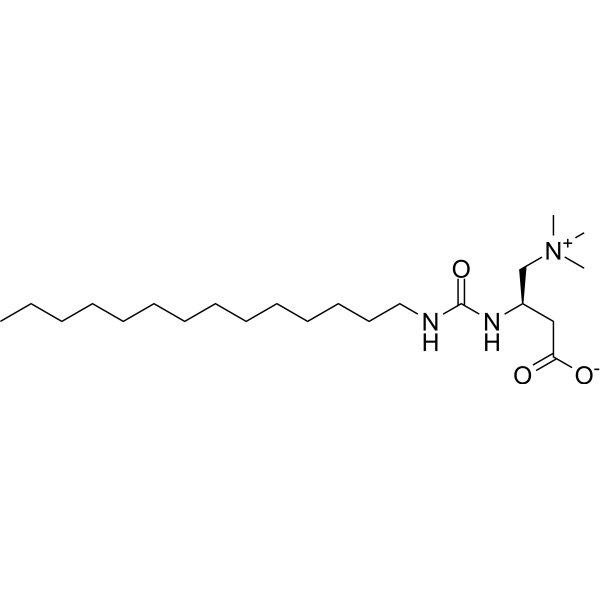
Teglicar is a selective and reversible orally active liver isoform of carnitine palmitoyl-transferase 1 (L-CPT1) inhibitor with an IC50 value of 0.68 μM and a Ki value of 0.36 μM. Teglicar has a potential antihyperglycemic propert. Teglicar can be used for the research of diabetes and neurodegenerative disease including Huntington's disease (HD) .
|
Your information is safe with us. * Required Fields.
Inquiry Information
- Product Name:
- Cat. No.:
- Quantity:
- MCE Japan Authorized Agent:

