




1. Search Result
Search Result
Results for "

Atopic dermatitis

" in MedChemExpress (MCE) Product Catalog:

181

Inhibitors & Agonists

1

Screening Libraries

4

Fluorescent Dye

4

Biochemical Assay Reagents

7

Peptides

37

Inhibitory Antibodies

21

Natural
Products

9

Isotope-Labeled Compounds

1

Click Chemistry

3

Oligonucleotides

Cat. No. Product Name Target Research Areas Chemical Structure
  • HY-P9926
    Dupilumab
    Maximum Cited Publications
    6 Publications Verification

    REGN-668; SAR-231893

    Interleukin Related Inflammation/Immunology Cancer
    Dupilumab (REGN-668) is a fully human mAb to IL-4 receptor α (IL-4Rα) that inhibits both IL-4 and IL-13 signaling, markedly improved moderate-to-severe atopic dermatitis .
    Dupilumab
  • HY-N0184A
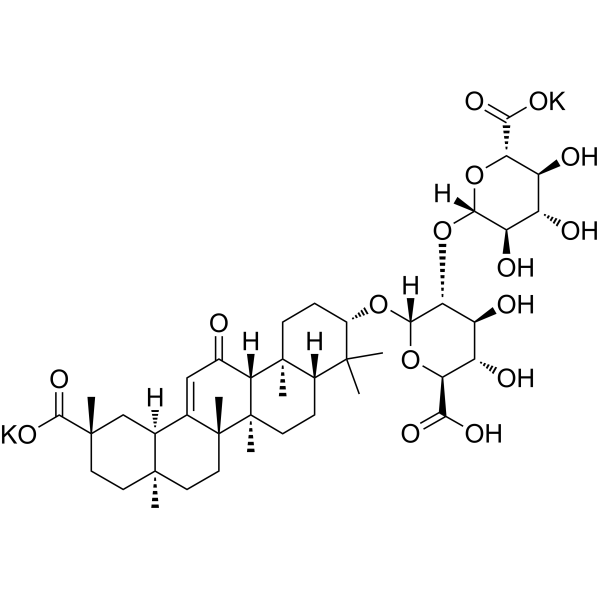
    Dipotassium glycyrrhizinate
    Maximum Cited Publications
    59 Publications Verification

    Glycyrrhizic acid dipotassium; Dipotassium glycyrrhizate

    Virus Protease Metabolic Disease Inflammation/Immunology
    Dipotassium glycyrrhizinate is a HMGB1 inhibitor, inhibits atopic dermatitis-related gene expression with anti-anti-inflammatory activity .
    Dipotassium glycyrrhizinate
  • HY-P99162

    CIM331; CD14152

    Interleukin Related Inflammation/Immunology
    Nemolizumab (CIM331) is a humanized monoclonal antibody that targets the human interleukin-31 receptor a, preventing interleukin-31 (IL-31) from binding to its receptor and the subsequent signaling. Nemolizumab can help reduce itching and sleep disturbances, and it is being studied for atopic dermatitis (AD) .
    Nemolizumab
  • HY-P99955

    AMG 451; KHK4083

    Orexin Receptor (OX Receptor) Infection Inflammation/Immunology
    Rocatinlimab (AMG 451) (KHK4083) is a fully human immunoglobulin G1 (IgG1) anti-OX40 monoclonal antibody. Rocatinlimab can be used for the research of atopic dermatitis (AD) .
    Rocatinlimab
  • HY-P99025
    Lebrikizumab
    1 Publications Verification

    TNX-650; MILR1444A; RG3637

    Interleukin Related Neurological Disease Inflammation/Immunology
    Lebrikizumab (TNX-650) is an IgG4 humanized anti-interleukin-13 (IL-13) mAb with anti-itch effects that specifically binds to IL-13 in a non-receptor binding domain and inhibits its function. Lebrikizumab inhibits the IL-13 driven Th2 inflammatory response and blocks the signaling of IL-4Rα/IL-13Rα1. Lebrikizumab can be used for the research of asthma, atopic dermatitis and neuroinflammatory diseases .
    Lebrikizumab
  • HY-148074

    RPT193

    CCR Inflammation/Immunology
    Zelnecirnon (RPT193) is an orally active inhibitor of CCR4, blocks the recruitment of Th2 inflammatory immune cells into inflamed tissues. Zelnecirnon can be used for allergic inflammation in atopic dermatitis, asthma, and other diseases research .
    Zelnecirnon
  • HY-125848

    Apoptosis AMPK PPAR p38 MAPK PI3K Akt GSK-3 Reactive Oxygen Species (ROS) SOD Caspase Neurological Disease Metabolic Disease Inflammation/Immunology Cancer
    Ginsenoside F2 is an orally active bioactive compound that participates in the regulation of metabolism and inflammation. Ginsenoside F2 promotes the phosphorylation of AMPK and ACC, binds to PPARγ, inhibits the phosphorylation of MAPK, activates the PI3K/AKT/GSK-3β pathway, reduces GLRX expression, and regulates lipid metabolism. Ginsenoside F2 reduces ROS production and MDA levels, restores SOD activity in cells, and alleviates oxidative stress. Ginsenoside F2 induces cell apoptosis (Apoptosis) and increases the number of cleaved caspase-3-positive cells. Ginsenoside F2 reduces body weight gain, adipose tissue weight and serum lipid levels in obese mice, and activates the hepatic AMPK signaling pathway and the expression of antioxidant enzymes. Ginsenoside F2 alleviates atopic dermatitis in mice by inhibiting inflammation and reshaping the gut microbiota . Ginsenoside F2 is applicable to research related to insulin resistance, obesity, atopic dermatitis, liver cancer, glioblastoma and glioma .
    Ginsenoside F2
  • HY-P99301

    Anti-Canine IL31 Recombinant Antibody; CAN34D3-65; PF-06443537

    Interleukin Related Inflammation/Immunology
    Lokivetmab (Anti-Canine IL31 Recombinant Antibody) is an anti-canine IL-31 monoclonal antibody. Lokivetmab inhibits IL-31-mediated activation of pruritogenic signals in peripheral sensory neurons and reduces TH2-weighted inflammation. Lokivetmab demonstrates long-term efficacy in controlling pruritus and improving skin lesions in dogs with canine atopic dermatitis (CAD). Lokivetmab can be used for the research of atopic dermatitis (AD) in dogs .
    Lokivetmab
  • HY-145551

    JAK Interleukin Related Inflammation/Immunology
    Atinvicitinib is an orally active and selective JAK1 inhibitor. Atinvicitinib blocks signaling of JAK1-dependent pruritogenic and pro-inflammatory cytokines, including those in the IL-31, IL-4, and IL-13 pathways. Atinvicitinib can be used for the researches of pruritus associated with allergic dermatitis and canine atopic dermatitis .
    Atinvicitinib
  • HY-P991162

    PF-07275315

    Interleukin Related Inflammation/Immunology
    Tilrekimig (PF-07275315) is a monoclonal antibody targeting human interleukin-4 (IL-4), interleukin-13 (IL-13) and thymic stromal lymphopoietin (TSLP). Tilrekimig can be used in the research of allergic and inflammatory diseases, such as asthma and atopic dermatitis .
    Tilrekimig
  • HY-17010
    Retapamulin
    5 Publications Verification

    SB-275833

    Bacterial Antibiotic Infection Cancer
    Retapamulin (SB-275833) is a topical antibiotic that binds Staphylococcus aureus and E. coli ribosomes with a Kd of 3 nM. Retapamulin can be used in researches of atopic dermatitis and prostate cancer .
    Retapamulin
  • HY-P99555

    OPN-305

    Toll-like Receptor (TLR) MyD88 NOD-like Receptor (NLR) Tau Protein Interleukin Related Cardiovascular Disease Neurological Disease Inflammation/Immunology Cancer
    Tomaralimab (OPN-305) is a humanized anti-TLR2 IgG4 monoclonal antibody. Tomaralimab inhibits TLR2, MyD88, NLRP3, and reduces pro-inflammatory cytokine (IL-1β, IL-6, IL-8) production. Tomaralimab reduces tau pathology. Tomaralimab improves cognition, atopic dermatitis. Tomaralimab has anticancer effects on pancreatic ductal adenocarcinoma. Tomaralimab is being studied in myelodysplastic syndrome (MDS), atopic dermatitis, pancreatic ductal adenocarcinoma, Alzheimer's disease, and myocardial ischemia/reperfusion injury .
    Tomaralimab
  • HY-P99519
    Vixarelimab
    1 Publications Verification

    KPL-716

    Interleukin Related Inflammation/Immunology
    Vixarelimab (KPL-716) is a human anti-oncostatin M (OSM) receptor β subunit monoclonal antibody. Vixarelimab inhibits IL-31 and OSM signalling. Vixarelimab can be used in studies of inflammatory skin diseases such as atopic dermatitis and itchy nodular rash .
    Vixarelimab
  • HY-N0594

    SOD Interleukin Related TNF Receptor Inflammation/Immunology
    Deacetylasperulosidic Acid is an orally active antioxidant. Deacetylasperulosidic Acid exerts a definite in vivo antioxidant effect and alleviates oxidative stress injury by enhancing SOD activity. In atopic dermatitis models, Deacetylasperulosidic Acid corrects Th2-skewed immune imbalance and reduces allergy-related factors; in immunosuppression models, it activates cellular immunity, enhances NK cell activity and IL-2 production. Deacetylasperulosidic Acid can be used in the research of atopic dermatitis .
    Deacetylasperulosidic Acid
  • HY-P99246

    MABp1

    Interleukin Related Inflammation/Immunology Cancer
    Bermekimab (MABp1) is a human monoclonal antibody targeting interleukin-1α(IL-1α) . Bermekimab can prevent tumor-related inflammation. Bermekimab can be used in the research of atopic dermatitis .
    Bermekimab
  • HY-163731
    EGR-1-IN-1
    2 Publications Verification

    DNA Methyltransferase Interleukin Related Inflammation/Immunology
    EGR-1-IN-1 is a EGR-1 inhibitor with an IC50 of 1.86 μM. EGR-1-IN-1 binds to the zinc finger DNA-binding domain of EGR-1 and promotes the dissociation of the EGR-1-DNA complex. EGR-1-IN-1 reduces the mRNA expression levels of EGR-1-regulated inflammatory genes induced by TNFα. EGR-1-IN-1 alleviates atopic dermatitis-like lesions in the ear skin of mice. EGR-1-IN-1 serves as a lead compound for the development of targeted compounds for inflammatory skin diseases. EGR-1-IN-1 can be used in studies related to atopic dermatitis .
    EGR-1-IN-1
  • HY-109085
    Difamilast
    3 Publications Verification

    OPA-15406

    Phosphodiesterase (PDE) Neurological Disease Inflammation/Immunology Cancer
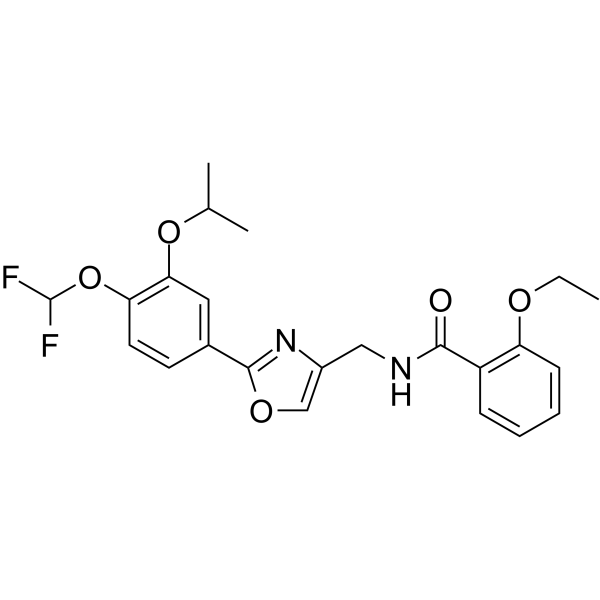
    Difamilast (OPA-15406) is a topical, selective and nonsteroidal phosphodiesterase-4 (PDE4) inhibitor with particularly efficient inhibition of subtype B (IC50=11.2 nM). Difamilast can be used for the research of mild to moderate atopic dermatitis (AD) .
    Difamilast
  • HY-P990281

    Interleukin Related Inflammation/Immunology
    Anti-Mouse CD25/IL-2Rα Antibody (PC-61.5.3) is a rat-derived IgG1 λ type antibody inhibitor, targeting to mouse CD25/IL-2Rα. Anti-Mouse CD25/IL-2Rα Antibody (PC-61.5.3) can deplete CD25+ T cells. Anti-Mouse CD25/IL-2Rα Antibody (PC-61.5.3) can be used for the researches of immunology and inflammation, such as atopic dermatitis .
    Anti-Mouse CD25/IL-2Rα Antibody (PC-61.5.3)
  • HY-158399

    STAT Inflammation/Immunology
    STAT6-IN-5 (compound 84) is a STAT6 inhibitor (IC50=0.24 μM), which can be used for the research of inflammatory diseases and allergic diseases (e.g. atopic dermatitis) .
    STAT6-IN-5
  • HY-N0184AR

    Glycyrrhizic acid dipotassium (Standard); Dipotassium glycyrrhizate (Standard)

    Reference Standards Virus Protease Metabolic Disease Inflammation/Immunology
    Dipotassium glycyrrhizinate (Standard) is the analytical standard of Dipotassium glycyrrhizinate. This product is intended for research and analytical applications. Dipotassium glycyrrhizinate is a HMGB1 inhibitor, inhibits atopic dermatitis-related gene expression with anti-anti-inflammatory activity .
    Dipotassium glycyrrhizinate (Standard)
  • HY-P990906

    BSI-045B; TQC2731

    Interleukin Related Inflammation/Immunology
    Bosakitug (BSI-045B) is an TSLP-targeting IgG1κ type humanized antibody, the recommed isotype control is Human IgG1 kappa, Isotype Control (HY-P99001). Bosakitug can be used in the research of inflammatory diseases such as moderate to severe atopic dermatitis .
    Bosakitug
  • HY-100009

    Flufenamic acid butyl ester; Butyl flufenamate

    COX Prostaglandin Receptor Inflammation/Immunology
    Ufenamate (Flufenamic acid butyl ester) is an anthranilic acid-based anti-inflammatory drug that can be used in the study of skin diseases such as acute and chronic eczema, contact dermatitis, diaper dermatitis, miliary rashes and atopic dermatitis. Ufenamate has a certain photoprotective effect, reduces the degree of skin erythema and swelling in the photoaging model, downregulates the expression level of COX-2 and can promote the healing of mouse skull defects by secreting BMP2 .
    Ufenamate
  • HY-B1616
    Clobetasone butyrate
    1 Publications Verification

    Glucocorticoid Receptor Inflammation/Immunology
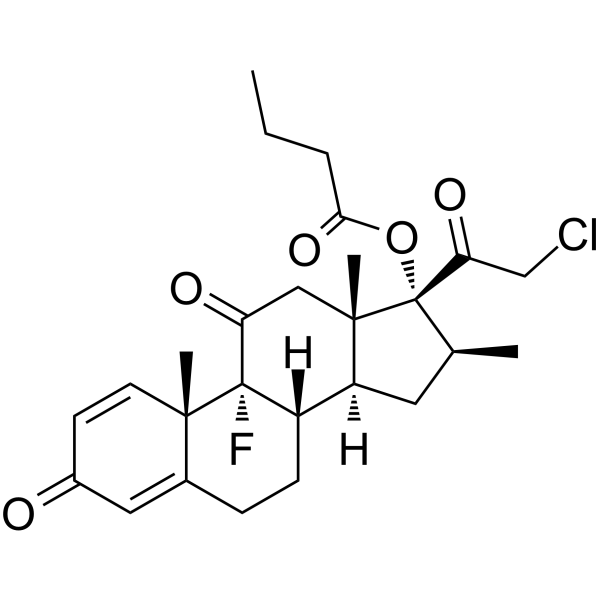
    Clobetasone butyrate is a synthetic glucocorticoid and has topical anti-inflammatory activity especially in skin. Clobetasone butyrate can be used to relieve corticosteroid-responsive dermatoses, including atopic dermatitis and psoriasis .
    Clobetasone butyrate
  • HY-P99053
    Tralokinumab
    2 Publications Verification

    CAT354

    Interleukin Related Apoptosis Caspase Cadherin Inflammation/Immunology
    Tralokinumab (CAT354) is a humanized IgG4 monoclonal antibody that specifically binds to and neutralizes IL-13. Tralokinumab can be used in the research of diseases such as asthma, atopic dermatitis, and pulmonary fibrosis .
    Tralokinumab
  • HY-P991598

    MOR12743; MOR03207

    Interleukin Related NF-κB Inflammation/Immunology
    MOR-106 (MOR12743) is a humanized anti-IL-17C IgG1 monoclonal antibody. MOR-106 inhibits the NF-κB signaling pathway by specifically binding to IL-17C (IC50 = 59 pM for human IL-17C, IC50 = 55 pM for mouse IL-17C). MOR-106 can effectively inhibit skin inflammation and reduce related inflammatory factors in animal models of psoriasis and atopic dermatitis .
    MOR-106
  • HY-P991280

    Interleukin Related Inflammation/Immunology
    BMS-981164 is a human anti-IL31 IgG1-κ monoclonal antibody. BMS-981164 effectively inhibits the IL-31 signaling pathway. The isotype control of BMS-981164 can be referenced to Human IgG1 kappa, Isotype Control (HY-P99001). BMS-981164 is applicable to research related to atopic dermatitis .
    BMS-981164
  • HY-B0426A

    ALO4943A; KW4679

    Histamine Receptor CXCR Infection Neurological Disease Metabolic Disease Inflammation/Immunology
    Olopatadine hydrochloride (ALO4943A; KW4679) is an orally active histamine H1 receptor antagonist and mast cell stabilizer. Olopatadine hydrochloride exerts antiallergic effects by blocking histamine H1 receptor-mediated activities. Olopatadine hydrochloride inhibits exocytosis, chemokine release, F-actin polymerization, CXCL10-induced calcium influx, and T cell chemotactic activity. Olopatadine hydrochloride also reduces the expression levels of CXCR3 on the surface of CD4 + and CD8 + T cells. Olopatadine hydrochloride inhibits scratching behavior, improves dermatitis scores, and suppresses intraepidermal neurite outgrowth. Olopatadine hydrochloride simultaneously decreases the levels of inflammatory markers, growth factors, histamine, and specific IgE, while increasing the expression of ErbB3A/HER3A. Olopatadine hydrochloride can be used in research related to seasonal pollinosis, chronic rhinitis, urticaria, allergic conjunctivitis, alopecia areata, and atopic dermatitis .
    Olopatadine hydrochloride
  • HY-A0158
    Diflorasone
    2 Publications Verification

    Glucocorticoid Receptor Cardiovascular Disease Inflammation/Immunology
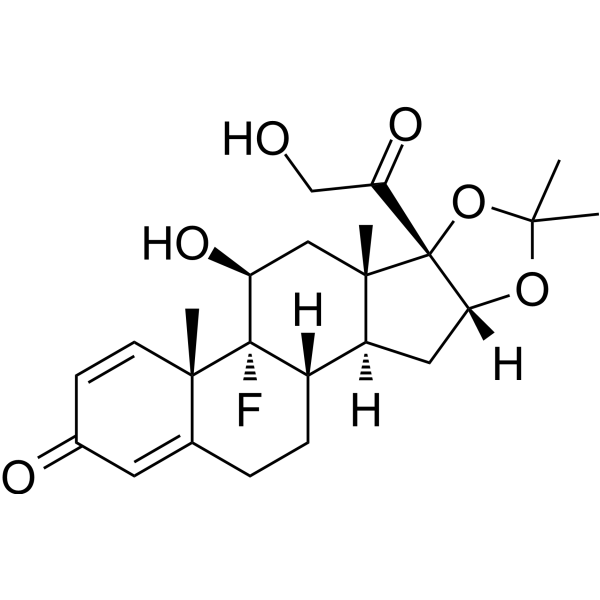
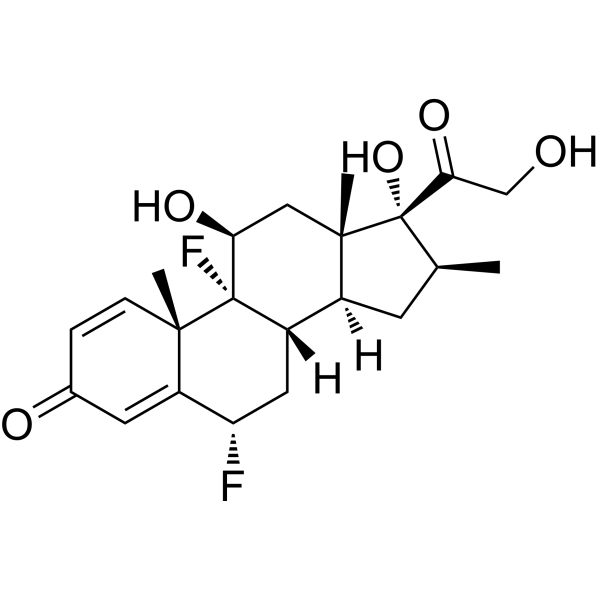
    Diflorasone is a potent topical anti-inflammatory Corticosteroid. Diflorasone induces vasoconstriction when applied topically. Diflorasone can be used in research related to psoriasis, atopic dermatitis/neurodermatitis .
    Diflorasone
  • HY-B1365

    Glucocorticoid Receptor Inflammation/Immunology
    Prednicarbate is a topical corticosteroid agent. Prednicarbate can be used for the research of inflammatory skin diseases, such as atopic dermatitis .
    Prednicarbate
  • HY-174905

    QY201

    JAK Cytochrome P450 Inflammation/Immunology
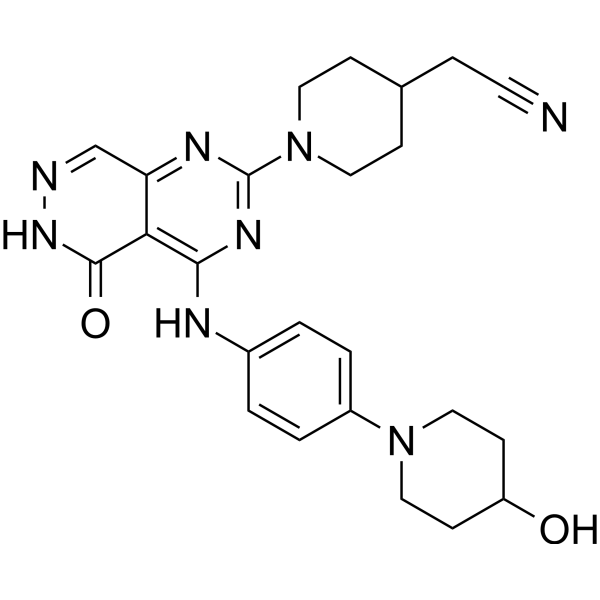
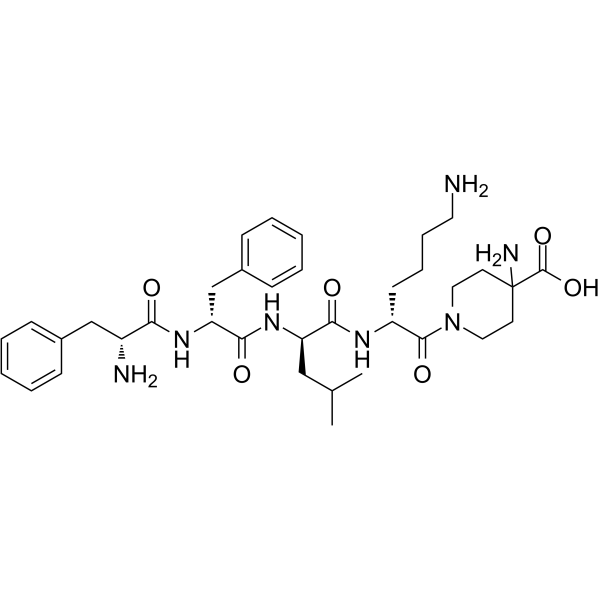
    Quecitinib (QY201) is an orally active JAK1/TYK2 dual inhibitor. Quecitinib is also a substrate of cytochrome P450 3A and is mainly metabolized to mono-oxide and glucuronidation products. Quecitinib has favorable pharmacokinetic properties as well as safety. Quecitinib can be used in the research of atopic dermatitis and other autoimmune diseases .
    Quecitinib
  • HY-P990016

    ARGX-112; LEO-138559; LP-0145

    Interleukin Related Inflammation/Immunology
    Temtokibart (ARGX-112) is a monoclonal antibody and also an IL-22RA1 inhibitor. Temtokibart inhibits the signal transduction of IL-22, IL-20 and IL-24. Temtokibart reduces the expression levels of inflammatory proteins, chemokines, immune cell migration and markers of activated immune pathways. Temtokibart improves the expression of genes related to immunity and epidermal barrier function. Temtokibart is applicable to research on moderate-to-severe atopic dermatitis .
    Temtokibart
  • HY-P99018

    Antibody ANB 020

    Interleukin Related Inflammation/Immunology
    Etokimab (Antibody ANB 020) is a humanized monoclonal antibody that targets IL-33. Etokimab can be used for the research of atopic dermatitis .
    Etokimab
  • HY-114354

    BOD FL alkyne

    Fluorescent Dye Inflammation/Immunology
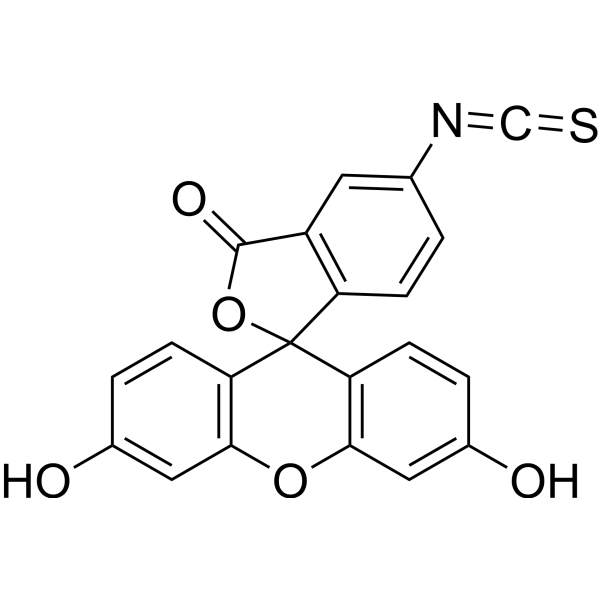
    BODIPY (BOD) FL alkyne is an alkyne-containing BODIPY fluorophore derivative. BODIPY FL alkyne is a bioorthogonal labeling reagent with low toxicity and extremely low non-specific reactivity, and it is widely used in fluorescent bioimaging. BODIPY FL alkyne specifically labels azide groups on intracellular glycoconjugates mainly via strain-promoted azide-alkyne cycloaddition (SPAAC), or mediates site-specific conjugation with proteins such as IL-33, and supports positive cross-linking with other probes (e.g., DBCO-SCy5) for dual labeling. With the advantages of high specificity and low background interference, BODIPY FL alkyne can be used in the research of related diseases such as asthma, atopic dermatitis and inflammatory bowel disease .
    BODIPY FL alkyne
  • HY-17570
    Desoximetasone
    1 Publications Verification

    Glucocorticoid Receptor Interleukin Related Cytochrome P450 Inflammation/Immunology
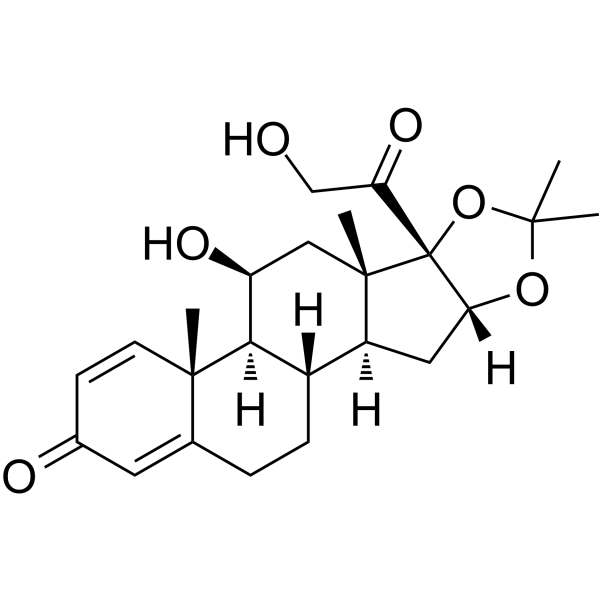
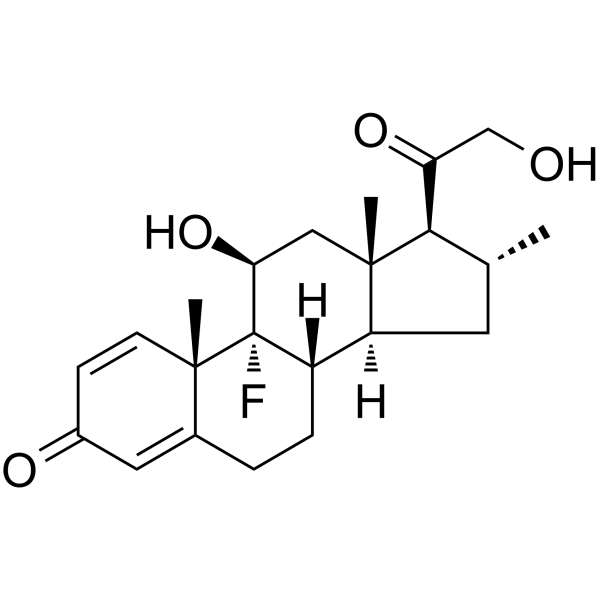
    Desoximetasone is a corticosteroid and a substrate of cytochrome P450 3A4. Desoximetasone has anti-inflammatory, anti-allergic, and immunosuppressive effects. Desoximetasone can be used in the research of various skin diseases, such as skin allergies, atopic dermatitis, and psoriasis .
    Desoximetasone
  • HY-144683A

    Phosphodiesterase (PDE) Inflammation/Immunology
    PF-07038124 hydrochloride is a PDE4 inhibitor with an IC50 of 0.5 nM for PDE4B2. PF-07038124 hydrochloride shows inhibitory activities against IL-13, IL4, and IFNγ (IC50=125, 4.1, 1.06 nM, respectively). PF-07038124 hydrochloride can be used for research of atopic dermatitis and plaque psoriasis .
    PF-07038124 hydrochloride
  • HY-P991252

    AIMab-7195

    Histamine Receptor Inflammation/Immunology
    XmAb-7195 (AIMab-7195) is a human monoclonal antibody (mAb) targeting IGHE. XmAb-7195 can be used in Food hypersensitivity, Allergic asthma, Allergic rhinitis, Atopic dermatitis and Conjunctivitis research .
    XmAb-7195
  • HY-175764

    PROTACs IRAK NF-κB p38 MAPK TNF Receptor Interleukin Related Inflammation/Immunology
    FIP22 is a potent and selective IRAK4 PROTAC degrader (HEK293T cells: DC50 = 3.2 nM; THP-1 cells: DC50 = 10.6 nM). FIP22 induces the ubiquitin-proteasome system by forming an IRAK4-FIP22-CRBN ternary complex (EC50 = 12.63 nM), thereby potently blocking IRAK4-mediated NF-κB and MAPK signaling pathways. FIP22 can be used for the study of atopic dermatitis (Pink: IRAK4 ligand (HY-175765); Blue: CRBN ligand (HY-W087383); Black: Linker (HY-46871)) .
    FIP22
  • HY-Y0683A

    Biochemical Assay Reagents Infection Inflammation/Immunology
    Petrolatum (white) is mainly composed of hydrocarbons, possesses strong water resistance and moisturizing properties, and is commonly used as a pharmaceutical excipient. Petrolatum (white) penetrates into stratum corneum cells, improves skin barrier function, repairs epidermal structure, and reduces transepidermal water loss and the risk of skin damage. Petrolatum (white) induces the expression of antimicrobial peptides, innate immune genes, filaggrin and loricrin. Petrolatum (white) is used in research on atopic dermatitis and post-operative skin infections .
    Petrolatum (white)
  • HY-B0725A
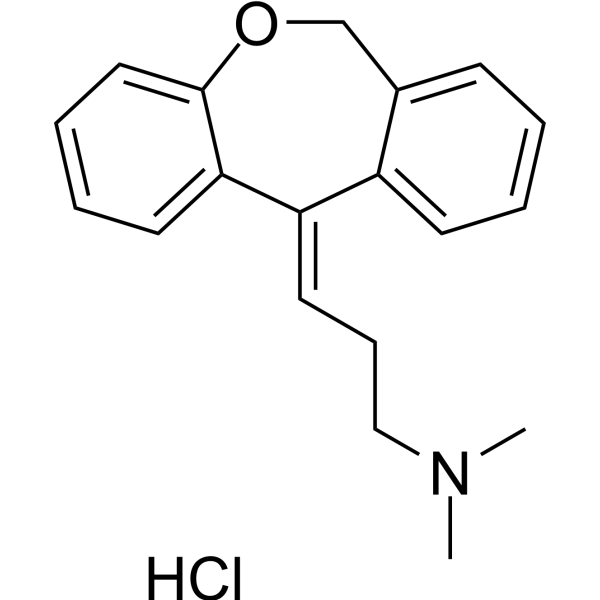
    Doxepin
    5+ Cited Publications

    mTOR PI3K Akt Neurological Disease Cancer
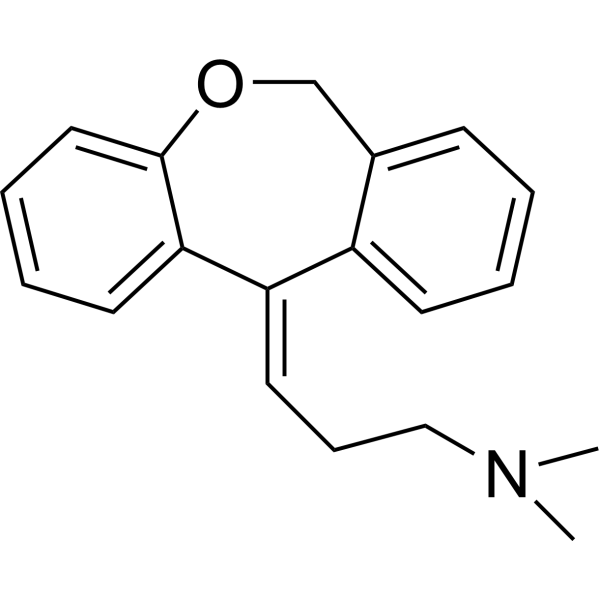
    Doxepin inhibits reuptake of serotonin and norepinephrine as a tricyclic antidepressant. Doxepin has therapeutic effects in atopic dermatitis,chronic urticarial,can improve cognitive processes, protect central nervous system. Doxepin has also been proposed as a protective factor against oxidative stress .
    Doxepin
  • HY-W140887

    Environmental Pollutants Drug Derivative Inflammation/Immunology
    4-Propylguaiacol is a phenolic lignin monomer. 4-Propylguaiacol can be isolated from plants of the Quercus genus. 4-Propylguaiacol can be used in the research of atopic dermatitis .
    4-Propylguaiacol
  • HY-W1113771

    STAT Interleukin Related Inflammation/Immunology
    STAT6-IN-7 is a STAT6 inhibitor. STAT6-IN-7 exhibits an IC50 of 0.28 μM for inhibiting the binding of human STAT6/pIL-4Rα. STAT6-IN-7 can be used in the research of atopic dermatitis .
    STAT6-IN-7
  • HY-158990

    Mas-related G-protein-coupled Receptor (MRGPR) Interleukin Related TNF Receptor Akt ERK Inflammation/Immunology
    GE1111 is a MRGPRX2 antagonist (IC50 = 9.4 μM). GE1111 inhibits MRGPRX2/MRGPRB2-mediated mast cell activation. GE1111 reduces the expressions of TSLP, IL-13, MCP-1, TNF-α, IL-1β and periostin, maintains the expression levels of claudin 1 and involucrin, restores the phagocytic activity of macrophages, and attenuates the activation of STIM1 and phosphorylated AKT. GE1111 exerts anti-inflammatory and anti-allergic effects in multiple animal models. GE1111 is applicable to the research related to rosacea, atopic dermatitis and ulcerative colitis .
    GE1111
  • HY-156621

    JAK Inflammation/Immunology
    Lepzacitinib is a Janus kinase inhibitor targeting to JAK 1/3. Lepzacitinib exhibits anti-inflammatory effect and inhibits atopic dermatitis and other skin diseases .
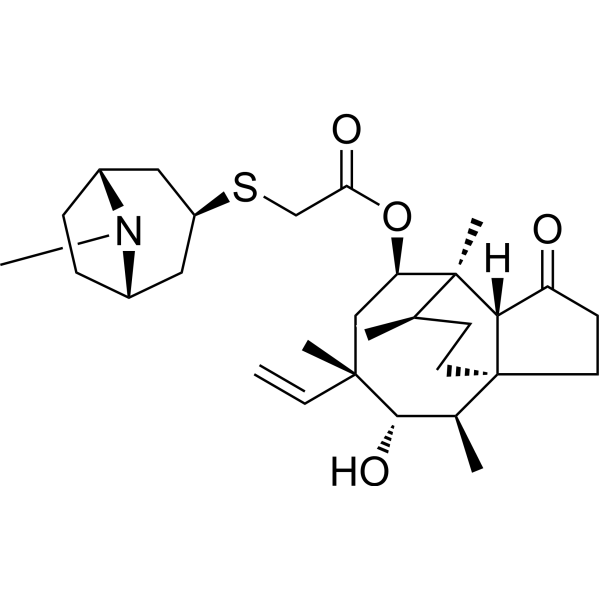
    Lepzacitinib
  • HY-P99557

    KIND-016

    Interleukin Related Inflammation/Immunology
    Tirnovetmab (KIND-016) is a fully caninized, high-affinity monoclonal antibody that targets IL-31. Tirnovetmab can be used in research related to atopic dermatitis in dogs.
    Tirnovetmab
  • HY-18706

    trans-MK-341; trans-SB 252218

    Angiotensin Receptor Drug Isomer Cardiovascular Disease Metabolic Disease Inflammation/Immunology Cancer
    trans-Tranilast (trans-MK-341) is an isomer of Tranilast (HY-B0195), and an anti-allergy agent used in studies of bronchial asthma, allergic rhinitis, and atopic dermatitis .
    trans-Tranilast
  • HY-156959

    JAK TRP Channel MetAP Infection Inflammation/Immunology
    Ovalicin is a multi-target inhibitor that targets MetAP2, HRH2, JAK2 and TRPV1, with anti-inflammatory and anti-atopic dermatitis activities. Ovalicin covalently binds to MetAP2 to inhibit its function, thereby blocking the replication of Enterocytozoon bieneusi and Vittaforma corneae. Ovalicin alleviates intestinal injury and prolongs survival in infected mouse models, without showing obvious hepatorenal toxicity. Ovalicin attenuates LPS-induced calcium influx, reduces the infiltration of macrophages and mast cells in the skin, and regulates the expression of inflammation-related genes such as IL-31, effectively relieving allergic symptoms in mouse models. Ovalicin can be used for the research of microsporidiosis and atopic dermatitis .
    Ovalicin
  • HY-144683

    Phosphodiesterase (PDE) Inflammation/Immunology
    PF-07038124 is a PDE4 inhibitor with an IC50 of 0.5 nM for PDE4B2. PF-07038124 shows inhibitory activities against IL-13, IL4, and IFNγ (IC50=125, 4.1, 1.06 nM, respectively). PF-07038124 can be used for research of atopic dermatitis and plaque psoriasis .
    PF-07038124
  • HY-P5898

    Z-Val-Val-Nle-CHN2

    Cathepsin MHC Inflammation/Immunology
    Z-Val-Val-Nle-diazomethylketone is a cathepsin S (CATS) inhibitor. Z-Val-Val-Nle-diazomethylketone significantly inhibits the IFNg-induced upregulation of the MHCII molecules HLA-DR and Ii-p33/35 with an increase of Ii-p10 protein level. Z-Val-Val-Nle-diazomethylketone can be used for dermatological diseases like psoriasis, atopic dermatitis and actinic keratosis research .
    Z-Val-Val-Nle-diazomethylketone
  • HY-111167

    Phosphodiesterase (PDE) Interleukin Related TNF Receptor IFNAR Inflammation/Immunology
    AN-2898 is a selective PDE4 inhibitor with IC50 of 0.027 μM over other phosphodiesterase enzymes, such as PDE1A, PDE2A and PDE3A. AN-2898 also potently inhibits PDE4 subtypes (PDE4B1, PDE4A1A and PDE4D2). AN-2898 significantly inhibits the production of TNF-α, IL-2, IFN-γ, IL-5 and IL-10. AN-2898 can be used for mild to moderate atopic dermatitis (AD) and psoriasis research .
    AN-2898
  • HY-106714

    Drug Metabolite Inflammation/Immunology
    Clocortolone pivalate is a synthetic glucocorticoid corticosteroid and corticosteroid ester. Clocortolone pivalate is indicated for seborrheic dermatitis, contact dermatitis, atopic dermatitis and psoriasis .
    Clocortolone pivalate

Inquiry Online

Your information is safe with us. * Required Fields.

Salutation


Country or Region *

Applicant Name *


Organization Name *

Department *


Email Address *


Product Name *

Cat. No.


Requested quantity *

Phone Number *


Remarks

Inquiry Online

Inquiry Information

Product Name:
Cat. No.:
Quantity:
MCE Japan Authorized Agent:

