1. Search Result
Search Result
Results for "

CAVS

" in MedChemExpress (MCE) Product Catalog:

112

Inhibitors & Agonists

1

Screening Libraries

2

Fluorescent Dye

3

Biochemical Assay Reagents

15

Peptides

1

Inhibitory Antibodies

12

Natural
Products

17

Isotope-Labeled Compounds

7

Oligonucleotides

2

GMP Molecules

Cat. No. Product Name Target Research Areas Chemical Structure
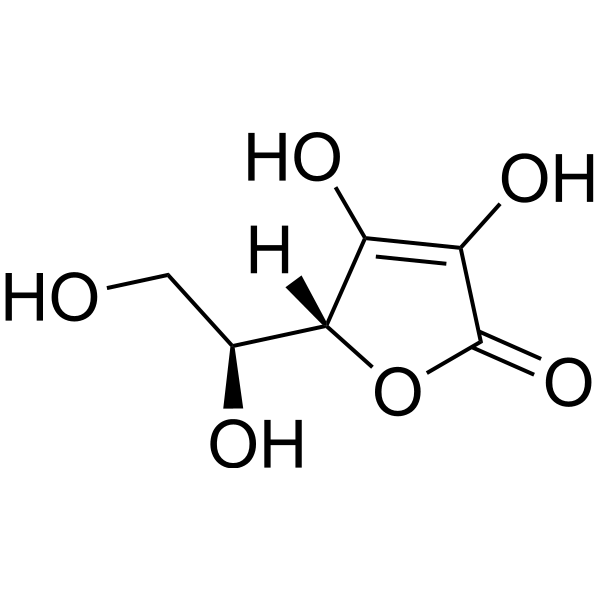
  • HY-B0166
    L-Ascorbic acid
    Maximum Cited Publications
    80 Publications Verification

    L-Ascorbate; Vitamin C

    Environmental Pollutants Endogenous Metabolite Calcium Channel Reactive Oxygen Species (ROS) Apoptosis Neurological Disease Metabolic Disease Cancer
    L-Ascorbic acid (L-Ascorbate), an electron donor, is an endogenous antioxidant agent. L-Ascorbic acid inhibits selectively Cav3.2 channels with an IC50 of 6.5 μM. L-Ascorbic acid is also a collagen deposition enhancer and an elastogenesis inhibitor . L-Ascorbic acid exhibits anti-cancer effects through the generation of reactive oxygen species (ROS) and selective damage to cancer cells .
    L-Ascorbic acid
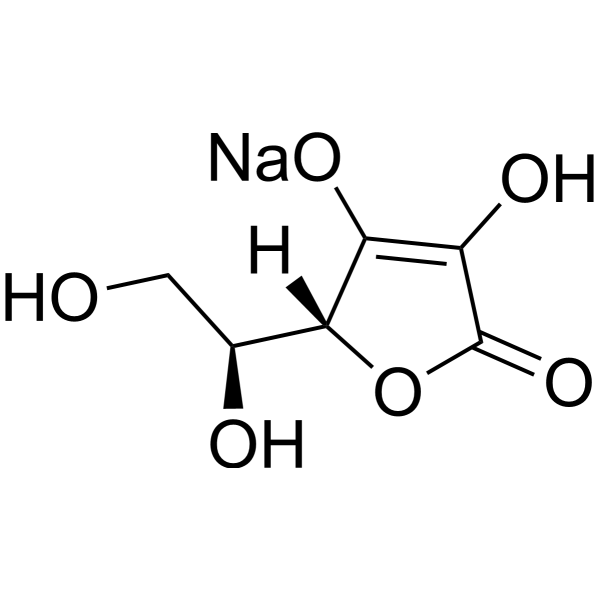
  • HY-B0166A
    L-Ascorbic acid sodium salt
    Maximum Cited Publications
    80 Publications Verification

    Sodium ascorbate; Sodium L-ascorbate; Vitamin C sodium salt

    Environmental Pollutants Apoptosis Endogenous Metabolite Calcium Channel Reactive Oxygen Species (ROS) Cancer
    L-Ascorbic acid sodium salt (Sodium ascorbate), an electron donor, is an endogenous antioxidant agent. L-Ascorbic acid sodium salt selectively inhibits Cav3.2 channels with an IC50 of 6.5 μM. L-Ascorbic acid sodium salt is also a collagen deposition enhancer and an elastogenesis inhibitor .
    L-Ascorbic acid sodium salt
  • HY-112499
    Menaquinone-7
    3 Publications Verification

    Vitamin K2-7; Vitamin K2(35); Vitamin MK-7

    TGF-beta/Smad Cardiovascular Disease
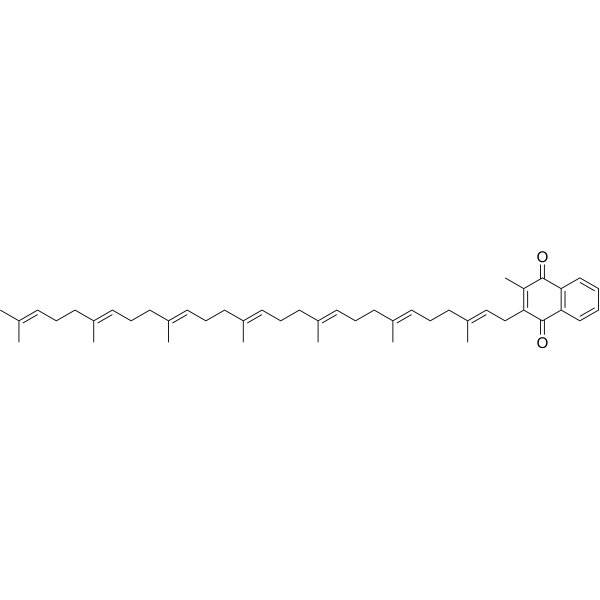
    Menaquinone-7 (Vitamin K2-7), belongs to a class of K2-vitamin homologs (orally active), is originally discovered as the anti-hemorrhagic factors. Menaquinone-7 inhibits osteoclast bone resorption in vitro and stimulates bone formation in femoral tissue of aged female rats. Menaquinone-7 has a well-researched potential in the prevention of aging-induced bone degeneration. Menaquinone-7 is also a pharmacological option for activating Gla matrix protein and intervening in the progression of calcific aortic stenosis (CAVS) .
    Menaquinone-7
  • HY-B0166R
    L-Ascorbic acid (Standard)
    2 Publications Verification

    L-Ascorbate (Standard); Vitamin C (Standard)

    Reference Standards Reactive Oxygen Species (ROS) Calcium Channel Apoptosis Endogenous Metabolite Neurological Disease Metabolic Disease Cancer
    L-Ascorbic acid (Standard) is the analytical standard of L-Ascorbic acid. This product is intended for research and analytical applications. L-Ascorbic acid (L-Ascorbate), an electron donor, is an endogenous antioxidant agent. L-Ascorbic acid inhibits selectively Cav3.2 channels with an IC50 of 6.5 μM. L-Ascorbic acid is also a collagen deposition enhancer and an elastogenesis inhibitor . L-Ascorbic acid exhibits anti-cancer effects through the generation of reactive oxygen species (ROS) and selective damage to cancer cells .
    L-Ascorbic acid (Standard)
  • HY-111828
    TTA-A2
    1 Publications Verification

    Calcium Channel Neurological Disease
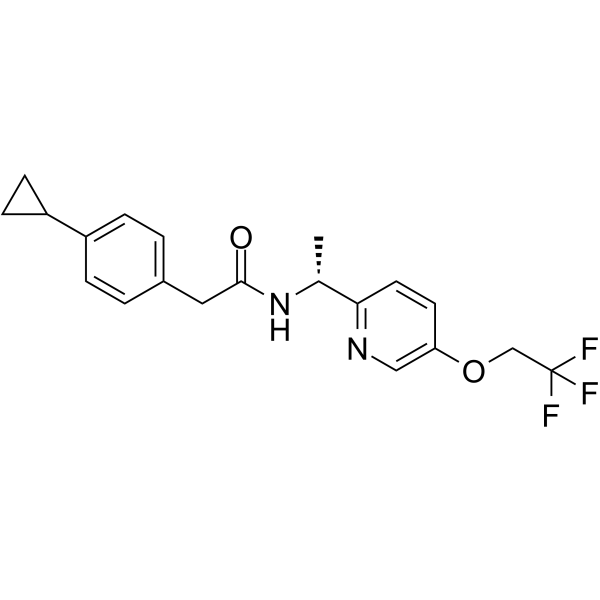
    TTA-A2 is a potent, selective and orally active t-type voltage gated calcium channel antagonist with reduced pregnane X receptor (PXR) activation. TTA-A2 is equally potent against the Cav3.1 (a1G) and Cav3.2 (a1H) channels with IC50 values of 89 nM and 92 nM, respectively, at -80 and -100 mV holding potentials. TTA-A2 can be used for the research of a variety of human neurological diseases, including sleep disorders and epilepsy .
    TTA-A2
  • HY-B0166G

    L-Ascorbate; Vitamin C

    Reactive Oxygen Species (ROS) Calcium Channel Apoptosis Endogenous Metabolite Neurological Disease Metabolic Disease Cancer
    L-Ascorbic acid (L-Ascorbate) (GMP) is Ascorbic acid (HY-B0166) produced by using GMP guidelines. GMP small molecules works appropriately as an auxiliary reagent for cell therapy manufacture. L-Ascorbic acid is an inhibitor of Cav 3.2 channels .
    L-Ascorbic acid
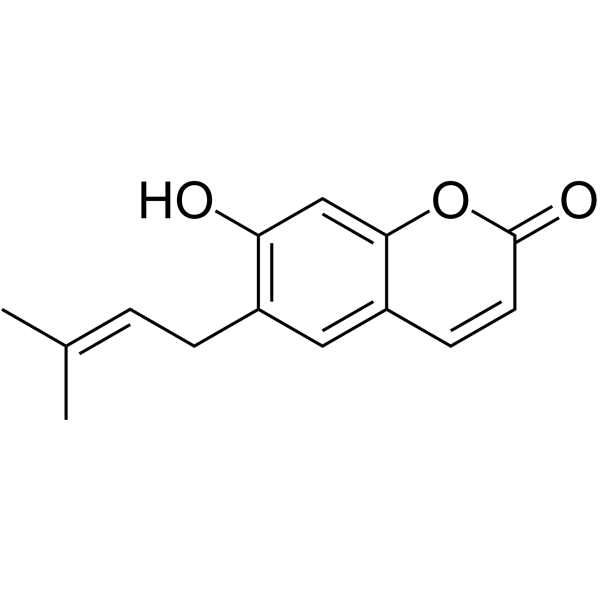
  • HY-N2488
    Demethylsuberosin
    4 Publications Verification

    7-Demethylsuberosin

    Calcium Channel NO Synthase Cardiovascular Disease Neurological Disease Inflammation/Immunology
    Demethylsuberosin (7-Demethylsuberosin) is a coumarin compound found in Angelica gigas Nakai. Demethylsuberosin exerts antihypertensive effects by inhibiting the L-type CaV1.2 channel. Demethylsuberosin has antioxidant and anti-inflammatory activities. Demethylsuberosin also exhibits neuroprotective activities against glutamate-induced toxicity in primary cultured rat cortical cells .
    Demethylsuberosin
  • HY-120751

    Calcium Channel Neurological Disease
    TROX-1 is a selective, orally active and brain-penetrant N-type calcium channel (Cav2.2) inhibitor with an IC50 value of 0.11 μM. TROX-1 exerts state-dependent and use-dependent inhibition, preferentially targets open/inactivated channels, blocks depolarization-associated calcium influx, and fully blocks calcium influx in rat dorsal root ganglion neurons. TROX-1 reverses inflammatory-induced hyperalgesia, nerve injury-induced allodynia. TROX-1 can be used for the research of pain .
    TROX-1
  • HY-103309
    ML218
    2 Publications Verification

    Calcium Channel Neurological Disease
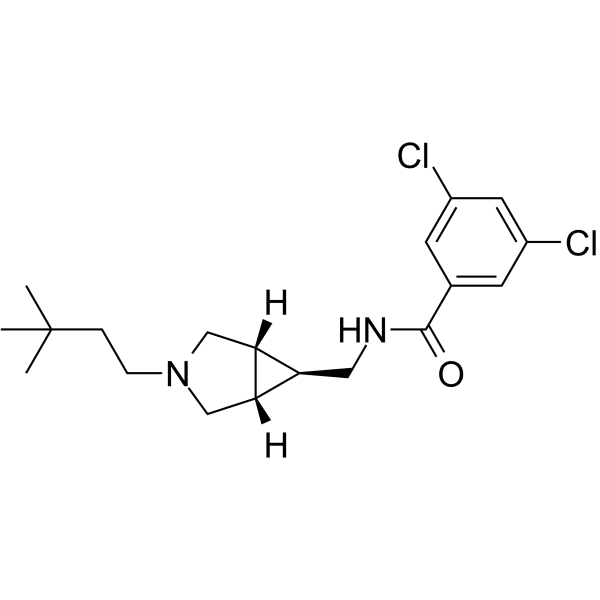
    ML218 is a potent, selective and orally active T-type Ca 2+ channels (Cav3.1, Cav3.2, Cav3.3) inhibitor with IC50s of 310 nM and 270 nM for Cav3.2 and Cav3.3, respectively. ML218 inhibits the burst activity in subthalamic nucleus (STN) neurons. ML218 has no significant inhibition of L- or N-type calcium channels, KATP or hERG potassium channels. ML218 can penetrate the blood-brain barrier .
    ML218
  • HY-132184

    5,6-EET; (±)5,6-EpETrE

    Adrenergic Receptor Calcium Channel Endocrinology
    5,6-Epoxyeicosatrienoic acid (5,6-EET; (±)5,6-EpETrE) is a fully racemic version of the enantiomeric forms biosynthesized from arachidonic acid by cytochrome P450 enzymes. In solution, 5,6-Epoxyeicosatrienoic acid degrades into 5,6-DiHET and 5,6-δ-lactone, which can be converted to 5,6-DiHET and quantified by GC-MS. In neuroendocrine cells, such as the anterior pituitary and pancreatic islets, 5,6-Epoxyeicosatrienoic acid has been implicated in the mobilization of calcium and hormone secretion. 5,6-Epoxyeicosatrienoic acid is an inhibitor of T-type voltage-gated calcium channels (Cav3) that inhibits isoforms Cav3.1, Cav3.2 (IC50=0.54 μM), and Cav3. and decreases nifedipine-resistant phenylephrine-induced vasoconstriction in isolated mouse mesenteric arteries via Cav3.2 blockade when used at a concentration of 3 μM. In addition, it is a substrate of COX-1 and COX-2.
    5,6-Epoxyeicosatrienoic acid
  • HY-W011235

    5-HT Receptor Calcium Channel Drug Metabolite Cardiovascular Disease Neurological Disease
    Norfluoxetine hydrochloride is an active N-demethylated metabolite of Fluoxetine. Fluoxetine is a selective serotonin (5-HT) reuptake inhibitor that is metabolized to Norfluoxetine hydrochloride by cytochrome P450 (CYP) 2D6, CYP2C19, and CYP3A4. Norfluoxetine hydrochloride inhibits 5-HT uptake and inhibits CaV3.3 T current (IC50 = 5 μM). Norfluoxetine hydrochloride has anticonvulsant activity .
    Norfluoxetine hydrochloride
  • HY-P1080
    ω-Agatoxin IVA
    1 Publications Verification

    Calcium Channel Cardiovascular Disease Neurological Disease
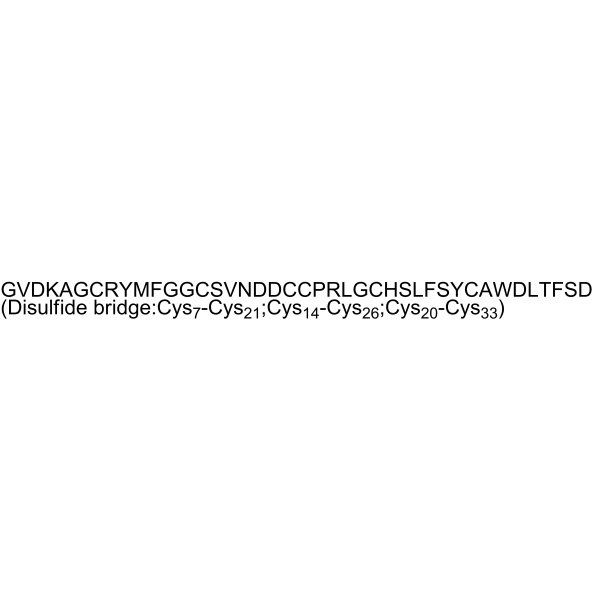
    ω-Agatoxin IVA is a potent, selective P/Q type Ca 2+ (Cav2.1) channel blocker with IC50 values of 2 nM and 90 nM. ω-Agatoxin IVA inhibits glutamate exocytosis and calcium influx elicited by high potassium. ω-Agatoxin IVA inhibits Capsaicin (HY-10448)-induced CGRP release and vasodilation. ω-Agatoxin IVA can be used for the research of neurological and cardiovascular disease .
    ω-Agatoxin IVA
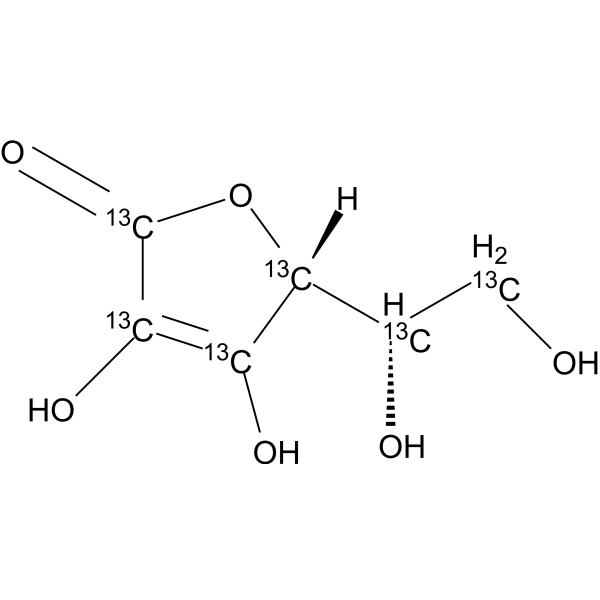
  • HY-B0166S

    L-Ascorbate-13C6; Vitamin C-13C6

    Isotope-Labeled Compounds Reactive Oxygen Species (ROS) Calcium Channel Apoptosis Endogenous Metabolite Neurological Disease Metabolic Disease Cancer
    L-Ascorbic acid- 13C6 is the 13C-labeled L-Ascorbic acid. L-Ascorbic acid (L-Ascorbate), an electron donor, is an endogenous antioxidant agent. L-Ascorbic acid inhibits selectively Cav3.2 channels with an IC50 of 6.5 μM. L-Ascorbic acid is also a collagen deposition enhancer and an elastogenesis inhibitor . L-Ascorbic acid exhibits anti-cancer effects through the generation of reactive oxygen species (ROS) and selective damage to cancer cells .
    L-Ascorbic acid-13C6
  • HY-B1090

    Calcium Channel Histamine Receptor Cardiovascular Disease Endocrinology
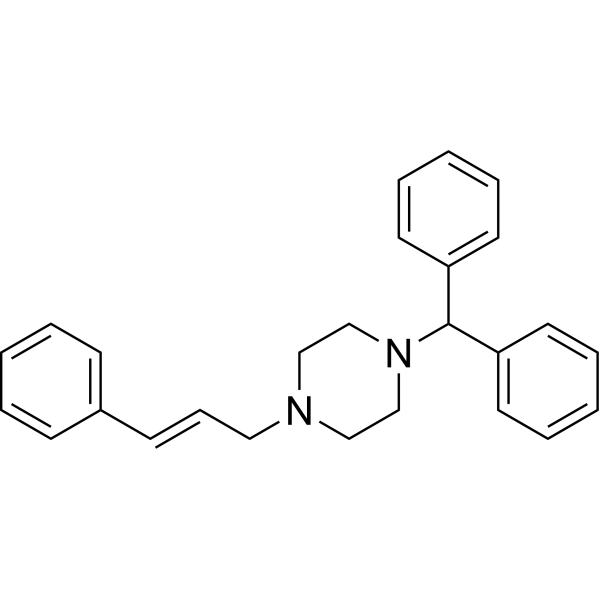
    Cinnarizine is an orally active, effective and selective inhibitor of L-type calcium channel Cav1.3 with an IC50 of 1.5 μM (in vestibular hair cells). Cinnarizine can cross the blood-brain barrier and regulate calcium homeostasis and dopamine neurotransmission. Cinnarizine inhibits the influx of calcium ions into smooth muscle cells by blocking L-type calcium channels, thereby relaxing vascular smooth muscle, improving cerebral circulation and reducing blood viscosity, while antagonizing dopamine receptors. Cinnarizine can be used in the study of vestibular vertigo, Meniere's disease and cerebrovascular diseases .
    Cinnarizine
  • HY-134542

    Calcium Channel Neurological Disease
    CaV1.3 antagonist-1 is a potent and highly selective CaV1.3 L-type calcium channel (LTCC) antagonist with an IC50 of 1.7 μM. CaV1.3 antagonist-1 inhibits CaV1.3 LTCC >600-fold more potently than CaV1.2 LTCC. CaV1.3 antagonist-1, a cyclopentyl derivative, has the potential for Parkinson's disease research .
    CaV1.3 antagonist-1
  • HY-120597

    Calcium Channel Neurological Disease
    SAK3 is a potent T-type voltage-gated Ca 2+ channels (T-VGCCs) enhancer. SAK3 enhances Cav3.1 and Cav3.3 T-type Ca 2+ channel currents. Acute SAK3 administration improves memory deficits in olfactory-bulbectomized mice . SAK3 inhibits amyloid β plaque formation in APP-KI mice by activating the proteasome activity .
    SAK3
  • HY-P1080A
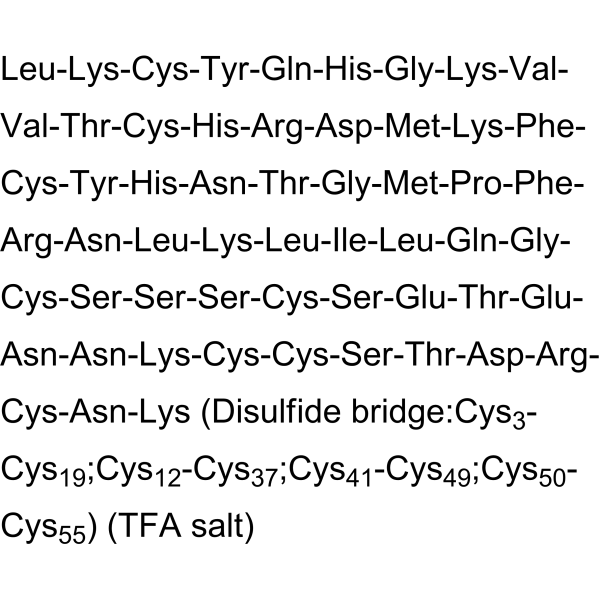
    ω-Agatoxin IVA TFA
    1 Publications Verification

    Calcium Channel Neurological Disease
    ω-Agatoxin IVA TFA is a potent, selective P/Q type Ca 2+ (Cav2.1) channel blocker with IC50 values of 2 nM and 90 nM. ω-Agatoxin IVA TFA inhibits glutamate exocytosis and calcium influx elicited by high potassium. ω-Agatoxin IVA TFA inhibits Capsaicin (HY-10448)-induced CGRP release and vasodilation. ω-Agatoxin IVA TFA can be used for the research of neurological and cardiovascular disease .
    ω-Agatoxin IVA TFA
  • HY-B0166S8

    L-Ascorbate-1; Vitamin C-13C6-1

    Isotope-Labeled Compounds Endogenous Metabolite Reactive Oxygen Species (ROS) Calcium Channel Apoptosis Cancer
    L-Ascorbic acid- 13C6-1 (L-Ascorbate-1; Vitamin C- 13C6-1) is a 13C labeled L-Ascorbic acid (HY-B0166) . L-Ascorbic acid (L-Ascorbate), an electron donor, is an endogenous antioxidant agent. L-Ascorbic acid inhibits selectively Cav3.2 channels with an IC50 of 6.5 μM. L-Ascorbic acid is also a collagen deposition enhancer and an elastogenesis inhibitor . L-Ascorbic acid exhibits anti-cancer effects through the generation of reactive oxygen species (ROS) and selective damage to cancer cells .
    L-Ascorbic acid-13C6-1
  • HY-P1074
    SNX-482
    1 Publications Verification

    Calcium Channel Neurological Disease
    SNX-482, a peptide, is a potent, high affinity, selective and voltage-dependent R-type CaV2.3 channel blocker with an IC50 of 30 nM. SNX-482 has antinociceptive effect .
    SNX-482
  • HY-B0166S6

    L-Ascorbate-d2; Vitamin C--d2

    Apoptosis Calcium Channel Endogenous Metabolite Reactive Oxygen Species (ROS) Neurological Disease Metabolic Disease Cancer
    L-Ascorbic acid-d2 is the deuterium labeled L-Ascorbic acid. L-Ascorbic acid (L-Ascorbate), an electron donor, is an endogenous antioxidant agent. L-Ascorbic acid inhibits selectively Cav3.2 channels with an IC50 of 6.5 μM. L-Ascorbic acid is also a colla
    L-Ascorbic acid-d2
  • HY-B0166S1

    L-Ascorbate-13C; Vitamin C-13C

    Isotope-Labeled Compounds Reactive Oxygen Species (ROS) Calcium Channel Apoptosis Endogenous Metabolite Neurological Disease Metabolic Disease Cancer
    L-Ascorbic acid- 13C is the 13C-labeled L-Ascorbic acid. L-Ascorbic acid (L-Ascorbate), an electron donor, is an endogenous antioxidant agent. L-Ascorbic acid inhibits selectively Cav3.2 channels with an IC50 of 6.5 μM. L-Ascorbic acid is also a collagen deposition enhancer and an elastogenesis inhibitor . L-Ascorbic acid exhibits anti-cancer effects through the generation of reactive oxygen species (ROS) and selective damage to cancer cells .
    L-Ascorbic acid-13C
  • HY-106454

    Norfludiazepam

    Calcium Channel Neurological Disease
    N-Desalkylflurazepam (Norfludiazepam) is a long-acting metabolite of benzodiazepine compounds, such as Flurazepam. N-Desalkylflurazepam inhibits L-type voltage-gated calcium channels with IC50 values of 55 μM and 37 μM for Cav1.2 and Cav1.3, respectively .
    N-Desalkylflurazepam
  • HY-164803

    Calcium Channel Inflammation/Immunology
    CBD3063 is a selective modulator of collapsin response mediator protein 2 (CRMP2). CBD3063 uncouples Cav2.2 from CRMP2. CBD3063 reverses neuropathic and inflammatory pain by reducing membrane expression of CaV2.2 .
    CBD3063
  • HY-119373
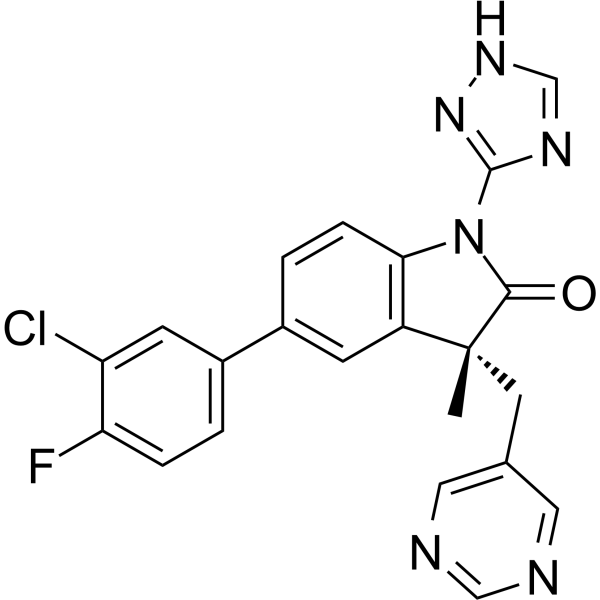
    Cav 2.2 blocker 1
    1 Publications Verification

    Calcium Channel Neurological Disease
    Cav 2.2 blocker 1 (compound 9) is a N-type calcium channel (Cav 2.2) blocker for the treatment of pain, with an IC50 of 1 nM .
    Cav 2.2 blocker 1
  • HY-P3269

    Calcium Channel Cardiovascular Disease
    Calciseptine is a natural polypeptide toxin found in the venom of the black mamba snake (Dendroaspis p. polylepis). Calciseptine is a highly effective and selective blocker of the L-type channel of the Cav1.2 subtype, with an IC50 value of 92 nM. Calciseptine has no effect on Cav3.1, Cav2.2, Cav2.1, Cav1.1, voltage-sensitive sodium channels and potassium channels. Calciseptine exhibits negative inotropic and negative relaxant effects on mice, and does not affect heart rate or the action potential of sinoatrial node pacemaker cells. Calciseptine can be used for research on cardiovascular diseases[1].
    Calciseptine
  • HY-115597

    Calcium Channel Neurological Disease
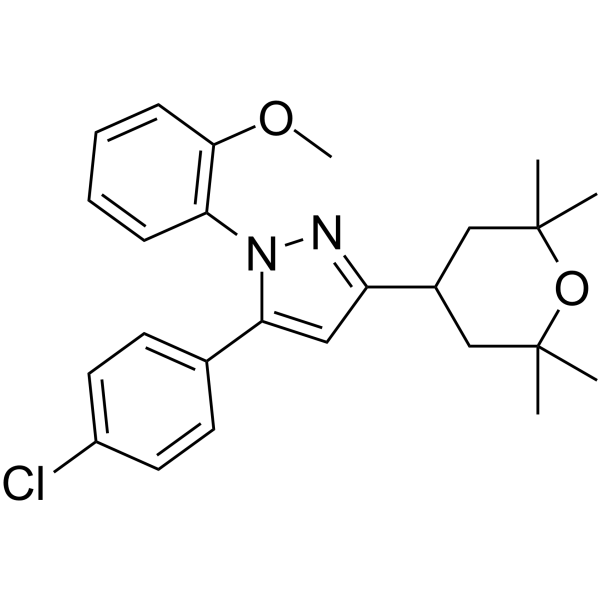
    BTT-266 is an antagonist forcalcium channel, through suppression of the CaVα1-AID-CaVβ3 interaction, with a Ki of 1.4 μM. BTT-266 modulates the activation of voltage-dependent CaV2.2. BTT-266 exhibits analgesic efficacy against neuropathic pain in rats model .
    BTT-266
  • HY-RS01986

    Small Interfering RNA (siRNA) Others

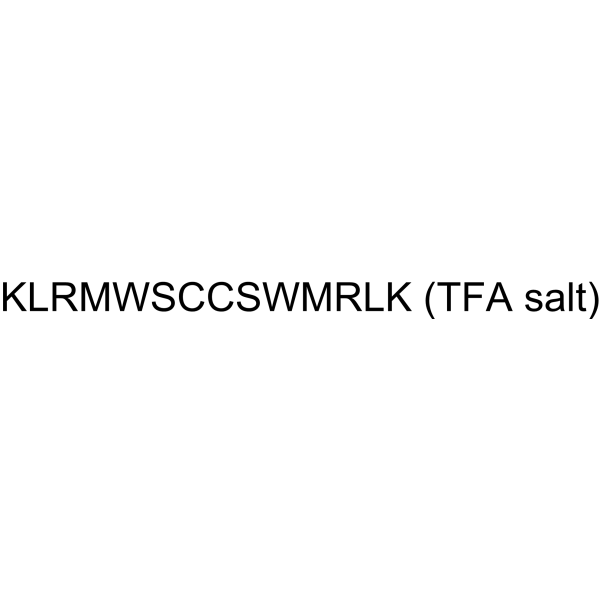
    CAV1 Human Pre-designed siRNA Set A contains three designed siRNAs for CAV1 gene (Human), as well as a negative control, a positive control, and a FAM-labeled negative control.

    CAV1 Human Pre-designed siRNA Set A
    CAV1 Human Pre-designed siRNA Set A
  • HY-132268

    Calcium Channel Neurological Disease
    Cav 2.2 blocker 2 is a Cav2.2 calcium channel blocker extracted from patent WO2017046581A1, compound 1. Cav 2.2 blocker 2 can reverses hyperalgesia associated with an injury or inflammation in conjunction with the opioid .
    Cav 2.2 blocker 2
  • HY-Z7760

    Mineralocorticoid Receptor Metabolic Disease
    Felodipine 3,5-Dimethyl Ester is a aryldihydropyridine derivatives for use as mineralocorticoid receptor modulator and voltage-dependent L-type calcium channel CaV1.2 inhibitor .
    Felodipine 3,5-dimethyl ester
  • HY-148866

    Calcium Channel Neurological Disease Endocrinology
    Cavα2δ1&NET-IN-3 (example 216) is an inhibitor of the subunit α2δ of voltage-gated calcium channels (VGCC) and noradrenaline transporter (NET). Cavα2δ1&NET-IN-3 has Kis of 100-500 nM for human α2δ-1 subunit of Cav2.2 calcium channel and NET, respectively .
    Cavα2δ1&NET-IN-3
  • HY-B0166S3

    L-Ascorbate-13C-2; Vitamin C-13C-2

    Apoptosis Calcium Channel Endogenous Metabolite Reactive Oxygen Species (ROS) Neurological Disease Metabolic Disease Cancer
    L-Ascorbic acid- 13C-2 is the 13C labeled L-Ascorbic acid. L-Ascorbic acid (L-Ascorbate), an electron donor, is an endogenous antioxidant agent. L-Ascorbic acid inhibits selectively Cav3.2 channels with an IC50 of 6.5 μM. L-Ascorbic acid is also a collagen
    L-Ascorbic acid-13C-2
  • HY-115681
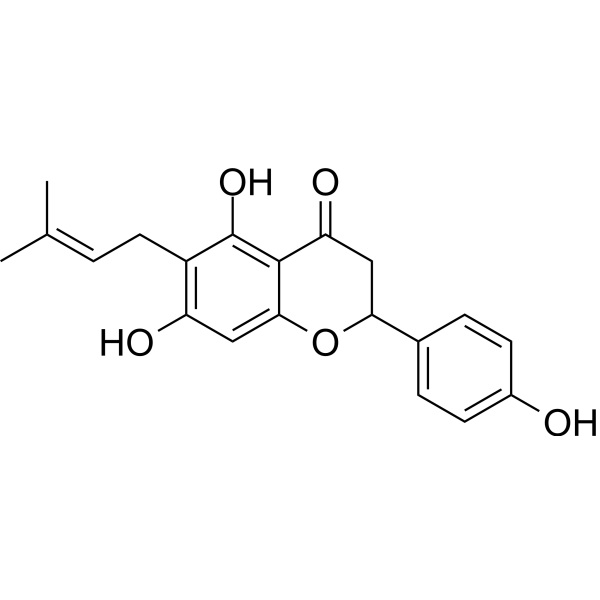
    (2R/S)-6-PNG
    1 Publications Verification

    6-Prenylnaringenin; (±)-6-Prenylnaringenin

    Calcium Channel Neurological Disease
    (2R/S)-6-PNG (6-Prenylnaringenin) is a potent and reversible Cav3.2 T-type Ca 2+ channels (T-channels) blocker. (2R/S)-6-PNG can penetrate the blood-brain barrier (BBB). (2R/S)-6-PNG suppresses neuropathic and visceral pain in mice .
    (2R/S)-6-PNG
  • HY-B0166GL

    L-Ascorbate (GMP Like); Vitamin C (GMP Like)

    Reactive Oxygen Species (ROS) Apoptosis Calcium Channel Endogenous Metabolite Neurological Disease Metabolic Disease Cancer
    L-Ascorbic acid (GMP Like) is the GMP Like class L-Ascorbic acid (HY-B0166). L-Ascorbic acid (L-Ascorbate, Vitamin C), an electron donor, is an endogenous antioxidant agent. L-Ascorbic acid inhibits selectively Cav3.2 channels with an IC50 of 6.5 μM. L-Ascorbic acid is also a collagen deposition enhancer and an elastogenesis inhibitor . L-Ascorbic acid exhibits anti-cancer effects through the generation of reactive oxygen species (ROS) and selective damage to cancer cells .
    L-Ascorbic acid (GMP Like)
  • HY-151452

    Calcium Channel Neurological Disease
    Cav 3.2 inhibitor 3 (Compound 4) is a potent Cav3.2 T-type Ca 2+ channel inhibitor with an IC50 of 0.1534 μM, and has little binding affinity to D2 receptors .
    Cav 3.2 inhibitor 3
  • HY-126336

    Calcium Channel Cardiovascular Disease Neurological Disease
    HM12 is a covalent inhibitor of L-/T-type calcium channels. HM12 can strongly inhibit the Cav1.2 (L-type) and Cav3.2 (T-type) calcium channels, and has selectivity for the N-type channels. HM12 produces an irreversible inhibition that persisted after washout. HM12 can be used to study diseases such as hypertension, pain, epilepsy, etc .
    HM12
  • HY-148863

    Calcium Channel Monoamine Transporter Inflammation/Immunology
    Cavα2δ1&NET-IN-2 (Compound 45CS) is a dual inhibitor of the α2δ‑1 subunit of voltage-gated calcium channels (Cavα2δ-1) and the norepinephrine transporter (NET). Cavα2δ1&NET-IN-2 inhibits Cavα2δ-1 with a Ki of 454 nM. Cavα2δ1&NET-IN-2 inhibits NET with a Ki of 59 nM and IC50 of 7 nM. Cavα2δ1&NET-IN-2 can be used for research of pain .
    Cavα2δ1&NET-IN-2
  • HY-B0166S2

    L-Ascorbate-13C-1; Vitamin C-13C-1

    Apoptosis Calcium Channel Endogenous Metabolite Reactive Oxygen Species (ROS) Neurological Disease Metabolic Disease Cancer
    L-Ascorbic acid- 13C-1 is the 13C labeled L-Ascorbic acid. L-Ascorbic acid (L-Ascorbate), an electron donor, is an endogenous antioxidant agent. L-Ascorbic acid inhibits selectively Cav3.2 channels with an IC50 of 6.5 μM. L-Ascorbic acid is also a collagen
    L-Ascorbic acid-13C-1
  • HY-B0166S5

    L-Ascorbate-13C-4; Vitamin C-13C-4

    Isotope-Labeled Compounds Apoptosis Calcium Channel Endogenous Metabolite Reactive Oxygen Species (ROS) Neurological Disease Metabolic Disease Cancer
    L-Ascorbic acid- 13C-4 is the 13C labeled L-Ascorbic acid. L-Ascorbic acid (L-Ascorbate), an electron donor, is an endogenous antioxidant agent. L-Ascorbic acid inhibits selectively Cav3.2 channels with an IC50 of 6.5 μM. L-Ascorbic acid is also a collag
    L-Ascorbic acid-13C-4
  • HY-P10898

    nAChR Calcium Channel GABA Receptor Neurological Disease
    GeX-2 is a truncated analogue of αO-conotoxin. GeX-2 activates GABAB receptor. GeX-2 inhibits α9α10 nAChR and CaV2.2 channels. GeX-2 alleviates pain in the rat model of chronic constriction injury .
    GeX-2
  • HY-B0166AR

    Sodium ascorbate (Standard); Sodium L-ascorbate (Standard); Vitamin C sodium salt (Standard)

    Reference Standards Calcium Channel Reactive Oxygen Species (ROS) Apoptosis Endogenous Metabolite Cancer
    L-Ascorbic acid (sodium salt) (Standard) is the analytical standard of L-Ascorbic acid (sodium salt). This product is intended for research and analytical applications. L-Ascorbic acid sodium salt (Sodium ascorbate), an electron donor, is an endogenous antioxidant agent. L-Ascorbic acid sodium salt selectively inhibits Cav3.2 channels with an IC50 of 6.5 μM. L-Ascorbic acid sodium salt is also a collagen deposition enhancer and an elastogenesis inhibitor .
    L-Ascorbic acid sodium salt (Standard)
  • HY-177955

    Calcium Channel Drug Derivative Neurological Disease
    α-Obscurine derivative-1 (Compound 7) is a α-Obscurine (HY-134036) derivative. α-Obscurine derivative-1 inhibits CaV3.1 ion channel current with an IC50 of 0.19 μM. α-Obscurine derivative-1 can be used in the research of neurological disorders .
    α-Obscurine derivative-1
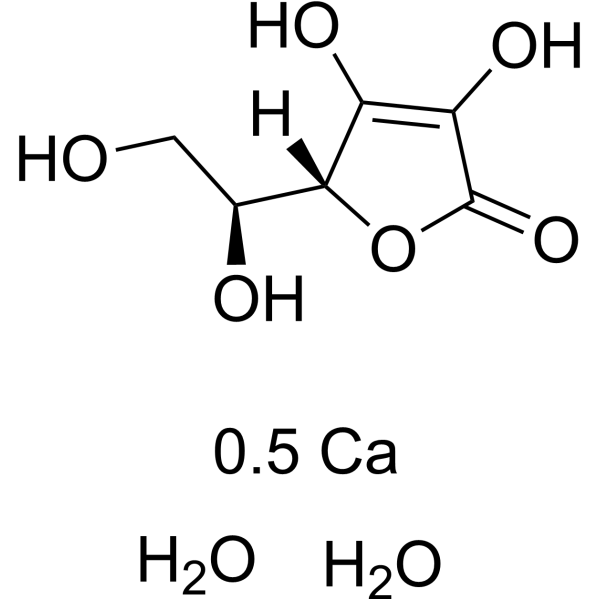
  • HY-B0166E

    L-Ascorbate magnesium; Vitamin C magnesium

    Reactive Oxygen Species (ROS) Calcium Channel Apoptosis Endogenous Metabolite Neurological Disease
    L-Ascorbic acid (L-Ascorbate) magnesium, an electron donor, is an endogenous antioxidant. L-Ascorbic acid selectively inhibits Cav3.2 channels with an IC50 of 6.5 μM. L-Ascorbic acid is also a collagen deposition promoter and elastin production inhibitor. L-Ascorbic acid exhibits anticancer effects by generating reactive oxygen species (ROS) and selectively damaging cancer cells .
    L-Ascorbic acid magnesium
  • HY-50707

    (Rac)-T-Type calcium channel inhibitor

    Calcium Channel Drug Isomer Neurological Disease
    (Rac)-TTA-P2 is the isomer of TTA-P2 (HY-10035), and can be used as an experimental control. TTA-P2 (T-Type calcium channel inhibitor) is a potent inhibitor of T-Type calcium channel. TTA-P2 penetrates well the CNS and blocks the native T-type currents in deep cerebellar nuclear neurons, the window current is completely abolished both for wild-type and mutant Cav3.1 channels. TTA-P2 has the potential for the research of neurology disease .
    (Rac)-TTA-P2
  • HY-175226

    Dipeptidyl Peptidase Calcium Channel Sodium Channel Potassium Channel Cancer
    DPP8/9-IN-2 (Compound 21) is a DPP8/9 inhibitor with IC50 values of 0.22 nM and 3 nM, respectively, and Ki values of 2.9 nM and 6 nM, respectively . DPP8/9-IN-2 has certain cardiotoxicity, with IC50 values of 0.7 μM, 29.0 μM and 27.7 μM for hERG potassium channel, Nav1.5 sodium channel and Cav1.2 calcium channel, respectively. DPP8/9-IN-2 can be used in the research of diseases such as tumors .
    DPP8/9-IN-2
  • HY-P1441A

    Sodium Channel Neurological Disease
    Mambalgin 1 TFA is a selective ASIC1a inhibitor (IC50 values are 192 and 72 nM for human ASIC1a and ASIC1a/1b dimer, respectively). Mambalgin 1 TFA binds to closed/inactive channel. Mambalgin 1 TFA is selective for ASIC1a over ASIC2a, ASIC3, TRPV1, P2X2, 5-HT3, Nav1.8, Cav3.2 and Kv1.2 channels. Mambalgin 1 TFA increases latency of withdrawal response in mouse tail-flick and paw-flick tests.
    Mambalgin 1 TFA
  • HY-Z15823

    Dexverapamil

    Calcium Channel Potassium Channel Somatostatin Receptor Arrestin Apoptosis P-glycoprotein Metabolic Disease Inflammation/Immunology
    (R)-Verapamil (Dexverapamil) is an optically enantiomer of the oral-active Verapamil (HY-14275). (R)-Verapamil has a relatively low affinity for L-type calcium channels (Cav1.2) (IC50 > 300 μM), and its IC50 for sodium channels (sodium channel) is 3.19 μM. (R)-Verapamil exhibits SSTR2 agonistic activity, with an EC50 of 1.3 μM. (R)-Verapamil significantly downregulates the expression of TXNIP protein in diabetic mouse models and significantly inhibits β-cell apoptosis (apoptosis), effectively controlling blood sugar. (R)-Verapamil can be used as a PET tracer for the function of P-glycoprotein (P-gp) .
    (R)-Verapamil
  • HY-156889

    Calcium Channel Neurological Disease
    Cav 3.1 blocker 1 (compound 12) is a T-type calcium channel blocker with an IC50value of 160 nM for Cav3.1. Cav 3.1 blocker 1 weakly inhibits Cav 3.2 (IC50 of 5000 nM), and shows no inhibition on Cav 3.3 and Cav 1.2 (IC50 of >10000 nM) .
    Cav 3.1 blocker 1
  • HY-103309A

    Calcium Channel Neurological Disease
    ML218 hydrochloride is a potent, selective and orally active T-type Ca 2+ channels (Cav3.1, Cav3.2, Cav3.3) inhibitor with IC50s of 310 nM and 270 nM for Cav3.2 and Cav3.3, respectively. ML218 hydrochloride inhibits the burst activity in subthalamic nucleus (STN) neurons. ML218 hydrochloride has no significant inhibition of L- or N-type calcium channels, KATP or hERG potassium channels. ML218 hydrochloride can penetrate the blood-brain barrier .
    ML218 hydrochloride
  • HY-122201

    Calcium Channel Neurological Disease Cancer
    NSC156529 is a potent T-type calcium-channel antagonist. NSC156529 shows inhibits on Cav3.1 and Cav3.2 and o Cav3.3 without effect. NSC156529 has the potential for the research of neuropsychic and genital system diseases .
    NSC156529
  • HY-103309S

    Calcium Channel Neurological Disease
    ML218-d9 is the deuterium labeled ML218. ML218 is a potent, selective and orally active T-type Ca2+ channels (Cav3.1, Cav3.2, Cav3.3) inhibitor with IC50s of 310 nM and 270 nM for Cav3.2 and Cav3.3, respectively. ML218 inhibits the burst activity in subthalamic nucleus (STN) neurons. ML218 has no significant inhibition of L- or N-type calcium channels, KATP or hERG potassium channels. ML218 can penetrate the blood-brain barrier .
    ML218-d9

Inquiry Online

Your information is safe with us. * Required Fields.

Salutation


Country or Region *

Applicant Name *


Organization Name *

Department *


Email Address *


Product Name *

Cat. No.


Requested quantity *

Phone Number *


Remarks

Inquiry Online

Inquiry Information

Product Name:
Cat. No.:
Quantity:
MCE Japan Authorized Agent:

