
124 Results for "

Disaccharide

" in MedChemExpress (MCE) Product Catalog:
Products (124)

124 Results for "Disaccharide" in MCE Product Catalog:

21
21 Publications Verification
Cat. No.: HY-B0633
CAS No.: 9067-32-7
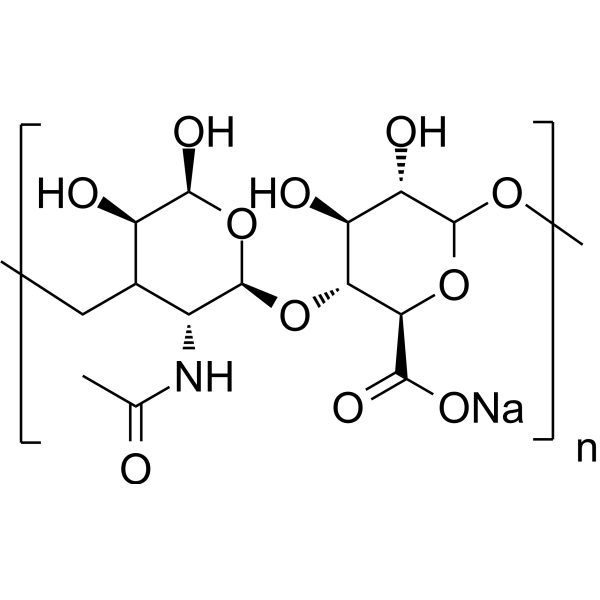
Synonyms: Sodium hyaluronate
Hyaluronic acid sodium (Sodium hyaluronate) is a biopolymer composed of repeating units of disaccharides with various applications. Hyaluronic acid sodium is a major component of the extracellular matrix (ECM). Hyaluronic acid sodium is synthesized at the plasma membrane. Increased hyaluronic acid sodium levels are associated with tumor cell growth, adhesion, migration, invasion and angiogenesis in digestive cancers. Hyaluronic acid sodium participates in tissue remodeling and rapid cell proliferation in some physiological processes including embryonic morphogenesis and wound-healing. Hyaluronic acid sodium activates the PI3K-Akt signaling. Hyaluronic acid sodium acts as a regulator of cancer-associated lymphangiogenesis. Hyaluronic acid sodium also enhances cell invasion and angiogenesis by promoting proteolytic MMP-9 binding to cell surface or stimulating MMP-9 binding to cell surface. Hyaluronic acid sodium can be used as drug delivery for sodium butyrate to improve the anti-proliferative activity on breast cancer cell line. Hyaluronic acid sodium can be studied in joint diseases, wound healing and cancer .
loading...
    loading...
21
21 Publications Verification
Cat. No.: HY-B0633A
CAS No.: 9004-61-9
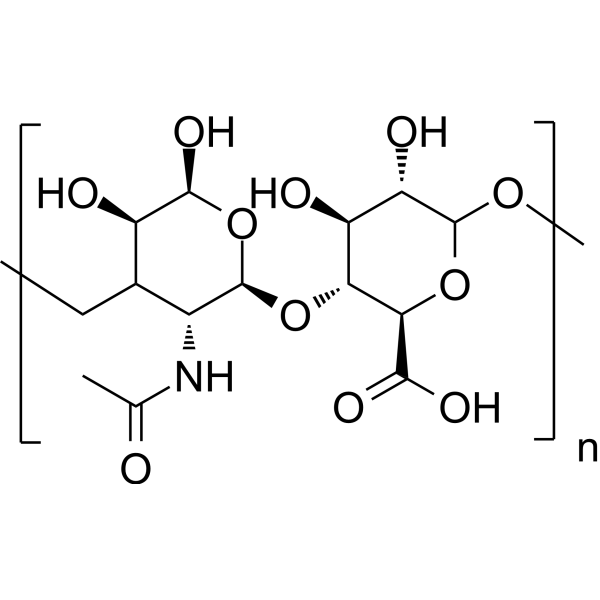
Synonyms: Hyaluronan; Hyaluronate
Hyaluronic acid is a biopolymer composed of repeating units of disaccharides with various applications. Hyaluronic acid is a major component of the extracellular matrix (ECM). Hyaluronic acid is synthesized at the plasma membrane. Increased hyaluronic acid levels are associated with tumor cell growth, adhesion, migration, invasion and angiogenesis in digestive cancers. Hyaluronic acid participates in tissue remodeling and rapid cell proliferation in some physiological processes including embryonic morphogenesis and wound-healing. Hyaluronic acid activates the PI3K-Akt signaling. Hyaluronic acid acts as a regulator of cancer-associated lymphangiogenesis. Hyaluronic acid also enhances cell invasion and angiogenesis by promoting proteolytic MMP-9 binding to cell surface or stimulating MMP-9 binding to cell surface. Hyaluronic acid can be used as drug delivery for sodium butyrate to improve the anti-proliferative activity on breast cancer cell line. Hyaluronic acid can be studied in joint diseases, wound healing and cancer .
loading...
    loading...
12
12 Cited Publications
Cat. No.: HY-B1779
CAS No.: 57-50-1
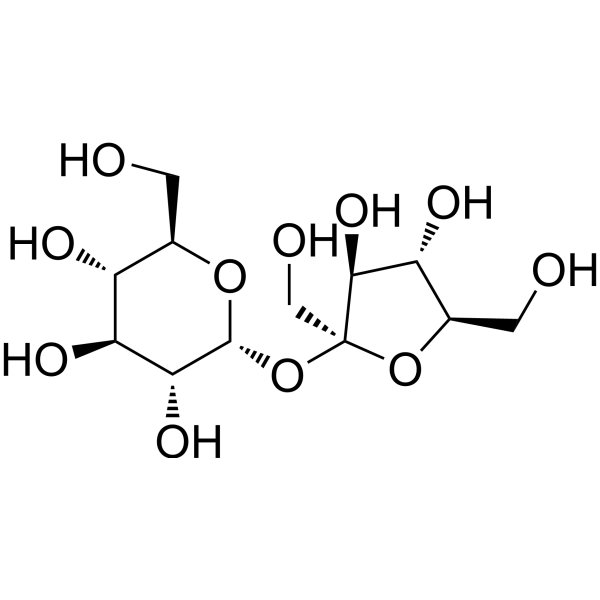
Synonyms: D-(+)-Saccharose
Sucrose (D-(+)-Saccharose) is a disaccharide which is composed of two monosaccharides, glucose and fructose. Sucrose can be applied in some animal models, including metabolic disease, obesity, diet on preference, and diabetes, et al .
loading...
    loading...
10
10 Cited Publications
Cat. No.: HY-N1132
CAS No.: 99-20-7
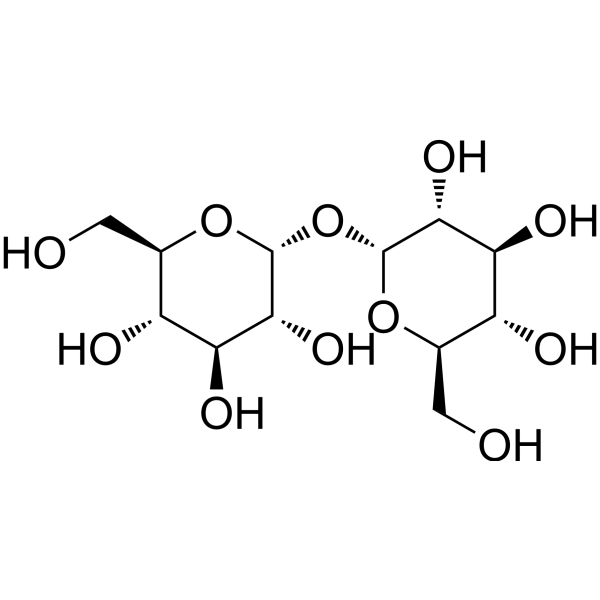
Synonyms: D-Trehalose; α,α-Trehalose
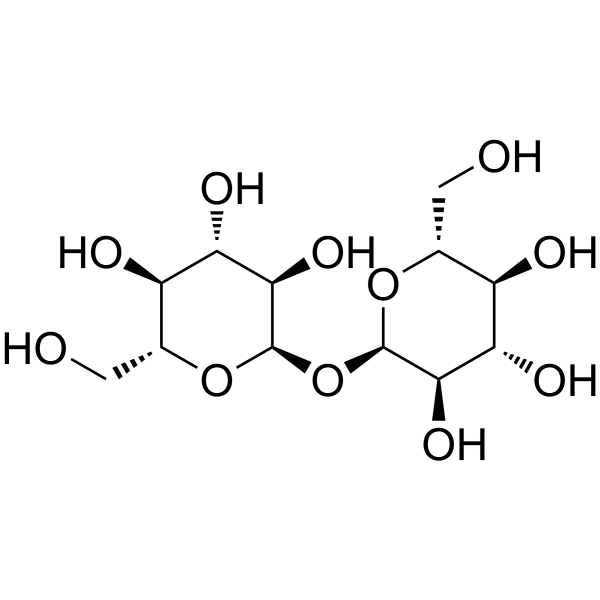
D-(+)-Trehalose (α,α-Trehalose) is an orally active disaccharide, showing anti-desiccant and cryopreservative activities. D-(+)-Trehalose acts as an osmolyte, and stress protectant and helps in the storage and transport of carbon. D-(+)-Trehalose can be used as a food ingredient and pharmaceutical excipient .
loading...
    loading...
5
5 Cited Publications
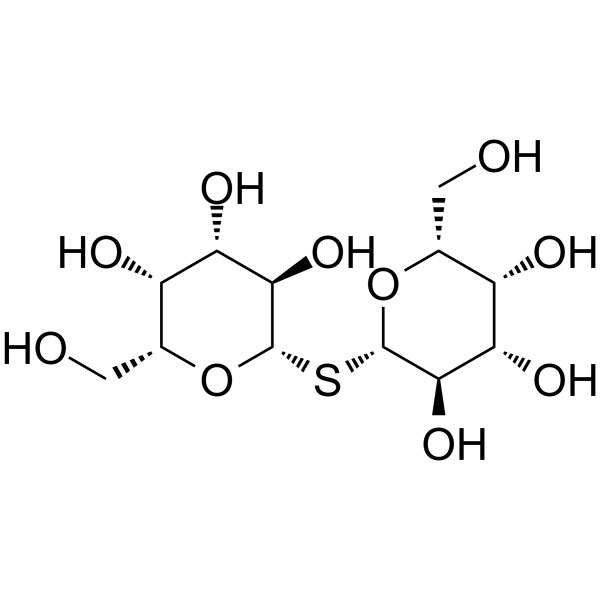
Cat. No.: HY-130208
CAS No.: 51555-87-4
Purity:  99.97%
Synonyms: TDG
Target:  

Galectin

Thiodigalactoside (TDG) is an orally active and potent galectin (GAL) inhibitor with Kd values of 24 μM, 49 μM for GAL1 and GAL3, respectively . Thiodigalactoside, a non-metabolizable disaccharide, has anti-inflammatory and anti-cancer activity. Thiodigalactoside dramatically reduces body weight gain in diet-induced obese rats .
loading...
    loading...
4
4 Cited Publications
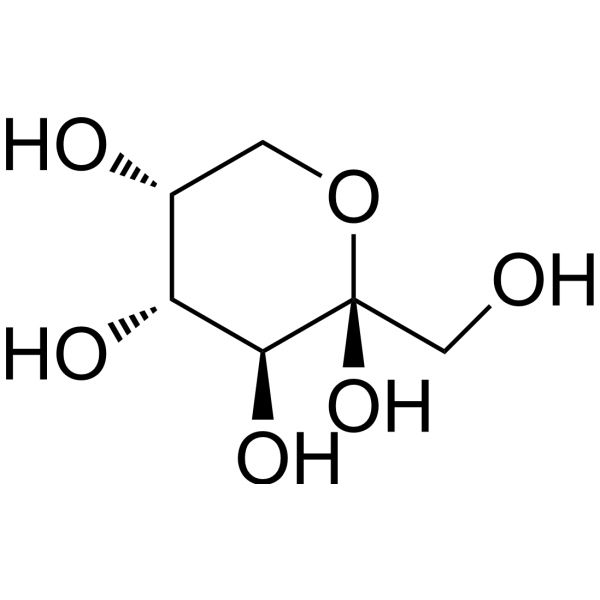
Cat. No.: HY-N0395
CAS No.: 7660-25-5
Synonyms: beta-D-Fructopyranose
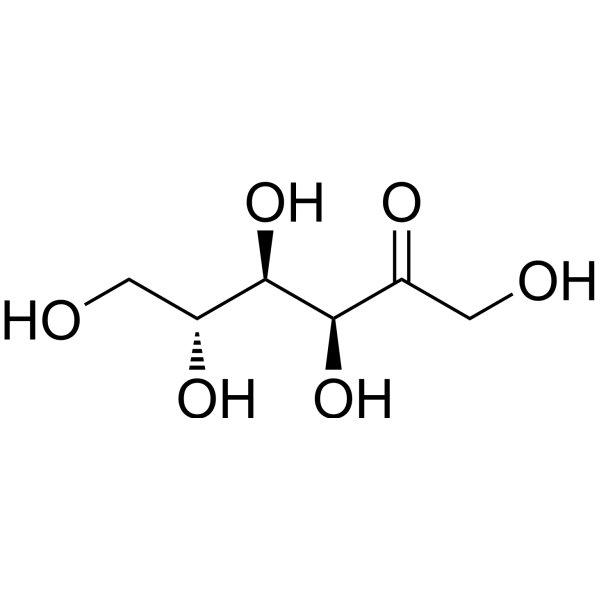
Fructose is a simple ketonic monosaccharide found in many plants, where it is often bonded to glucose to form the disaccharide sucrose.
loading...
    loading...
1
1 Cited Publications
Cat. No.: HY-N7092
CAS No.: 57-48-7
Synonyms: D(-​)​-​Fructose
D-Fructose (D(-)-Fructose) is a monosaccharide found in honey, fruits, and other plants. Two D-Fructose molecules can combine to form a disaccharide, sucrose .
loading...
    loading...
1
1 Cited Publications
Cat. No.: HY-CP001
CAS No.: 99-20-7
Research Areas:  

Metabolic Disease

D-Trehalose is a disaccharide formed by a 1,1-glycosidic bond between two α-glucose units and is widely used as a food ingredient and pharmaceutical excipient. D-Trehalose is known to protect and stabilise proteins. For long-term storage, recombinant protein solution should be diluted further with 5% D-Trehalose, Carrier Protein.
loading...
    loading...
1
1 Cited Publications
Cat. No.: HY-B1172
CAS No.: 4618-18-2
Synonyms: 4-O-β-D-Galactopyranosyl-D-fructose
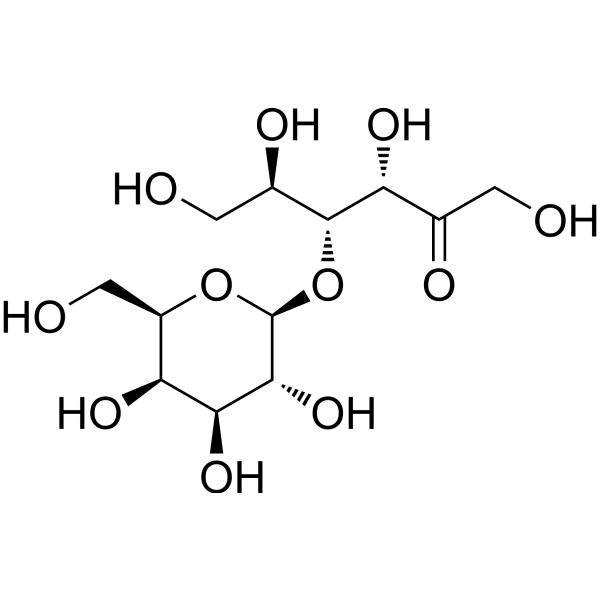
Lactulose is an orally active galactose-fructose disaccharide. Lactulose suppresses upregulation of TNF-α and IL-6. Lactulose decreases the degree of DNA damage. Lactulose exhibits many of the properties of other oligosaccharides, including increasing the numbers of Bifidobacteria in feces. Lactulose restores the structure and composition of the intestinal microbiota, mitigates inflammation, and suppresses inflammatory tumorigenesis in mice with colitis-associated cancer. Lactulose can be used in the research of constipation .
loading...
    loading...
1
1 Cited Publications
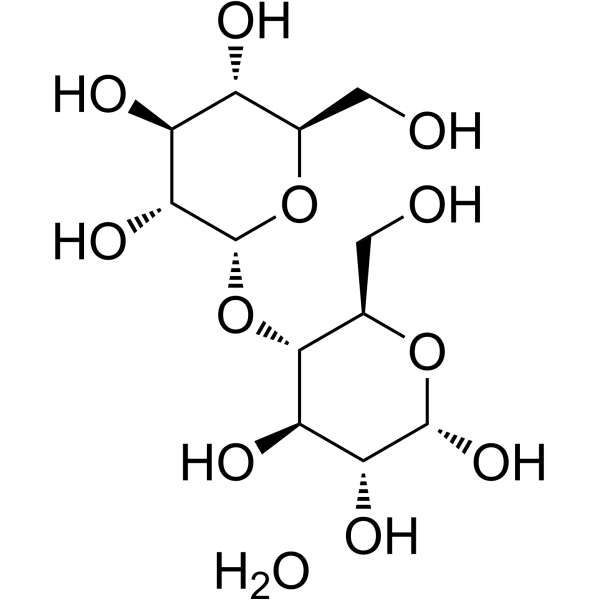
Cat. No.: HY-N2024A
CAS No.: 6363-53-7
Maltose monohydrate is a disaccharide composed of two glucose molecules linked together. Maltose monohydrate is an endogenous metabolic product in plants, yeast, or bacteria, and it participates in carbon source storage and metabolism. Maltose monohydrate is a key core metabolite and main transport form in the temporary starch degradation, carbon output, and subsequent sucrose synthesis metabolism of the night chloroplast. In X. dendrorhous, maltose can act as a sugar donor and is converted into isomaltulose by α-glucosidase. Maltose monohydrate can act as a osmotic agent, supporting continuous capillary ultrafiltration and preventing severe metabolic disorders .
loading...
    loading...
1
1 Cited Publications
Cat. No.: HY-113133
CAS No.: 2140-29-6
Purity:  99.76%
Category:  

Microorganisms

Target:  

Glycosidase

Kojibiose, an orally active prebiotic disaccharide, can specifically inhibit the activity of α-glucosidase I. kojibiose is a proliferation factor for Bifidobacterium, lactic acid bacteria, and eubacteria. kojibiose is a low-calorie sweetener capable of increasing the absorption of iron. Kojibiose exhibits antitoxic activity. Kojibiose reduces hepatic expression of inflammatory markers in vivo .
loading...
    loading...
1
1 Cited Publications
Cat. No.: HY-N0395R
CAS No.: 7660-25-5
Synonyms: beta-D-Fructopyranose (Standard)
Fructose (Standard) is the analytical standard of Fructose. This product is intended for research and analytical applications. Fructose is a simple ketonic monosaccharide found in many plants, where it is often bonded to glucose to form the disaccharide sucrose.
loading...
    loading...
1
1 Cited Publications
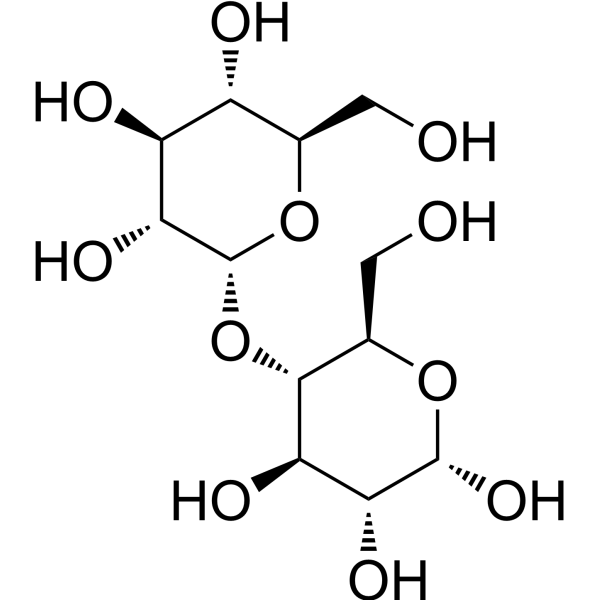
Cat. No.: HY-N2024
CAS No.: 69-79-4
Maltose is a disaccharide composed of two glucose molecules linked together. Maltose is an endogenous metabolic product in plants, yeast, or bacteria, and it participates in carbon source storage and metabolism. Maltose is a key core metabolite and main transport form in the temporary starch degradation, carbon output, and subsequent sucrose synthesis metabolism of the night chloroplast. In X. dendrorhous, maltose can act as a sugar donor and is converted into isomaltulose by α-glucosidase). Maltose can act as a osmotic agent, supporting continuous capillary ultrafiltration and preventing severe metabolic disorders .
loading...
    loading...
Cat. No.: HY-N2325
CAS No.: 528-50-7
D-(+)-Cellobiose is a water-soluble disaccharide and an important intermediate product in the degradation process of cellulose and hemicellulose. D-(+)-cellobiose is used as a carbon source by microorganisms in fermentation processes, where it is converted into ethanol or other metabolic products. D-(+)-Cellobiose has significant application value in biofuel production, such as bioethanol .
loading...
    loading...
Cat. No.: HY-P2979
CAS No.: 9001-57-4
Synonyms: β-D-Fructofuranosidase
Research Areas:  

Others

Invertase, baker's yeast (S. cerevisiae) is a major enzyme present in plants and microorganisms, is often used in biochemical studies. Invertase catalyzes the hydrolysis of the disaccharide sucrose into glucose and fructose .
loading...
    loading...
Cat. No.: HY-126854
CAS No.: 32181-59-2
Purity:  99.95%
Synonyms: N-Acetyl-D-lactosamine
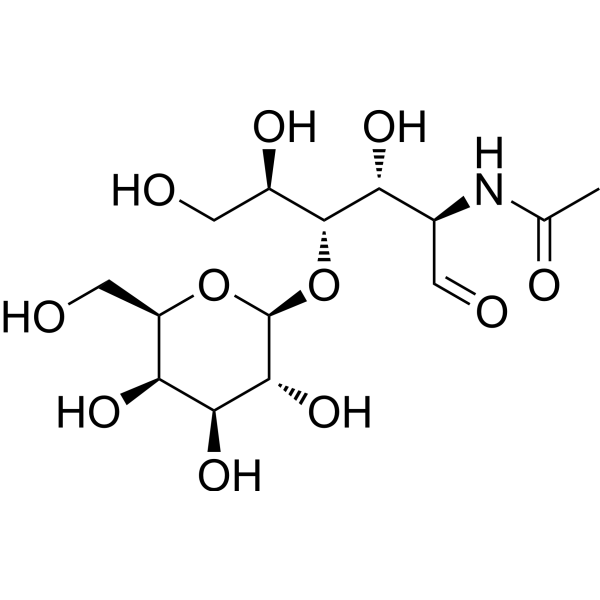
N-Acetyllactosamine (N-Acetyl-D-lactosamine), a nitrogen-containing disaccharide, is a galectin-3 inhibitor, which is an important component of various oligosaccharides such as glycoproteins and sialyl Lewis X. N-Acetyllactosamine can be used as the starting material for the synthesis of various oligosaccharides. N-Acetyllactosamine has prebiotic effects .
loading...
    loading...
Cat. No.: HY-N2468
CAS No.: 6860-47-5
Synonyms: 1,4-β-D-Xylobiose; 1,4-D-Xylobiose
Xylobiose (1,4-β-D-Xylobiose; 1,4-D-Xylobiose) is an orally active Claudin 2/CLDN2 inhibitor and HSP27 inducer. Xylobiose works by regulating intestinal barrier function and glucose and lipid metabolism-related signaling pathways. Xylobiose inhibits CLDN2 expression to reduce intestinal permeability, induces HSP27 to enhance cell protection, and regulates the miR-122a/miR-33a axis to inhibit liver lipid synthesis and improve insulin resistance. Xylobiose can strengthen intestinal barrier integrity, reduce blood sugar and blood lipid levels, and reduce oxidative stress and inflammatory response. Xylobiose can be used in the study of type 2 diabetes and metabolic syndrome .
loading...
    loading...
Cat. No.: HY-N3018
CAS No.: 499-40-1
Synonyms: 6-O-α-D-Glucopyranosyl-D-glucose; D-Isomaltose
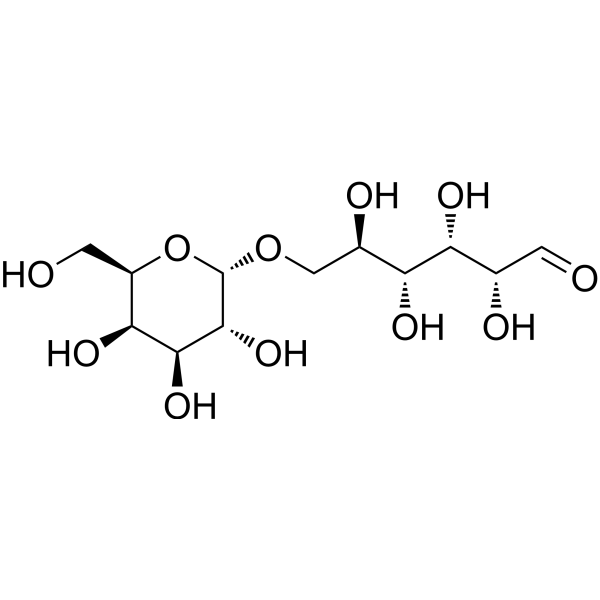
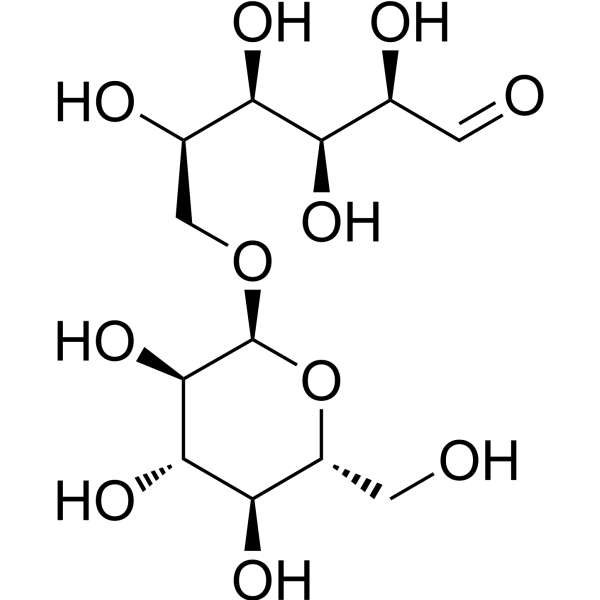
Isomaltose (6-O-α-D-Glucopyranosyl-D-glucose) is a glucose disaccharide. Isomaltose induces G-CSF secretion via heat-induced oxidative polymerization of glucose groups into high-molecular-weight compounds. Isomaltose modulates cecal bacterial cluster structure in mice. Isomaltose exhibits low glycemic index, slow hydrolysis, and prebiotic properties. Isomaltose reduces in vivo Cryptosporidium parvum colonization in neonatal mice. Isomaltose can be used for the research of Cryptosporidium parvum infection .
loading...
    loading...
Cat. No.: HY-P2839
CAS No.: 9025-39-2
Synonyms: Heparinase I
Target:  

Endogenous Metabolite

Research Areas:  

Metabolic Disease

Heparinase (Heparinase I) degrades heparin to oligosaccharide or unsaturated disaccharide. Heparinase can be used in the preparation of low molecular weight heparin (LMWH) .
loading...
    loading...
Cat. No.: HY-N7104
CAS No.: 585-86-4
Synonyms: D-Lactitol
Target:  

Bacterial

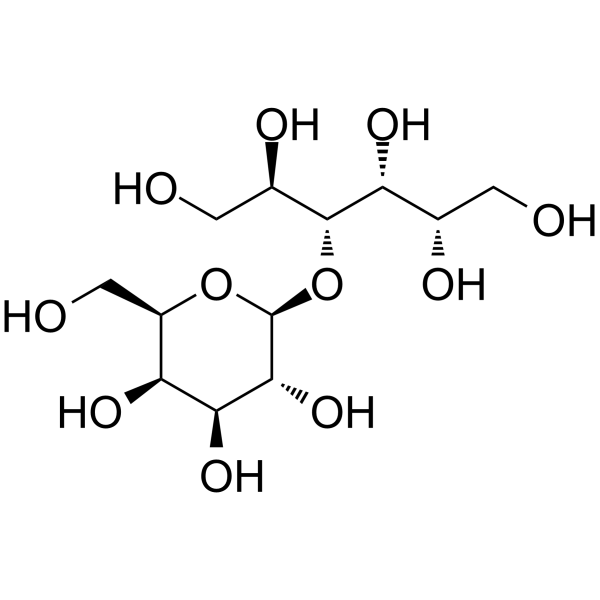
Lactitol (D-Lactitol) is a non-absorbable disaccharide and Bacterial regulator. Lactitol reduces the populations of Bacteroides, Clostridium, coliforms and Eubacterium, while increasing the populations of Lactobacillus and Streptococcus. Lactitol can be used in the research of portosystemic encephalopathy and chronic constipation .
loading...
    loading...

