58 Results for "

Drug-resistant cancer cells

" in MedChemExpress (MCE) Product Catalog:
Products (58)

58 Results for "Drug-resistant cancer cells" in MCE Product Catalog:

66
66 Publications Verification
Cat. No.: HY-135748A
Poly (I:C):Kanamycin (1:1) sodium is an isometric complex of Poly (I:C) (HY-135748) and Kanamycin (HY-16566). Poly(I:C) sodium, a synthetic analog of double-stranded RNA, is a TLR3 and retinoic acid-inducible gene I receptor (RIG-I and MDA5) agonist. Poly(I:C) sodium can be used as a vaccine adjuvant to enhance innate and adaptive immune responses and induce apoptosis in cancer cells . Kanamycin is an orally active antibacterial agent (Gram-negative/positive bacteria) that inhibits translocation and causes miscoding by binding to the 70S ribosomal subunit. Kanamycin shows good inhibitory activity against Mycobacterium tuberculosis (susceptible and drug-resistant) and Klebsiella pneumoniae, and can be used in the research of tuberculosis and pneumonia .
loading...
    loading...
7
7 Cited Publications
Cat. No.: HY-D1063
CAS No.: 207399-07-3
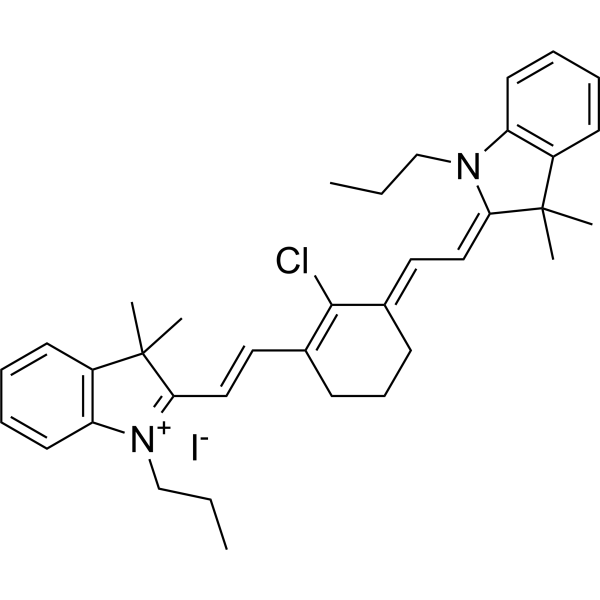
IR-780 is a near-infrared fluorescent probe for in vivo imaging of tumor cells. IR-780 is transported into tumor cells via OATPs and ABCB10, with uptake dependent on glycolytic activity and plasma membrane potential. IR-780 preferentially accumulates in tumor cell mitochondria, including those of drug-resistant cancer cells, without chemical conjugation. IR-780 generates reactive oxygen species (ROS), induces hyperthermia and apoptosis, inhibits tumor growth and recurrence, and modulates HSP70 expression upon ultrasound or 808 nm laser exposure. IR-780 acts as a sonosensitizer, photodynamic and photothermal agent, and drug delivery carrier, with low acute imaging-dose toxicity and rapid vital organ clearance. IR-780 can be used for the research of cancer, such as breast cancer, lung cancer, and non-small cell lung cancer (NSCLC) .
loading...
    loading...
3
3 Cited Publications
Cat. No.: HY-164992
Synonyms: MRG002; Trastuzumab MMAE
Trastuzumab vedotin (MRG002; Trastuzumab MMAE) is an antibody-drug conjugate and cytotoxin targeting HER2, with a Kd of 7.50E-11 M for human HER2. After binding to HER2, Trastuzumab vedotin undergoes internalization and lysosomal trafficking, delivering a cytotoxic payload to HER2-expressing cells and inducing tumor regression in in vivo xenograft models with HER2-expressing tumors. The anti-tumor activity of Trastuzumab vedotin is enhanced when used in combination with anti-PD-1 antibodies, and it exhibits preclinical anti-tumor activity in drug-resistant breast cancer, gastric cancer, and urothelial carcinoma PDX models. Trastuzumab vedotin has low antibody-dependent cellular cytotoxicity activity and can be used in studies related to HER2-positive breast cancer, HER2-positive gastric cancer, and unresectable locally advanced or metastatic HER2-positive urothelial carcinoma .
loading...
    loading...
3
3 Cited Publications
Cat. No.: HY-19542
CAS No.: 124753-97-5
Synonyms: C6-Cer; N-Hexanoylsphingosine
Target:  

Apoptosis

Research Areas:  

Cancer

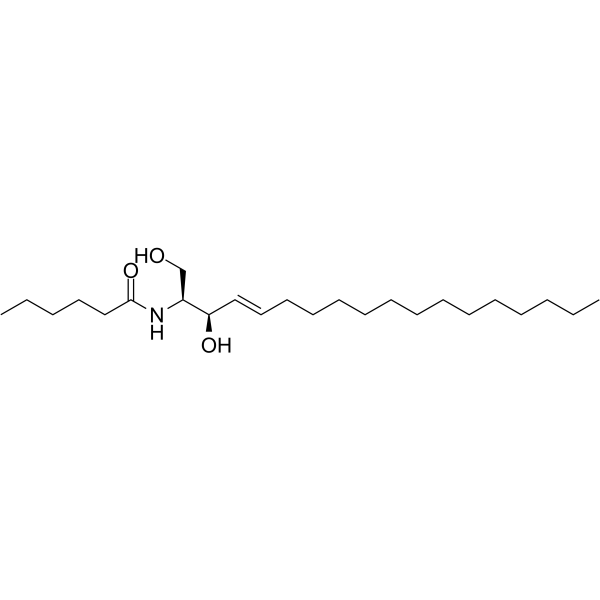
C6 Ceramide (C6-Cer) is a short-chain, cell-permeable ceramide pathway activator with anticancer activity. C6 Ceramide-mediated miR-29b expression participates in the progression of multiple myeloma through suppressing the proliferation, migration and angiogenesis of endothelial cells by targeting Akt signal pathway. C6 Ceramide exhibits multiple anti-cancer properties including cell cycle arrest, Apoptosis, inhibition of tumor growth and enhances the effects of chemotherapy in drug-resistant cancer cells. C6-ceramide can be used as an adjuvant for chemotherapeutic agents, to enhance anti-tumor effects .
loading...
    loading...
1
1 Cited Publications
Cat. No.: HY-B0364A
CAS No.: 536-43-6
Synonyms: Dyclocaine hydrochloride
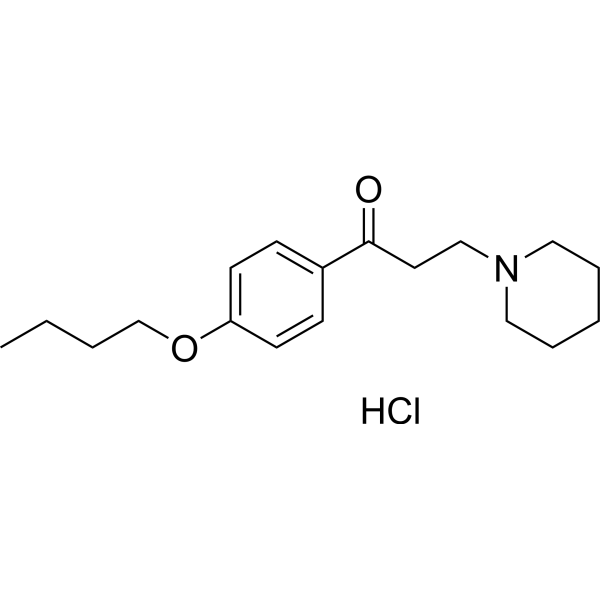
Dyclonine hydrochloride (Dyclocaine hydrochloride) is an orally active, blood-brain barrier-permeable piperidine phenylacetone small molecule commonly used as a local anesthetic. Dyclonine hydrochloride acts as a highly selective allosteric antagonist of TRPV3; it also reversibly inhibits G9a, ALDH2 and ALDH3A1, non-competitively blocks AChE. Dyclonine hydrochloride activates the Nrf2/ARE pathway, relieves the epigenetic silencing of FXN, blocks Aβ42 aggregation, and promotes remyelination and reparative polarization of microglia. Dyclonine hydrochloride alleviates pruritus via TRPV3 inhibition; it is used in studies of neurodegenerative disease models based on its AChE inhibitory, antioxidant and remyelinating effects; it sensitizes drug-resistant tumors through ALDH inhibition, and combined use with protease inhibitors induces more tumor cell apoptosis; it inhibits Candida albicans in vitro. Dyclonine hydrochloride can be used for research on multiple diseases including neurodegenerative diseases, cancer and pruritic dermatitis .
loading...
    loading...
1
1 Cited Publications
Cat. No.: HY-176557
CAS No.: 907547-06-2
NCI677397 is a USP24 inhibitor. NCI677397 increases lipid ROS, activates cholesterol and fatty acid biosynthesis, degrades ABC transporters, GPX4 and DHFR through the autophagy pathway, decreases the level of P-gp and ultimately leads to ferroptosis in drug-resistant cancer cells. NCI677397 can be used for the study of lung caner and brain cancer .
loading...
    loading...
Cat. No.: HY-12758
CAS No.: 1346753-00-1
Purity:  99.16%
Target:  

BCRP

Research Areas:  

Cancer

YHO-13351 is an orally active ABCG2 inhibitor . YHO-13351 modulates the function of ABCG2, blocks BCRP-mediated compound efflux, downregulates the expression of breast cancer resistance protein at the post-transcriptional level, and reverses ABCG2-associated tolerance. YHO-13351 restores the toxicity of SN-38 to SN-38-resistant cancer cells and sensitizes cancer cells to Irinotecan. YHO-13351 is a water-soluble prodrug that is rapidly converted to YHO-13177 (HY-12757) in mice. YHO-13351 prolongs the median survival time of mice bearing cancer cell xenografts when combined with IMMU-132. YHO-13351 extends the survival time of tumor-bearing mice and inhibits the growth of xenograft tumors when combined with Irinotecan. YHO-13351 can be used for the research of breast cancer, gastric cancer, BCRP-mediated drug-resistant cancers, and cervical cancer .
loading...
    loading...
Cat. No.: HY-127079
CAS No.: 208518-52-9
Purity:  99.45%
Target:  

Microtubule/Tubulin

Research Areas:  

Cancer

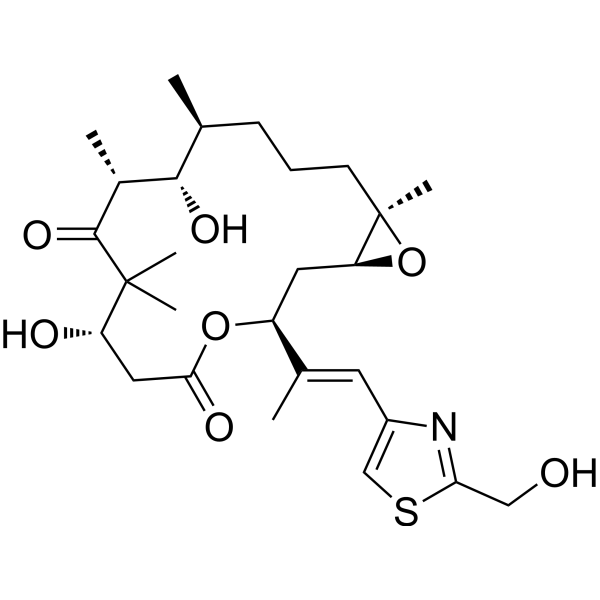
Epothilone F is a 16-membered macrolide microtubule-targeting agent. Epothilone F exhibits significant anticancer activity, and it particularly exerts effective inhibitory effects on paclitaxel-resistant cancer cells. Epothilone F inhibits the proliferation of breast cancer cells, non-small cell lung cancer cells and drug-resistant ovarian cancer cells, and it has been widely used in cancer-related research .
loading...
    loading...
Cat. No.: HY-N3434
CAS No.: 15486-34-7
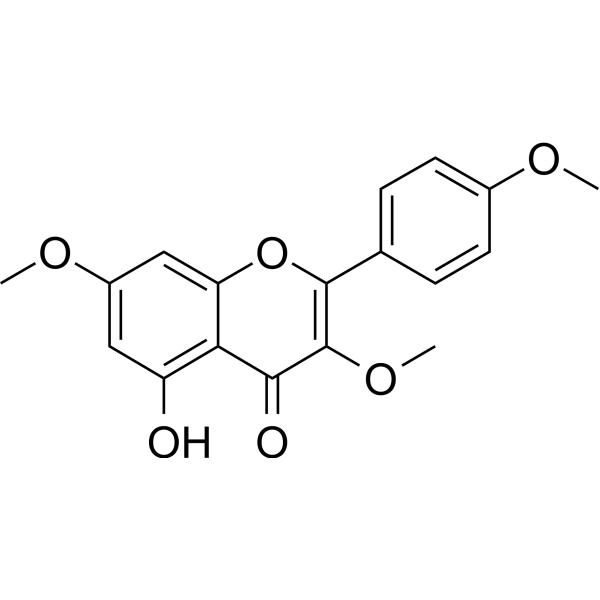
Kaempferol 3,7,4'-trimethyl ether is an O-methylated kaempferol flavonol aglycone distributed in Siparuna gigantotepala, Aframomum arundinaceum and Siparuna guianensis. Kaempferol 3,7,4'-trimethyl ether exhibits antioxidant activity. Kaempferol 3,7,4'-trimethyl ether suppresses the proliferation of leukemia cells and exerts selective cytotoxicity against both drug‑sensitive and multi‑factorial drug‑resistant cancer cells. Kaempferol 3,7,4'-trimethyl ether can be applied in the research of multidrug‑resistant cancers .
loading...
    loading...
Cat. No.: HY-W984782
CAS No.: 523-64-8
Flindersine is an alkaloid with multiple activities including antibacterial, antifungal, antitumor, and antidiabetic properties. Flindersine increases the activity of antioxidant enzymes, restores the levels of renal biomarkers, and reduces blood glucose, blood lipid, and insulin levels in diabetic rats. Flindersine inhibits the growth of Gram-positive bacteria, Gram-negative bacteria, drug-resistant bacteria, as well as dermatophytes, filamentous fungi, and yeasts. Flindersine reduces the viability of cancer cells and induces apoptosis. Flindersine can be used in research related to breast cancer, type 2 diabetes, bacterial infections, and fungal infections .
loading...
    loading...
Cat. No.: HY-156632
CAS No.: 2750709-91-0
Purity:  99.53%
Synonyms: KIN-3248
Target:  

FGFR

Research Areas:  

Cancer

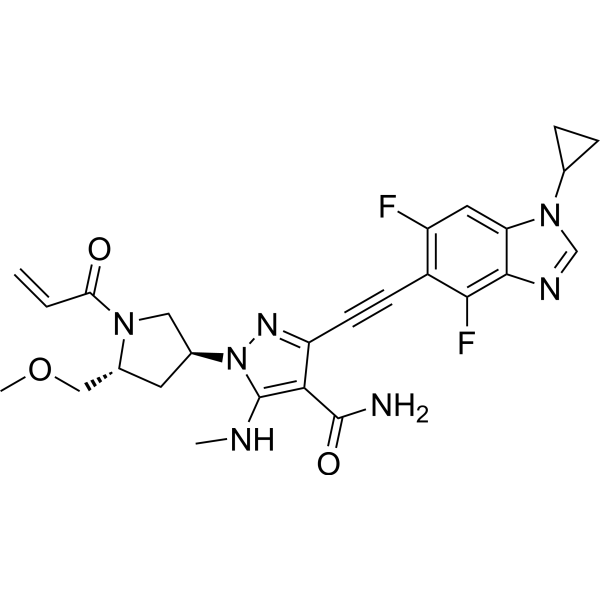
Resigratinib (KIN-3248) is an irreversible and orally active covalent inhibitor of FGFR1-4 that effectively inhibits wild-type and drug-resistant mutations (such as FGFR2 V565F, FGFR3 V555M). Resigratinib covalently binds to the Cys492 site of FGFR, blocks the FGFR signaling pathway, inhibits tumor cell proliferation and induces apoptosis. Resigratinib can be used for the study of FGFR2/3-driven solid tumors (such as cholangiocarcinoma and bladder cancer) .
loading...
    loading...
Cat. No.: HY-N1050
CAS No.: 7727-79-9
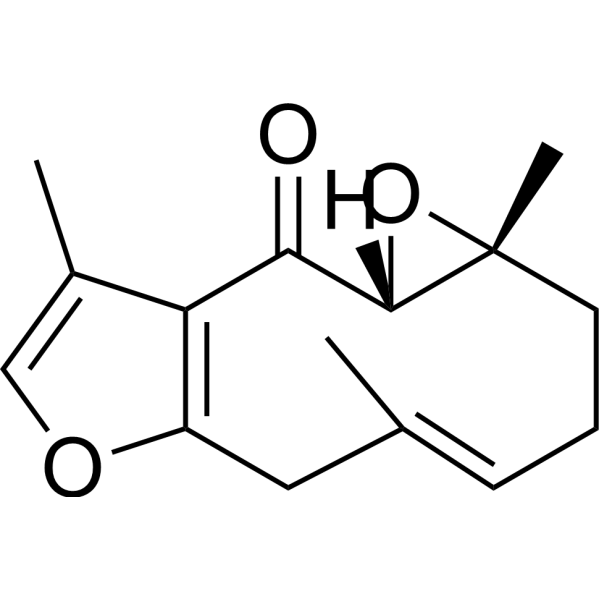
Zederone is a sesquiterpene. Zederone inhibits ovarian cancer cell proliferation through mTOR/p70s6K signalling pathway. Zederone inhibits CYP activities with IC50s of 2.9 μM (CYP2B6), 9.2 μM (CYP2C9), 11,2 μM (CYP2C19) and >30 μM (CYP1A2 and CYP2D6). Zederone is hepatotoxic with LD50 value at 24 hours in mice of approximately 223 mg/kg and cytotoxic against the KG1a cell line. Zederone shows antibacterial activity against a number of multi-drug resistant and Methicillin (HY-121544)-resistant Staphylococcus aureus strain. Zederone shows cognition improving capacity and assists in the modulation of gut bacterial dysbiosis .
loading...
    loading...
Cat. No.: HY-N3463
CAS No.: 5835-26-7
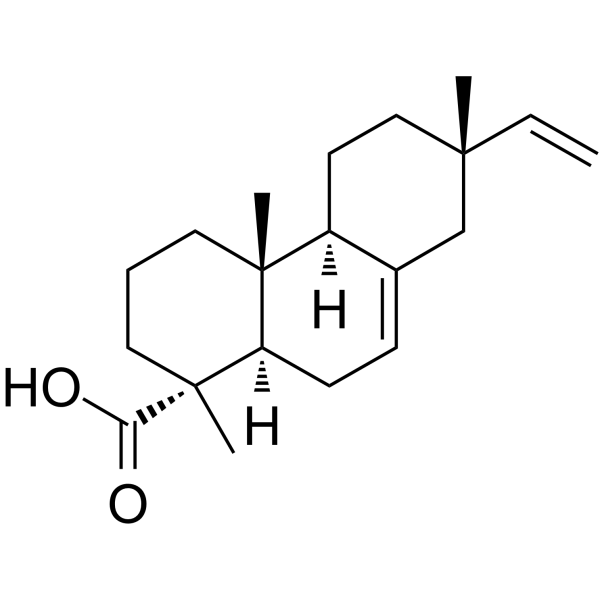
Isopimaric acid is a coniferous tree defense compound. Isopimaric acid binds to AKT and inhibits mTOR phosphorylation, thereby regulating the AKT/mTOR pathway. Isopimaric acid inhibits oxidative stress, inflammation, microglial migration, apoptosis, autophagic flux, ornithine decarboxylase activity, breast cancer proliferation and metastasis, and fungal spore germination. Isopimaric acid also induces M2 microglial polarization, mitochondrial damage, ROS accumulation, starvation-induced colon cancer cell apoptosis, and breast cancer cell cycle arrest. Isopimaric acid activates potassium channels, regulates sodium channels and calcium channels, reduces myocardial excitability, and improves arrhythmia. Isopimaric acid acts as an oxidative substrate for CYP6BW1/3, down-regulates PINK1/Parkin, and regulates calcium homeostasis, oxidative phosphorylation, EMT, and the Wnt pathway. Isopimaric acid exhibits activity against drug-resistant Staphylococcus aureus, repels feeding, and promotes the growth of rice seedlings. Isopimaric acid is suitable for research related to epilepsy, tumors, drug-resistant bacterial infections, atrial fibrillation, hypertension, hyperlipidemia, pulmonary tuberculosis, etc .
loading...
    loading...
Cat. No.: HY-175252
Research Areas:  

Cancer

PROTAC EGFR degrader 14 is a EGFR PROTAC degrader, with a DC50 of 2.9 nM against EGFR L858R/T790M/C797S. PROTAC EGFR degrader 14 forms a stable ternary complex by bridging the ATP-binding pocket of the target protein EGFR with VHL E3 ubiquitin ligase, induces efficient and specific degradation of EGFR mutants via the ubiquitin-proteasome system, and ultimately induces cell cycle arrest and apoptosis. PROTAC EGFR degrader 14 can be used in studies related to non-small cell lung cancer carrying the EGFR C797S drug-resistant mutation .
loading...
    loading...
Cat. No.: HY-N6611
CAS No.: 482-70-2
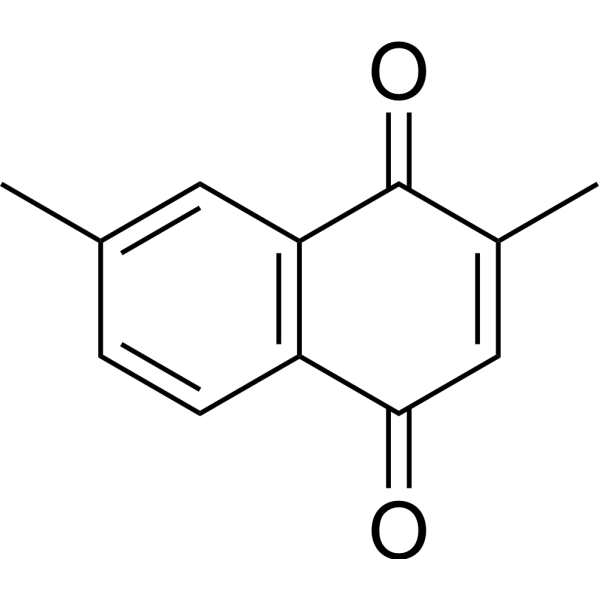
Chimaphilin is an IGF-1R inhibitor (IC50: 0.086 μM). Chimaphilin has antifungal, antioxidant and anticancer activities. Chimaphilin inhibits the growth of both drug-sensitive and drug-resistant osteosarcoma cell lines. Chimaphilin can induce cancer cell apoptosis. Chimaphilin is a main component of pyrola .
loading...
    loading...
Cat. No.: HY-159613
CAS No.: 946262-80-2
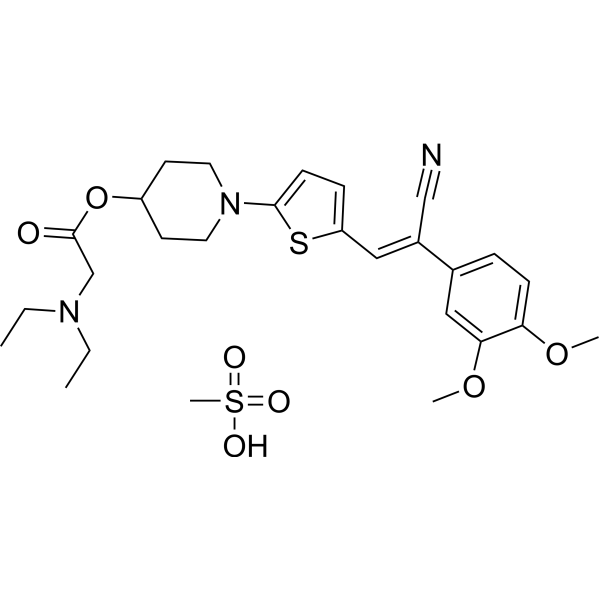
PELP1-IN-1 is a PELP1 inhibitor and an apoptosis inducer with no cytotoxic activity against non-cancer cell lines. PELP1-IN-1 targets wild-type, mutant and drug-resistant ER + breast cancer, and promotes PELP1 degradation through the proteasome pathway. As an analog of SMIP34 (HY-169903), PELP1-IN-1 is applicable to the research of estrogen receptor α-positive breast cancer .
loading...
    loading...
Cat. No.: HY-103255
CAS No.: 331458-02-7
Purity:  98.85%
Target:  

Apoptosis

Research Areas:  

Cancer

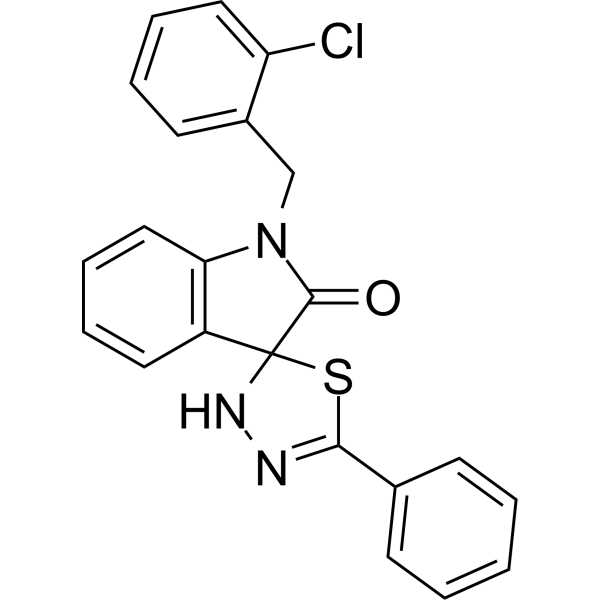
CFM-4 is a potent small molecular antagonist of CARP-1/APC-2 binding. CFM-4 prevents CARP-1 binding with APC-2, causes G2M cell cycle arrest, and induces apoptosis with an IC50 range of 10-15 μM. CFM-4 also suppresses growth of drug-resistant human breast cancer cells .
loading...
    loading...
Cat. No.: HY-162324
Target:  

Survivin

Research Areas:  

Cancer

MX106-4C is a survivin inhibitor that selectively kills ABCB1-positive colorectal cancer cells. MX106-4C can exert synergistic anticancer effects with Doxorubicin or resensitize drug-resistant ABCB1 cells to Doxorubicin .
loading...
    loading...
Cat. No.: HY-175837
CAS No.: 878416-74-1
Target:  

EGFR Apoptosis

Research Areas:  

Cancer

EGFR-IN-172 is a EGFR inhibitor. EGFR-IN-172 effectively inhibits the proliferation of non-small cell lung cancer (NSCLC) cells carrying the L858R, T790M and C797S drug-resistant mutations. EGFR-IN-172 inhibits EGFR phosphorylation, induces cell cycle arrest and apoptosis. EGFR-IN-172 can be used for the study of NSCLC .
loading...
    loading...
Cat. No.: HY-138072
CAS No.: 35773-42-3
Purity:  99.78%
Target:  

EGFR

Research Areas:  

Cancer

EMI1 is an EGFR ex19del/T790M/C797S and EGFR L858R/T790M/C797S inhibitor. EMI1 can be used for the research of mutant EGFR-associated, drug-resistant non-small-cell lung cancer (NSCLC) .
loading...
    loading...

