
Search Result
Results for "
GC cells
" in MedChemExpress (MCE) Product Catalog:
1
Biochemical Assay Reagents
1
Isotope-Labeled Compounds
| Cat. No. |
Product Name |
Target |
Research Areas |
Chemical Structure |
-
- HY-D1020
-
-
-
- HY-P99013
-
|
GC33; RO5137382
|
Glycoprotein VI
|
Cancer
|
|
Codrituzumab (GC33) is a humanized monoclonal antibody targeting human GPC3 (glypican-3), with high affinity (Kd of 0.673 nM). GPC3 is an oncofetal protein expressed on the cell surface of hepatocellular carcinoma (HCC). Codrituzumab induces antibody-dependent cellular cytotoxicity (ADCC) and inhibits tumor growth .
|
-
-
- HY-111798A
-
-
-
- HY-W127512
-
|
|
Drug Intermediate
|
Others
|
|
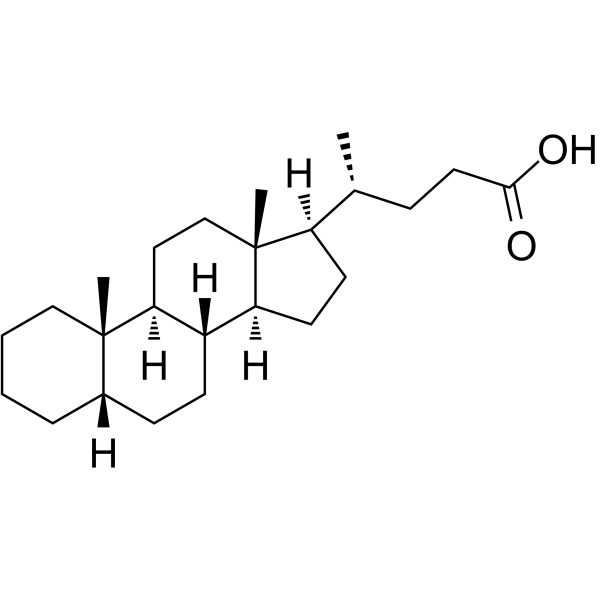
5β-Cholanic acid is a hydrophobic modifier used to modify polymer carriers. 5β-Cholanic acid can improve the acid stability, cell penetration efficiency and drug sustained release ability of nanocarriers, and optimize the oral effectiveness of delivered molecules. 5β-Cholanic acid can covalently bind to Glycol chitosan (GC) to form a GC-CA conjugate, which optimizes the hydrophobic anchoring ability of nanoparticles and enables them to be stably adsorbed on the surface of PLGA nanoparticles. Such nanoparticles can resist dissociation in the gastric acid environment and maintain positive charge to enhance endocytic uptake by intestinal epithelial cells (such as Caco-2 cells). 5β-Cholanic acid can be used in the development of drug delivery systems .
|
-
-
- HY-W040129
-
|
|
DNA Alkylator/Crosslinker
DNA/RNA Synthesis
Apoptosis
Caspase
|
Infection
Neurological Disease
Cancer
|
|
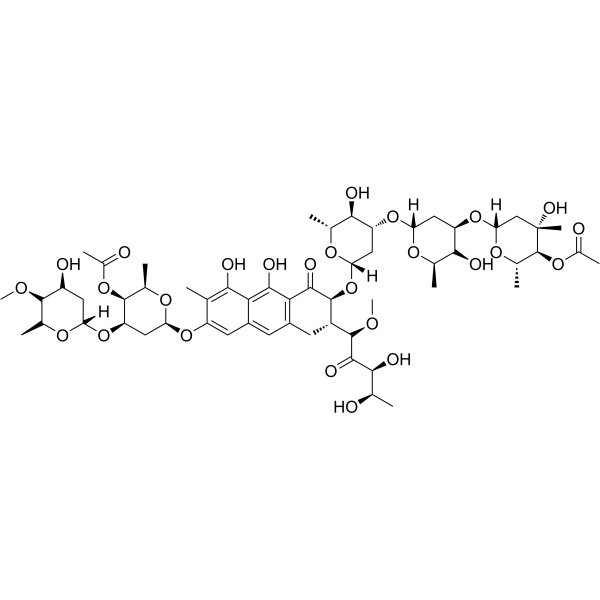
Chromomycin A3 is an inhibitor that selectively binds to GC-rich DNA sequences. Chromomycin A3 targets the DNA minor groove after forming a dimer with Mg 2+. Chromomycin A3 inhibits DNA replication and transcription, blocks the binding of Sp1 transcription factor to target gene promoters, downregulates the expression of anti-apoptotic proteins such as FLIP, Mcl-1, and XIAP, and induces S-phase cycle arrest and caspase-dependent apoptosis in tumor cells. Chromomycin A3 can antagonize oxidative stress induced by glutathione depletion and neuronal apoptosis induced by Camptothecin (HY-15660). Chromomycin A3 can be used in basic research on malignant tumors such as cholangiocarcinoma, and is a potential chemosensitizer and GC-rich region probe .
|
-
-
- HY-108741
-
|
|
Guanylate Cyclase
|
Inflammation/Immunology
Cancer
|
|
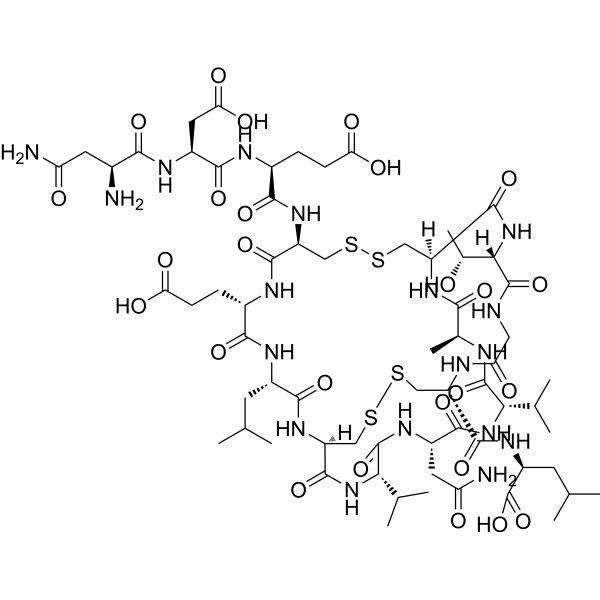
Plecanatide, an analogue of Uroguanylin, is an orally active guanylate cyclase-C (GC-C) receptor agonist. Plecanatide activates GC-C receptors to stimulate cGMP synthesis with an EC50 of 190 nM in T84 cells assay. Plecanatide shows anti-inflammatory activity in models of murine colitis .
|
-
-
- HY-111798
-
|
|
Reactive Oxygen Species (ROS)
|
Cancer
|
|
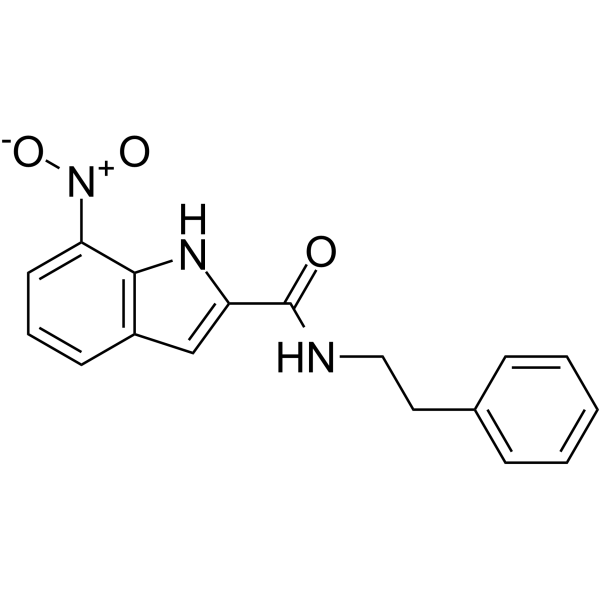
Heme Oxygenase-1-IN-1 (compound 2) is a potent heme oxygenase 1 (HO-1) inhibitor, with an IC50 of 0.25 μM. Heme Oxygenase-1-IN-1 can be used for cancer research .
|
-
-
- HY-P0118B
-
|
P144 diammonium
|
TGF-beta/Smad
PI3K
Apoptosis
|
Cancer
|
|
Disitertide (P144) diammonium is a peptidic transforming growth factor-beta 1 (TGF-β1) inhibitor specifically designed to block the interaction with its receptor. Disitertide diammonium is also a PI3K inhibitor and an apoptosis inducer .
|
-
-
- HY-136684
-
|
S-p-Bromobenzylglutathione cyclopentyl diester
|
Glyoxalase (GLO)
|
Neurological Disease
Cancer
|
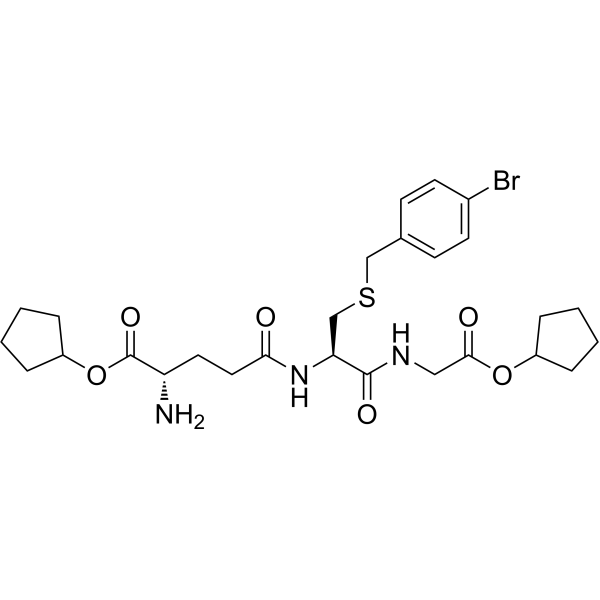
BrBzGCp2 is a Glyoxalase 1 (GLO1) inhibitor, with a GC50 of 4.23 μM in HL-60 cells. BrBzGCp2 possesses antitumor and neuroprotective activity .
|
-
-
- HY-W089645
-
|
N-Methyl-n-trimethylsilyltrifluoroacetamide
|
Biochemical Assay Reagents
|
Cancer
|
|
2,2,2-Trifluoro-N-methyl-N-(trimethylsilyl)acetamide (N-Methyl-n-trimethylsilyltrifluoroacetamide) is an ester product commonly used for silylation reactions in analyticalchemistry. 2,2,2-Trifluoro-N-methyl-N-(trimethylsilyl)acetamide can be used in the derivatization step of metabolomics analysis with gas chromatography/mass spectrometry (GC/MS) or as a derivatization reagent in GC with flame ionization detection analysis. 2,2,2-Trifluoro-N-methyl-N-(trimethylsilyl)acetamide can be used in research for studying Tamoxifen (HY-13757A) resistant breast cancer cells and other disease pathways .
|
-
-
- HY-P0118
-
|
P144
|
TGF-beta/Smad
PI3K
Apoptosis
|
Cancer
|
Disitertide (P144) is a peptidic transforming growth factor-beta 1 (TGF-β1) inhibitor specifically designed to block the interaction with its receptor. Disitertide (P144) is also a PI3K inhibitor and an apoptosis inducer .
|
-
-
- HY-108628
-
SU16f
3 Publications Verification
|
PDGFR
|
Cancer
|
|
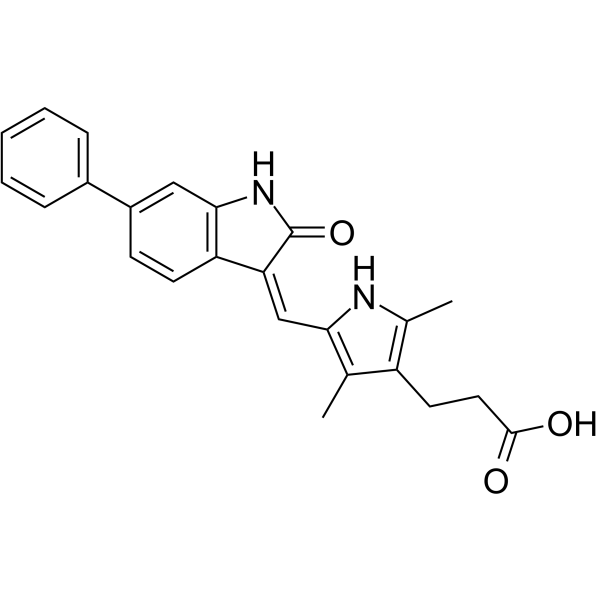
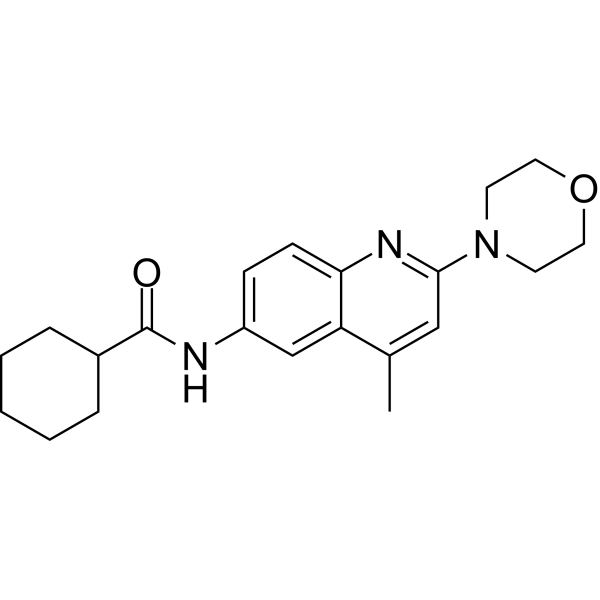
SU16f is a potent and selective PDGFRβ inhibitor with IC50s of 10 nM, 140 nM, 2.29 μM for PDGFRβ, VEGF-R2, FGF-R1, respectively . Neutralization of PDGFRβ receptor by SU16f blocks the promoting role of GC-MSCs (gastric cancer-derived mesenchymal stem cells) conditioned medium in gastric cancer cell proliferation and migration .
|
-
-
- HY-10498
-
|
CYT-997
|
Microtubule/Tubulin
Reactive Oxygen Species (ROS)
Apoptosis
|
Cancer
|
|
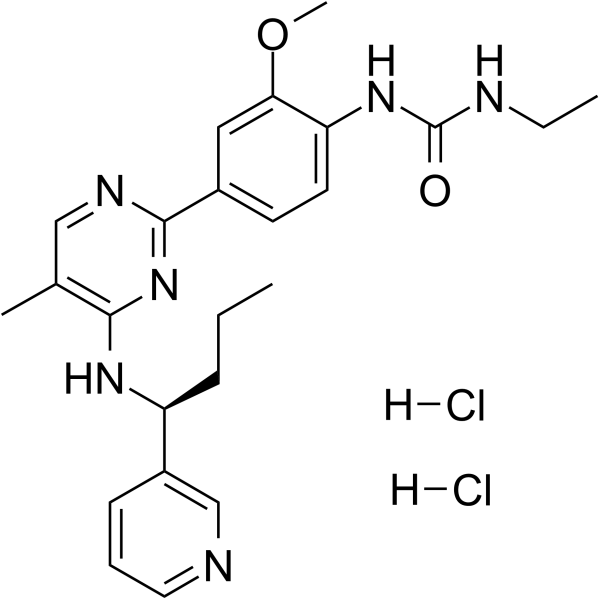
Lexibulin (CYT-997) is a potent and orally active tubulin polymerisation inhibitor with IC50s of 10-100 nM in cancer cell lines; with potent cytotoxic and vascular disrupting activity in vitro and in vivo . Lexibulin induces cell apoptosis and induces mitochondrial ROS generation in GC cells .
|
-
-
- HY-111208
-
|
|
Phospholipase
|
Cancer
|
|
CCT129957 is an indole derivative and a potent phospholipase C-γ (PLC-γ) inhibitor with an IC50 of ~3 μM and a GC50 of 15 μM. CCT129957 inhibits Ca 2+ release in squamous carcinoma cells at ~15 μM .
|
-
-
- HY-132184
-
|
5,6-EET; (±)5,6-EpETrE
|
Adrenergic Receptor
Calcium Channel
|
Endocrinology
|
|
5,6-Epoxyeicosatrienoic acid (5,6-EET; (±)5,6-EpETrE) is a fully racemic version of the enantiomeric forms biosynthesized from arachidonic acid by cytochrome P450 enzymes. In solution, 5,6-Epoxyeicosatrienoic acid degrades into 5,6-DiHET and 5,6-δ-lactone, which can be converted to 5,6-DiHET and quantified by GC-MS. In neuroendocrine cells, such as the anterior pituitary and pancreatic islets, 5,6-Epoxyeicosatrienoic acid has been implicated in the mobilization of calcium and hormone secretion. 5,6-Epoxyeicosatrienoic acid is an inhibitor of T-type voltage-gated calcium channels (Cav3) that inhibits isoforms Cav3.1, Cav3.2 (IC50=0.54 μM), and Cav3. and decreases nifedipine-resistant phenylephrine-induced vasoconstriction in isolated mouse mesenteric arteries via Cav3.2 blockade when used at a concentration of 3 μM. In addition, it is a substrate of COX-1 and COX-2.
|
-
-
- HY-108741A
-
|
|
Guanylate Cyclase
|
Inflammation/Immunology
Cancer
|
|
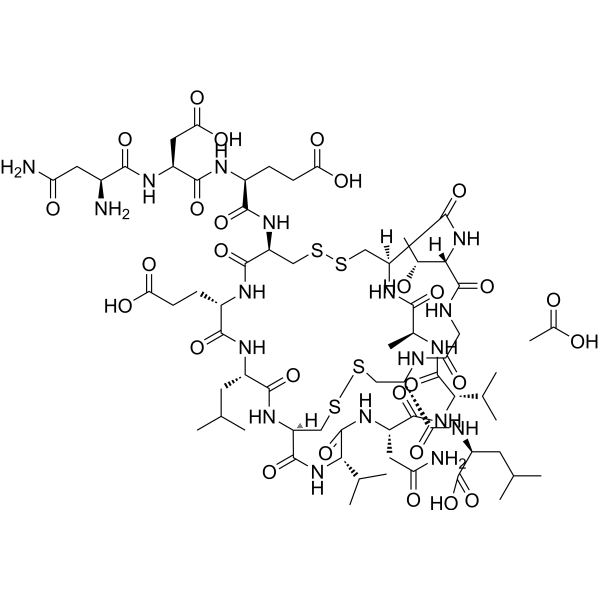
Plecanatide acetate, an analogue of Uroguanylin, is an orally active guanylate cyclase-C (GC-C) receptor agonist. Plecanatide acetate activates GC-C receptors to stimulate cGMP synthesis with an EC50 of 190 nM in T84 cells assay. Plecanatide acetate can be used for the research of chronic idiopathic constipation, and it also shows anti-inflammatory activity in models of murine colitis .
|
-
-
- HY-N6651
-
|
|
STAT
Phosphatase
Apoptosis
Autophagy
p38 MAPK
EGFR
JAK
Bcl-2 Family
Survivin
Akt
mTOR
PARP
Caspase
Atg8/LC3
CDK
|
Cancer
|
|
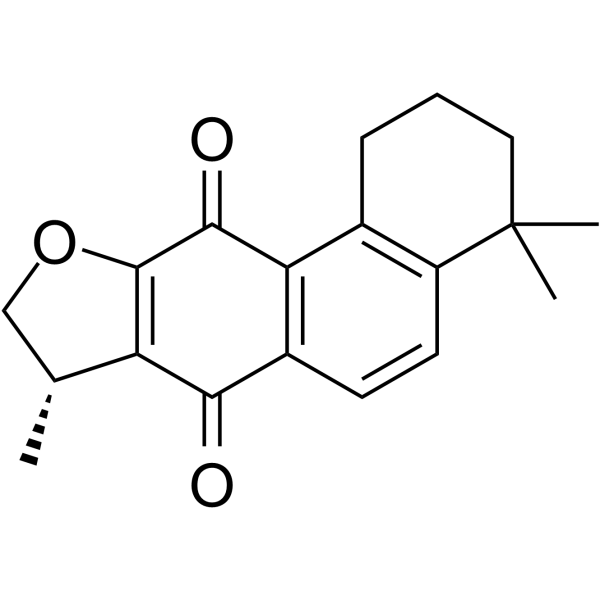
Isocryptotanshinone is a dual STAT3 and PTP1B (IC50 = 56.1 μM) inhibitor. Isocryptotanshinone inhibits STAT3 by binding to the STAT3 SH2 domain to block phosphorylation and nuclear translocation [1][2]. Isocryptotanshinone exerts its anti-proliferative effect via the induction of cell cycle arrest, apoptosis, and pro-death autophagy, through the regulation of STAT3, AKT/mTOR and MAPK signaling pathways. Isocryptotanshinone suppresses the xenograft gastric cancer (GC) tumor growth in BALB/c nude mice. Isocryptotanshinone can be used for cancer research, such as lung cancer, breast cancer and GC .
|
-
-
- HY-149453
-
|
|
Guanylate Cyclase
|
Cardiovascular Disease
|
|
MCUF-651 is an orally active guanylyl cyclase A receptor (GC-A) positive allosteric modulator (PAM) (KD: 397 nM ). MCUF-651 binds to GC-A and selectively enhances the binding of atrial natriuretic peptide (ANP) to GC-A. MCUF-651 enhances ANP-mediated cGMP generation in human cardiac, renal, and fat cells. MCUF-651 inhibits cardiomyocyte hypertrophy .
|
-
-
- HY-114043
-
|
|
Glycosidase
|
Metabolic Disease
|
|
NCGC00092410 is a potent, selective, and nonsugar glucocerebrosidase (GC) inhibitor, with an IC50 of 31 nM. NCGC00092410 shows no activity against the related hydrolases at concentrations up to 77 μM. NCGC00092410, a GC chaperone, and increases the activity and lysosomal localization of glucocerebrosidase in mutant cell lines. NCGC00092410 can be used for the research of Gaucher disease .
|
-
-
- HY-P991571
-
|
GC-1118A
|
EGFR
PERK
Akt
|
Cancer
|
|
GC1118 (GC-1118A) is a fully human anti-EGFR monoclonal antibody with binding affinity of 0.16 nM (KD) to EGFR. GC1118 displays potent inhibitory effects on high- and low-affinity EGFR ligand-induced signaling. GC1118 shows potent anti proliferative activity in KRAS wild-type and KRAS mutant cells. GC1118 can reach the tumor by crossing both BBB (blood-brain barrier) and BTB (brain-tumor barrier) and shows superior anti-tumor effects in various mice xenograft models. GC1118 can be used for the researches of cancer, such as colorectal cancer .
|
-
-
- HY-14823G
-
|
GC-1; QRX-431
|
Thyroid Hormone Receptor
|
Metabolic Disease
Endocrinology
|
|
Sobetirome (GMP) is Sobetirome (HY-14823) produced by using GMP guidelines. GMP small molecules works appropriately as an auxiliary reagent for cell therapy manufacture. Sobetirome (GC-1) is a thyroid hormone receptor β (TRβ)-specific agonist which bind selectively to TRβ-1 with an EC50 of 0.16 μM .
|
-
-
- HY-114577
-
|
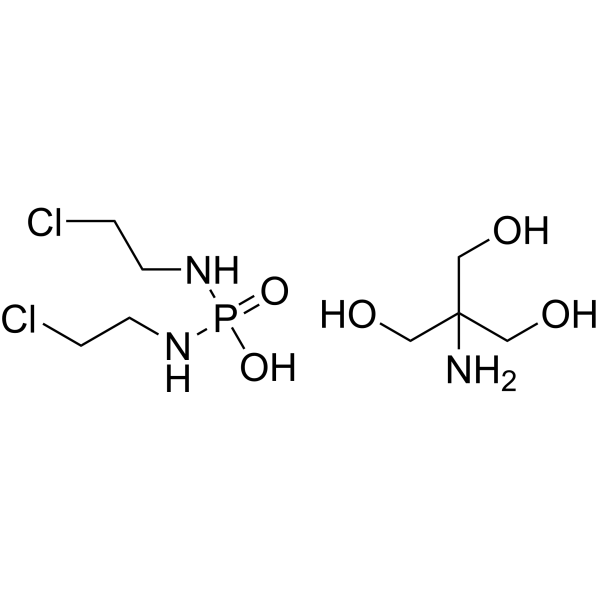
Isophosphoramide mustard tromethamine; IPM tromethamine; ZIO-201 tromethamine
|
DNA Alkylator/Crosslinker
|
Cancer
|
|
Palifosfamide (tromethamine) is a synthetic alkylating agent with potential antineoplastic activity. As the stabilized active metabolite of ifosfamide, palifosfamide (tromethamine) irreversibly alkylates and crosslinks DNA through GC base pairs. This leads to an inhibition of DNA replication and ultimately cell death. Compared to ifosfamide, palifosfamide (tromethamine) is less toxic.
|
-
-
- HY-131389
-
|
|
Biochemical Assay Reagents
|
Others
|
|
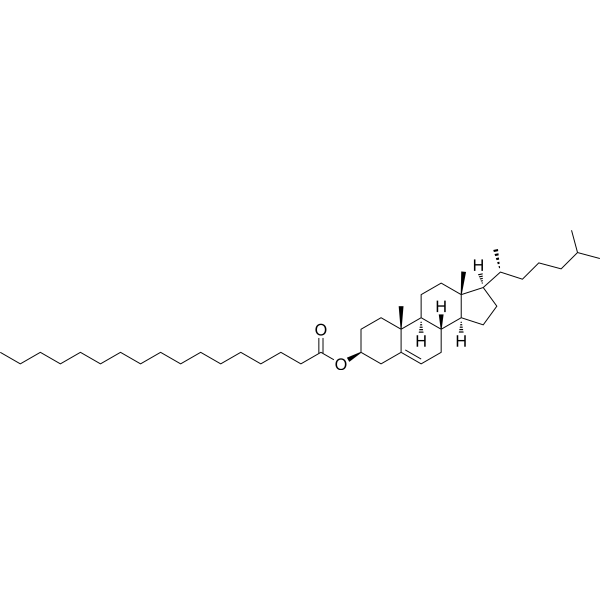
Cholesteryl heptadecanoate is a cholesteryl ester internal standard that accurately determines the concentration of free cholesterol in cells without hydrolyzing triglycerides. Cholesteryl heptadecanoate can be used for the quantitative determination of cholesteryl esters by GC or LC mass spectrometry .
|
-
-
- HY-P0118A
-
|
P144 TFA
|
TGF-beta/Smad
PI3K
Apoptosis
|
Cancer
|
Disitertide (P144) TFA is a peptidic transforming growth factor-beta 1 (TGF-β1) inhibitor specifically designed to block the interaction with its receptor. Disitertide TFA is also a PI3K inhibitor and an apoptosis inducer .
|
-
-
- HY-10498A
-
|
CYT-997 dihydrochloride
|
Microtubule/Tubulin
Reactive Oxygen Species (ROS)
Apoptosis
|
Cancer
|
|
Lexibulin dihydrochloride (CYT-997 dihydrochloride) is a potent and orally active tubulin polymerisation inhibitor with IC50s of 10-100 nM in cancer cell lines; with potent cytotoxic and vascular disrupting activity in vitro and in vivo . Lexibulin dihydrochloride induces cell apoptosis and induces mitochondrial ROS generation in GC cells .
|
-
-
- HY-P991582
-
|
|
Fc Receptor (FcR)
|
Cancer
|
|
BI-1607 is a humanized monoclonal antibody targeting CD32b/FcγRIIB. BI-1607 has an antagonistic function capable of blocking the inhibitory function of FcγRIIB on immune effector cells. BI-1607 has a significant cytolytic activity against malignant B cells and antitumor activity against HER2-positive solid tumors including advanced gastric cancer (GC) with combination with Trastuzumab (HY-P9907) .
|
-
-
- HY-P10786
-
|
|
Transmembrane Glycoprotein
|
Cancer
|
|
LinTT1 peptide is a tumor-penetrating peptide with the amino acid sequence AKRGARST. LinTT1 peptide targets peritoneal carcinoma (PC) by binding to the p32 (gC1qR) receptor. It can conjugate with iron oxide nanoworms (NWs) to form a nanocarrier. This nanocarrier is taken up by peritoneal carcinoma cells in vitro and enters the mitochondria; it also exhibits significant tumor targeting and penetration effects in mice. Moreover, LinTT1-functionalized nanocarriers, combined with the pro-apoptotic peptide [D(KLAKLAK)2], show significant tumor suppression in a mouse peritoneal tumor model. LinTT1 peptide holds promise as a delivery carrier for peritoneal cancer research .
|
-
-
- HY-162293
-
|
|
CDK
|
Cancer
|
|
CDK8-IN-14 (compound 12) inhibits CDK8 with an IC50 value of 39.2 nM and has anti-AML cell proliferation activity (molm-13 GC50 = 0.02±0.01μM, MV4-11 GC50 = 0.03±0.01μM) .
|
-
-
- HY-156020
-
|
|
Glycosidase
|
Metabolic Disease
|
|
Glucocerebrosidase-IN-2 (compound 12) is a quinazoline analogue and an inhibitor of glucocerebrosidase (GC). Glucocerebrosidase-IN-2 has the potential to improve GC translocation to lysosomes in Gaucher disease patient-derived cells (mostly carrying the N370S mutation). Glucocerebrosidase-IN-2 inhibits the hydrolysis of 4-methylumbelliferone β-D-glucopyranoside (4MU) and fluorescent glycosylceramide (FlourGC) in N370S mutant tissues with an AC50 of 25.29 μM .
|
-
-
- HY-10498R
-
|
CYT-997 (Standard)
|
Reference Standards
Microtubule/Tubulin
Reactive Oxygen Species (ROS)
Apoptosis
|
Cancer
|
|
Lexibulin (Standard) is the analytical standard of Lexibulin. This product is intended for research and analytical applications. Lexibulin (CYT-997) is a potent and orally active tubulin polymerisation inhibitor with IC50s of 10-100 nM in cancer cell lines; with potent cytotoxic and vascular disrupting activity in vitro and in vivo . Lexibulin induces cell apoptosis and induces mitochondrial ROS generation in GC cells .
|
-
-
- HY-P991482
-
|
|
Influenza Virus
|
Infection
|
|
ADI-42898 is a human IgG1 monoclonal antibody (mAb) targeting Envelopment polyprotein, M polyprotein. ADI-42898 binds to the Gn/Gc complex and blocks the cell entry of seven HCPS- and HFRS-associated hantaviruses. Recommended isotype control: Human IgG1 kappa, Isotype Control (HY-P99001) .
|
-
-
- HY-W040129R
-
|
|
Reference Standards
Bacterial
Fungal
Apoptosis
Antibiotic
|
Infection
Neurological Disease
Cancer
|
|
Chromomycin A3 (Standard) is the analytical standard of Chromomycin A3 (HY-W040129). This product is intended for research and analytical applications. Chromomycin A3 is an inhibitor that selectively binds to GC-rich DNA sequences. Chromomycin A3 targets the DNA minor groove after forming a dimer with Mg 2+. Chromomycin A3 inhibits DNA replication and transcription, blocks the binding of Sp1 transcription factor to target gene promoters, downregulates the expression of anti-apoptotic proteins such as FLIP, Mcl-1, and XIAP, and induces S-phase cycle arrest and caspase-dependent apoptosis in tumor cells. Chromomycin A3 can antagonize oxidative stress induced by glutathione depletion and neuronal apoptosis induced by Camptothecin (HY-15660). Chromomycin A3 can be used in basic research on malignant tumors such as cholangiocarcinoma, and is a potential chemosensitizer and GC-rich region probe .
|
-
-
- HY-146398
-
|
|
AMPK
|
Metabolic Disease
|
|
AMPK activator 6 (Compound GC) reduces lipid content and activates the AMPK pathway in HepG2 and 3T3-L1 cells. AMPK activator 6 significantly suppresses the increase in triglyceride (TG) , total cholesterol (TC), low-density lipoprotein-C (LDL-C), and other biochemical indices in blood serum. AMPK activator 6 can be used for the research of non-alcoholic fatty liver disease (NAFLD) and metabolic syndrome .
|
-
-
- HY-W127512R
-
|
|
Drug Intermediate
Reference Standards
|
Others
|
|
5β-Cholanic acid is a hydrophobic modifier used to modify polymer carriers. 5β-Cholanic acid can improve the acid stability, cell penetration efficiency and drug sustained release ability of nanocarriers, and optimize the oral effectiveness of delivered molecules. 5β-Cholanic acid can covalently bind to Glycol chitosan (GC) to form a GC-CA conjugate, which optimizes the hydrophobic anchoring ability of nanoparticles and enables them to be stably adsorbed on the surface of PLGA nanoparticles. Such nanoparticles can resist dissociation in the gastric acid environment and maintain positive charge to enhance endocytic uptake by intestinal epithelial cells (such as Caco-2 cells). 5β-Cholanic acid can be used in the development of drug delivery systems .
|
-
-
- HY-DY1099
-
|
7-AAD (solution)
|
DNA/RNA Synthesis
DNA Stain
Bacterial
Antibiotic
|
Cancer
|
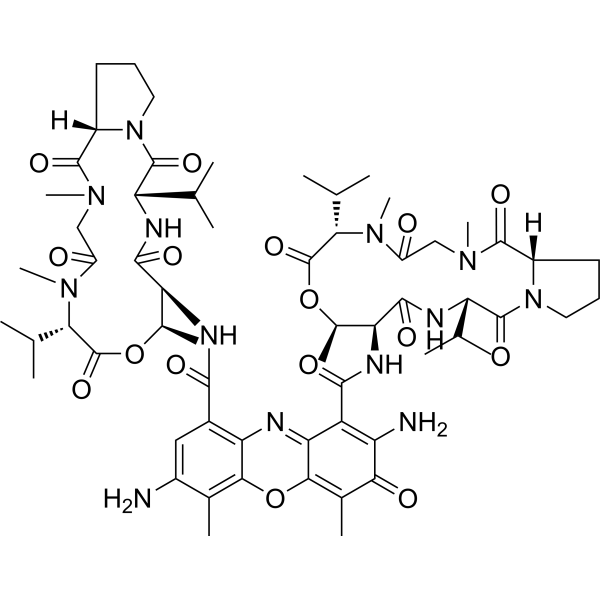
7-Aminoactinomycin D (solution) (7-AAD (solution)) a cell-impermeant fluorescent DNA stain, is a potent RNA polymerase inhibitor. 7-Aminoactinomycin D selectively binds to GC regions of the DNA. 7-Aminoactinomycin D also has antibacterial effects . Solvent and concentration: DMSO: 1 mg/mL
|
-
-
- HY-108628R
-
|
|
Reference Standards
PDGFR
|
Cancer
|
|
SU16f (Standard) is the analytical standard of SU16f (HY-108628). This product is intended for research and analytical applications. SU16f is a potent and selective PDGFRβ inhibitor with IC50s of 10 nM, 140 nM, 2.29 μM for PDGFRβ, VEGF-R2, FGF-R1, respectively . Neutralization of PDGFRβ receptor by SU16f blocks the promoting role of GC-MSCs (gastric cancer-derived mesenchymal stem cells) conditioned medium in gastric cancer cell proliferation and migration .
|
-
-
- HY-179535
-
|
|
TAM Receptor
Discoidin Domain Receptor
TGF-β Receptor
Hedgehog
|
Cancer
|
|
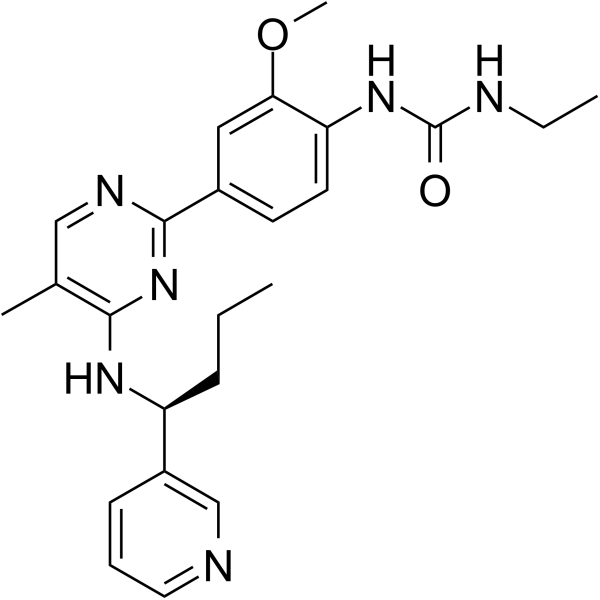
Axl-IN-21 is an orally active and selective AXL inhibitor (Kd = 2.7 nM, IC50 = 4.0 nM). Axl-IN-21 displays kinase selectivity and retains strong activity against cancer-related mul-kinases (Mer with Kd = 1.4 nM, DDR1 with IC50 = 22.2 nM, HIPK4 with Kd = 11.0 nM and LOK with Kd =10 nM). Axl-IN-21 overcomes tumor microenvironment-driven resistance by blocking CAF-derived GAS6-induced AXL/STAT3/ABCG1 signaling, restoring chemosensitivity and inhibiting drug efflux in gastric cancer (GC). Axl-IN-21 suppresses TGF-β1-induced epithelial-mesenchymal transition (EMT), migration, and invasion in MDA-MB-231 cells. Axl-IN-21 exhibits no significant cytotoxicity in non-cancerous cells. Axl-IN-21 can be research for triple negative breast cancer and gastric cancer [1] [2] .
|
-
| Cat. No. |
Product Name |
Type |
-
- HY-D1020
-
|
7-AAD
|
Fluorescent Dyes
|
|
7-Aminoactinomycin D (7-AAD) a cell-impermeant fluorescent DNA stain, is a potent RNA polymerase inhibitor. 7-Aminoactinomycin D selectively binds to GC regions of the DNA. 7-Aminoactinomycin D also has antibacterial effects .
|
-
- HY-14823G
-
|
GC-1; QRX-431
|
Fluorescent Dyes
|
|
Sobetirome (GMP) is Sobetirome (HY-14823) produced by using GMP guidelines. GMP small molecules works appropriately as an auxiliary reagent for cell therapy manufacture. Sobetirome (GC-1) is a thyroid hormone receptor β (TRβ)-specific agonist which bind selectively to TRβ-1 with an EC50 of 0.16 μM .
|
-
- HY-DY1099
-
|
7-AAD (solution)
|
Fluorescent Dyes
|
7-Aminoactinomycin D (solution) (7-AAD (solution)) a cell-impermeant fluorescent DNA stain, is a potent RNA polymerase inhibitor. 7-Aminoactinomycin D selectively binds to GC regions of the DNA. 7-Aminoactinomycin D also has antibacterial effects . Solvent and concentration: DMSO: 1 mg/mL
|
| Cat. No. |
Product Name |
Type |
-
- HY-14823G
-
|
GC-1; QRX-431
|
Biochemical Assay Reagents
|
|
Sobetirome (GMP) is Sobetirome (HY-14823) produced by using GMP guidelines. GMP small molecules works appropriately as an auxiliary reagent for cell therapy manufacture. Sobetirome (GC-1) is a thyroid hormone receptor β (TRβ)-specific agonist which bind selectively to TRβ-1 with an EC50 of 0.16 μM .
|
| Cat. No. |
Product Name |
Target |
Research Area |
-
- HY-108741
-
|
|
Guanylate Cyclase
|
Inflammation/Immunology
Cancer
|
|
Plecanatide, an analogue of Uroguanylin, is an orally active guanylate cyclase-C (GC-C) receptor agonist. Plecanatide activates GC-C receptors to stimulate cGMP synthesis with an EC50 of 190 nM in T84 cells assay. Plecanatide shows anti-inflammatory activity in models of murine colitis .
|
-
- HY-P0118B
-
|
P144 diammonium
|
TGF-beta/Smad
PI3K
Apoptosis
|
Cancer
|
|
Disitertide (P144) diammonium is a peptidic transforming growth factor-beta 1 (TGF-β1) inhibitor specifically designed to block the interaction with its receptor. Disitertide diammonium is also a PI3K inhibitor and an apoptosis inducer .
|
-
- HY-P0118
-
|
P144
|
TGF-beta/Smad
PI3K
Apoptosis
|
Cancer
|
Disitertide (P144) is a peptidic transforming growth factor-beta 1 (TGF-β1) inhibitor specifically designed to block the interaction with its receptor. Disitertide (P144) is also a PI3K inhibitor and an apoptosis inducer .
|
-
- HY-108741A
-
|
|
Guanylate Cyclase
|
Inflammation/Immunology
Cancer
|
|
Plecanatide acetate, an analogue of Uroguanylin, is an orally active guanylate cyclase-C (GC-C) receptor agonist. Plecanatide acetate activates GC-C receptors to stimulate cGMP synthesis with an EC50 of 190 nM in T84 cells assay. Plecanatide acetate can be used for the research of chronic idiopathic constipation, and it also shows anti-inflammatory activity in models of murine colitis .
|
-
- HY-P0118A
-
|
P144 TFA
|
TGF-beta/Smad
PI3K
Apoptosis
|
Cancer
|
Disitertide (P144) TFA is a peptidic transforming growth factor-beta 1 (TGF-β1) inhibitor specifically designed to block the interaction with its receptor. Disitertide TFA is also a PI3K inhibitor and an apoptosis inducer .
|
-
- HY-P10786
-
|
|
Transmembrane Glycoprotein
|
Cancer
|
|
LinTT1 peptide is a tumor-penetrating peptide with the amino acid sequence AKRGARST. LinTT1 peptide targets peritoneal carcinoma (PC) by binding to the p32 (gC1qR) receptor. It can conjugate with iron oxide nanoworms (NWs) to form a nanocarrier. This nanocarrier is taken up by peritoneal carcinoma cells in vitro and enters the mitochondria; it also exhibits significant tumor targeting and penetration effects in mice. Moreover, LinTT1-functionalized nanocarriers, combined with the pro-apoptotic peptide [D(KLAKLAK)2], show significant tumor suppression in a mouse peritoneal tumor model. LinTT1 peptide holds promise as a delivery carrier for peritoneal cancer research .
|
| Cat. No. |
Product Name |
Target |
Research Area |
Image |
-
- HY-P99013
-
|
GC33; RO5137382
|
Glycoprotein VI
|
Cancer
|
|
Codrituzumab (GC33) is a humanized monoclonal antibody targeting human GPC3 (glypican-3), with high affinity (Kd of 0.673 nM). GPC3 is an oncofetal protein expressed on the cell surface of hepatocellular carcinoma (HCC). Codrituzumab induces antibody-dependent cellular cytotoxicity (ADCC) and inhibits tumor growth .
|
-
(5)
-
- HY-P991571
-
|
GC-1118A
|
EGFR
PERK
Akt
|
Cancer
|
|
GC1118 (GC-1118A) is a fully human anti-EGFR monoclonal antibody with binding affinity of 0.16 nM (KD) to EGFR. GC1118 displays potent inhibitory effects on high- and low-affinity EGFR ligand-induced signaling. GC1118 shows potent anti proliferative activity in KRAS wild-type and KRAS mutant cells. GC1118 can reach the tumor by crossing both BBB (blood-brain barrier) and BTB (brain-tumor barrier) and shows superior anti-tumor effects in various mice xenograft models. GC1118 can be used for the researches of cancer, such as colorectal cancer .
|
-
(5)
-
- HY-P991582
-
|
|
Fc Receptor (FcR)
|
Cancer
|
|
BI-1607 is a humanized monoclonal antibody targeting CD32b/FcγRIIB. BI-1607 has an antagonistic function capable of blocking the inhibitory function of FcγRIIB on immune effector cells. BI-1607 has a significant cytolytic activity against malignant B cells and antitumor activity against HER2-positive solid tumors including advanced gastric cancer (GC) with combination with Trastuzumab (HY-P9907) .
|
-
(5)
-
- HY-P991482
-
|
|
Influenza Virus
|
Infection
|
|
ADI-42898 is a human IgG1 monoclonal antibody (mAb) targeting Envelopment polyprotein, M polyprotein. ADI-42898 binds to the Gn/Gc complex and blocks the cell entry of seven HCPS- and HFRS-associated hantaviruses. Recommended isotype control: Human IgG1 kappa, Isotype Control (HY-P99001) .
|
-
(5)
| Cat. No. |
Product Name |
Category |
Target |
Chemical Structure |
-
- HY-W040129
-
|
|
Microorganisms
Source Classification
|
DNA Alkylator/Crosslinker
DNA/RNA Synthesis
Apoptosis
Caspase
|
|
Chromomycin A3 is an inhibitor that selectively binds to GC-rich DNA sequences. Chromomycin A3 targets the DNA minor groove after forming a dimer with Mg 2+. Chromomycin A3 inhibits DNA replication and transcription, blocks the binding of Sp1 transcription factor to target gene promoters, downregulates the expression of anti-apoptotic proteins such as FLIP, Mcl-1, and XIAP, and induces S-phase cycle arrest and caspase-dependent apoptosis in tumor cells. Chromomycin A3 can antagonize oxidative stress induced by glutathione depletion and neuronal apoptosis induced by Camptothecin (HY-15660). Chromomycin A3 can be used in basic research on malignant tumors such as cholangiocarcinoma, and is a potential chemosensitizer and GC-rich region probe .
|
-
-
- HY-N6651
-
-
-
- HY-W040129R
-
|
|
Microorganisms
Source Classification
|
Reference Standards
Bacterial
Fungal
Apoptosis
Antibiotic
|
|
Chromomycin A3 (Standard) is the analytical standard of Chromomycin A3 (HY-W040129). This product is intended for research and analytical applications. Chromomycin A3 is an inhibitor that selectively binds to GC-rich DNA sequences. Chromomycin A3 targets the DNA minor groove after forming a dimer with Mg 2+. Chromomycin A3 inhibits DNA replication and transcription, blocks the binding of Sp1 transcription factor to target gene promoters, downregulates the expression of anti-apoptotic proteins such as FLIP, Mcl-1, and XIAP, and induces S-phase cycle arrest and caspase-dependent apoptosis in tumor cells. Chromomycin A3 can antagonize oxidative stress induced by glutathione depletion and neuronal apoptosis induced by Camptothecin (HY-15660). Chromomycin A3 can be used in basic research on malignant tumors such as cholangiocarcinoma, and is a potential chemosensitizer and GC-rich region probe .
|
-
| Cat. No. |
Product Name |
Chemical Structure |
-
- HY-123023
-
|
|
|
12(S)-HETE-d8 contains eight deuterium atoms at the 5, 6, 8, 9, 11, 12, 14 and 15 positions. 12(S)-HETE-d8 is intended for use as an internal standard for the quantification of 12(S)-HETE by GC- or LC-mass spectrometry (MS). 12(S)-HETE-d8 is the predominant lipoxygenase product of mammalian platelets. It enhances tumor cell adhesion to endothelial cells, fibronectin, and the subendothelial matrix at 0.1 µM.
|
-
| Cat. No. |
Product Name |
|
Classification |
-
- HY-131389
-
|
|
|
Cholesterol
|
|
Cholesteryl heptadecanoate is a cholesteryl ester internal standard that accurately determines the concentration of free cholesterol in cells without hydrolyzing triglycerides. Cholesteryl heptadecanoate can be used for the quantitative determination of cholesteryl esters by GC or LC mass spectrometry .
|
| Cat. No. |
Product Name |
Target |
Research Areas |
Chemical Structure |
-
- HY-14823G
-
|
GC-1; QRX-431
|
Thyroid Hormone Receptor
|
Metabolic Disease
Endocrinology
|
|
Sobetirome (GMP) is Sobetirome (HY-14823) produced by using GMP guidelines. GMP small molecules works appropriately as an auxiliary reagent for cell therapy manufacture. Sobetirome (GC-1) is a thyroid hormone receptor β (TRβ)-specific agonist which bind selectively to TRβ-1 with an EC50 of 0.16 μM .
|
-
Your information is safe with us. * Required Fields.
Inquiry Information
- Product Name:
- Cat. No.:
- Quantity:
- MCE Japan Authorized Agent:

