110 Results for "

Hyperactivity

" in MedChemExpress (MCE) Product Catalog:
Products (110)

110 Results for "Hyperactivity" in MCE Product Catalog:

46
46 Publications Verification
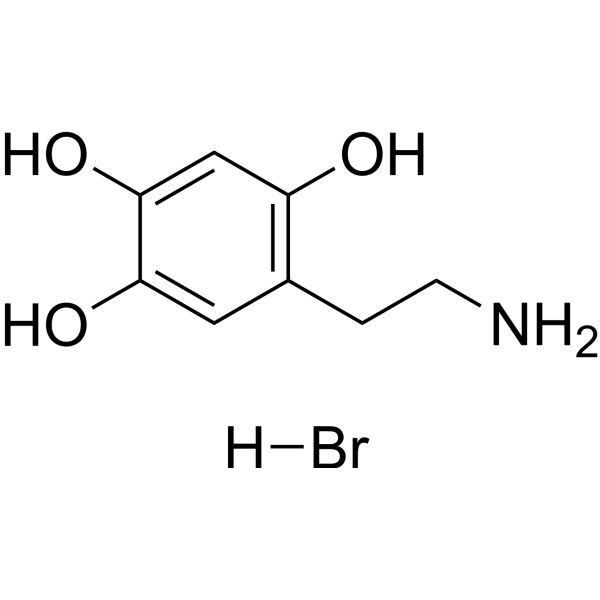
Art. -Nr.: HY-B1081A
CAS. Nr.: 636-00-0
Synonyms: 6-Hydroxydopamine hydrobromide; 6-OHDA hydrobromide
Oxidopamine (6-OHDA) hydrobromide is an antagonist of the neurotransmitter dopamine. Oxidopamine hydrobromide is a widely used neurotoxin and selectively destroys dopaminergic neurons. Oxidopamine hydrobromide promotes COX-2 activation, leading to PGE2 synthesis and pro-inflammatory cytokine IL-1β secretion. Oxidopamine hydrobromide can be used for the research of Parkinson’s disease (PD), attention-deficit hyperactivity disorder (ADHD), and Lesch-Nyhan syndrome .
loading...
    loading...
46
46 Publications Verification
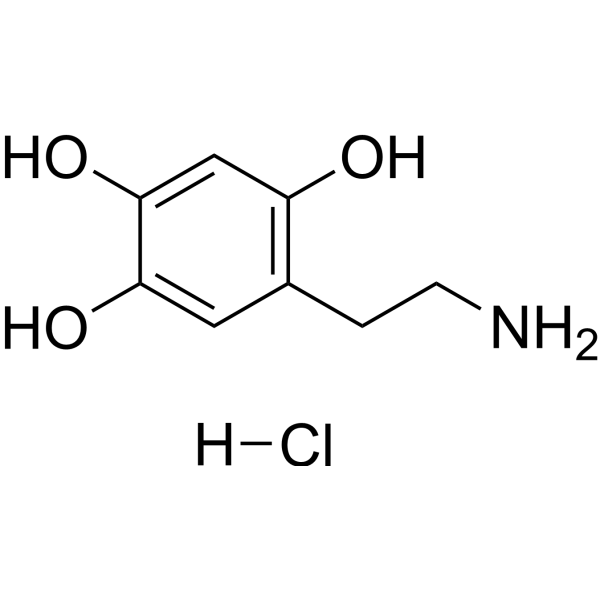
Art. -Nr.: HY-B1081
CAS. Nr.: 28094-15-7
Synonyms: 6-Hydroxydopamine Hydrochloride
Oxidopamine (6-OHDA) hydrochloride is an antagonist of the neurotransmitter dopamine. Oxidopamine hydrochloride is a widely used neurotoxin and selectively destroys dopaminergic neurons. Oxidopamine hydrochloride promotes COX-2 activation, leading to PGE2 synthesis and pro-inflammatory cytokine IL-1β secretion. Oxidopamine hydrochloride can be used for the research of Parkinson’s disease (PD), attention-deficit hyperactivity disorder (ADHD), and Lesch-Nyhan syndrome .
loading...
    loading...
5
5 Cited Publications
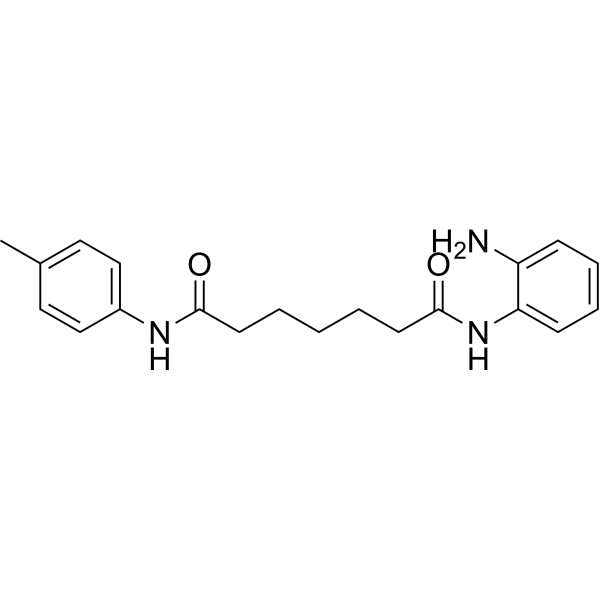
Art. -Nr.: HY-19348
CAS. Nr.: 937039-45-7
Synonyms: RGFA-8; TC-H 106; Histone Deacetylase Inhibitor VII
Forschungsgebiete:  

Neurological Disease Cancer

Pimelic Diphenylamide 106 (TC-H 106) is a slow, tight binding class I HDAC inhibitor (inhibits HDAC1, 2, and 3 with IC50 values of 150 nM, 760 nM, and 370 nM, respectively), with no activity against class II HDACs. Pimelic Diphenylamide 106 modulates dopamine concentration and protects dopamine cells by inducing VMAT2 expression. Pimelic Diphenylamide 106 can be used in the study of neuropsychiatric diseases such as attention deficit hyperactivity disorder (ADHD) .
loading...
    loading...
4
4 Cited Publications
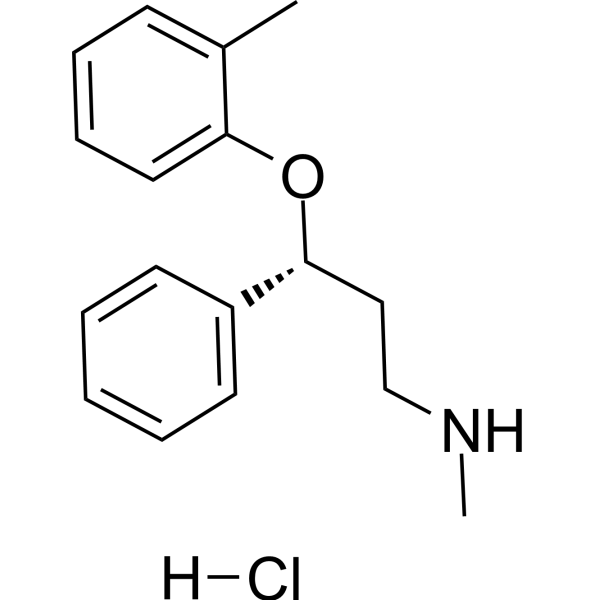
Art. -Nr.: HY-17385
CAS. Nr.: 82248-59-7
Synonyms: Tomoxetine hydrochloride; (R)-Tomoxetine hydrochloride; LY 139603
Atomoxetine (Tomoxetine) hydrochloride is a selective noradrenaline reuptake inhibitor with Ki values of 5 nM, 77 nM and 1451 nM for norepinephrine (NE), serotonin (5-HT) and dopamine (DA) transporters, respectively. Atomoxetine hydrochloride is a potent Na + channels (VGSCs) blocker. Atomoxetine hydrochloride can be used for attention-deficit hyperactivity disorder (ADHD) research .
loading...
    loading...
4
4 Cited Publications
Art. -Nr.: HY-107370
CAS. Nr.: 83015-26-3
Synonyms: Tomoxetine; (R)-Tomoxetine
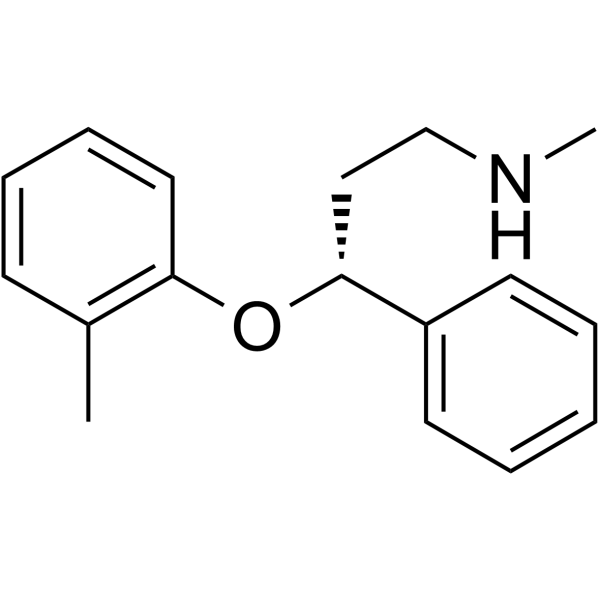
Atomoxetine (Tomoxetine) is a selective noradrenaline reuptake inhibitor with Ki values of 5, 77 and 1451 nM for norepinephrine (NE), serotonin (5-HT) and dopamine (DA) transporters, respectively. Atomoxetine (Tomoxetine) increases of DAEX and NEEX in the PFC and enhances catecholaminergic neurotransmission. Atomoxetine (Tomoxetine) is a potent Na + channels (VGSCs) blocker. Atomoxetine (Tomoxetine) can be used for attention-deficit hyperactivity disorder (ADHD) research .
loading...
    loading...
4
4 Cited Publications
Art. -Nr.: HY-B1306
CAS. Nr.: 61-78-9
Synonyms: p-Aminohippuric acid
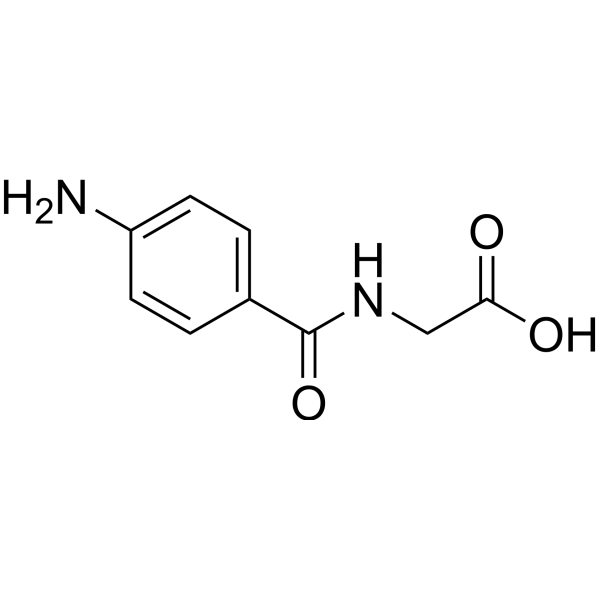
4-Aminohippuric acid (p-Aminohippuric acid) is a coordination ligand for metal ions (such as Cu 2+, Fe 3+, Hg 2+) and a functionalization reagent for nanomaterials. 4-Aminohippuric acid can coordinate with metal ions or modify the surface of materials such as carbon nanotubes and gold nanoparticles through amino and carboxyl groups. 4-Aminohippuric acid can form stable complexes with metal ions or participate in the synthesis of nanomaterials as a reducing agent/stabilizer, enriching metal ions or giving nanoparticles peroxidase-mimicking activity. 4-Aminohippuric acid can be used to construct highly sensitive electrochemical sensors or colorimetric sensors to detect and quantitatively analyze heavy metal ions such as copper, iron, and mercury in environmental water samples and biological samples. 4-Aminohippuric acid may also be a biomarker for attention-deficit/hyperactivity disorder (ADHD) .
loading...
    loading...
3
3 Cited Publications
Art. -Nr.: HY-17416
CAS. Nr.: 29110-48-3
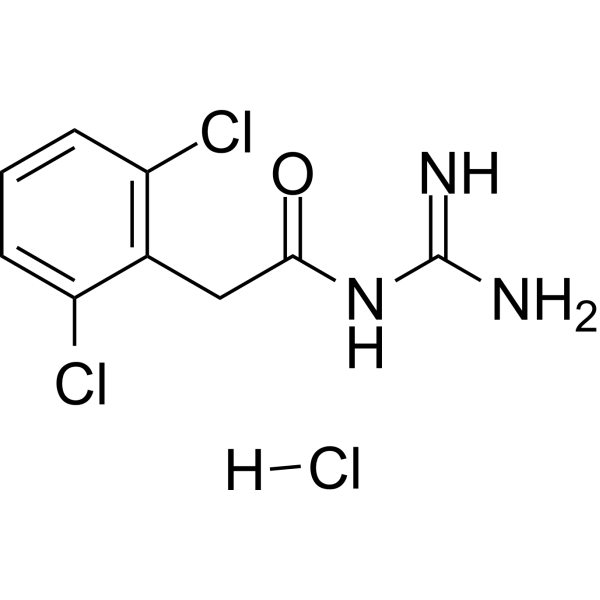
Guanfacine hydrochloride is an orally active and blood-brain barrier permeability noradrenergic α2A agonist and has high selective for the α2A receptor subtype. Guanfacine has effects in producing hypotension and sedation. Guanfacine can be used for the research of a variety of prefrontal cortex (PFC) cognitive disorders, including tourette's syndrome and attention deficit hyperactivity disorder (ADHD) .
loading...
    loading...
3
3 Cited Publications
Art. -Nr.: HY-17416A
CAS. Nr.: 29110-47-2
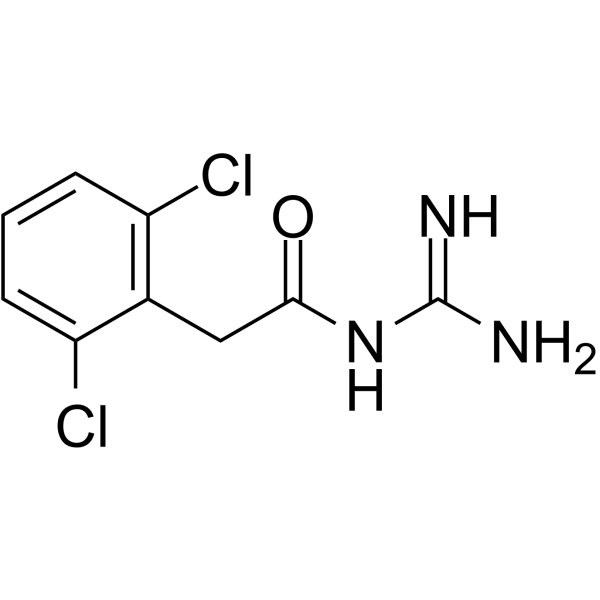
Guanfacine is an orally active noradrenergic α2A agonist and has high selective for the α2A receptor subtype. Guanfacine has effects in producing hypotension and sedation. Guanfacine can be used for the research of a variety of prefrontal cortex (PFC) cognitive disorders, including tourette's syndrome and attention deficit hyperactivity disorder (ADHD) .
loading...
    loading...
3
3 Cited Publications
Art. -Nr.: HY-D0939
CAS. Nr.: 2610-05-1
Synonyms: Chicago Sky Blue 6B
Direct Blue 1 (Chicago Sky Blue 6B) is a complex dye for background autofluorescence in immunofluorescence histochemistry. Direct Blue 1 is a potent and competitive VGLUT inhibitor. Direct Blue 1 can inhibit the Aβ-binding small molecule PrP ligand. Direct Blue 1 has anti-inflammatory activity .
loading...
    loading...
2
2 Cited Publications
Art. -Nr.: HY-15543A
CAS. Nr.: 1215721-40-6
Reinheit:  99.37%
Target:  

5-HT Receptor

Forschungsgebiete:  

Neurological Disease

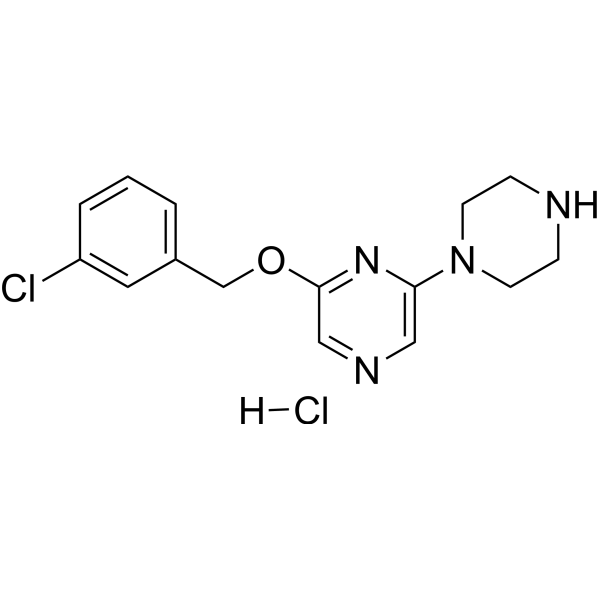
CP-809101 hydrochloride is a potent and highly selective 5-HT2C receptor agonist, with pEC50s of 9.96, 7.19 and 6.81 M for human 5HT2C, 5HT2B and 5HT2A receptor. CP-809101 hydrochloride inhibits conditioned avoidance responding in rats and antagonizes both PCP (phencyclidine hydrochloride)- and d-amphetamine-induced hyperactivity. CP-809101 hydrochloride also reduces food and nicotine dependence in rats, can be used in studies of antipsychotic and nicotine dependence .
loading...
    loading...
1
1 Cited Publications
Art. -Nr.: HY-N8157
CAS. Nr.: 1464-33-1
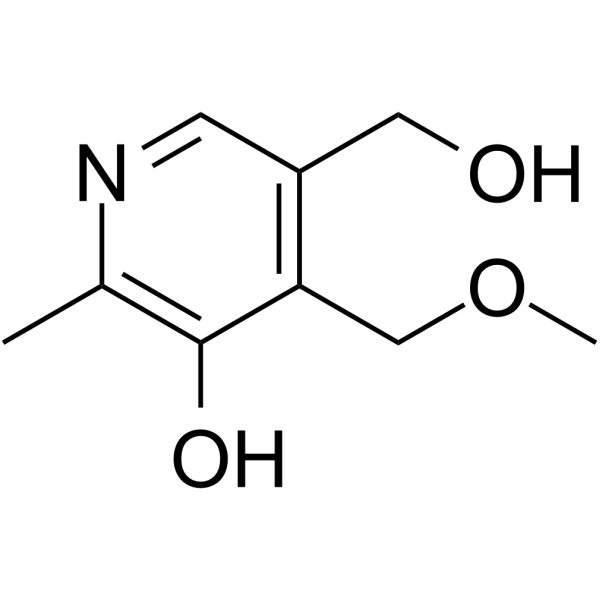
4'-O-Methylpyridoxine is an orally active antivitamin B6 compound found in Ginkgo biloba seeds and leaves. 4'-O-Methylpyridoxine inhibits pyridoxal kinase. 4'-O-Methylpyridoxine reduces brain pyridoxal-5'-phosphate (PLP) levels, decreases gamma-aminobutyric acid/glutamate (GABA/Glu) ratio. 4'-O-Methylpyridoxine increases plasma levels of pyridoxal-5'-phosphate and pyridoxal. 4'-O-Methylpyridoxine induces hyperactivity, convulsions, pathological tissue changes, organ damage in rodent brain and heart .
loading...
    loading...
1
1 Cited Publications
Art. -Nr.: HY-W018171
CAS. Nr.: 6515-38-4
Synonyms: TCPy
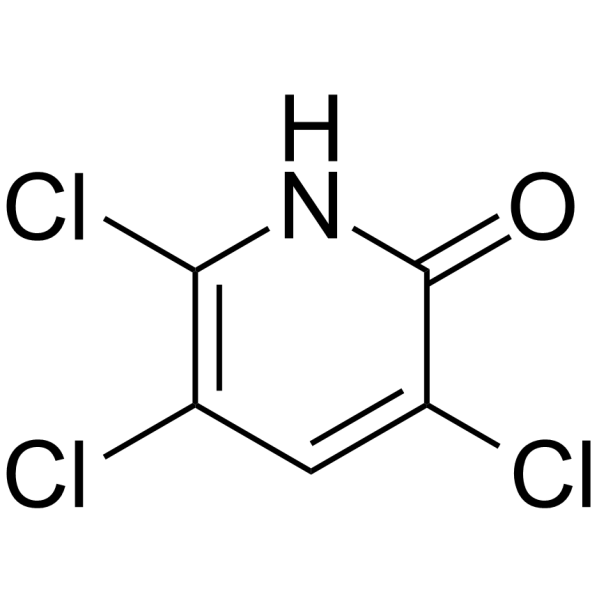
3,5,6-Trichloro-2-pyridinol (TCPy) is a chloride of 2-pyridone with oral activity. 3,5,6-Trichloro-2-pyridinol is the main degradation product of the herbicide Triclopyr and the insecticides Chlorpyrifos and chlorpyrifos-methyl. 3,5,6-Trichloro-2-pyridinol is associated with attention deficit hyperactivity disorder (ADHD) and decreased testosterone levels. 3,5,6-Trichloro-2-pyridinol causes hearing loss, hepatotoxicity and nephrotoxicity in mice .
loading...
    loading...
1
1 Cited Publications
Art. -Nr.: HY-108512
CAS. Nr.: 154130-99-1
Reinheit:  95.42%
Target:  

Sigma Receptor

Forschungsgebiete:  

Neurological Disease

PD 144418 is a highly affinity, potent and selective sigma 1 (σ1) receptor ligand (Ki values of 0.08 nM and 1377 nM for σ1 and σ2 respectively). PD 144418 devoids of any significant affinity for other receptors, ion channels and enzymes. PD 144418 shows potential antipsychotic activity .
loading...
    loading...
1
1 Cited Publications
Art. -Nr.: HY-B2029
CAS. Nr.: 2310-17-0
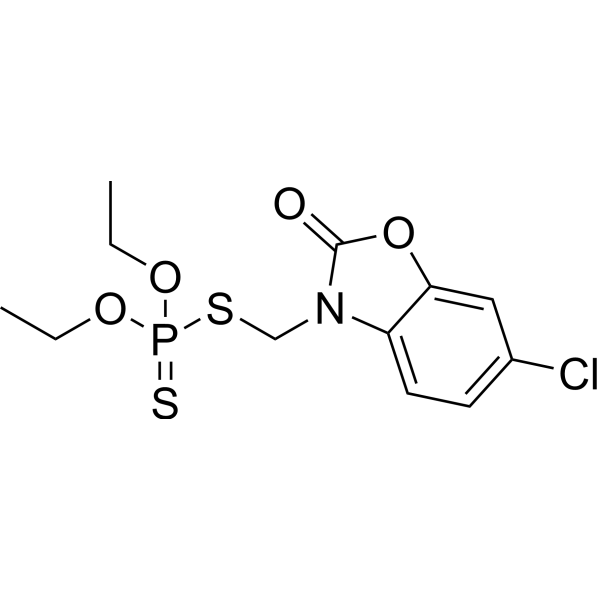
Phosalone is an orally active, blood-brain barrier penetrant Insecticide and acaricide. Phosalone inhibits the activity of Acetylcholinesterase. Phosalone acts as a substrate for detoxifying esterases. Phosalone induces symptoms of cholinergic hyperactivity, toxic reactions, mortality, oxidative stress, and changes in pro-inflammatory protein levels, and exerts toxic effects on colonic tissues and cells. Phosalone controls pistachio psyllids. Phosalone can be used in studies related to colitis .
loading...
    loading...
1
1 Cited Publications
Art. -Nr.: HY-108512A
CAS. Nr.: 1794760-28-3
Reinheit:  98.65%
Target:  

Sigma Receptor

Forschungsgebiete:  

Neurological Disease

PD 144418 oxalate is a highly affinity, potent and selective sigma 1 (σ1) receptor ligand (Ki values of 0.08 nM and 1377 nM for σ1 and σ2 respectively). PD 144418 oxalate devoids of any significant affinity for other receptors, ion channels and enzymes. PD 144418 oxalate shows potential antipsychotic activity .
loading...
    loading...
1
1 Cited Publications
Art. -Nr.: HY-145404
CAS. Nr.: 2035457-43-1
Target:  

Opioid Receptor

Forschungsgebiete:  

Metabolic Disease

Mitragynine pseudoindoxyl is a potent orally active agonist of the μ-opioid receptor (MOR-1, Ki=0.8 nM) and an antagonist of the δ-opioid receptor (DOR-1, Ki=3.0 nM). Mitragynine pseudoindoxyl has moderate affinity for the κ-opioid receptor (KOR-1, Ki=24 nM) and does not recruit β-arrestin-2, acting through G protein-mediated signaling pathways without β-arrestin-2-related activation. Mitragynine pseudoindoxyl produces potent analgesic activity through a mixed μ-agonist/δ-antagonist mechanism, with low side effects such as physical dependence, respiratory depression, and constipation, and no rewarding or aversive behaviors. Mitragynine pseudoindoxyl reduces hyperactivity, inhibits GI transit, and enhances characteristics, making it a potential analgesic .
loading...
    loading...
Art. -Nr.: HY-13458
CAS. Nr.: 23651-95-8
Reinheit:  98.80%
Synonyms: L-DOPS; DOPS; SM5688
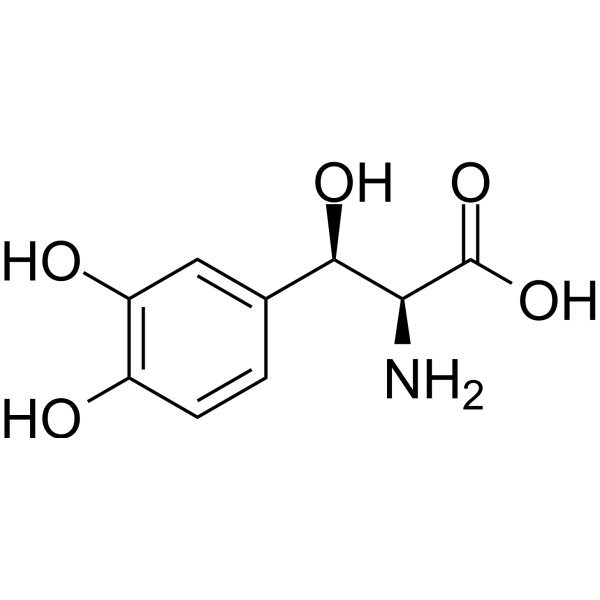
Droxidopa (L-DOPS; SM5688) is a potent, orally active norepinephrine precursor. Droxidopa increases standing blood pressure, ameliorates symptoms of orthostatic hypotension and improves standing ability. Droxidopa has the potential for the research of neurogenic orthostatic hypotension (nOH) and alternative ADHD (attention deficit hyperactivity disorder) .
loading...
    loading...
Art. -Nr.: HY-W380450
CAS. Nr.: 46817-91-8
Synonyms: Viloxazin; Emovit
Target:  

5-HT Receptor

Forschungsgebiete:  

Neurological Disease

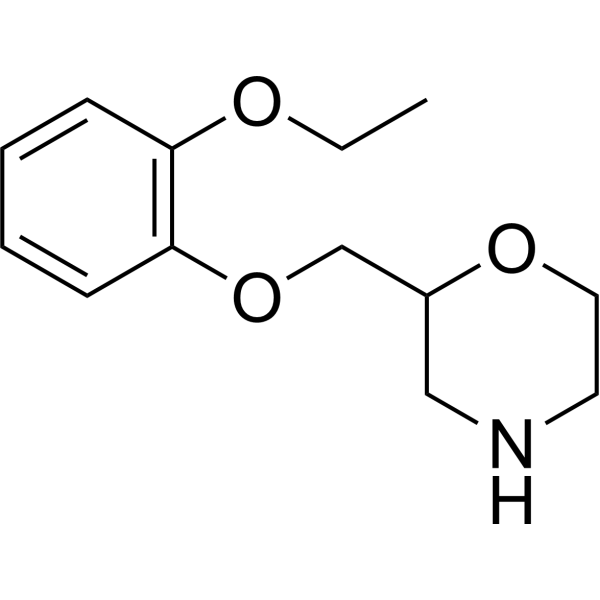
Viloxazine is a non-brain-penetrant, selective norepinephrine transporter (NET) inhibitor (IC50= 0.26 μM) and 5-HT receptor modulator. Viloxazine antagonizes 5-HT2B receptors (Ki=4.2 μM) and agonizes 5-HT2C receptors (EC50= 32 μM), respectively, and enhances 5-HT neurotransmission by modulating 5-HT2B/C receptors. Viloxazine also competitively inhibits NET from increasing NE and DA levels in the synaptic cleft, and can be used in the study of attention deficit hyperactivity disorder (ADHD) .
loading...
    loading...
Art. -Nr.: HY-125784
CAS. Nr.: 35604-67-2
Reinheit:  98.94%
Synonyms: Viloxazin hydrochloride; Emovit hydrochloride
Target:  

5-HT Receptor

Forschungsgebiete:  

Neurological Disease

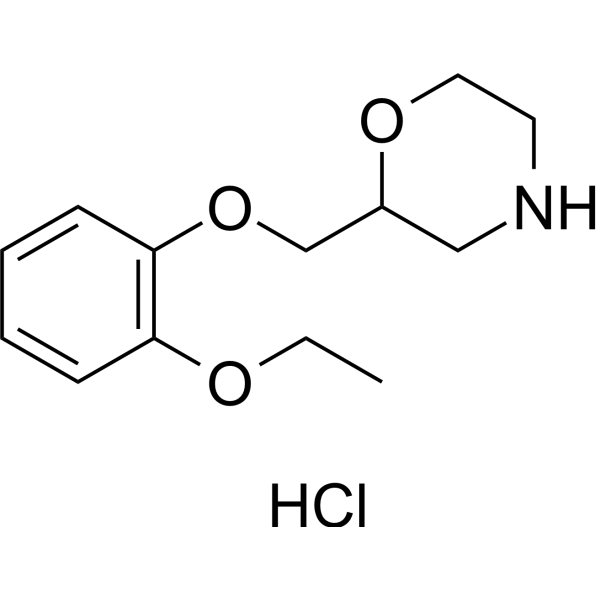
Viloxazine hydrochloride is a non-brain-penetrant, selective norepinephrine transporter (NET) inhibitor (IC50=0.26 μM) and 5-HT receptor modulator. Viloxazine antagonizes 5-HT2B receptors (Ki=4.2 μM) and agonizes 5-HT2C receptors (EC50=32 μM), respectively, and enhances 5-HT neurotransmission by modulating 5-HT2B/C receptors. Viloxazine also competitively inhibits NET from increasing NE and DA levels in the synaptic cleft, and can be used in the study of attention deficit hyperactivity disorder (ADHD) .
loading...
    loading...
Art. -Nr.: HY-14880
CAS. Nr.: 929622-08-2
Reinheit:  96.60%
Synonyms: JNJ-31001074
Target:  

Histamine Receptor

Forschungsgebiete:  

Neurological Disease Metabolic Disease

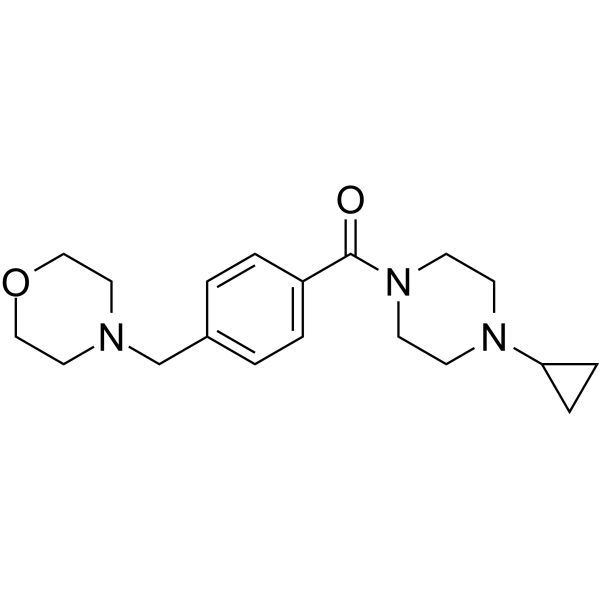
Bavisant (JNJ-31001074) is an orally active, potent, brain-penetrating and highly selective antagonist of the histamine H3 receptor. Bavisant can be used for attention-deficit hyperactivity disorder (ADHD) research .
loading...
    loading...

