1. Search Result
Search Result
Results for "

IL10 secretion

" in MedChemExpress (MCE) Product Catalog:

16

Inhibitors & Agonists

1

Biochemical Assay Reagents

1

Inhibitory Antibodies

6

Natural
Products

Cat. No. Product Name Target Research Areas Chemical Structure
  • HY-113494
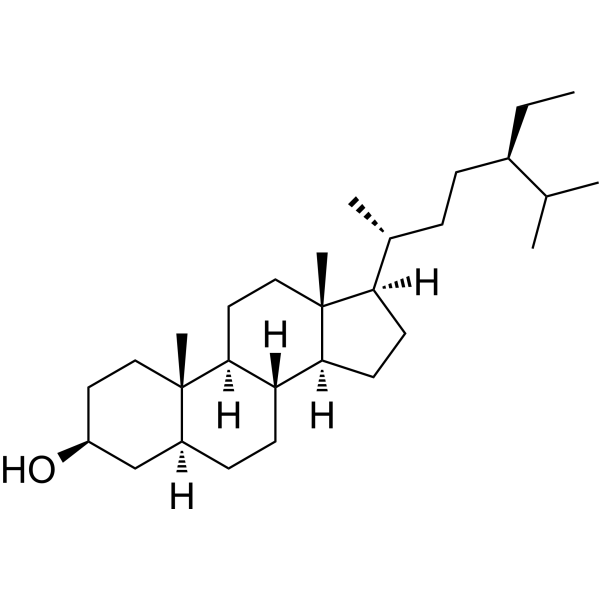
    Sitostanol
    1 Publications Verification

    Stigmastanol; 24α-Ethyl cholestanol

    Interleukin Related Others Metabolic Disease Inflammation/Immunology Cancer
    Stigmastanol is a 6-amino derivative. Stigmastanol can be isolated from Hypericum riparium. Stigmastanol increases the secretion of IL-2 and IL-10. Stigmastanol reduces the maximum mitochondrial respiration of cells. Stigmastanol has beneficial effects on the weakened immune function of asthma .
    Sitostanol
  • HY-W013579

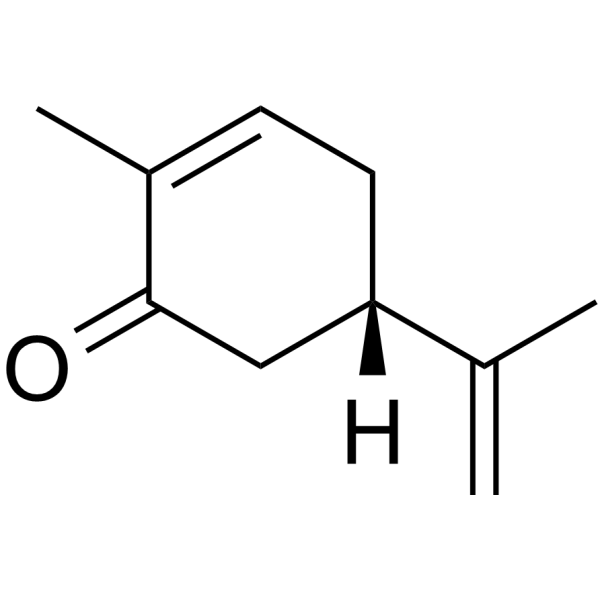
    D-​Carvone

    Environmental Pollutants Apoptosis Caspase Interleukin Related Reactive Oxygen Species (ROS) NOD-like Receptor (NLR) SOD Neurological Disease Metabolic Disease Inflammation/Immunology Cancer
    (S)-(+)-Carvone is an orally active natural product. (S)-(+)-Carvone increases the activity of antioxidant enzymes (SOD, CAT) and ROS, reduces the levels of oxidative stress markers (MDA, AChE), reduces the secretion of proinflammatory cytokines (IL-1β, IL-4, IL-6, IL-10), and downregulates NLRP3. (S)-(+)-Carvone increases the activities of caspase-8, -9 and -3. (S)-(+)-Carvone induces apoptotic death. (S)-(+)-Carvone has antimanic-like effect, liver protection and anticancer activity against skin cancer. (S)-(+)-Carvone improves memory and arthritis .
    (S)-(+)-Carvone
  • HY-19307

    Integrin Interleukin Related Cardiovascular Disease Inflammation/Immunology Endocrinology Cancer
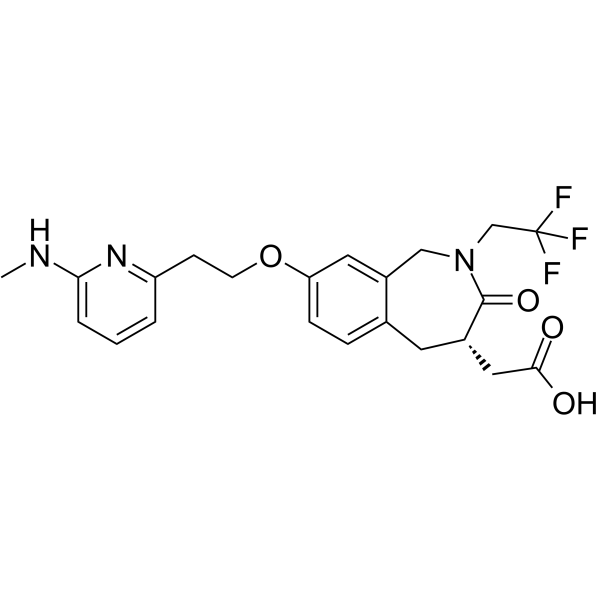
    SB-273005 is an orally active non-peptide αvβ3 integrin antagonist with Ki values of 1.2 nM and 0.3 nM for αvβ3 and αvβ5, respectively. SB-273005 blocks the binding of integrins to the RGD sequence in the extracellular matrix. SB-273005 inhibits Rictor phosphorylation and reduces IL-10 secretion. SB-273005 inhibits inflammation, prevents bone loss, regulates vascular smooth muscle function, and reverses pregnancy-induced immune deviation. SB-273005 can be used in the study of rheumatoid arthritis, osteoporosis, and aneurysms. .
    SB-273005
  • HY-B0327
    Irsogladine
    3 Publications Verification

    Dicloguamine

    Phosphodiesterase (PDE) NF-κB AP-1 TRP Channel Interleukin Related Inflammation/Immunology Cancer
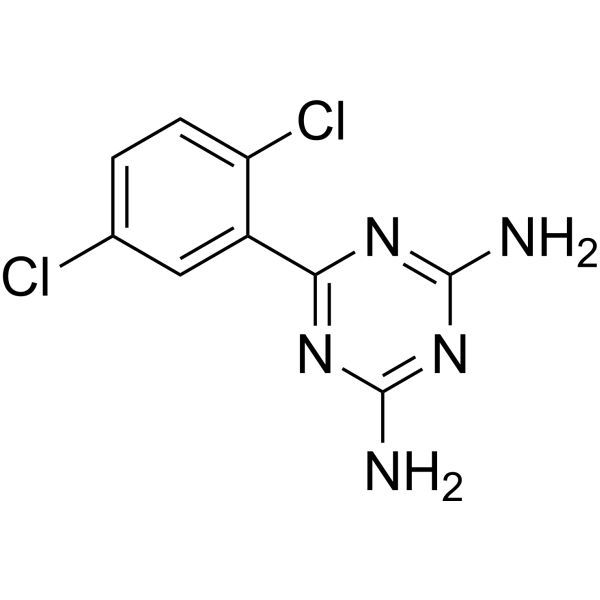
    Irsogladine (Dicloguamine) is an orally active gastric mucosal protective agent. Irsogladine inhibits breast cancer recurrence and lung metastasis in nude mice . Irsogladine inhibits the transcriptional activities of NF-κB and AP-1, suppresses the activities of PDE and PDE4 to elevate intracellular cAMP levels, and activates TRPV1 and KATP channels. Irsogladine enhances iNOS expression, NO production, and the activation of cAMP-responsive elements. Irsogladine inhibits the development and progression of intestinal polyps in Apc-mutant mice. Irsogladine alleviates oxidative stress, increases gastric mucosal blood flow, and stimulates the production of endogenous prostaglandins. Irsogladine promotes insulin secretion in MIN6 cells. Irsogladine inhibits tumor angiogenesis, cancer cell proliferation, and the production of proinflammatory cytokines. Irsogladine exerts protective effects on astrocytes in ethanol/hydrochloric acid-induced gastric ulcers in mice. Irsogladine prevents colitis in IL-10 gene-deficient mice by reducing the production of IL-12 and IL-23. Irsogladine upregulates gap junction intercellular communication in pancreatic cancer cells via the PKA pathway. Irsogladine is applicable to research related to breast cancer, intestinal polyposis, gastric ulcer, spontaneous colitis, glioma, liver cancer, and pancreatic cancer [5][6] .
    Irsogladine
  • HY-14837

    Enisamium iodide

    Influenza Virus SARS-CoV Infection
    Amizon is an orally effective antiviral and anti-inflammatory agent. Amizon inhibits influenza virus replication and restricts viral RNA synthesis. Amizon reduces the mRNA expression of COX-1, COX-2, NF-κB, TGF1β, IL-1 and IL-6, and stimulates the secretion and mRNA expression of IL-10. Amizon inhibits the oxidative activity of macrophages and possesses antioxidant and free radical-scavenging activities. Amizon is applicable to research related to influenza and acute respiratory viral infections .
    Amizon
  • HY-N0600

    Interleukin Related IFNAR NF-κB Inflammation/Immunology
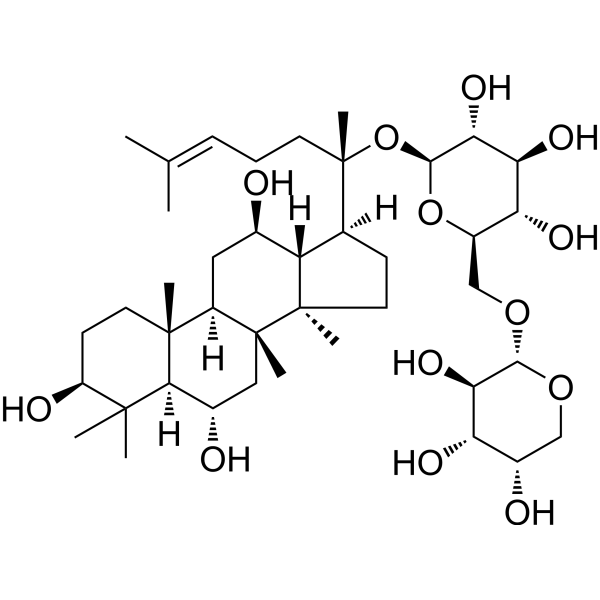
    Ginsenoside F3 is a saponin extracted from the leaves of Panax ginseng with immunoenhancing and antitumor immunostimulatory activities. Ginsenoside F3 upregulates RIPOR2 with a Kd value of 3.77 μM. Ginsenoside F3 enhances NF‑κB activation, upregulates T‑bet and downregulates GATA‑3, increases the production of IL‑2 and IFN‑γ, decreases the production of IL‑4 and IL‑10, reverses CD8⁺ T‑cell exhaustion, restores cytokine secretion, and enhances antitumor immunity in a mouse non‑small cell lung cancer model. Ginsenoside F3 can be used for the research of non-small cell lung cancer .
    Ginsenoside F3
  • HY-147506

    NOD-like Receptor (NLR) Inflammation/Immunology
    NOD2 antagonist 1 (compound 32) is a potent and selective NOD2 antagonist with an IC50 of 5.23 μM. NOD2 antagonist 1 inhibits Muramyl dipeptide (MDP)-induced IL-8 secretion in THP-1 cells and inhibits MDP-induced IL-6, IL-10, TNF-α release in PBMCs .
    NOD2 antagonist 1
  • HY-165613

    Dipalmitoyl-S-glyceryl-cysteine; S-[2,3-Bis(palmitoyloxy)propyl]cysteine

    Toll-like Receptor (TLR) Influenza Virus NF-κB Infection Inflammation/Immunology
    Pam2Cys (Dipalmitoyl-S-glyceryl-cysteine; S-[2,3-Bis(palmitoyloxy)propyl]cysteine) is a TLR2 agonist and immunostimulant. Pam2Cys binds to TLR2 to activate dendritic cells and trigger the TLR2-dependent NF-κB signaling pathway. Pam2Cys also induces dendritic cell maturation by upregulating the expression of cell surface MHC II molecules. Pam2Cys activates innate immune signaling pathways, drives pro-inflammatory and antimicrobial responses, enhances the expression of macrophage activation markers, increases phagocytic activity, induces the release of IL-12 and pro-inflammatory cytokines, and polarizes macrophages into a pro-inflammatory, antimicrobial phenotype without interfering with IL-10-induced macrophage polarization. Pam2Cys also serves as the lipid moiety in synthetic lipopeptide vaccines and possesses self-adjuvant properties. Pam2Cys enhances the immunogenicity of conjugated peptide segments and induces cellular and humoral immune responses. However, it does not activate CD4 T cells in mouse splenocyte cultures when used alone. Pam2Cys activates pulmonary TLR2 signaling pathways, triggers innate immune responses, recruits neutrophils and macrophages, induces the secretion of various cytokines, alleviates symptoms and damages associated with influenza A virus infection in mice without impairing adaptive immunity. Pam2Cys can be used in studies related to tuberculosis and influenza A virus infection .
    Pam2Cys
  • HY-P991257
    MK-1966
    1 Publications Verification

    Interleukin Related CXCR MHC Cancer
    MK-1966 is an anti-IL-10 antibody. MK-1966 inhibits secretion of cytokines from activated macrophages, production of CC and CXC chemokines, and a TH1 response, down-regulates MHC and costimulatory molecules on dendritic cells (DCs), and induces regulatory T cells. MK-1966 can be used for the research of cancer , such as gastric cancer .
    MK-1966
  • HY-N1940
    β-Anhydroicaritin
    3 Publications Verification

    Cycloicaritin

    Interleukin Related TNF Receptor MMP Inflammation/Immunology Cancer
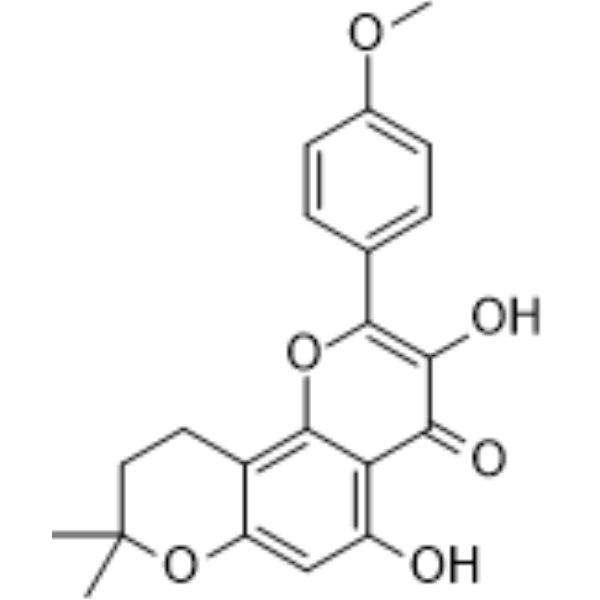
    β-Anhydroicaritin is isolated from Boswellia carterii Birdware, has important biological and pharmacological effects, such as antiosteoporosis, estrogen regulation and antitumor properties . β-Anhydroicaritin ameliorates the degradation of periodontal tissue and inhibits the synthesis and secretion of TNF-α and MMP-3 in diabetic rats . β-Anhydroicaritin decreases the overproduction of NO, IL-10, TNF-α, MCP-1 and IL-6 in inperitonitis mice. β-Anhydroicaritin inhibits the elevation of intracellular Ca 2+, and markedly decreases iNOS protein expression .
    β-Anhydroicaritin
  • HY-155520

    Parasite Infection
    Antileishmanial agent-19 (Compound F27) is an antileishmanial agent, with a IC50 of 3.39 μM for L. donovani promastigotes. Antileishmanial agent-19 inhibits Leishmania prolyl-tRNA synthetase. Antileishmanial agent-19 inhibits host PI3K/Akt/CREB axis-mediated IL-10 secretion. Antileishmanial agent-19 induces autophagy-mediated apoptosis in L. donovani promastigotes. Antileishmanial agent-19 reduces parasite burden in L.d-infected animals .
    Antileishmanial agent-19
  • HY-D1056C1

    LPS, from Salmonella enterica (Serotype enteritidis)

    Toll-like Receptor (TLR) Inflammation/Immunology
    Lipopolysaccharides, from S. enterica (Salmonella enterica) serotype enteritidis are lipopolysaccharide endotoxins and TLR-4 activators derived from the enteritidis serotype of S. enterica, classified as S-type LPS, which can activate pathogen-associated molecular patterns (PAMP) of the immune system and induce cellular secretion of migrasomes. Lipopolysaccharides, from S. enterica serotype enteritidis exhibit a typical three-part structure: O-antigen, core oligosaccharide, and lipid A. Lipopolysaccharides, from S. enterica serotype enteritidis can induce systemic inflammatory responses, increasing levels of TNF-α, IFN-γ, IL-6, IL-10, and nitrate in plasma .
    It is recommended to prepare a solution with concentration ≥2 mg/mL. Vortex thoroughly for more than 10 minutes. Due to the adsorption characteristics of LPS, silanized container or low adsorption centrifuge tubes should be used for aliquoting and storage, and mix thoroughly before use.
    Lipopolysaccharides, from S. enterica serotype enteritidis
  • HY-150232

    MALT1 Inflammation/Immunology Cancer
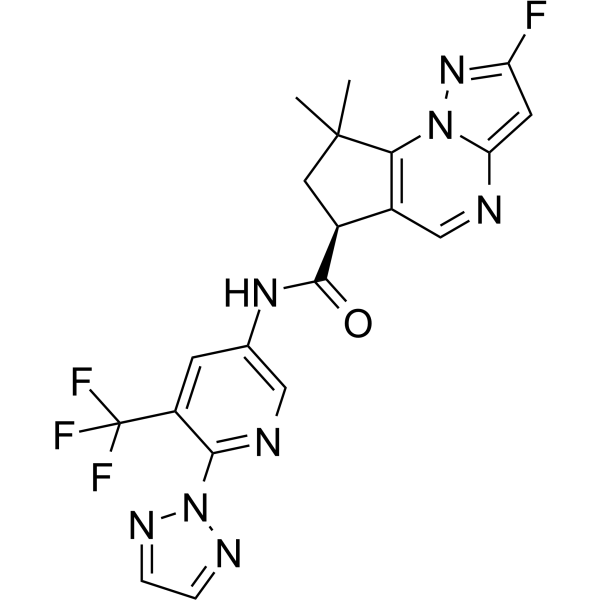
    MALT1-IN-11 (Example 151 in reference Patent) is a MALT1 protease inhibitor (IC50 < 10 nM). MALT1-IN-11 inhibits IL10 secretion with an IC50 of 10-100 nM. MALT1-IN-11 can be used for the research of cancer, autoimmune and inflammatory disorders .
    MALT1-IN-11
  • HY-178945

    Opioid Receptor Interleukin Related TNF Receptor Sigma Receptor Neurological Disease Inflammation/Immunology
    KOR agonist 7 (Compound 29) is a highly selective κ-opioid receptor (KOR) agonist with a Ki of 138 nM. KOR agonist 7 shows no activity at μ- and δ-opioid receptors or σ1 receptor, and exhibits extremely low affinity for σ2 receptor (Ki = 2.8 μM). KOR agonist 7 significantly reduces the secretion of pro-inflammatory cytokines such as IL-6, TNF-α, and IFN-γ, while increasing the production of the anti-inflammatory cytokine IL-10. KOR agonist 7 downregulates the expression of the pro-inflammatory M1 macrophage marker CD80 and upregulates the anti-inflammatory M2 macrophage marker CD163. KOR agonist 7 holds potential for applications in analgesia and immune modulation .
    KOR agonist 7
  • HY-113494R

    Stigmastanol (Standard); 24α-Ethyl cholestanol (Standard)

    Reference Standards Interleukin Related Others Metabolic Disease Inflammation/Immunology Cancer
    Stigmastanol (Standard) is the analytical standard of Stigmastanol. This product is intended for research and analytical applications. Stigmastanol is a 6-amino derivative. Stigmastanol can be isolated from Hypericum riparium. Stigmastanol increases the secretion of IL-2 and IL-10. Stigmastanol reduces the maximum mitochondrial respiration of cells. Stigmastanol has beneficial effects on the weakened immune function of asthma .
    Sitostanol (Standard)
  • HY-W013579R

    D-​Carvone (Standard)

    Reference Standards Others Neurological Disease Metabolic Disease Inflammation/Immunology Cancer
    (S)-(+)-Carvone (Standard) is the analytical standard of (S)-(+)-Carvone. This product is intended for research and analytical applications. (S)-(+)-Carvone is an orally active natural product. (S)-(+)-Carvone increases the activity of antioxidant enzymes (SOD, CAT) and ROS, reduces the levels of oxidative stress markers (MDA, AChE), reduces the secretion of proinflammatory cytokines (IL-1β, IL-4, IL-6, IL-10), and downregulates NLRP3. (S)-(+)-Carvone increases the activities of caspase-8, -9 and -3. (S)-(+)-Carvone induces apoptotic death. (S)-(+)-Carvone has antimanic-like effect, liver protection and anticancer activity against skin cancer. (S)-(+)-Carvone improves memory and arthritis .
    (S)-(+)-Carvone (Standard)

Inquiry Online

Your information is safe with us. * Required Fields.

Salutation


Country or Region *

Applicant Name *


Organization Name *

Department *


Email Address *


Product Name *

Cat. No.


Requested quantity *

Phone Number *


Remarks

Inquiry Online

Inquiry Information

Product Name:
Cat. No.:
Quantity:
MCE Japan Authorized Agent:

