
1. Search Result
Search Result
Results for "

T-helper-cell 1 cytokine response

" in MedChemExpress (MCE) Product Catalog:

3331

Inhibitors & Agonists

34

Screening Libraries

59

Fluorescent Dyes

92

Biochemical Assay Reagents

364

Peptides

6

MCE Kits

190

Inhibitory Antibodies

586

Natural
Products

196

Recombinant Proteins

171

Isotope-Labeled Compounds

84

Antibodies

12

Click Chemistry

174

Oligonucleotides

7

GMP Molecules

Cat. No. Product Name Target Research Areas Chemical Structure
  • HY-P9975

    TGN1412; TAB08

    CD28 Inflammation/Immunology
    Theralizumab (TGN1412) is a humanized lgG4 superagonistic anti-CD28 monoclonal antibody that directly stimulates T cells. Theralizumab can cause cytokine release syndrome (CRS). Theralizumab can be used for the research of rheumatoid arthritis [1] .
    Theralizumab
  • HY-N0614
    Sucralose
    3 Publications Verification

    E955; Trichlorosucrose

    Endogenous Metabolite Cancer
    Sucralose (E955; Trichlorosucrose) is a non-nutritive artificial sweetener and sugar substitute. Sucralose can activate a conserved neural fasting response and thereby exerts an appetite-stimulating effect in rodents [1] .
    Sucralose
  • HY-P1860
    TNF-α (31-45), human
    10+ Cited Publications

    TNF Receptor NF-κB Apoptosis Inflammation/Immunology Cancer
    TNF-α (31-45), human is a potent NF-kB pathway activator. TNF-αis a proinflammatory cytokine that induces necrosis or apoptosis. TNF alpha stimulates NF-κB pathway via TNFR2 promotes cancer growth, invasion, and metastasis [1] .
    TNF-α (31-45), human
  • HY-P99389

    JNJ-64304500; IPH-2301; NN-8555

    C-type Lectin-like Receptors (CTLRs) Inflammation/Immunology
    Tesnatilimab (JNJ-64304500) is a human IgG4 monoclonal antibody targeting NKG2D, with a KD value of 9.2 pM [1] . Tesnatilimab blocks the binding of ligands to the NKG2D receptor, thereby inhibiting downstream proinflammatory cytokine, cytotoxic mediator signaling pathways and proinflammatory immune responses. Tesnatilimab is applicable to research related to Crohn's disease [1] .
    Tesnatilimab
  • HY-145583

    Hemay005

    Phosphodiesterase (PDE) Others Inflammation/Immunology
    Mufemilast (Heymay005) is a selective and orally active phosphodiesterase 4 (PDE4) inhibitor (IC50 = 80-120 nM). Mufemilast modulates cytokines upregulated in Behςet’s syndrome (BS). Mufemilast displays a significant inhibitory effect on TNF-α, which is an important proinflammatory cytokine target in the disease process of psoriasis. Mufemilast can be studied in research for diseases such as rheumatoid arthritis, psoriasis and BS [1] .
    Mufemilast
  • HY-136555
    GSK717
    5+ Cited Publications

    NOD-like Receptor (NLR) Inflammation/Immunology
    GSK717 is a potent, selective NOD2 (nucleotide-binding oligomerization domain 2) inhibitor. GSK717 inhibits muramyl dipeptide (MDP)-induced NOD2-mediated signaling, with an IC50 of 400 nM for MDP-stimulated IL-8 secretion in HEK293/hNOD2 cells [1].
    GSK717
  • HY-128481

    STING Inflammation/Immunology Cancer
    SB24011 is a STING modulator and a TRIM29-STING protein-protein interaction inhibitor. SB24011 blocks TRIM29-induced K48-linked specific ubiquitination by binding to STING, thereby upregulating intracellular STING protein levels. SB24011 enhances inflammatory cytokine expression and STING-mediated immune responses, and exhibits abscopal antitumor activity that promotes tumor regression and activates T cell infiltration. When combined with STING agonists or anti-PD1 antibodies, SB24011 synergistically enhances antitumor responses. SB24011 is suitable for research related to colon cancer and melanoma [1] .
    SB24011
  • HY-D0307A

    Acid Red 27; Azorubin S; FD & C Red Dye No. 2

    Environmental Pollutants Biochemical Assay Reagents Inflammation/Immunology
    Amaranth is an organic azo dye. Amaranth inhibits cellular immune response. Amaranth can be used as a food additive [1] .
    Amaranth
  • HY-148045
    TLR9-IN-1
    1 Publications Verification

    Toll-like Receptor (TLR) Inflammation/Immunology
    TLR9-IN-1 is a potent and selective TLR9 inhibitor with an IC50 value of 7 nM for human TLR9. TLR9-IN-1 can be used for researching diseases associated with undesirable immune response [1].
    TLR9-IN-1
  • HY-112038A
    GSK2983559
    2 Publications Verification

    RIP kinase Inflammation/Immunology
    GSK2983559 is an orally active and potent receptor interacting protein 2 (RIP2) kinase inhibitor. GSK2983559 blocks many proinflammatory cytokine responses in vivo and in human inflammatory bowel disease explant samples [1].
    GSK2983559
  • HY-117066
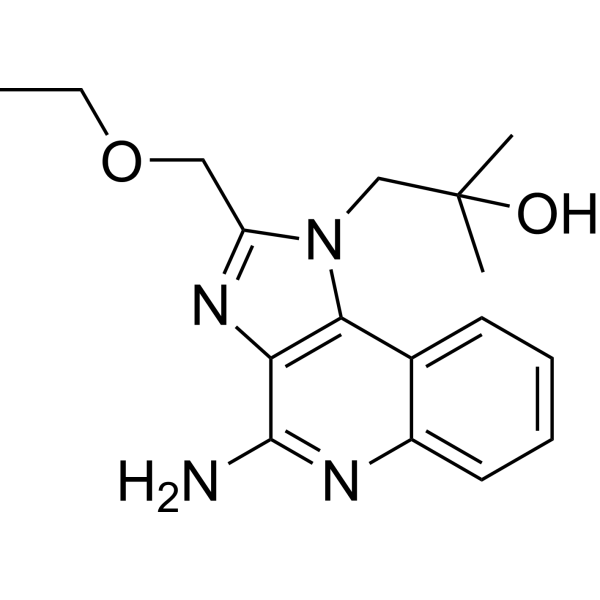
    CL075
    3 Publications Verification

    3M002

    Toll-like Receptor (TLR) Inflammation/Immunology
    CL075 (3M002) is a selective TLR8 agonist with immunomodulating properties. CL075 triggers a MyD88-dependent signaling pathway to elicit production of inflammatory cytokines and type I interferons (IFNs) via activation of NF-κB and IRF7, respectively [1] .
    CL075
  • HY-P991257
    MK-1966
    1 Publications Verification

    Interleukin Related CXCR MHC Cancer
    MK-1966 is an anti-IL-10 antibody. MK-1966 inhibits secretion of cytokines from activated macrophages, production of CC and CXC chemokines, and a TH1 response, down-regulates MHC and costimulatory molecules on dendritic cells (DCs), and induces regulatory T cells. MK-1966 can be used for the research of cancer , such as gastric cancer [1] .
    MK-1966
  • HY-122767

    Muroctasin

    Interleukin Related Inflammation/Immunology
    Romurtide (Muroctasin), a synthetic muramyl dipeptide derivative, is a cytokines inducer. Romurtide can increase peripheral neutrophils and monocytes in vivo and enhance production of colony-stimulating factors (CSFs), IL-1 and IL-6 in vitro [1].
    Romurtide
  • HY-N7696

    Apoptosis Inflammation/Immunology
    Physalin F is a secosteroid with potent anti-inflammatory and immunomodulatory activities. Physalin F induces apoptosis of PBMC, decreasing the spontaneous proliferation and cytokine production caused by Human T-lymphotropic virus type 1 (HTLV-1) infection [1].
    Physalin F
  • HY-113412A

    Endogenous Metabolite Inflammation/Immunology
    3-Methylhistamine dihydrochloride is a degradation product of histamine. 3-Methylhistamine dihydrochloride, a methylated product of histamine, is associated with immune response and shows upregulation in the vaccinated mice [1] .
    3-Methylhistamine dihydrochloride
  • HY-153074

    Eukaryotic Initiation Factor (eIF) Cancer
    ISR-IN-1 (Compound 48) is an inhibitor of the integrated stress response (EC50: 0.6 nM) [1].
    ISR-IN-1
  • HY-121219

    Bacterial Infection
    (-)-Lupinine is an alkaloid and membrane fusion inhibitor. (-)-Lupinine does not affect the synthesis of proinflammatory cytokines during the host response to Serratia proteamaculans infection. (-)-Lupinine can enhance the expression of the bacterial surface protein OmpX. (-)-Lupinine can be used for research on bacterial infections [1].
    (-)-Lupinine
  • HY-P99704

    OCS-02

    TNF Receptor Inflammation/Immunology
    Licaminlimab (OCS-02) is a single-chain anti-TNF alpha antibody fragment. TNF alpha is an inflammatory cytokine produced by macrophages and monocytes during inflammation [1].
    Licaminlimab
  • HY-P99012

    Interleukin Related SARS-CoV Infection Inflammation/Immunology
    Clazakizumab is a monoclonal antibody with high affinity and specificity for the IL-6 (interleukin-6) cytokine. Clazakizumab may be helpful in inhibiting the cytokine response to SARS-CoV-2 in COVID-19. Clazakizumab can be used for the research of psoriatic arthritis (PsA) and renal antibody-mediated rejection [1] .
    Clazakizumab
  • HY-148338

    Toll-like Receptor (TLR) Inflammation/Immunology
    TLR8 agonist 5 is a potent TLR8 agonist with an EC50 value of 20 nM for HEK-Blue hTLR8. TLR8 agonist 5 activates the immune response [1].
    TLR8 agonist 5
  • HY-10656

    Urotensin Receptor Inflammation/Immunology
    SB-657510 is a selective urotensin II (UII) receptor (UT) antagonist. The Ki values are 61, 17, 30, 65 and 56 nM for human, monkey, cat, rat and mouse receptors, respectively. SB-657510 exerts anti-inflammatory effects by inhibiting UII-induced upregulation of inflammatory mediators such as adhesion molecules, cytokines, and tissue factor in human vascular endothelial cells [1] .
    SB-657510
  • HY-P991278

    Interleukin Related Inflammation/Immunology
    ABM-125 is a IL-25 neutralizer and immune response modulator. ABM-125 neutralizes human and mouse IL-25 and blocks type 2 immune activation function. ABM-125 regulates virus-induced inflammatory cytokine expression and increases the expression level of antiviral interferons in rhinovirus-infected asthmatic bronchial epithelial cells. For the isotype control of ABM-125, refer to Human IgG1 kappa, Isotype Control (HY-P99001). ABM-125 is applicable to research related to virus-induced acute asthma exacerbations [1].
    ABM-125
  • HY-177617

    IMO-8400

    Toll-like Receptor (TLR) Inflammation/Immunology
    Bazlitoran (IMO-8400) is an oligonucleotide-based TLR7/8/9 antagonist. Bazlitoran blocks the activation of Toll-like receptors 7, 8, and 9. Bazlitoran inhibits cytokine responses mediated by Toll-like receptors 7, 8, and 9. Bazlitoran is associated with injection site reactions. Bazlitoran improves moderate-to-severe plaque psoriasis [1] .
    Bazlitoran
  • HY-154821A

    TNF Receptor Inflammation/Immunology
    DRI-C21041 DIEA is a CD40/CD40L interaction inhibitor, with an IC50 of 0.31 μM. DRI-C21041 DIEA inhibits the immune response induced by alloantigen [1].
    DRI-C21041 DIEA
  • HY-P1860A
    TNF-α (31-45), human TFA
    10+ Cited Publications

    TNF Receptor NF-κB Apoptosis Inflammation/Immunology
    TNF-α (31-45), human TFA is a potent NF-kB pathway activator. TNF-αis a proinflammatory cytokine that induces necrosis or apoptosis. TNF alpha stimulates NF-κB pathway via TNFR2 promotes cancer growth, invasion, and metastasis [1] .
    TNF-α (31-45), human TFA
  • HY-146765

    NOD-like Receptor (NLR) Neurological Disease Inflammation/Immunology
    AMS-17 is a potent NLRP3 inhibitor, inhibiting microglia activation in vitro and in vivo. AMS-17 also inhibits cytokines such as caspase-1, TNF-α, IL-1β and inducible nitric oxide synthase (iNOS) in N9 cells. AMS-17 can be used for researching inflammation-associated neurological disorders, such as vascular dementia (VaD) [1] .
    AMS-17
  • HY-112763

    Liposome Inflammation/Immunology
    CLinDMA, a cationic lipid, can cause inflammatory response. CLinDMA can be used for the synthesis LNP201. LNP201 is a liposome assembly for systemic delivery of siRNA [1].
    CLinDMA
  • HY-126042

    (±)-Lisophylline

    Interleukin Related Metabolic Disease Inflammation/Immunology
    (±)-Lisofylline ((±)-Lisophylline) is the racemate of Lisofylline. Lisofylline inhibits the generation of phosphatidic acid and free fatty acids. Lisofylline also blocks the release of pro-inflammatory cytokines in oxidative tissue injury, in response to cancer chemotherapy and in experimental sepsis. Lisofylline can be used for Type 1 diabetes research [1].
    (±)-Lisofylline
  • HY-14762

    Antibiotic Bacterial Infection
    Besifloxacin is a fluoroquinolone antimicrobial agent. Besifloxacin can inhibit cytokine production by monocytes. Besifloxacin has broad-spectrum antibacterial activity [1].
    Besifloxacin
  • HY-154821

    TNF Receptor Inflammation/Immunology
    DRI-C21041 is a CD40/CD40L interaction inhibitor, with an IC50 of 0.31 μM. DRI-C21041 inhibits the immune response induced by alloantigen [1].
    DRI-C21041
  • HY-172590

    PROTACs IRAK Interleukin Related TNF Receptor Inflammation/Immunology
    LZ-07 is a IRAK4 PROTAC degrader (DC50 = 1.14 nM). LZ-07 leads to marked suppression of cytokines including IL-6, IL-1β, TNF-α, and IL-10 upon degradation of IRAK4. LZ-07 can be studied in research for autoimmune diseases (Pink: IRAK4 ligand (HY-172591); Blue: CRBN ligand (HY-34590); Black: linker (HY-B0149); CRBN ligand + linker: HY-172593) [1].
    LZ-07
  • HY-153075

    Eukaryotic Initiation Factor (eIF) Cancer
    ISR-IN-2 (Compound 47) is an inhibitor of the integrated stress response (EC50: 0.8 nM) [1].
    ISR-IN-2
  • HY-P10400

    Phytohormone Inflammation/Immunology
    AtPep1 is a plant elicitor peptide. AtPep1 activates transcription of the defensive gene defensin (PDF1.2) and activates the synthesis of H2O2, which are components of the innate immune response against pathogens. AtPep1 can be isolated from extracts of Arabidopsis leaves [1] .
    AtPep1
  • HY-100797

    (±)-CPP

    iGluR Neurological Disease
    (RS)-CPP ((±)-CPP) is a potent and selective NMDA antagonist. (RS)-CPP inhibits central neuron responses, and has anticonvulsant activity [1].
    (RS)-CPP
  • HY-106755

    BWA589C

    HIV Infection Cancer
    Tucaresol is an orally bioavailable immunopotentiatory drug that show to enhance T-helper-cell activity, with the induction of increased IL-2 and IFN-γ levels in mice and humans. Tucaresol has anti-HIV effect [1].
    Tucaresol
  • HY-174613

    mRNA Inflammation/Immunology
    Human IL27 mRNA encodes the human interleukin 27 (IL27) protein, one of the subunits of a heterodimeric cytokine complex. IL-27 has pro- and anti-inflammatory properties, that can regulate T-helper cell development, suppress T-cell proliferation, stimulate cytotoxic T-cell activity and induce isotype switching in B-cells.
    Human IL27 mRNA
  • HY-P3912A

    Interleukin Related Infection
    Endotoxin inhibitor TFA is a synthetic peptide that binds lipid A with high affinity, thereby detoxifying LPS (HY-D1056) and preventing LPS-induced cytokine release in vivo. Endotoxin inhibitor TFA inhibits the febrile response to LPS with very low toxicity and lethality [1].
    Endotoxin inhibitor TFA
  • HY-W145695

    Biochemical Assay Reagents Apoptosis Interleukin Related IFNAR Cardiovascular Disease Inflammation/Immunology
    Chitoheptaose is an orally active chitooligosaccharide (degree of polymerization = 7). Chitoheptaose can be extracted from the exoskeletons of crustaceans, such as the shells of crabs, shrimps and lobsters. Chitoheptaose reduces pro-inflammatory cytokines while increasing the levels of anti-inflammatory cytokines (decreasing the levels of pro-inflammatory cytokines IL-1β, IL-17A and IFN-γ, and increasing the level of the anti-inflammatory cytokine IL-10). Chitoheptaose possesses antioxidant, anti-inflammatory and anti-Apoptotic activities. Chitoheptaose improves cardiac parameters, alleviates myocarditis injury, and exerts cardioprotective effects in a rat model of myocarditis. Chitoheptaose can be used in studies related to myocarditis [1].
    Chitoheptaose
  • HY-121188

    Dibromo-dodecenyl-methylsulfimide

    Cytochrome P450 Cardiovascular Disease
    DDMS (Dibromo-dodecenyl-methylsulfimide) is a selective 20-HETE production inhibitor. DDMS attenuates the vasodilatory response to sodium nitroprusside (SNP) [1].
    DDMS
  • HY-P3912

    COX Interleukin Related Infection
    Endotoxin inhibitor a synthetic peptide that binds lipid A with high affinity, thereby detoxifying LPS (HY-D1056) and preventing LPS-induced cytokine release in vivo. Endotoxin inhibitor inhibits the febrile response to LPS with very low toxicity and lethality [1].
    Endotoxin inhibitor
  • HY-P10593

    Transmembrane Glycoprotein Influenza Virus Cancer
    Influenza A NP (383-391) (HLA-B27) is a peptide sequence derived from tetanus toxin. Influenza A NP (383-391) (HLA-B27) is a broadly immunogenic CD4+ T helper cell epitope that enhances CD8+ cytotoxic T lymphocyte (CTL) responses. Influenza A NP (383-391) (HLA-B27) can be used in breast cancer research [1].
    Influenza A NP (383-391) (HLA-B27)
  • HY-P11122

    IFNAR Interleukin Related Inflammation/Immunology
    MSP-1 P2 is a synthetic peptide of merozoite surface protein-1 (MSP-1). MSP-1 P2 stimulates umbilical cord blood lymphocytes to produce IFN-γ and IL-13, and this immune response is primarily mediated by CD4+ T cells. MSP-1 P2 can be used as a specific antigen stimulus to detect T cell responses and cytokine levels [1].
    MSP-1 P2
  • HY-137007

    Interleukin Related Others Inflammation/Immunology
    SMA-12b is a small molecule analogue of the parasitic worm compound ES-62. SMA-12b has immunomodulatory activity, acting by regulating the expression of multiple inflammatory response genes, especially those associated with inflammatory bodies. SMA-12b significantly reduces the expression of cytokine IL-1β associated with inflammatory bodies and inhibites the production of IL-1β through a mechanism mediated by NRF2. SMA-12b can be used in the study of rheumatoid arthritis (RA) and other autoimmune diseases [1].
    SMA-12b
  • HY-121496

    Toll-like Receptor (TLR) Influenza Virus Infection Inflammation/Immunology Cancer
    3M-011 is a potent dual toll-like receptor TLR7/8 agonist and a cytokine inducer. 3M-011 significantly inhibits H3N2 influenza viral replication in the nasal cavity. 3M-011 is also a potent adjuvant to radiotherapy that induces local and profound systemic immune responses during radiotherapy. 3M-011 strongly has antitumor action [1] .
    3M-011
  • HY-136512

    Antibiotic Infection Inflammation/Immunology
    Streptazolin is an antibiotic. Streptazolin increases bacterial killing and elaboration of immunostimulatory cytokines by macrophages in vitro. Streptazolin stimulates the macrophage NF-κB pathway via PI3K signaling [1] .
    Streptazolin
  • HY-P2642

    CXCR Inflammation/Immunology
    Peptide 78, a chemotactic cytokine, a 78 amino acid protein member of the IL-8 or C-X-C chemokine supergene family. ENA-78 plays an important role in the elicitation of predominantly neutrophils (PMNs) into the joints of rheumatoid arthritis (RA) [1].
    Peptide 78
  • HY-113919

    Calcium Channel Inflammation/Immunology
    Nothofagin, a dihydrochalcone, is isolated from rooibos (Aspalathus linearis) [1]. Nothofagin downregulates NF-κB translocation through blocking calcium influx. Nothofagin has antioxidant activity and ameliorates various inflammatory responses such as the septic response and vascular inflammation .
    Nothofagin
  • HY-P11090

    MHC Inflammation/Immunology
    TpD is a chimeric T-helper epitope. TpD has a special site that cathepsin can cut. Immunization with TpD produces a strong antibody response. TpD promotes long-term CD4 immune responses in animals and humans. TpD binds well to many human MHC class II types, mainly HLA-DRB1. It also binds some other HLA alleles like DRB3, DRB4, DRB5, DP, and DQ. TpD can be used to improve the immune response of peptide vaccines [1].
    TpD
  • HY-124234

    Endothelin Receptor Cardiovascular Disease
    TA-0201 is a novel orally active, competitive, non-peptide endothelin receptor antagonist. TA-0201 antagonizes the specific binding of [ 125I]ET-1 to cloned human receptors of ETA and ETB with Ki values of 15 pM and 41 nM, respectively. TA-0201 inhibits the pressor response to the exogenous big ET-1 [1].
    TA-0201
  • HY-W046846

    Aryl Hydrocarbon Receptor Cancer
    Corannulene is an agonist of aryl hydrocarbon receptor (AhR). Corannulene causes less cytotoxic responses than Benzo[a]pyrene (HY-107377) in hepatoma cells. Corannulene is promising for research of cancers [1].
    Corannulene

Inquiry Online

Your information is safe with us. * Required Fields.

Salutation


Country or Region *

Applicant Name *


Organization Name *

Department *


Email Address *


Product Name *

Cat. No.


Requested quantity *

Phone Number *


Remarks

Inquiry Online

Inquiry Information

Product Name:
Cat. No.:
Quantity:
MCE Japan Authorized Agent:

