1020 Results for "

THP-1-M1 macrophages

" in MedChemExpress (MCE) Product Catalog:
Products (1020)

1020 Results for "THP-1-M1 macrophages" in MCE Product Catalog:

402
402 Publications Verification
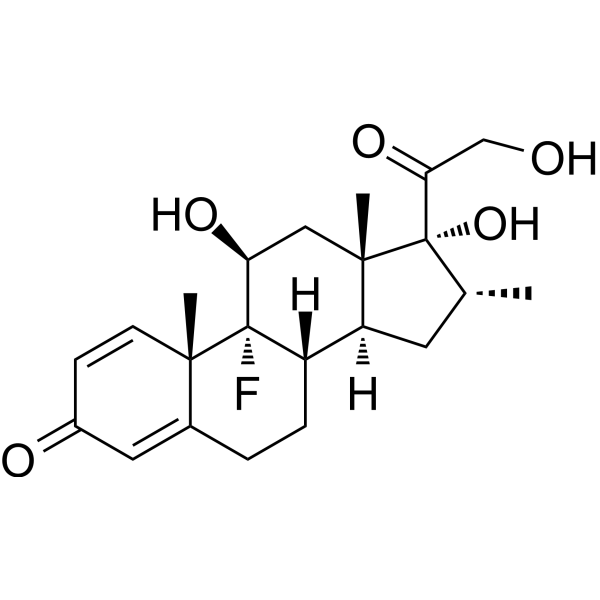
Cat. No.: HY-14648
CAS No.: 50-02-2
Purity:  99.86%
Synonyms: Hexadecadrol; Prednisolone F
Dexamethasone (Hexadecadrol) is a glucocorticoid receptor agonist, apoptosis inducer, and common disease inducer in experimental animals, constructing models of muscle atrophy, hypertension, and depression. Dexamethasone can inhibit the production of inflammatory miRNA-155 exosomes in macrophages and significantly reduce the expression of inflammatory factors in neutrophils and monocytes. Dexamethasone also has potential for use in COVID-19 research .
loading...
    loading...
402
402 Publications Verification
Cat. No.: HY-14648C
CAS No.: 50-02-2
Purity:  ≥98.0%
Synonyms: Dexamethasone cyclodextrin complex
Dexamethasone (Hexadecadrol) Water Soluble is a water-soluble form of Dexamethasone (HY-14648). Dexamethasone is a glucocorticoid receptor agonist, apoptosis inducer, and a common disease inducer in experimental animals. It can be used to construct models of muscle atrophy, hypertension, and depression. Dexamethasone can inhibit the production of inflammatory miRNA-155 exosomes in macrophages and significantly reduce the expression of inflammatory factors in neutrophils and monocytes. Dexamethasone also has the potential to be used in COVID-19 research .(Sale size is the weight of dexamethasone)
loading...
    loading...
278
278 Cited Publications
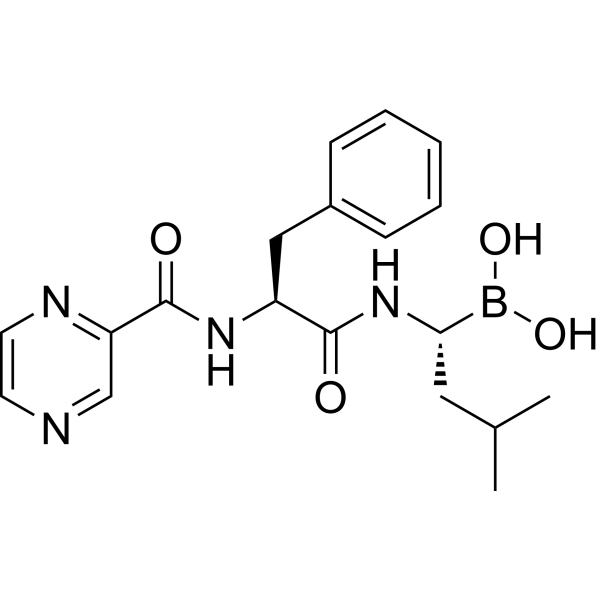
Cat. No.: HY-10227
CAS No.: 179324-69-7
Purity:  99.91%
Synonyms: PS-341; LDP-341; NSC 681239
Bortezomib (PS-341) is a reversible and selective proteasome inhibitor, and potently inhibits 20S proteasome (Ki=0.6 nM) by targeting a threonine residue. Bortezomib disrupts the cell cycle, induces apoptosis, and inhibits NF-κB. Bortezomib is the first proteasome inhibitor anticancer agent. Bortezomib can be used for the study of multiple myeloma (MM) . Bortezomib effectively inhibits TREM2 expression in tumor-associated macrophages (TAMs) .
loading...
    loading...
162
162 Cited Publications
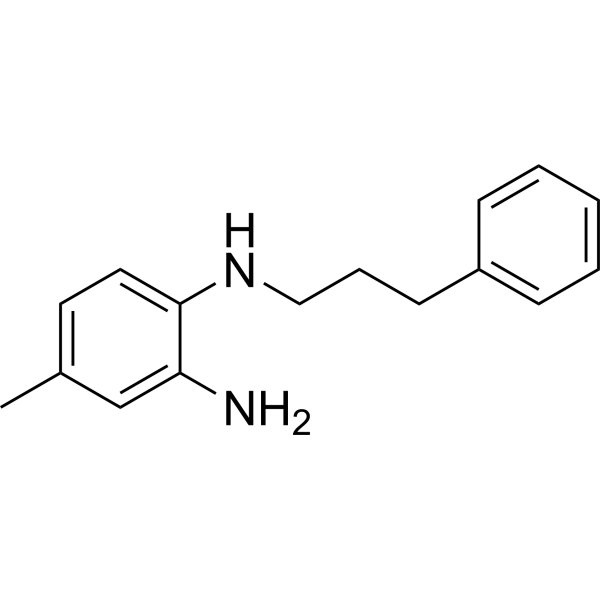
Cat. No.: HY-13982
CAS No.: 749886-87-1
Purity:  99.30%
Target:  

NF-κB

JSH-23 is an NF-κB inhibitor which inhibits NF-κB transcriptional activity with an IC50 of 7.1 μM in lipopolysaccharide (LPS)-stimulated macrophages RAW 264.7. JSH-23 inhibits nuclear translocation of NF-κB p65 without affecting IκBα degradation .
loading...
    loading...
87
87 Cited Publications
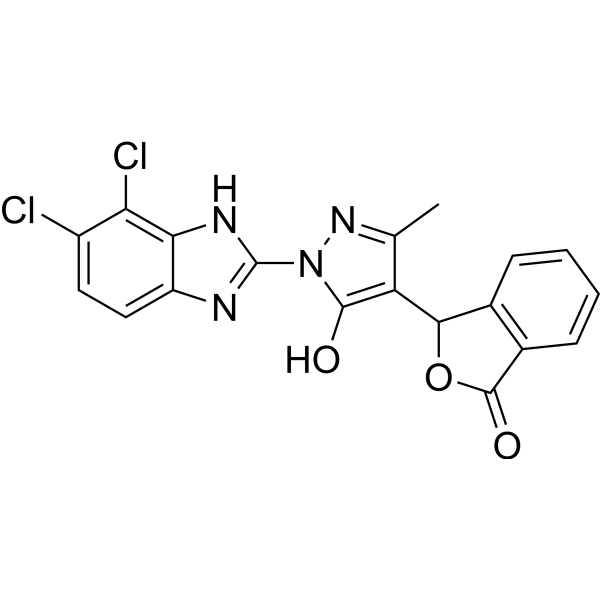
Cat. No.: HY-114180
CAS No.: 2262452-06-0
Purity:  99.95%
Synonyms: RU320521
Research Areas:  

Metabolic Disease

RU.521 (RU320521) is a potent and selective cyclic GMP-AMP synthase (cGAS) inhibitor and inhibits cGAS-mediated interferon upregulation. RU.521 suppresses dsDNA-activated reporter activity with an IC50 of 0.7 μM. RU.521 reduces constitutive expression of interferon in macrophages from a mouse model of Aicardi-Goutières syndrome (AGS) .
loading...
    loading...
68
68 Cited Publications
Cat. No.: HY-18234A
CAS No.: 103476-89-7
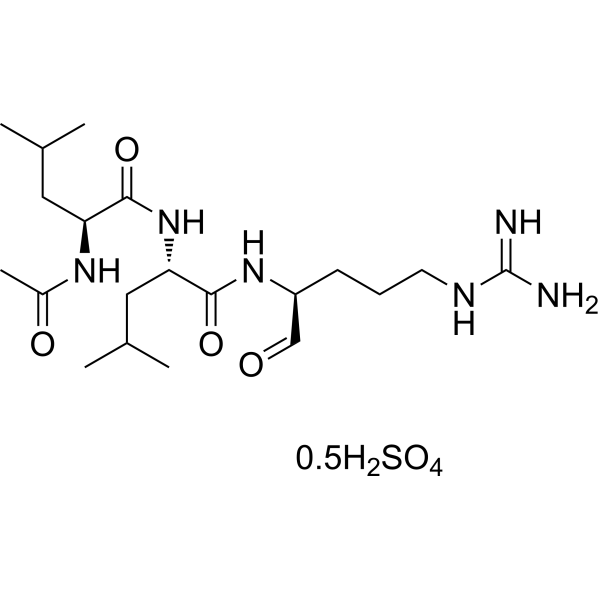
Leupeptin hemisulfate is a broad-spectrum protease inhibitor . By inhibiting the activation of the PTEN/PI3K/Akt/NF-κB/ERK1/2/p38 signaling pathway, Leupeptin hemisulfate significantly reduces LPS-induced NO and ROS production, mitochondrial membrane potential hyperpolarization, phagocytic activity, pro-inflammatory cytokine release, and M1 polarization in mouse peritoneal macrophages, and reverses autophagic flux impairment. It also decreases Concanavalin A (HY-P2149)-induced proliferation index of mouse splenic lymphocytes and the Th1/IL-10 and Th2/IL-10 cytokine ratios, thereby modulating innate and adaptive immune responses. Leupeptin hemisulfate inhibits blood coagulation and tumorigenesis in mouse skin. Leupeptin hemisulfate can be used in research on chronic inflammatory diseases and skin tumorigenesis .
loading...
    loading...
65
65 Cited Publications
Cat. No.: HY-15648F
CAS No.: 1797983-09-5
Purity:  99.01%
Target:  

Histone Demethylase

Research Areas:  

Cancer

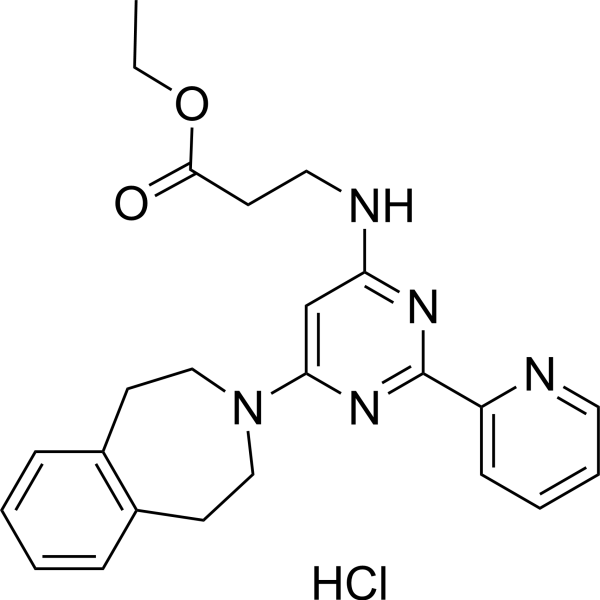
GSK-J4 hydrochloride is a potent dual inhibitor of H3K27me3/me2-demethylases JMJD3/KDM6B and UTX/KDM6A with IC50s of 8.6 and 6.6 μM, respectively. GSK-J4 hydrochloride inhibits LPS-induced TNF-α production in human primary macrophages with an IC50 of 9 μM. GSK-J4 hydrochloride is a cell permeable proagent of GSK-J1 .
loading...
    loading...
65
65 Cited Publications
Cat. No.: HY-15648B
CAS No.: 1373423-53-0
Purity:  99.64%
Research Areas:  

Cancer

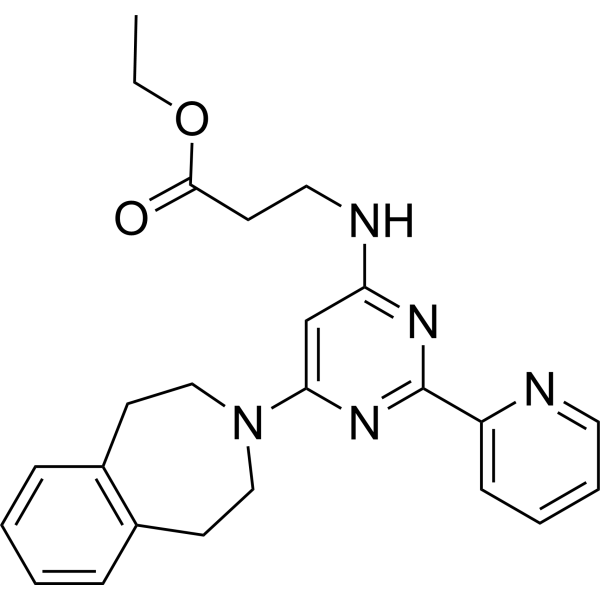
GSK-J4 is a potent dual inhibitor of H3K27me3/me2-demethylases JMJD3/KDM6B and UTX/KDM6A with IC50s of 8.6 and 6.6 μM, respectively. GSK-J4 inhibits LPS-induced TNF-α production in human primary macrophages with an IC50 of 9 μM. GSK J4 is a cell permeable proagent of GSK-J1 . GSK-J4 induces endoplasmic reticulum stress-related apoptosis .
loading...
    loading...
33
33 Cited Publications
Cat. No.: HY-101563
CAS No.: 1616392-22-3
Purity:  99.51%
Synonyms: GSK3326595; EPZ015938
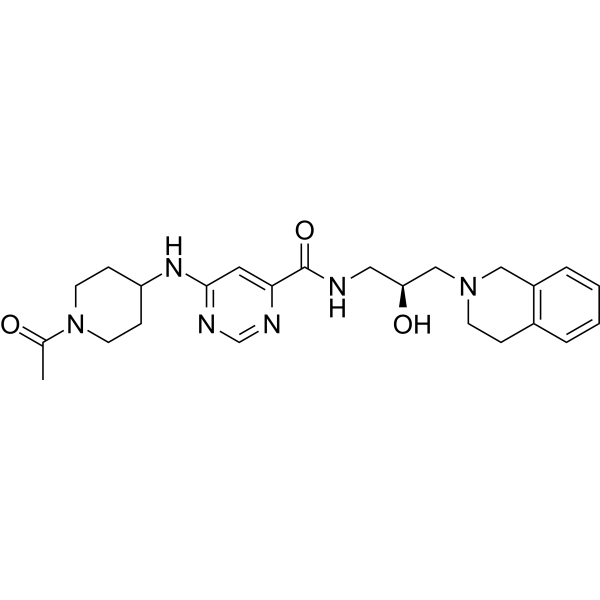
GSK3326595 is a protein arginine methyltransferase 5 (PRMT5) inhibitor. GSK3326595 decreases SARS-CoV-2 infection, inhibits cancer cell proliferation and induces pro-inflammatory macrophage polarization and increases hepatic triglyceride levels without affecting atherosclerosis. GSK3326595 can be used for research of relapsed/refractory mantle cell lymphoma .
loading...
    loading...
31
31 Cited Publications
Cat. No.: HY-113134
CAS No.: 2140-46-7
Purity:  99.98%
Synonyms: 25-OHC
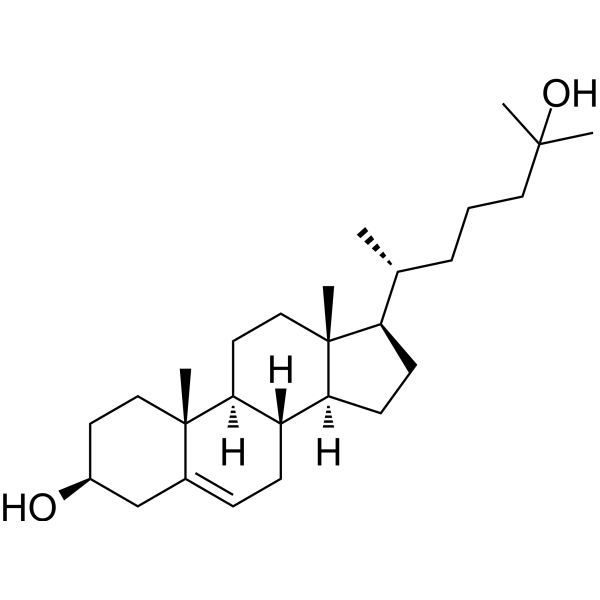
25-Hydroxycholesterol (25-OHC) is a metabolite of cholesterol that is produced and secreted by macrophages in response to Toll-like receptor (TLR) activation. 25-hydroxycholesterol is a potent (EC50≈65 nM) and selective suppressor of IgA production by B cells.
loading...
    loading...
28
28 Cited Publications
Cat. No.: HY-D0861
CAS No.: 67-42-5
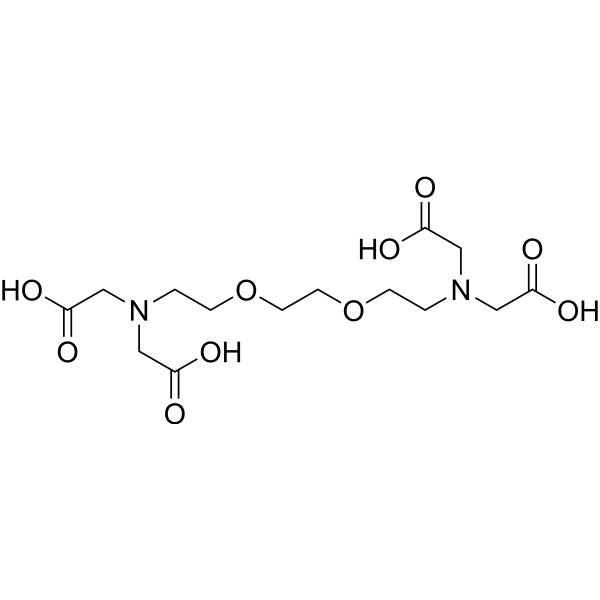
EGTA is a cell-impermeant specific calcium ion chelator. EGTA has an apparent calcium dissociation constant (Kd) of 60.5 nM at physiological pH (7.4) and has very high specificity for Ca 2+ over Mg 2+ (Mg 2+ Kd 1-10 mM). EGTA significantly inhibits the substrate adherence capacity of inflammatory macrophages .
loading...
    loading...
28
28 Cited Publications
Cat. No.: HY-D0861A
CAS No.: 13368-13-3
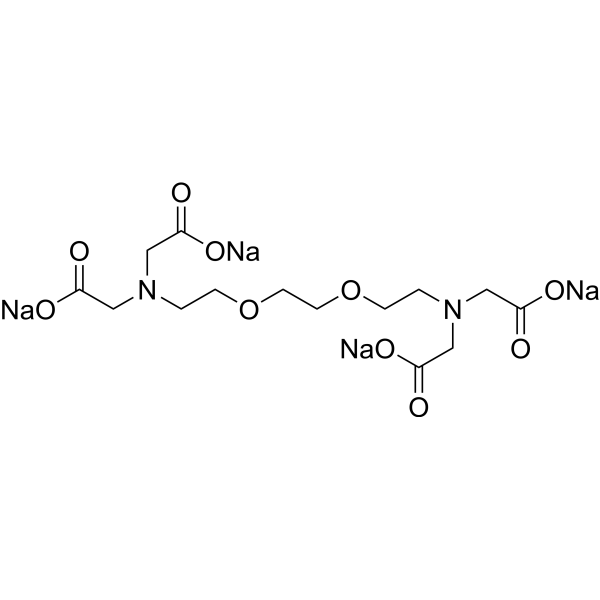
EGTA tetrasodium is a cell-impermeant specific calcium ion chelator. EGTA tetrasodium has an apparent calcium dissociation constant (Kd) of 60.5 nM at physiological pH (7.4) and has very high specificity for Ca 2+ over Mg 2+ (Mg 2+ Kd 1-10 mM). EGTA tetrasodium significantly inhibits the substrate adherence capacity of inflammatory macrophages .
loading...
    loading...
25
25 Cited Publications
Cat. No.: HY-16692
CAS No.: 478336-92-4
Synonyms: MIF Antagonist
ISO-1 is a macrophage migration inhibitory factor (MIF) antagonist with an IC50 of 7 μM.
loading...
    loading...
24
24 Cited Publications
Cat. No.: HY-N0171
CAS No.: 83-46-5
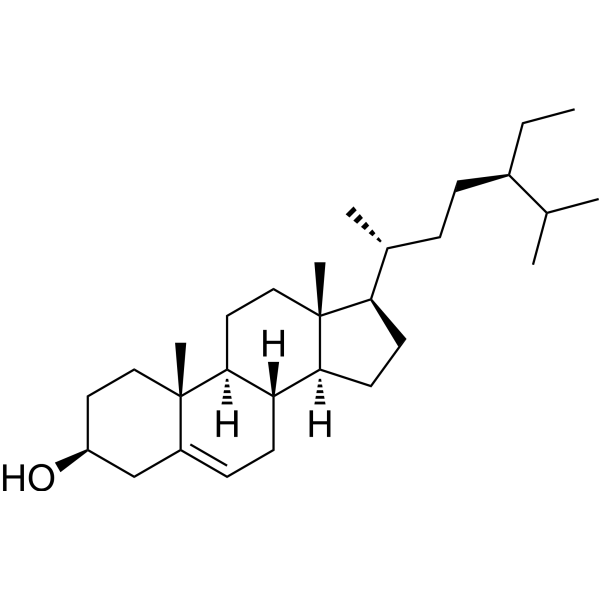
Beta-Sitosterol (purity≥80%) is orally active. Beta-Sitosterol exhibits multiple activities, including anti-inflammatory, anticancer, antioxidant, antimicrobial, antidiabetic, antioxidant enzyme, and analgesic. Beta-Sitosterol inhibits inflammation and impaired adipogenesis in bovine mammary epithelial cells by reducing levels of ROS, TNF-α, IL-1β, and NF-κB p65 and restoring the activity of the HIF-1α/mTOR signaling pathway. Beta-Sitosterol induces apoptosis in cancer cells through ROS-mediated mitochondrial dysregulation and p53 activation. Beta-Sitosterol exerts its anticancer effects in cancer cells by activating caspase-3, caspase-8, and caspase-9, mediating PARP inactivation, MMP loss, altered Bcl-2-Bax ratio, and cytochrome c release. Beta-Sitosterol modulates macrophage polarization and reduces rheumatoid inflammation in mice. Beta-Sitosterol inhibits tumor growth in multiple mouse cancer models. Beta-Sitosterol can be used in the research of arthritis, lung cancer, breast cancer and other cancers, diabetes, etc [11] .
loading...
    loading...
24
24 Cited Publications
Cat. No.: HY-N0171A
CAS No.: 83-46-5
Synonyms: β-Sitosterol (purity>98%); 22,23-Dihydrostigmasterol (purity>98%)
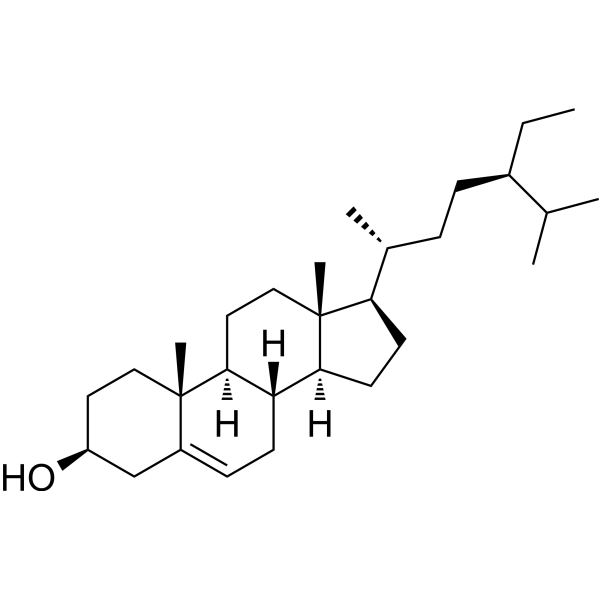
Beta-Sitosterol (purity>98%) is orally active. Beta-Sitosterol exhibits multiple activities, including anti-inflammatory, anticancer, antioxidant, antimicrobial, antidiabetic, antioxidant enzyme, and analgesic. Beta-Sitosterol inhibits inflammation and impaired adipogenesis in bovine mammary epithelial cells by reducing levels of ROS, TNF-α, IL-1β, and NF-κB p65 and restoring the activity of the HIF-1α/mTOR signaling pathway. Beta-Sitosterol induces apoptosis in cancer cells through ROS-mediated mitochondrial dysregulation and p53 activation. Beta-Sitosterol exerts its anticancer effects in cancer cells by activating caspase-3, caspase-8, and caspase-9, mediating PARP inactivation, MMP loss, altered Bcl-2-Bax ratio, and cytochrome c release. Beta-Sitosterol modulates macrophage polarization and reduces rheumatoid inflammation in mice. Beta-Sitosterol inhibits tumor growth in multiple mouse cancer models. Beta-Sitosterol can be used in the research of arthritis, lung cancer, breast cancer and other cancers, diabetes, etc .
loading...
    loading...
20
20 Cited Publications
Cat. No.: HY-138300
CAS No.: 1849616-42-7
Purity:  99.93%
Research Areas:  

Others

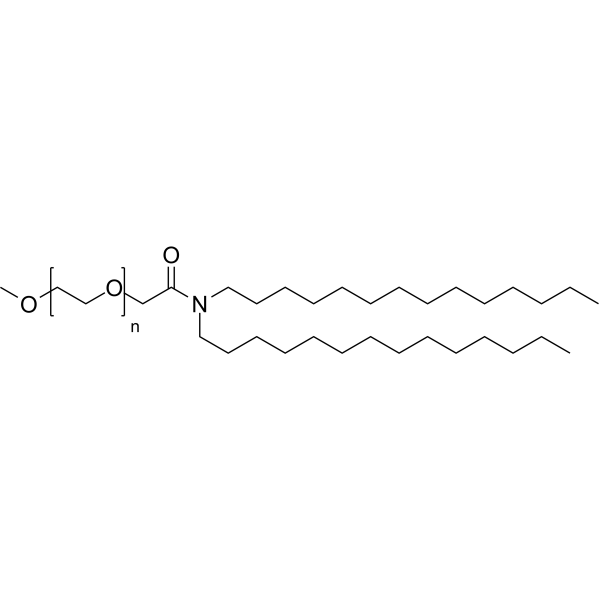
ALC-0159 presents highly mobile surface PEG chains in a dense brush-like conformation, which can form a hydrophilic barrier, reduce non-specific protein adsorption and macrophage uptake, improve colloidal stability, prolong in vivo circulation time, and affect the cellular uptake of LNPs. ALC-0159 dissociates from the surface of mRNA-LNPs under long-term mechanical oscillation stress, thereby reducing steric hindrance, inducing mRNA-LNP fusion, increasing particle size, and releasing unencapsulated mRNA .
loading...
    loading...
16
16 Cited Publications
Cat. No.: HY-123986
CAS No.: 68003-38-3
Purity:  99.95%
Research Areas:  

Inflammation/Immunology Cancer

CTPI-2 is a third-generation mitochondrial citrate carrier SLC25A1 inhibitor with a KD of 3.5 μM. CTPI-2 inhibits glycolysis, PPARγ, and its downstream target the glucose transporter GLUT4. CTPI-2 halts salient alterations of NASH reverting steatosis, preventing the evolution to steatohepatitis, reducing inflammatory macrophage infiltration in the liver and adipose tissue, and starkly mitigating obesity induced by a high-fat diet. Antitumor activity .
loading...
    loading...
16
16 Cited Publications
Cat. No.: HY-N0637
CAS No.: 552-58-9
Synonyms: Huazhongilexone
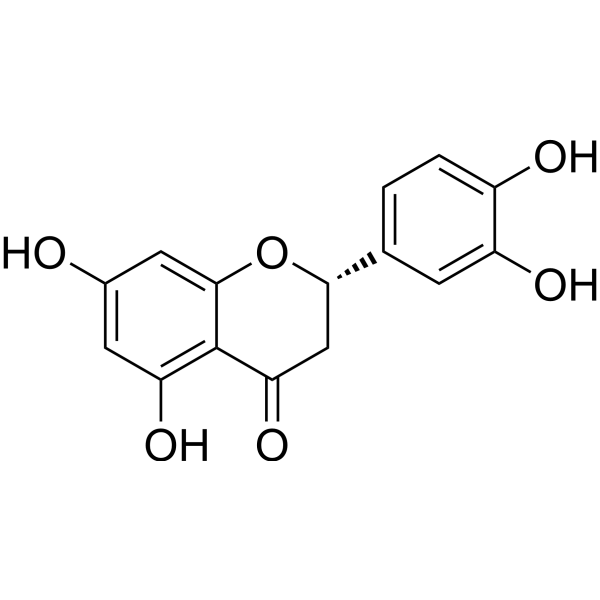
Eriodictyol ((±)-Huazhongilexone; Dihydroluteolin) is an orally active TRPV1 receptor antagonist (IC50=44-47 nM, rTRPV1) with antioxidant and anti-inflammatory activities. Eriodictyol effectively inhibits lipid peroxidation and the release of proinflammatory cytokines by specifically antagonizing the TRPV1 receptor and activating the Nrf2 signaling pathway. Eriodictyol reduces the levels of ICAM-1, VEGF, eNOS and TNF-α in the retina and maintains the integrity of the blood-retinal barrier. Eriodictyol alleviates oxidative stress-induced apoptosis and hyperalgesia, enhances the activity and cytotoxicity of immune cells (such as B lymphocytes, NK cells and macrophages), and increases the levels of antioxidant enzymes simultaneously. Eriodictyol can be used in the research of diabetic retinopathy, acute lung injury and various pain-related diseases .
loading...
    loading...
15
15 Cited Publications
Cat. No.: HY-123942
CAS No.: 2170867-89-5
Purity:  98.82%
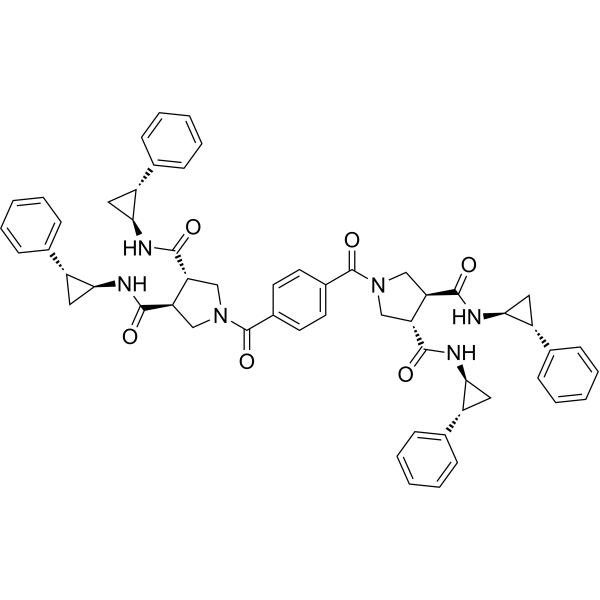
Diprovocim is a potent TLR1/TLR2 agonist. Diprovocim elicits full agonist activity in human THP-1 cells (EC50=110 pM). Diprovocim stimulates the release of TNF-α from mouse macrophages (EC50=1.3 nM). Diprovocim activates downstream MAPK and NF-κB signaling pathway. Diprovocim displays strong adjuvant activity in mice, particularly abetting cellular immune responses .
loading...
    loading...
14
14 Cited Publications
Cat. No.: HY-B1218
CAS No.: 526-08-9
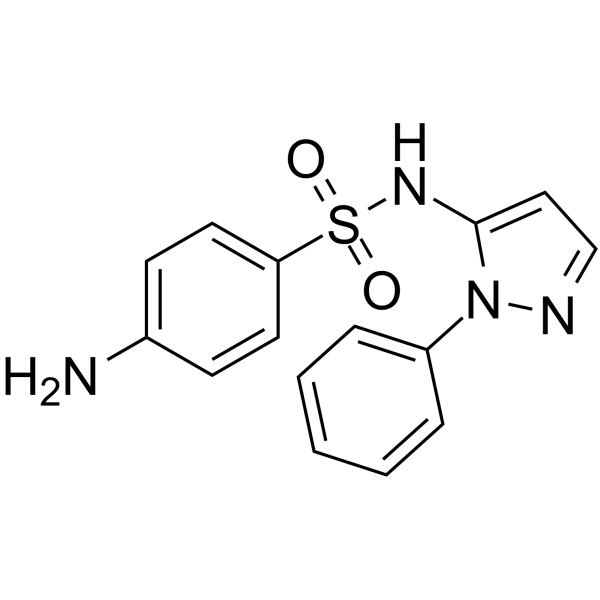
Sulfaphenazole is a selective inhibitor of human cytochrome P450 (CYP) 2C9 enzyme. Sulfaphenazole is a cytoprotective agent against light-induced death of photoreceptors. Sulfaphenazole inhibits light-induced necrosis and mitochondrial stress-initiated apoptosis. Sulfaphenazole is an off patent sulfonamide antibiotic and demonstrates bactericidal activity through enhanced M1 macrophage activity. Sulfaphenazole can significantly reduce infarct size and restore post-ischemic coronary flow following ischemia and reperfusion .
loading...
    loading...

