159 Results for "

TiO2 enrichment

" in MedChemExpress (MCE) Product Catalog:
Products (159)

159 Results for "TiO2 enrichment" in MCE Product Catalog:

86
86 Publications Verification
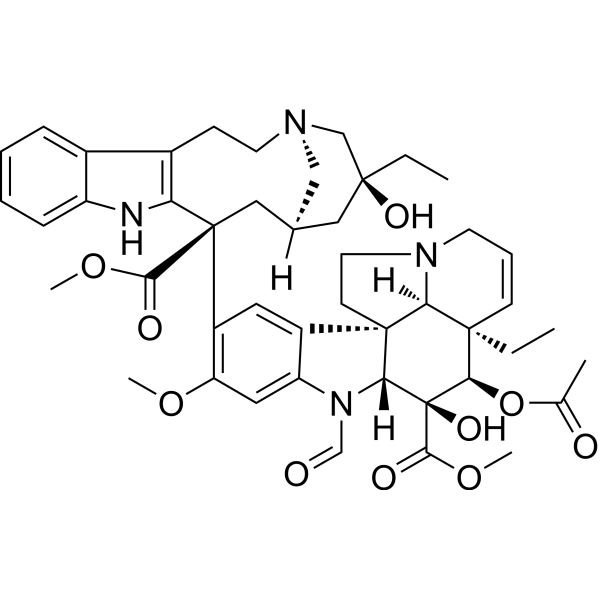
Cat. No.: HY-N0488A
CAS No.: 57-22-7
Synonyms: Leurocristine; NSC-67574; 22-Oxovincaleukoblastine
Vincristine (Leurocristine; NSC-67574; 22-Oxovincaleukoblastine) is a microtubule inhibitor that disrupts microtubule polymerization by binding to β-tubulin (with a Ki of 85 nM in bovine), arrests the cell cycle and induces apoptosis. Vincristine inhibits cell replication, tumor blood flow and the proliferation of various cancer cells, while triggering effects such as oxidative stress, inflammation, calcium overload, epithelial-mesenchymal transition and peripheral neuropathic pain. Vincristine upregulates the expression of various transporters and nuclear receptors, and enriches gastric cancer stem-like cells. Vincristine is used in research related to various tumors including acute lymphoblastic leukemia, lymphoma, melanoma, gastric cancer, solid tumors and sarcomas [2] .
loading...
    loading...
86
86 Publications Verification
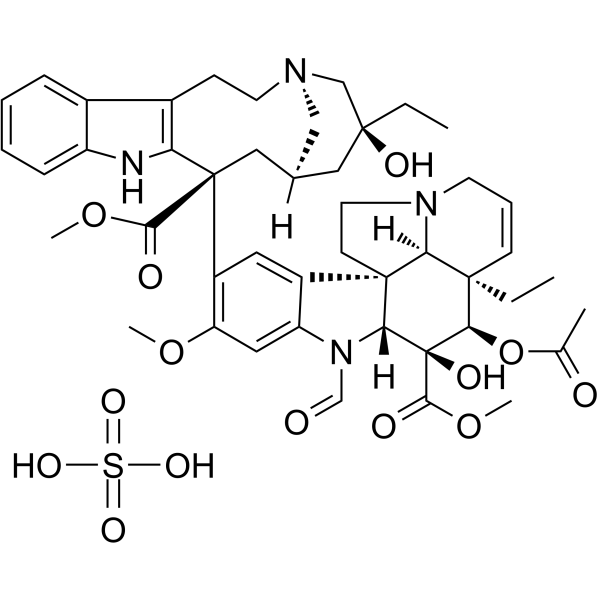
Cat. No.: HY-N0488
CAS No.: 2068-78-2
Synonyms: Leurocristine sulfate; NSC-67574 sulfate; 22-Oxovincaleukoblastine sulfate
Vincristine (Leurocristine; NSC-67574; 22-Oxovincaleukoblastine) sulfate is a microtubule inhibitor that disrupts microtubule polymerization by binding to β-tubulin (with a Ki of 85 nM in bovine), arrests the cell cycle and induces apoptosis. Vincristine sulfate inhibits cell replication, tumor blood flow and the proliferation of various cancer cells, while triggering effects such as oxidative stress, inflammation, calcium overload, epithelial-mesenchymal transition and peripheral neuropathic pain. Vincristine sulfate upregulates the expression of various transporters and nuclear receptors, and enriches gastric cancer stem-like cells. Vincristine sulfate is used in research related to various tumors including acute lymphoblastic leukemia, lymphoma, melanoma, gastric cancer, solid tumors and sarcomas [2] .
loading...
    loading...
6
6 Cited Publications
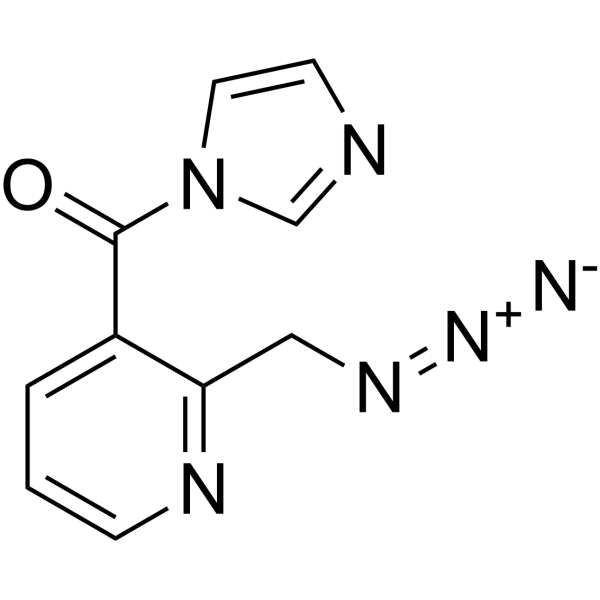
Cat. No.: HY-103006
CAS No.: 1612756-29-2
Purity:  99.93%
Research Areas:  

Others

NAI-N3 is a RNA acylation reagent that enables RNA purification. NAI-N3 is a dual-function SHAPE (selective 2-hydroxyl acylation and profiling experiment) probe (RNA structure probe and enrichment) . It contains an azide group and can undergo copper-catalyzed azide-alkyne cycloaddition (CuAAc) with molecules containing alkyne groups. It can also undergo ring strain-promoted alkyne-azide cycloaddition (SPAAC) with molecules containing DBCO or BCN groups.
loading...
    loading...
6
6 Cited Publications
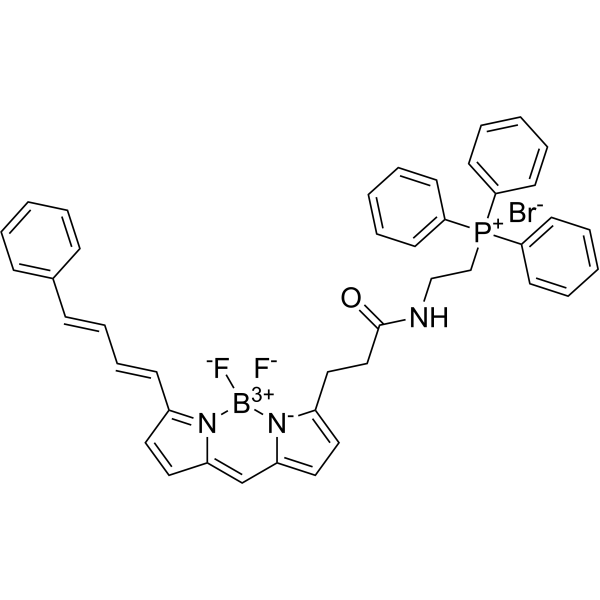
Cat. No.: HY-125623
CAS No.: 1392820-50-6
Purity:  98.14%
MitoPerOx is a mitochondrial-targeted, lipid peroxidation-indicating fluorescent probe with BODIPY581/591 fluorophores. The triphenylphosphine cation (TPP+) of MitoPerOx can be selectively enriched in mitochondria (depending on membrane potential) and can be used to detect lipid peroxidation in the inner mitochondrial membrane. Under the action of lipid peroxides, the BODIPY581/591 fluorophores of MitoPerOx shift their emission wavelength from 590 nm (reduced state) to 520 nm (oxidized state), and ratiometric detection can be performed at an excitation wavelength of 488 nm. MitoPerOx can specifically monitor the peroxidation of mitochondrial phospholipids (especially cardiolipin) and is used in the study of oxidative stress-related diseases (such as aging, neurodegenerative diseases, and mitochondrial dysfunction)[1][2].
loading...
    loading...
4
4 Cited Publications
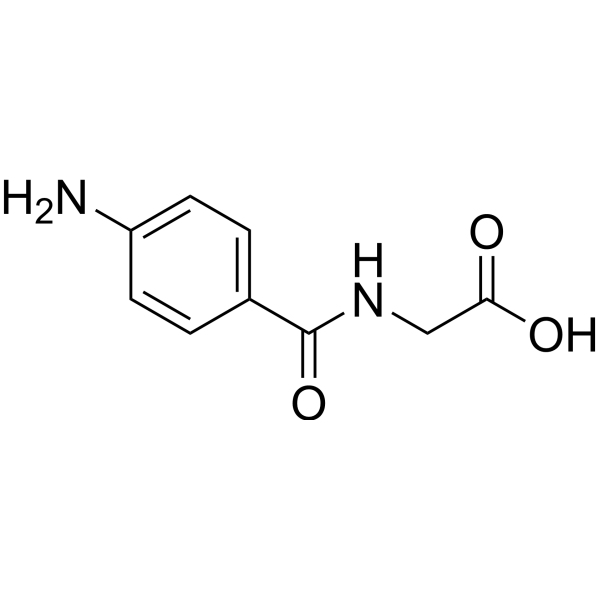
Cat. No.: HY-B1306
CAS No.: 61-78-9
Synonyms: p-Aminohippuric acid
4-Aminohippuric acid (p-Aminohippuric acid) is a coordination ligand for metal ions (such as Cu 2+, Fe 3+, Hg 2+) and a functionalization reagent for nanomaterials. 4-Aminohippuric acid can coordinate with metal ions or modify the surface of materials such as carbon nanotubes and gold nanoparticles through amino and carboxyl groups. 4-Aminohippuric acid can form stable complexes with metal ions or participate in the synthesis of nanomaterials as a reducing agent/stabilizer, enriching metal ions or giving nanoparticles peroxidase-mimicking activity. 4-Aminohippuric acid can be used to construct highly sensitive electrochemical sensors or colorimetric sensors to detect and quantitatively analyze heavy metal ions such as copper, iron, and mercury in environmental water samples and biological samples. 4-Aminohippuric acid may also be a biomarker for attention-deficit/hyperactivity disorder (ADHD) [2] .
loading...
    loading...
3
3 Cited Publications
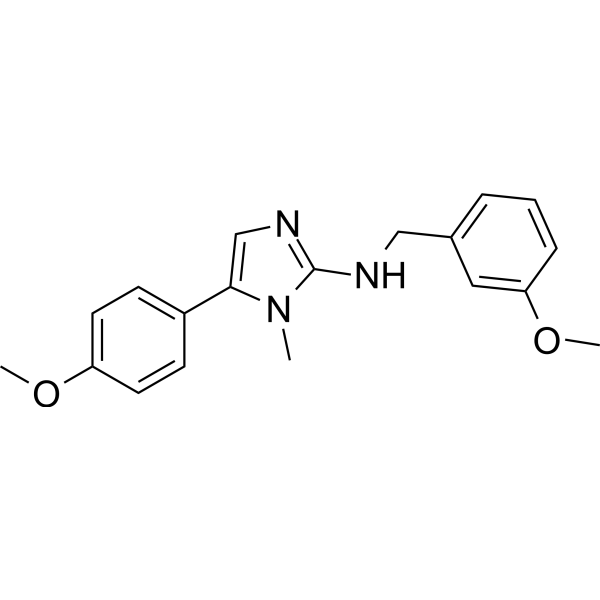
Cat. No.: HY-115579
CAS No.: 827327-28-6
Purity:  99.84%
Target:  

DNA/RNA Synthesis

Research Areas:  

Cancer

MALAT1-IN-1 (compounds 5) is a potent and specific Malat1 (Metastasis-associated lung adenocarcinoma transcript 1) inhibitor. MALAT1-IN-1 modulated Malat1 downstream genes in a dose-dependent manner without affecting expression of nuclear enriched abundant transcript 1 (Neat1) .
loading...
    loading...
3
3 Cited Publications
Cat. No.: HY-KE7055

RNase R is a magnesium ion-dependent 3'-5' exoribonuclease that can increase the abundance of circular RNA by degrading linear RNA in mixed RNA, thereby enriching circular RNA.

loading...
    loading...
2
2 Cited Publications
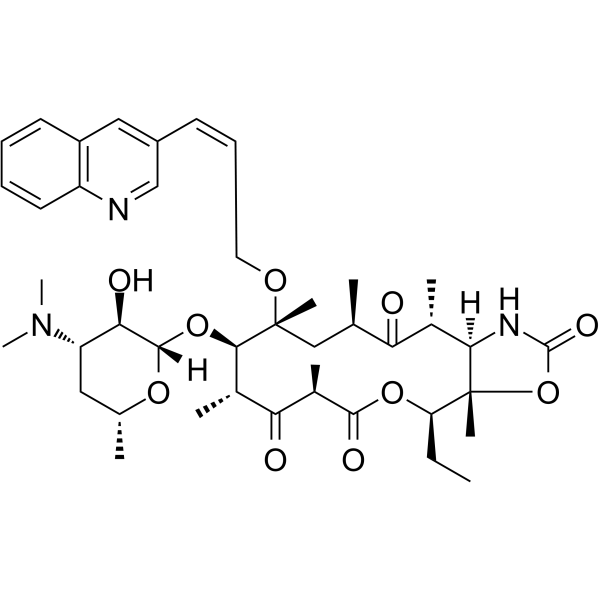
Cat. No.: HY-19655
CAS No.: 205110-48-1
Synonyms: ABT-773; Abbott-195773; A-195773
Cethromycin (ABT-773; Abbott-195773) is an orally effective ketolide antibiotic with broad-spectrum antibacterial activity. Cethromycin binds to domains II/V of the 23S rRNA of the 50S subunit, inhibiting bacterial protein synthesis. Cethromycin can accumulate in lung tissue, alveolar macrophages, epithelial lining fluid, and human polymorphonuclear leukocytes. Cethromycin exhibits potent in vitro activity against a variety of respiratory pathogens, including Mycoplasma pneumoniae. Cethromycin exhibits significant intracellular and pulmonary enrichment and anti-inflammatory effects against mycoplasma pneumonia in mouse models, improving airway obstruction and airway hyperresponsiveness. Cethromycin disrupts the apicoplast and reduces liver-stage parasite burden during the liver stage of Plasmodium berghei. Cethromycin can be used in research related to pneumonia, Staphylococcus aureus infection, gonorrhea, and malaria [2] .
loading...
    loading...
2
2 Cited Publications
Cat. No.: HY-N0086R
CAS No.: 1867-73-8
Synonyms: 6-Methyladenosine (Standard); N-Methyladenosine (Standard)
N6-Methyladenosine (Standard) is the analytical standard of N6-Methyladenosine. This product is intended for research and analytical applications. N6-Methyladenosine is the most prevalent internal (non-cap) modification present in the messenger RNA (mRNA) of all higher eukaryotes. N6-Methyladenosine can modifies viral RNAs and has antiviral activities. In Vitro: N6-methyladenosine (m6A) is selectively recognized by the human YTH domain family 2 (YTHDF2) protein to regulate mRNA degradation. N6-methyladenosine (m6A), a prevalent internal modification in the messenger RNA of all eukaryotes, is post-transcriptionally installed by m6A methyltransferase (e.g., MT-A70) within the consensus sequence of G(m6A)C (70%) or A(m6A)C (30%). N6-methyladenosine (m6A)-containing RNAs are greatly enriched in the YTHDF-bound portion and diminished in the flow-through portion . N6-methyladenosine (m6A), the most abundant internal RNA modification, functions in diverse biological processes, including regulation of embryonic stem cell self-renewal and differentiation. N6-methyladenosine (m6A) is a large protein complex, consisting in part of methyltransferase-like 3 (METTL3) and methyltransferase-like 14 (METTL14) catalytic subunits [2].
loading...
    loading...
1
1 Cited Publications
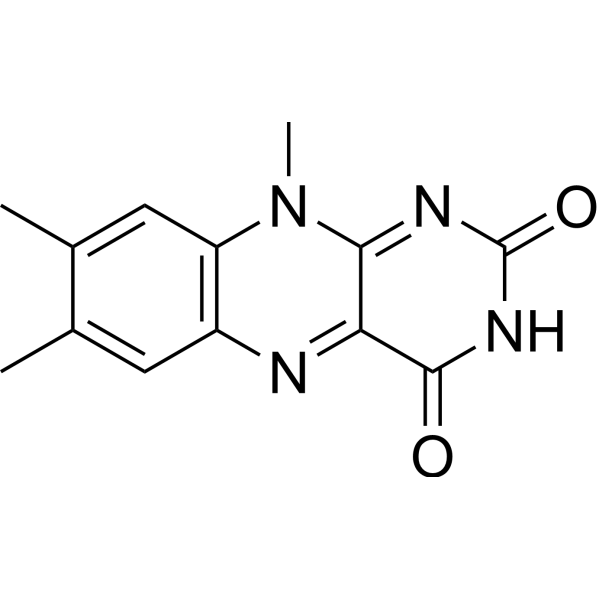
Cat. No.: HY-121608
CAS No.: 1088-56-8
Purity:  99.79%
Synonyms: Lumiflavine
Lumiflavin (Lumiflavine), a riboflavine analog, causes significant inhibition of riboflavine uptake. Lumiflavin can effectively reduce the riboflavin enrichment in cancer stem-like cells (CSCs) and sensitize the effect of cisplatin Diamminedichloroplatinum (DDP) on CSCs. Lumiflavin is promising for research of ovarian cancer [2] .
loading...
    loading...
1
1 Cited Publications
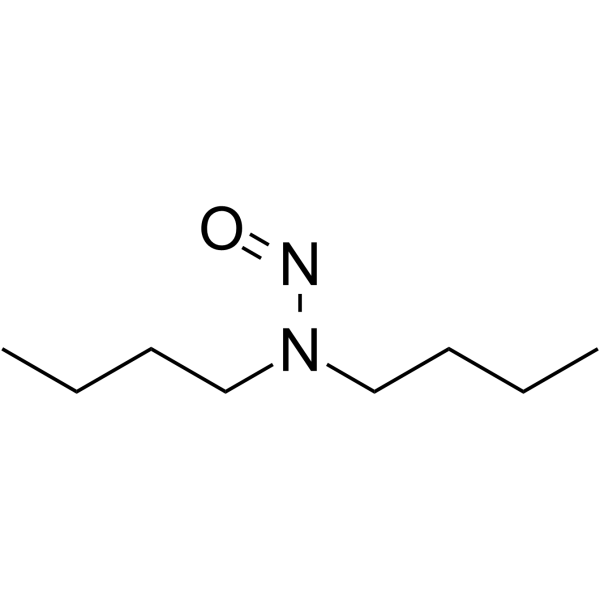
Cat. No.: HY-131113
CAS No.: 924-16-3
Purity:  99.96%
Synonyms: N-Nitroso-di-n-butylamine
Target:  

Caspase Apoptosis

Research Areas:  

Cancer

N-Nitrosodibutylamine (N-Nitroso-di-n-butylamine) is a nitrosamine enriched in the drinking water. N-Nitrosodibutylamine regulates caspase pathway. N-Nitrosodibutylamine induces Apoptosis. N-Nitrosodibutylamine induces hepatocarcinoma and oxidative DNA damage [2] .
loading...
    loading...
1
1 Cited Publications
Cat. No.: HY-D2186
CAS No.: 2095485-22-4
BTD probe-1 is a benzothiazine-based chemoproteomic probe and selective protein S-sulfenic acid (Cys-SOH) labeling agent. BTD probe-1 labels protein S-sulfenic acids in vitro in cell and tissue samples, and in situ in intact cells, enabling detection or enrichment of modified proteins/peptides. BTD probe-1 exhibits no cytotoxicity in cells at concentrations ≤1 mM. BTD probe-1 enables global, site-specific mapping and quantification of cysteine S-sulfenylation in complex proteomes with lower input material .
loading...
    loading...
1
1 Cited Publications
Cat. No.: HY-144339
CAS No.: 2975270-19-8
Purity:  99.89%
Research Areas:  

Others

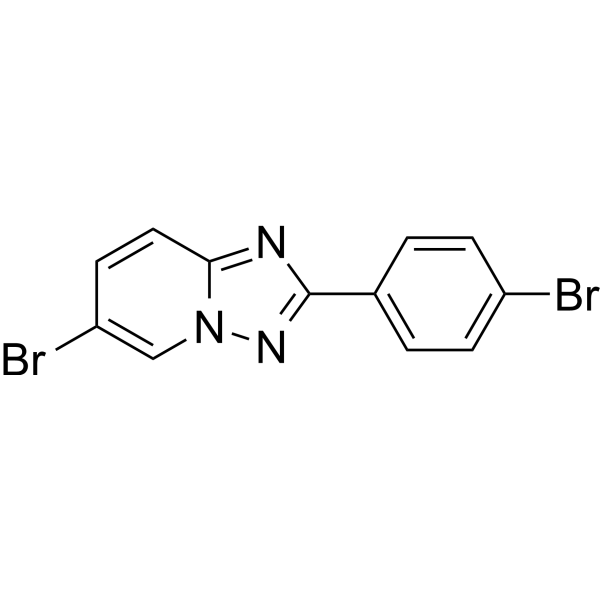
AhR agonist 2 (Compound 12a) is a potent agonist of aryl hydrocarbon receptor (AhR) with an EC50 of 0.03 nM. AhR agonist 2 induces rapid nuclear enrichment of AhR, triggers the transcription of downstream genes and promote skin barrier repair. AhR agonist 2 has the potential for the research of psoriasis .
loading...
    loading...
1
1 Cited Publications
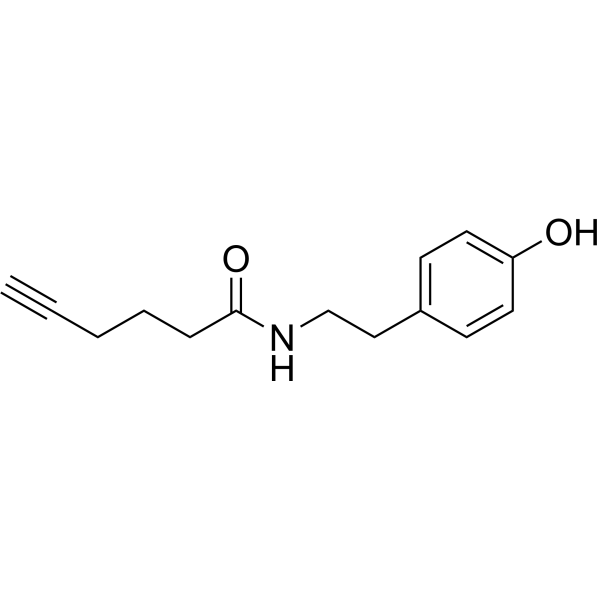
Cat. No.: HY-155639
CAS No.: 2230051-33-7
Purity:  99.55%
Research Areas:  

Others

Tyramide alkyne is an alternative labeling substrate that can be coupled to detection or enrichment moieties via a Copper-catalyzed Azide/Alkyne Cycloaddition (CuAAC) “click” reaction. Tyramide alkyne can be used for ascorbate peroxidase 2 (APEX2) labeling .
loading...
    loading...
1
1 Cited Publications
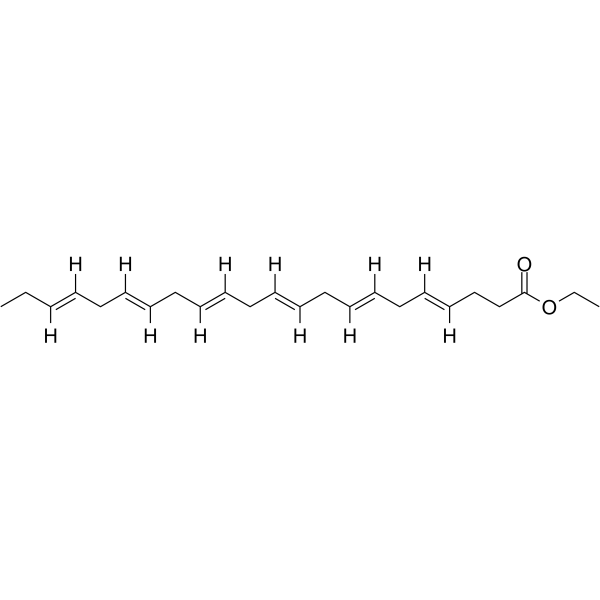
Cat. No.: HY-W011120
CAS No.: 84494-72-4
Target:  

Endogenous Metabolite

Research Areas:  

Metabolic Disease

Ethyl cis-4,7,10,13,16,19-Docosahexaenoate, the ethyl ester of Docosahexaenoate (DHA), is enriched in the ethyl ester fraction by the selective alcoholysis of fatty acid ethyl esters originating from tuna oil with lauryl alcohol.
loading...
    loading...
1
1 Cited Publications
Cat. No.: HY-Q66655
CAS No.: 3120494-74-5
YRDC-IN-1 is a blood-brain barrier-permeable YRDC inhibitor. YRDC is a key enzyme that catalyzes the formation of N 6-threonylcarbamoyladenosine at position 37 of tRNA (t 6A37). YRDC-IN-1 selectively inhibits the translation of ANN codon-enriched FABP7, thereby reducing lipid droplet formation, increasing ROS, and reversing the acquired resistance of GBM to Temozolomide (TMZ) (HY-17364). YRDC-IN-1 can be used for the research of glioblastoma .
loading...
    loading...
1
1 Cited Publications
Cat. No.: HY-W440835
Target:  

Liposome

Research Areas:  

Inflammation/Immunology

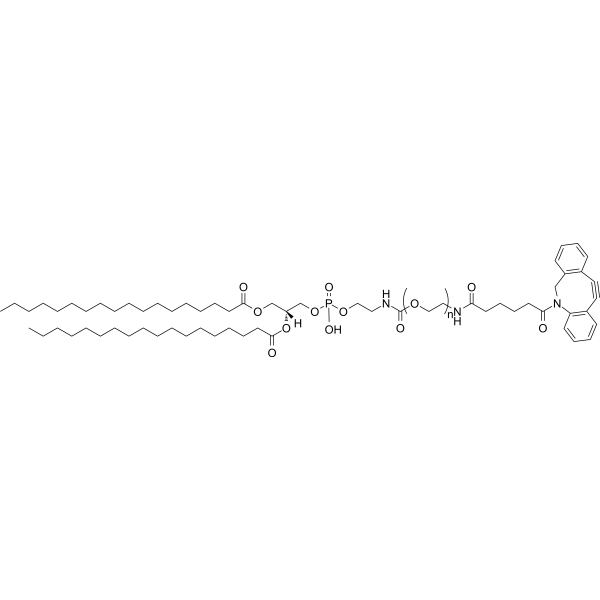
DSPE-PEG2000-DBCO is a phospholipid PEG polymer that combines a hydrophobic phospholipid (DSPE), a hydrophilic polyethylene glycol spacer with a molecular weight of 1000 Da, and a reactive click chemistry terminal group (DBCO). DSPE-PEG2000-DBCO migrates to lymph nodes via the endogenous albumin transport system, implants bioorthogonal DBCO docking sites, and enables the enrichment of azide-functionalized vesicles in lymph nodes mediated by click chemistry. DSPE-PEG2000-DBCO can be used in studies related to atherosclerosis .
loading...
    loading...
1
1 Cited Publications
Cat. No.: HY-W077680
CAS No.: 1126-58-5
Research Areas:  

Others

Girard's P reagent is a hydrazine-based carbonyl derivatization reagent containing a positively charged pyridine and a reactive acetylhydrazide, which can form a stable hydrazone with carbonyl groups. Girard's P reagent derivatizes protein carbonyls through hydrazone formation and through the acylhydrazide moiety forming a Schiff base that is subsequently reduced to a stable secondary amine. Girard's P reagent enhances the ionization efficiency for mass spectrometric detection and introduces a quaternary amine moiety that enhances the ionization of derivatized species. Girard's P reagent enables strong cation exchange enrichment of labeled peptides [2] .
loading...
    loading...
1
1 Cited Publications
Cat. No.: HY-W778336
CAS No.: 1505505-87-2
Girard's Reagent P-d5 is the d5-labeled Girard's P reagent (HY-W077680). Girard's P reagent is a hydrazine-based carbonyl derivatization reagent containing a positively charged pyridine and a reactive acetylhydrazide, which can form a stable hydrazone with carbonyl groups. Girard's P reagent derivatizes protein carbonyls through hydrazone formation and through the acylhydrazide moiety forming a Schiff base that is subsequently reduced to a stable secondary amine. Girard's P reagent enhances the ionization efficiency for mass spectrometric detection and introduces a quaternary amine moiety that enhances the ionization of derivatized species. Girard's P reagent enables strong cation exchange enrichment of labeled peptides [2] .
loading...
    loading...
Cat. No.: HY-164745
CAS No.: 65207-64-9
Target:  

Fluorescent Dye

Research Areas:  

Others

L-β-ethynylserine (βES) is a threonine analog. L-β-ethynylserine is efficiently incorporated into newly synthesized proteins, and allows their selective visualization or enrichment through bioorthogonal ligation to fluorescent dyes or affinity tags, respectively .
loading...
    loading...

