
1. Search Result
Search Result
Results for "

Toxicity Model

" in MedChemExpress (MCE) Product Catalog:

188

Inhibitors & Agonists

1

Screening Libraries

2

Fluorescent Dye

5

Biochemical Assay Reagents

6

Peptides

11

Natural
Products

4

Isotope-Labeled Compounds

9

Oligonucleotides

Cat. No. Product Name Target Research Areas Chemical Structure
  • HY-W008719
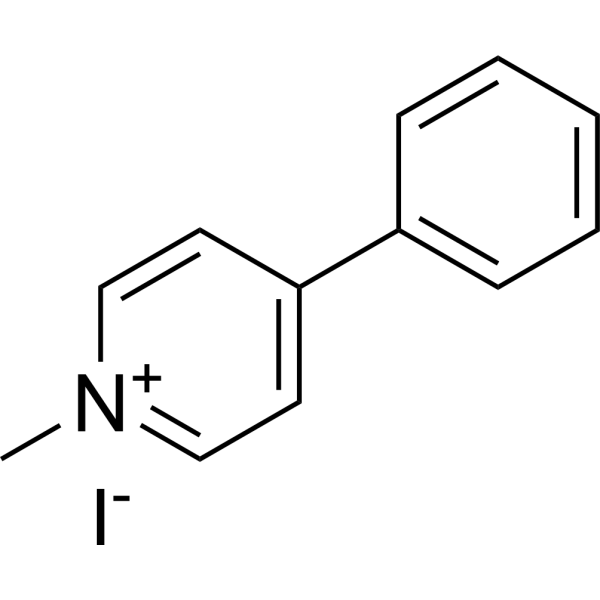
    MPP+ iodide
    Maximum Cited Publications
    34 Publications Verification

    Mitochondrial Metabolism Neurological Disease
    MPP+ iodide, a toxic metabolite of the neurotoxin MPTP, causes symptom of Parkinson's disease in animal models by selectively destroying dopaminergic neurons in substantia nigra. MPP+ iodide is taken up by the dopamine transporter into dopaminergic neurons where it exerts its neurotoxic action on mitochondria by affecting complex I of the respiratory chain. MPP+ iodide is also a high affinity substrate for the serotonin transporter (SERT) .
    MPP+ iodide
  • HY-145388
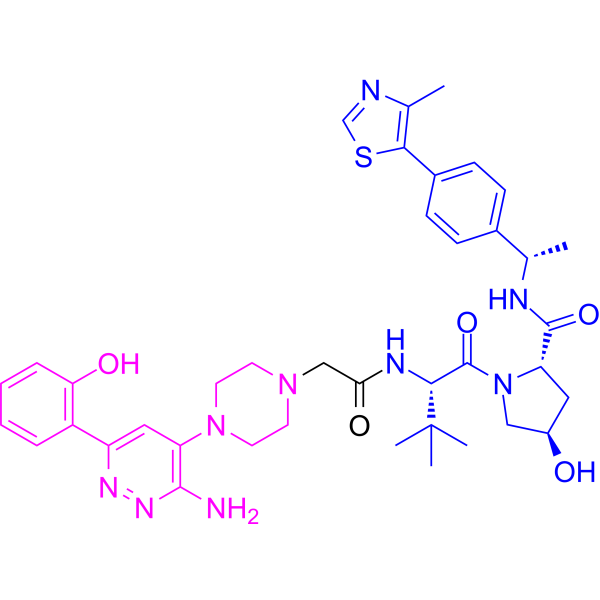
    AU-15330
    10+ Cited Publications

    PROTACs SWI/SNF Complex Cancer
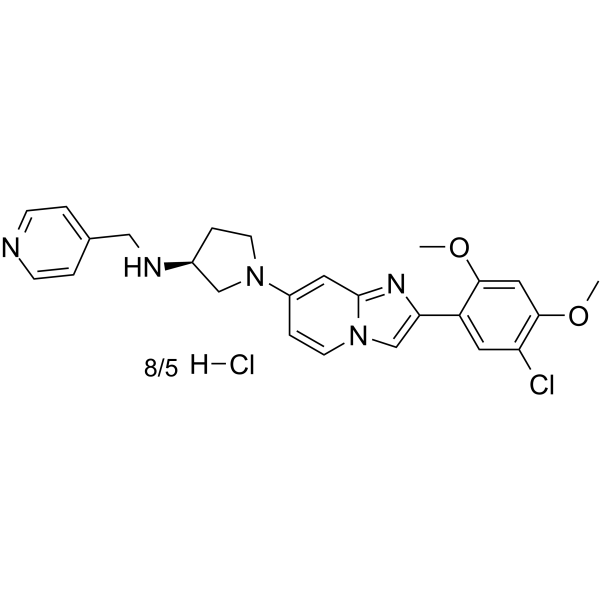
    AU-15330 is a proteolysis-targeting chimera (PROTAC) degrader of the SWI/SNF ATPase subunits, SMARCA2 and SMARCA4. AU-15330 induces potent inhibition of tumour growth in xenograft models of prostate cancer and synergizes with the AR antagonist enzalutamide. AU-15330 induces disease remission in castration-resistant prostate cancer (CRPC) models without toxicity .
    AU-15330
  • HY-138171
    Lipid 5
    3 Publications Verification

    Liposome Others
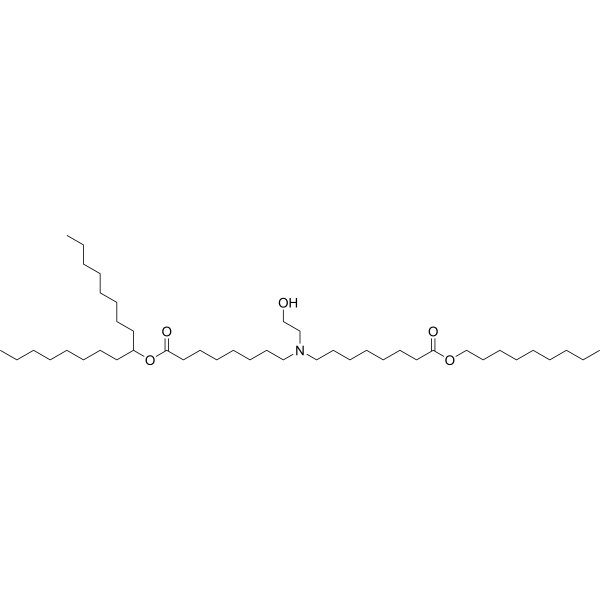
    Lipid 5 is an amino lipid that affords efficient mRNA delivery in rodent and primate models. Lipid 5 shows optimal pharmacokinetics and non-toxic side effects .
    Lipid 5
  • HY-108467
    GGsTop
    5+ Cited Publications

    Nahlsgen

    γ-Glutamyl Transferase (GGT) Cardiovascular Disease
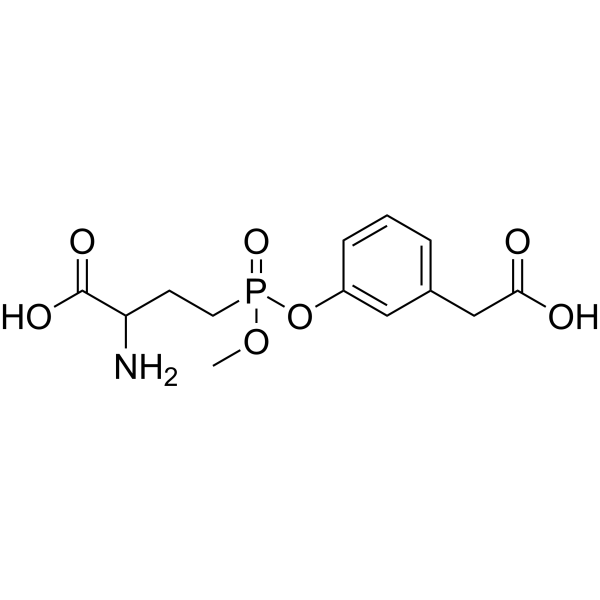
    GGsTop (Nahlsgen) is a potent, non-toxic, highly selective and irreversible γ-GGT inhibitor, with a Ki of 170 μM for Human GGT. GGsTop shows a pKa of 9.71, also exhibits Kons of 150 and 51 M -1 s -1 against E.coli GGT and human GGT, respectively. GGsTop protects hepatic ischemia-reperfusion injury in rat model .
    GGsTop
  • HY-101855

    Anle138b

    Amyloid-β Neurological Disease
    Emrusolmin (Anle138b), an oligomeric aggregation inhibitor, blocks the formation of pathological aggregates of prion protein (PrPSc) and of α-synuclein (α-syn). Emrusolmin strongly inhibits oligomer accumulation, neuronal degeneration, and disease progression in vivo. Emrusolmin has low toxicity and an excellent oral bioavailability and blood-brain-barrier penetration. Emrusolmin blocks Aβ channels and rescues disease phenotypes in a mouse model for amyloid pathology .
    Emrusolmin
  • HY-N0462
    Corilagin
    5+ Cited Publications

    NP-004255

    Toll-like Receptor (TLR) Reverse Transcriptase Bacterial Apoptosis Autophagy Infection Inflammation/Immunology Cancer
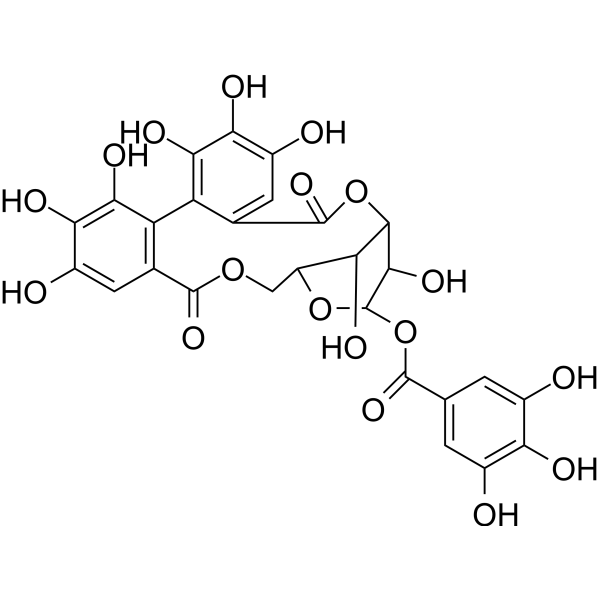
    Corilagin, a gallotannin, has anti-tumor, anti-inflammatory and hepatoprotective activities. Corilagin inhibits activity of reverse transcriptase of RNA tumor viruses. Corilagin also inhibits the growth of Staphylococcus aureus with a MIC of 25 μg/mL. Corilagin shows anti-tumor activity on hepatocellular carcinoma and ovarian cancer model. Corilagin shows low toxicity to normal cells and tissues .
    Corilagin
  • HY-145799
    5A2-SC8
    1 Publications Verification

    Liposome Cancer
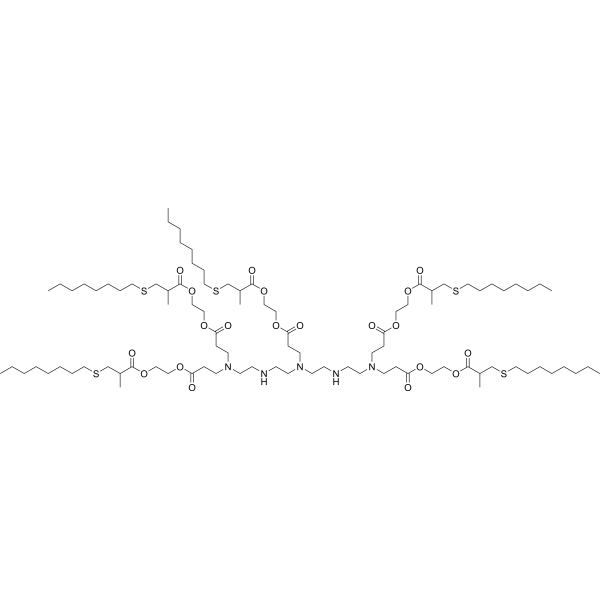
    5A2-SC8 is an ionizable amino lipid in lipid nanoparticles (LNPs) that shows high delivery potential and low in vivo toxicity, enabling efficient delivery of small RNAs such as siRNA and miRNA into tumor cells. 5A2-SC8 LNPs can confer a unique delivery fate of RNA within the liver, thereby changing the therapeutic outcomes in cancer models .
    5A2-SC8
  • HY-W088065

    Environmental Pollutants DNA/RNA Synthesis Others
    Sodium formate acts as a key promoter for heterogeneous nucleation of ZIF crystals and thin film synthesis. It is also recognized as a GRAS substance by the FDA, and serves as a cosmetic preservative and food additive. Sodium formate has low acute oral toxicity (acute oral LD50=7410 mg/kg and acute intravenous LD50=807 mg/kg in mice), with no heritable or carcinogenic effects, but exhibits embryonic developmental toxicity and teratogenicity at high concentrations. Sodium formate may cause moderate irritation to rabbit eyes, is relatively safe to the skin, and does not induce tumor formation in rats in vivo. Sodium formate is rapidly absorbed and oxidized to carbon dioxide in vivo, and forms DNA adducts in specific metabolic deficiency models or upon high-dose exposure .
    Sodium formate
  • HY-170794

    Acyltransferase Ceramidase Metabolic Disease
    ALT-007 is an orally active serine palmitoyltransferase (SPT) inhibitor that selectively reduces the levels of toxic very-long-chain deoxysphingolipids to enhance protein homeostasis. ALT-007 restores aging-related loss of muscle mass in a mouse model of sarcopenia. ALT-007 enhances protein homeostasis in both mouse and C. elegans models of aging and disease. ALT-007 can be used for age-related neuromuscular diseases research .
    ALT-007
  • HY-122181
    OTS186935
    4 Publications Verification

    Histone Methyltransferase Cancer
    OTS186935 is a potent protein methyltransferase SUV39H2 inhibitor with an IC50 of 6.49 nM. OTS186935 shows significant inhibition of tumor growth in mouse xenograft models without any detectable toxicity. OTS193320 regulates the production of γ-H2AX in cancer cells .
    OTS186935
  • HY-148948

    NAMPT Neurological Disease
    NAMPT activator-3, a NAT derivative, is a NAMPT activator with an EC50 of 2.6 μM and a KD of 132 nM. NAMPT activator-3 effectively protects cultured cells from FK866 (HY-50876)-mediated toxicity. NAMPT activator-3 exhibits strong neuroprotective efficacy in a chemotherapy-induced peripheral neuropathy (CIPN) mouse model without any overt toxicity .
    Nampt activator-3
  • HY-111054A

    MDCG sodium

    Endogenous Metabolite Others
    N-methyl-N-dithiocarboxyglucamine (MDCG) sodium mobilizes and promotes excretion of metallothionein-bound 109Cd in mouse model. N-methyl-N-dithiocarboxyglucamine significantly lowers the Cd content of both the liver and kidney, which is organs most susceptible to Cd-induced toxicity .
    N-methyl-N-dithiocarboxyglucamine sodium
  • HY-122181B
    OTS186935 hydrochloride
    4 Publications Verification

    Histone Methyltransferase Cancer
    OTS186935 hydrochloride is a potent protein methyltransferase SUV39H2 inhibitor with an IC50 of 6.49 nM. OTS186935 hydrochloride shows significant inhibition of tumor growth in mouse xenograft models without any detectable toxicity. OTS193320 hydrochloride regulates the production of γ-H2AX in cancer cells .
    OTS186935 hydrochloride
  • HY-N8249

    nAChR Interleukin Related Inflammation/Immunology
    Cynandione A is an acetophenone that can be isolated from Cynanchum Wilfordii Radix. Cynandione A protects hepatocytes and cortical neurons from toxicity and improves neurological deficits in a rat model of cerebral ischemia. On the other hand, cynandione A has significant anti-inflammatory effects and inhibits inflammation by activating macrophage α7 nAChR and IL-10 expression .
    Cynandione A
  • HY-B2134

    Others Metabolic Disease
    Casanthranol is a concentrated mixture of anthranol glycosides from cascara sagrada (dried bark of Rhamnus p.). Casanthranol can be used as a laxative in constipation and various medical conditions, stimulant laxative. Casanthranol encourages bowel movements by acting on the intestinal wall to increase muscle contractions. Casanthranol is protective in a PFF-induced toxicity model (EC50 = 34.2 μM) of N2a cells .
    Casanthranol
  • HY-170949

    STING Interleukin Related Inflammation/Immunology
    STING-IN-11 (Compound 42) is an orally active STING inhibitor with an IC50 of 37.8 nM. STING-IN-11 can block the palmitoylation of the STING protein and STING downstream signaling, and inhibit STING-mediated inflammation. STING-IN-11 has good in vivo safety and can be used for the research of STING-related inflammatory and autoimmune diseases .
    STING-IN-11
  • HY-W020788

    CGA 154281

    Environmental Pollutants Glutathione S-transferase Estrogen Receptor/ERR Pregnane X Receptor (PXR) FXR Metabolic Disease Cancer
    Benoxacor (CGA 154281) is a herbicide safener and xenobiotic metabolism regulator. Benoxacor protects maize from the toxicity of metolachlor mainly by inducing detoxifying enzymes such as Glutathione S-transferase. Benoxacor also activates FXR, PXR and ERRα, and inhibits aromatase (aromatase). However, Benoxacor exhibits potential subacute oral toxicity and a high risk of hepatotoxicity in animal models. Benoxacor induces reactive oxygen species accumulation, interferes with embryonic heart development, and causes increased liver and kidney weights as well as alterations in gut microbiota in mice. Benoxacor can be used in studies related to hepatic steatosis, infertility, breast cancer and developmental toxicity .
    Benoxacor
  • HY-162650

    ClpP Cancer
    SL44 is an agonist for human caseinolytic protease P (HsClpP), with an EC50 of 1.30 μM. SL44 inhibits the proliferation of LM3 with an IC50 of 3.1 μM. SL44 induces apoptosis in HCC cells, through the degradation of respiratory chain complex subunits. SL44 exhibits antitumor efficacy in mouse models without obvious toxicity (LD50=400 mg/kg). SL44 exhibits good pharmacokinetic characters in rat models .
    SL44
  • HY-170506

    Thrombopoietin Receptor Inflammation/Immunology
    KB-208 is a phagocytosis inhibitor that acts similarly to intravenous immunoglobulin (IVIG). KB-208 improves immune thrombocytopenia (ITP) in a mouse model at a dose of 1 mg/kg. KB-208 does not affect other blood parameters and does not elevate serum biochemical markers of toxicity, and can be used in research in the field of immunity .
    KB-208
  • HY-156959

    JAK TRP Channel MetAP Infection Inflammation/Immunology
    Ovalicin is a multi-target inhibitor that targets MetAP2, HRH2, JAK2 and TRPV1, with anti-inflammatory and anti-atopic dermatitis activities. Ovalicin covalently binds to MetAP2 to inhibit its function, thereby blocking the replication of Enterocytozoon bieneusi and Vittaforma corneae. Ovalicin alleviates intestinal injury and prolongs survival in infected mouse models, without showing obvious hepatorenal toxicity. Ovalicin attenuates LPS-induced calcium influx, reduces the infiltration of macrophages and mast cells in the skin, and regulates the expression of inflammation-related genes such as IL-31, effectively relieving allergic symptoms in mouse models. Ovalicin can be used for the research of microsporidiosis and atopic dermatitis .
    Ovalicin
  • HY-N0462R

    NP-004255 (Standard)

    Toll-like Receptor (TLR) Reference Standards Reverse Transcriptase Bacterial Apoptosis Autophagy Infection Inflammation/Immunology Cancer
    Corilagin (Standard) is the analytical standard of Corilagin. This product is intended for research and analytical applications. Corilagin, a gallotannin, has anti-tumor, anti-inflammatory and hepatoprotective activities. Corilagin inhibits activity of reverse transcriptase of RNA tumor viruses. Corilagin also inhibits the growth of Staphylococcus aureus with a MIC of 25 μg/mL. Corilagin shows anti-tumor activity on hepatocellular carcinoma and ovarian cancer model. Corilagin shows low toxicity to normal cells and tissues .
    Corilagin (Standard)
  • HY-W591838

    PFPeS

    Biochemical Assay Reagents Phosphatase Metabolic Disease
    Perfluoropentanesulfonic acid (PFPeS) is a per- and polyfluoroalkyl substance. Perfluoropentanesulfonic acid increases alkaline phosphatase (ALKP). Perfluoropentanesulfonic acid induces systemic toxicity in mouse models and alters the expression of genes related to fatty acid metabolism, inflammation and skin integrity in the liver and skin .
    Perfluoropentanesulfonic acid
  • HY-170933

    SGK Cancer
    SGK1-IN-6 (compound 12f) is a potent SGK1 inhibitor with an IC50 of 0.39 μM. SGK1-IN-6 suppresses tumor growth in the PC3 xenograft model in BALB/c nude mice without inducing any observable toxicity .
    SGK1-IN-6
  • HY-121495

    Parasite Infection
    BKI-1369 is a bumped kinase inhibitor (BKI). BKI-1369 increases human Ether-a-go-go-related gene (hERG)-inhibitory activity with an IC50 of 1.52 μM. BKI-1369 reduces the parasite burden and diseases severity in the gnotobiotic pig model. BKI-1369 has been well characterized for potency, stability, metabolism, toxicity, pharmacokinetics and is potent against C. parvum in infected mice and calves .
    BKI-1369
  • HY-116282P

    Bacterial Infection Inflammation/Immunology
    Dextran sulfate, high sulfate (MW 5000) is a type of dextran sulfate with a high degree of sulfation. Dextran sulfate sodium can be used to induce ulcerative colitis models, and the greater the total number of sulfur atoms, the stronger the induced toxic effect. Dextran sulfate has certain antibacterial activity, and can form the ionic cross-linking core of nanoparticles together with chitosan, serving as a highly efficient dressing material to accelerate wound healing .
    Dextran sulfate, high sulfate (MW 5000)
  • HY-145799A
    5A2-SC8 TFA
    1 Publications Verification

    Liposome Cancer
    5A2-SC8 TFA is an ionizable amino lipid in lipid nanoparticles (LNPs) that shows high delivery potential and low in vivo toxicity, enabling efficient delivery of small RNAs such as siRNA and miRNA into tumor cells. 5A2-SC8 TFA LNPs can confer a unique delivery fate of RNA within the liver, thereby changing the therapeutic outcomes in cancer models .
    5A2-SC8 TFA
  • HY-W008719S

    Mitochondrial Metabolism Neurological Disease
    MPP+-d3 (iodide) is deuterium labeled MPP+ (iodide). MPP+ iodide, a toxic metabolite of the neurotoxin MPTP, causes symptom of Parkinson's disease in animal models by selectively destroying dopaminergic neurons in substantia nigra. MPP+ iodide is taken up by the dopamine transporter into dopaminergic neurons where it exerts its neurotoxic action on mitochondria by affecting complex I of the respiratory chain. MPP+ iodide is also a high affinity substrate for the serotonin transporter (SERT) .
    MPP+-d3iodide
  • HY-147696

    HSP AMPK Reactive Oxygen Species (ROS) Cancer
    SMTIN-T140 (compound 6a) is a potent TRAP1 (tumor-necrosis-factor-receptor associated protein 1) inhibitor, with an IC50 of 1.646 μM. SMTIN-T140 shows anticancer activity. SMTIN-T140 leads to mitochondrial dysfunction, increases mitochondrial ROS production and activates AMPK. SMTIN-T140 potently suppressed tumor growth without any noticeable in vivo toxicity in a mouse model xenografted with PC3 prostate cancer cells .
    SMTIN-T140
  • HY-P3350

    Bacterial Infection
    LS-BF1 is a stable and low toxic cationic antimicrobial peptide. LS-BF1 displays broad spectrum of antibacterial activity, including the challenging ESKAPE pathogens, by cell membrane disruptive mechanism. LS-BF1 shows good in vivo efficacy for elimination of bacteria in a mouse infection model[1].
    LS-BF1
  • HY-127165

    HP 029 free base; Hydroxytacrine

    Cholinesterase (ChE) Neurological Disease
    Velnacrine (HP 029 free base) is an inhibitor for acetylcholinesterase (AChE), with an IC50 of 3.27 μM. Velnacrine reverses the Scopolamine (HY-N0296)-induced amnesia in rat models, and exhibits acute toxicity with LD50 of 65 mg/kg .
    Velnacrine
  • HY-164107

    ADC Payload Microtubule/Tubulin Cancer
    Auristatin S is an Auristatin payload with potent antitumor activity. Auristatin S attenuates bystander activity with improved off-target toxicity. Auristatin S has excellent tolerability in Karpas/KarpasBVR cell models. Auristatin S can be used as a cytotoxic component of antibody-drug conjugates (ADCs) to treat several different cancer types .
    Auristatin S
  • HY-144289

    Glucokinase Metabolic Disease
    BMS-820132 is an orally active and partial glucokinase (GK) activator with a AC50 of 29 nM. BMS-820132 decreases the glucose levels in glucose tolerance test (OGTT) model in normal rats, but not Zucker diabetic fatty (ZDF) rats. BMS-820132 exhibits pharmacological toxicity secondary to strong GK activation .
    BMS-820132
  • HY-P10360

    α-synuclein Neurological Disease
    Tat-βsyn-degron is an α-synuclein knockdown peptide that effectively degrades α-synuclein protein via the proteasome pathway. Tat-βsyn-degron effectively reduces α-synuclein protein levels in primary rat cortical neuron cultures. In a Parkinson's mouse toxicity model, Tat-βsyn-degron can alleviate parkinsonian toxin-induced neuronal damage and movement disorders .
    Tat-βsyn-degron
  • HY-150636

    Autophagy Apoptosis Cancer
    Autophagy-IN-1 is a potent autophagy/mitophagy inhibitor, acts by selectively increasing the autophagic flux while blocking the autophagosome-lysosome fusion in cancer cells. Autophagy-IN-1 can induce apoptosis and cell cycle arrest. Autophagy-IN-1 significantly inhibits tumor growth in an HCT116 xenograft mouse model and with low toxicity. Autophagy-IN-1 can be used for researching colorectal cancer .
    Autophagy-IN-1
  • HY-125807

    G Protein-coupled Receptor Kinase (GRK) Apoptosis Reactive Oxygen Species (ROS) Akt p38 MAPK Cardiovascular Disease Cancer
    IS20 is a Prokineticin receptor 1 (PKR1) agonist. IS20 diminishes Doxorubicin (HY-15142A) mediated apoptosis and ROS production by activating Akt or MAPK pathways. IS20 protects the heart against Doxorubicin-induced cardiovascular toxicity and improves the survival rate and cardiac function in mouse models. IS20 does not alter the cytotoxicity and antitumor activity of acute DOX treatment in breast cancer cells and MDA-MB-231 xenograft mouse models. IS20 can be used for cancers research .
    IS20
  • HY-17650

    (±)-Dimyristoyl-2,3-dimethylhydroxypropylamine

    Liposome Others
    DMDHP ((±)-Dimyristoyl-2,3-dimethylhydroxypropylamine) is a cationic lipid with a polar head group containing a dihydroxy group. DMDHP exhibits superior transfection efficiency and lower toxicity at high DNA doses in mouse intrapulmonary transfection model. DMDHP is commonly used for gene delivery .
    DMDHP
  • HY-149812

    Bacterial Parasite Infection
    Efflux pump-IN-4 is an AcrB efflux pump inhibitor, with ability to potentiate the effect of antibiotics. Efflux pump-IN-4 inhibits Nile Red (a known substrate of AcrB) efflux. Efflux pump-IN-4 does not disrupts the bacterial outer membrane nor display toxicity in a nematode model .
    AcrB-IN-4
  • HY-13533

    NSC 682691; 4-Demethylpenclomedine

    Drug Metabolite Cancer
    DMPEN (NSC 682691) (4-Demethylpenclomedine) is an alkylating metabolite of Penclomedine (HY-106401). DMPEN has an antitumor activity. DMPEN does not induce Purkinje cells loss with no significant neurocerebellar toxicity in rat cerebellum models. DMPEN can be used for cancers like breast and brain cancer research .
    DMPEN
  • HY-W020788R

    CGA 154281 (Standard)

    Reference Standards Glutathione S-transferase Estrogen Receptor/ERR Pregnane X Receptor (PXR) FXR Others
    Benoxacor (Standard) is the analytical standard of Benoxacor. This product is intended for research and analytical applications. Benoxacor (CGA 154281) is a herbicide safener and xenobiotic metabolism regulator. Benoxacor protects maize from the toxicity of metolachlor mainly by inducing detoxifying enzymes such as Glutathione S-transferase. Benoxacor also activates FXR, PXR and ERRα, and inhibits aromatase (aromatase). However, Benoxacor exhibits potential subacute oral toxicity and a high risk of hepatotoxicity in animal models. Benoxacor induces reactive oxygen species accumulation, interferes with embryonic heart development, and causes increased liver and kidney weights as well as alterations in gut microbiota in mice. Benoxacor can be used in studies related to hepatic steatosis, infertility, breast cancer and developmental toxicity .
    Benoxacor (Standard)
  • HY-143264

    FAAH MAGL Neurological Disease
    FAAH/MAGL-IN-2 is a potent, reversible, orally active, and cross the blood-brain barrier FAAH and MAGL inhibitor with IC50s of 11 nM and 36 nM (Kis of 28 nM and 60 nM), respectively . FAAH/MAGL-IN-2 has the potential to research neuropathic pain without causing locomotion impairment .
    FAAH/MAGL-IN-2
  • HY-161618

    JAK EGFR PI3K IGF-1R GSK-3 Inflammation/Immunology Endocrinology
    MJ04 is a selective inhibitor for Janus Kinase 3 (JAK 3) with an IC50 of 2.03 nM. MJ04 inhibits T cell differentation and inhibits the proinfammatory cytokines in Lipopolysaccharides (HY-D1056)‑induced macrophages. MJ04 exhibits good pharmacokinetic characters in mice, promotes hair growth in DHT-induced androgenetic alopecia (AGA) in athymic mice model, without significant toxicity (LD50 >2 g/kg) .
    MJ04
  • HY-174302

    Pim HDAC PARP Apoptosis Cancer
    PIM-1/HDAC-IN-2 is a robust PIM/HDAC inhibitor (IC50 = 0.11 μM in MV4-11cells), which exerts a synergistic antiproliferative effect through a dual mechanism of inhibiting PIM1 kinase and selectively inhibiting HDAC6. PIM-1/HDAC-IN-2 induces cell apoptosis. PIM-1/HDAC-IN-2 remarkably induces the cleavage of PARP, thereby initiating the arrest of the cell cycle in G1 phase and a reduction in S phase. PIM-1/HDAC-IN-2 demonstrates significant anticancer efficacyin the MV4-11 xenograft model without notable toxicity[1].
    PIM-1/HDAC-IN-2
  • HY-101447

    EPH 116

    Src Apoptosis Cancer
    SI-2 (EPH 116) is an inhibitor for steroid receptor coactivator-3 (SRC-3), which reduces the transcriptional activity and protein concentration of SRC-3 in cells, exhibits cytotoxicity in cancer cell, inhibits migration of MDA-MB-468, induces apoptosis of MDA-MB-468. SI-2 inhibits the tumor growth in mouse models, without significant toxicity for heart and other major organs (20 mg/kg) .
    SI-2
  • HY-161515

    NAMPT Epigenetic Reader Domain Cancer
    BRD4/NAMPT-IN-1 (Compound A2) shows strong inhibitory effects on NAMPT and BRD4 (IC50=35 nM (NAMPT) and 58 nM (BRD4)). BRD4/NAMPT-IN-1 inhibits the growth and migration of hepatocellular carcinoma cells and promotes apoptosis. BRD4/NAMPT-IN-1 also shows potent anticancer effects in HCCLM3 xenograft mouse model, with no obvious toxic effects .
    BRD4/NAMPT-IN-1
  • HY-169940

    HDAC Inflammation/Immunology
    Fibrostat (Compound 5n) is a selective HDAC6 inhibitor that exerts antifibrotic effects by inhibiting HDAC6 activity, with an IC50 value of 63 nM. It also exhibits good selectivity over HDAC1, HDAC3, HDAC5, HDAC8, HDAC10, and HDAC11. Fibrostat significantly downregulates fibrotic markers (fibronectin and collagen 1) in fibroblasts. Additionally, Fibrostat demonstrated no toxicity in rat-perfused heart and zebrafish larvae models. Fibrostat shows potential for research into fibrosis-related diseases .
    Fibrostat
  • HY-W717530

    7-Isopropyl-1-methylphenanthrene

    Biochemical Assay Reagents Environmental Pollutants Others
    Retene is widely present in modern and ancient sediments, and can be extracted from fir forest soils, humus coal, continental petroleum source rocks, and deep-sea sediments. Retene can be toxic when exposed to light, and this light-induced toxicity can have lethal and sublethal effects on aquatic organisms. Retene can be used as a model compound to study the interaction between environmental pollutants and ultraviolet rays .
    Retene
  • HY-169832

    Drug Intermediate Others
    Sulfanegen is a 3-mercaptopyruvate prodrug and cyanide antidote. Sulfanegen converts toxic cyanide into a relatively non-toxic substance. Sulfanegen, alone or in combination with Cobinamide, has detoxification effect in mouse models of cyanide poisoning .
    Sulfanegen
  • HY-120407

    ENT-33266

    Insecticide Others
    Looplure (ENT-33266) is an insect attractant with acute toxicity studies in different animal models showing activity at oral and dermal median lethal doses (LD50) and median lethal concentrations (LC50) for fish with some values, and low toxicity in most cases except for some cases.
    Looplure
  • HY-139716

    NF-κB Inflammation/Immunology
    IMD-catechol is a novel imidazoquinolinone-NF-κB immunomodulator dimer that improves efficacy in a CT26 mouse colon carcinoma tumor model while eliciting minimal adjuvant toxicity.
    IMD-catechol
  • HY-119857

    SIRT2 Inhibitor,Inactive Control

    Sirtuin Neurological Disease
    AGK7 is a potent inhibitor of sirtuin 2 (SIRT2). AGK7 rescues alpha-synuclein toxicity and modified inclusion morphology in a cellular model of Parkinson's disease. AGK7 protects against dopaminergic cell death both in vitro and in a Drosophila model of Parkinson's disease .
    AGK7

Inquiry Online

Your information is safe with us. * Required Fields.

Salutation


Country or Region *

Applicant Name *


Organization Name *

Department *


Email Address *


Product Name *

Cat. No.


Requested quantity *

Phone Number *


Remarks

Inquiry Online

Inquiry Information

Product Name:
Cat. No.:
Quantity:
MCE Japan Authorized Agent:

