1. Search Result
Search Result
Results for "

antispasmodic

" in MedChemExpress (MCE) Product Catalog:

105

Inhibitors & Agonists

31

Natural
Products

15

Isotope-Labeled Compounds

1

Oligonucleotides

Cat. No. Product Name Target Research Areas Chemical Structure
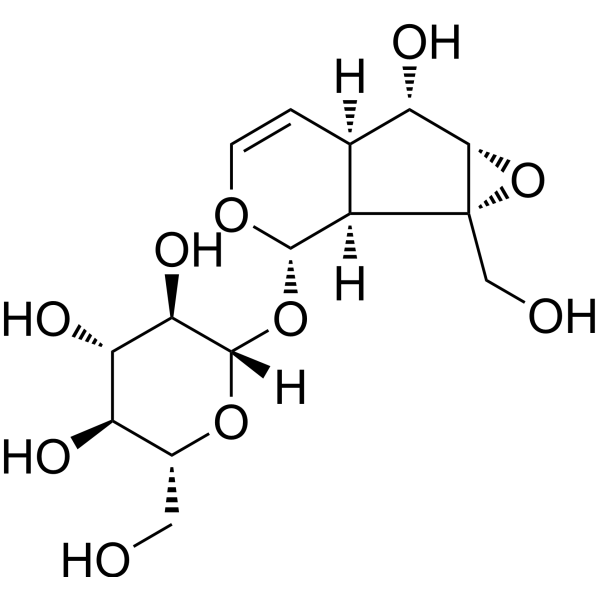
  • HY-N0820
    Catalpol
    Maximum Cited Publications
    13 Publications Verification

    Catalpinoside

    HBV Infection Neurological Disease Inflammation/Immunology Cancer
    Catalpol (Catalpinoside), an iridoid glycoside found in Rehmannia glutinosa. Catalpol has neuroprotective, hypoglycemic, anti-inflammatory, anti-cancer, anti-spasmodic, anti-oxidant effects and anti-HBV effects .
    Catalpol
  • HY-N1063

    Xanthoxyline

    Fungal Infection Metabolic Disease
    Xanthoxylin (Xanthoxyline) can be isolated from Zanthoxylum simulans. Xanthoxylin has antifungal and antioxidant effects. The MIC of Xanthoxylin against Toxoplasma neonatorum and Aspergillus fumigatus were 50 µg/mL and 75 µg/mL, respectively. Xanthoxylin can be used in the study of anti-epileptic diseases .
    Xanthoxylin
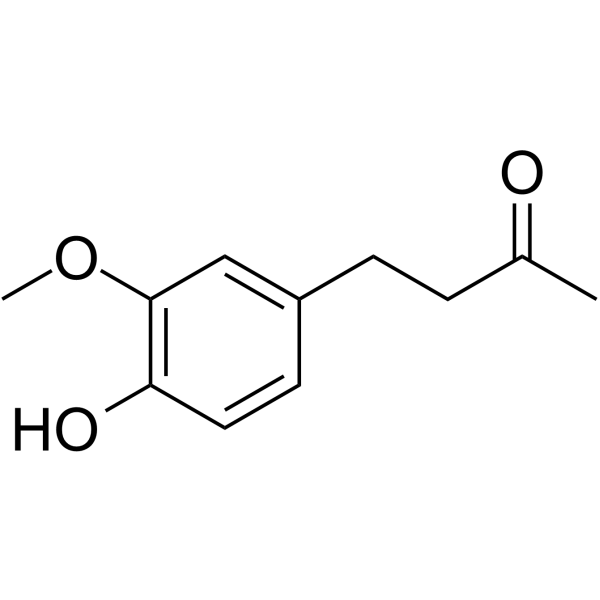
  • HY-14621
    Zingerone
    5+ Cited Publications

    Vanillylacetone; Gingerone

    Environmental Pollutants NF-κB Neurological Disease Metabolic Disease Inflammation/Immunology Cancer
    Zingerone (Vanillylacetone) is a nontoxic methoxyphenol isolated from Zingiber officinale, with potent anti-inflammatory, antidiabetic, antilipolytic, antidiarrhoeic, antispasmodic and anti-tumor properties . Zingerone alleviates oxidative stress and inflammation, down-regulates NF-κB mediated signaling pathways . Zingerone acts as an anti-mitotic agent, and inhibits the growth of neuroblastoma cells . Zingerone can cross the blood-brain barrier (BBB) .
    Zingerone
  • HY-113123

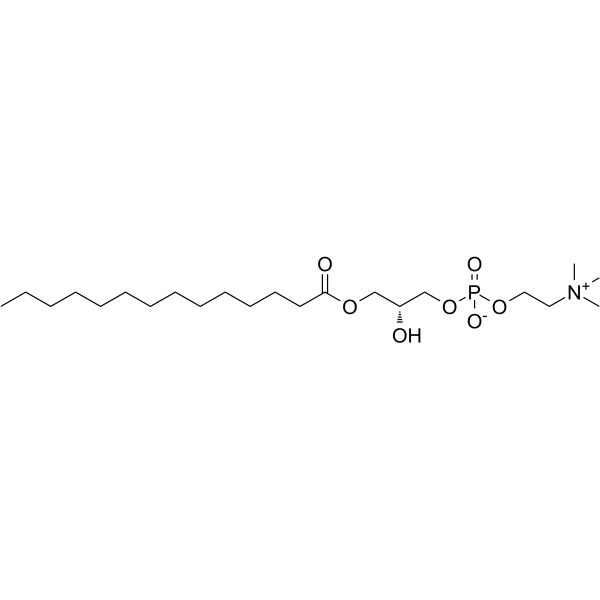
    14:0 Lyso PC; 1-myristoyl-sn-glycero-3-phosphatidylcholine

    Endogenous Metabolite Neurological Disease Metabolic Disease
    LysoPC(14:0/0:0) is a lysophospholipid (LyP). It is a monoglycerophospholipid in which a phosphorylcholine moiety occupies a glycerol substitution site. LysoPC(14:0/0:0) has potent antispasmodic effect .
    LysoPC(14:0/0:0)
  • HY-13557
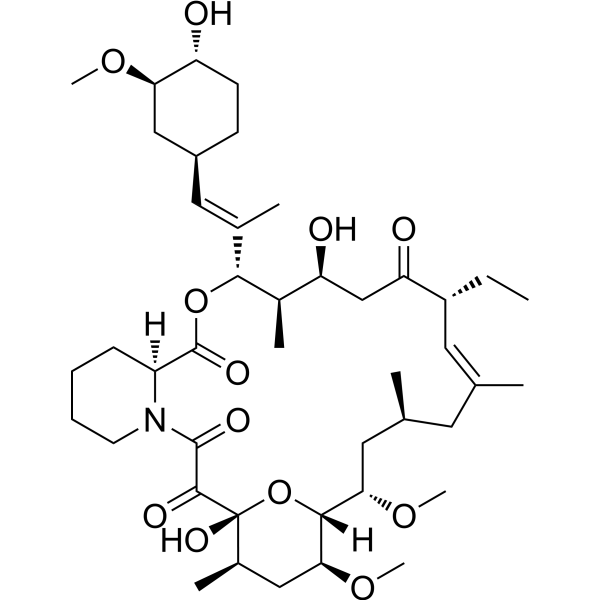
    Ascomycin
    5+ Cited Publications

    Immunomycin; FR-900520; FK520

    FKBP Parasite Fungal Antibiotic Infection Neurological Disease Inflammation/Immunology
    Ascomycin (Immunomycin; FR-900520; FK520) is an ethyl analog of Tacrolimus (FK506) with strong immunosuppressant properties. Ascomycin is also a macrocyclic polyketide antibiotic with multiple biological activities such as anti-malarial, anti-fungal and anti-spasmodic. Ascomycin prevents graft rejection and has potential for varying skin ailments research .
    Ascomycin
  • HY-12752A

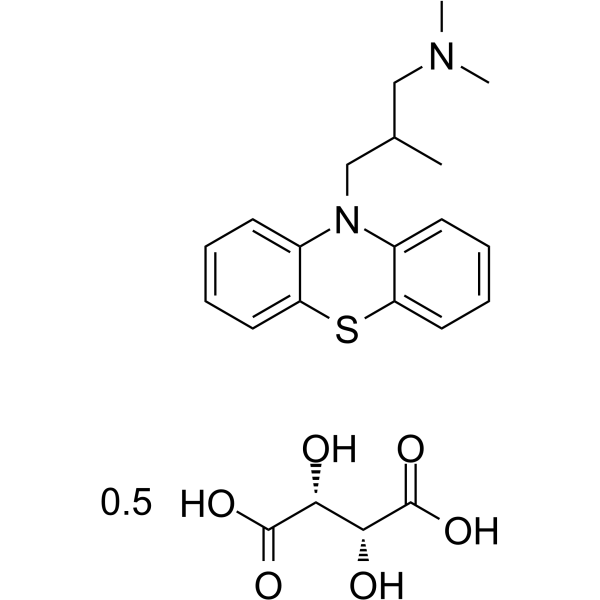
    Trimeprazine hemitartrate

    Histamine Receptor Influenza Virus Neurological Disease Inflammation/Immunology Cancer
    Alimemazine hemitartrate (Trimeprazine hemitartrate) is an antagonist of the histamine (HA) receptor that can be taken orally and also acts as a partial agonist at other GPCR receptors. Alimemazine hemitartrate has effects that include anti-serotonin, antispasmodic, antihistamine, sedation, hypnotic, antiviral, and anti-nausea properties. Alimemazine hemitartrate promotes the growth of pancreatic β-cells in mice and improves diabetes in mice .
    Alimemazine hemitartrate
  • HY-B1339

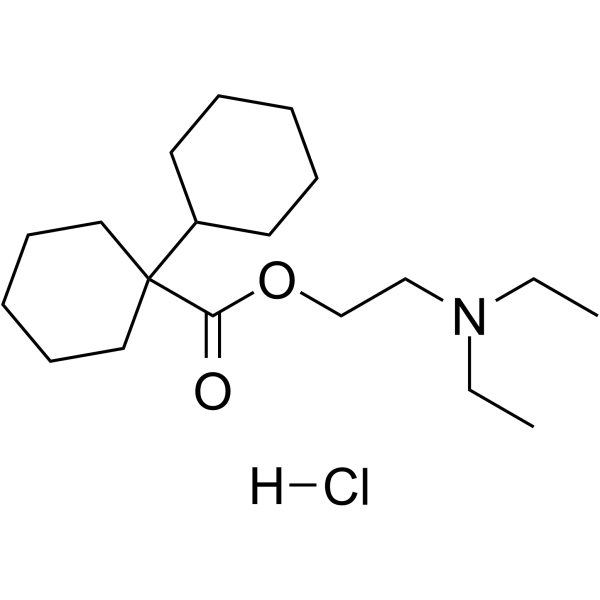
    Dicycloverine hydrochloride

    mAChR Neurological Disease
    Dicyclomine hydrochloride is a potent and orally active muscarinic cholinergic receptors antagonist. Dicyclomine hydrochloride shows high affinity for muscarinic M1 receptor subtype (Ki=5.1 nM) and M2 receptor subtype (Ki=54.6 nM) in brush-border membrane and basal plasma membranes, respectively . Dicyclomine is an antispasmodic agent and relieves smooth muscle spasm of the gastrointestinal tract in vivo .
    Dicyclomine hydrochloride
  • HY-B0549A

    Rec-7-0040; DW61

    Calcium Channel Adenosine Receptor mAChR Dopamine Receptor Adrenergic Receptor Cardiovascular Disease Infection Neurological Disease Cancer
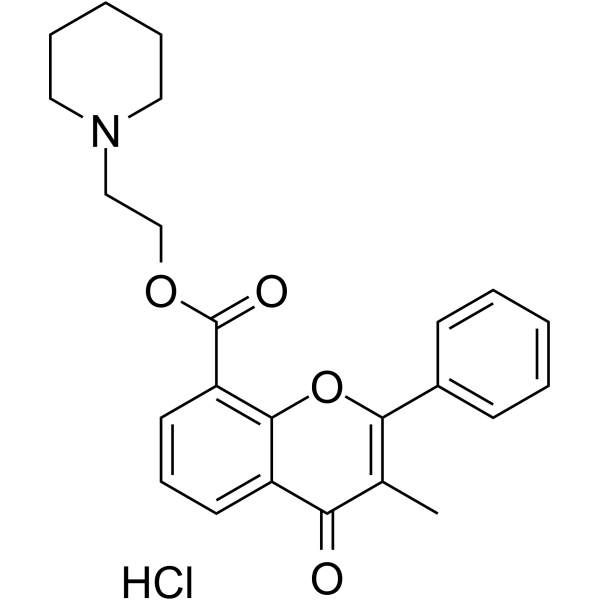
    Flavoxate hydrochloride (Rec-7-0040; DW61) is an orally active L-type Ca 2+ channel inhibitor and antispasmodic. Flavoxate hydrochloride inhibits cyclic adenosine monophosphate production by blocking voltage-dependent inward Ba 2+ currents, regulating the brainstem micturition center, and stimulating G protein-coupled receptors. Consequently, Flavoxate hydrochloride induces relaxation of bladder smooth muscle and inhibits isovolumetric rhythmic contractions. Flavoxate hydrochloride effectively increases bladder capacity and alleviates symptoms of urgent urination frequency and pollakiuria caused by overactive bladder. Flavoxate hydrochloride can be used in research on overactive bladder and related voiding dysfunctions .
    Flavoxate hydrochloride
  • HY-N4113

    Keap1-Nrf2 AMPK Cancer
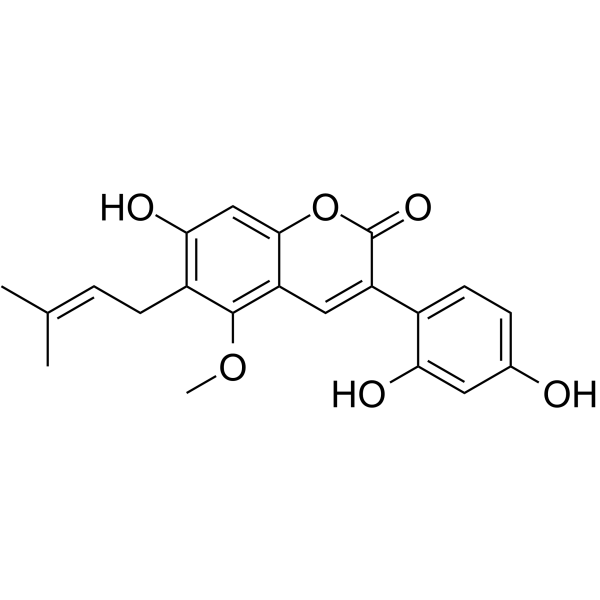
    Glycycoumarin is a potent antispasmodic agent. Glycycoumarin is a major bioactive coumarin of licorice and exhibits antispasmodic activity. Glycycoumarin also has hepatoprotective effect. Glycycoumarin can be used for the research of abdominal pain and liver diseases .
    Glycycoumarin
  • HY-100562

    5-HT Receptor COMT Neurological Disease
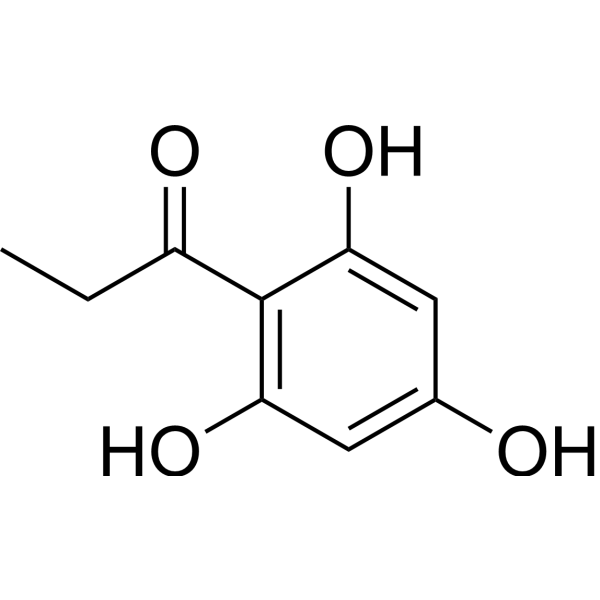
    Flopropione is a 5-HT receptor antagonist and also a catechol-o-methyltransferase (COMT) inhibitor . Flopropione also as an antispasmodic agent .
    Flopropione
  • HY-108964

    Bacterial Infection Neurological Disease Inflammation/Immunology Cancer
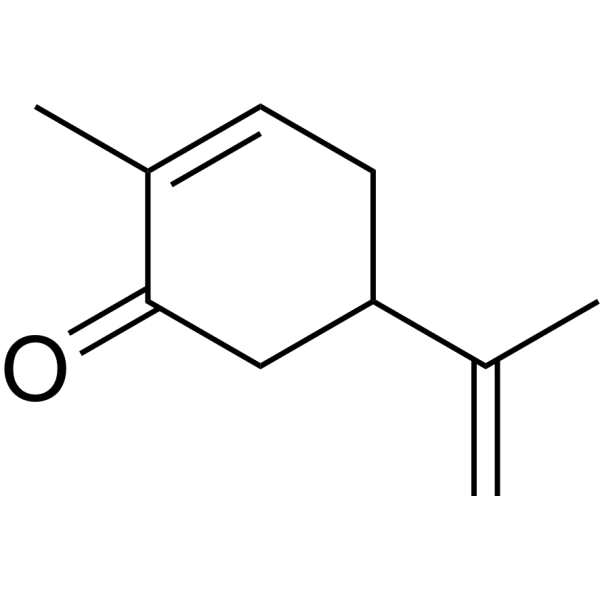
    Carvone is a ketone monoterpene found in the essential oils from plants of the genus Mentha. Carvone has such effects as anticancer, antimicrobial, antioxidant, anti-inflammatory, antispasmodic, antinociceptive, anticonvulsant .
    Carvone
  • HY-I0637
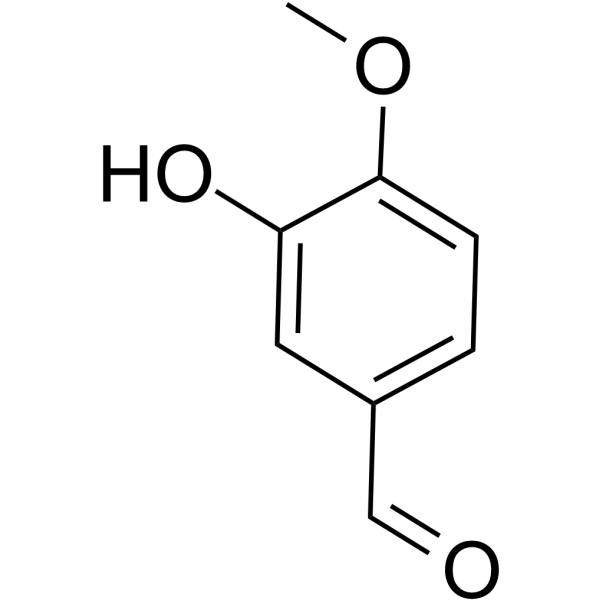
    Isovanillin
    1 Publications Verification

    3-Hydroxy-4-methoxybenzaldehyde

    Others Neurological Disease Metabolic Disease
    Isovanillin is an aldehyde oxidase inhibitor . Antispasmodic activities . Antidiarrheal activities .
    Isovanillin
  • HY-B0326

    Drug Derivative Endocrinology
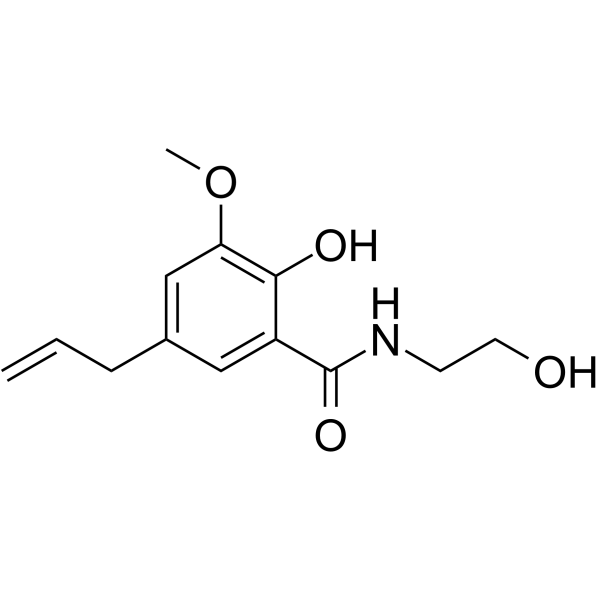
    Alibendol can be taken orally. It has anti-spasmodic properties and promotes bile secretion, making it useful for research on digestive system issues like indigestion, nausea, vomiting, and constipation .
    Alibendol
  • HY-108974

    Phosphodiesterase (PDE) Calcium Channel Neurological Disease
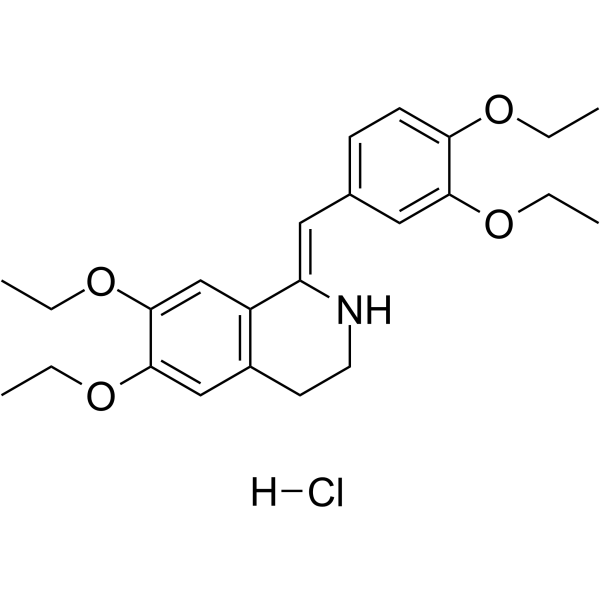
    Drotaverine hydrochloride is a type 4 cyclic nucleotide phosphodiesterase (PDE4) inhibitor and an L-type voltage-dependent calcium channel (L-VDCC) blocker, blocks the degradation of 3',5'-cyclic adenosine monophosphate. Drotaverine (hydrochloride) exhibits in vivo antispasmodic efficacy without anticholinergic effects.
    Drotaverine hydrochloride
  • HY-N8117

    Biochemical Assay Reagents Inflammation/Immunology
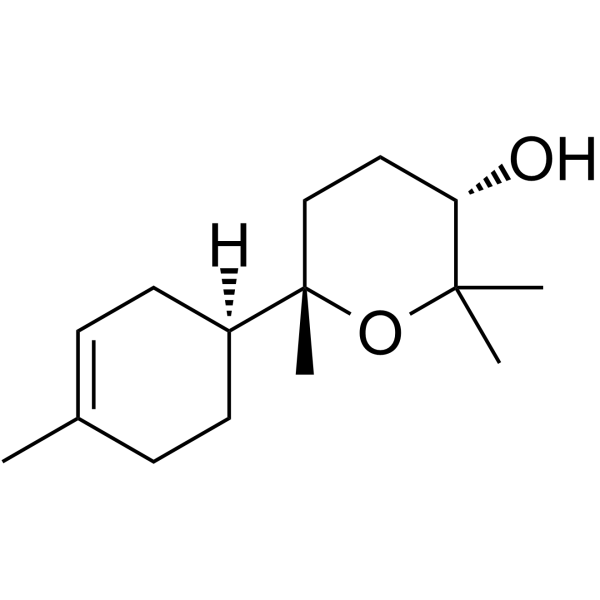
    Bisabolol oxide A is a bisabolane-type sesquiterpenoid found in the flowers of Matricaria chamomilla. Bisabolol oxide A contributes to the antispasmodic effect of chamomile preparations .
    Bisabolol oxide A
  • HY-B2078A

    Neurokinin Receptor Inflammation/Immunology
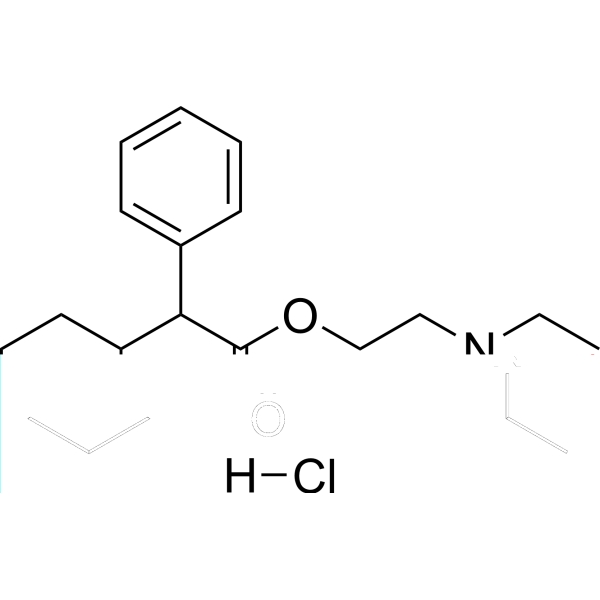
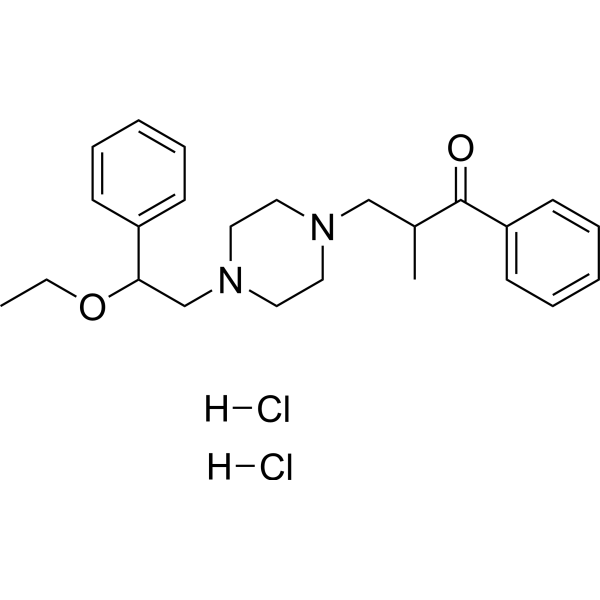
    Eprazinone dihydrochloride is a gent with mucolytic, secretolytic, antitussive, and bronchial antispasmodic properties. Eprazinone dihydrochloride is a neurokinin 1 receptor (NK1R) ligand. Eprazinone dihydrochloride has the potential for chronic bronchitis treatment that improved pulmonary function and arterial partial pressure of oxygen .
    Eprazinone dihydrochloride
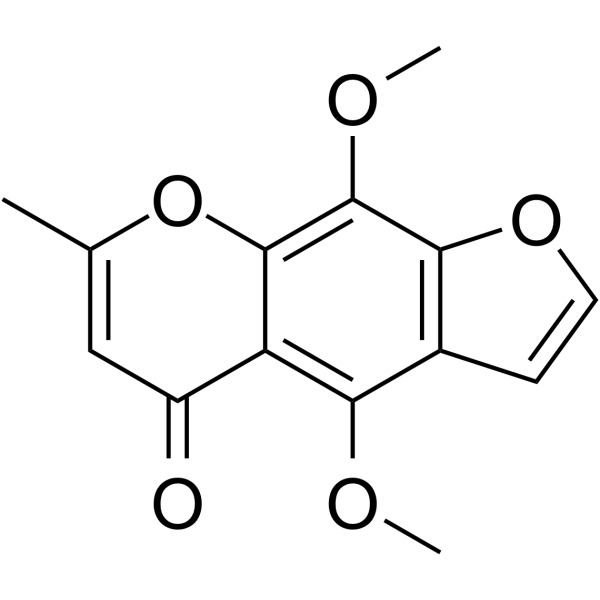
  • HY-B1394
    Khellin
    2 Publications Verification

    EGFR Cardiovascular Disease Cancer
    Khellin is a furochromone that can be isolated from Ammi visnuga L.. Khellin is an EGFR inhibitor with an IC50 of 0.15 µM. Khelline has anti-proliferative activity in vitro. Khellin has antispasmodic and coronary vasodilator effects .
    Khellin
  • HY-B1440

    Calcium Channel Monoamine Oxidase Cardiovascular Disease
    Ethaverine hydrochloride, a derivative of papaverine, inhibits cardiac L-type calcium channel. Ethaverine hydrochloride is a peripheral vasodilator and antispasmodic agent. Ethaverine hydrochloride can be used for research of peripheral vascular disease .
    Ethaverine hydrochloride
  • HY-B2112

    mAChR Neurological Disease
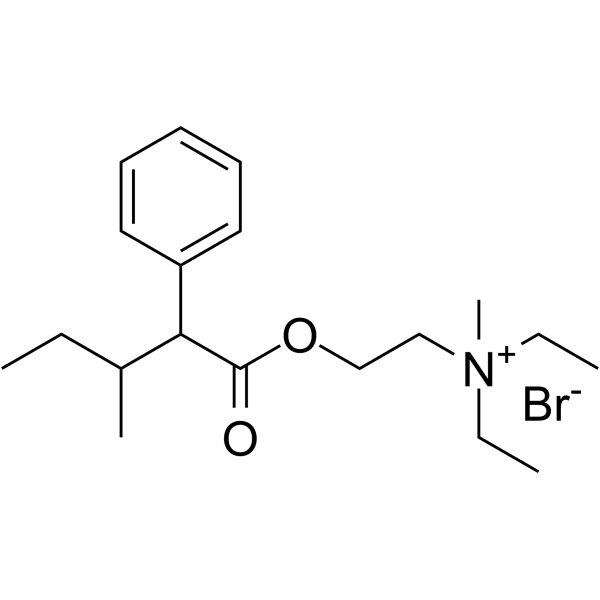
    Valethamate bromide is an ester, serving as an effective rapidly acting anticholinergic antispasmodic and muscle relaxant. Valethamate bromide accelerates labor by improving cervical dilation. Valethamate bromide can significantly shorten the labor process and have fewer side effects .
    Valethamate bromide
  • HY-N2050
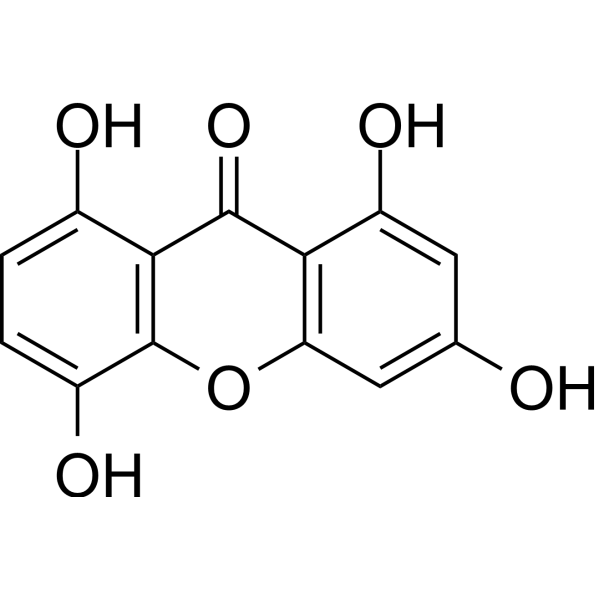
    1,3,5,8-Tetrahydroxyxanthone
    1 Publications Verification

    Desmethylbellidifolin

    Others Neurological Disease Inflammation/Immunology
    1,3,5,8-Tetrahydroxyxanthone (Desmethylbellidifolin) is a natural xanthone extracted from Swertia chirata. 1,3,5,8-Tetrahydroxyxanthone has antispasmodic effect and anti-inflammatory activity .
    1,3,5,8-Tetrahydroxyxanthone
  • HY-N2604

    Bacterial Infection Neurological Disease Metabolic Disease Inflammation/Immunology Cancer
    Loureirin C has anti-bacterial, anti-spasmodic, anti-inflammatory, analgesic, anti-diabetic, and anti-tumor activities .
    Loureirin C
  • HY-N5086

    HBV Infection Neurological Disease Metabolic Disease Inflammation/Immunology Cancer
    Picroside IV is an iridoid glycoside found in the underground parts of Picrorhiza scrophulariiflora. Picroside IV is a derivative of Catalpol (HY-N0820) . Catalpol has neuroprotective, hypoglycemic, anti-inflammatory, anti-cancer, anti-spasmodic, anti-oxidant effects and anti-HBV effects .
    Picroside IV
  • HY-107349

    Spasmopriv

    Calcium Channel Neurological Disease
    Fenoverine (Spasmopriv) is an orally active and powerful anti-spasmodic drug. Fenoverine reduces calcium ion influx by suppressing voltage dependent calcium channels. Fenoverine has antiemetic, analgesic, and antidiarrheal effects. Fenoverine induces rhabdomyolysis. Fenoverine can be used to study smooth muscle overexcitation related conditions such as gastrointestinal spasms .
    Fenoverine
  • HY-B1806A

    Pathilon chloride

    mAChR Neurological Disease Inflammation/Immunology
    Tridihexethyl (Pathilon) chloride is an orally active anticholinergic agent and mAChR antagonist, shows activities of antimuscarinic and anticholinergic. Tridihexethyl chloride shows pronounced antispasmodic and antisecretory effects on the gastrointestinal tract. Tridihexethyl chloride can be used in studies of peptic ulcer disease and acquired nystagmus .
    Tridihexethyl chloride
  • HY-B0267C

    Aroxybutynin

    mAChR Neurological Disease
    (R)-Oxybutynin (Aroxybutynin) is the racemic isomer of Oxybutynin and an orally active muscarinic receptor antagonist. (R)-Oxybutynin has antispasmodic, antimuscarinic, and anticholinergic activities and competitively antagonizes carbachol-induced contractions. (R)-Oxybutynin can be used to study urinary incontinence caused by neurogenic bladder dysfunction .
    (R)-Oxybutynin
  • HY-122086

    mAChR Neurological Disease
    Prifinium bromide is antimuscarinic agent with antispasmodic, antiemetic effect .
    Prifinium bromide
  • HY-I0637S

    3-Hydroxy-4-methoxybenzaldehyde-d3

    Isotope-Labeled Compounds Metabolic Disease
    Isovanillin-d3 is the deuterium labeled Isovanillin . Isovanillin is an aldehyde oxidase inhibitor . Antispasmodic activities . Antidiarrheal activities .
    Isovanillin-d3
  • HY-W742955

    mAChR Neurological Disease
    Pargeverine hydrochloride is an antispasmodic opioid alkaloid. Pargeverine hydrochloride has a moderate and non-selective blockade of muscarinic cholinergic fibers. Pargeverine hydrochloride can be used in the research of painful spasms .
    Pargeverine hydrochloride
  • HY-113123S1

    14:0 Lyso PC-d7; 1-myristoyl-sn-glycero-3-phosphatidylcholine-d7

    Isotope-Labeled Compounds Endogenous Metabolite Neurological Disease Metabolic Disease
    LysoPC(14:0/0:0)-d7 (14:0 Lyso PC-d7) is deuterium labeled LysoPC(14:0/0:0). LysoPC(14:0/0:0) is a lysophospholipid (LyP). It is a monoglycerophospholipid in which a phosphorylcholine moiety occupies a glycerol substitution site. LysoPC(14:0/0:0) has potent antispasmodic effect .
    LysoPC(14:0/0:0)-d7
  • HY-105771

    mAChR Neurological Disease
    Parapenzolate bromide, an antispasmodic, is an orally active mAChR antagonist. Parapenzolate bromide is an anticholinergic agent .
    Parapenzolate bromide
  • HY-105652

    Vasopressin Receptor Neurological Disease
    Ambucetamide is an antispasmodic agent. Ambucetamide alleviates menstrual pain .
    Ambucetamide
  • HY-12769

    Mebeverine metabolite Mebeverine acid

    Drug Metabolite Neurological Disease
    Mebeverine acid (Mebeverine metabolite Mebeverine acid) is a secondary metabolite of the intestinal antispasmodic agent Mebeverine (HY-A0078). Mebeverine acid is generated by the hydrolysis of Mebeverine in the body and is considered a key circulating metabolite. Mebeverine acid is an important marker for oral Mebeverine .
    Mebeverine acid
  • HY-B0267B

    Aroxybutynin hydrochloride

    mAChR Neurological Disease
    (R)-Oxybutynin hydrochloride, a (R)-isomer of Oxybutynin hydrochloride, is an orally active muscarinic receptor antagonist. (R)-Oxybutynin hydrochloride has antimuscarinic, antispasmodic and anticholinergic activity, competitively antagonizes Carbachol-induced contractions. (R)-Oxybutynin hydrochloride can be used for researching incontinence due to neurogenic bladder dysfunction . (R)-Oxybutynin (hydrochloride) is a click chemistry reagent, it contains an Alkyne group and can undergo copper-catalyzed azide-alkyne cycloaddition (CuAAc) with molecules containing Azide groups.
    (R)-Oxybutynin hydrochloride
  • HY-B0549

    Rec-7-0040 free base; DW61 free base

    mAChR Calcium Channel Adrenergic Receptor Adenosine Receptor Dopamine Receptor Neurological Disease
    Flavoxate (Rec-7-0040 free base; DW61 free base) is an orally active L-type Ca 2+ channel inhibitor and antispasmodic. Flavoxate inhibits cyclic adenosine monophosphate production by blocking voltage-dependent inward Ba 2+ currents, regulating the brainstem micturition center, and stimulating G protein-coupled receptors. Consequently, Flavoxate induces relaxation of bladder smooth muscle and inhibits isovolumetric rhythmic contractions. Flavoxate effectively increases bladder capacity and alleviates symptoms of urgent urination frequency and pollakiuria caused by overactive bladder. Flavoxate can be used in research on overactive bladder and related voiding dysfunctions .
    Flavoxate
  • HY-B0549AR

    Rec-7-0040 (Standard); DW61 (Standard)

    Reference Standards mAChR Calcium Channel Adrenergic Receptor Adenosine Receptor Dopamine Receptor Neurological Disease
    Flavoxate (hydrochloride) (Standard) is the analytical standard of Flavoxate (hydrochloride). This product is intended for research and analytical applications. Flavoxate hydrochloride (Rec-7-0040; DW61) is an orally active L-type Ca 2+ channel inhibitor and antispasmodic. Flavoxate hydrochloride inhibits cyclic adenosine monophosphate production by blocking voltage-dependent inward Ba 2+ currents, regulating the brainstem micturition center, and stimulating G protein-coupled receptors. Consequently, Flavoxate hydrochloride induces relaxation of bladder smooth muscle and inhibits isovolumetric rhythmic contractions. Flavoxate hydrochloride effectively increases bladder capacity and alleviates symptoms of urgent urination frequency and pollakiuria caused by overactive bladder. Flavoxate hydrochloride can be used in research on overactive bladder and related voiding dysfunctions .
    Flavoxate hydrochloride (Standard)
  • HY-12770

    Mebeverine metabolite Mebeverine alcohol

    Drug Metabolite Neurological Disease
    Mebeverine alcohol is a metabolite of Mebeverine, which is a musculotropic antispasmodic drug.
    Mebeverine alcohol
  • HY-12771

    Mebeverine metabolite O-desmethyl Mebeverine acid

    Drug Metabolite Neurological Disease
    O-desmethyl Mebeverine acid is a metabolite of Mebeverine, which is a musculotropic antispasmodic drug.
    O-desmethyl Mebeverine acid
  • HY-W983015

    5-HT Receptor Metabolic Disease
    Davidigenin is an antidiabetic compound with antitumor, antispasmodic, and antioxidant activities. Davidigenin inhibits duodenal contractions induced by acetylcholine or histamine.
    Davidigenin
  • HY-122520

    mAChR Neurological Disease
    Fentonium bromide is an anti-ulcerogenic, anticholinergic and antispasmodic agent. Fentonium bromide can be used in the research of neurological conditions, such as unstable bladder .
    Fentonium bromide
  • HY-111025

    Others Neurological Disease
    Ectylurea, a N-acylurea, can be used in studies of tension and anxiety symptoms, has no effect on the autonomic nervous system, and has no convulsive, analgesic or antispasmodic activity in animals .
    Ectylurea
  • HY-N1063R

    Xanthoxyline (Standard)

    Reference Standards Fungal Infection Metabolic Disease
    Xanthoxylin (Xanthoxyline) can be isolated from Zanthoxylum simulans. Xanthoxylin has antifungal and antioxidant effects. The MIC of Xanthoxylin against Toxoplasma neonatorum and Aspergillus fumigatus were 50 µg/mL and 75 µg/mL, respectively. Xanthoxylin can be used in the study of anti-epileptic diseases .
    Xanthoxylin (Standard)
  • HY-119918

    mAChR Neurological Disease
    Cycrimine is an orally active muscarinic cholinergic receptor (mAChR) M1 antagonist, reduces the acetylcholine levels in parkinson model. Cycrimine shows antispasmodic activity, can be used in studies of behavioral and mental disorder .
    Cycrimine
  • HY-19699

    NAAM; 1-Naphthaleneacetamide; α-Naphthylacetamide

    Environmental Pollutants Phytohormone Neurological Disease Endocrinology
    1-Naphthylacetamide is an orally active nonsteroidal anti-inflammatory agent (NAIA) and also an indole-type auxin plant growth regulator. 1-Naphthylacetamide inhibits inflammatory response-related pathways and modulates plant hormone signaling, exhibiting anti-inflammatory, local anesthetic, antispasmodic, analgesic, and diuretic activities. 1-Naphthylacetamide promotes plant cell expansion, differentiation, and fruit enlargement. Additionally, 1-Naphthylacetamide induces central nervous system (CNS) depression in mice, characterized by reduced spontaneous activity, decreased irritability, decreased muscle tone, and attenuated ear-cuff reflex, ipsilateral flexor reflex, and corneal reflex [1][2].
    1-Naphthylacetamide
  • HY-12752

    Trimeprazine

    Histamine Receptor Neurological Disease Inflammation/Immunology Cancer
    Alimemazine is a phenothiazine derivative that is generally used as an antipruritic agent and also a hemagglutinin (HA)-receptor antagonist.Alimemazine (Trimeprazine) is also acts as a partial agonist against the histamine H1 receptor (H1R) and other GPCRs. Alimemazine displays antiserotonin, antispasmodic, and antiemetic properties .
    Alimemazine
  • HY-128891

    P2X Receptor Neurological Disease
    Eperisone ((±)-Eperisone) is an antispasmodic agent and centrally acting muscle relaxant useful in the study of diseases characterized by muscle stiffness and pain. Eperisone acts by relaxing skeletal and vascular smooth muscle, resulting in vasodilation, decreased muscle tone, improved circulation, and inhibition of pain reflexes. Eperisone is also a potent P2X7 receptor antagonist .
    Eperisone
  • HY-13557R

    Immunomycin (Standard); FR-900520 (Standard); FK520 (Standard)

    Reference Standards FKBP Parasite Fungal Antibiotic Infection Neurological Disease Inflammation/Immunology
    Ascomycin (Standard) is the analytical standard of Ascomycin. This product is intended for research and analytical applications. Ascomycin (Immunomycin; FR-900520; FK520) is an ethyl analog of Tacrolimus (FK506) with strong immunosuppressant properties. Ascomycin is also a macrocyclic polyketide antibiotic with multiple biological activities such as anti-malarial, anti-fungal and anti-spasmodic. Ascomycin prevents graft rejection and has potential for varying skin ailments research[1][2].
    Ascomycin (Standard)
  • HY-B1339A

    Dicycloverine

    mAChR Neurological Disease
    Dicyclomine (Dicycloverine) is a potent and orally active muscarinic cholinergic receptors antagonist. Dicyclomine (Dicycloverine) shows high affinity for muscarinic M1 receptor subtype (Ki=5.1 nM) and M2 receptor subtype (Ki=54.6 nM) in brush-border membrane and basal plasma membranes, respectively . Dicyclomine is an antispasmodic agent and relieves smooth muscle spasm of the gastrointestinal tract in vivo .
    Dicyclomine
  • HY-N11706

    (+)-β-Cedrene

    Fungal Infection Inflammation/Immunology
    β-Cedrene ((+)-β-Cedrene) is a sesquiterpene compound that can be isolated from Centaurea kotschyi var. kotschyi and Centaurea kotschyi var. decumbens, exhibiting antibacterial, anti-inflammatory, antispasmodic, tonic, diuretic, sedative, insecticidal, and antifungal activities. β-Cedrene is also a potent competitive inhibitor of the CYP2B6-mediatedbupropion hydroxylase, with a Ki value of 1.6 μM .
    β-Cedrene
  • HY-U00195

    PR66

    Others Neurological Disease
    Piperylone can be used as an antispasmodic.
    Piperylone
  • HY-133153S

    Isotope-Labeled Compounds Neurological Disease
    Fenpiverinium-d3 (bromide) is a deuterium labeled Fenpiverinium bromide. Fenpiverinium bromide has anti-cholinergic and anti-spasmodic effects .
    Fenpiverinium-d3 bromide

Inquiry Online

Your information is safe with us. * Required Fields.

Salutation


Country or Region *

Applicant Name *


Organization Name *

Department *


Email Address *


Product Name *

Cat. No.


Requested quantity *

Phone Number *


Remarks

Inquiry Online

Inquiry Information

Product Name:
Cat. No.:
Quantity:
MCE Japan Authorized Agent:

