





1. Search Result
Search Result
Pathways Recommended: TGF-beta/Smad
Results for "

beta plaques

" in MedChemExpress (MCE) Product Catalog:

72

Inhibitors & Agonists

8

Fluorescent Dye

17

Peptides

8

Inhibitory Antibodies

4

Natural
Products

2

Isotope-Labeled Compounds

Cat. No. Product Name Target Research Areas Chemical Structure
  • HY-108847
    Etanercept
    10+ Cited Publications

    TNF Receptor Bacterial Inflammation/Immunology Cancer
    Etanercept, a dimeric fusion protein that binds TNF, acts as a TNF inhibitor. Etanercept competitively inhibits the binding of both TNF-α and TNF-β to cell surface TNF receptors, rendering TNF biologically inactive. Etanercept shows efficacy against rheumatoid arthritis, juvenile idiopathic arthritis, and plaque psoriasis .
    Etanercept
  • HY-P9999

    RG6102; RO-7126209

    Amyloid-β Neurological Disease
    Trontinemab (RG6102) is a brain-penetrant, anti-amyloid, bispecific and humanizedized IgG1-κ antibody, targeting to Aβ plaques and transferrin receptor 1 (TFR1). Trontinemab binds to fibrillar Aβ as well as Aβ plaques triggering plaque clearance by engaging immune cells on Alzheimer disease (AD) brain sections. Trontinemab also shows specific affinity to cynomolgus and human TFR1 .
    Trontinemab
  • HY-P99022

    R-04909832; RG-1450

    Amyloid-β Neurological Disease
    Gantenerumab is a fully humanized anti-Aβ IgG1 monoclonal antibody. Gantenerumab can specifically bind to Aβ fibrils and plaques and can be used in Alzheimer's disease research .
    Gantenerumab
  • HY-103240
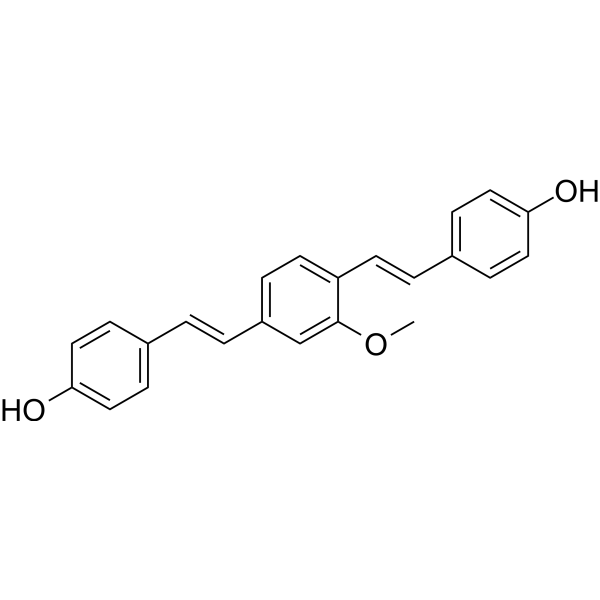
    Methoxy-X04
    5 Publications Verification

    Amyloid-β Others
    Methoxy-X04 is a fluorescent dye that crosses the blood-brain barrier and selectively binds to beta-pleated sheets found in dense core amyloid Aβ plaques. Methoxy-X04 retains in vitro binding affinity for amyloid b (Ab) fibrils (Ki= 26.8 nM). Methoxy-X04 is fluorescent and stains plaques, tangles, and cerebrovascular amyloid in postmortem sections of AD brain with good specificity .
    Methoxy-X04
  • HY-P0265A
    β-Amyloid (1-40) (human) TFA
    5+ Cited Publications

    Amyloid β-Peptide (1-40) (human) TFA; Aβ40 (human) TFA; Aβ(1-40) (human) TFA

    Amyloid-β Neurological Disease
    β-Amyloid (1-40) TFA is a primary protein in plaques found in the brains of patients with Alzheimer's disease .
    β-Amyloid (1-40) (human) TFA
  • HY-103242

    Amyloid-β Neurological Disease
    CRANAD-2 is a specific near-infrared (NIR) fluorescent probe for detecting Aβ plaques (unbound to Aβ: Ex=640 nm; Em=805 nm; after binding: Em=715 nm). CRANAD-2 penetrates the blood-brain barrier and has high affinity for Aβ aggregates, with a Kd value of 38 nM. CRANAD-2 is applicable to research related to Alzheimer's disease and neurodegenerative diseases .
    CRANAD-2
  • HY-W017540
    Cyclocreatine
    1 Publications Verification

    ATP Synthase Cardiovascular Disease Neurological Disease Metabolic Disease Cancer
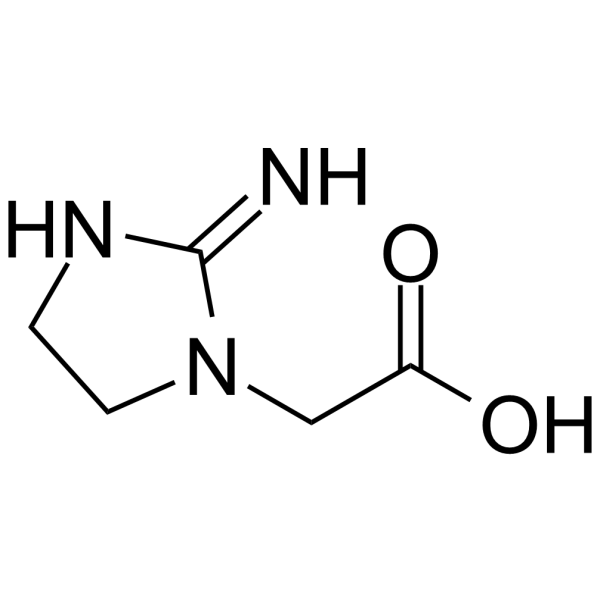
    Cyclocreatine, a creatine analogue, acts as a brain-penetrant and potent bioenergetic protective agent by providing high levels of ATP. Cyclocreatine can be phosphorylated and dephosphorylated by creatine kinases. Cyclocreatine suppresses creatine metabolism ameliorating the cognitive, autistic and epileptic phenotype in a mouse model of creatine transporter defciency. Cyclocreatine protects against ischemic injury and enhances cardiac recovery during early reperfusion in dogs and rats. Cyclocreatine decreases plaque-adjacent neuronal dystrophy in TREM2-deficient mice with amyloid-β pathology. Cyclocreatine is proming for research of ischemic heart disease, cardiovascular diseases, Alzheimer’s disease and other neurodegenerative diseases associated with microglial dysfunction, prostate cancer .
    Cyclocreatine
  • HY-P0265C

    Amyloid-β Neurological Disease
    β-Amyloid (1-40), HFIP-treated is a β-Amyloid (1-40) (HY-P0265A) treated with HFIP. β-Amyloid (1-40) is a primary protein in plaques found in the brains of patients with Alzheimer's disease .
    β-Amyloid (1-40), HFIP-treated TFA
  • HY-N1535
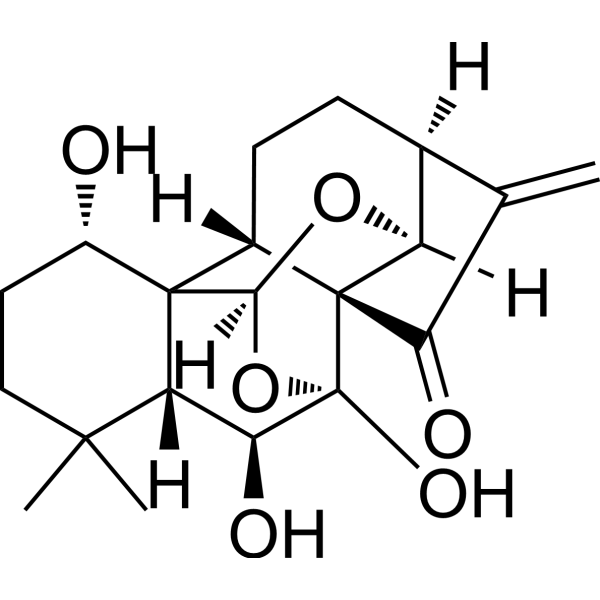
    Ponicidin
    4 Publications Verification

    Rubescensine B

    RIP kinase Apoptosis Reactive Oxygen Species (ROS) JAK STAT PI3K Akt Sirtuin Necroptosis Amyloid-β Neurological Disease Cancer
    Ponicidin (Rubescensine B) is an orally active RIPK1 inhibitor with a Kd value of 135 nM. Ponicidin inhibits the JAK2/STAT3 pathway to induce apoptosis, activates the PI3K/Akt pathway, upregulates SIRT1 expression, alleviates oxidative stress, suppresses inflammatory responses and necroptosis, and blocks cell cycle progression. Ponicidin induces ROS production to exert antiproliferative and antiviral effects, while also improving cognitive function and reducing Aβ plaque deposition. Ponicidin can be used in studies related to hepatocellular carcinoma, Alzheimer's disease, and gastric cancer .
    Ponicidin
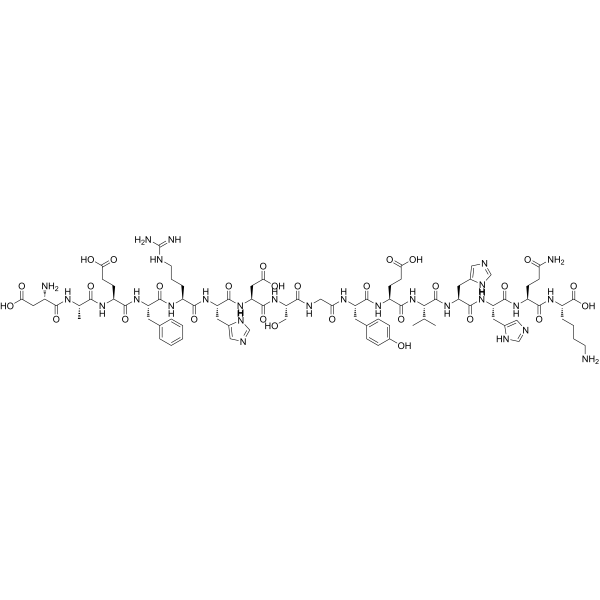
  • HY-P1466

    Amyloid β-Protein (1-16)

    Amyloid-β Neurological Disease
    β-Amyloid (1-16) is a β-Amyloid protein fragment involved in metal binding. Beta-amyloid is a peptide that forms amyloid plaques in the brains of Alzheimer's disease (AD) patients.
    β-Amyloid (1-16)
  • HY-P99185

    AAB-001

    Amyloid-β Neurological Disease
    Bapineuzumab is an anti-β-amyloid protein (APP) monoclonal antibody. Bapineuzumab is a humanized IgG1 that recognizes the N terminus of Aβ cleared plaques from the brains. Bapineuzumab can be used for the research of Alzheimer’s disease (AD) .
    Bapineuzumab
  • HY-13769A
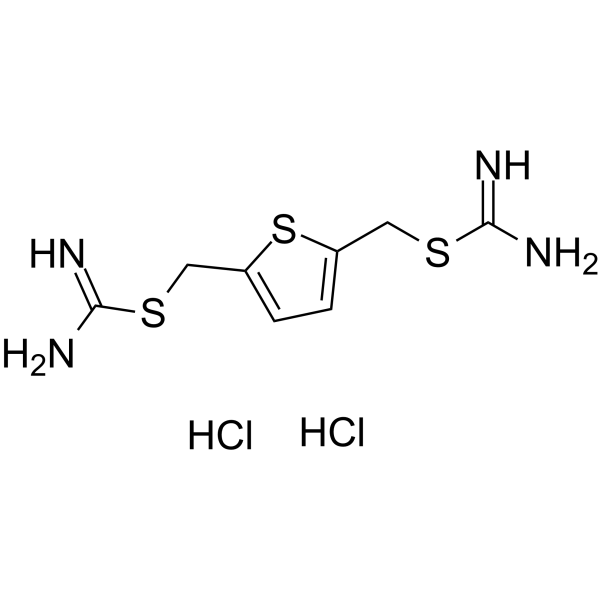
    TPT-260 Dihydrochloride
    2 Publications Verification

    NSC55712; TPU-260 Dihydrochloride

    Drug Derivative Amyloid-β Beta-secretase Cardiovascular Disease Neurological Disease Inflammation/Immunology
    TPT-260 Dihydrochloride (NSC55712), a thiophene thiourea derivative, is a retromer complex stabilizer against thermal denaturation (Kd = ~5 µM). TPT-260 Dihydrochloride increases the levels of retromer proteins, shifts amyloid-precursor protein (APP) away from the endosome, and decreases the pathogenic processing of APP. TPT-260 Dihydrochloride inhibits TLR4 upregulation, IKKβ phosphorylation, NF-κB p65 nuclear translocation, and NLRP3 inflammasome formation. TPT-260 Dihydrochloride improves retromer-mediated cargo trafficking, reduces brain infarct area, and decreases amyloid plaque deposition. TPT-260 Dihydrochloride exhibits minimal cytotoxicity to primary microglia at tested concentrations. TPT-260 Dihydrochloride can be used for the research of inflammatory bowel disease, ischemic stroke and Alzheimer's disease .
    TPT-260 Dihydrochloride
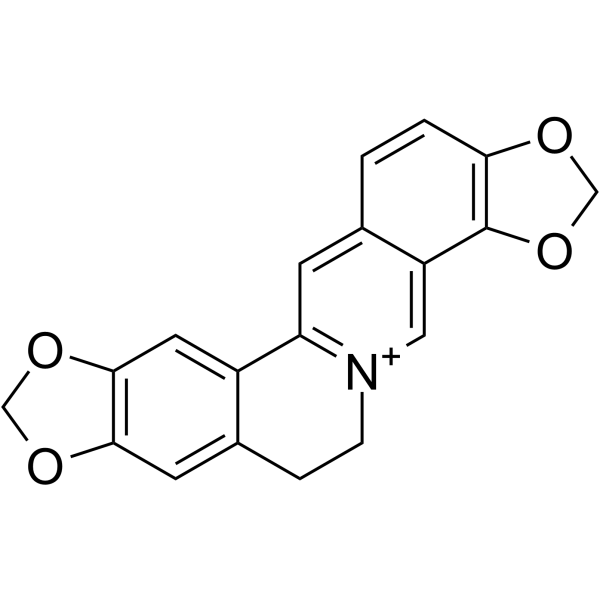
  • HY-N0430

    Coptisin

    Indoleamine 2,3-Dioxygenase (IDO) NF-κB p38 MAPK PI3K Akt Apoptosis Reactive Oxygen Species (ROS) Mitochondrial Metabolism DNA/RNA Synthesis ROCK LDLR Cardiovascular Disease Neurological Disease Metabolic Disease Inflammation/Immunology Cancer
    Coptisine is an orally active and brain-penetrant alkaloid found in Coptis chinensis. Coptisine is a reversible, uncompetitive IDO inhibitor with a Ki of 5.8 μM and an IC50 of 6.3 μM. Coptisine suppresses neuroinflammation, reduces Aβ plaque burden and shows neuroprotective activity. Coptisine shows anti-inflammation activity by blocking NF-κB, MAPK, and PI3K/Akt activation. Coptisine inhibits cancer cells proliferation, induces DNA damage, G2/M phase cell cycle arrest, apoptosis, ROS production and mitochondrial dysfunction. Coptisine inhibits Rho/ROCK pathway activation, reduces arrhythmia, limits cardiac injury marker release, reduces infarct size, and preserves cardiac function in rat myocardial ischemia/reperfusion models. Coptisine downregulates HMGCR and upregulates LDLR and CYP7A1 to modulate cholesterol metabolism, reduces abnormal serum lipid levels, and promotes fecal bile acid excretion. Coptisine can be used for the research of cancer, hypercholesterolemia, Alzheimer’s disease, inflammatory disorders and cardiovascular disease .
    Coptisine
  • HY-N0430A
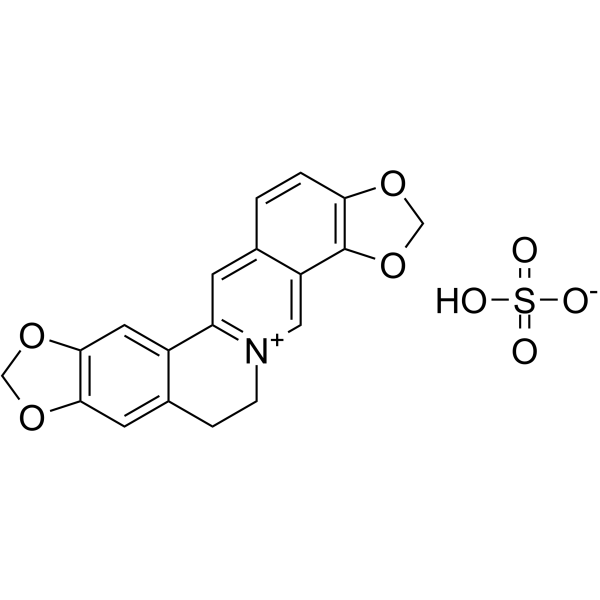
    Coptisine Sulfate
    5 Publications Verification

    Indoleamine 2,3-Dioxygenase (IDO) NF-κB p38 MAPK PI3K Akt Apoptosis Reactive Oxygen Species (ROS) Mitochondrial Metabolism DNA/RNA Synthesis ROCK LDLR Cardiovascular Disease Neurological Disease Metabolic Disease Inflammation/Immunology Cancer
    Coptisine Sulfate is an orally active and brain-penetrant alkaloid found in Coptis chinensis. Coptisine Sulfate is a reversible, uncompetitive IDO inhibitor with a Ki of 5.8 μM and an IC50 of 6.3 μM. Coptisine Sulfate suppresses neuroinflammation, reduces Aβ plaque burden and shows neuroprotective activity. Coptisine Sulfate shows anti-inflammation activity by blocking NF-κB, MAPK, and PI3K/Akt activation. Coptisine Sulfate inhibits cancer cells proliferation, induces DNA damage, G2/M phase cell cycle arrest, apoptosis, ROS production and mitochondrial dysfunction. Coptisine Sulfate inhibits Rho/ROCK pathway activation, reduces arrhythmia, limits cardiac injury marker release, reduces infarct size, and preserves cardiac function in rat myocardial ischemia/reperfusion models. Coptisine Sulfate downregulates HMGCR and upregulates LDLR and CYP7A1 to modulate cholesterol metabolism, reduces abnormal serum lipid levels, and promotes fecal bile acid excretion. Coptisine Sulfate be used for the research of cancer, hypercholesterolemia, Alzheimer’s disease, inflammatory disorders and cardiovascular disease .
    Coptisine Sulfate
  • HY-P990078

    LY3372993

    Amyloid-β Neurological Disease
    Remternetug (LY3372993) is a monoclonal antibody that targets pyroglutamylated amyloid β fibrils (N3pG-Aβ). Remternetug specifically binds to N3pG-Aβ, thereby clearing amyloid plaques in the brain and reducing amyloid burden. Remternetug can be used in research related to Alzheimer's disease .
    Remternetug
  • HY-176293

    Prostaglandin Receptor Amyloid-β Neurological Disease
    EP2 receptor antagonist-3 is a selective EP2 receptor antagonist (IC50: 8 nM in hEP2 SPA assay, 50 nM in hEP2 cAMP assay). EP2 receptor antagonist-3 increases the macrophage-mediated clearance of Amyloid-β plaques. EP2 receptor antagonist-3 can be used for the study of alzheimer’s diseases .
    EP2 receptor antagonist-3
  • HY-120597

    Calcium Channel Neurological Disease
    SAK3 is a potent T-type voltage-gated Ca 2+ channels (T-VGCCs) enhancer. SAK3 enhances Cav3.1 and Cav3.3 T-type Ca 2+ channel currents. Acute SAK3 administration improves memory deficits in olfactory-bulbectomized mice . SAK3 inhibits amyloid β plaque formation in APP-KI mice by activating the proteasome activity .
    SAK3
  • HY-159838

    EI‐1071

    c-Fms Amyloid-β Neurological Disease Cancer
    Enrupatinib (EI‐1071) is a potent, orally active, CNS-penetrant and selective CSF1R inhibitor. Enrupatinib inhibits macrophage proliferation and osteoclast differentiation in vitro. Enrupatinib preserves microglia distal to Aβ plaques. Enrupatinib mitigates Alzheimer's disease (AD)-related pathologies by reducing neuroinflammation, preserving neuronal integrity, lowering disease-associated microglia gene expression, and enhancing cognitive function in 5xFAD and J20 mouse models. Enrupatinib reduces tumor-associated macrophage infiltration and enhances antitumor activity of anti-PD-1 antibody in murine colorectal cancer and breast cancer models. Enrupatinib can be used for the research of AD, colorectal cancer, and breast cancer .
    Enrupatinib
  • HY-123495

    Fluorescent Dye Neurological Disease
    CRANAD-28 is a robust fluorescent compound for visualization of amyloid beta plaques .
    CRANAD-28
  • HY-P1047

    [Pro18, Asp21] β-Amyloid (17-21)

    Amyloid-β Neurological Disease
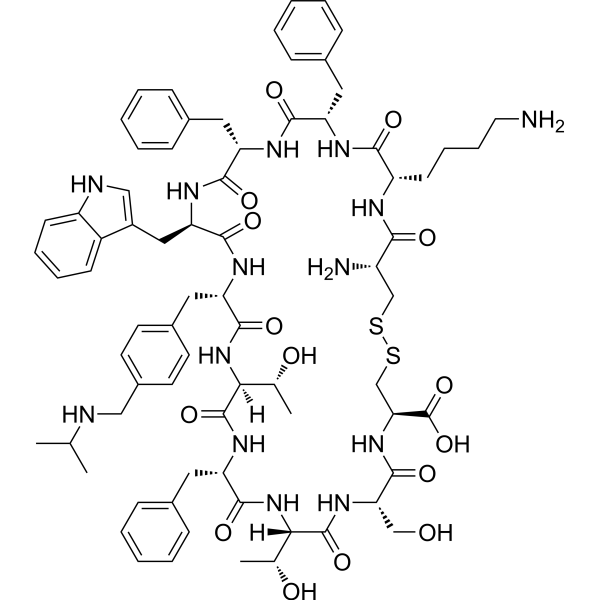
    β-Sheet Breaker Peptide iAβ5 is an effective brain amyloid-β (Abeta) degrader. Abeta deposits are associated with Alzheimer's disease (AD), and the related toxicity arises from its β-sheet conformation and aggregation. β-Sheet Breaker Peptide iAβ5 can repeatedly induce the degradation of fibrillary amyloid deposits in vivo. Therefore, β-Sheet Breaker Peptide iAβ5 can prevent and/or reverse neuronal contraction caused by Abeta and reduce the range of interleukin IL-1beta positive microglial-like cells around Abeta deposits. β-Sheet Breaker Peptide iAβ5 can reduce the size and/or number of brain amyloid plaques in AD. β-Sheet Breaker Peptide iAβ5 is labeled with a hydrophobic benzyl alcohol (HBA) tag and shows a bright blue color under acidic conditions, which can be used for quantitative determination.
    β-Sheet Breaker Peptide iAβ5
  • HY-118824A

    (E/Z)-Moschamine

    Calcium Channel PDGFR ERK Cardiovascular Disease Inflammation/Immunology
    N-Feruloylserotonin ((E/Z)-Moschamine) is a serotonin hydroxycinnamic acid amide. It can be isolated from a variety of plants, particularly the seeds of safflower (Carthamus tinctorius L.). N-Feruloylserotonin inhibits KCl- and 5-HT-induced elevation of intracellular [Ca 2+]i. It suppresses PDGF-BB-induced phosphorylation of PDGFRβ and ERK1/2. N-Feruloylserotonin exerts anti-inflammatory effects on aortic endothelial cells. It inhibits atherosclerotic plaque formation in apolipoprotein E-deficient mice .
    N-Feruloylserotonin
  • HY-P1046

    Amyloid β-Protein (1-15)

    Amyloid-β Neurological Disease
    β-Amyloid (1-15) is a fragment of β-Amyloid peptide. Beta-amyloid is a peptide that forms amyloid plaques in the brains of Alzheimer's disease (AD) patients.
    β-Amyloid (1-15)
  • HY-P1387

    Amyloid-β Apoptosis Neurological Disease
    β-Amyloid (1-40) (rat) is a rat form of the amyloid β-peptide, which accumulates as an insoluble extracellular deposit around neurons, giving rise to the senile plaques associated with Alzheimer's disease (AD). β-Amyloid (1-40) (rat) increases 45Ca 2+ influx, induces neurodegeneration in the rat hippocampal neurons of the CA1 subfield. β-Amyloid (1-40) (rat) induces apoptosis. β-Amyloid (1-40) (rat) can be used for the research of Alzheimer's disease .
    β-Amyloid (1-40) (rat)
  • HY-W996116

    Glutathione Peroxidase Cardiovascular Disease Neurological Disease Inflammation/Immunology
    AZM198 is an orally active myeloperoxidase (MPO) inhibitor. AZM198 irreversibly inactivates MPO (IC50=0.015 μM) via covalent binding to the heme prosthetic group, preferentially targets extracellular MPO activity, and reduces neutrophil extracellular trap formation, reactive oxygen species production and degranulation. AZM198 increases the fibrous cap thickness of atherosclerotic plaques, reduces lesion area, ameliorates hepatic steatosis and fibrosis in non-alcoholic steatohepatitis, and alleviates proteinuria and inflammatory infiltration associated with glomerulonephritis. AZM198 also decreases circulating levels of high-sensitivity Cardiac Troponin I and IL-1β, and mitigates endothelial cell injury. Therefore, AZM198 is suitable for research on various MPO-related diseases, including atherosclerotic cardiovascular disease, myocardial infarction, ischemic stroke, non-alcoholic steatohepatitis and crescentic glomerulonephritis .
    AZM198
  • HY-P1468

    Amyloid β-Protein (1-28)

    Amyloid-β Neurological Disease
    β-Amyloid (1-28) is a β-Amyloid protein fragment involved in metal binding. Beta-amyloid is a peptide that forms amyloid plaques in the brains of Alzheimer's disease (AD) patients.
    β-Amyloid (1-28)
  • HY-DY1045

    Amyloid-β Neurological Disease
    Methoxy-X04 (solution) is a fluorescent dye that crosses the blood-brain barrier and selectively binds to beta-pleated sheets found in dense core amyloid Aβ plaques. Methoxy-X04 retains in vitro binding affinity for amyloid b (Ab) fibrils (Ki= 26.8 nM). Methoxy-X04 is fluorescent and stains plaques, tangles, and cerebrovascular amyloid in postmortem sections of AD brain with good specificity .
    Solvent and concentration: DMSO: 5 mg/mL
    Methoxy-X04 (solution)
  • HY-W611371

    TRP Channel iGluR Neurological Disease
    FP802 is an orally active potent TwinF interface inhibitor that disrupts and detoxifies the NMDAR/TRPM4 death complex. FP802 exerts powerful neuroprotective effects in the 5xFAD mouse model of Alzheimer’s disease (AD) by preventing cognitive decline, preserving neuronal structural integrity, reducing amyloid-β plaque formation, and mitigating mitochondrial pathology . FP802 stops loss of motor neurons, reduces serum neurofilament light chain (NfL) levels, improves motor performance, and extends life in a mouse model of amyotrophic lateral sclerosis (ALS). FP802 can be used for AD and ALS research .
    FP802
  • HY-D2268

    Fluorescent Dye Amyloid-β Neurological Disease
    QM-FN-SO3 is a BBB-penetrable near-infrared (NIR) aggregation-induced emission (AIE)-active probe for Aβ plaques. QM-FN-SO3 can be used for in vivo detection of Aβ plaques. QM-FN-SO3 has ultra-high S/N ratio, binding affinity, and high-performance NIR emission .
    QM-FN-SO3
  • HY-177906

    Fluorescent Dye Amyloid-β Neurological Disease
    h-FTAA is a luminescent conjugated oligothiophene (LCO) probe. h-FTAA can selectively bind to amyloid protein aggregates (such as Aβ plaques) and distinguish different conformations of the protein aggregates through changes in fluorescence signals. h-FTAA significantly reduces the neurotoxicity of Aβ1-42 and the Arctic mutant Aβ (AβArc), thereby protecting SH-SY5Y neuroblastoma cells. h-FTAA can be used to dynamically track the formation and maturation process of Aβ plaques .
    h-FTAA
  • HY-P4886A

    Amyloid-β Neurological Disease
    Amyloid β-Protein (3-42) TFA is a precursor of Pyr peptide. Pyroglutamic acid-modified Aβ (pEAβ) (3-42) is the core of the amyloid plaque in Alzheimer's disease. pEAβ (3-42) accelerates the aggregation of Aβ(1-42), while Aβ(1-42) significantly slows down the primary and secondary nucleation of pEAβ(3-42).
    Amyloid β-Protein (3-42) TFA
  • HY-P3780

    Amyloid-β Neurological Disease
    Cys-Gly-Lys-Lys-Gly-Amyloid β-Protein (36-42) is the 36-42 fragment of Amyloid β-Protein. β-amyloid, a polypeptide made up of 36-43 amino acids, is the main component of amyloid plaques found in the brains of people with Alzheimer's disease. β-amyloid oligomers (Aβos) plays A key role in the progression of Alzheimer's disease (AD) by inducing neuronal damage and cognitive impairment .
    Cys-Gly-Lys-Lys-Gly-Amyloid β-Protein (36-42)
  • HY-P3779

    Aβ(17-42)

    Apoptosis Neurological Disease
    Amyloid 17-42 (Aβ(17-42)) is a major constituent of diffuse plaques in Alzheimer's disease and cerebellar pre-amyloid in Down's syndrome, derived by alpha- and gamma-secretase cleavage of the amyloid precursor protein (APP). Amyloid 17-42 can induce neuronal apoptosis via a Fas-like/caspase-8 activation pathway .
    Amyloid 17-42
  • HY-P11540

    Cholecystokinin Receptor MMP Amyloid-β Neurological Disease
    CCKBR agonist-1 (Compound 3r1) is a Gq-protein-preferring cholecystokinin B receptor (CCKBR) agonist with an EC50 of 35 pM. CCKBR agonist-1 significantly increases the survival rate of neurons, with an EC50 of 37 pM. CCKBR agonist-1 can improve the cognitive decline in mice by upregulating α-secretase (ADAM10) and calcium signaling molecule PLCB4, reduce the number of amyloid β (Aβ) plaques, and promote long-term potentiation (LTP). CCKBR agonist-1 can be used for the study of Alzheimer's disease .
    CCKBR agonist-1
  • HY-P2562

    Amyloid-β Neurological Disease
    β-Amyloid (1-38), mouse, rat is composed of 38 aa (1-38 residues of the Aβ peptide) and is the primary component of the amyloid plaques of Alzheimer’s disease .
    β-Amyloid (1-38), mouse, rat
  • HY-156842

    Amyloid-β Neurological Disease
    MCAAD-3 is a near-infrared Aβ imaging probe with blood-brain barrier penetrability. MCAAD-3 has a strong affinity for Aβ polymers (Ki >106 nM) and can label Aβ plaques in the brains of transgenic mice .
    MCAAD-3
  • HY-P0265AS

    Amyloid beta-Peptide-15N (1-40) (human) TFA; Amyloid β-Peptide-15N (1-40) (human) TFA

    Amyloid-β Neurological Disease
    β-Amyloid- 15N (1-40) (TFA) is the 15N-labledβ-Amyloid (1-40) (TFA). β-Amyloid (1-40) is a primary protein in plaques found in the brains of patients with Alzheimer's disease .
    β-Amyloid-15N (1-40) TFA
  • HY-P1051

    Amyloid β-Protein (12-28)

    Amyloid-β Neurological Disease
    β-Amyloid (12-28) (Amyloid β-Protein (12-28)) is a peptide fragment of β-amyloid protein (β1-42). β1-42, a 42 amino acid protein , is the major component of senile plaque cores. β-Amyloid (12-28) shows aggregation properties. β-Amyloid (12-28) has the potential for Alzheimer’s disease research .
    β-Amyloid (12-28)
  • HY-103537A

    γ-secretase Amyloid-β Neurological Disease
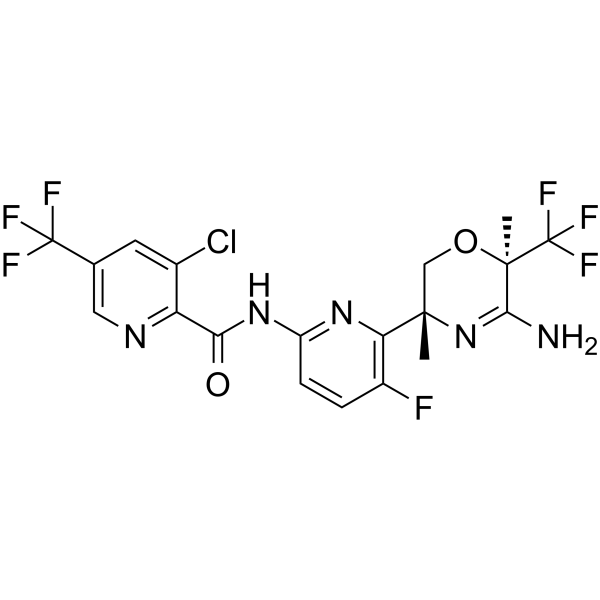
    BIIB042 is a potent, orally active, brain-penetrant, and selective γ-secretase modulator (GSM). BIIB042 reduces Aβ42 and increases Aβ38 levels in cells. BIIB042 significantly reduces brain Aβ42 levels in CF-1 mice and Fischer rats, as well as plasma Aβ42 levels in cynomolgus monkeys. BIIB042 reduces Aβ42 levels and Aβ plaque burden in Tg2576 mice. BIIB042 can be used for alzheimer's disease (AD) research .
    BIIB042
  • HY-179459

    Wnt LDLR Amyloid-β Neurological Disease
    SJ-300 is a potent and selective, orally active and brain-penetrat DKK3-LRP1 interaction inhibitor. SJ-300 restores Aβ clearance in AD models. SJ 300 binds to mLRPIV with a Kd of 7.9 μM, inhibits the DKK3 mLRPIV complex with an IC50 of 3.2 μM, and does not disrupt the binding of Aβ to LRP1. SJ 300 rescues cognitive function and ameliorates neuropathology (Aβ plaque reduction ≈ 73.3 %) in vivo. SJ 300 can be employed for research in Alzheimer’s disease .
    SJ-300
  • HY-W841438

    Amyloid-β Tau Protein Neurological Disease
    Lithium orotate is an orally active lithium supplement with reduced binding that can bypass amyloid sequestration in AD mice models. Lithium orotate can prevent Aβ plaque deposition and phospho-tau accumulation and reverse AD pathology, neuroinflammatory changes and memory loss in AD mice models and ageing wild-type mice. Lithium orotate can be used for the research of alcoholism and Alzheimer’s disease .
    Lithium orotate
  • HY-W611371A

    TRP Channel iGluR Neurological Disease
    FP802 dihydrochloride is an orally active potent TwinF interface inhibitor that disrupts and detoxifies the NMDAR/TRPM4 death complex. FP802 dihydrochloride exerts powerful neuroprotective effects in the 5xFAD mouse model of Alzheimer’s disease (AD) by preventing cognitive decline, preserving neuronal structural integrity, reducing amyloid-β plaque formation, and mitigating mitochondrial pathology . FP802 dihydrochloride stops loss of motor neurons, reduces serum neurofilament light chain (NfL) levels, improves motor performance, and extends life in a mouse model of amyotrophic lateral sclerosis (ALS) . FP802 dihydrochloride can be used for AD and ALS research .
    FP802 dihydrochloride
  • HY-178953

    NOD-like Receptor (NLR) Caspase Interleukin Related Inflammation/Immunology
    NLRP3-IN-84 (Compound 32) is a NLRP3 inflammasome inhibitor. NLRP3-IN-84 can interfere with the oligomerization process of NLRP3 by inhibiting the activity of NLRP3 ATPase (IC50 = 158.4 nM). NLRP3-IN-84 inhibits Caspase-1 (IC50 = 27.7 nM), IL-1β release (PBMC: IC50 = 19.5 nM; mPBMC: IC50 = 24.2 nM), and ASC plaque formation (IC50 = 131 nM). NLRP3-IN-84 has no inhibitory activity on NLRC4 and AIM2 inflammasomes. NLRP3-IN-84 exhibits significant in vivo anti-inflammatory effects in a mouse acute peritonitis model. NLRP3-IN-84 can be used for the study of NLRP3-related inflammatory diseases .
    NLRP3-IN-84
  • HY-W017540R

    Reference Standards ATP Synthase Cardiovascular Disease Neurological Disease Metabolic Disease Cancer
    Cyclocreatine, a creatine analogue, acts as a brain-penetrant and potent bioenergetic protective agent by providing high levels of ATP. Cyclocreatine can be phosphorylated and dephosphorylated by creatine kinases. Cyclocreatine suppresses creatine metabolism ameliorating the cognitive, autistic and epileptic phenotype in a mouse model of creatine transporter defciency. Cyclocreatine protects against ischemic injury and enhances cardiac recovery during early reperfusion in dogs and rats. Cyclocreatine decreases plaque-adjacent neuronal dystrophy in TREM2-deficient mice with amyloid-β pathology. Cyclocreatine is proming for research of ischemic heart disease, cardiovascular diseases, Alzheimer’s disease and other neurodegenerative diseases associated with microglial dysfunction, prostate cancer .
    Cyclocreatine (Standard)
  • HY-13769

    TPU260

    Drug Derivative Beta-secretase Amyloid-β Cardiovascular Disease Neurological Disease Inflammation/Immunology
    TPT-260 (TPU260), a thiophene thiourea derivative, is a retromer complex stabilizer against thermal denaturation (Kd = ~5 µM). TPT-260 increases the levels of retromer proteins, shifts amyloid-precursor protein (APP) away from the endosome, and decreases the pathogenic processing of APP. TPT-260 inhibits TLR4 upregulation, IKKβ phosphorylation, NF-κB p65 nuclear translocation, and NLRP3 inflammasome formation. TPT-260 improves retromer-mediated cargo trafficking, reduces brain infarct area, and decreases amyloid plaque deposition. TPT-260 exhibits minimal cytotoxicity to primary microglia at tested concentrations. TPT-260 can be used for the research of inflammatory bowel disease, ischemic stroke and Alzheimer's disease .
    TPT-260
  • HY-D1684

    Amyloid-β Neurological Disease
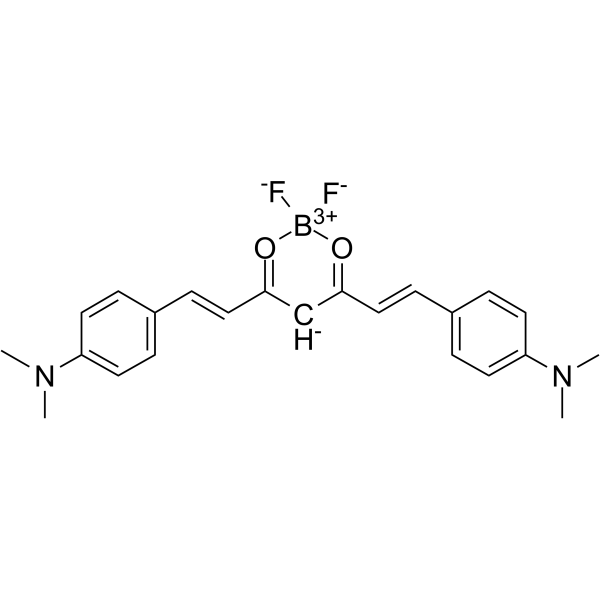
    DCDAPH (Compound 2c) is a novel smart NIRF probe for detection of β-amyloid (Aβ) plaquesexem=597/665 nm in PBS). DCDAPH shows high affinity for Aβ aggregates (Ki=37 nM, Kd=27 nM). DCDAPH shows good blood brain barrier permeation and can meet most of the requirements for the detection of Aβ plaques both in vitro and in vivo .
    DCDAPH
  • HY-112830

    Amyloid-β Neurological Disease
    BF-168, a candidate probe for PET, is found to specifically recognize both neuritic and diffuse plaques, with a Ki of 6.4 nM for Aβ1-42.
    BF-168
  • HY-P1567

    Amyloid-β Neurological Disease
    β-Amyloid (10-35), amide is composed of 26 aa (10-35 residues of the Aβ peptide) and is the primary component of the amyloid plaques of Alzheimer’s disease.
    β-Amyloid (10-35), amide
  • HY-D2268A

    Amyloid-β Fluorescent Dye Neurological Disease
    QM-FN-SO3 ammonium is a BBB-penetrable near-infrared (NIR) aggregation-induced emission (AIE)-active probe for Aβ plaques. QM-FN-SO3 ammonium can be used for in vivo detection of Aβ plaques. QM-FN-SO3 ammonium has ultra-high S/N ratio, binding affinity, and high-performance NIR emission .
    QM-FN-SO3 ammonium
  • HY-P1051A

    Amyloid β-Protein (12-28) TFA; Amyloid beta-Peptide (12-28) (human) TFA; β-Amyloid protein fragment(12-28) TFA

    Amyloid-β Neurological Disease
    β-Amyloid (12-28) (TFA) (Amyloid β-Protein (12-28) (TFA)) is a peptide fragment of β-amyloid protein (β1-42). β1-42, a 42 amino acid protein , is the major component of senile plaque cores. β-Amyloid (12-28) (TFA) shows aggregation properties. β-Amyloid (12-28) (TFA) has the potential for Alzheimer’s disease research .
    β-Amyloid (12-28) TFA
  • HY-P991654

    Amyloid-β Neurological Disease
    SAR228810 is a humanized IgG4 monoclonal antibody inhibitor targeting amyloid β (Aβ) with a KD? of ?0.43 ?nM for protofibrillar Aβ over monomeric Aβ. SAR228810 significantly inhibits the brain amyloid plaque formation and oligomer-induced synaptic dysfunction and neurite loss. SAR228810 has significant protection against Aβ-mediated neuritotoxicity. MINT1526A can be used for Alzheimer’s disease imaging and immunotherapy research .
    SAR228810

Inquiry Online

Your information is safe with us. * Required Fields.

Salutation


Country or Region *

Applicant Name *


Organization Name *

Department *


Email Address *


Product Name *

Cat. No.


Requested quantity *

Phone Number *


Remarks

Inquiry Online

Inquiry Information

Product Name:
Cat. No.:
Quantity:
MCE Japan Authorized Agent:

