1. Search Result
Search Result
Results for "

bitter

" in MedChemExpress (MCE) Product Catalog:

61

Inhibitors & Agonists

1

Screening Libraries

1

Biochemical Assay Reagents

4

Peptides

39

Natural
Products

2

Isotope-Labeled Compounds

Cat. No. Product Name Target Research Areas Chemical Structure
  • HY-100047

    Taste Receptor Others
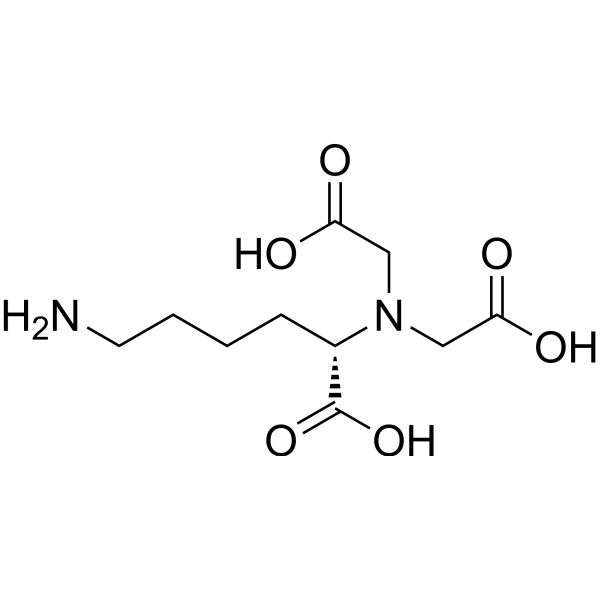
    Nα,Nα-Bis(carboxymethyl)-L-lysine is a competitive inhibitor of bitter taste receptor 4, with an IC50 of 59 nM. Nα,Nα-Bis(carboxymethyl)-L-lysine can be used in bitter receptors related study .
    Nα,Nα-Bis(carboxymethyl)-L-lysine
  • HY-123026

    Bacterial Infection
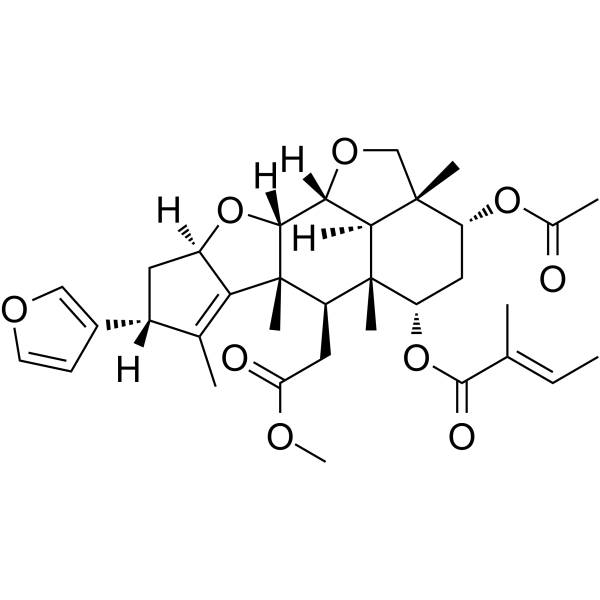
    Salannin, a limonoid bitter principle of the seed oil of Azadirachta indica, shows antiulcer and spermicidal activities. Salannin displays antibacterial activity towards both Gram-positive and Gram-negative bacteria .
    Salannin
  • HY-W007035
    H-Val-Ala-OH
    1 Publications Verification

    Valyl-alanine

    Endogenous Metabolite Amino Acid Derivatives Metabolic Disease
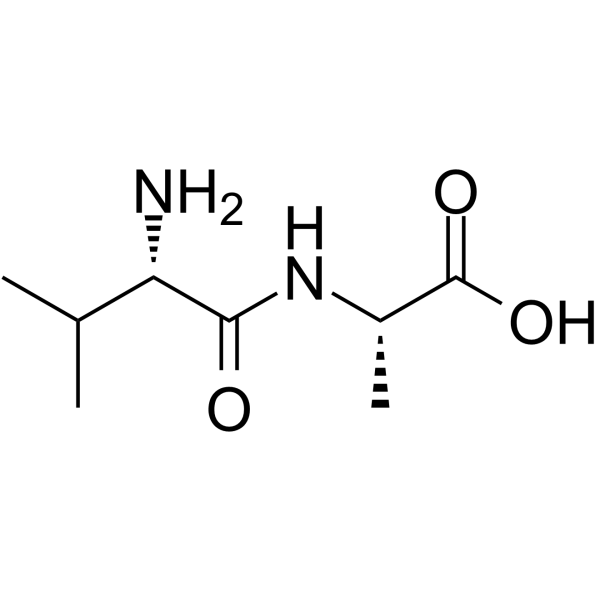
    H-Val-Ala-OH (Valyl-alanine) is a dipeptide formed from L-Valine and L-Alanine residues. H-Val-Ala-OH has a role as a metabolite and also has a bitter taste .
    H-Val-Ala-OH
  • HY-Y0585
    D-(-)-Mandelic acid
    1 Publications Verification

    Bacterial Infection Inflammation/Immunology
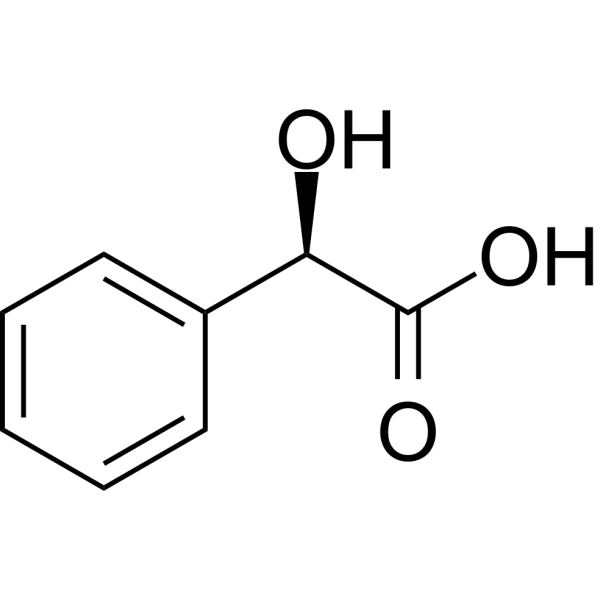
    D-(-)-Mandelic acid is an orally active alpha hydroxycarboxylic acid that can be isolated from bitter almonds and Indian chestnut trees. It has antioxidant and antibacterial properties and is expected to play an important role in the treatment of rheumatoid arthritis .
    D-(-)-Mandelic acid
  • HY-W010607

    (Z)-3-Hexen-1-ol

    Environmental Pollutants Neurological Disease
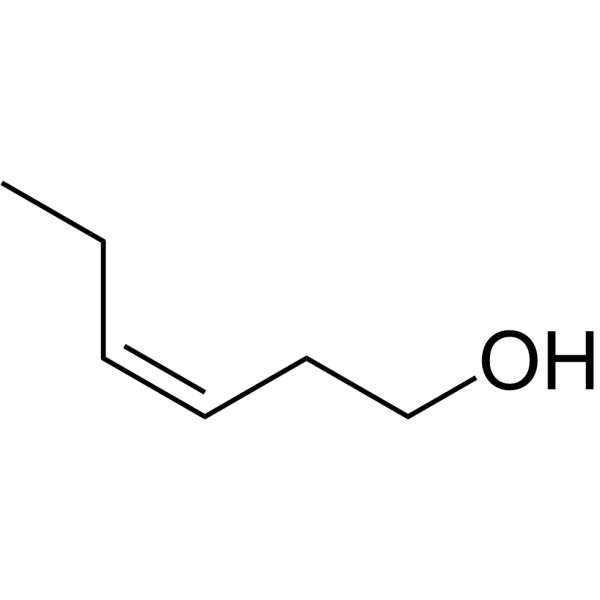
    cis-3-Hexen-1-ol ((Z)-3-Hexen-1-ol) is a green grassy smelling compound found in many fresh fruits and vegetables with bitter taste enhancement. cis-3-Hexen-1-ol is widely used as an added flavor in processed food to provide a fresh green quality. cis-3-Hexen-1-ol is an attractant to various insects .
    cis-3-Hexen-1-ol
  • HY-B1146
    Denatonium benzoate
    1 Publications Verification

    THS-839

    Environmental Pollutants Insecticide Inflammation/Immunology Endocrinology
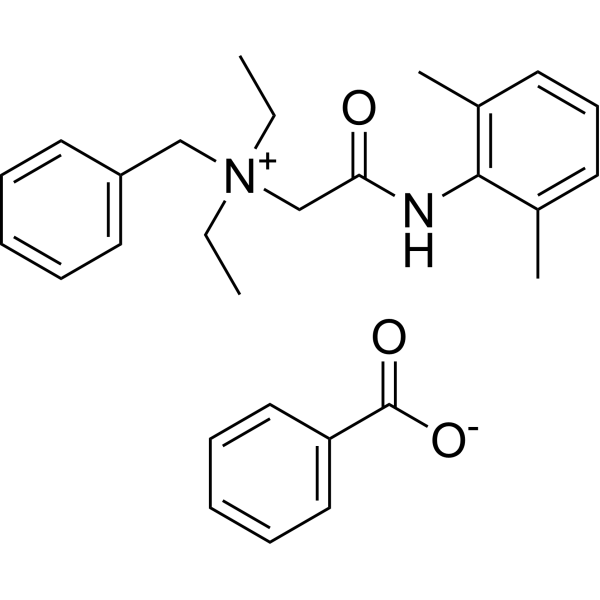
    Denatonium benzoate (THS-839) is known as the most bitter compound and is commonly used as a deterrent (bittering agent) to activate different types of bitter taste receptors (TAS2Rs) with oral activity. Denatonium benzoate can enhance insulin secretion, has anti-inflammatory effects, and promotes allergy susceptibility .
    Denatonium benzoate
  • HY-W004842

    Fungal Others
    Benzofuran-2-carboxaldehyde is a benzofuran derivative with a bitter almond odor. Benzofuran-2-carboxaldehyde exhibits high antifungal activity .
    Benzofuran-2-carboxaldehyde
  • HY-111664

    (+)-Citronellal

    Bacterial Fungal Insecticide Taste Receptor Opioid Receptor Infection Neurological Disease Inflammation/Immunology
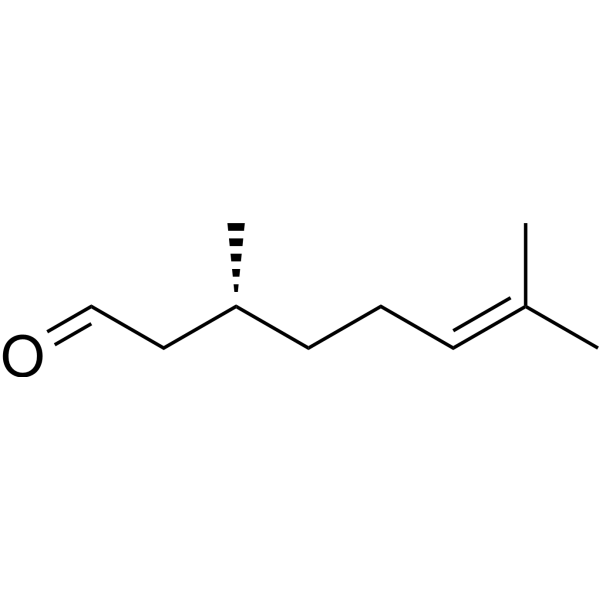
    (R)-(+)-Citronellal ((+)-Citronellal) is a monoterpenoid compound and is one of the main components of essential oils from plants such as lemon grass. (R)-(+)-Citronellal has antibacterial, antifungal, and insecticidal activities. (R)-(+)-Citronellal alleviates the bitterness of caffeine by antagonizing the bitter taste receptors Tas2r43 (IC50 = 84 μM) and Tas2R46. (R)-(+)-Citronellal generates analgesic activity by activating the opioid receptor (broad-spectrum opioid receptor) pathway, and its effect is particularly significant for inflammatory pain .
    (R)-(+)-Citronellal
  • HY-N8290

    Lactucopicrin

    LOX-1 NF-κB Cholinesterase (ChE) Parasite Infection Cardiovascular Disease Neurological Disease Inflammation/Immunology
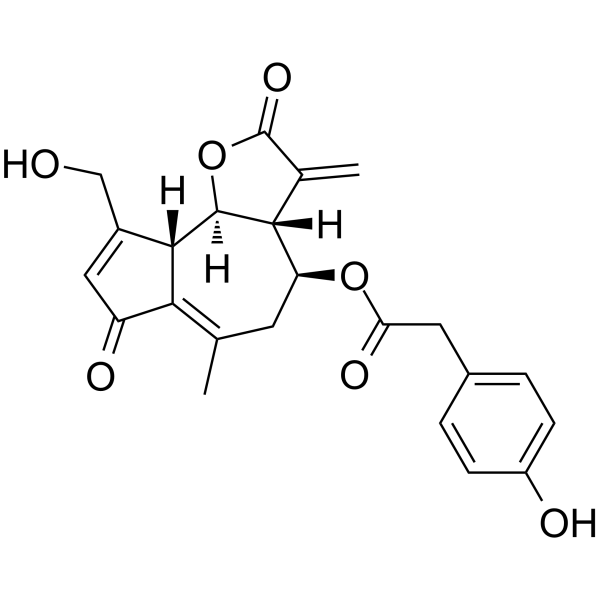
    Lactupicrin (Lactucopicrin) exhibits analgesic, sedative, antimalarial activities and atheroprotective effect. Lactupicrin inhibits acetylcholinesterase (AChE) with an IC50 of 150.3 μM. Lactupicrin is an orally active characteristic bitter sesquiterpene lactone .
    Lactupicrin
  • HY-W009141

    Glyceryl palmitate

    P-glycoprotein IAP PI3K Akt Caspase Apoptosis Cancer
    1-Monopalmitin (Glyceryl palmitate) is an activator of the PI3K/Akt pathway and an inhibitor of P-glycoprotein (P-gp). 1-Monopalmitin can induce G2/M arrest and caspase-dependent apoptosis in cancer cells, while inhibiting IAPs protein expression. 1-Monopalmitin can increase drug accumulation by inhibiting P-gp activity in intestinal Caco-2 cells. 1-Monopalmitin has the ability to induce protective autophagy and apoptosis of lung cancer cells (IC50=50-58 μg/mL), with low toxicity to normal cells .
    1-Monopalmitin
  • HY-124257

    D-Citronellol; (R)-(+)-β-Citronellol

    Endogenous Metabolite Inflammation/Immunology
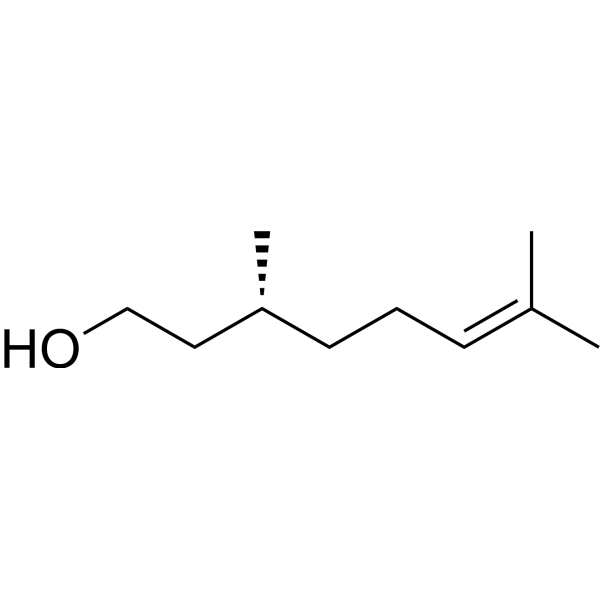
    (R)-Citronellol (D-Citronellol) is an alcoholic monoterpene found in geranium essential oil. (R)-Citronellol inhibits degranulation of mast cells and does not affect caffeine bitterness perception. (R)-Citronellol can be used in decorative cosmetics, toiletries as well as in non-cosmetic products .
    (R)-Citronellol
  • HY-129847

    Amino Acid Derivatives Others
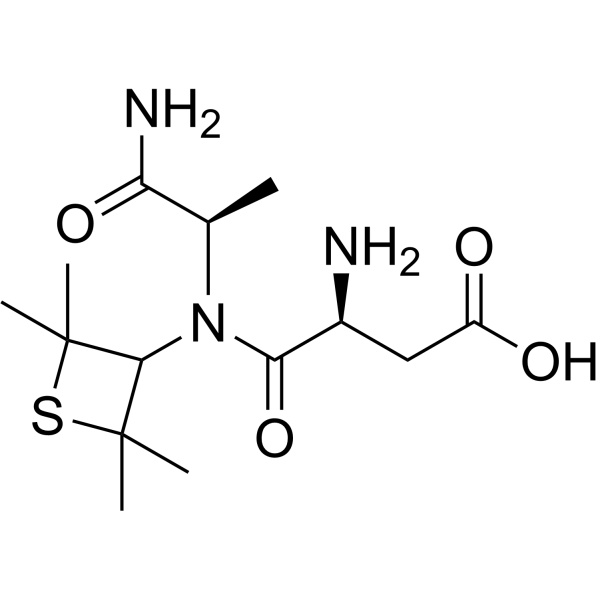
    Alitame is a nonnutritive high-intensity sweetener, 2000 times sweeter than sucrose with no bitter or metallic aftertaste. Alitame is composed of L-aspartic acid, D-alanine, and a C-terminal amide moiety .
    Alitame
  • HY-N0917
    6''-O-Malonylgenistin
    1 Publications Verification

    Malonylgenistin; Genistin malonate

    Drug Metabolite Taste Receptor Others
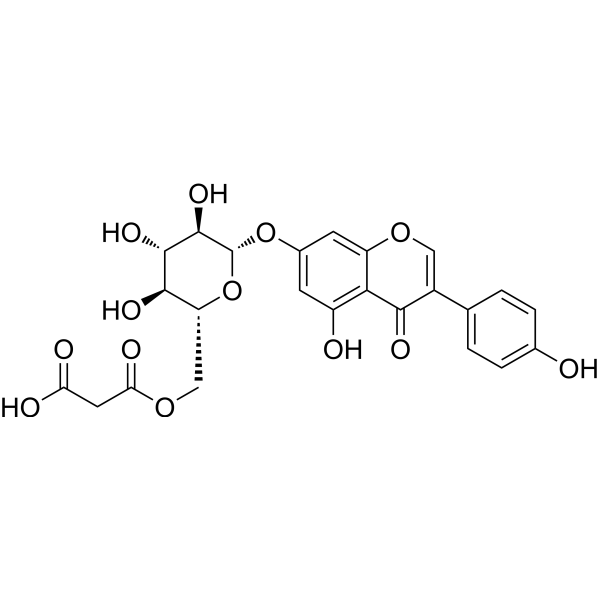
    6''-O-Malonylgenistin (Malonylgenistin) is a glycosylated isoflavone and metabolite of Genistin (HY-N0595). 6''-O-Malonylgenistin activates hTAS2R39. 6''-O-Malonylgenistin can be used in the research of bitter taste .
    6''-O-Malonylgenistin
  • HY-P4648

    Trp-Trp-Trp

    Bacterial Infection
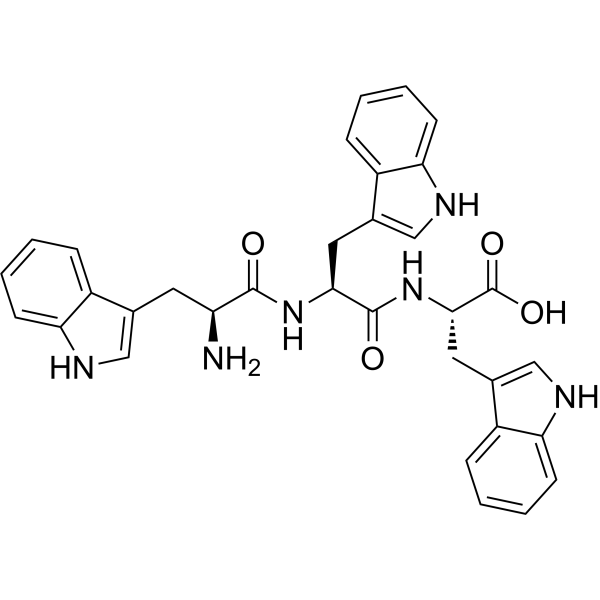
    H-Trp-Trp-Trp-OH (Trp-Trp-Trp) is a tripeptide consisting of tryptophan. H-Trp-Trp-Trp-OH has antibacterial activity. H-Trp-Trp-Trp-OH is a human bitter taste receptor hTAS2R14 agonist .
    H-Trp-Trp-Trp-OH
  • HY-153265

    Taste Receptor Inflammation/Immunology
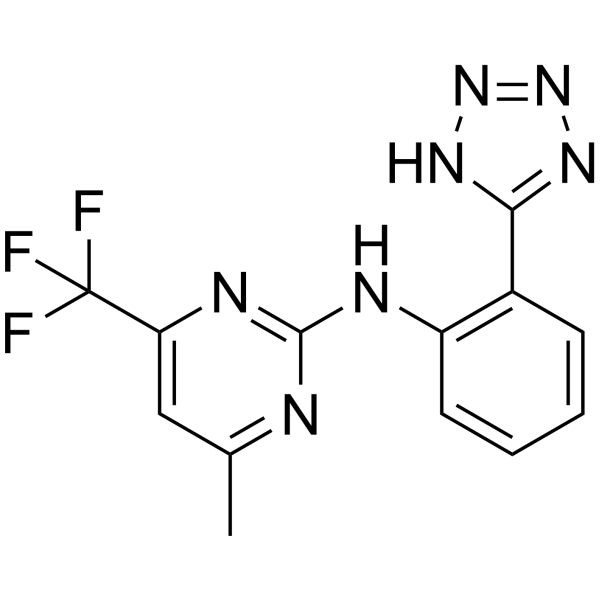
    TAS2R14 agonist-2 (compound 28.1) is a potent and selective TAS2R14 agonist with an EC50 value of 72 nM. TAS2R14 agonist-2 reveals marked selectivity over a panel of 24 non-bitter taste human G protein-coupled receptors. TAS2R14 agonist-2 can be used for the studies of asthma or chronic obstructive pulmonary disease .
    TAS2R14 agonist-2
  • HY-N6992

    Taste Receptor Inflammation/Immunology
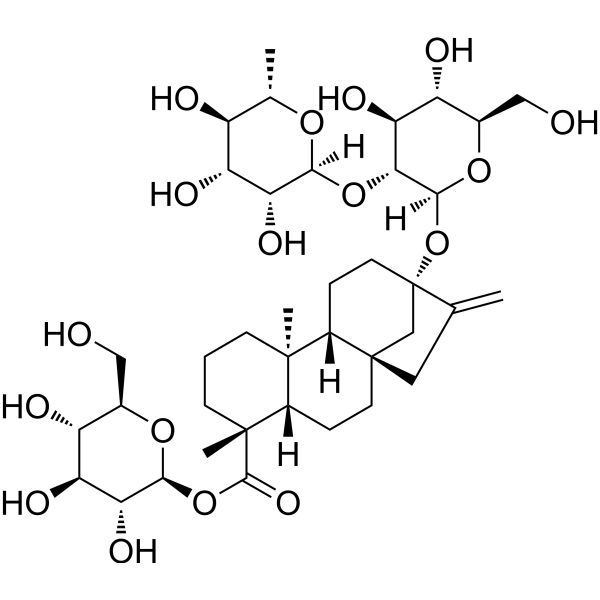
    Dulcoside A is a glycoside that can be isolated from Stevia rebaudiana that elicits sweet and bitter taste through activation of TAS1R. Dulcoside A also exhibits anti-inflammatory activity .
    Dulcoside A
  • HY-N8210

    Drug Metabolite Autophagy Apoptosis Reactive Oxygen Species (ROS) Keap1-Nrf2 MMP Caspase PARP MDM-2/p53 Neurological Disease Inflammation/Immunology Cancer
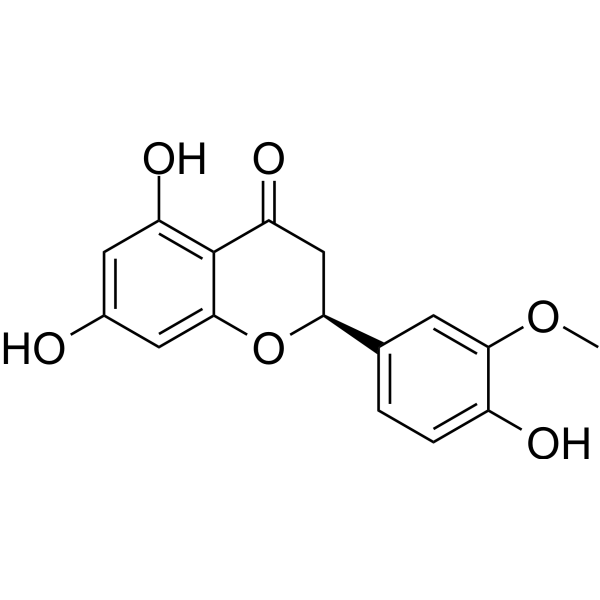
    Homoeriodictyol is an orally active, bitter-tasting flavanone that can penetrate the blood-brain barrier. Homoeriodictyol enhances synaptic-related protein expression through NCOA4-mediated ferritin autophagy. Homoeriodictyol improves memory impairment in mice by inhibiting the NLRP3 inflammasome. Homoeriodictyol protects human endothelial cells from oxidative damage by activating Nrf2 and inhibiting mitochondrial dysfunction. Homoeriodictyol enhances ROS activity and induces apoptosis, exhibiting anticancer effects. Homoeriodictyol inhibits the survival and migration of androgen-resistant prostate cancer cells in vitro. Homoeriodictyol exerts antinociceptive activity in mice in vivo .
    Homoeriodictyol
  • HY-121376

    Others Inflammation/Immunology
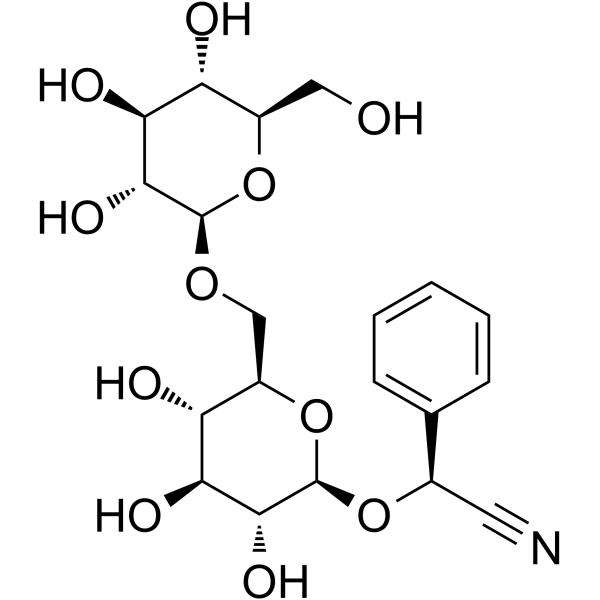
    Neoamygdalin is a compound identified in the different processed bitter almonds. Neoamygdalin has the potential for the research of cough and asthma .
    Neoamygdalin
  • HY-119309

    Environmental Pollutants Biochemical Assay Reagents Others
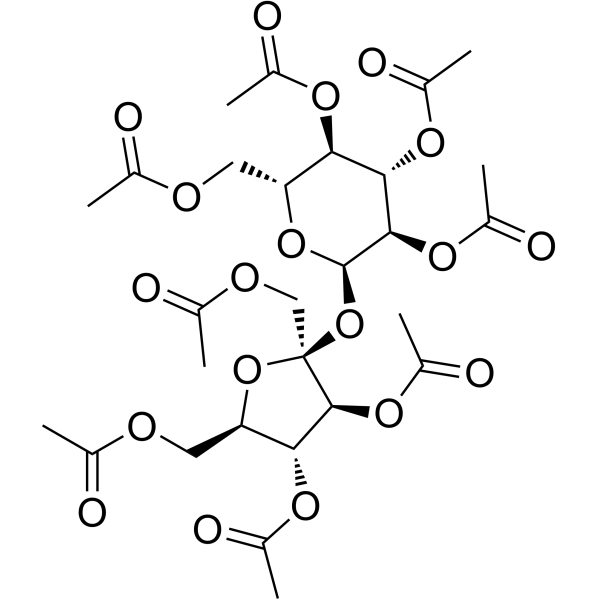
    Sucrose octaacetate is an acetylated derivative of sucrose with an intensely bitter tasting and can be used as bitter tasting surrogate. Sucrose octaacetate can be used as food additive and also used as an adhesive and plasticizer. Sucrose octaacetate also used in many pesticides, insecticides, and other toxic products as a deterrent to accidental poisoning. Sucrose octaacetate can also be used as an in situ seed and a soft template to synthesize polyaniline (PANI) nanofibers .
    Sucrose octaacetate
  • HY-N0742

    Others Others
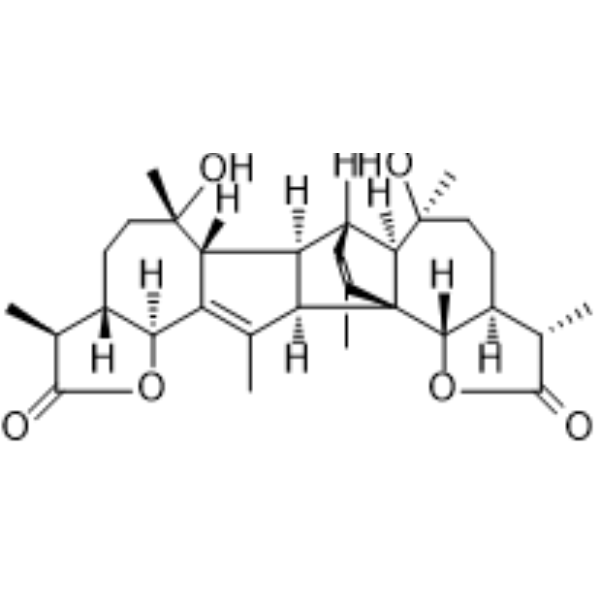
    Absinthin is a structurally unique triterpene, and is responsible for the high bitter value of wormwood. Absinthin is an agonist of the bitter taste receptor hTAS2R46, which reduces cytosolic Ca 2+-rises induced by histamine by a receptor-specific mechanism mediated by hTAS2R46 .
    Absinthin
  • HY-B1390A

    Environmental Pollutants Bacterial Infection
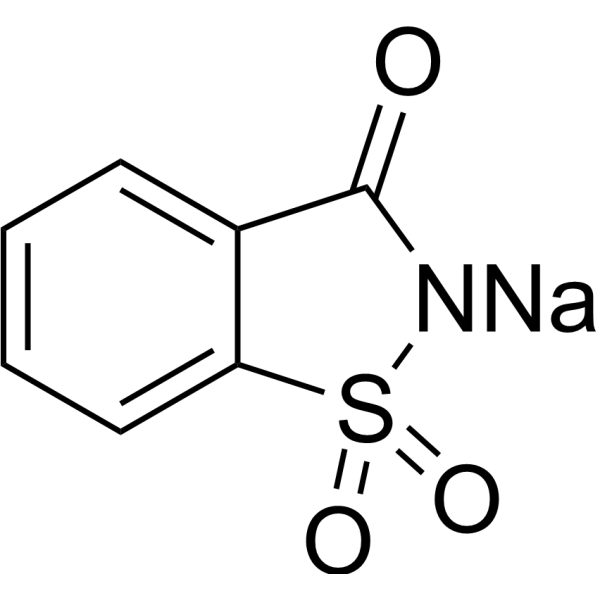
    Saccharin sodium is an orally active, non-caloric artificial sweetener (NAS). Saccharin sodium has bacteriostatic and microbiome-modulating properties. Saccharin binds to and signals via specific taste receptors, not only in the oral cavity but also alongside the gastrointestinal tract. Saccharin has been reported to bind the human and rodent heteromeric guanine nucleotide-binding protein (G protein) coupled sweet taste receptors T1R2/T2R3 as well as the human bitter taste receptor T2R43 and T2R44. Saccharin can inhibit bacterial growth in vitro .
    Saccharin sodium
  • HY-N8852

    6-MeOF

    GABA Receptor Taste Receptor Neurological Disease Metabolic Disease
    6-Methoxyflavanone (6-MeOF) is a flavonoid compound that can cross the blood-brain barrier. 6-Methoxyflavanone is a positive allosteric modulator of GABAA receptors. 6-Methoxyflavanone exhibits positive allosteric regulatory effects on human recombinant α1β2γ2L and α2β2γ2L GABAA receptors, and is relatively inactive on the α1β2 GABAA receptor. 6-Methoxyflavanone showes inhibitory behavior towards the activation of bitter receptor hTAS2R39 and hTAS2R14, demonstrating a reversible and non-overcome antagonistic effect. 6-Methoxyflavanone has the effects of anti-anxiety, analgesia and relief of neuropathic pain .
    6-Methoxyflavanone
  • HY-P2092

    Cyclo(Leu-Trp)

    Bacterial Fungal Melatonin Receptor Infection Neurological Disease
    Cyclo(L-leucyl-L-tryptophyl) (Cyclo(-Leu-Trp)) is a cyclic dipeptide that inhibits a various of bacteria and fungi. Cyclo(L-leucyl-L-tryptophyl) is a melatonin receptor agonist and is also used as a bitter ligand .
    Cyclo(L-leucyl-L-tryptophyl)
  • HY-139898

    Taste Receptor Others
    S7958 is a selective and orally active antagonist of the TAS2R8 bitter taste receptor, with its IC50 being 0.06 μM. S7958 only has a weak inhibitory effect on TASR8 and TAS2R39, and has no significant impact on other receptors. S7958 significantly inhibits the perception of bitterness caused by substances such as coffee and drug active ingredients (API) by selectively antagonizing the human bitter taste receptor TAS2R8. S7958 can be used in the medical field to improve the research on the bitterness of oral preparations .
    S7958
  • HY-124956

    Taste Receptor Others
    GIV3727 is a bitter taste receptor hTAS2R antagonist, which can inhibit the activation of hTAS2R31 by saccharin and acesulfame potassium, and can effectively reduce the bitter quality of food, beverage and medicine .
    GIV3727
  • HY-N3944

    6β-Acetoxy-5-epilimonin

    Others Others
    Glaucin B is a bitter limonoid isolated from the root bark of Evodia glauca .
    Glaucin B
  • HY-W007035R

    Valyl-alanine (Standard)

    Reference Standards Endogenous Metabolite Amino Acid Derivatives Metabolic Disease
    H-Val-Ala-OH (Valyl-alanine) is a dipeptide formed from L-Valine and L-Alanine residues. H-Val-Ala-OH has a role as a metabolite and also has a bitter taste .
    H-Val-Ala-OH (Standard)
  • HY-136429

    Optochin

    Bacterial Parasite Infection
    Ethylhydrocupreine (Optochin) is a quinine derivate with antimicrobial activity against S. pneumoniae. Ethylhydrocupreine also possesses antimalarial activity against Plasmodium falciparum, with an IC50 of 25.75 nM. Ethylhydrocupreine is a Gallus gallus taste 2 receptors (ggTas2r1, ggTas2r2 and ggTas2r7) agonist .
    Ethylhydrocupreine
  • HY-153264

    Taste Receptor Others
    TAS2R14 agonist is a potent TAS2R14 partial agonist with an EC50 of 116.6 ±23.6 nM .
    TAS2R14 agonist-1
  • HY-W724355

    THS-839-d5

    Isotope-Labeled Compounds Taste Receptor Metabolic Disease Inflammation/Immunology
    Denatonium benzoate-d5 (THS-839-d5) is the deuterium labeled Denatonium benzoate (HY-B1146). Denatonium benzoate (THS-839) is known as the most bitter compound and is commonly used as a deterrent (bittering agent) to activate different types of bitter taste receptors (TAS2Rs) with oral activity. Denatonium benzoate can enhance insulin secretion, has anti-inflammatory effects, and promotes allergy susceptibility .
    Denatonium benzoate-d5
  • HY-B1146R

    THS-839 (Standard)

    Insecticide Reference Standards Others
    Denatonium (benzoate) (Standard) is the analytical standard of Denatonium (benzoate). This product is intended for research and analytical applications. Denatonium benzoate (THS-839) is the most bitter compound known, commonly used as an aversion agent (bitter agent) to prevent inappropriate ingestion, used in denatured alcohol, antifreeze, nail biting prevention, respirator mask fit testing , animal repellents, liquid soaps and shampoos.
    Denatonium benzoate (Standard)
  • HY-N15404

    Parasite Infection
    Glaucarubin is a bitter lactone found in Simaruba glauca. Glaucarubin can be used as an amœbicide for amebiasis research. Glaucarubin is well tolerated, with LD50s of 1,600 mg/kg for mice and 6,400 mg/kg for rats .
    Glaucarubin
  • HY-N6992R

    Reference Standards Taste Receptor Inflammation/Immunology
    Dulcoside A (Standard) is the analytical standard of Dulcoside A. This product is intended for research and analytical applications. Dulcoside A is a glycoside that can be isolated from Stevia rebaudiana that elicits sweet and bitter taste through activation of TAS1R. Dulcoside A also exhibits anti-inflammatory activity .
    Dulcoside A (Standard)
  • HY-N8290R

    Lactucopicrin (Standard)

    Autophagy NF-κB AMPK Reference Standards Neurological Disease Metabolic Disease
    Lactupicrin (Standard) is the analytical standard of Lactupicrin. This product is intended for research and analytical applications. Lactupicrin (Lactucopicrin) exhibits analgesic, sedative, antimalarial activities and atheroprotective effect. Lactupicrin inhibits acetylcholinesterase (AChE) with an IC50 of 150.3 μM. Lactupicrin is an orally active characteristic bitter sesquiterpene lactone .
    Lactupicrin (Standard)
  • HY-B1390AR

    Bacterial Reference Standards Infection
    Saccharin (sodium) (Standard) is the analytical standard of Saccharin (sodium). This product is intended for research and analytical applications. Saccharin sodium is an orally active, non-caloric artificial sweetener (NAS). Saccharin sodium has bacteriostatic and microbiome-modulating properties. Saccharin binds to and signals via specific taste receptors, not only in the oral cavity but also alongside the gastrointestinal tract. Saccharin has been reported to bind the human and rodent heteromeric guanine nucleotide-binding protein (G protein) coupled sweet taste receptors T1R2/T2R3 as well as the human bitter taste receptor T2R43 and T2R44. Saccharin can inhibit bacterial growth in vitro .
    Saccharin sodium (Standard)
  • HY-121691

    Others Others
    Sugereoside is a bitter diterpene glucoside. Sugereoside can be isolated from leaves of Ilex sugerokii var .
    Sugereoside
  • HY-N12718

    Others Others
    Campneoside I is a bitter phenyl propanoid glycoside. Campneoside I can be isolated from the roots of Incarvillea compacta .
    Campneoside I
  • HY-119309R

    Biochemical Assay Reagents Reference Standards Others
    Sucrose octaacetate (Standard) is the analytical standard of Sucrose octaacetate. This product is intended for research and analytical applications. Sucrose octaacetate is an acetylated derivative of sucrose with an intensely bitter tasting and can be used as bitter tasting surrogate. Sucrose octaacetate can be used as food additive and also used as an adhesive and plasticizer. Sucrose octaacetate also used in many pesticides, insecticides, and other toxic products as a deterrent to accidental poisoning. Sucrose octaacetate can also be used as an in situ seed and a soft template to synthesize polyaniline (PANI) nanofibers .
    Sucrose octaacetate (Standard)
  • HY-N13100

    Others Others
    Colocynthin is a cucurbitane triterpenoid glycoside that can be isolated from the bitter apple (Citrullus colocynthis) .
    Colocynthin
  • HY-N10867

    Others Others
    β-Acids colupulone is the bitter substance. β-Acids colupulone can be isolated from hops .
    β-Acids colupulone
  • HY-111070

    Drug Derivative Cancer
    Karavilagenin D, a cucurbitane-type triterpene isolated from Japanese bitter melon leaves, is a potential tumor-promoting inhibitor .
    Karavilagenin D
  • HY-N13100R

    Others Reference Standards Others
    Colocynthin (Standard) is the analytical standard of Colocynthin. This product is intended for research and analytical applications. Colocynthin is a cucurbitane triterpenoid glycoside that can be isolated from the bitter apple (Citrullus colocynthis) .
    Colocynthin (Standard)
  • HY-W009141R

    Glyceryl palmitate (Standard)

    Reference Standards Apoptosis P-glycoprotein PI3K IAP Caspase Akt Cancer
    1-Monopalmitin (Glyceryl palmitate) (Standard) is the analytical standard of 1-Monopalmitin (HY-W009141). This product is intended for research and analytical applications. 1-Monopalmitin (Glyceryl palmitate) is an activator of the PI3K/Akt pathway and an inhibitor of P-glycoprotein (P-gp). 1-Monopalmitin can induce G2/M arrest and caspase-dependent apoptosis in cancer cells, while inhibiting IAPs protein expression. 1-Monopalmitin can increase drug accumulation by inhibiting P-gp activity in intestinal Caco-2 cells. 1-Monopalmitin has the ability to induce protective autophagy and apoptosis of lung cancer cells (IC50=50-58 μg/mL), with low toxicity to normal cells .
    1-Monopalmitin (Standard)
  • HY-N11975

    Others Others
    Glycyrrhizin-6′,6′′-dimethylester (compound 23) is a licorice saponin isolated from licorice root. Glycyrrhizin-6′,6′′-dimethylester can participate as an aglycone in the generation of methyl glucuronate, producing similar threshold sweetness, licorice, and bitterness .
    Glycyrrhizin-6′,6′′-dimethylester
  • HY-W127447

    Maleic acid sodium

    Biochemical Assay Reagents Others
    Maleate trihydrate sodiumIt is an organic compound belonging to the salt class. It is formed from the neutralization reaction between maleic acid and sodium hydroxide and has a slightly bitter taste. Maleate trihydrate sodiumIt has a variety of applications in industrial settings, especially as an intermediate in the synthesis of various chemicals and polymers. Additionally, it is used in the food and beverage industry as a buffer, flavor enhancer and preservative.
    Maleate trihydrate sodium
  • HY-Y0585R

    Reference Standards Bacterial Infection Inflammation/Immunology
    D-(-)-Mandelic acid (Standard) is the analytical standard of D-(-)-Mandelic acid. This product is intended for research and analytical applications. D-(-)-Mandelic acid is an orally active alpha hydroxycarboxylic acid that can be isolated from bitter almonds and Indian chestnut trees. It has antioxidant and antibacterial properties and is expected to play an important role in the treatment of rheumatoid arthritis .
    D-(-)-Mandelic acid (Standard)
  • HY-N1516A

    Apoptosis Cancer
    (Z)-Ganoderenic acid D is the z-isomer of Ganoderenic acid D (HY-N1516). (Z)-Ganoderenic acid D is the triterpene that can be isolated from Ganoderma, and contributes to the bitter taste of the basidiocarps and extracts of Ganoderma species. Ganoderenic acid D inhibits the proliferation of cancer cells by inducing cell cycle arrest and apoptosis .
    (Z)-Ganoderenic acid D
  • HY-136352

    Taste Receptor Others
    Adenosine 5'-succinate is a chemically AMP-related compound and potently inhibits Denatonium benzoate/taste receptor activation of transducin .
    Adenosine 5'-succinate
  • HY-N11976

    Others Others
    Glycyrrhizin-6′′-methylester (compound 22) is a glycyrrhizin that can be isolated from licorice root. Glycyrrhizin-6′′-methylester can participate as an aglycone in the formation of methyl glucuronate, producing a sweet and licorice taste, but no bitterness. This reveals the importance of the free carboxyl group on the glycoside cone-bound glucuronic acid for natural sweetness and licorice taste .
    Glycyrrhizin-6′′-methylester
  • HY-W007035S

    Valyl-alanine-13C5,15N TFA

    Isotope-Labeled Compounds Endogenous Metabolite Amino Acid Derivatives Metabolic Disease
    H-Val-Ala-OH- 13C5, 15N (Valyl-alanine- 13C5, 15N) TFA is the 13C- and 15N-labeled H-Val-Ala-OH (HY-W007035). H-Val-Ala-OH (Valyl-alanine) is a dipeptide formed from L-Valine and L-Alanine residues. H-Val-Ala-OH has a role as a metabolite and also has a bitter taste .
    H-Val-Ala-OH-13C5,15N TFA

Inquiry Online

Your information is safe with us. * Required Fields.

Salutation


Country or Region *

Applicant Name *


Organization Name *

Department *


Email Address *


Product Name *

Cat. No.


Requested quantity *

Phone Number *


Remarks

Inquiry Online

Inquiry Information

Product Name:
Cat. No.:
Quantity:
MCE Japan Authorized Agent:

