

1539 Results for "

carbon-halogen terminals

" in MedChemExpress (MCE) Product Catalog:
Products (1539)

1539 Results for "carbon-halogen terminals" in MCE Product Catalog:

270
270 Publications Verification
Cat. No.: HY-P0175
CAS No.: 1236188-16-1
Synonyms: 740YPDGFR; PDGFR 740Y-P
Target:  

PI3K Autophagy

Research Areas:  

Cancer

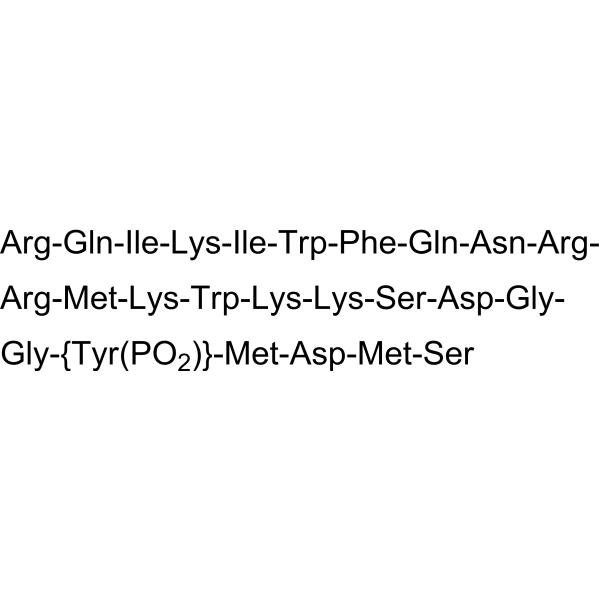
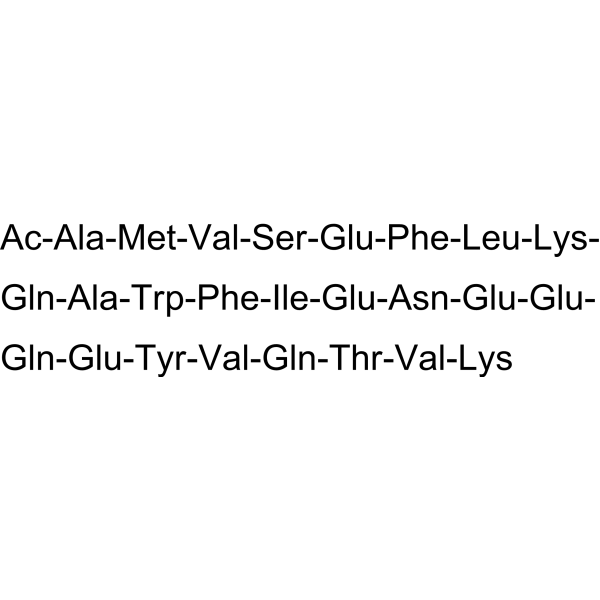
740 Y-P (740YPDGFR; PDGFR 740Y-P) is a potent and cell-permeable PI3K activator. 740 Y-P readily binds GST fusion proteins containing both the N- and C- terminal SH2 domains of p85 but fails to bind GST alone .
loading...
    loading...
211
211 Cited Publications
Cat. No.: HY-16658
CAS No.: 187389-52-2
Synonyms: Z-Val-Ala-Asp(OMe)-FMK
Target:  

Caspase

Research Areas:  

Cancer

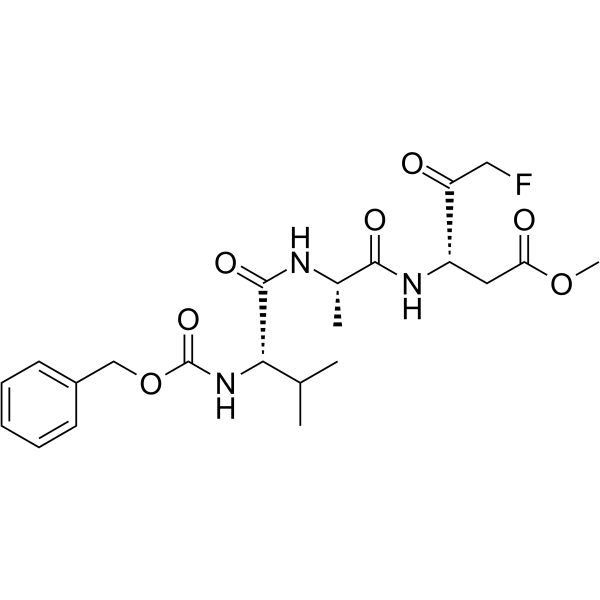
Z-VAD(OMe)-FMK (Z-Val-Ala-Asp(OMe)-FMK) is a cell-permeable and irreversible pan-caspase inhibitor . Z-VAD(OMe)-FMK is an ubiquitin carboxy-terminal hydrolase L1 (UCHL1) inhibitor. Z-VAD(OMe)-FMK irreversibly modifies UCHL1 by targeting the active site of UCHL1 .
loading...
    loading...
51
51 Cited Publications
Cat. No.: HY-N2332A
CAS No.: 351344-10-0
Synonyms: MLA citrate
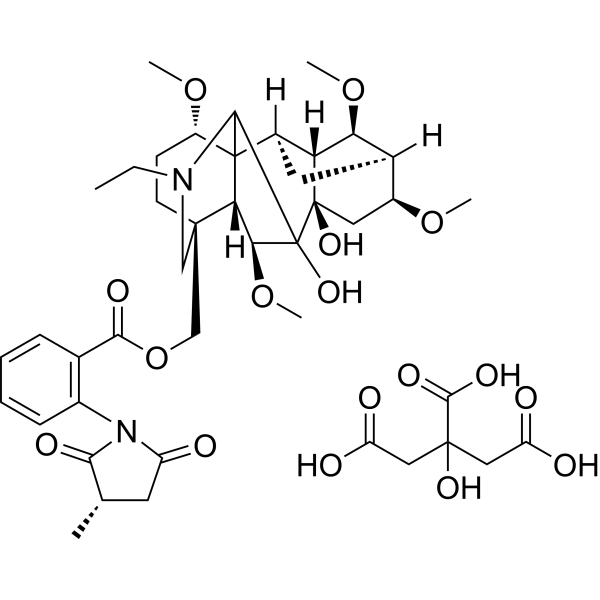
Methyllycaconitine (MLA) citrate is a blood-brain barrier-permeable antagonist of α7 nicotinic acetylcholine receptor (α7nAChR) with an IC50 of 2 nM. Methyllycaconitine citrate inhibits Aβ25-35-induced autophagy by restoring the mTOR pathway, and prevents reactive oxygen species (ROS) production, microglial activation, reduced dopamine uptake, loss of dopaminergic terminals and catecholamine secretion. Methyllycaconitine citrate induces hippocampal glutamate efflux, enhances long-term potentiation, and improves memory acquisition. Methyllycaconitine citrate can be used in research related to Alzheimer's disease, cerebral palsy, Parkinson's disease and schizophrenia .
loading...
    loading...
35
35 Cited Publications
Cat. No.: HY-115604
CAS No.: 1419320-73-2
Purity:  98.42%
Target:  

Apoptosis

Research Areas:  

Cancer

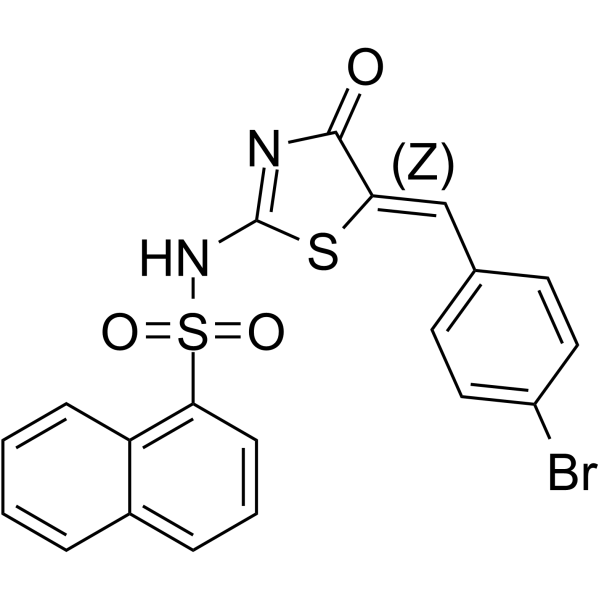
Pitstop 2 is a clathrin inhibitor which inhibits clathrin-mediated endocytosis (CME) by associating with the terminal domain of clathrin. Pitstop 2 has the potential for anti-cancer research .
loading...
    loading...
27
27 Cited Publications
Cat. No.: HY-10587
CAS No.: 935693-62-2
Purity:  98.44%
Research Areas:  

Cancer

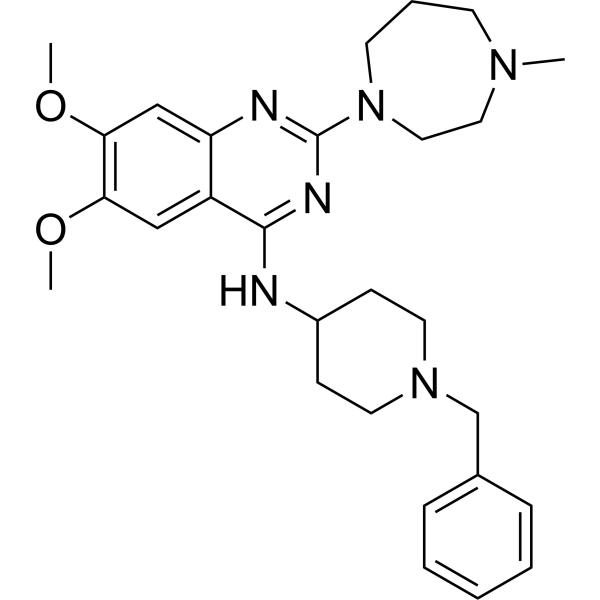
BIX-01294 is a reversible and highly selective G9a and GLP Histone Methyltransferase inhibitor, with IC50s of of 1.7 μM and 0.9 μM, respectively. BIX-01294 inhibits G9a/GLP by competing for binding with the amino acids N-terminal of the substrate lysine residue. BIX-01294, a (1H-1,4-diazepin-1-yl)-quinazolin-4-yl amine derivative, induces necroptosis and autophagy. BIX-01294 has antitumor activity in recurrent tumor cells .
loading...
    loading...
27
27 Cited Publications
Cat. No.: HY-108239
CAS No.: 1392399-03-9
Research Areas:  

Cancer

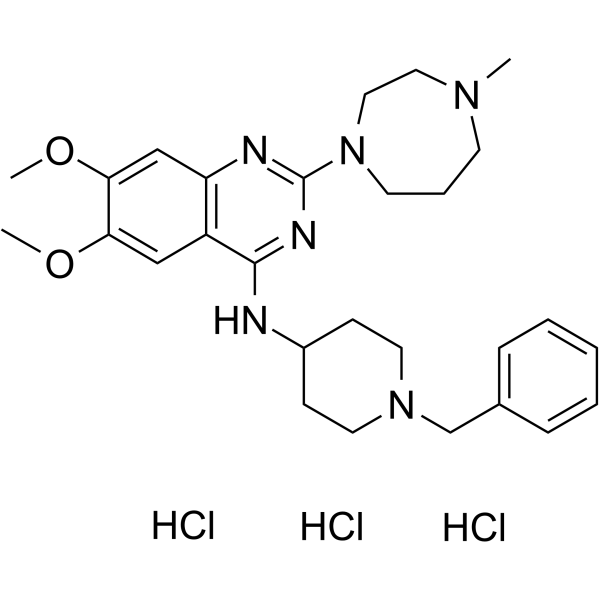
BIX-01294 trihydrochloride is a reversible and highly selective G9a and GLP Histone Methyltransferase inhibitor, with IC50s of of 1.7 μM and 0.9 μM, respectively. BIX-01294 trihydrochloride inhibits G9a/GLP by competing for binding with the amino acids N-terminal of the substrate lysine residue. BIX-01294 trihydrochloride, a (1H-1,4-diazepin-1-yl)-quinazolin-4-yl amine derivative, induces necroptosis and autophagy. BIX-01294 trihydrochloride has antitumor activity in recurrent tumor cells .
loading...
    loading...
21
21 Cited Publications
Cat. No.: HY-18637
CAS No.: 668467-91-2
Research Areas:  

Neurological Disease

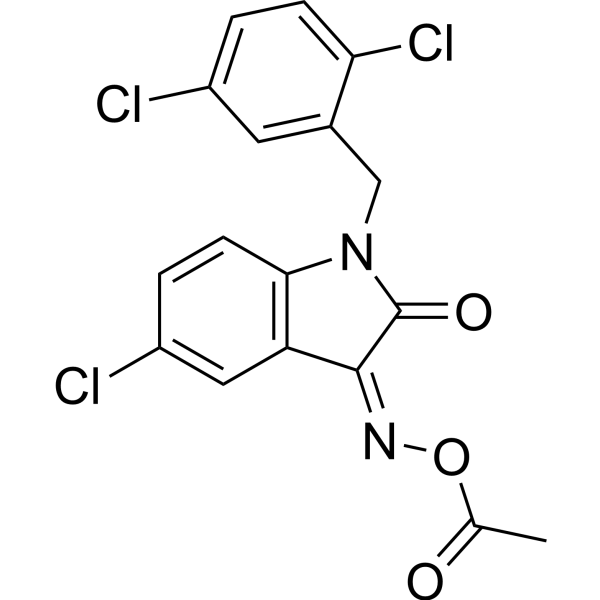
LDN-57444 is a reversible, competitive and site-directed inhibitor of ubiquitin C-terminal hydrolase L1 (UCH-L1), with an IC50 of 0.88 μM and a Ki of 0.40 μM; LDN-57444 also suppresses UCH-L3 activity, with an IC50 of 25 μM.
loading...
    loading...
11
11 Cited Publications
Cat. No.: HY-129832
CAS No.: 908007-17-0
Purity:  99.92%
Synonyms: N-(3-Azidopropyl)biotinamide
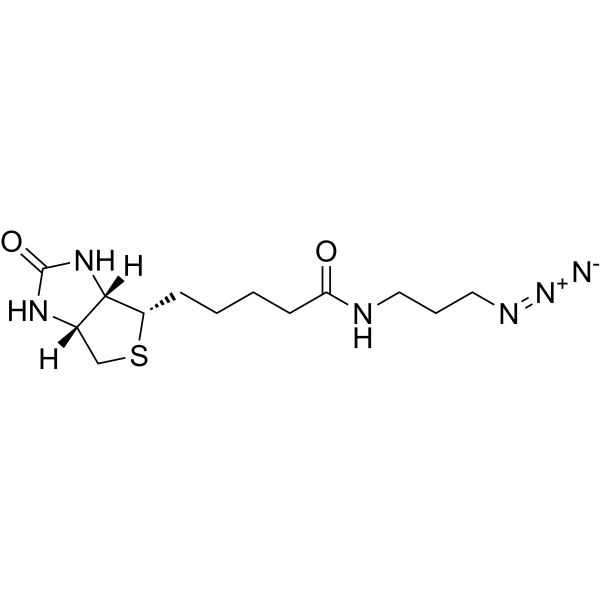
Biotin-azide (N-(3-Azidopropyl)biotinamide) is a form of biotin with a terminal azide group. Biotin-azide can be used to prepare various biotinylated conjugates via Click Chemistry . Biotin-azide is a click chemistry reagent, it contains an Azide group and can undergo copper-catalyzed azide-alkyne cycloaddition reaction (CuAAc) with molecules containing Alkyne groups. It can also undergo strain-promoted alkyne-azide cycloaddition (SPAAC) reactions with molecules containing DBCO or BCN groups.
loading...
    loading...
10
10 Cited Publications
Cat. No.: HY-18975
CAS No.: 1714146-59-4
Research Areas:  

Inflammation/Immunology Cancer

I-BRD9 is a selective cellular chemical probe of bromodomain-containing protein 9 (BRD9) with pIC50 value of 7.3 μM. I-BRD9 has high selectivity for bromodomain and extra terminal domain (BET) family and highly homologous bromodomain-containing protein 7 (BRD7). I-BRD9 can be used to identify genes regulated by BRD9 in Kasumi-1 cells involved in oncology and immune response pathways .
loading...
    loading...
9
9 Cited Publications
Cat. No.: HY-11010
CAS No.: 345987-15-7
Purity:  98.19%
Target:  

JNK

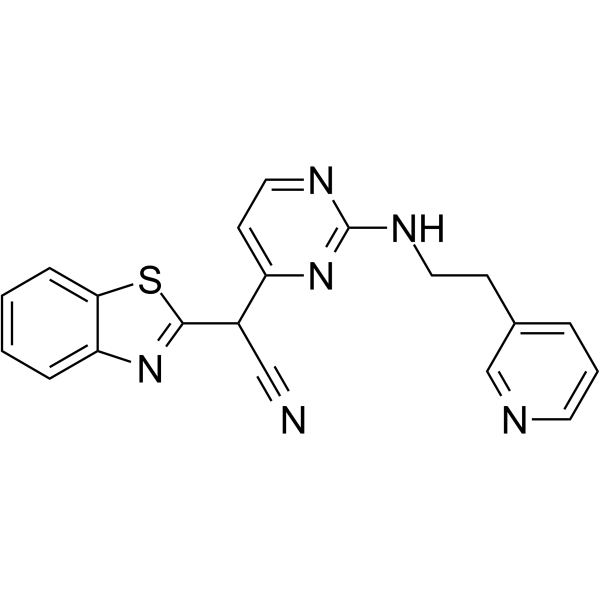
AS601245 is an orally active, selective, ATP competitive JNK (c-Jun NH2-terminal protein kinase) inhibitor with IC50s of 150, 220, and 70 nM for three JNK human isoforms (hJNK1, hJNK2, and hJNK3), respectively. AS601245 exhibits 10- to 20-fold selectivity over c-src, CDK2, and c-Raf and more than 50- to 100-fold selectivity over a range of Ser/Thr- and Tyr-protein kinases. Neuroprotective properties .
loading...
    loading...
9
9 Cited Publications
Cat. No.: HY-14392
CAS No.: 53-85-0
Purity:  99.89%
Synonyms: DRB
Target:  

CDK Apoptosis

Research Areas:  

Cancer

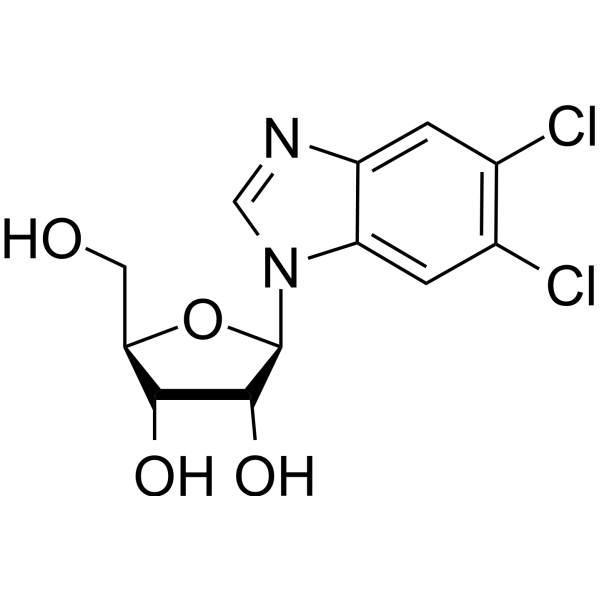
5,6-Dichlorobenzimidazole riboside (DRB) is a nucleoside analog that inhibits several carboxyl-terminal domain kinases, including casein kinase II and cell cycle-dependent kinases (CDK). 5, 6-dichlorobenzimidazole riboside has antitumor activity. 5, 6-dichlorobenzimidazole riboside can induce apoptosis .
loading...
    loading...
9
9 Cited Publications
Cat. No.: HY-114855
CAS No.: 34576-94-8
Purity:  99.81%
Target:  

Bcl-2 Family

Research Areas:  

Metabolic Disease

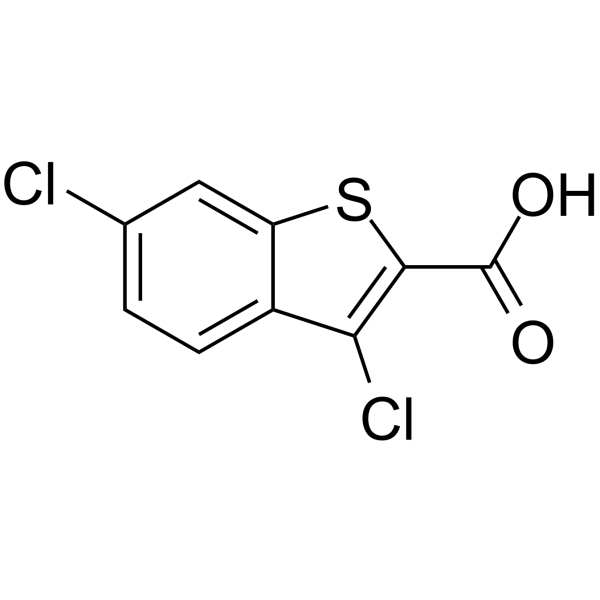
BT2 is a BCKDC kinase (BDK) inhibitor with an IC50 of 3.19 μM. BT2 binding to BDK triggers helix movements in the N-terminal domain, resulting in the dissociation of BDK from the branched-chain α-ketoacid dehydrogenase complex (BCKDC) . BT2 (compound 4) is also a potent and selective Mcl-1 inhibitor with a Ki value of 59 μM .
loading...
    loading...
9
9 Cited Publications
Cat. No.: HY-P1098
CAS No.: 151988-33-9
Target:  

Annexin A NF-κB

Research Areas:  

Inflammation/Immunology

Ac2-26 is the N-terminal peptide of annexin 1, and has anti-inflammatory activity. Ac2-26 induces a decrease in IKKβ protein in lysosomes by chaperone-mediated autophagy (CMA). Ac2-26 ameliorates lung ischemia-reperfusion injury. Ac2-26 also inhibits airway inflammation and hyperresponsiveness in an asthma rat model .
loading...
    loading...
9
9 Cited Publications
Cat. No.: HY-P1098A
Target:  

Annexin A NF-κB

Research Areas:  

Inflammation/Immunology

Ac2-26 TFA is the N-terminal peptide of annexin 1, and has anti-inflammatory activity. Ac2-26 induces a decrease in IKKβ protein in lysosomes by chaperone-mediated autophagy (CMA). Ac2-26 ameliorates lung ischemia-reperfusion injury. Ac2-26 also inhibits airway inflammation and hyperresponsiveness in an asthma rat model .
loading...
    loading...
9
9 Cited Publications
Cat. No.: HY-P1098B
Target:  

IKK

Research Areas:  

Inflammation/Immunology

Ac2-26 ammonium is the N-terminal peptide of annexin 1, and has anti-inflammatory activity. Ac2-26 ammonium induces a decrease in IKKβ protein in lysosomes by chaperone-mediated autophagy (CMA). Ac2-26 ammonium ameliorates lung ischemia-reperfusion injury. Ac2-26 ammonium also inhibits airway inflammation and hyperresponsiveness in an asthma rat model .
loading...
    loading...
9
9 Cited Publications
Cat. No.: HY-114164H
CAS No.: 9002-04-4
Synonyms: EC 3.4.21.5 (Lyophilized); Human Alpha Thrombin (Lyophilized)
Human α-Thrombin (EC 3.4.21.5; Human Alpha Thrombin) (Lyophilized) is a terminal serine protease in the coagulation cascade, as well as a potent physiological platelet agonist and fibrin-generating enzyme in vivo. Human α-Thrombin catalyzes the conversion of fibrinogen to fibrin for blood clot formation, and activates platelet aggregation by cleaving the protease-activated receptors PAR1 (major) (Kd = 1 nM) and PAR4 (minor) on the platelet surface to expose tethered ligands. Human α-Thrombin also amplifies coagulation via positive feedback by activating coagulation factors V, VIII, XI (FV/FVIII/FXI), and switches to activate protein C to exert anticoagulant effects after binding to thrombomodulin .
This product is in a freeze-dried form.
loading...
    loading...
8
8 Cited Publications
Cat. No.: HY-P2333
CAS No.: 533902-29-3
Target:  

Annexin A

Research Areas:  

Cardiovascular Disease

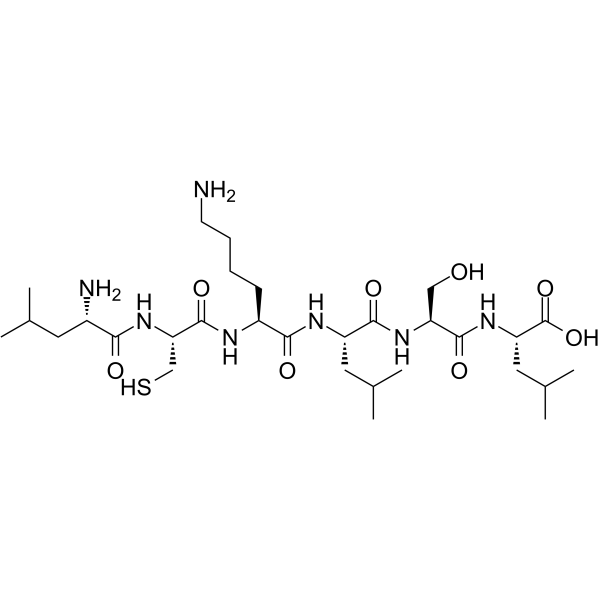
LCKLSL is a N-terminal hexapeptide and a competitive annexin A2 (AnxA2) inhibitor. LCKLSL potently inhibits the binding of tissue plasminogen activator (tPA) to AnxA2. LCKLSL also inhibits the generation of plasmin and has anti-angiogenic roles .
loading...
    loading...
8
8 Cited Publications
Cat. No.: HY-P2333A
Target:  

Annexin A

Research Areas:  

Cardiovascular Disease

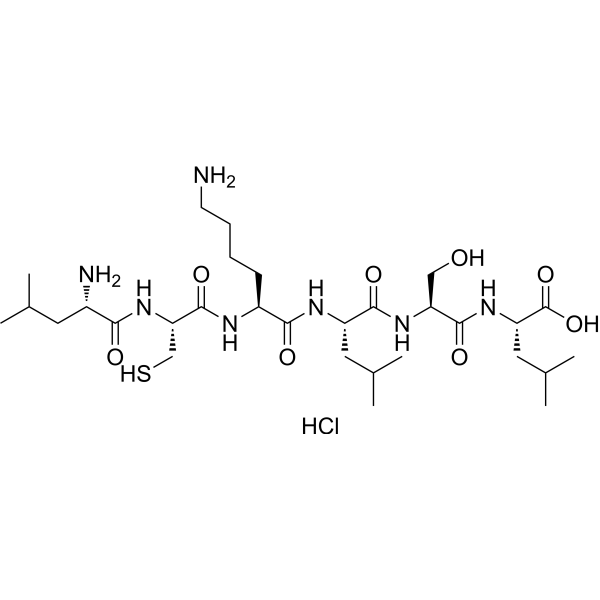
LCKLSL hydrochloride is a N-terminal hexapeptide and a competitive annexin A2 (AnxA2) inhibitor. LCKLSL hydrochloride potently inhibits the binding of tissue plasminogen activator (tPA) to AnxA2. LCKLSL hydrochloride also inhibits the generation of plasmin and has anti-angiogenic roles .
loading...
    loading...
8
8 Cited Publications
Cat. No.: HY-115364
CAS No.: 14255-87-9
Purity:  99.87%
Synonyms: SKF 29044
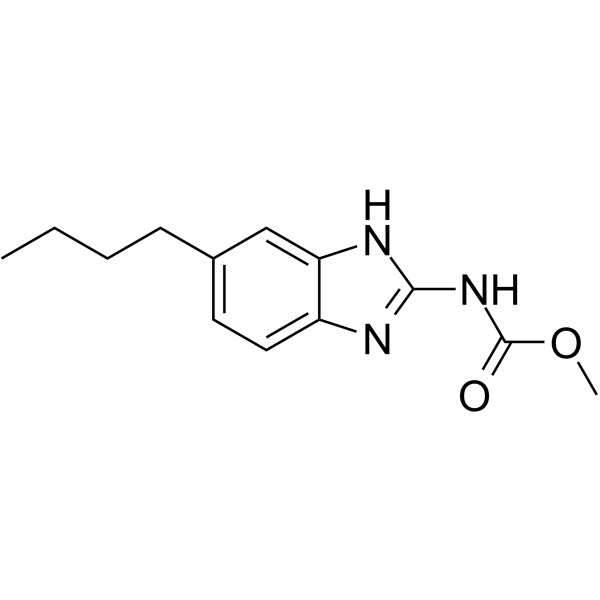
Parbendazole (SKF‑29044) is an orally active benzimidazole carbamate compound with multiple biological activities. Parbendazole binds to free tubulin and inhibits microtubule polymerization; it also activates the JNK/c‑Jun signaling axis and upregulates the expression of the downstream axonal repulsion factor Sema3A. Parbendazole upregulates KAL-1 mRNA expression, reduces nerve growth factor levels, and promotes the terminal differentiation of normal human epidermal keratinocytes. Parbendazole induces apoptosis in differentiated acute myeloid leukemia monocytes and exerts antileukemic activity in a mouse xenograft model of acute myeloid leukemia. Parbendazole exhibits broad-spectrum anthelmintic activity against various animal nematodes. Parbendazole is used in research related to acute myeloid leukemia and parasitic infections .
loading...
    loading...
7
7 Cited Publications
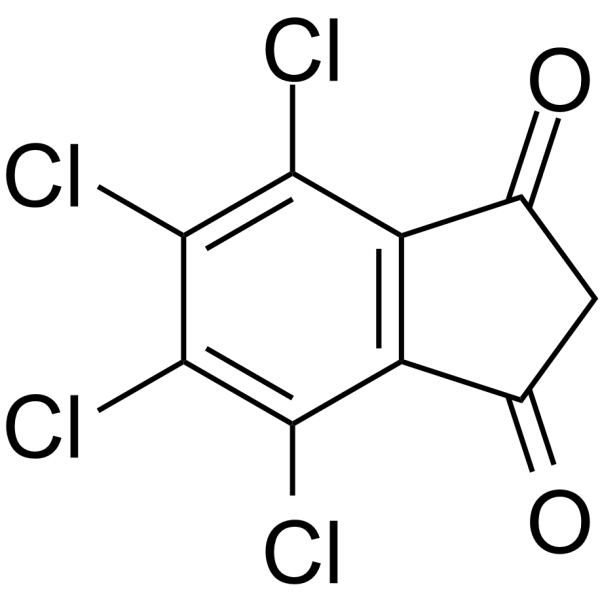
Cat. No.: HY-18638
CAS No.: 30675-13-9
Synonyms: 4,5,6,7-Tetrachloroindan-1,3-dione
Target:  

Deubiquitinase

Research Areas:  

Neurological Disease

TCID (4,5,6,7-Tetrachloroindan-1,3-dione) is a potent and selective neuronal ubiquitin C-terminal hydrolase (UCH-L3) inhibitor with an IC50 of 0.6 μM . TCID diminishes glycine transporter GlyT2 ubiquitination in brainstem and spinal cord primary neurons .
loading...
    loading...

