



53 Results for "

cervical carcinoma

" in MedChemExpress (MCE) Product Catalog:
Products (53)

53 Results for "cervical carcinoma" in MCE Product Catalog:

2
2 Cited Publications
Cat. No.: HY-N1511
CAS No.: 108340-60-9
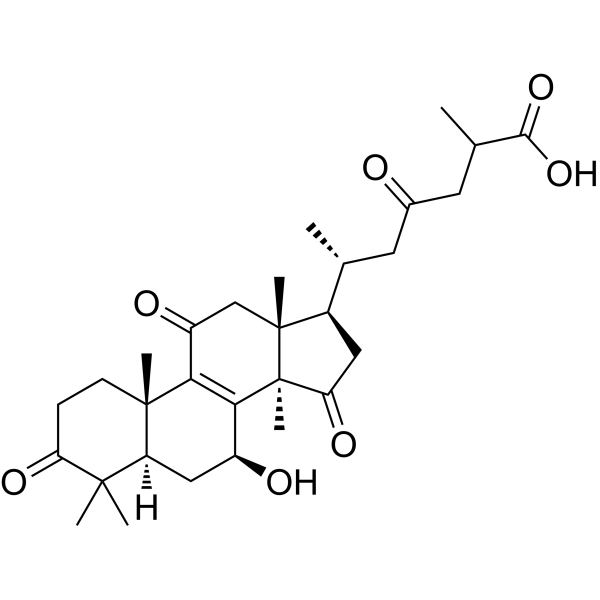
Ganoderic acid D, a highly oxygenated tetracyclic triterpenoid, is the major active component of Ganoderma lucidum. Ganoderic acid D upregulates the protein expression of SIRT3 and induces the deacetylated cyclophilin D (CypD) by SIRT3. Ganoderic acid D inhibits the energy reprogramming of colon cancer cells including glucose uptake, lactate production, pyruvate and acetyl-coenzyme production in colon cancer cells . Ganoderic acid D induces HeLa human cervical carcinoma apoptosis .
loading...
    loading...
1
1 Cited Publications
Cat. No.: HY-W195984
CAS No.: 1016340-64-9
Research Areas:  

Cancer

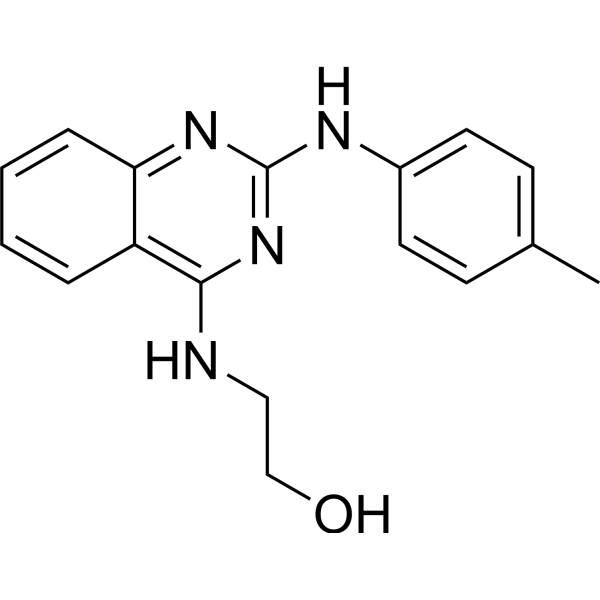
Z57346765 is an inhibitor that targets the ADP-binding pocket of PGK1, with a Kd of 20.9 μM for human PGK1, and exhibits anticancer activity. Z57346765 reduces the activity of the metabolic enzyme PGK1 during glycolysis, regulates lipid peroxidation and cancer cell proliferation, and promotes lipid peroxidation in cervical cancer cells. Z57346765 inhibits the proliferation of cervical cancer and clear cell renal cell carcinoma cells in xenograft mouse models, and induces the expression of genes associated with cell metabolism, DNA replication and cell cycle. Z57346765 is used in research related to cervical cancer, clear cell renal cell carcinoma and breast cancer .
loading...
    loading...
1
1 Cited Publications
Cat. No.: HY-N3651
CAS No.: 20493-56-5
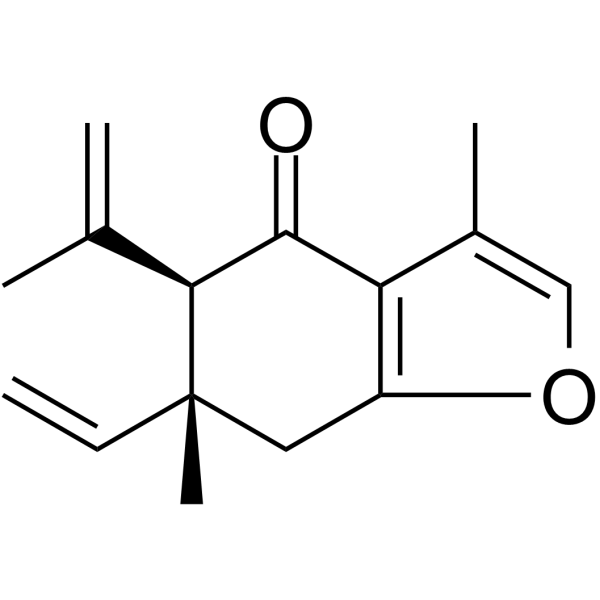
Curzerenone is an orally active sesquiterpene compound and Antibacterial agent. Curzerenone can be isolated from Curcuma zedoaria and Curcuma aeruginosa plants. Curzerenone increases ROS levels, activates Apoptotic signaling pathways, and attenuates the PI3K/AKT/mTOR signaling pathway. Curzerenone exhibits anticancer activity against liver cancer and cervical cancer. Curzerenone has antioxidant effects. Curzerenone shows weak antibacterial activity against Escherichia coli. Curzerenone can be used in research related to hepatocellular carcinoma, cervical cancer, and Escherichia coli infection .
loading...
    loading...
1
1 Cited Publications
Cat. No.: HY-121638A
CAS No.: 1815598-71-0
Purity:  95.12%
Research Areas:  

Cancer

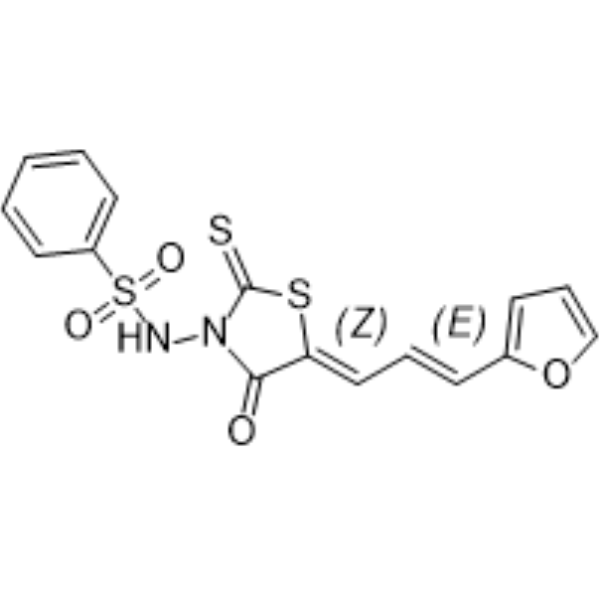
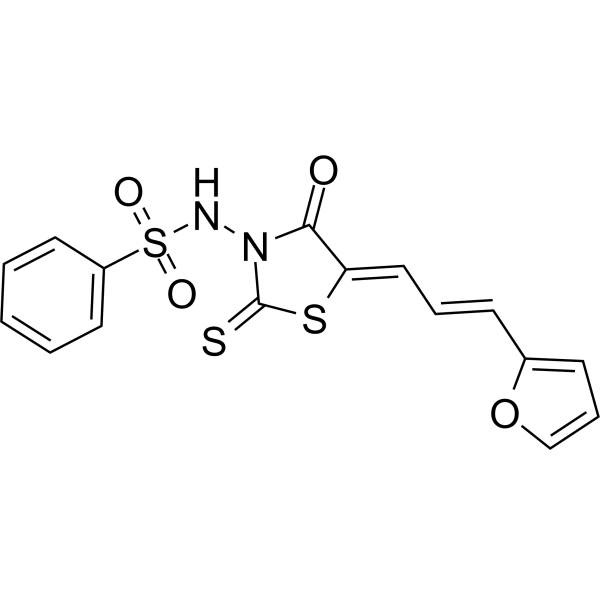
(5Z,2E)-CU-3 is an isomer of CU-3 (HY-121638). CU-3 is a DGKα inhibitor with an IC50 of 0.6 μM. CU-3 competitively reduces DGKα’s affinity for ATP via binding to the enzyme’s catalytic region. CU-3 induces apoptosis in cancer cells. CU-3 promotes T-cell activation and enhances IL-2 production. CU-3 can be used for the research of hepatocellular carcinoma and cervical cancer .
loading...
    loading...
1
1 Cited Publications
Cat. No.: HY-P10284
CAS No.: 853248-13-2
S7 is an inhibitory polypeptide targeting IL-6R, which specifically binds to IL-6R and its A chain (gp80/IL-6RA) to block its signal transduction. S7 inhibits IL-6-mediated anti-apoptosis (apoptosis), angiogenesis and the expression of VEGF-A, blocks related survival signaling pathways, and enhances the sensitivity of cancer cells to chemotherapeutic drugs. S7 can be applied to the research of related diseases such as cervical cancer, multiple myeloma, Kaposi's sarcoma, prostate cancer and basal cell carcinoma .
loading...
    loading...
Cat. No.: HY-N0120
CAS No.: 65914-17-2
Synonyms: (E/Z)-Piceid
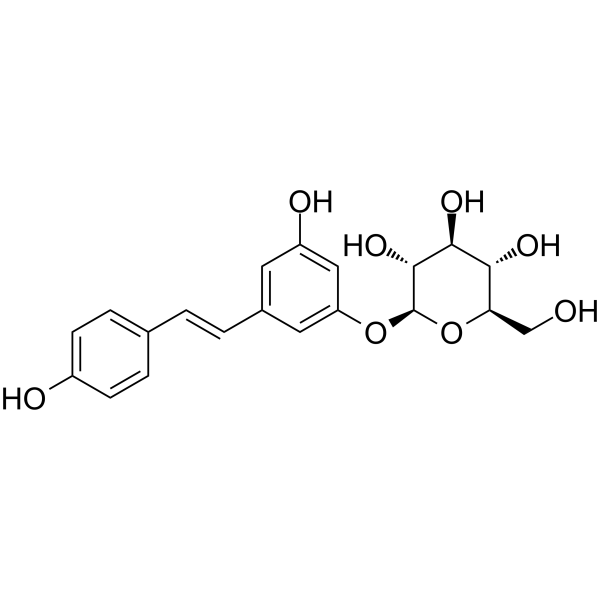
(E/Z)-Polydatin ((E/Z)-Piceid) is a mixture of the E/Z configurations of Polydatin (HY-N0120A). Polydatin can be isolated from Polygonum cuspidatum, grapes, peanuts, red wine, hop pellets, cocoa-containing products and chocolate products. Polydatin exhibits multiple biological properties, such as anti-platelet aggregation, anti-low-density lipoprotein oxidation, cardioprotective activity, anti-inflammatory and immunomodulatory functions. Polydatin shows favorable cytotoxic effects against various tumor cell lines, including cervical cancer cells, liver cancer cells, and nasopharyngeal carcinoma cells .
loading...
    loading...
Cat. No.: HY-147066
CAS No.: 2091883-59-7
Purity:  99.21%
Target:  

DYRK

Research Areas:  

Cancer

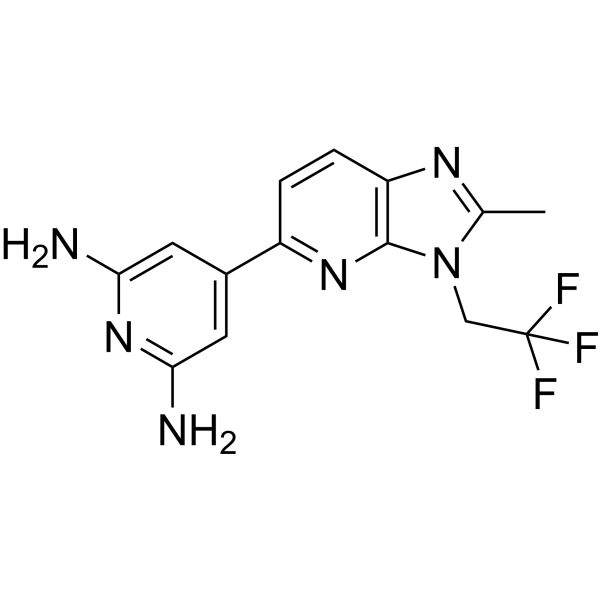
Dyrk1A-IN-4 is a potent and orally active Dyrk1A inhibitor. Dyrk1A-IN-4 exhibits IC50s against DYRK1A and DYRK2 of 2 nM and 6 nM. Dyrk1A-IN-4 exhibits the inhibition of the DYRK1A pSer520 autophosphorylation in U2OS cells with an IC50 of 28 nM. Dyrk1A-IN-4 can be used for the studies of ovarian adenocarcinoma, neuroblastoma and cervical squamous cell carcinoma .
loading...
    loading...
Cat. No.: HY-P99594
CAS No.: 2305043-30-3
Synonyms: ZKAB001; STI-1014; STI-A1014

Target:  

PD-1/PD-L1

Research Areas:  

Cancer

Socazolimab (ZKAB001) is an anti-PD-L1 monoclonal antibody. Socazolimab has lasting safety and efficacy in the treatment of recurrent or metastatic cervical cancer. Socazolimab also has potential applications in small cell lung cancer, esophageal squamous cell carcinoma (ESCC), advanced urothelial carcinoma and osteosarcoma .
loading...
    loading...
Cat. No.: HY-P99806
CAS No.: 499212-74-7
Synonyms: ACA-11; CLN-IgG; CLNH-11

Target:  

Inhibitory Antibodies

Research Areas:  

Cancer

Pritumumab is a natural human IgG1kappa mAb originally isolated from a regional draining lymph node of a patient with cervical carcinoma. Pritumumab recognizes vimentin expressing on the cell surface of the malignant tumor. Pritumumab can be used for glioblastoma research .
loading...
    loading...
Cat. No.: HY-N5008
CAS No.: 146100-02-9
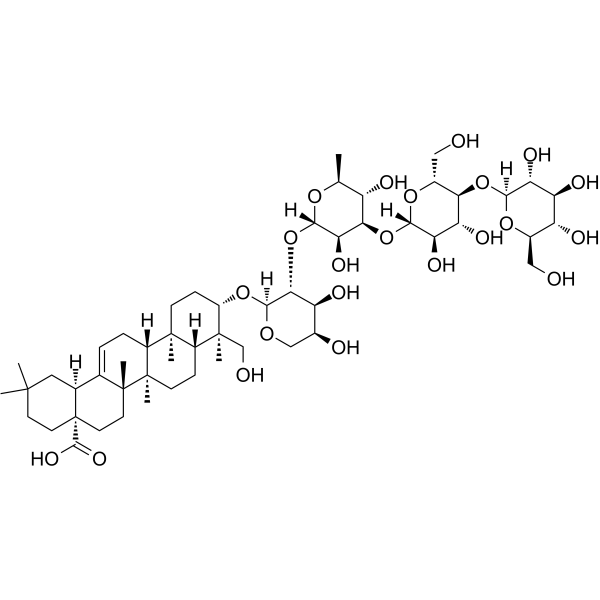
Macranthoside B is an apoptosis inducer with in vitro and in vivo anticancer activity. Macranthoside B induces autophagy and ferroptosis in cancer cells. Macranthoside B induces intracellular ROS accumulation, activates AMPK, inhibits mTOR and P70S6 kinase phosphorylation, and modulates Bcl-2/Bax expression. Macranthoside B activates caspase-3, caspase-9, and the intrinsic caspase cascade, induces PARP cleavage/degradation, and inhibits NRF2 signaling. Macranthoside B disrupts iron homeostasis via NCOA4-dependent ferritinophagy, up-regulates Lip-ROS, reduces mitochondrial membrane potential, and activates the JNK pathway. Macranthoside B can be used for the research of ovarian cancer, hepatoma, gastric carcinoma, breast carcinoma, colon carcinoma, glioma, melanoma, adenocarcinoma of the esophagogastric junction, and cervical cancer .
loading...
    loading...
Cat. No.: HY-P1778A
Target:  

HPV

Research Areas:  

Infection

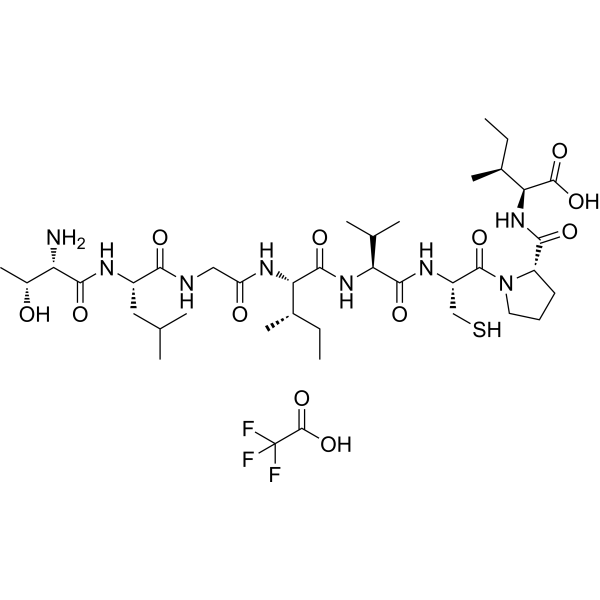
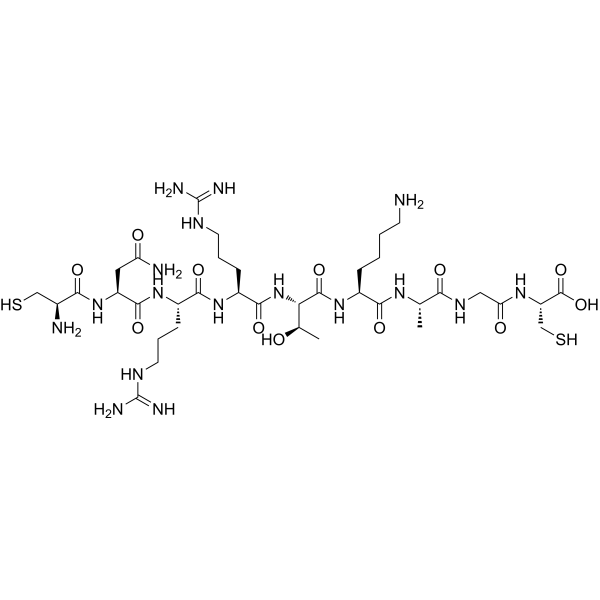
HPV16 E7 (86-93) TFA is a human leukocyte antigen (HLA)-A2.1 restricted HPV16 E7-derived peptide. HPV16 E7 (86-93) TFA is immunogenic in cervical carcinomas .
loading...
    loading...
Cat. No.: HY-N3057
CAS No.: 18956-15-5
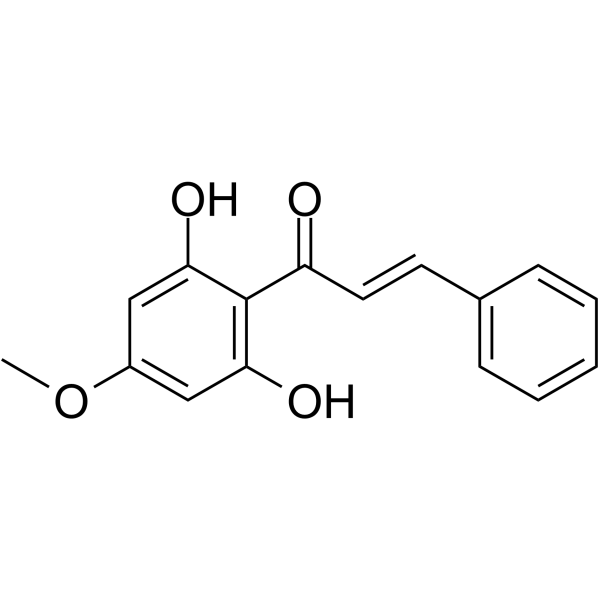
Pinostrobin chalcone is a chalcone found in Boesenbergia rotunda and Alpinia mutica. Pinostrobin chalcone exhibits cytotoxicity against various cancer cells. Pinostrobin chalcone is predicted to bind to the JAK active site, forming a hydrogen bond with Asn859 and hydrophobic interactions with aromatic residues. Pinostrobin chalcone can be used in research related to breast cancer, colon cancer, cervical cancer, and epidermoid carcinoma .
loading...
    loading...
Cat. No.: HY-Y1269D
CAS No.: 12125-02-9
Synonyms: Salmiac, for molecular biology
Ammonium chloride (Salmiac), for molecular biology is an inhibitor of Slc26a4 and SMAD2. Ammonium chloride, for molecular biology reduces the protein expression level of Slc26a4 in lung tissue, and attenuates ozone-induced increases in proinflammatory cytokines, inflammatory cells, pulmonary resistance, goblet cell hyperplasia, peribronchial inflammation and thiocyanate levels in mouse tissues and bronchoalveolar lavage fluid. Ammonium chloride, for molecular biology decreases the level of phosphorylated SMAD2, inhibits autophagy by reducing autophagy-related proteins, and enhances Cisplatin (HY-17394)-induced cancer cell apoptosis and DNA double-strand breaks. Ammonium chloride, for molecular biology also inhibits the TCA cycle, reduces ATP production, increases glucose utilization, regulates the levels of lactic acid, glutamic acid and ATP, and induces morphological degeneration of neuroblastoma cells. Ammonium chloride, for molecular biology can be used in studies related to ozone-induced airway injury, hepatocellular carcinoma, human cervical cancer, hepatic encephalopathy, Reye syndrome, epilepsy and neurodegenerative diseases .
loading...
    loading...
Cat. No.: HY-N8228
CAS No.: 2306139-04-6
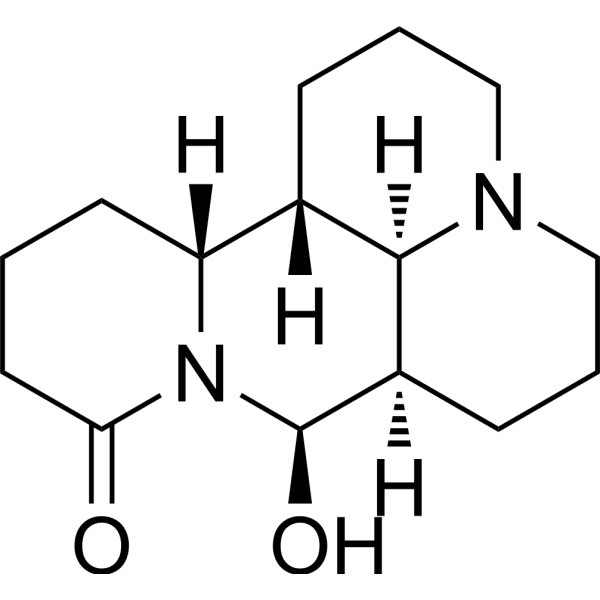
17-Hydroxyneomatrine, extracted from Sophora flavescens, can well inhibit the growth of human cervical carcinoma Hela cells, has the wide-range antibacterial, anti-allergy, anti-tumor, anti-arrhythmia, swelling-subsiding diuresis, immunizing, and biological regulation functions .
loading...
    loading...
Cat. No.: HY-Y1269H
CAS No.: 12125-02-9
Synonyms: Salmiac, meets analytical specification of Ph. Eur. BP USP FCC
Ammonium chloride, meets analytical specification of Ph. Eur. BP USP FCC (Salmiac, meets analytical specification of Ph. Eur. BP USP FCC) is an inhibitor of Slc26a4 and SMAD2. Ammonium chloride, meets analytical specification of Ph. Eur. BP USP FCC reduces the protein expression level of Slc26a4 in lung tissue, and attenuates ozone-induced increases in proinflammatory cytokines, inflammatory cells, pulmonary resistance, goblet cell hyperplasia, peribronchial inflammation and thiocyanate levels in mouse tissues and bronchoalveolar lavage fluid. Ammonium chloride, meets analytical specification of Ph. Eur. BP USP FCC decreases the level of phosphorylated SMAD2, inhibits autophagy by reducing autophagy-related proteins, and enhances Cisplatin (HY-17394)-induced cancer cell apoptosis and DNA double-strand breaks. Ammonium chloride, meets analytical specification of Ph. Eur. BP USP FCC also inhibits the TCA cycle, reduces ATP production, increases glucose utilization, regulates the levels of lactic acid, glutamic acid and ATP, and induces morphological degeneration of neuroblastoma cells. Ammonium chloride, meets analytical specification of Ph. Eur. BP USP FCC can be used in studies related to ozone-induced airway injury, hepatocellular carcinoma, human cervical cancer, hepatic encephalopathy, Reye syndrome, epilepsy and neurodegenerative diseases .
loading...
    loading...
Cat. No.: HY-P4088
CAS No.: 850859-24-4
Target:  

Inhibitory Antibodies

Research Areas:  

Cancer

LyP-2 is a peptide that homes to tumor lymphatics. LyP2 homes to lymphatics of C8161 melanomas and cervical carcinomas and K14-HPV16 skin, but not to MDA-MB435 tumors, showing heterogeneity in the molecular markers of tumor cells and lymphatics .
loading...
    loading...
Cat. No.: HY-121638
CAS No.: 2983265-35-4
Research Areas:  

Cancer

CU-3 is a DGKα inhibitor with an IC50 of 0.6 μM. CU-3 competitively reduces DGKα’s affinity for ATP via binding to the enzyme’s catalytic region. CU-3 induces apoptosis in cancer cells. CU-3 promotes T-cell activation and enhances IL-2 production. CU-3 can be used for the research of hepatocellular carcinoma and cervical cancer .
loading...
    loading...
Cat. No.: HY-N4308
CAS No.: 1251-84-9
Synonyms: Hexa-O-methylquercetagetin; Quercetagetin hexamethyl ether; 3,5,6,7,3',4'-Hexamethoxyflavone
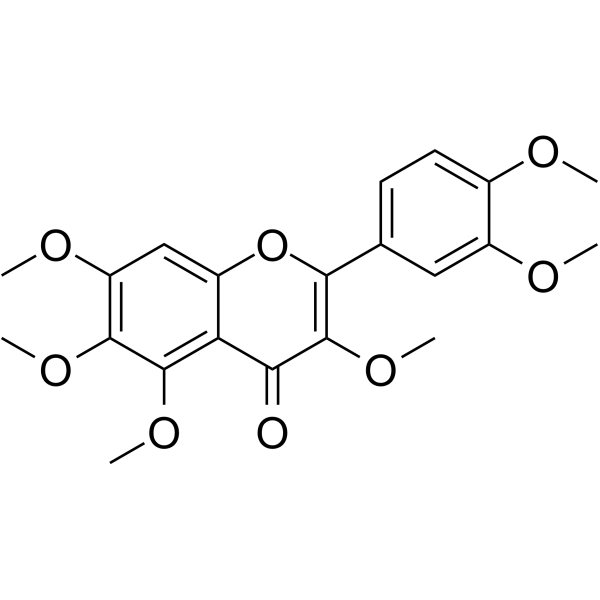
Hexamethylquercetagetin (Hexa-O-methylquercetagetin; Quercetagetin hexamethyl ether; 3,5,6,7,3',4'-Hexamethoxyflavone) is an orally active NF-κB inhibitor. Hexamethylquercetagetin inhibits NF-κB-derived luciferase activity, reduces phosphorylated p65 and IκBα, Cyclin D1, Bcl-2 and blocks TNFα-induced NF-κB activation. Hexamethylquercetagetin inhibits survival and proliferation of cervical carcinoma cells. Hexamethylquercetagetin suppresses tumor volume and weight in BALB/c nude mouse xenograft models of cervical carcinoma. Hexamethylquercetagetin can be used for the research of cancer, such as cervical carcinoma .
loading...
    loading...
Cat. No.: HY-121794
CAS No.: 55303-98-5
Synonyms: (+)-Avarol
Avarol is a sesquiterpene hydroquinone that can be isolated from Dysidea avara sponge. Avarol has the potential for the research of ehrlich carcinoma (EC) and cervical cancer (CC-5) .
loading...
    loading...
Cat. No.: HY-N1833
CAS No.: 1334309-44-2
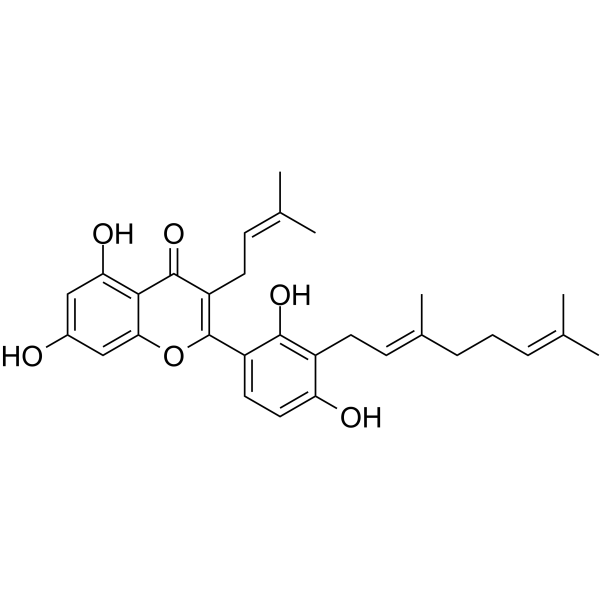
3'-Geranyl-3-prenyl-2',4',5,7-tetrahydroxyflavone displays cytotoxicity of 1.32, 3.92 and 5.22 μm against the human cervical carcinoma HeLa, human breast carcinoma MCF-7, and human hepatocarcinoma Hep3B cells .
loading...
    loading...

