1. Search Result
Search Result
Results for "

colonic

" in MedChemExpress (MCE) Product Catalog:

325

Inhibitors & Agonists

1

Screening Libraries

3

Fluorescent Dye

8

Biochemical Assay Reagents

7

Peptides

2

MCE Kits

12

Inhibitory Antibodies

35

Natural
Products

9

Isotope-Labeled Compounds

2

Click Chemistry

5

Oligonucleotides

Cat. No. Product Name Target Research Areas Chemical Structure
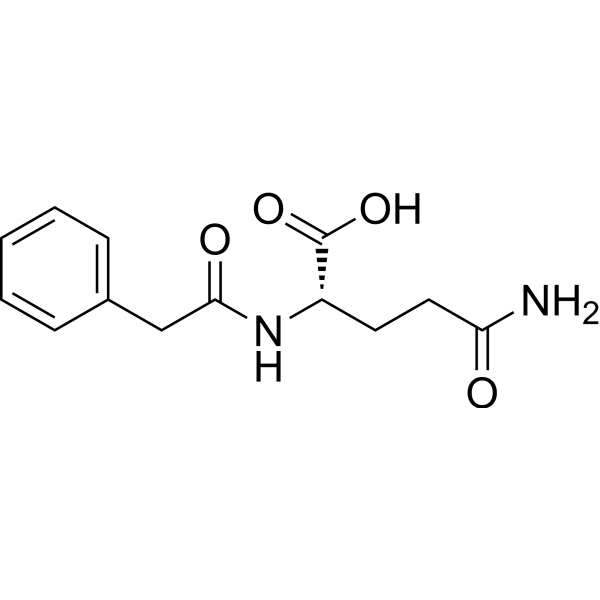
  • HY-W050026
    Phenylacetylglutamine
    3 Publications Verification

    NSC 203800; Phenylacetyl-L-glutamine

    Endogenous Metabolite Others
    Phenylacetylglutamine is a colonic microbial metabolite from amino acid fermentation.
    Phenylacetylglutamine
  • HY-10917
    GW2580
    10+ Cited Publications

    c-Fms Inflammation/Immunology Cancer
    GW2580 is an orally bioavailable and selective inhibitor of c-Fms kinase which completely inhibits human cFMS kinase in vitro at 0.06 μM. GW2580 acts as a competitive inhibitor of ATP binding to the cFMS kinase and inhibits colony-stimulating-factor-1 signaling .
    GW2580
  • HY-114360A
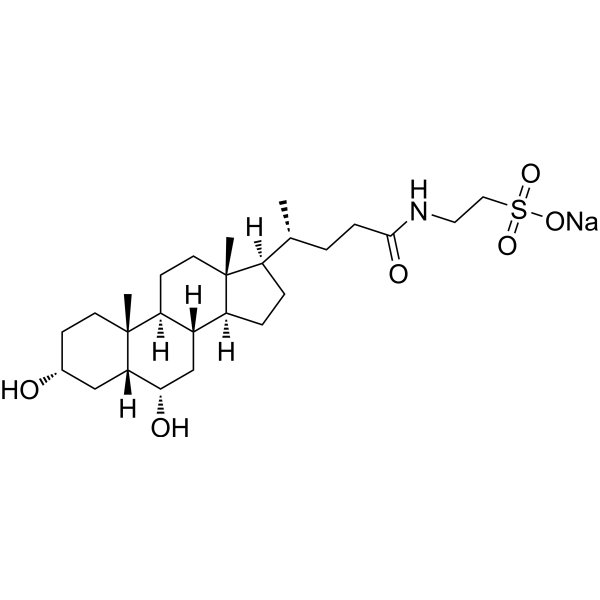
    Taurohyodeoxycholic acid sodium
    2 Publications Verification

    Interleukin Related TNF Receptor Inflammation/Immunology
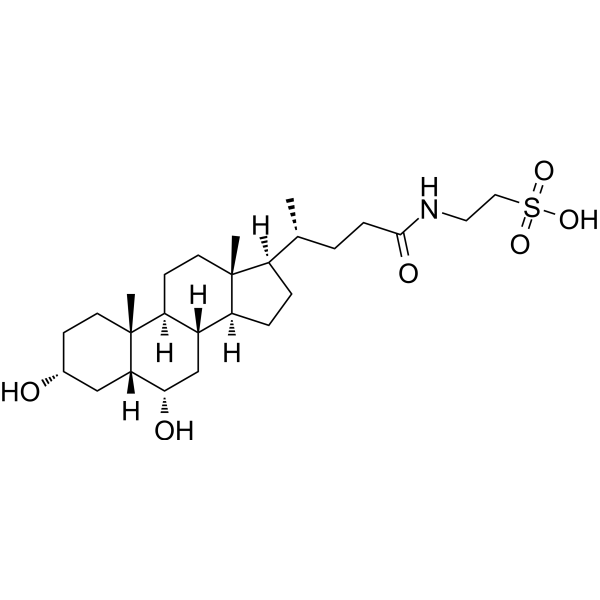
    Taurohyodeoxycholic acid (THDCA) sodium is the taurine-conjugated form of the secondary bile acid hyodeoxycholic acid. Taurohyodeoxycholic acid can also reduce the activity and expression of myeloperoxidase TNF-α and IL-6, as well as colonic damage in TNBS-induced ulcerative colitis mouse model.
    Taurohyodeoxycholic acid sodium
  • HY-W012980
    Isovaleric acid
    1 Publications Verification

    Environmental Pollutants Endogenous Metabolite PKA AMPK Metabolic Disease
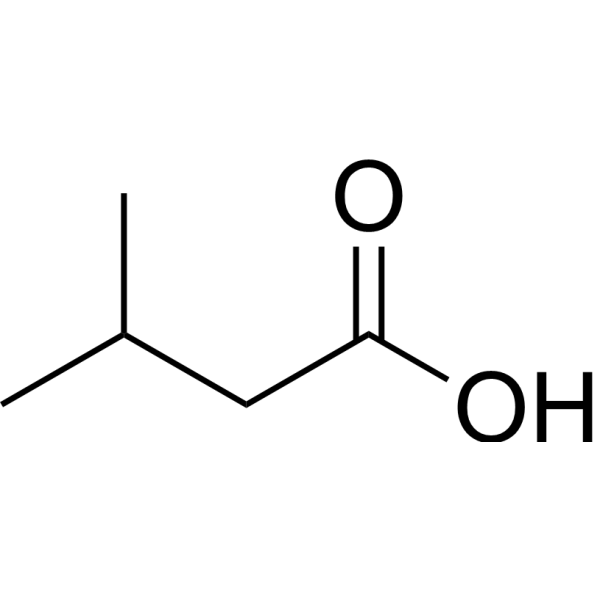
    Isovaleric acid is an oral active short-chain fatty acid that inhibits osteoclast differentiation by stimulating AMPK phosphorylation and promotes colonic smooth muscle relaxation by activating the cAMP/PKA pathway. Isovaleric acid can be used in research on skeletal diseases (such as osteoporosis) and intestinal disorders .
    Isovaleric acid
  • HY-N7104

    D-Lactitol

    Bacterial Infection Neurological Disease Endocrinology
    Lactitol (D-Lactitol) is a non-absorbable disaccharide and Bacterial regulator. Lactitol reduces the populations of Bacteroides, Clostridium, coliforms and Eubacterium, while increasing the populations of Lactobacillus and Streptococcus. Lactitol can be used in the research of portosystemic encephalopathy and chronic constipation .
    Lactitol
  • HY-B1648

    Biochemical Assay Reagents Cardiovascular Disease
    Ferric pyrophosphate is an orally effective anti-inflammatory agent and iron fortifier. Ferric pyrophosphate downregulates the expression of colonic pro-inflammatory cytokines, modulates the intestinal flora, and corrects the dysbiosis associated with iron deficiency anemia (IDA). Ferric pyrophosphate can be used in studies related to iron deficiency anemia .
    Ferric pyrophosphate
  • HY-P99440

    CSL-324

    c-Fms JAK STAT Inflammation/Immunology
    Anumigilimab (CSL-324) is an human IgG4 mAb against human granulocyte colony-stimulating factor (G-CSF) receptor. Anumigilimab can be used for increasing numbers of neutrophils at sites of inflammation .
    Anumigilimab
  • HY-103325

    Cannabinoid Receptor TRP Channel Interleukin Related ANGPTL VEGFR Metabolic Disease Inflammation/Immunology
    JTE-907 is a selective and orally active cannabinoid CB2 receptor inverse agonist and exerts anti-inflammatory effects. JTE-907 upregulates IL-6, MCP-1, IL-1β, VEGF, ANGPTL4, and TRPV1 in mature adipocytes. JTE-907 downregulates CB1, MCP-1, and IL-1β in preadipocytes. JTE-907 inhibits ear swelling in mice. JTE-907 reverses the protective effects of CB2 agonists and Anandamide (HY-10863) against cytokine-evoked colonic mucosal damage. JTE-907 can be used for the research of allergic dermatitis, obesity, and colitis .
    JTE-907
  • HY-19832
    SC66
    5 Publications Verification

    MOFs Akt Apoptosis Cancer
    SC66 is an Akt inhibitor, reduces cell viability in a dose- and time-dependent manner, inhibits colony formation and induces apoptosis in hepatocellular carcinoma (HCC) cells.
    SC66
  • HY-W050026S
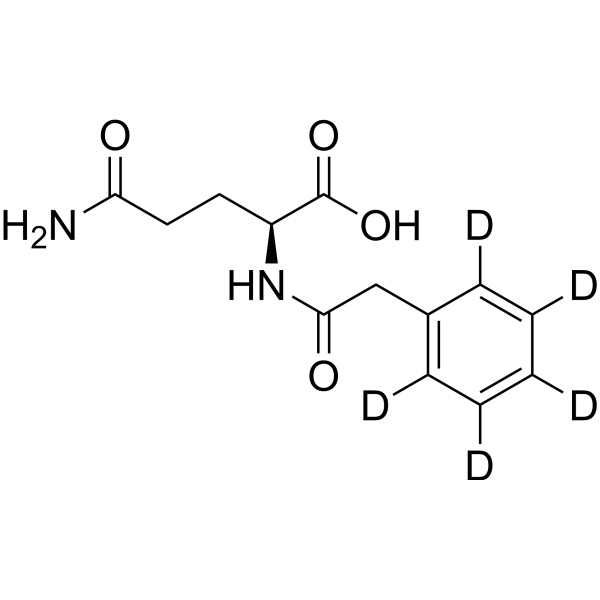
    Phenylacetylglutamine-d5
    2 Publications Verification

    NSC 203800-d5; Phenylacetyl-L-glutamine-d5

    Endogenous Metabolite Isotope-Labeled Compounds Others
    Phenylacetylglutamine-d5 (NSC 203800-d5) is the deuterium labeled Phenylacetylglutamine (HY-W050026). Phenylacetylglutamine is a colonic microbial metabolite from amino acid fermentation .
    Phenylacetylglutamine-d5
  • HY-P99031

    CAM 3001

    c-Fms Cardiovascular Disease Inflammation/Immunology
    Mavrilimumab (CAM 3001) is a monoclonal antibody that binds to the α subunit of the granulocyte-macrophage colony stimulating factor (GM-CSF) receptor and blocks intracellular signalling downstream of GM-CSF. GM-CSF might be a mediator of the hyperactive inflammatory response associated with respiratory failure and death .
    Mavrilimumab
  • HY-B1953
    Thiacloprid
    1 Publications Verification

    Environmental Pollutants Insecticide nAChR Infection
    Thiacloprid is an orally active neurotoxic insecticide and also a nAChR agonist. Thiacloprid reduces the viability of healthy cells, depletes reduced glutathione, and increases MDA levels, thereby inducing cytotoxicity and oxidative stress damage. In practical applications, Thiacloprid has lower acute toxicity to honeybees than other compounds of the same class such as Imidacloprid (HY-B0838), but it still significantly impairs the learning and memory function, immune capacity and survival status of honeybees. Thiacloprid induces intestinal microbial dysbiosis and reduces survival rate in middle-aged honeybees, increases the risk of premature collapse in bumblebee colonies, and significantly decreases the final colony weight and reproductive output. Thiacloprid is used in broad-spectrum agricultural pest control, often alone or in combination with Deltamethrin (HY-B1971), and meets the pest management needs of various crops including potatoes, cabbages, various fruits and vegetables, and nuts .
    Thiacloprid
  • HY-103249

    Reutericycline

    Bacterial Infection Metabolic Disease
    Reutericyclin (Reutericycline) is an orally active antibacterial and anti-obesity agent that selectively inhibits Gram-positive bacteria. By selectively dissipating transmembrane potential, Reutericyclin exerts non-lytic bactericidal or bacteriostatic activity against pathogens such as Clostridium difficile and Staphylococcus aureus, and rapidly kills vegetative cells and spores of Clostridium difficile. Reutericyclin possesses favorable properties including resistance to enzymatic hydrolysis, iron-chelating function, and poor absorption by colonic epithelium. Reutericyclin not only eradicates staphylococcal biofilms and inhibits drug-resistant strains, but also counteracts Risperidone (HY-11018)-induced weight gain by inducing changes in gut microbiota composition and restoring energy utilization efficiency. Reutericyclin can be used in research related to Clostridium difficile infection, Risperidone-induced weight gain, and staphylococcal superficial skin infections .
    Reutericyclin
  • HY-122767

    Muroctasin

    Interleukin Related Inflammation/Immunology
    Romurtide (Muroctasin), a synthetic muramyl dipeptide derivative, is a cytokines inducer. Romurtide can increase peripheral neutrophils and monocytes in vivo and enhance production of colony-stimulating factors (CSFs), IL-1 and IL-6 in vitro .
    Romurtide
  • HY-126297

    c-Fms Inflammation/Immunology Cancer
    c-Fms-IN-10 is the derivative of thieno [3,2-d] pyrimidine, an kinase inhibitor of FMS (Colony stimulating factor-1 receptor, CSF-1R) with IC50 of 2 nM. c-Fms-IN-10 has anti-tumor activity .
    c-Fms-IN-10
  • HY-107649

    UK-76654 fumarate

    mAChR Metabolic Disease
    Zamifenacin fumarate (UK-76654 fumarate) is a potent gut-selective muscarinic M3 receptor antagonist. Zamifenacin significantly reduces colonic motility in irritable bowel syndrome .
    Zamifenacin fumarate
  • HY-107551

    Hedgehog Gli Cancer
    Hh Pathway-IN-1, a Hedgehog (Hh) pathway inhibitor, is a potent Gli antagonist. Hh Pathway-IN-1 inhibits Hh pathway functional with an IC50 value of 1.1 µM in C3H10T1/2 cells. Hh Pathway-IN-1 does not inhibit Wnt signaling. Hh Pathway-IN-1 shows anti-proliferative activity. Hh Pathway-IN-1 decreases the GLI1 mRNA expression. Hh Pathway-IN-1 inhibits colony formation in a dose-dependent manner .
    Hh Pathway-IN-1
  • HY-P99795

    GSK 3196165; MOR103

    c-Fms Inflammation/Immunology
    Otilimab (GSK 3196165) is an anti-granulocyte-macrophage colony-stimulating factor (GM-CSF) human monoclonal antibody. Otilimab neutralises the biological function of GM-CSF by blocking the interaction of GM-CSF with its cell surface receptor .
    Otilimab
  • HY-19345A

    NSC13316 dihydrochloride

    p38 MAPK Neurological Disease Cancer
    Vacquinol-1 (NSC13316) dihydrochloride is a MKK4-specific activator that activates the MAPK pathway. Vacquinol-1 dihydrochloride inhibits the growth, migration and colony formation, and induces apoptosis of cancer cells. Vacquinol-1 dihydrochloride is applicable to research related to cancers such as hepatocellular carcinoma .
    Vacquinol-1 dihydrochloride
  • HY-115909

    CDK Cancer
    ZDLD20, a β-carboline, is orally active and selective CDK4/CycD3 inhibitor with an IC50 value of 6.51  μM. ZDLD20 exhibits potent anti-HCT116 activity including inhibition of colony formation, inhibition of invasion and migration, inducing of apoptosis, and arresting of G1 phase in cell cycle. ZDLD20 exhibits potent anticancer activity .
    ZDLD20
  • HY-N12281

    Apoptosis MDM-2/p53 PAK Calcium Channel Endocrinology Cancer
    Sennoside is an orally active apoptosis inducer and stimulant laxative, found in Senna (Cassia angustifolia). Sennoside induces overexpression of wild-type p53 and p21/WAF as part of pathways mediating colonic epithelial cell apoptosis. Sennoside stimulates colonic peristalsis, reverses net water, sodium, chloride absorption to secretion and enhances potassium and calcium secretion. Sennoside increases paracellular permeability to small molecules, accelerates colon transit and softens fecal pellets. Sennoside can be used for the research of constipation, melanosis coli, and colorectal cancer .
    Sennoside
  • HY-119942

    c-Fms Cancer
    c-Fms-IN-8 (compound 4a) is a colony stimulating factor-1 receptor (CSF-1R, c-FMS) Type II inhibitor, with an IC50 of 9.1 nM .
    c-Fms-IN-8
  • HY-177116

    HIV Infection Inflammation/Immunology
    GPR15 antagonist-1 (Compound 5) is a GPR15 antagonist. G protein-coupled receptor 15 (GPR15) is an extensively studied GPCRs involving HIV infection, colonic inflammation, and smoking-related diseases .
    GPR15 antagonist-1
  • HY-161116

    Acetyl-CoA Carboxylase Cancer
    AD-5584 is an ACSS2 inhibitor with blood-brain permeability. AD-5584 can significantly reduce lipid storage, reduce colony formation, and increase cell death. AD-5584 has antitumor activity .
    AD-5584
  • HY-19345

    NSC13316

    p38 MAPK Apoptosis Caspase Bcl-2 Family Cancer
    Vacquinol-1 (NSC13316) is a MKK4-specific activator that activates the MAPK pathway. Vacquinol-1 inhibits the growth, migration and colony formation, and induces apoptosis of cancer cells. Vacquinol-1 is applicable to research related to cancers such as hepatocellular carcinoma .
    Vacquinol-1
  • HY-123337

    UK-76654

    mAChR Metabolic Disease
    Zamifenacin (UK-76654) is a potent gut-selective muscarinic M3 receptor antagonist. Zamifenacin significantly reduces colonic motility in irritable bowel syndrome .
    Zamifenacin
  • HY-146999

    Histone Methyltransferase Epigenetic Reader Domain Apoptosis Cancer
    YM458 is a potent EZH2 and BRD4 dual inhibitor with IC50s of 490 nM and 34 nM, respectively. YM458 inhibits cell proliferation and colony formation and induces cell cycle arrest and apoptosis in solid cancer cells. YM458 can be used for researching anticancer .
    YM458
  • HY-147615

    c-Fms Cancer
    CSF1R-IN-12 (compound 1) is a potent inhibitor of CSF1R. Colony stimulating factor 1 (CSF-1, also known as macrophage colony stimulating factor, M-CSF) is an important growth factor that controls bone marrow progenitor cells, monocytes, macrophages, and giants. CSF1R-IN-12 has the potential for the research of cancer diseases .
    CSF1R-IN-12
  • HY-118961

    Kinesin Cancer
    SR31527 chloride is a potent KIFC1 inhibitor with an IC50 value of 6.6 µM. SR31527 chloride decreases cell viability and colony formation .
    SR31527 chloride
  • HY-W265314

    NF-κB Interleukin Related Inflammation/Immunology
    Arvelexin is a biologically active compound. Arvelexin can be found in Brassica rapa L. (Brassicaceae). Arvelexin inhibits NF-κB activation and the expressions of IL-8. Arvelexin inhibits colonic inflammation .
    Arvelexin
  • HY-176464

    TRP Channel Inflammation/Immunology
    SK2220691 is a potent TRPV4 inhibitor. SK2220691 inhibits pulmonary edema induced by GSK1016790. SK2220691 inhibits HCl-induced increases in key factors such as VEGF, keratinocyte-derived chemokine (KC; CXCL1), and granulocyte colony-stimulating factor (GCSF) .
    GSK2220691
  • HY-169914

    JO 1784 hydrochloride

    Sigma Receptor Neurological Disease
    Igmesine hydrochloride (JO 1784) is an orally active σ-receptor ligand capable of blocking the increase in colonic electromechanical activity induced by emotional stress. Igmesine hydrochloride also eliminates the colonic motility stimulation induced by dopamine, as well as the stimulation induced by centrally injected D1 or D2 receptor agonists. Furthermore, Igmesine hydrochloride can block the colonic motility responses induced by corticotropin-releasing factor (CRF) and ES through central cholecystokinin (CCK) release and/or activation of supraspinal CCK pathways .
    Igmesine hydrochloride
  • HY-P3598

    Neurokinin Receptor Cancer
    Substance P(1-4) is a potent neurokinin receptors (NK-R) antagonist. Substance P(1-4) has regulation of normal hematopoiesis and inhibits endogenous erythroid colony (EEC) formation .
    Substance P(1-4)
  • HY-163134

    DNA-PK Cancer
    DNA-PK-IN-12 (compound 31t) is an oral active DNA-PK inhibitor with the IC50 of 0.1 nM. DNA-PK-IN-12 inhibits cell growth and Hct116 cell colony formation with the IC50 of 33.28 μM, and shows antitumor activity in vivo .
    DNA-PK-IN-12
  • HY-149495

    PROTACs CDK Cancer
    CP-07 is a potent and selective PROTACCDK9 degrader (DC50: 43 nM). CP-07 inhibits 22RV1 cell proliferation (IC50: 62 nM) and colony formation by down-regulating Mcl-1 and c-Myc. CP-07 inhibits 22RV1 xenograft tumor growth. CP-07 can be used for research of prostate cancer .
    CP-07
  • HY-W134328B

    Dextran blue (MW 10000)

    Biochemical Assay Reagents Others
    Blue dextran (Dextran blue) (MW 10000) is a 10 kDa osmotic dextran. Blue dextran (MW 10000) penetrates all sublayers of the pre-epithelial mucus gel layer in the rat distal colon and is taken up by the nuclei of surface cells in the rat distal colonic mucosa. Blue dextran (MW 10000) is not blocked by the pre-epithelial mucus gel layer of the rat distal colon, which acts as a diffusion barrier .
    Blue dextran (MW 10000)
  • HY-101526

    RA03546849

    c-Fms Inflammation/Immunology
    GENZ-882706 is a potent colony stimulating factor-1 receptor (CSF-1R) Inhibitor extracted from patent WO 2017015267A1.
    GENZ-882706
  • HY-114319

    Others Cancer
    β-Cembrenediol is a potent and orally active anticancer agent. β-Cembrenediol shows phytotoxic activities. β-Cembrenediol reduces the migration and colony formation. β-Cembrenediol decreases the protein expression of TDO2, IDO1. β-Cembrenediol has the potential for the research of prostate cancer .
    β-Cembrenediol
  • HY-155516

    Potassium Channel Inflammation/Immunology
    KV1.3-IN-1 (Compound trans-18) is a KV1.3 channel inhibitor (IC50: 230 nM and 26.12 nM in Ltk cells and PHA-activated T-lymphocytes respectively). KV1.3-IN-1 impairs intracellular Ca 2+ signaling. KV1.3-IN-1 inhibits T-cell activation, proliferation, and colony formation .
    KV1.3-IN-1
  • HY-113843

    MDM-2/p53 Cancer
    RETRA (hydrobromide) is a mutant p53-dependent activator of p73 that can inhibit cancer cells carrying mutant p53. RETRA (hydrobromide) increases the expression level of p73, induces transcriptional activation of several common to transcriptional targets p53 and p73, which leads to mutant p53- and p73-dependent inhibition of tumor growth, reduction of colony formation and induction of effector caspases .
    RETRA hydrobromide
  • HY-175733

    RIO Kinase Apoptosis Cancer
    CQ3196 is an orally active RIOK2 inhibitor with a Kd of 14 nM. CQ3196 effectively inhibits the ATPase activity of RIOK2, with an IC50 value of 72 nM. CQ3196 inhibits cell proliferation and colony formation in gastric cancer cell lines. CQ3196 induces cell apoptosis in HGC-27 and AGS cells. CQ3196 suppresses downstream signal pathway of RIOK2. CQ3196 reduces phosphorylation of mTOR and AKT. CQ3196 modulates ribosome function and protein synthesis. CQ3196 inhibits tumor growth and can be used for gastric cancer invtro and invivo research .
    CQ3196
  • HY-175857

    HDAC Apoptosis Cancer
    HDAC-IN-92 is a pan-HDAC inhibitor with an IC50 of 12.58 µM in A2780 cells. HDAC-IN-92 demonstrates broad-spectrum, notable cytotoxic activity against a range of human cancer cell lines, including ovarian, liver, and breast carcinomas. HDAC-IN-92 causes apoptosis and demonstrates a notable decrease in tumor cell colony formation. HDAC-IN-92 inhibits the formation of blood vessels in the chick chorioallantoic membrane (CAM). HDAC-IN-92 exhibits anti-tumor effect in a 4T1 tumor-bearing mouse model. HDAC-IN-92 can be used for research targeting solid tumor .
    HDAC-IN-92
  • HY-155001

    c-Fms Others
    CSF1R-IN-15 (compound 23) is an inhibitor targeting CSF1R. The colony-stimulating factor-1 receptor (CSF1R) is a tyrosine kinase embedded in the cell membrane of macrophages. The receptor is activated by colony-stimulating factor-1 (CSF-1) and interleukin-34, and signaling via CSF1R is crucial for the differentiation, proliferation, and survival of macrophages .
    CSF1R-IN-15
  • HY-P3851

    Neurokinin Receptor Neurological Disease
    (β-Ala8)-Neurokinin A (4-10), a neuropeptide, is a potent and selective NK-2 tachykinin receptor (Neurokinin Receptor) agonist .
    (β-Ala8)-Neurokinin A (4-10)
  • HY-159986

    Pantetheinase Cancer
    X-17 is a Vanin-1 Inhibitor with potent anti-inflammatory and antioxidant activities. X-17 repressrs the inflammatory factor expressions and myeloperoxidase activity, elevats the colonic glutathione reserve, and restors the intestinal barrier .
    X-17
  • HY-172796

    TAM Receptor Cancer
    UNC9435 (compound 44) is a dual inhibitor of TYRO3/MERTK with IC50 values of 3.7 nM and 1.1 nM, respectively. UNC9435 reduces colony formation in non-small cell lung cancer cultures
    UNC9435
  • HY-101303

    Melatonin Receptor Others
    5-MCA-NAT is a melatonin agonist that may target the melatoninMT3 receptor. 5-MCA-NAT can contract the colonic band in a concentration-dependent manner and reduce intraocular pressure (IOP) in glaucomatous monkey eyes, inhibiting the increase in IOP .
    5-MCA-NAT
  • HY-120044

    Farnesyl Transferase Ras Cancer
    L-739749 is a farnesyl transferase inhibitor. L-739749 inhibits the selective hypersensitivity of JMML cells to granulocyte-macrophage colony-stimulating factor (GM-CSF) by blocking the prenylation of Ras. L-739749 exhibits a strong inhibitory effect on the growth of primary human JMML cells in vitro .
    L-739749
  • HY-P3597

    CFTR Others
    Urocortin III (mouse) (free acid) is a selective CRF2 receptor agonist (with high affinity for the CRF2 receptor). Urocortin III (mouse) (free acid) significantly inhibits gastric emptying without modifying colonic transit .
    Urocortin III (mouse) free acid
  • HY-112739

    Leukotriene Receptor Inflammation/Immunology
    SC-41930 is a orally active eukotriene-B4 receptor antagonist. SC-41930 alleviates inflammation in guinea pig acetic acid-induced colonic inflammation model .
    SC-41930

Inquiry Online

Your information is safe with us. * Required Fields.

Salutation


Country or Region *

Applicant Name *


Organization Name *

Department *


Email Address *


Product Name *

Cat. No.


Requested quantity *

Phone Number *


Remarks

Inquiry Online

Inquiry Information

Product Name:
Cat. No.:
Quantity:
MCE Japan Authorized Agent:

