1. Search Result
Search Result
Results for "

copper

" in MedChemExpress (MCE) Product Catalog:

2287

Inhibitors & Agonists

1

Screening Libraries

182

Fluorescent Dye

159

Biochemical Assay Reagents

35

Peptides

57

Natural
Products

4

Recombinant Proteins

74

Isotope-Labeled Compounds

4

Antibodies

1501

Click Chemistry

131

Oligonucleotides

1

GMP Molecules

Targets Recommended:
Cat. No. Product Name Target Research Areas Chemical Structure
  • HY-12040
    Elesclomol
    110+ Cited Publications

    STA-4783

    Reactive Oxygen Species (ROS) Apoptosis Cuproptosis Cancer
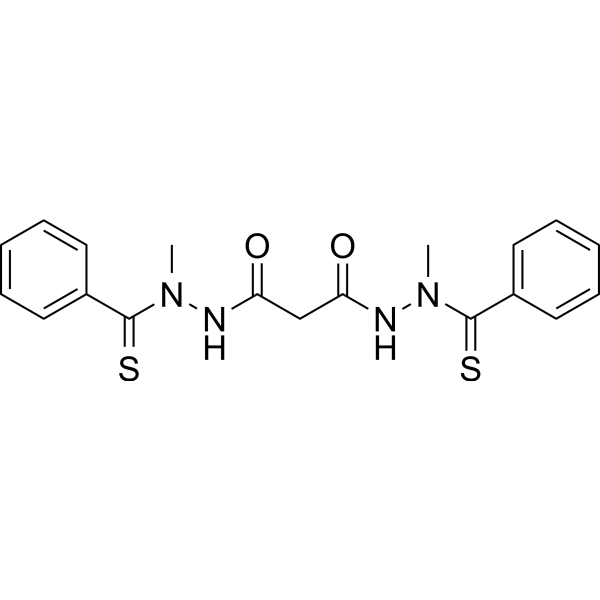
    Elesclomol (STA-4783) is a potent copper ionophore and promotes copper-dependent cell death (cuproptosis). Elesclomol specifically binds ferredoxin 1 (FDX1) α2/α3 helices and β5 strand. Elesclomol inhibits FDX1-mediated Fe-S cluster biosynthesis. Elesclomol is an oxidative stress inducer that induces cancer cell apoptosis. Elesclomol is a reactive oxygen species (ROS) inducer. Elesclomol can be used for Menkes and associated disorders of hereditary copper deficiency research .
    Elesclomol
  • HY-W021042

    THPTA

    Biochemical Assay Reagents Others
    Tris(3-hydroxypropyltriazolylmethyl)amine (THPTA) is an accelerating ligand in the copper-catalyzed azide-alkyne cycloaddition reaction (CuAAC) and protects cells from oxidants generated by copper-catalyzed reduction of oxygen by ascorbate. In addition, Tris(3-hydroxypropyltriazolylmethyl)amine can also protect the histidine moiety of biomolecules in a manner proportional to the ligand concentration .
    Tris(3-hydroxypropyltriazolylmethyl)amine
  • HY-Y1878
    Copper(Ⅱ) sulfate
    3 Publications Verification

    Cupric sulfate

    Environmental Pollutants Biochemical Assay Reagents Others
    Copper(Ⅱ) sulfate (Cupric sulfate) is an inorganic compound that is a source of copper ions. Copper(Ⅱ) sulfate forms coordination compounds through the coordination of copper ions with ligands. Copper(Ⅱ) sulfate can be used for various enzymatic studies and material synthesis .
    Copper(Ⅱ) sulfate
  • HY-P0063
    Copper tripeptide
    1 Publications Verification

    GHK-Cu

    Biochemical Assay Reagents Inflammation/Immunology
    Copper tripeptide (GHK-Cu) is a tripeptide. During wound healing, Copper tripeptide may be freed from existing extracellular proteins via proteolysis and serves as a chemoattractant for inflammatory and endothelial cells. Copper tripeptide has been shown to increase messenger RNA production for collagen, elastin, proteoglycans, and glycosaminoglycans in fibroblasts. Copper tripeptide is a natural modulator of multiple cllular pathways in skin regeneration .
    Copper tripeptide
  • HY-141511
    Coppersensor 1
    Maximum Cited Publications
    29 Publications Verification

    Fluorescent Dye Neurological Disease Cancer
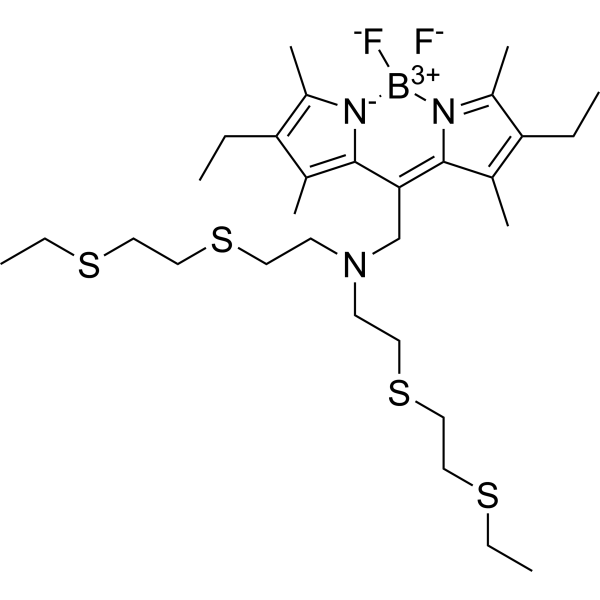
    Coppersensor-1 (CS1) is a membrane-permeable fluorescent dye. Coppersensor-1 has a picomolar affinity for Cu + with high selectivity over competing cellular metalions. Coppersensor-1 as a probe, can selective and sensitive detection of copper(I) ions (Cu +) in biological samples, including live cells. Coppersensor-1 can be used for the research of imaging of severe diseases such as cancer, cardiovascular disorders and neurogenerative diseases .
    Coppersensor 1
  • HY-Y1881B

    Environmental Pollutants Biochemical Assay Reagents Reactive Oxygen Species (ROS) Caspase MyD88 SOD Others
    Copper sulfate pentahydrate, for cell culture, 98% is a biochemical reagent. Copper sulfate pentahydrate, for cell culture, 98% reduces the production of ROS and the expression levels of MyD88 as well as c-Rel genes. Copper sulfate pentahydrate, for cell culture, 98% decreases the activities of T-SOD, CAT, and GSH, increases the activities of caspase-3, caspase-8, and caspase-9. Copper sulfate pentahydrate, for cell culture, 98% is cytotoxic to various cells .
    Copper sulfate pentahydrate, for cell culture, 98%
  • HY-116767
    BLT-1
    10+ Cited Publications

    Block lipid transport-1

    HCV Metabolic Disease Inflammation/Immunology
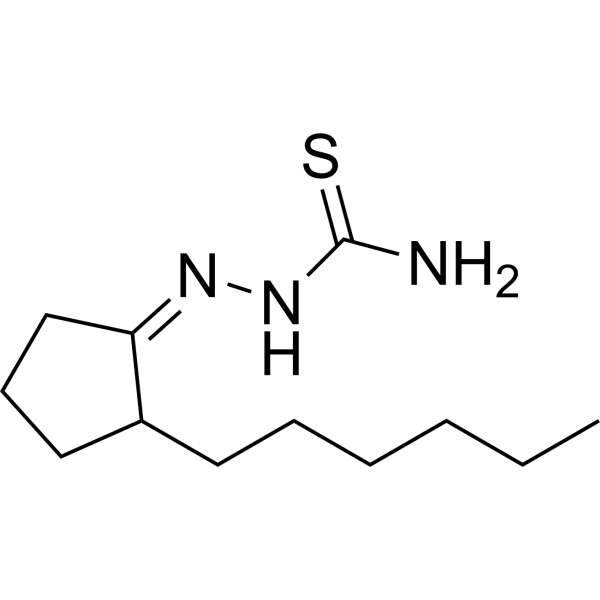
    BLT-1, a thiosemicarbazone copper chelator, is a selective scavenger receptor B, type 1 (SR-BI) inhibitor. BLT-1 inhibits the transfer of lipids between high-density lipoproteins (HDL) and cells mediated by SR-BI. BLT-1 is a potent HCV entry inhibitor .
    BLT-1
  • HY-Y1878C
    Copper sulfate anhydrous, 99%
    2 Publications Verification

    Cupric sulfate anhydrous, 99%

    Environmental Pollutants Bacterial Infection Metabolic Disease
    Anhydrous copper sulfate, 99% (Cupric sulfate anhydrous, 99%) is an orally administerable disinfectant. Anhydrous copper sulfate, 99% can be used as a biomaterial or organic compound related to life sciences research, and it can increase the Cu content in rat organs .
    Copper sulfate anhydrous, 99%
  • HY-W010860
    Copper(II) Gluconate
    2 Publications Verification

    Environmental Pollutants Biochemical Assay Reagents Others
    Copper(II) Gluconate is a non-toxic copper supplement aid. Copper(II) Gluconate is the copper salt of D-gluconic acid. Copper(II) Gluconate as a precursor catalyst that can be used in the photo-induced polymerisation of acrylates .
    Copper(II) Gluconate
  • HY-150086
    Copper Fluor-4
    3 Publications Verification

    CF4

    Fluorescent Dye Others
    Copper Fluor-4 (CF4) is a Cu +-specific fluorescent probe based on a rhodol dye scaffold. Copper Fluor-4 has high copper selectivity with a Kd value of 2.9×10 −13 M, particularly over zinc and iron, as well as abundant cellular alkali and alkaline earth metals. Copper Fluor-4 is stable in a physiologically relevant pH regime between 6 and 8 (wavelengths of 415 nm for excitation and 660 nm for emission) .
    Copper Fluor-4
  • HY-105321

    PBT 2

    Bacterial Neurological Disease
    PBT 1033 (PBT 2) is an orally active copper/zinc ionophore. PBT 1033 restores cognition in mouse models of Alzheimer's disease (AD). PB 1033 also has antibacterial activity against Gram-positive bacteria .
    PBT 1033
  • HY-B0911
    Chlorophyllin sodium copper salt
    2 Publications Verification

    Biochemical Assay Reagents Cardiovascular Disease Cancer
    Chlorophyllin sodium copper salt is an orally active green pigment, antioxidant and antimutagenic agent. Chlorophyllin sodium copper salt promotes hematopoiesis and thrombopoiesis .
    Chlorophyllin sodium copper salt
  • HY-Y1881A

    Environmental Pollutants Biochemical Assay Reagents Reactive Oxygen Species (ROS) Caspase MyD88 SOD Neurological Disease Metabolic Disease Cancer
    Copper sulfate pentahydrate, 99% is a biochemical reagent. Copper sulfate pentahydrate, 99% reduces the production of ROS and the expression levels of MyD88 as well as c-Rel genes. Copper sulfate pentahydrate, 99% decreases the activities of T-SOD, CAT, and GSH, increases the activities of caspase-3, caspase-8, and caspase-9. Copper sulfate pentahydrate, 99% is cytotoxic to various cells. Copper sulfate pentahydrate, 99% has antioxidant activity. Copper sulfate pentahydrate, 99% can be used in the research of diabetes, Parkinson's disease and DMBA (HY-W011845)-induced tumors .
    Copper sulfate pentahydrate, 99.9%
  • HY-Y0961

    copper(I) iodide

    Environmental Pollutants Biochemical Assay Reagents Others
    Cuprous iodide (Copper(I) iodide) is a biochemical reagent that can be used as a biological material or organic compound for life science related research.
    Cuprous iodide
  • HY-107636
    DC_AC50
    5+ Cited Publications

    Apoptosis Cancer
    DC_AC50 is a dual inhibitor of Atox1 and CCS (copper chaperones). Inhibiting intracellular copper chaperones as a means of reducing/preventing acquired chemotherapy resistance .
    DC_AC50
  • HY-W111581
    Copper(II) diethyldithiocarbamate
    1 Publications Verification

    Diethyldithiocarbamic acid copper salt

    Apoptosis Caspase Cancer
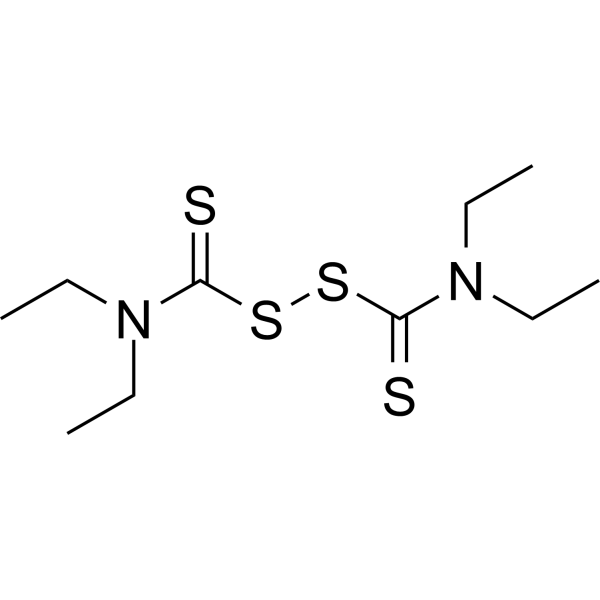
    Copper(II) diethyldithiocarbamate (Diethyldithiocarbamic acid copper salt) is a Copper(II) and diethyldithiocarbamate coordination polymer. Copper(II) diethyldithiocarbamate binds tightly to NPL4 and induces its aggregation, disrupting the p97-NPL4-UFD1 pathway. Copper(II) diethyldithiocarbamate causes ubiquitinated proteins accumulation and impairs waste proteins degradation, thus resulting in cell apoptosis. Copper(II) diethyldithiocarbamate inhibits tumor growth in MDA-MB-231 xenograft mice models. Copper(II) diethyldithiocarbamate can be used for the research of cancer, such as breast cancer .
    Copper(II) diethyldithiocarbamate
  • HY-P5243

    AHK-Cu

    Others Bcl-2 Family Others
    Copper tripeptide-3 (AHK-Cu) is a bioactive peptide with promotion of hair growth effect. Copper tripeptide-3 increases dermal cell proliferation and viability while increasing the deposition of collagen to renew the extracellular matrix. Copper tripeptide-3 stimulates the elongation of human hair follicles and proliferation of dermal papilla cells .
    Copper tripeptide-3
  • HY-B2226
    Sodium copper chlorophyllin B
    1 Publications Verification

    HIV Influenza Virus Infection
    Sodium copper chlorophyllin B exerts antiviral activities against Influenza virus and HIV with IC50s of 50 to 100 μM for both of them.
    Sodium copper chlorophyllin B
  • HY-P2910
    Galactose Oxidase, Dactylium dendroides
    2 Publications Verification

    GOase

    Endogenous Metabolite Others
    Galactose Oxidase, Dactylium dendroides (GOase) from fungus is often used in biochemical studies. Galactose oxidase is a type II copper metalloenzyme, and it containing a single polypeptide. Galactose oxidase catalyzes two-electron oxidation of primary alcohols to their corresponding aldehydes, coupling with the reduction of dioxygen to hydrogen peroxide .
    Galactose Oxidase, Dactylium dendroides
  • HY-W017457

    (±)-Penicillamine

    Biochemical Assay Reagents Others
    DL-Penicillamine [(±)-Penicillamine] is a copper chelating agent. DL-Penicillamine has antidotal effects in thallotoxicosis rats when co-treated with Prussian blue (HY-106594A). DL-Penicillamine can cause pyridoxine deficiency and then induce optic axial neuritis. DL-Penicillamine can also depress primary immune response .
    DL-Penicillamine
  • HY-W086988

    5-Methylbenzotriazole

    Biochemical Assay Reagents Others
    5-Methyl-1H-benzotriazole (5-Methylbenzotriazole) is a benzotriazole derivative, and serves as a key building block for ultraviolet absorbers and light stabilizers. 5-Methyl-1H-benzotriazole reduces the photosensitizing ability of nitrate and dissolved organic matter (DOM), enhances the persistence of microorganic pollutants, inhibits the photodegradation of DOM and drug residues, and quenches the triplet excited states of DOM and methotrexate substructures. 5-Methyl-1H-benzotriazole acts as a corrosion inhibitor for copper and copper alloys, and is present in formulations of anti-icing fluids, dishwasher detergents, aircraft deicing fluids and automotive antifreezes .
    5-Methyl-1H-benzotriazole
  • HY-B2153

    Cuproptosis Bacterial Infection
    Tetraethylenepentamine pentahydrochloride is an orally active copper chelator and copper mobilizer. Tetraethylenepentamine pentahydrochloride exhibits growth inhibitory and hypolipidemic properties. Tetraethylenepentamine pentahydrochloride significantly increases urinary copper excretion and reduces renal copper accumulation in copper overload models, but does not significantly alter hepatic copper levels. Tetraethylenepentamine pentahydrochloride exerts growth inhibitory effects on Candida albicans and Fluconazole (HY-B0101)-resistant strains, and can be widely used in studies related to Wilson's disease and Candida infections .
    Tetraethylenepentamine pentahydrochloride
  • HY-W753658

    Fluorescent Dye Others
    Coppersensor-3 (CS3) is a bright small-molecule fluorescent probe for selective Cu(I) detection. Coppersensor-3 is selective and sensitive enough to image labile copper pools in living cells at endogenous, basal levels. Coppersensor-3 can be used for the cell biology of copper research .
    Coppersensor-3
  • HY-15369

    Akt Apoptosis Cancer
    FPA-124, a cell-permeable copper complex, is a selective Akt inhibitor with an IC50 of 0.1 μM. FPA-124 interacts with both the pleckstrin homology (PH) and the kinase domains of Akt. FPA-124 induces apoptosis .
    FPA-124
  • HY-D0876

    Biochemical Assay Reagents Others
    POPSO is a zwitterionic buffer, increases osmolality and shows marked inhibition of anion uniport. POPSO inhibits chloride uniport with an IC50 value of 24 mM. POPSO enhances copper uptake and toxicity in alga, impairs mitochondrial inner membrane. The working pH range of POPSO sesquisodium salt is 7.2-8.5 .
    POPSO
  • HY-E70519

    Monoamine Oxidase Cardiovascular Disease Neurological Disease
    Tyramine oxidase, Microorganism (EC 1.4.3.4) is a copper enzyme found in the cytoplasm of animal cells that catalyzes the oxidation of phenolic amine substrates. Tyramine oxidase, Microorganism involves in the metabolism and clearance of phenolamine compounds and has an important role in maintaining homeostasis in vivo. Tyramine oxidase, Microorganism is promising for research of hypertension, asthma, and depression .
    Tyramine oxidase, Microorganism
  • HY-B0658A

    Zinc(II) acetate dihydrate, ACS, 98%

    Biochemical Assay Reagents Others
    Zinc acetate dihydrate, ACS, 98% (Zinc (II) acetate dihydrate, ACS, 98%) acts as a metal chelator and an intestinal metallothionein inducer. Zinc acetate dihydrate, ACS, 98% induces intestinal metallothionein synthesis and shortens the course of the common cold. Zinc acetate dihydrate, ACS, 98% is applicable to the research of copper metabolism disorder-related diseases, the common cold and Wilson's disease, as well as protein experiments .
    Zinc acetate dihydrate, ACS, 98%
  • HY-D1601
    N-Aminofluorescein
    1 Publications Verification

    Fluorescent Dye Others
    N-Aminofluorescein is a fluorescein hydrazide with spiro form, a highly selective and sensitive fluorescence probe for Cu 2+. N-Aminofluorescein has no selective fluorescence response to other common metal ions, can be used for direct detection of Cu 2+ in biological systems with λex/em=495/516 nm . N-Aminofluorescein can be used to measure the concentration of copper ions in cells .
    N-Aminofluorescein
  • HY-W243460

    Biochemical Assay Reagents Others
    EDTA copper (II) disodium salt, 97% is a negatively charged copper (II)-ethylenediaminetetraacetic acid chelate and also an adsorption substrate. EDTA copper (II) disodium salt, 97% forms amide bonds with chitosan amino groups in weakly acidic (pH 3-5) solutions, while it forms the CuEDTA (OH) 3− hydroxyl complex in strongly alkaline (pH > 12) solutions. EDTA copper (II) disodium salt, 97% can be adsorbed onto granular activated carbon, with electrostatic interactions dominating its pH-dependent adsorption behavior. EDTA copper (II) disodium salt, 97% can be used to eliminate the inhibition of enzyme-catalyzed reactions caused by trace heavy metals .
    EDTA copper(II) disodium salt, 97%
  • HY-Y1102A

    Environmental Pollutants Biochemical Assay Reagents Others
    Copper(II) acetate, 99.99% trace metals basis is a dinuclear metal complex that can be used a source of copper and oxidizing agent in inorganic synthesis, and as a catalyst in organic synthesis .
    Copper(II) acetate, 99.99% trace metals basis
  • HY-W017165

    Biochemical Assay Reagents Others
    Sodium malonate hydrate is a complexing agent for the determination of beryllium and copper. Sodium malonate hydrate is a kind of biological materials or organic compounds that are widely used in life science research .
    Sodium malonate hydrate
  • HY-W582504

    CuCl(TPP)3

    DNA Stain Bacterial Fungal Infection Cancer
    Chlorotris(triphenylphosphine)copper (CuCl(TPP)₃) is a DNA-targeted metal complex. Chlorotris(triphenylphosphine)copper involves non-covalent interactions (such as groove binding mode) through the copper(I) center to affect DNA function, showing inhibitory activity against bacteria, fungi, and tumor cells. Chlorotris(triphenylphosphine)copper is promising for research of antibacterial, antitumor, and antioxidant agents .
    Chlorotris(triphenylphosphine)copper
  • HY-Y0870

    copper dihydroxide carbonate

    Environmental Pollutants Biochemical Assay Reagents Others
    Cupric carbonate basic (Copper dihydroxide carbonate) is a kind of biological materials or organic compounds that are widely used in life science research .
    Cupric carbonate basic
  • HY-W582564

    Ethylenediaminetetraacetic acid copper disodium tetrahydrate

    Biochemical Assay Reagents Others
    Cu(Ⅱ)-EDTA disodium tetrahydrate, a typical contaminant in industrial wastewater, is an EDTA-complexed heavy metal. Cu(Ⅱ)-EDTA disodium tetrahydrate can be used in research on the recovery of heavy metal resources from mixed wastewater .
    Cu(Ⅱ)-EDTA disodium tetrahydrate
  • HY-Y0988

    Environmental Pollutants Biochemical Assay Reagents Others
    Copper(I) chloride is an inorganic chloride of copper. Copper(I) chloride exhibits ecotoxicity towards Grooved Carpet Shell with a LC50 of 3.7 mg/L .
    Copper(I) chloride
  • HY-178914

    Cuproptosis Reactive Oxygen Species (ROS) Mitochondrial Metabolism Cancer
    Copper ionophore I is an efficient copper ion carrier. Copper ionophore I can regulate various intracellular copper levels to induce cuproptosis, such as 4T1 (IC50 = 0.45 μM) and MDA-MB-231(IC50 = 1.21 μM) cells. Copper ionophore I can induce an increase in ROS and cause mitochondrial dysfunction. Copper ionophore I can reduce the expression of FDX1, DLAT, and LIAS proteins. Copper ionophore I can activate immune related pathways and promote T cell infiltration. Copper ionophore I can be used for cancer research .
    Copper ionophore I
  • HY-W034801

    Cupric Acetylacetonate

    Biochemical Assay Reagents Others
    Copper(II) acetylacetonate (Cupric Acetylacetonate) is the homoleptic acetylacetonate complex of copper(II). Copper(II) acetylacetonate is used as a catalyst in various organic reactions, including oxidation, cross-coupling, and polymerization reactions. Copper(II) acetylacetonate is also a precursor for making metal-organic frameworks (MOF) and nanomaterials .
    Copper(II) acetylacetonate
  • HY-120651

    LDLR Metabolic Disease
    LDL-IN-2 (compound 3) is an antioxidant against copper mediated low-density lipoproteins (LDL) oxidation .
    LDL-IN-2
  • HY-D1492

    Fluorescent Dye Others
    Fast Sulphon Black F is a specific copper indicator. Fast Sulphon Black F can be used for EDTA titration .
    Fast Sulphon Black F
  • HY-P0063A

    GHK-Cu acetate

    Biochemical Assay Reagents Inflammation/Immunology
    Copper tripeptide (GHK-Cu) acetate is a tripeptide. During wound healing, Copper tripeptide acetate may be freed from existing extracellular proteins via proteolysis and serves as a chemoattractant for inflammatory and endothelial cells. Copper tripeptide acetate has been shown to increase messenger RNA production for collagen, elastin, proteoglycans, and glycosaminoglycans in fibroblasts. Copper tripeptide acetate is a natural modulator of multiple cllular pathways in skin regeneration .
    Copper tripeptide acetate
  • HY-W034952

    copper(II) TPP

    MOFs Others
    5,10,15,20-Tetraphenyl-21H,23H-porphine copper(II) (Copper(II) TPP) is a metal-organic framework (MOF).
    5,10,15,20-Tetraphenyl-21H,23H-porphine copper(II)
  • HY-W075791

    Biochemical Assay Reagents Others
    Copper(II) perchlorate hexahydrate is an inorganic compound with the chemical formula Cu(ClO4) 2 (H2O) 6 and can be used as a catalyst in certain reaction .
    Copper(II) perchlorate hexahydrate
  • HY-120743

    Biochemical Assay Reagents Metabolic Disease
    Triplin is a copper chelator, Triplin perturbs copper ion transport involved in the interaction of RAN1 and ATX1. Triplin suppresses the toxic effects of excess copper ions on plant root growth. Triplin increases the RNA expression of ERF1. Triplin acts through the ethylene signal transduction pathway. Triplin also is a bacterial pore-former .
    Triplin
  • HY-155684

    PROTACs VEGFR PDGFR Ephrin Receptor Cancer
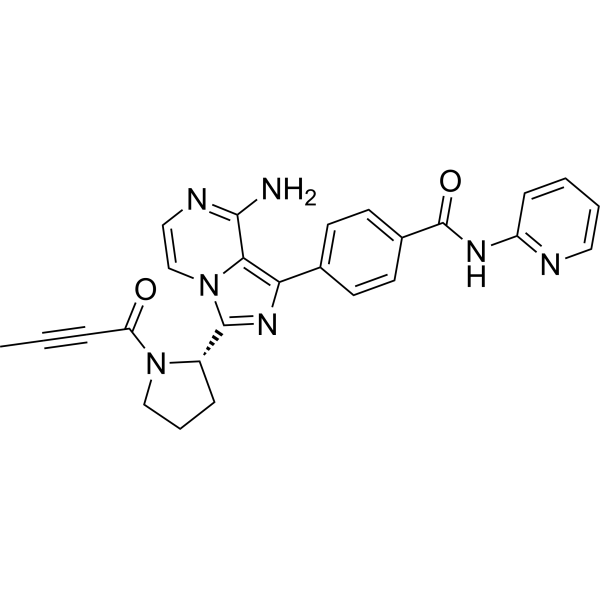
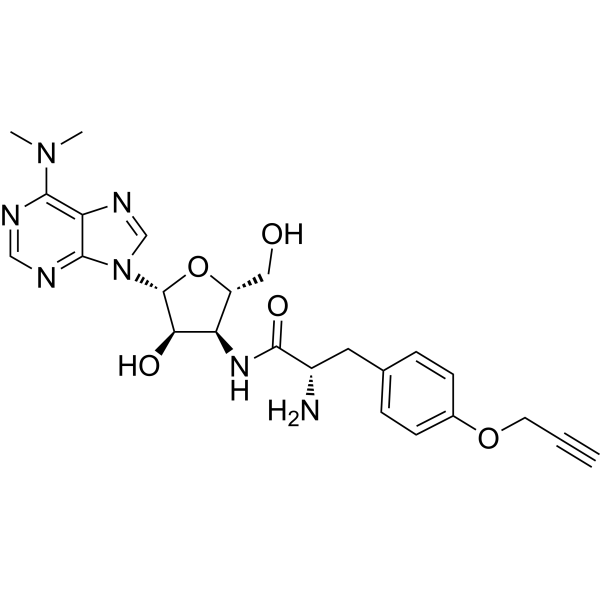
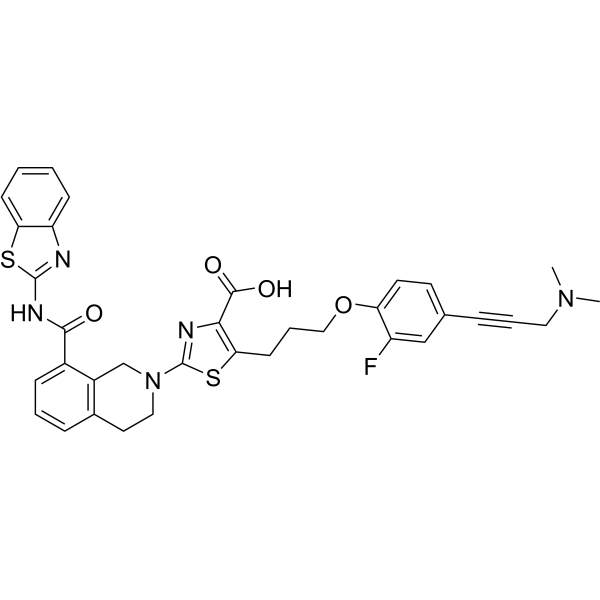
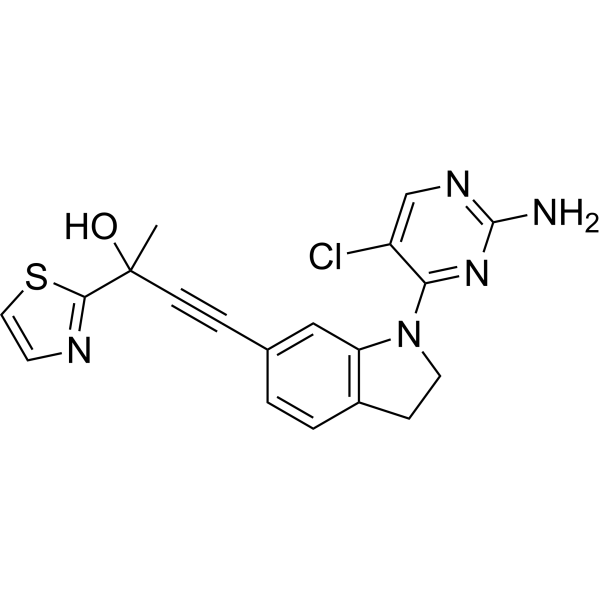
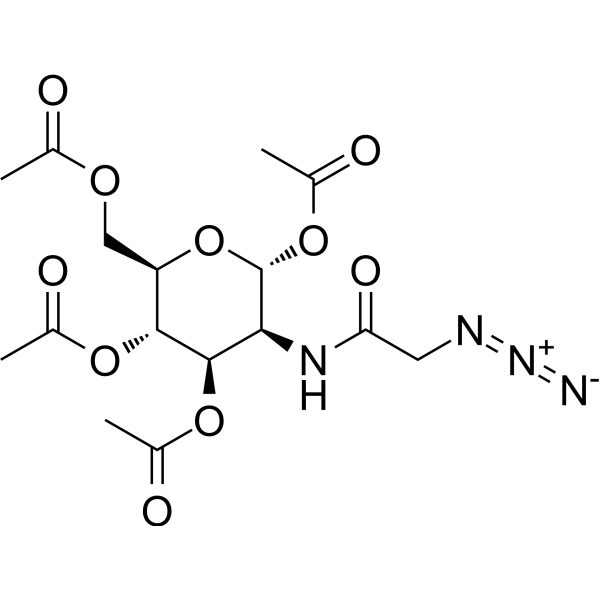
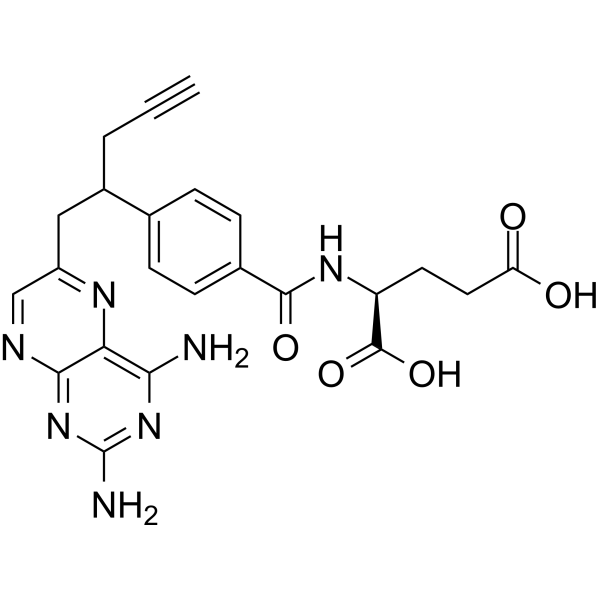
    SA-PA is an intracellular self-assembled PROTAC based on azide and alkyne. SA-PA is able to selectively degrade VEGFR-2, PDGFR-β and EphB4 proteins in U87 cells. SA-PA can be converted to PROTAC in situ by click reaction with the help of endogenous copper in tumor tissues .
    SA-PA
  • HY-105321A

    PBT 2 hydrochloride

    Bacterial Neurological Disease
    PBT 1033 hydrochloride is an orally active copper/zinc ionophore. PBT 1033 hydrochloride restores cognition in mouse models of Alzheimer's disease (AD). PB 1033 also has antibacterial activity against Gram-positive bacteria .
    PBT 1033 hydrochloride
  • HY-B0914B

    Undecylenic acid (copper)

    Fungal Bacterial Amyloid-β Reactive Oxygen Species (ROS) Proteasome Infection Neurological Disease Endocrinology Cancer
    10-Undecenoic acid copper (Undecylenic acid copper) is an antifungal agent. 10-Undecenoic acid copper inhibits oligomerization, scavenges ROS and inhibits μ-calpain activity. 10-Undecenoic acid copper has neuroprotective effects. 10-Undecenoic acid copper has anticancer effects on a variety of tumors. 10-Undecenoic acid copper inhibits C. albicans biofilm formation and MRSA infection. 10-Undecenoic acid copper inhibits quorum sensing signals of Bacillus subtilis and Pseudomonas aeruginosa .
    10-Undecenoic acid (copper)
  • HY-W075783R

    Acetic acid, copper(2+) salt, monohydrate (Standard)

    Reference Standards
    Copper(II)acetatemono hydrate (Standard) is the analytical standard of Copper(II)acetatemono hydrate. This product is intended for research and analytical applications.
    Copper diacetate monohydrate (Standard)
  • HY-B0911R

    Biochemical Assay Reagents Reference Standards Cancer
    Chlorophyllin sodium copper salt (Standard) is the analytical standard of Chlorophyllin sodium copper salt. This product is intended for research and analytical applications. Chlorophyllin sodium copper salt is an orally active green pigment, antioxidant and antimutagenic agent. Chlorophyllin sodium copper salt promotes hematopoiesis and thrombopoiesis .
    Chlorophyllin sodium copper salt (Standard)
  • HY-49457

    Drug Derivative Others
    Copper(II) ionophore I is a neutral Cu + ionophore.
    Copper(II) ionophore I
  • HY-W073206

    Biochemical Assay Reagents Others
    Copper(II) tartrate hydrate is a kind of biological materials or organic compounds that are widely used in life science research .
    Copper(II) tartrate hydrate

Inquiry Online

Your information is safe with us. * Required Fields.

Salutation


Country or Region *

Applicant Name *


Organization Name *

Department *


Email Address *


Product Name *

Cat. No.


Requested quantity *

Phone Number *


Remarks

Inquiry Online

Inquiry Information

Product Name:
Cat. No.:
Quantity:
MCE Japan Authorized Agent:

