
1. Search Result
Search Result
Results for "

dopamine systems

" in MedChemExpress (MCE) Product Catalog:

53

Inhibitors & Agonists

1

Screening Libraries

4

Peptides

2

Natural
Products

3

Isotope-Labeled Compounds

Cat. No. Product Name Target Research Areas Chemical Structure
  • HY-13204A

    KL 373

    mAChR Neurological Disease
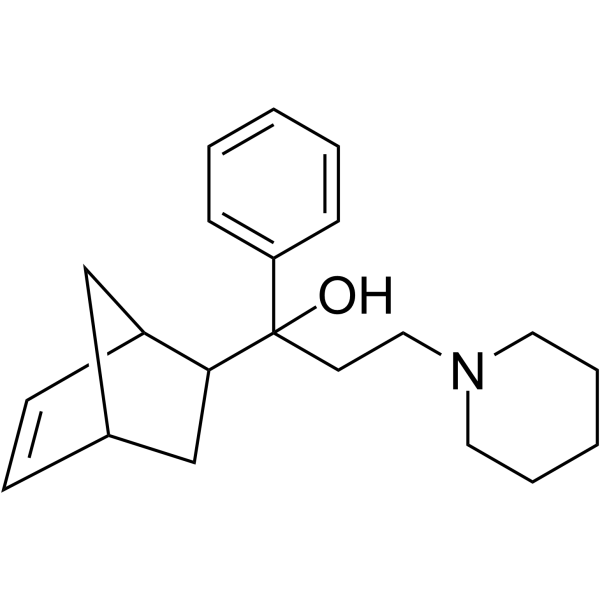
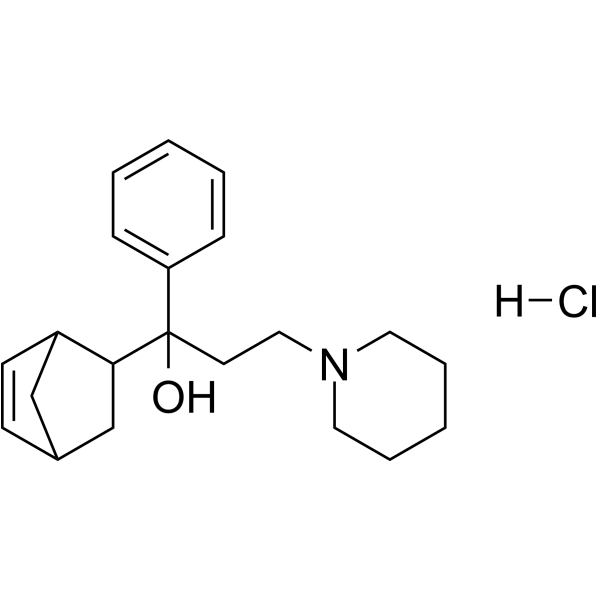
    Biperiden (KL 373) is a non-selective muscarinic receptor antagonist that competitively binds to M1 muscarinic receptors, thereby inhibiting acetylcholine and enhancing dopamine signaling in the central nervous system. Biperiden has the potential for the research of Parkinson's disease and other related psychiatric disorders .
    Biperiden
  • HY-13204

    KL 373 hydrochloride

    mAChR Neurological Disease
    Biperiden (KL 373) hydrochloride is a non-selective muscarinic receptor antagonist that competitively binds to M1 muscarinic receptors, thereby inhibiting acetylcholine and enhancing dopamine signaling in the central nervous system. Biperiden hydrochloride has the potential for the research of Parkinson's disease and other related psychiatric disorders .
    Biperiden hydrochloride
  • HY-105174A

    JAK FAK Neurological Disease Metabolic Disease
    BPC 157 acetate is an orally active peptide. BPC 157 acetate exhibits multiple activities such as promoting wound healing, tendon healing, neuroprotection, and gastrointestinal protection. BPC 157 acetate can be used in the research of tendon injury, burn, gastric ulcer, and neurological diseases .
    BPC 157 acetate
  • HY-W013407

    Tyrosine Hydroxylase Thyroid Hormone Receptor Neurological Disease
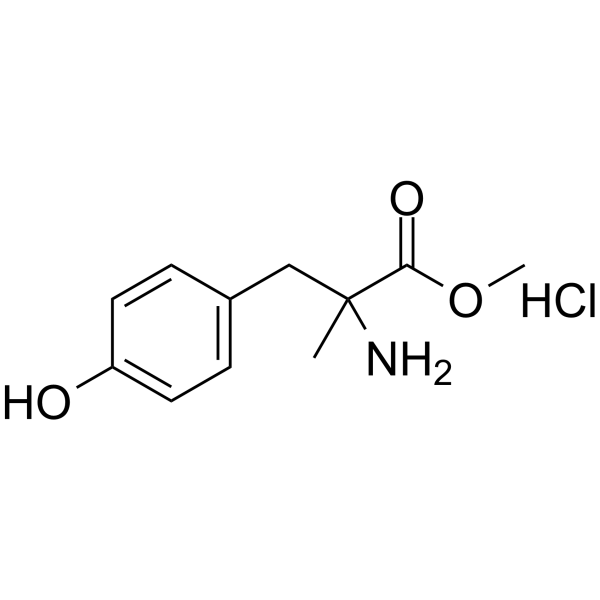
    α-Methyltyrosine methyl ester hydrochloride is an orally active and competitive tyrosine hydroxylase inhibitor. α-Methyltyrosine methyl ester hydrochloride can inhibit the conversion of tyrosine to dopamine. α-Methyltyrosine methyl ester hydrochloride causes kidney damage and urethral calculi in rats. α-Methyltyrosine methyl ester hydrochloride can be used as a tool for sympathetic nervous system research .
    α-Methyltyrosine methyl ester hydrochloride
  • HY-101299B
    Dihydrexidine hydrochloride
    5 Publications Verification

    DAR-0100 hydrochloride

    Dopamine Receptor Neurological Disease
    Dihydrexidine hydrochloride (DAR-0100 hydrochloride) is a high potent, selective and full efficacy D1-like dopamine receptor (D1/D5) agonist, with an IC50 of 10 nM for D1 receptor. Dihydrexidine hydrochloride exhibits potent antiparkinsonian activity . Dihydrexidine hydrochloride can stimulate YAP phosphorylation .
    Dihydrexidine hydrochloride
  • HY-A0019A
    Paliperidone palmitate
    1 Publications Verification

    9-Hydroxyrisperidone palmitate

    Dopamine Receptor 5-HT Receptor Neurological Disease
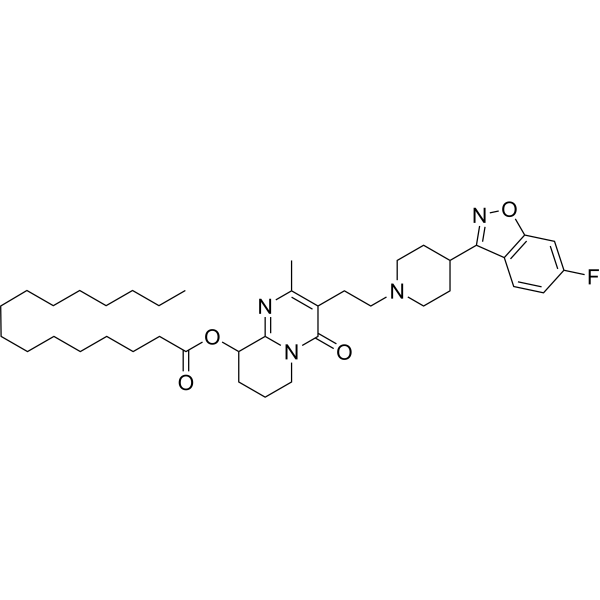
    Paliperidone palmitate is an orally effective competitive antagonist of dopamine D2 receptors and 5-hydroxytryptamine 2A (5-HT2A) receptors that can cross the blood-brain barrier. Paliperidone palmitate competitively inhibits the effects of dopamine and 5-hydroxytryptamine by binding to dopamine D2 receptors and 5-HT2A receptors, regulating the balance of the neurotransmitter system and thus exerting antipsychotic activity. Paliperidone palmitate is mainly used in the research field of schizophrenia .
    Paliperidone palmitate
  • HY-103151

    5-HT Receptor Neurological Disease Metabolic Disease
    CP94253 hydrochloride is an orally active, brain-penetrant and selective 5-HT1B receptor agonist with an Ki of 2 nM. CP94253 hydrochloride induces antidepressant-like effects, waking enhancement, sleep inhibition, increased sleep latency, hyperlocomotion, and suppressed aggressive behavior. CP94253 hydrochloride can be used for the research of depression and heightened aggressive behavior .
    CP94253 hydrochloride
  • HY-159829

    NBI-1117568; HTL-0016878

    mAChR Neurological Disease
    Direclidine (NBI-1117568, HTL-0016878) is a selective orthosteric agonist targeting the muscarinic acetylcholine M4 receptor, exhibiting very low affinity for M1, M2, M3, and M5 receptors. It binds to the orthosteric site of the M4 receptor in a non-covalent, competitive manner. Direclidine specifically activates the M4 receptor, inhibiting the release of acetylcholine from striatal cholinergic interneurons, thereby regulating the balance of the dopaminergic system and reducing psychiatric symptoms associated with excessive dopamine release. Direclidine can improve symptoms associated with neuropsychiatric disorders and is used in research on schizophrenia and other neuropsychiatric disorders .
    Direclidine
  • HY-N0724
    Mesaconitine
    2 Publications Verification

    TNF Receptor Neurological Disease
    Mesaconitine is a nitric oxide synthase activator. Mesaconitine drives extracellular Na + and Ca 2+ influx into endothelial cells, increases intracellular Na + and Ca 2+ concentrations, and triggers nitric oxide release. Mesaconitine is applicable for pain-related research .
    Mesaconitine
  • HY-124767

    Neuropeptide Y Receptor Neurological Disease
    SR 142948A is a non-peptide neuropeptide neuropeptin (NT) receptor antagonist. SR 142948A is able to bind to neuropeptin receptors, especially with high affinity for NT1 and NT2 receptors. SR 142948A is mainly used to study the role of neuropeptide in the neurotransmitter system, especially the dopamine system .
    SR 142948A
  • HY-100822

    (+)-HA-966

    iGluR Neurological Disease
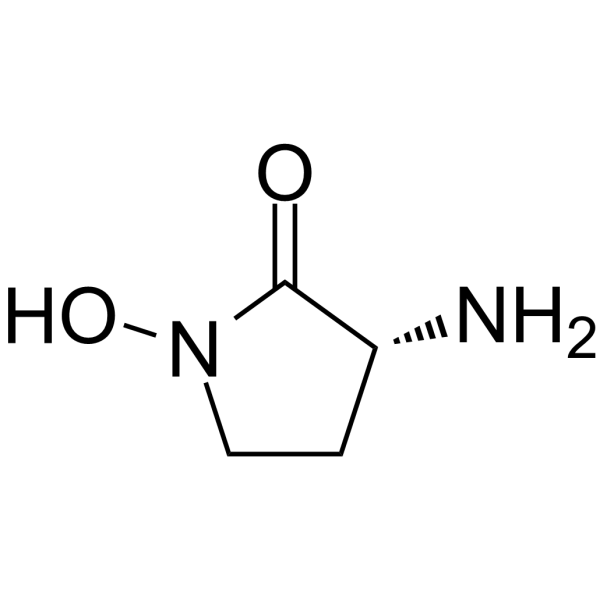
    (R)-(+)-HA-966 ((+)-HA-966) is a partial agonist/antagonist of glycine site of the N-methyl-D-aspartate (NMDA) receptor complex. (R)-(+)-HA-966 selectively blocks the activation of the mesolimbic dopamine system by amphetamine . (R)-(+)-HA-966 can cross the blood-brain barrier and has the potential for neuropathic and acute pain .
    (R)-(+)-HA-966
  • HY-B1164
    Bromopride
    2 Publications Verification

    Dopamine Receptor Neurological Disease
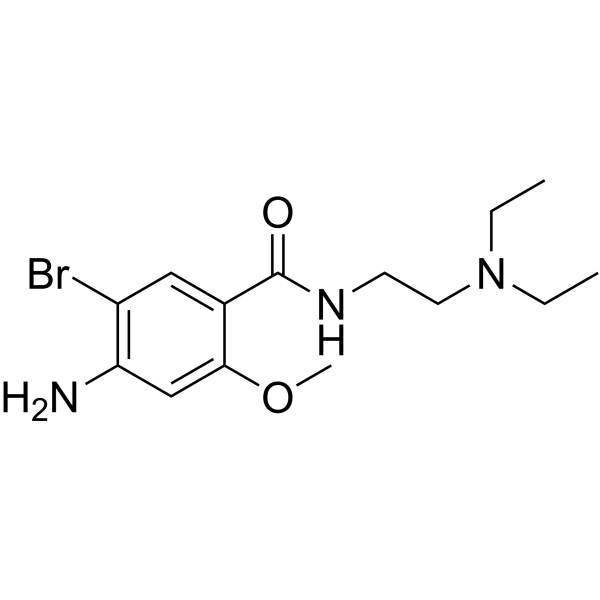
    Bromopride is a selective, irreversible, competitive, and orally effective dopamine D2 receptor antagonist. Bromopride can pass through the blood-brain barrier, inhibit the vomiting center, and enhance gastrointestinal motility, exerting antiemetic and gastrointestinal motility effects. Bromopride antagonizes dopamine-mediated vomiting reflexes and promotes gastrointestinal smooth muscle contraction, and has no adverse effects on abdominal wall healing in rats with postoperative abdominal infection. Bromopride can be used for the study of digestive system diseases (such as gastric hypomotility, nausea and vomiting) .
    Bromopride
  • HY-N3138

    Bacterial Apoptosis Reactive Oxygen Species (ROS) ERK JNK Caspase SOD Fungal Infection Neurological Disease
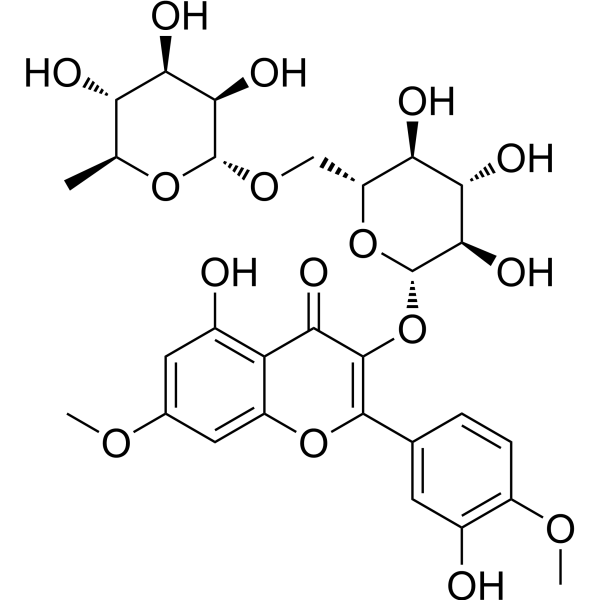
    Ombuoside has antioxidant properties, inhibiting ROS production and apoptosis. Ombuoside exerts neuroprotective effects through the ERK-JNK-caspase-3 system. Ombuoside promotes Dopamine biosynthesis through TH and CREB activation. Ombuoside exhibits antimicrobial activity against several Gram-positive and Gram-negative bacteria, as well as Candida albicans
    Ombuoside
  • HY-P3800

    Neurokinin Receptor Neurological Disease Endocrinology
    [Glp5] Substance P (5-11) is an octapeptide. [Glp5] Substance P (5-11) is one of the main substance P fragments in rat central nervous system (CNS). [Glp5] Substance P (5-11) locally modulates dopamine release in rat striatum .
    [Glp5] Substance P (5-11)
  • HY-116211

    WIN-25978

    Biochemical Assay Reagents Neurological Disease
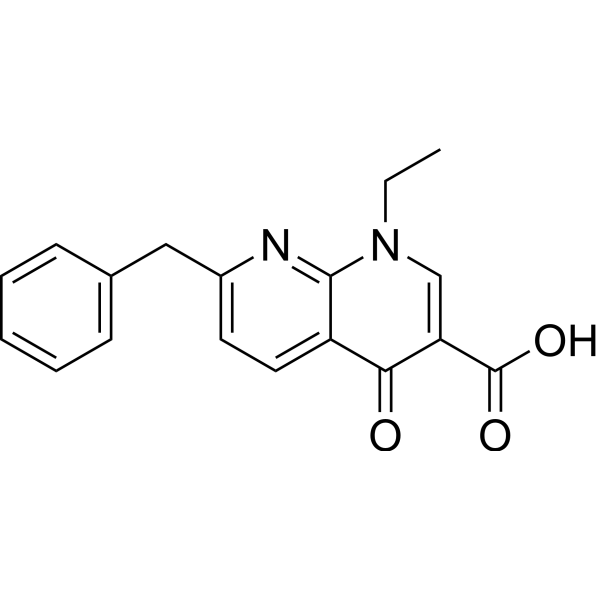
    Amfonelic acid (WIN-25978) is a highly selective dopamine reuptake inhibitor. Amfonelic acid interferes with the in vitro neuronal uptake of norepinephrine in the iris of rats, but does not alter the concentrations of norepinephrine or dopamine in the whole mouse brain. Amfonelic acid can be used as a pharmacological tool to study the brain reward system, dopamine pathway and dopamine transporter .
    Amfonelic acid
  • HY-13976A

    Drug Derivative Neurological Disease
    PRL-8-53 is an orally active, blood-brain barrier-permeable benzoate derivative with potent spasmolytic activity and central nervous system regulatory activity. PRL-8-53 acts on dopamine, serotonin and cholinergic-related targets, enhances dopamine activity, partially inhibits serotonin function and elicits cholinergic responses, thereby maintaining neurotransmitter balance in the central nervous system. PRL-8-53 improves learning ability, short-term memory and long-term memory in animals. PRL-8-53 can be used in central nervous system-related research .
    PRL-8-53
  • HY-101299A

    DAR-0100

    Dopamine Receptor YAP Neurological Disease
    Dihydrexidine (DAR-0100) is a high potent, selective and full efficacy D1-like dopamine receptor (D1/D5) agonist with an IC50 of 10 nM for D1 receptor. Dihydrexidine exhibits potent antiparkinsonian activity . Dihydrexidine can stimulate YAP phosphorylation .
    Dihydrexidine
  • HY-A0081S

    Dopamine Receptor Neurological Disease Cancer
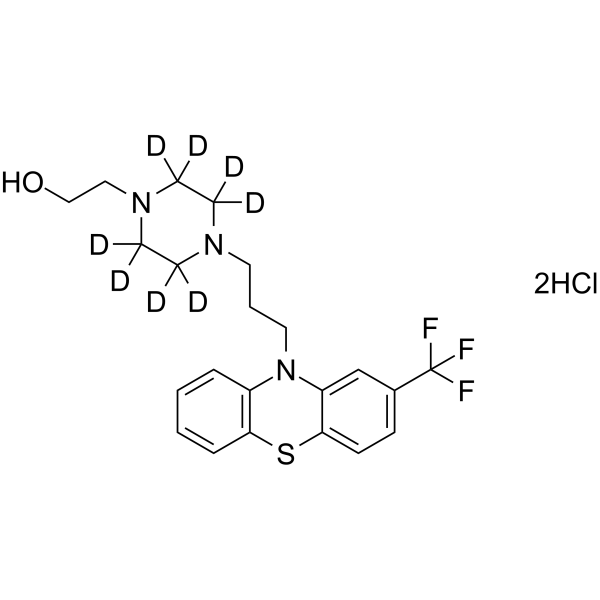
    Fluphenazine-d8 (dihydrochloride) is the deuterium labeled Fluphenazine dihydrochloride. Fluphenazine dihydrochloride is a phenothiazine-class D1DR and D2DR inhibitor; used to deliver Fluphenazine to biological systems in studies probing the effects and metabolic fates of this commonly used dopamine antagonist.
    Fluphenazine-d8 dihydrochloride
  • HY-114549

    Dopamine Receptor Neurological Disease
    (R)-SCH-23982 hydrochloride is the R-enantiomer of SCH-23982 hydrochloride. SCH-23982 hydrochloride is a selective dopamine D1 receptor antagonist. (R)-SCH-23982 hydrochloride is promising for research of central nervous system disorders such as schizophrenia, Parkinson’s disease .
    (R)-SCH-23982 hydrochloride
  • HY-106943

    Dopamine Receptor 5-HT Receptor Neurological Disease
    1192U90 is an antipsychotic agent, dopamine D2 receptor antagonist as well as serotonin 5-HT1a receptor agonist. 1192U90 reduces the number of spontaneously firing neurons in the limbic dopamine system .
    1192U90
  • HY-13051

    5-HT Receptor Dopamine Receptor Neurological Disease
    SB-773812 is a moderate-affinity antagonist at dopamine receptor 2 (pKi=7.4) and a high-affinity antagonist at the dopamine receptor 3 (pKi=8.5) and at the serotonin 5-hydroxytryptamine receptors 2A (pKi=9.0), 2C (pKi=8.1), and 6 (pKi=8.1). SB-773812 is promising for research of central nervous system disorders .
    SB-773812
  • HY-19545

    R-(+)-SCH-23390

    Dopamine Receptor Neurological Disease
    SCH-23390 is a dopamine D1-like receptor antagonist (with Ki values of 0.2 nM and 0.3 nM for the D1 and D5 receptor subtypes, respectively). SCH-23390 can shorten the latency period for cocaine-induced lever pressing behavior in rats. SCH-23390 can also eliminate generalized seizures caused by chemical convulsants, such as arecoline (HY-B0726A) and strychnine, and is used in research on neurological disorders related to the dopamine system .
    SCH-23390
  • HY-P1444

    Dopamine Receptor Neurological Disease
    Acein is a novel nonapeptide, H-Pro-Pro-Thr-Thr-Thr-Lys-Phe-Ala-Ala-OH. Acein can promote the release of dopamine. Acein targets angiotensin converting enzyme (ACE I). Angiotensin converting enzyme (ACE I) can be used in nervous system related research .
    Acein
  • HY-A0019AS

    9-Hydroxyrisperidone palmitate-d4

    Isotope-Labeled Compounds Dopamine Receptor 5-HT Receptor Neurological Disease
    Paliperidone palmitate-d4 (9-Hydroxyrisperidone palmitate-d4) is the deuterium labeled Paliperidone palmitate (HY-A0019A). Paliperidone palmitate is an orally effective competitive antagonist of dopamine D2 receptors and 5-hydroxytryptamine 2A (5-HT2A) receptors that can cross the blood-brain barrier. Paliperidone palmitate competitively inhibits the effects of dopamine and 5-hydroxytryptamine by binding to dopamine D2 receptors and 5-HT2A receptors, regulating the balance of the neurotransmitter system and thus exerting antipsychotic activity. Paliperidone palmitate is mainly used in the research field of schizophrenia .
    Paliperidone palmitate-d4
  • HY-13204R

    KL 373 hydrochloride (Standard)

    Reference Standards mAChR Neurological Disease
    Biperiden (hydrochloride) (Standard) is the analytical standard of Biperiden (hydrochloride). This product is intended for research and analytical applications. Biperiden (KL 373) hydrochloride is a non-selective muscarinic receptor antagonist that competitively binds to M1 muscarinic receptors, thereby inhibiting acetylcholine and enhancing dopamine signaling in the central nervous system. Biperiden hydrochloride has the potential for the research of Parkinson's disease and other related psychiatric disorders .
    Biperiden hydrochloride (Standard)
  • HY-13204B

    KL 373 lactate

    mAChR Neurological Disease
    Biperiden (KL 373) lactate is an orally active non-selective muscarinic receptor antagonist that competitively binds to M1 muscarinic receptors. Biperiden (KL 373) lactate inhibits acetylcholine and enhances dopamine signaling in the central nervous system. Biperiden (KL 373) lactate has the potential for the research of Parkinson's disease and other related psychiatric disorders .
    Biperiden lactate
  • HY-103405A

    Dopamine Receptor Neurological Disease
    NGD 94-1 (dimaleate) is a potent and selective dopamine D4 receptor antagonist. NGD 94-1 (dimaleate) shows high affinity for the cloned human D4.2 receptor (Ki = 3.6 nM). NGD 94-1 (dimaleate) modulates the cognitive functions of the frontostriatal system and regulates dopaminergic transmission in Phencyclidine (PCP)-induced monkeys. NGD 94-1 (dimaleate) can be used for neurological disease research [1][2].
    NGD 94-1 dimaleate
  • HY-165527

    Dopamine Receptor 5-HT Receptor Neurological Disease
    S18327 is a multi-target antipsychotic agent. S18327 exerts its efficacy by acting on multiple neurotransmitter systems in the brain, and it has antagonistic effects on dopamine receptors (particularly the D2 receptor) and 5-hydroxytryptamine 2A receptors (5-HT2A receptor). S18327 can counteract excessive dopamine activity and hypo-function of glutamate. S18327 exhibits a multi-parameter pharmacological profile that is highly similar to that of Clozapine (HY-14539). S18327 can produce the same discriminative stimulus as Clozapine, improve cognitive filtering deficits associated with schizophrenia, and display anxiolytic properties. S18327 has relatively weak affinity for histaminergic receptors and muscarinic receptors, which avoids the side effects of Clozapine .
    S18327
  • HY-105524

    5-HT Receptor Dopamine Receptor Inflammation/Immunology
    Lirexapride is a 5-HT4/Dopamine D2 receptor agonist. Lirexapride stimulants gastrointestinal motor. Lirexapride can be used for research on digestive system disorders .
    Lirexapride
  • HY-164819

    Dopamine Receptor Neurological Disease
    UNC10099984A (Compound 6) is a functionally selective ligand for the dopamine D2 receptor, with a Ki value of 4.6 nM and an EC50 value of 6.2 nM for β-arrestin. UNC10099984A can be used for research into central nervous system disorders related to the D2 receptor .
    UNC10099984A
  • HY-139680

    Dopamine Receptor Neurological Disease
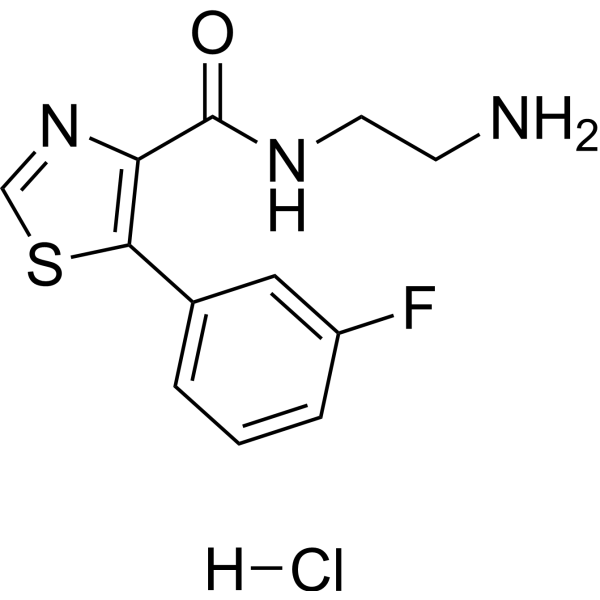
    Dopamine D3 receptor antagonist-1 is a dopamine D3 receptor-selective or multitarget bitopic ligand (Ki = 1.58 nM) potentially useful for central nervous system disorders.
    Dopamine D3 receptor antagonist-1
  • HY-139681

    Dopamine Receptor Neurological Disease
    Dopamine D3 receptor antagonist-2 is a dopamine D3 receptor-selective (Ki = 2.16 nM) or multitarget bitopic ligand potentially useful for central nervous system disorders.
    Dopamine D3 receptor antagonist-2
  • HY-W158945

    Serotonin Transporter Neurological Disease
    3-Chloroamphetamine hydrochloride is a derivative of Amphetamine that acts as a central nervous system stimulant by releasing serotonin and dopamine.
    3-Chloroamphetamine hydrochloride
  • HY-19875

    Dopamine Receptor Neurological Disease
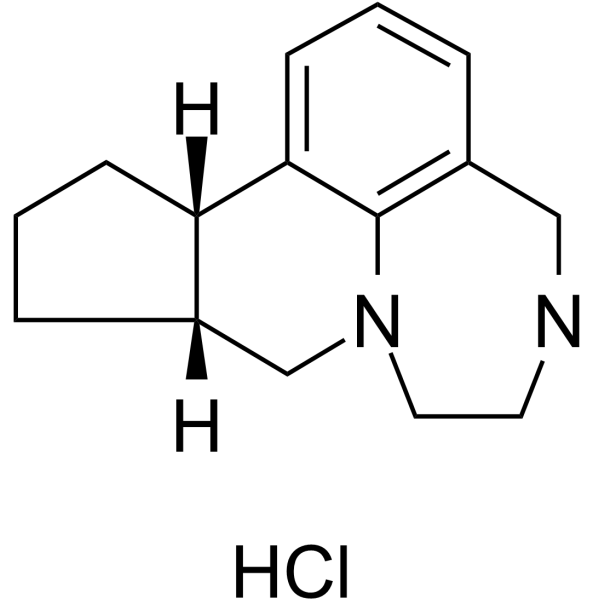
    Seridopidine is an orally active dopamine-like compound. Seridopidine can be used in research related to the nervous system .
    Seridopidine
  • HY-114539

    Dopamine Receptor Neurological Disease
    L-750667 triHydrochloride is a selective antagonist for the D4 dopamine receptor, with a Ki value of 0.51 nM. The radiolabeled form of L-750667, [ 125I]L-750,667, has a Kd value of 0.16 nM for the D4 receptor. L-750667 triHydrochloride can reverse dopamine-induced inhibition of cAMP accumulation. It can be used to study the distribution and function of D4 dopamine receptors in the central nervous system and has potential applications in the fields of neuroscience and psychiatry .
    L-750667 triHydrochloride
  • HY-11058

    GABA Receptor Neurological Disease
    BHF177 is a positive modulator of GABAB receptors that can block the interaction between nicotine and the brain's dopamine system, thereby reducing the addictive properties of nicotine. BHF177 is expected to be used in research related to smoking cessation .
    BHF177
  • HY-19262

    Dopamine Receptor Neurological Disease Inflammation/Immunology
    TAK-218 is a promising candidate as an agent tor central nervous system trauma and ischemia. TAK-218 exhibits potent scavenging activity and antioxidative activity. TAK-218 also inhibits dopamine release .
    TAK-218
  • HY-118997

    Dopamine Receptor Neurological Disease
    PD-89211 is a selective dopamine D4 receptor antagonist with a Ki value of 3.7 nM. PD-89211 reverses Quinpirole (HY-B1752A)-induced [3H]thymidine uptake in CHOpro5 cells (IC50 = 2.1 nM). PD-89211 regulates dopamine/norepinephrine metabolism in the hippocampus and can be used for research on central nervous system disorders such as schizophrenia .
    PD-89211
  • HY-118209

    Dopamine Receptor 5-HT Receptor Neurological Disease
    L-646462 is an antagonist of dopamine and 5-HT, with selectivity for the peripheral system (the central/peripheral activity ratio of L-646462 is 143). L-646462 can be used in research related to nausea, vomiting, and associated neurological disorders .
    L 646462
  • HY-118706

    Dopamine Receptor Neurological Disease
    PD 118440 is an orally active dopamine (DA) agonist. PD 118440 has significant central nervous system effects, including inhibition of striatal DA synthesis, suppression of DA neuron firing, and reversal of Reserpine (HY-N0480)-induced depression in rats .
    PD 118440
  • HY-A0019AR

    9-Hydroxyrisperidone palmitate (Standard)

    Dopamine Receptor 5-HT Receptor Reference Standards Neurological Disease
    Paliperidone palmitate (Standard) is the analytical standard of Paliperidone palmitate. This product is intended for research and analytical applications. Paliperidone palmitate is an orally effective competitive antagonist of dopamine D2 receptors and 5-hydroxytryptamine 2A (5-HT2A) receptors that can cross the blood-brain barrier. Paliperidone palmitate competitively inhibits the effects of dopamine and 5-hydroxytryptamine by binding to dopamine D2 receptors and 5-HT2A receptors, regulating the balance of the neurotransmitter system and thus exerting antipsychotic activity. Paliperidone palmitate is mainly used in the research field of schizophrenia .
    Paliperidone palmitate (Standard)
  • HY-B1164A

    Dopamine Receptor Neurological Disease
    Bromopride hydrochloride is a selective, irreversible, competitive, and orally active dopamine D2 receptor antagonist. Bromopride hydrochloride can pass through the blood-brain barrier, inhibit the vomiting center, and enhance gastrointestinal motility, exerting antiemetic and gastrointestinal motility effects. Bromopride hydrochloride antagonizes dopamine-mediated vomiting reflexes and promotes gastrointestinal smooth muscle contraction, and has no adverse effects on abdominal wall healing in rats with postoperative abdominal infection. Bromopride hydrochloride can be used for the study of digestive system diseases (such as gastric hypomotility, nausea and vomiting) .
    Bromopride hydrochloride
  • HY-13204AR

    KL 373 (Standard)

    Reference Standards mAChR Neurological Disease
    Biperiden (Standard) is the analytical standard of Biperiden. This product is intended for research and analytical applications. Biperiden (KL 373) is a non-selective muscarinic receptor antagonist that competitively binds to M1 muscarinic receptors, thereby inhibiting acetylcholine and enhancing dopamine signaling in the central nervous system. Biperiden has the potential for the research of Parkinson's disease and other related psychiatric disorders .
    Biperiden (Standard)
  • HY-13204AS

    KL 373-d5

    Isotope-Labeled Compounds mAChR Neurological Disease
    Biperiden-d5 (KL 373-d5) is deuterium labeled Biperiden. Biperiden (KL 373) is a non-selective muscarinic receptor antagonist that competitively binds to M1 muscarinic receptors, thereby inhibiting acetylcholine and enhancing dopamine signaling in the central nervous system. Biperiden has the potential for the research of Parkinson's disease and other related psychiatric disorders .
    Biperiden-d5
  • HY-103405

    Dopamine Receptor Neurological Disease
    NGD94-1 is a potent and selective dopamine D4 receptor antagonist. NGD94-1 shows high affinity for the cloned human D4.2 receptor (Ki = 3.6 nM). NGD94-1 modulates the cognitive functions of the frontostriatal system and regulates dopaminergic transmission in Phencyclidine (PCP)-induced monkeys. NGD94-1 can be used for neurological disease research [1][2].
    NGD94-1
  • HY-151094

    Monoamine Oxidase Neurological Disease
    FTEAA is a 4-styrylpiperidine inhibitor. FTEAA exhibits potent inhibitory effect towards both monoamine oxidase with IC50s of 0.52 μM (MAO-A), 1.02 μM (MAO-B), respectively. MAO inhibitors can be used for cardiovascular, neurological and oncological disorders research .
    FTEAA
  • HY-103151A

    5-HT Receptor Neurological Disease Metabolic Disease
    CP94253 is an orally active, brain-penetrant and selective 5-HT1B receptor agonist with an Ki of 2 nM. CP94253 induces antidepressant-like effects, waking enhancement, sleep inhibition, increased sleep latency, hyperlocomotion, and suppressed aggressive behavior. CP94253 can be used for the research of depression and heightened aggressive behavior .
    CP94253
  • HY-183927

    Dopamine Receptor Neurological Disease
    Spectramide is a blood-brain barrier-permeable, reversible, and selective dopamine D2 receptor ligand. Spectramide shows no strong interactions with dopamine D1 receptors, dopamine uptake sites, adrenergic receptor systems, cholinergic receptor systems, or 5-HTR systems. Spectramide can be labeled with 11C or 123I isotopes for use in PET or SPECT. Spectramide preferentially accumulates in the striatum with low uptake in other brain regions, and its accumulation can be blocked by pre-administration of Haloperidol (HY-14538) .
    Spectramide
  • HY-183665

    Dopamine Receptor Neurological Disease
    GBR-13119 is a blood-brain barrier-permeable inhibitor of the presynaptic dopamine uptake system. GBR-13119 binds to dopamine uptake sites with high selectivity, without being affected by other neurotransmitter reuptake inhibitors. GBR-13119 exhibits a lipophilic systemic distribution profile with extremely low defluorination in rats, while it shows a differential characteristic of slow striatal washout in the brain of primates. GBR-13119 can serve as a PET tracer to achieve visualized imaging of the striatum in primates, and can reflect MPTP-induced dopaminergic neuron degeneration through reduced uptake. GBR-13119 can be widely applied to studies related to Parkinson's disease and dopaminergic neuron degeneration .
    GBR-13119
  • HY-100822R

    (+)-HA-966 (Standard)

    iGluR Reference Standards Neurological Disease
    (R)-(+)-HA-966 (Standard) is the analytical standard of (R)-(+)-HA-966 (HY-100822). This product is intended for research and analytical applications. (R)-(+)-HA-966 ((+)-HA-966) is a partial agonist/antagonist of glycine site of the N-methyl-D-aspartate (NMDA) receptor complex. (R)-(+)-HA-966 selectively blocks the activation of the mesolimbic dopamine system by amphetamine . (R)-(+)-HA-966 can cross the blood-brain barrier and has the potential for neuropathic and acute pain .
    (R)-(+)-HA-966 (Standard)

Inquiry Online

Your information is safe with us. * Required Fields.

Salutation


Country or Region *

Applicant Name *


Organization Name *

Department *


Email Address *


Product Name *

Cat. No.


Requested quantity *

Phone Number *


Remarks

Inquiry Online

Inquiry Information

Product Name:
Cat. No.:
Quantity:
MCE Japan Authorized Agent: